Scomber colias
Fast-moving schools around Tenerife and Lanzarote, present year-round in water from 14 to 27C. Here's how to spot one on your next dive.
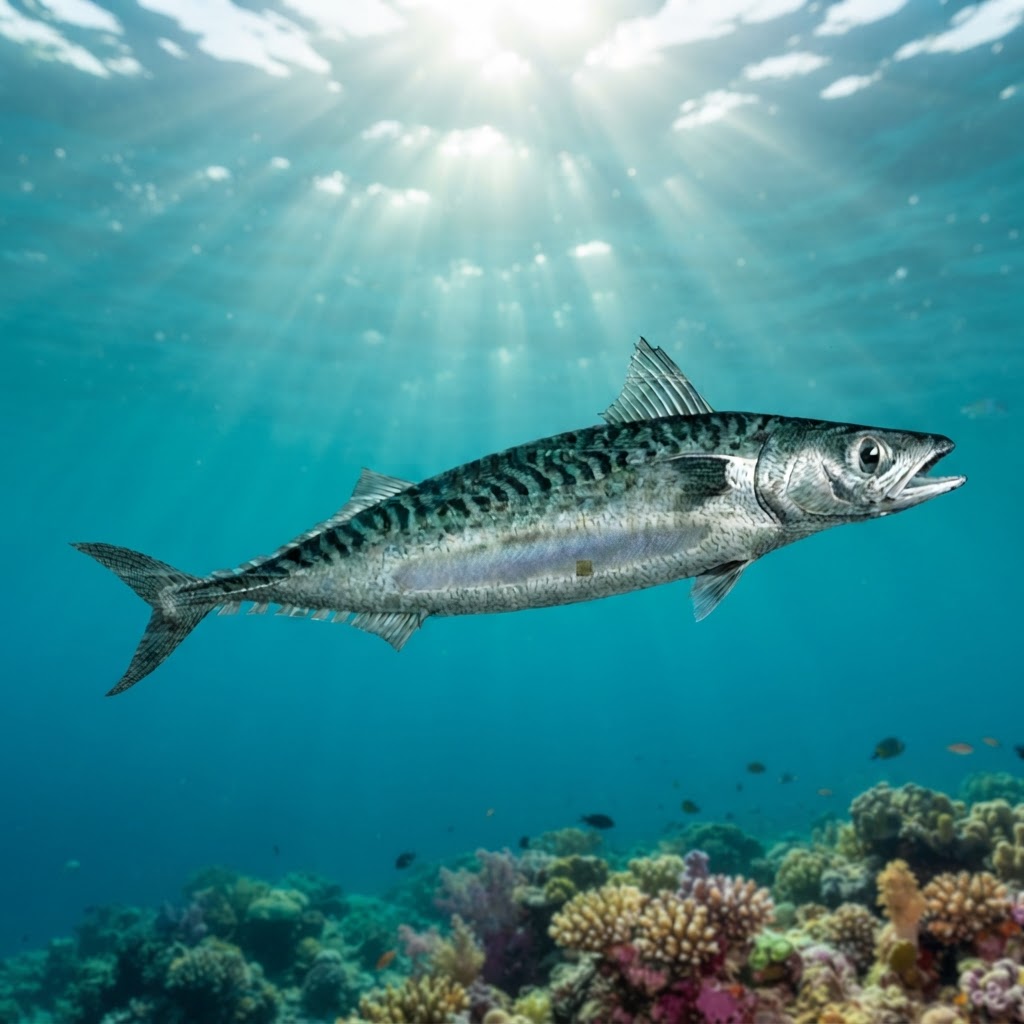
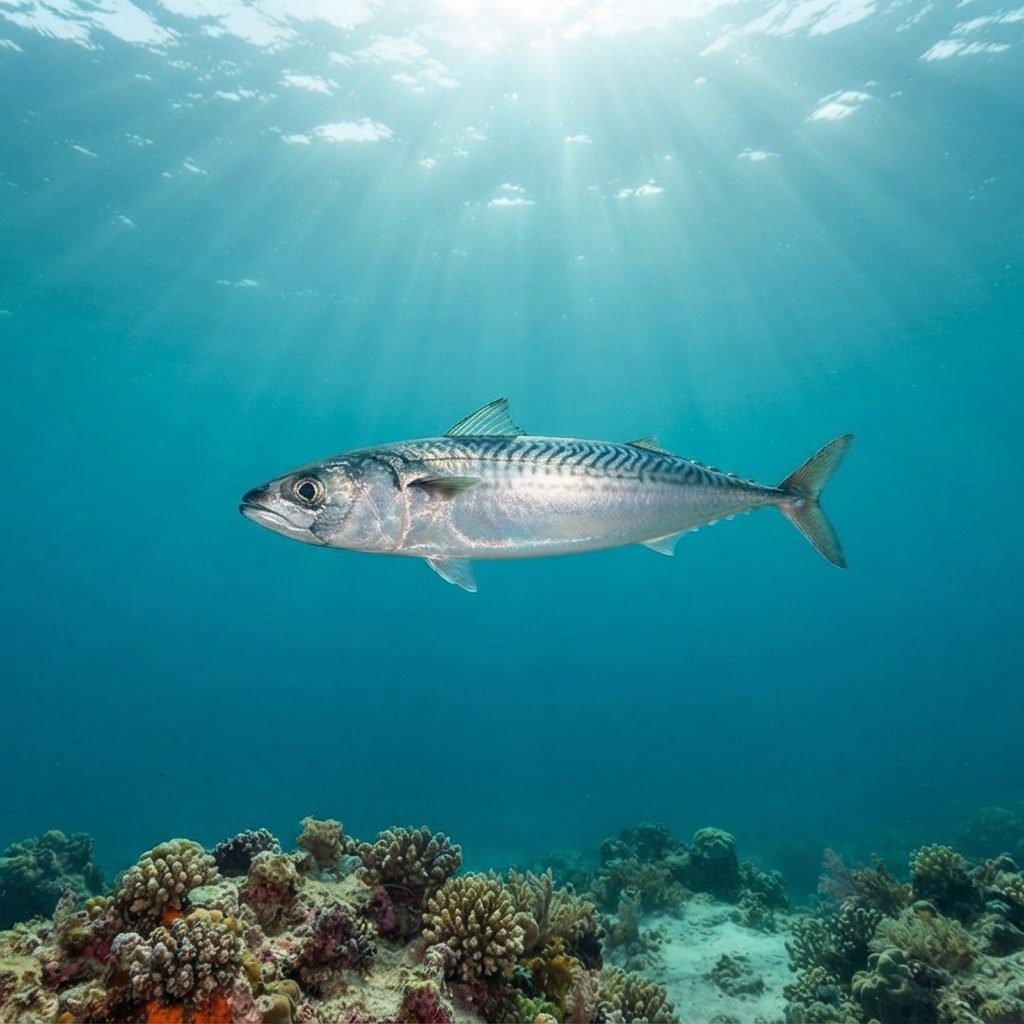
Grows to around 38cm, with a torpedo-shaped body built for speed and a metallic blue-green back marked with dark, wavy vertical lines that fade into plain silver flanks and belly. There's no obvious dark spot behind the gill cover, which is one of the few visual cues separating it from its close cousin the Atlantic mackerel. Watch for the two widely separated dorsal fins and a deeply forked tail, both typical of open-water scombrids on the move.
Usually seen moving in loose to tight schools over open reef and rocky terrain rather than tucked into crevices, often cruising mid-water rather than hugging the bottom. It's a fast, wary swimmer that tends to keep its distance from divers rather than approach, so sightings are often a passing school rather than a lingering encounter. Most reports describe it as an uncommon but not rare find at sites where it turns up, so patience and open water rather than reef nooks are the key to spotting one.
Chub mackerel are constantly on the move because, like other scombrids, they lack a swim bladder and must keep swimming to stay at depth, which is part of why they're rarely seen sitting still for a photo.
Sightings run year-round, with no strong seasonal pattern in the data, likely because it tolerates a wide temperature range from around 14 to 27C. Divers log it in both cooler Atlantic conditions off Galicia and warmer Mediterranean water off Tuscany.
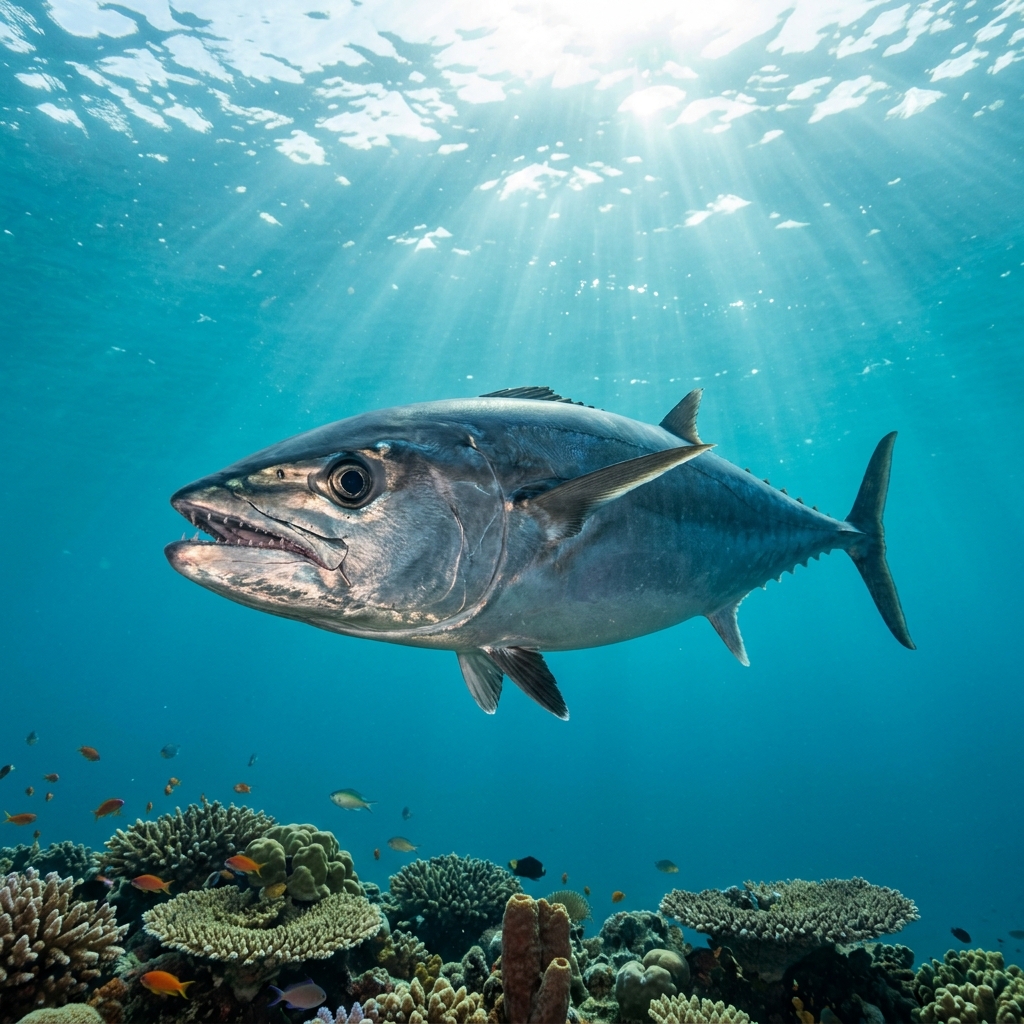
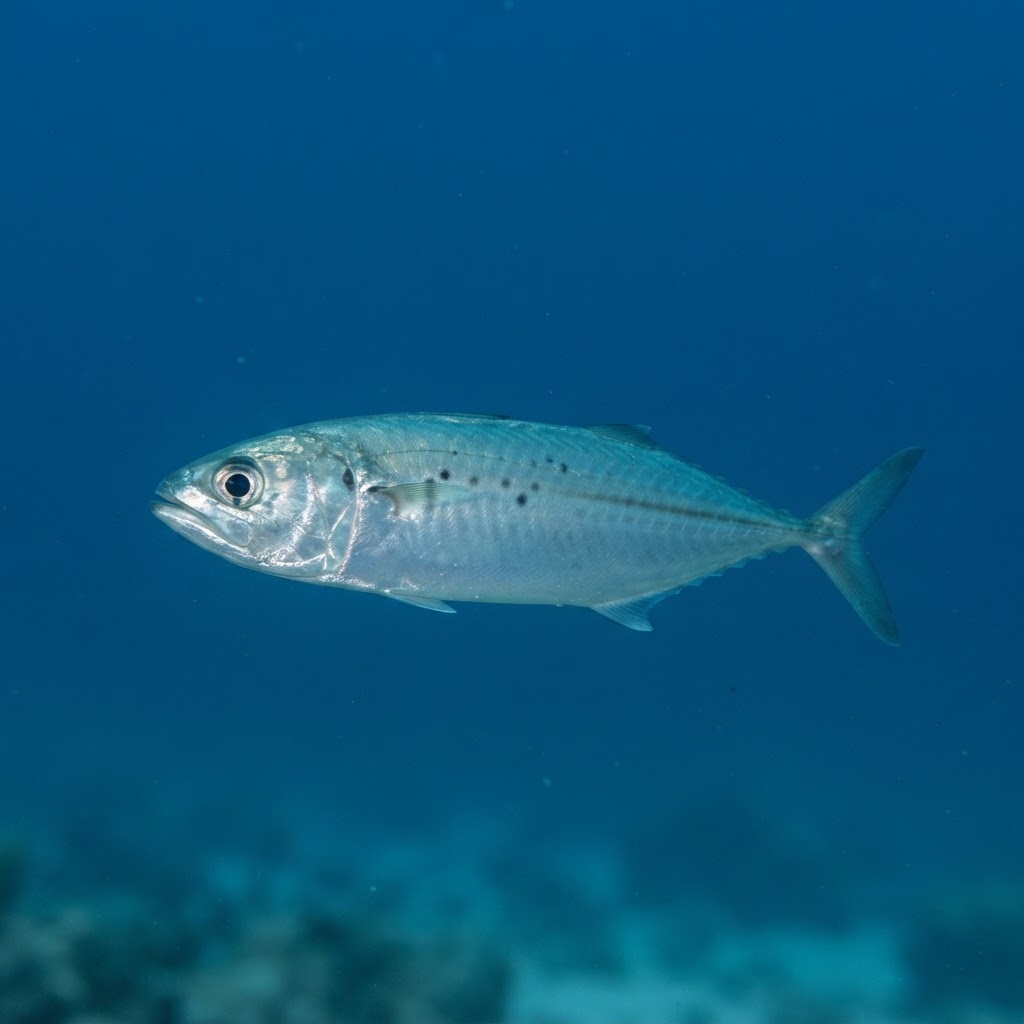
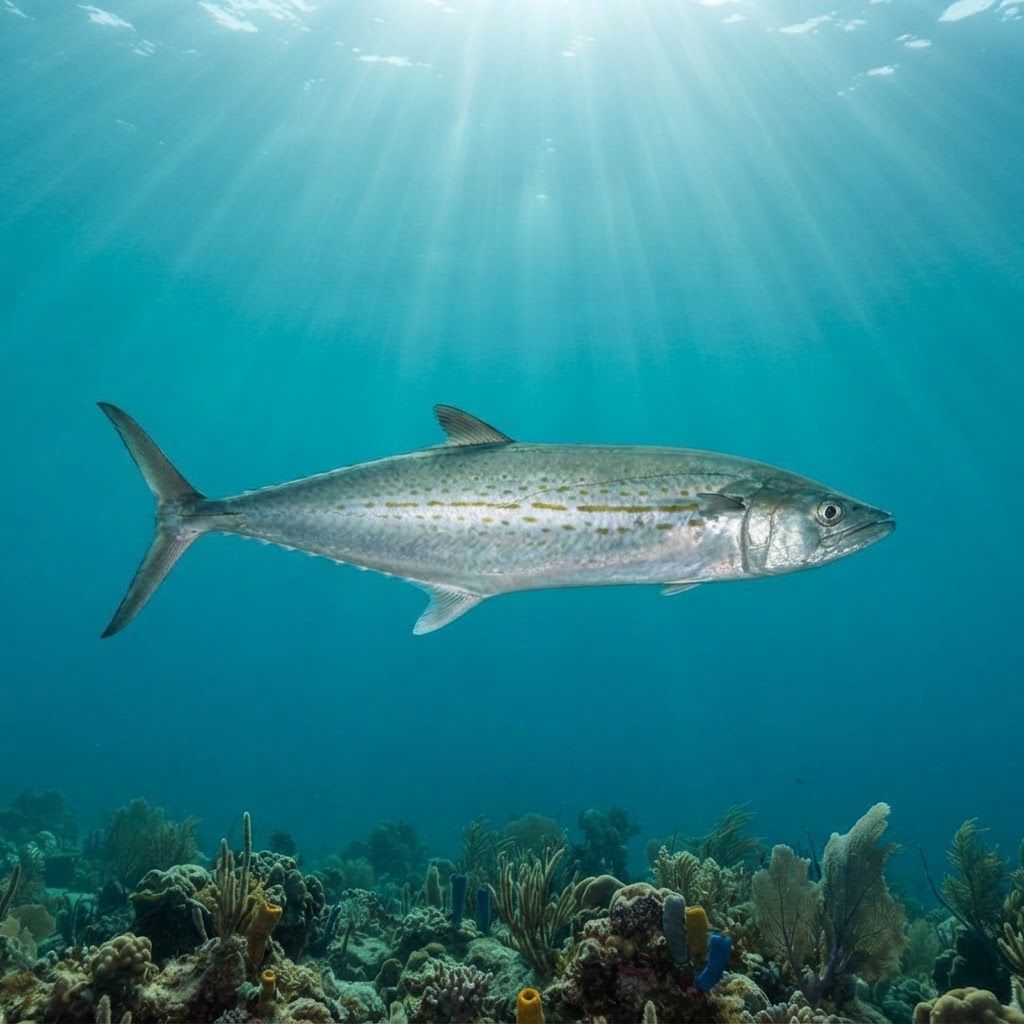
Reef neighbours a diver could mistake it for. Use the identification notes above to tell them apart.
Most reliably logged around the Canary Islands, especially Tenerife and Lanzarote, with a solid presence off Gran Canaria too. Outside Spain, it's also a regular sighting in Tuscany, Italy, and along the Galician coast in mainland Spain.
Mapping where Chub Mackerel is logged…
The Canary Islands are the strongest bet, particularly Tenerife and Lanzarote, with Gran Canaria also producing sightings. They're also logged regularly in Tuscany, Italy, and Galicia in mainland Spain.
There's no clear season in the sighting data, so they're considered a year-round find. Their comfort across a wide temperature range, from about 14 to 27C, means they turn up in both cooler Atlantic and warmer Mediterranean conditions.
Look for a slim, fast-swimming fish around 38cm long with a metallic blue-green back marked by dark wavy lines, fading to plain silvery sides and belly. It has two separated dorsal fins and a deeply forked tail, and tends to be seen schooling in open water rather than near the reef structure.
They typically reach around 38cm in length, a fairly standard size for a mid-water schooling mackerel.
No, they pose no danger to divers. They're a fast, skittish schooling fish that generally keeps its distance rather than approaching.
Site and sighting data is aggregated from diver logs, iNaturalist and GBIF. For taxonomy and conservation status:
Dogtooth Tuna
629 sites