Apata pricei
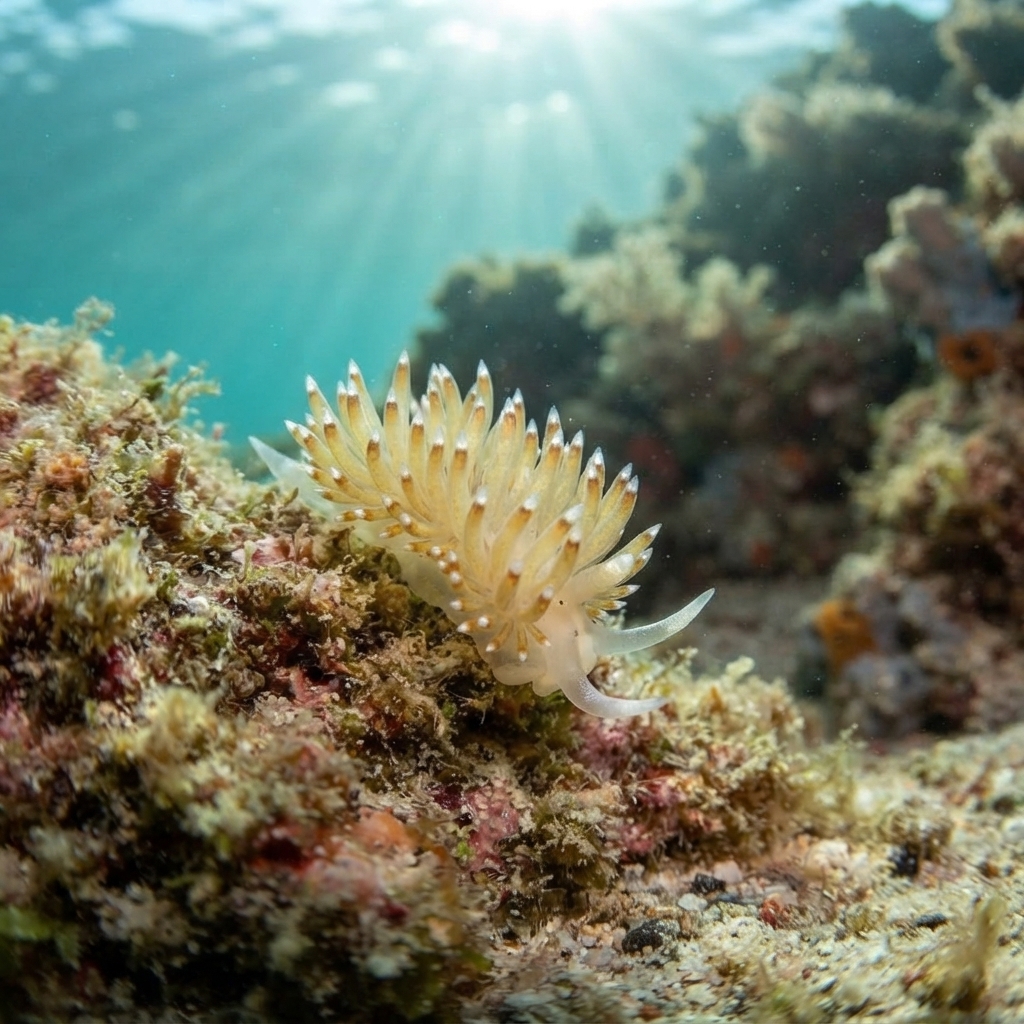
Cool-water nudibranch logged along California, most often turning up as an uncommon find in the 12-19C range year-round.
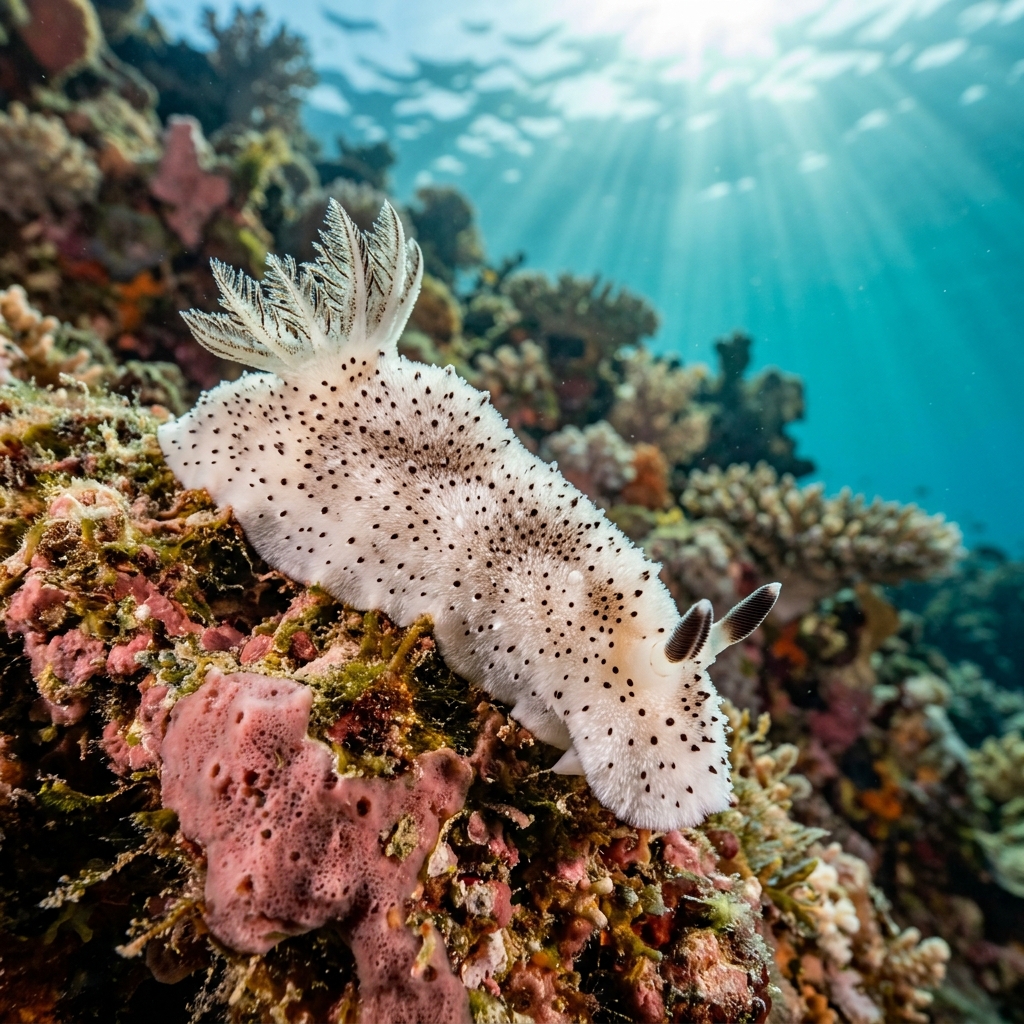
A small, soft-bodied sea slug (nudibranch) best identified by checking it against similar species logged at the same sites, since detailed colour and size data is not yet confirmed for this species. Look for it clinging to rock or reef structure in cool water rather than swimming freely. Because exact markings are not documented here, divers should photograph any candidate sighting for later confirmation rather than relying on memory alone.
Divers most often log this species as an uncommon sighting, meaning it is not something you will see on every dive but is far from a rarity once you know where to look. Like most nudibranchs, it is a slow, deliberate mover, typically found grazing over rock or reef substrate rather than out in open water. Its slow pace and lack of any flight response make it an easy subject for a careful macro photo once spotted.
Nudibranchs in general lack a protective shell as adults, instead relying on chemical defences or camouflage picked up from their diet, and this species' consistent presence at a tight cluster of California sites suggests a fairly localised, cold-water-adapted lifestyle.
Sightings do not show a clear seasonal pattern, so treat this as a year-round possibility on Californian dives. Its observed range of 12.3 to 18.9C matches the cool, temperate water typical of California diving through most of the year, which likely explains the lack of a sharp season.
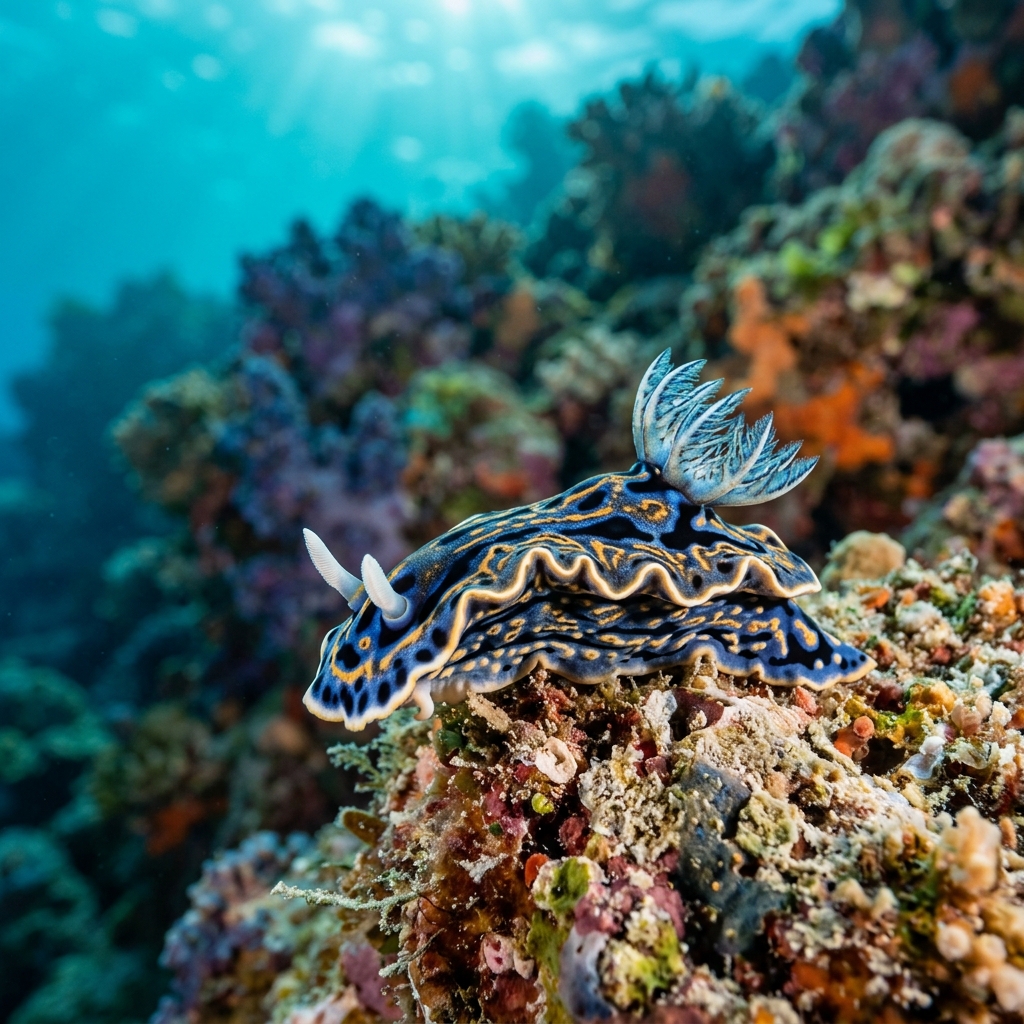
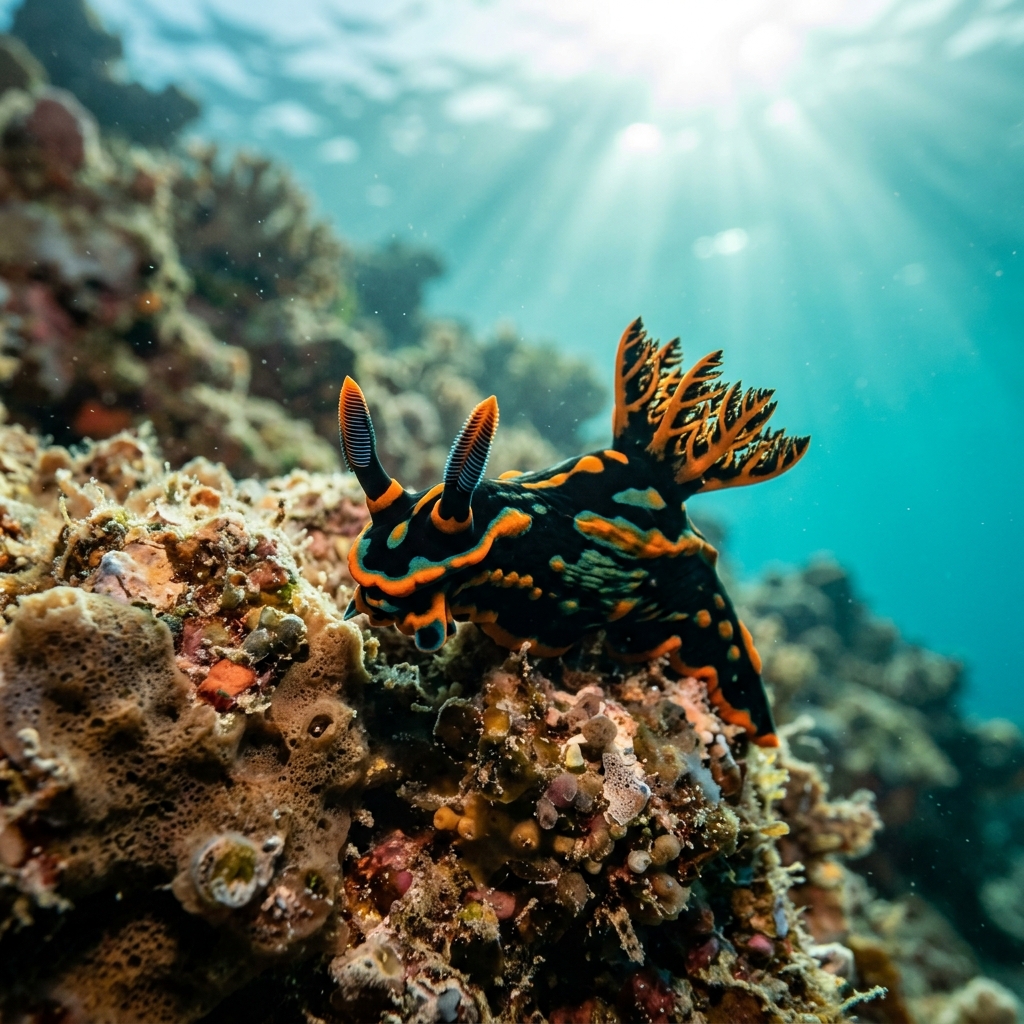
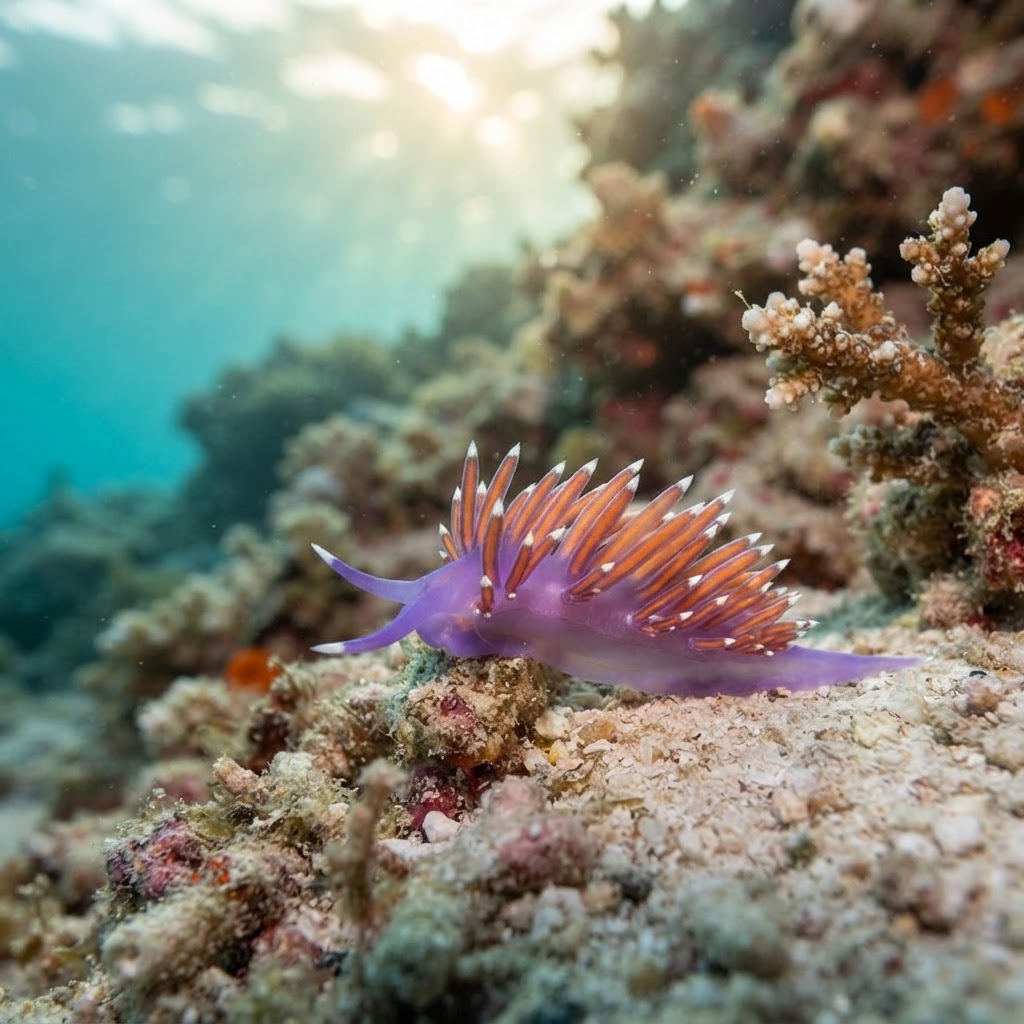
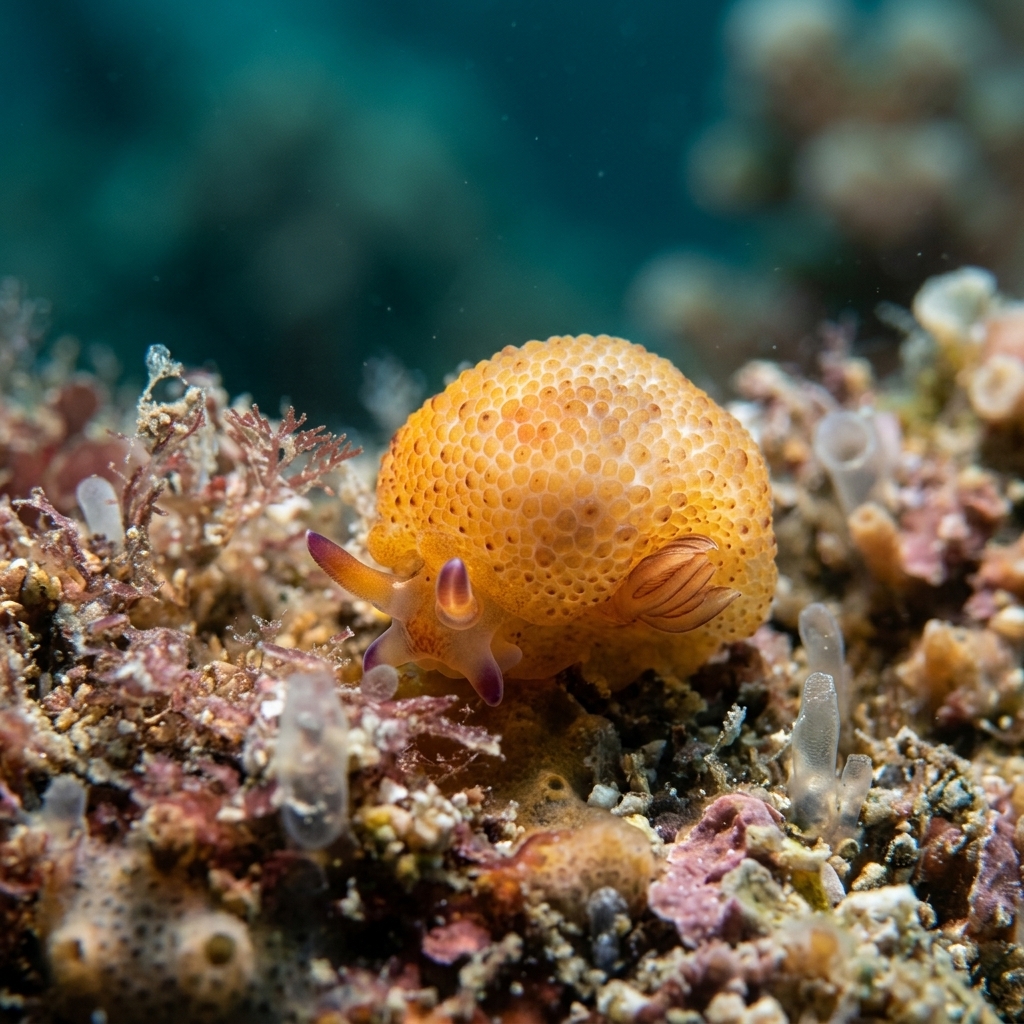
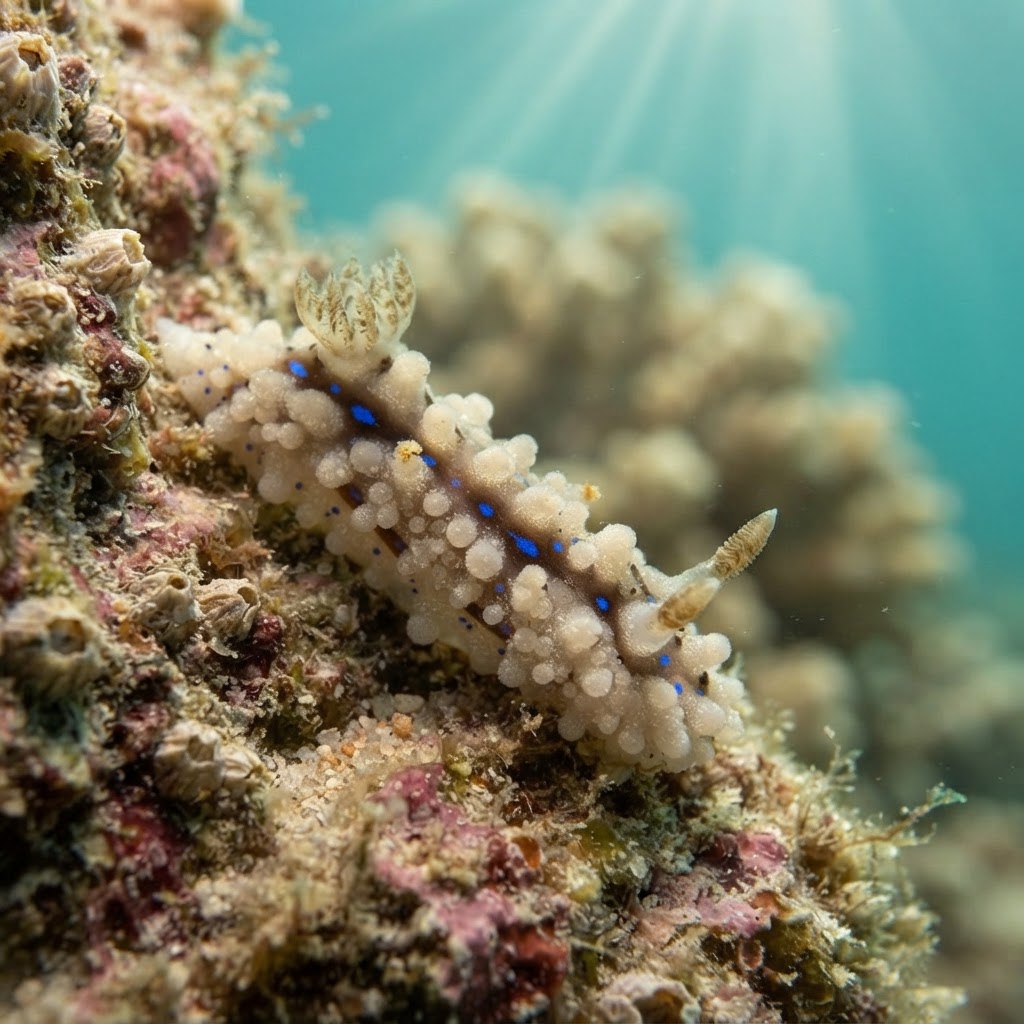
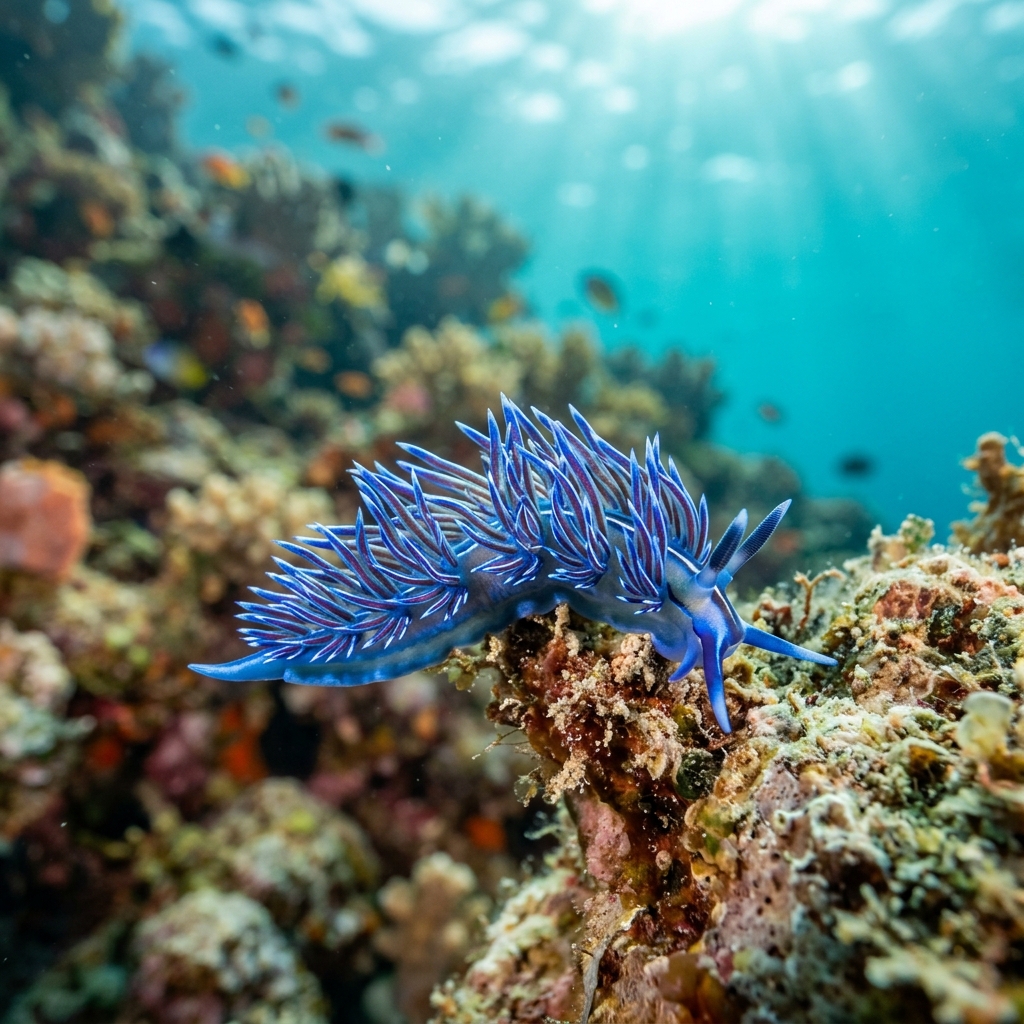
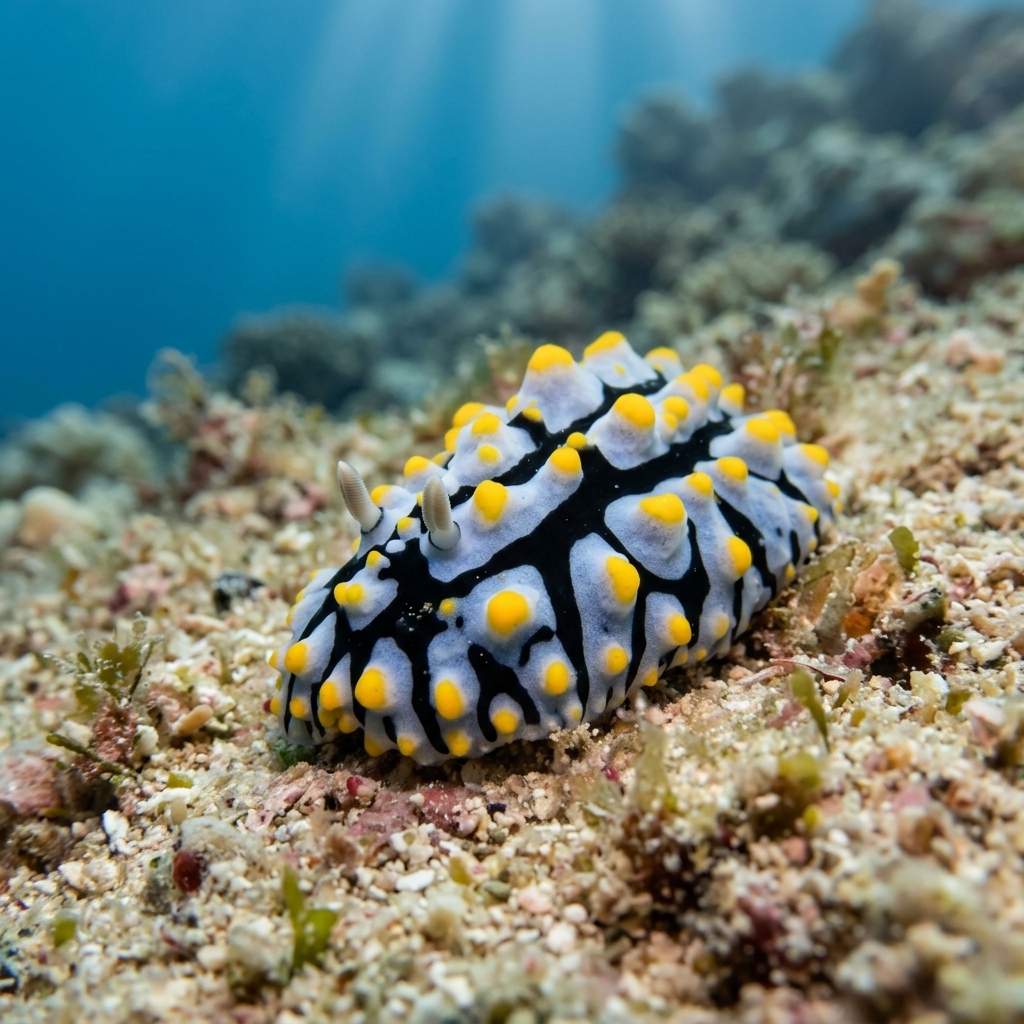
Reef neighbours a diver could mistake it for. Use the identification notes above to tell them apart.
Every logged sighting of this species comes from California, making it a United States speciality rather than a species you will stumble across elsewhere. Divers looking for it should focus time on California dive sites, where it has been recorded consistently enough to be considered a realistic target rather than a fluke find.
Mapping where Apata Pricei is logged…
All confirmed sightings come from California, United States, where it turns up across a cluster of dive sites often enough to be a realistic target for divers hunting nudibranchs.
There is no strong seasonal pattern in the sightings, so it is best treated as a year-round find in California's cool water, which typically sits in the 12 to 19C range this species favours.
Detailed colour and size information is not yet well documented for this species, so identification often relies on comparing photos against similar nudibranchs logged at the same California sites, such as Chromodoris and Nembrotha species.
Typical size has not been reliably documented for this species yet, so divers should photograph sightings for scale reference and future identification support.
No, this species poses no danger to divers. Like most nudibranchs, it is a slow-moving, harmless animal best appreciated with a camera rather than by touch.
Site and sighting data is aggregated from diver logs, iNaturalist and GBIF. For taxonomy and conservation status:
Blue Dragon
3,163 sites