Bulla mabillei
A little-logged bubble snail found in waters between 17.4 and 23.4 C, Angas's Bubble is a tricky one for ID-hungry divers.
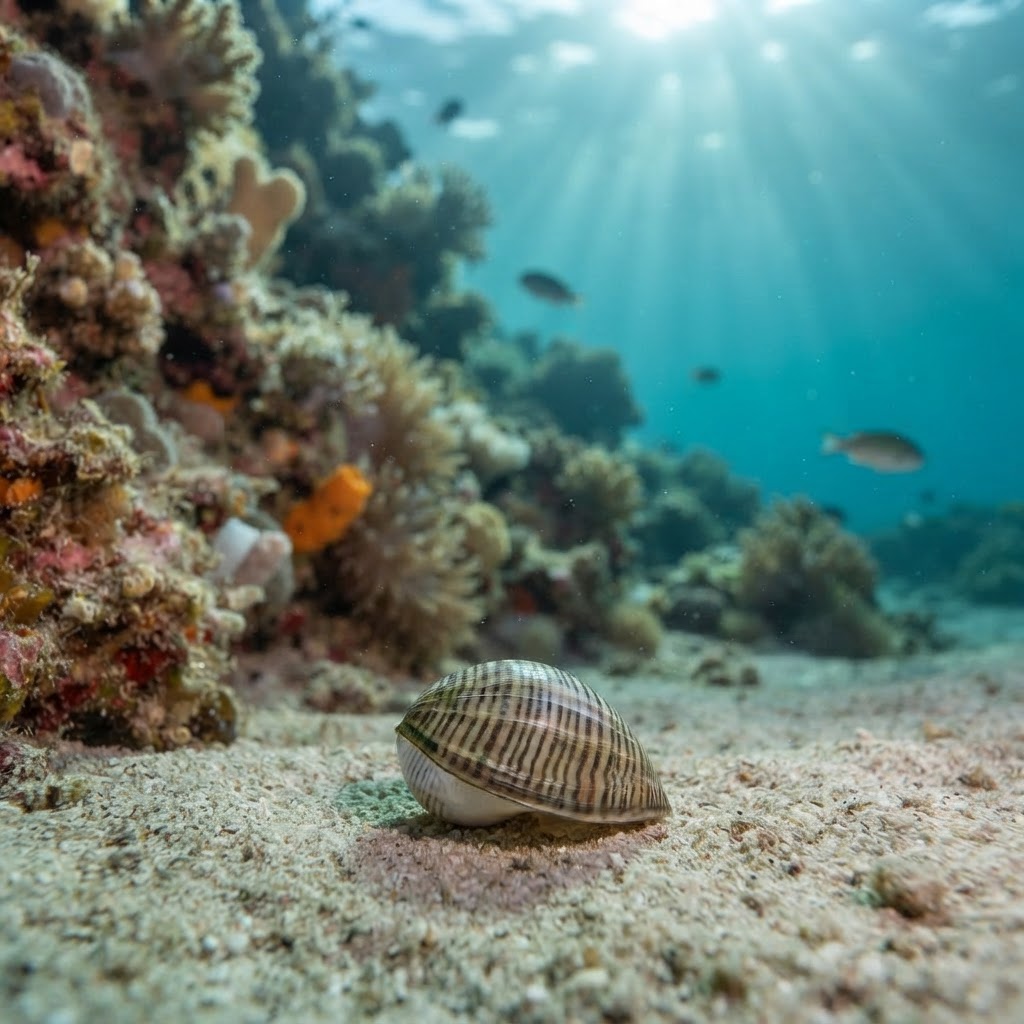
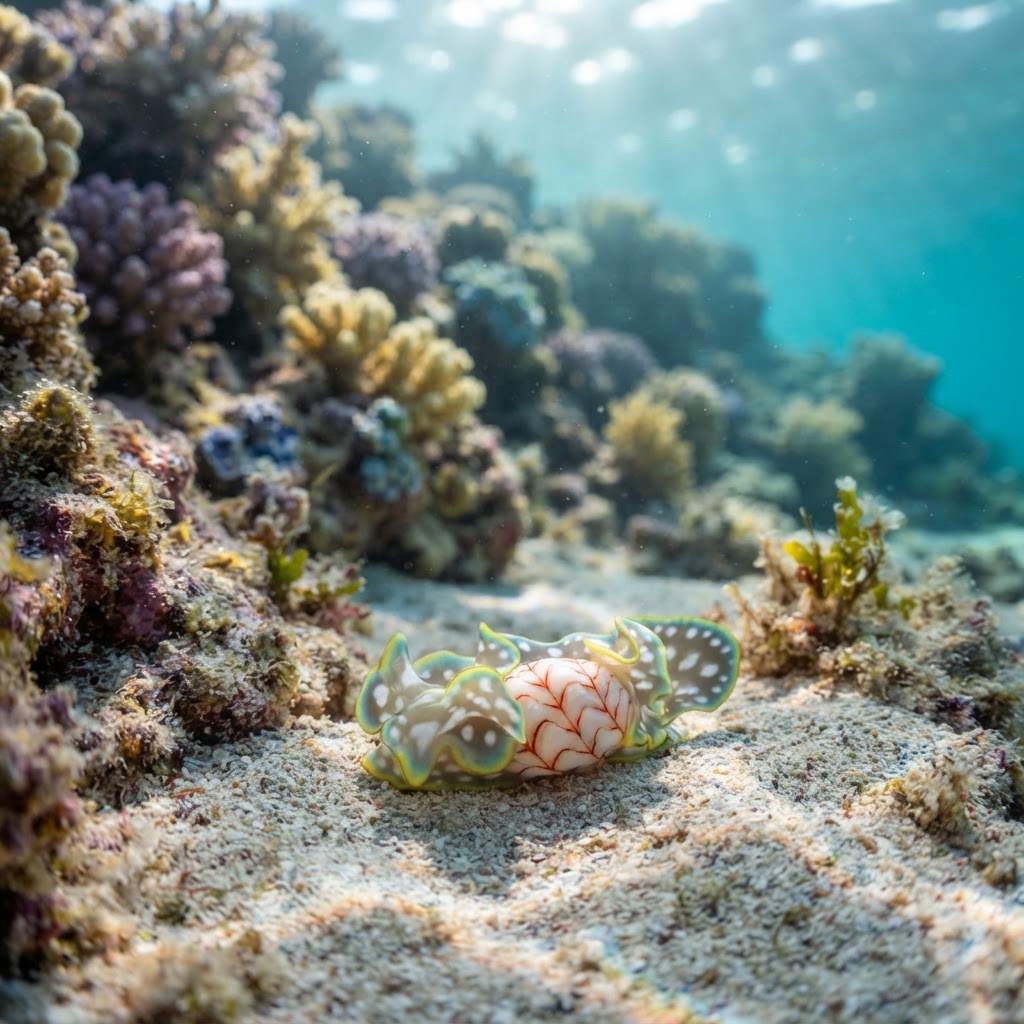
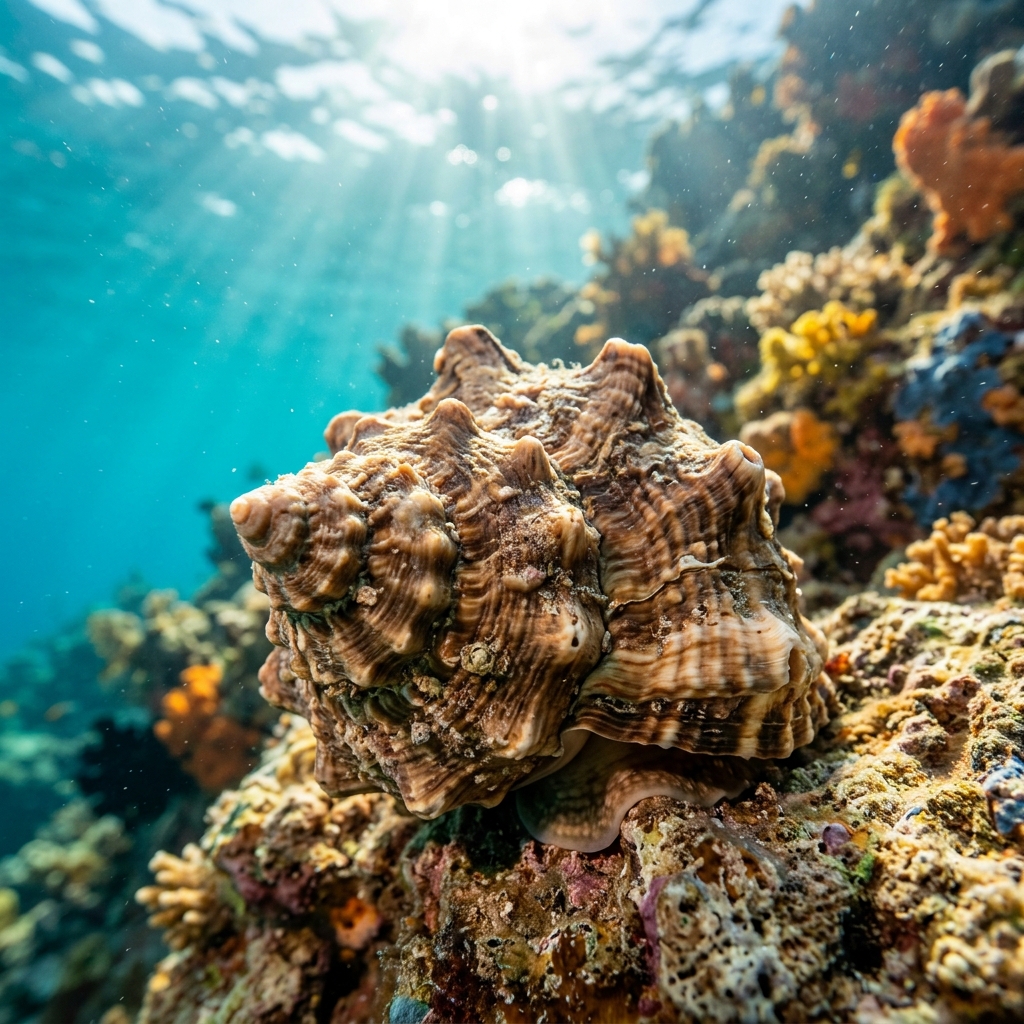
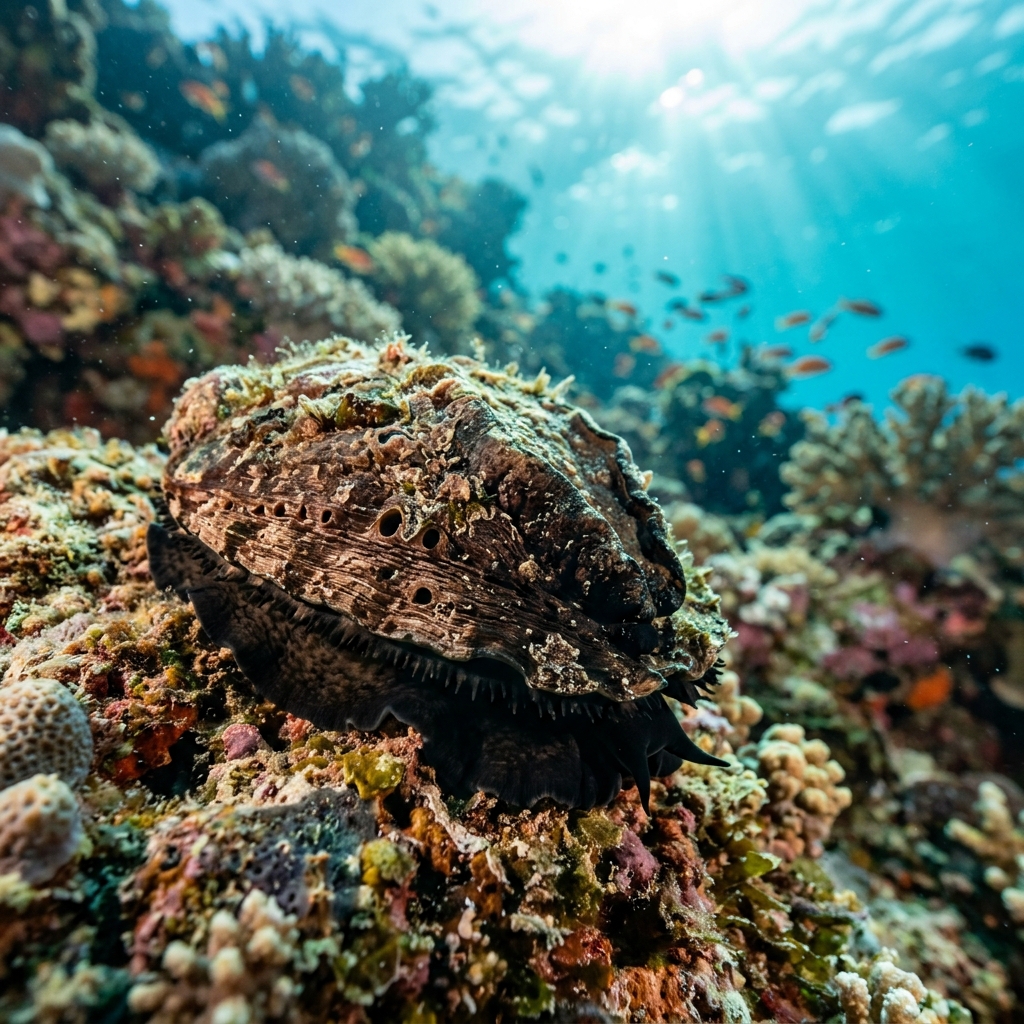
Angas's Bubble carries a small, rounded, glossy shell typical of bubble snails, with the soft body often visible extending beyond the shell margin as it moves over sediment. Exact size in the water is not well documented for this species, so look for the general bubble-shell silhouette rather than a specific colour pattern. It tends to blend into sandy or muddy substrate, so divers usually find it by scanning the bottom closely rather than spotting it from a distance.
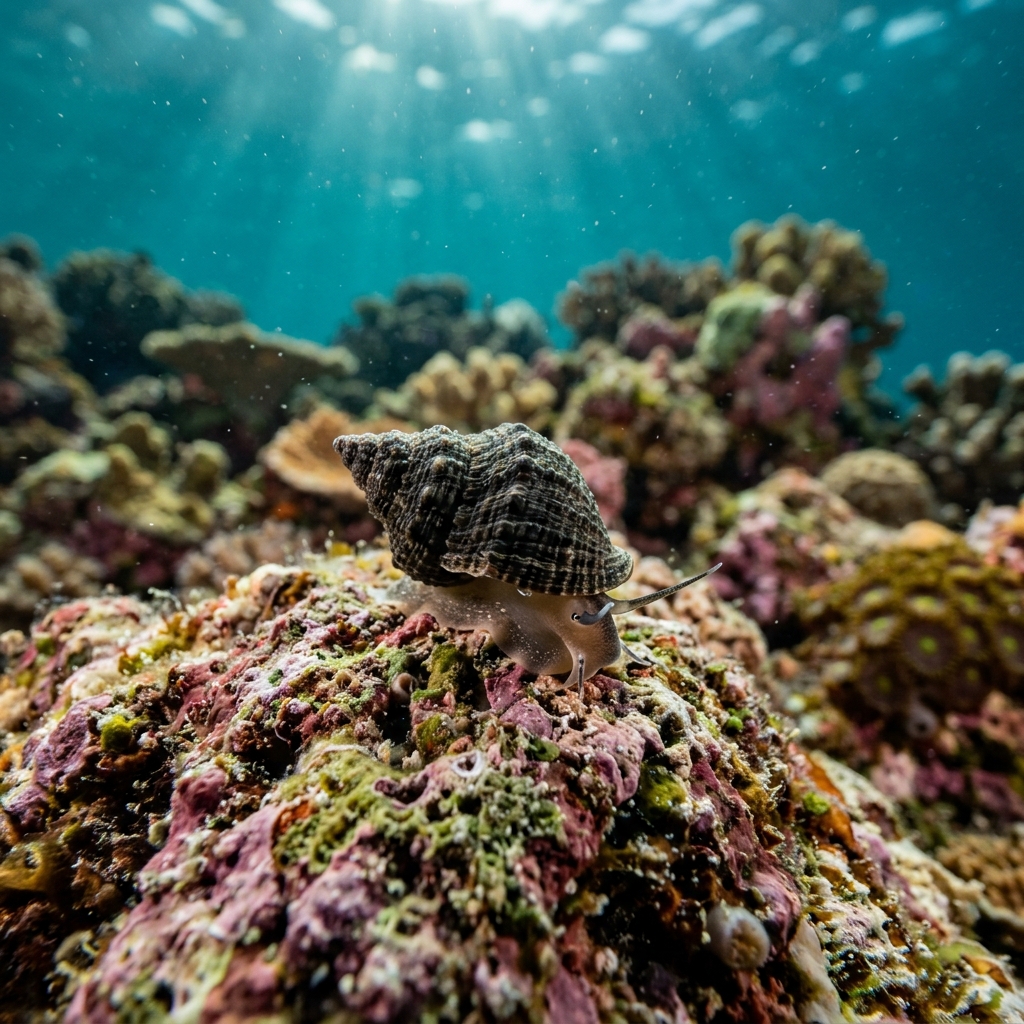
Like other bubble snails, it likely moves slowly over soft sediment, grazing and largely ignoring passing divers. Because so few sightings have been logged, most diver-observed behaviour details for this species are still unconfirmed. Divers who do encounter it typically find it low on the reef or in sandy patches rather than on hard coral structure.
Bubble snails in this family are known for a thin, lightweight shell that houses a soft body too large to fully retract inside it, a trait shared across the genus Bulla.
Sightings recorded so far span water temperatures from 17.4 to 23.4 C, but there is not enough monthly data to identify a season, so treat this as a year-round possibility wherever conditions fall in that range.
Reef neighbours a diver could mistake it for. Use the identification notes above to tell them apart.
There is not yet enough logged diver or observation data to name reliable dive regions for Angas's Bubble. If you do find one, logging the site and conditions helps build the picture for other divers.
Mapping where Angas's Bubble is logged…
Diver sightings of Angas's Bubble are too sparse right now to point to specific dive regions with confidence. It remains one of the least-logged bubble snails on record, so any confirmed encounter is a useful data point.
There isn't enough logged data to pin down a season. Recorded sightings span water temperatures of 17.4 to 23.4 C, suggesting it is not restricted to a narrow warm-water window.
Look for a small, glossy, rounded shell with the soft body often spilling over its edges, resting on sand or soft sediment. It is easily confused with other bubble shells, so a close look and photo comparison helps confirm ID.
Size data for this species has not been well documented, so there is no reliable figure to quote yet. Compare it in the water to nearby objects like your fingers for a rough sense of scale until more measurements are logged.
No, it poses no known danger to divers. Like other bubble snails, it is a slow-moving, harmless grazer.
Site and sighting data is aggregated from diver logs, iNaturalist and GBIF. For taxonomy and conservation status:
Triton Shell
2,297 sites