Ancylomenes magnificus
Spot Magnificent Anemone Shrimp in the Philippines and Sulawesi in warm 26-29 °C water. Tips on ID, look-alikes, and the best dive regions.
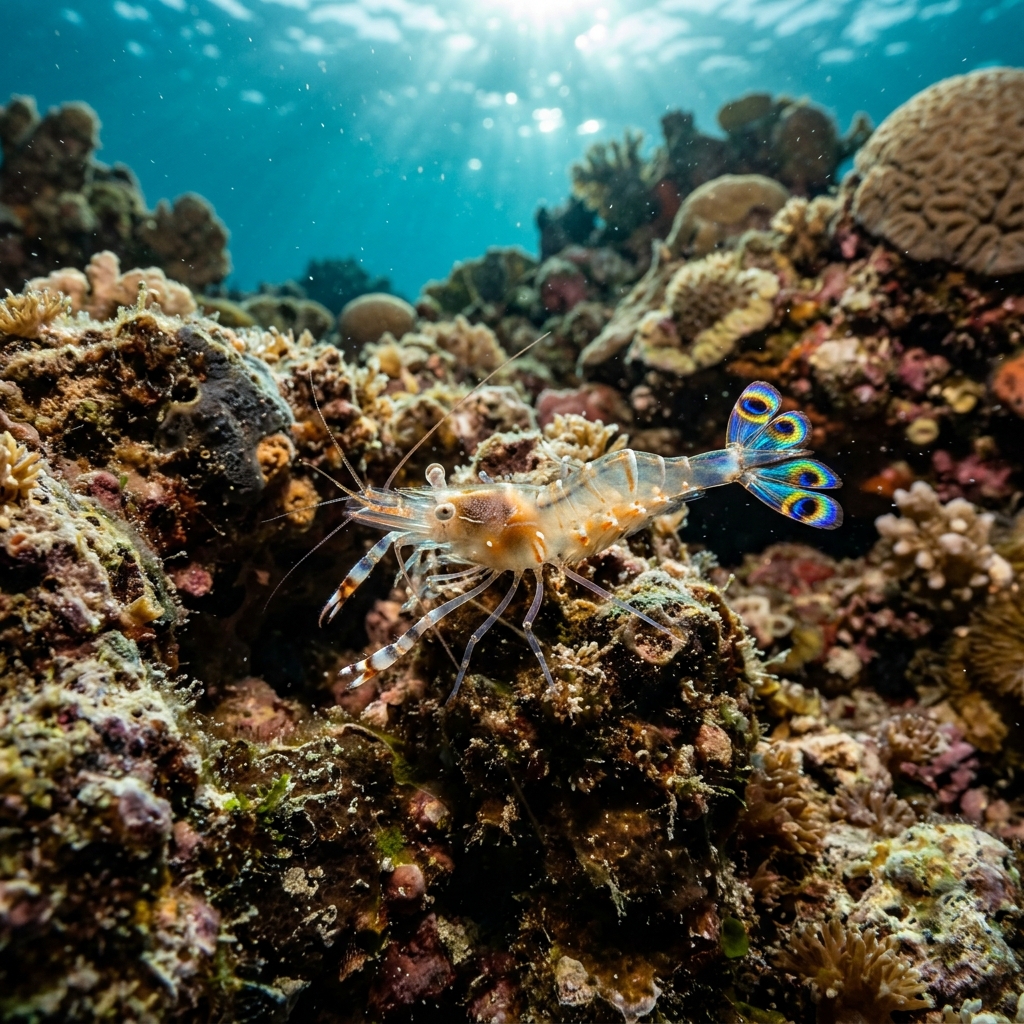
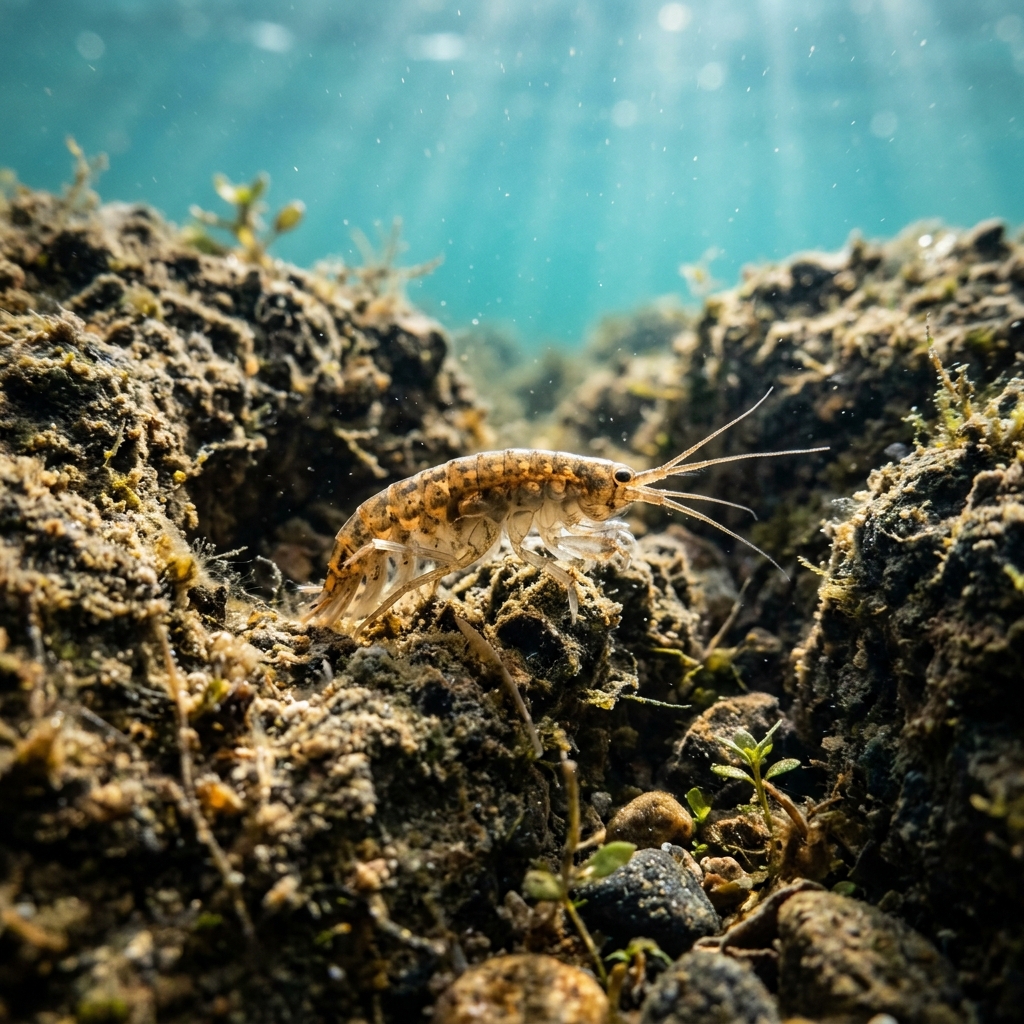
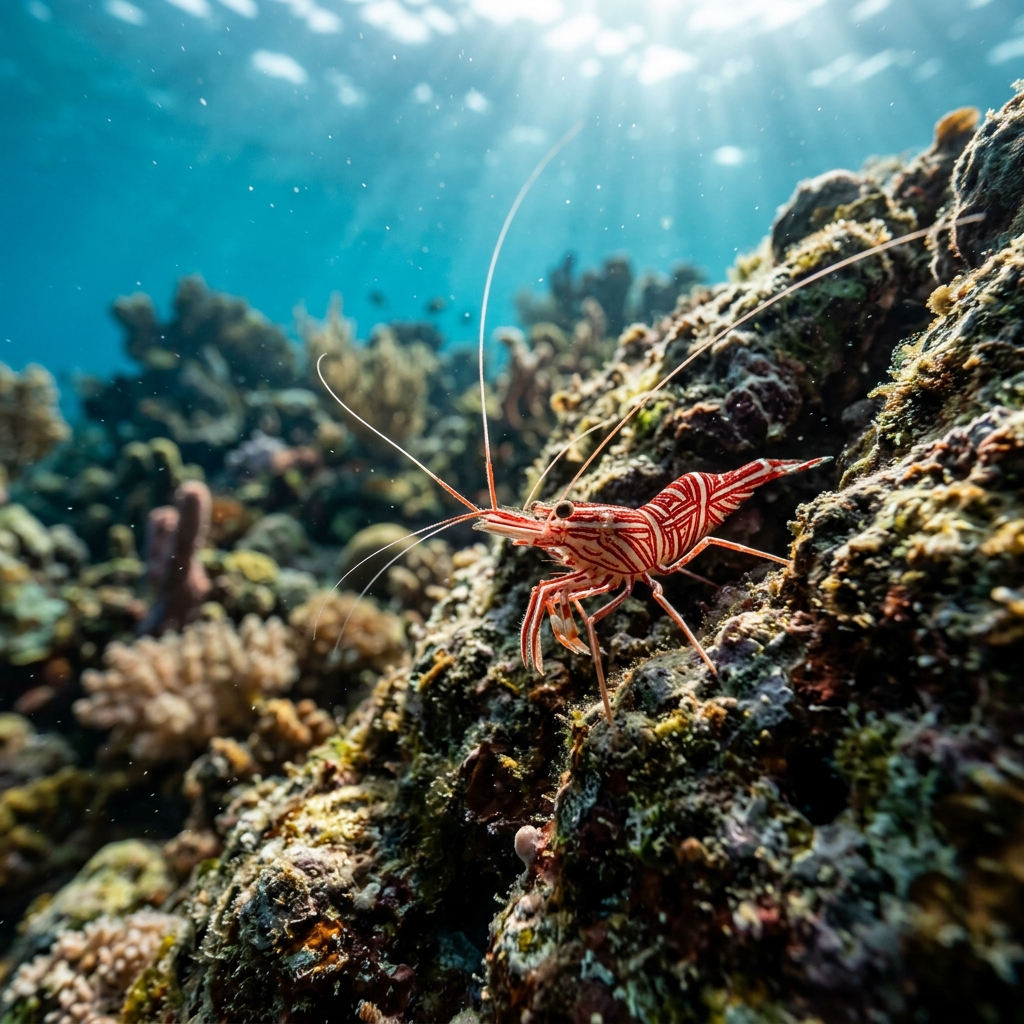
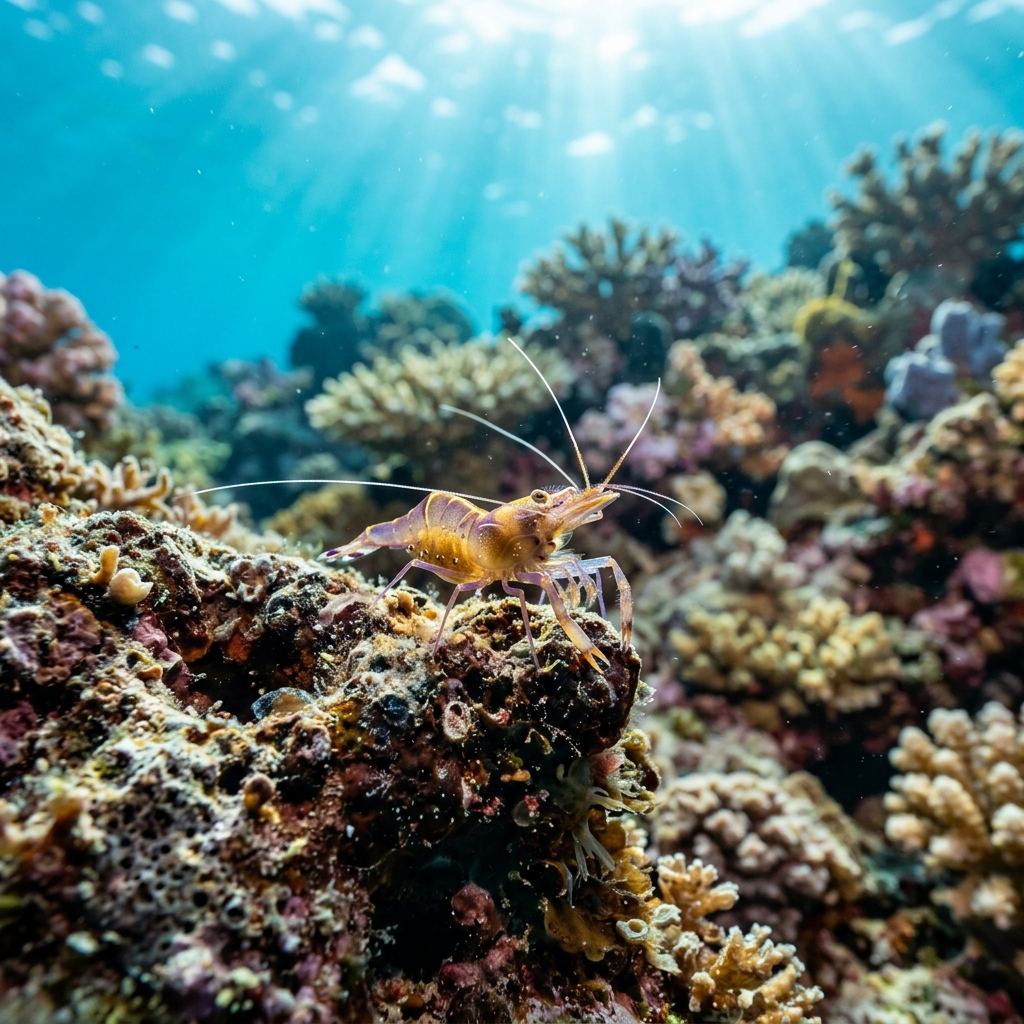
Look for a small, largely transparent shrimp with a scattering of white spots across the body and distinctive violet or purple-tipped claws and walking legs that catch the light. It lives on sea anemones, clinging to the tentacles rather than hiding beneath them, which makes it easier to spot than many commensal shrimps. The body has a slight iridescent sheen, and the combination of transparent base colour with bold white spots and coloured appendages is the key underwater marker.
Magnificent anemone shrimps are almost always found living commensally (sharing a host for shelter and food without harming it) on sea anemones, perching on or among the tentacles where they are partially camouflaged. When approached by a diver they tend to shuffle to the far side of the anemone or press into the column rather than swimming away, so slow, non-invasive approaches give the best views. They are most straightforward to find during daylight dives when the host anemone is fully expanded.
Like many anemone-dwelling shrimps, they are thought to gain protection from the anemone's stinging tentacles through a chemical or physical adaptation that prevents the nematocysts from firing, a relationship that allows them to use the anemone as both a refuge and a feeding station.
No clear seasonal peak has emerged from the dive data, so it is treated as a year-round species. It is observed in water temperatures of roughly 26 to 29 °C, consistent with tropical reef conditions throughout the year across all its range.
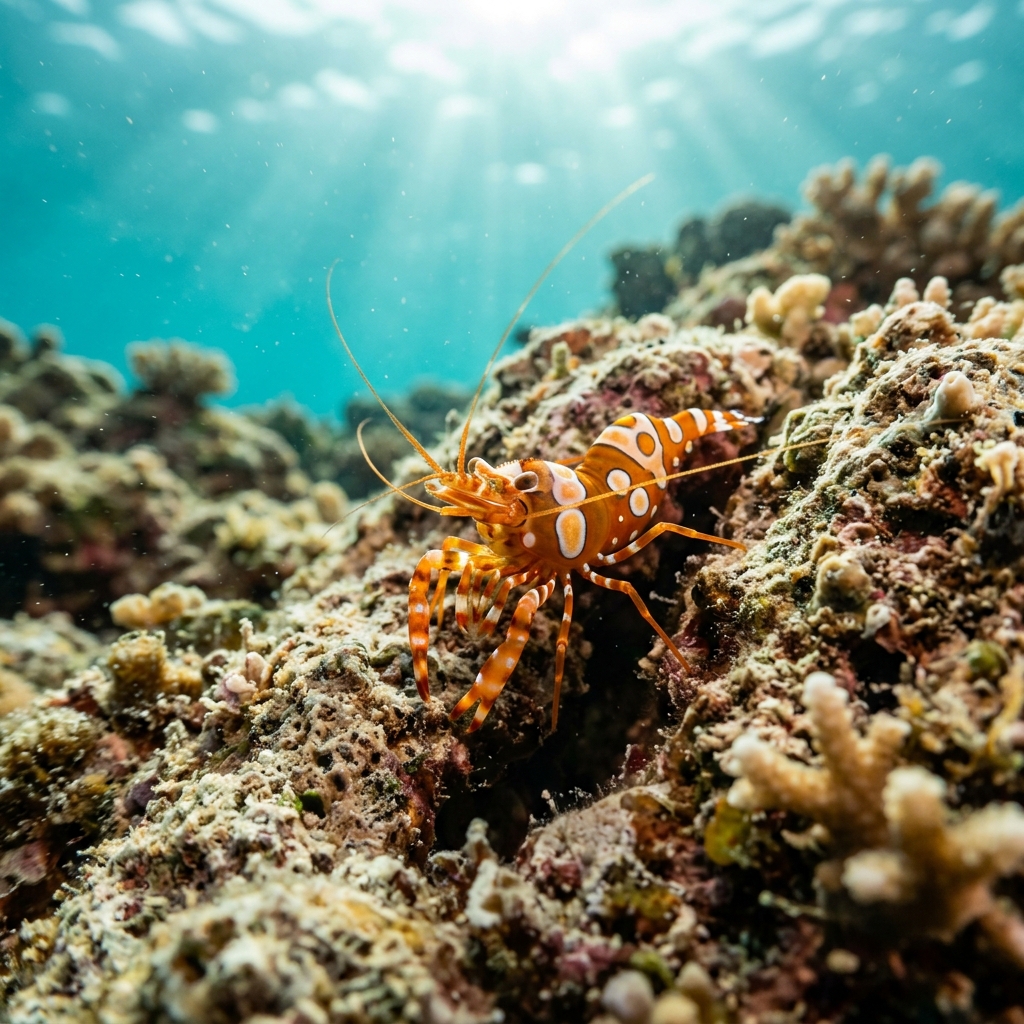
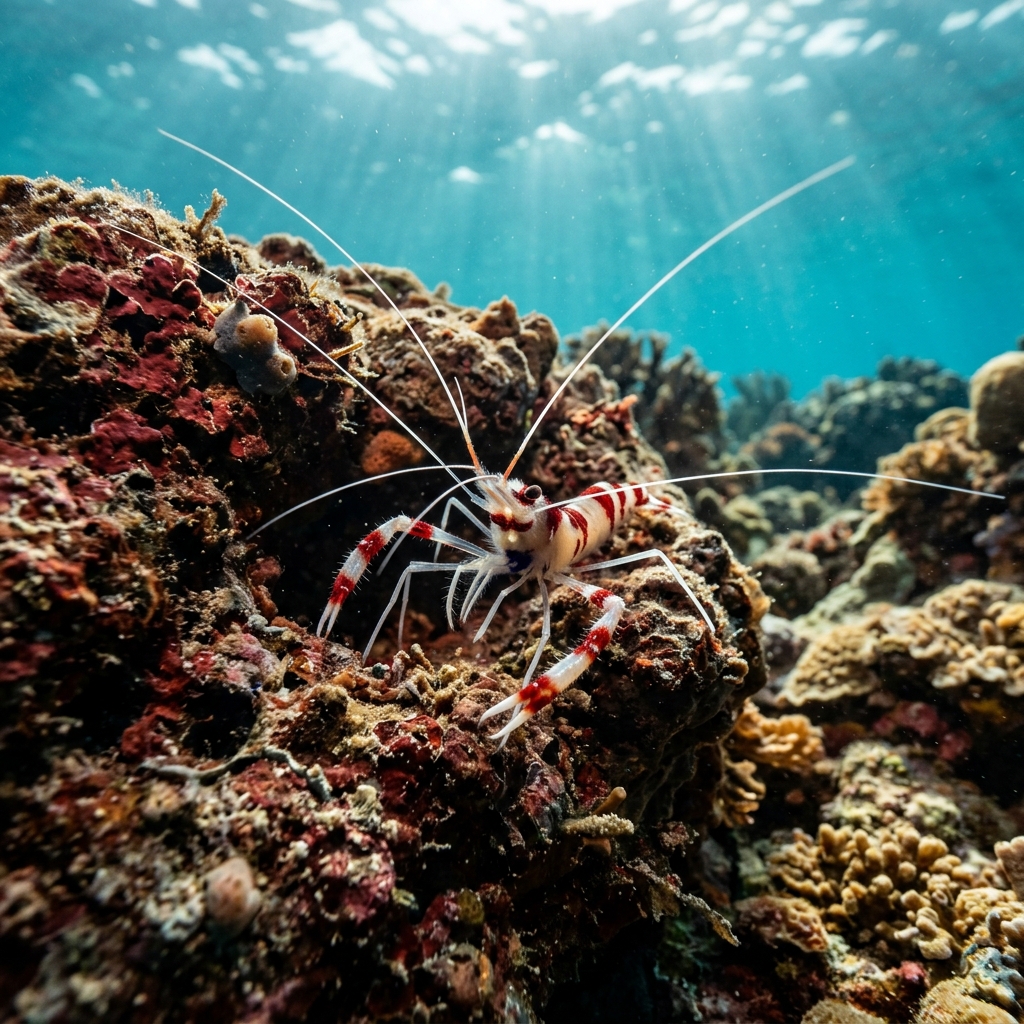
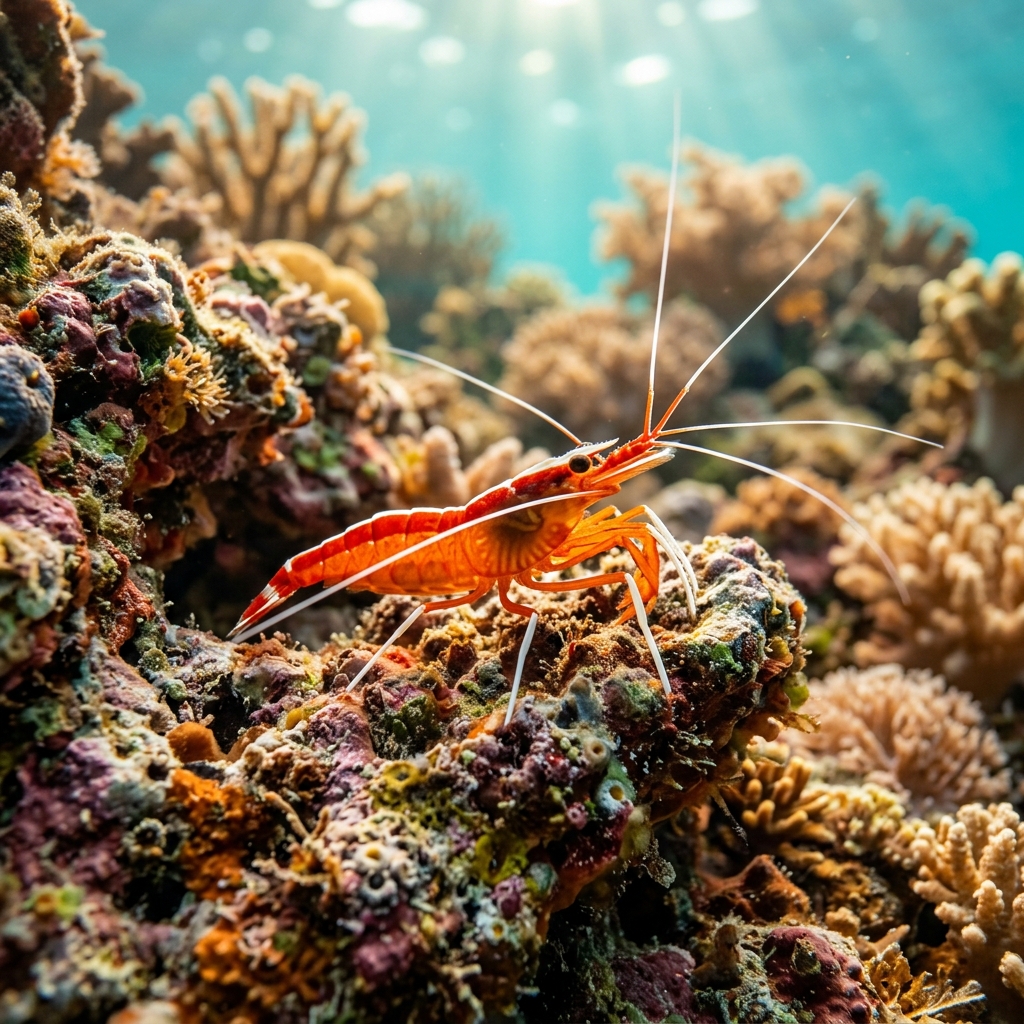
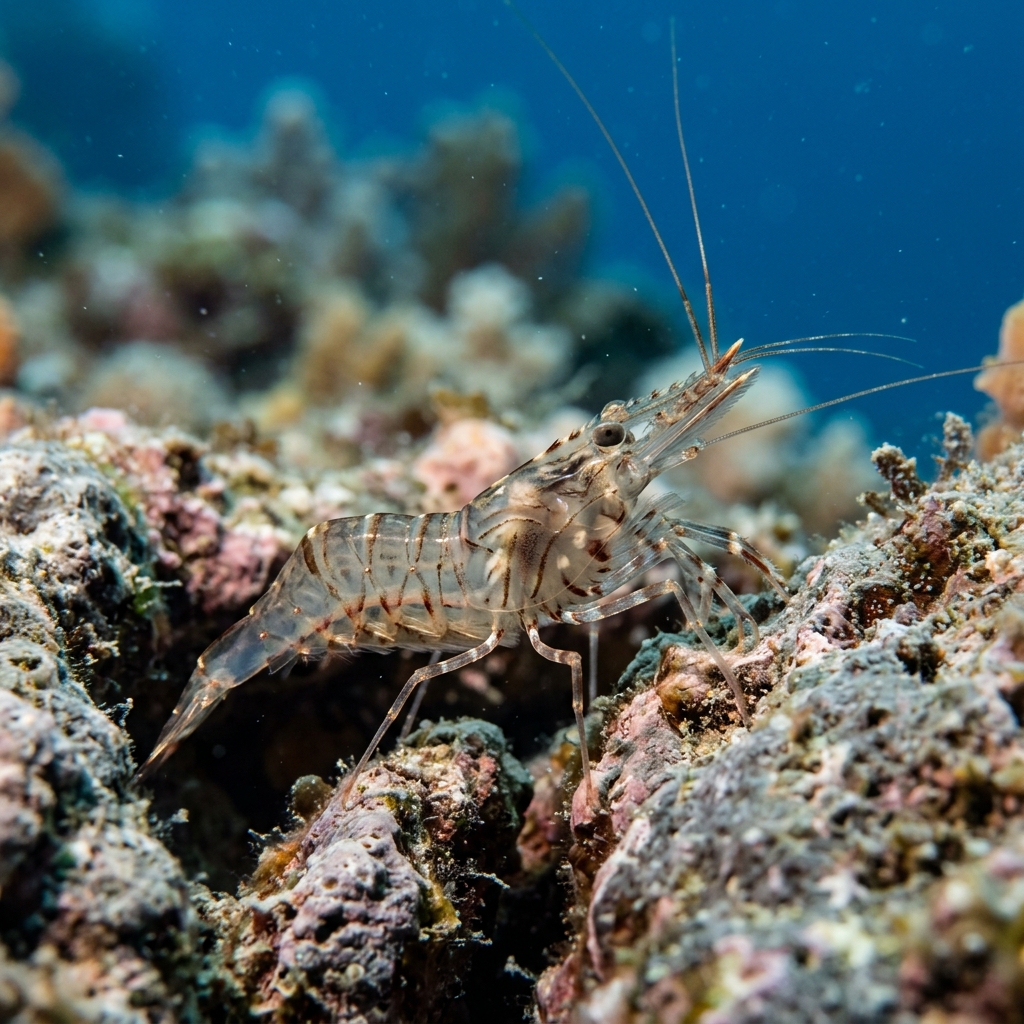
Reef neighbours a diver could mistake it for. Use the identification notes above to tell them apart.
Most sightings come from the Philippines, particularly the Visayas and Luzon regions, making it one of the more reliably logged anemone shrimps in that country. Sulawesi in Indonesia is the next strongest region, followed by Malaysia's Perhentian and Redang islands, with a small number of records also from New Caledonia. The species has been logged across many individual sites, though it is more often described as uncommon than common, so patience pays.
Mapping where Magnificent Anemone Shrimp is logged…
The Philippines is the top destination, with strong records across the Visayas and Luzon regions. Sulawesi in Indonesia is close behind, and Malaysia's Perhentian and Redang islands also host a solid number of sightings. A small number of records exist from New Caledonia.
There is no defined season in the dive data, so they can be encountered year-round. They are found in warm tropical water between about 26 and 29 °C, which is typical of reef conditions throughout the year across the Philippines, Indonesia, and Malaysia.
Key features are a transparent body covered in white spots and distinctively coloured, often violet-tipped, claws and legs. It is almost always found sitting directly on a sea anemone rather than on bare reef. That host association, combined with the spotted translucent body, separates it from most other small reef shrimps.
Across the sites where it has been recorded, it is most often rated as uncommon, with a smaller proportion of sites rating it rare and only a handful rating it common. Finding one usually requires actively searching anemones rather than stumbling across it by chance.
No. They are tiny, harmless crustaceans that pose no risk to divers. The anemone they live on can sting bare skin if touched directly, so the usual advice is to keep hands away from the host anemone and observe without contact.
Site and sighting data is aggregated from diver logs, iNaturalist and GBIF. For taxonomy and conservation status:
Rockpool Prawn
2,179 sites