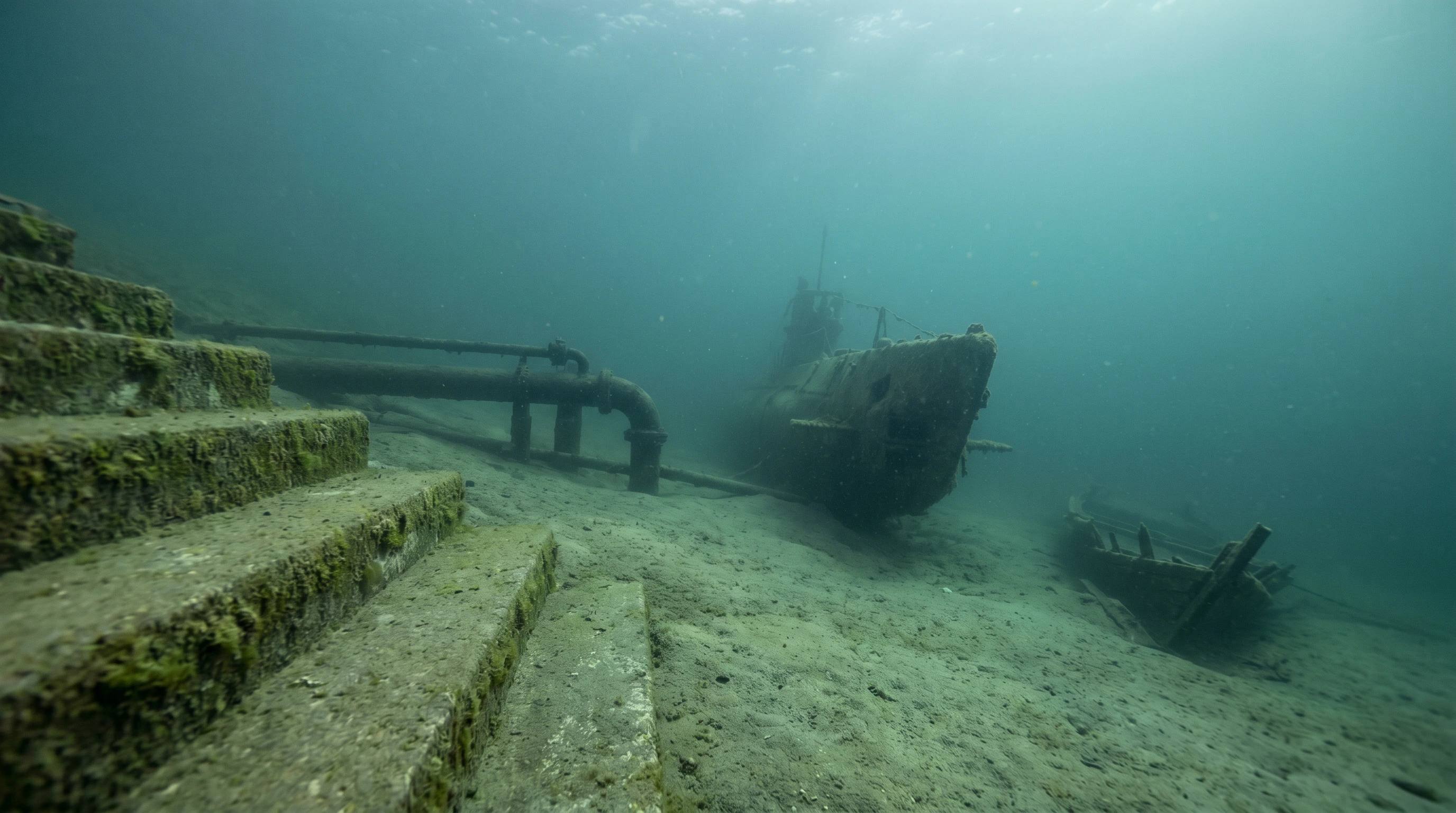
Best for beginner divers, 6-30m, shore entry, strong current.
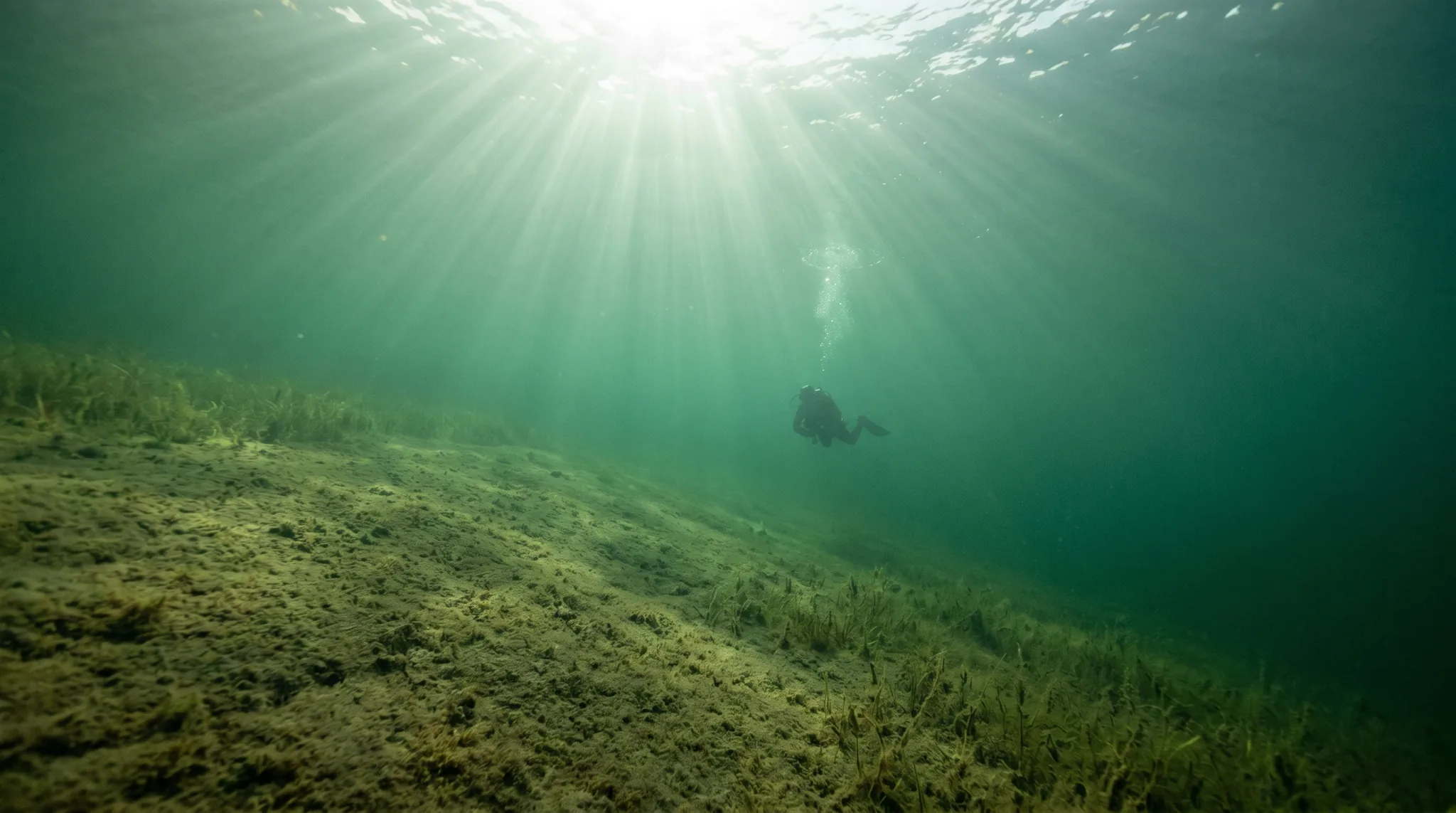
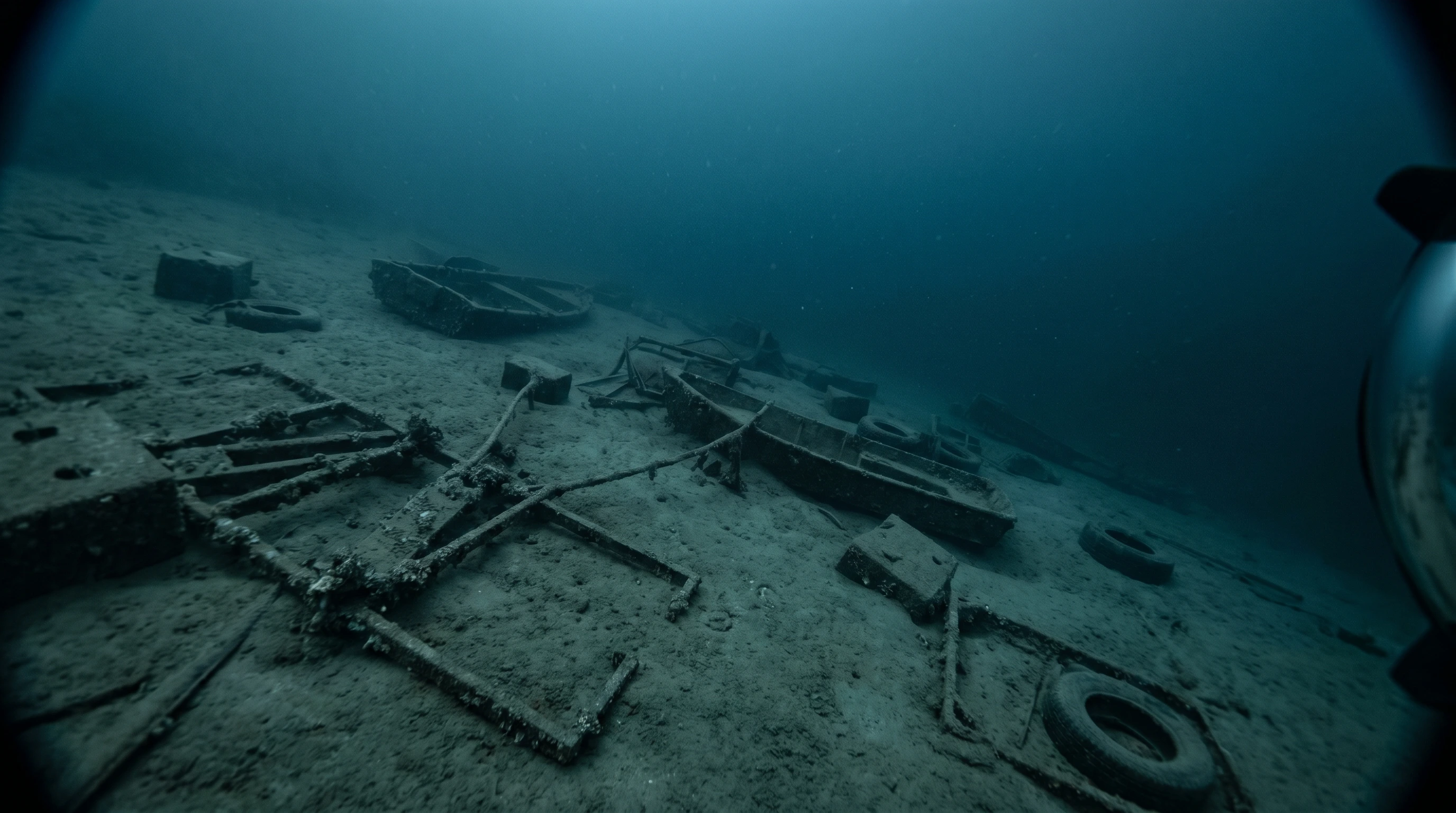
Serrières is an artificial reef site located in Lake Geneva, accessible via a shore entry. The topography features a silty bottom that slopes gently into the lake, with large stones along the shoreline and seasonal seagrass. Divers can expect depths ranging from 6 to 30 metres, with an average depth of 18 metres. Conditions include strong currents and visibility between 5 and 15 metres. Due to cold water temperatures, a dry suit or thick wetsuit is required. The site is suitable for beginners, with typical dives lasting around 40 minutes. The habitat supports various temperate freshwater fish and invertebrates typical of the region.
46.97861, 6.89711
The site has approximately 20 parking spaces available.
The site features a nearby entry point with a staircase and a handrail wide enough for three people to carry equipment.
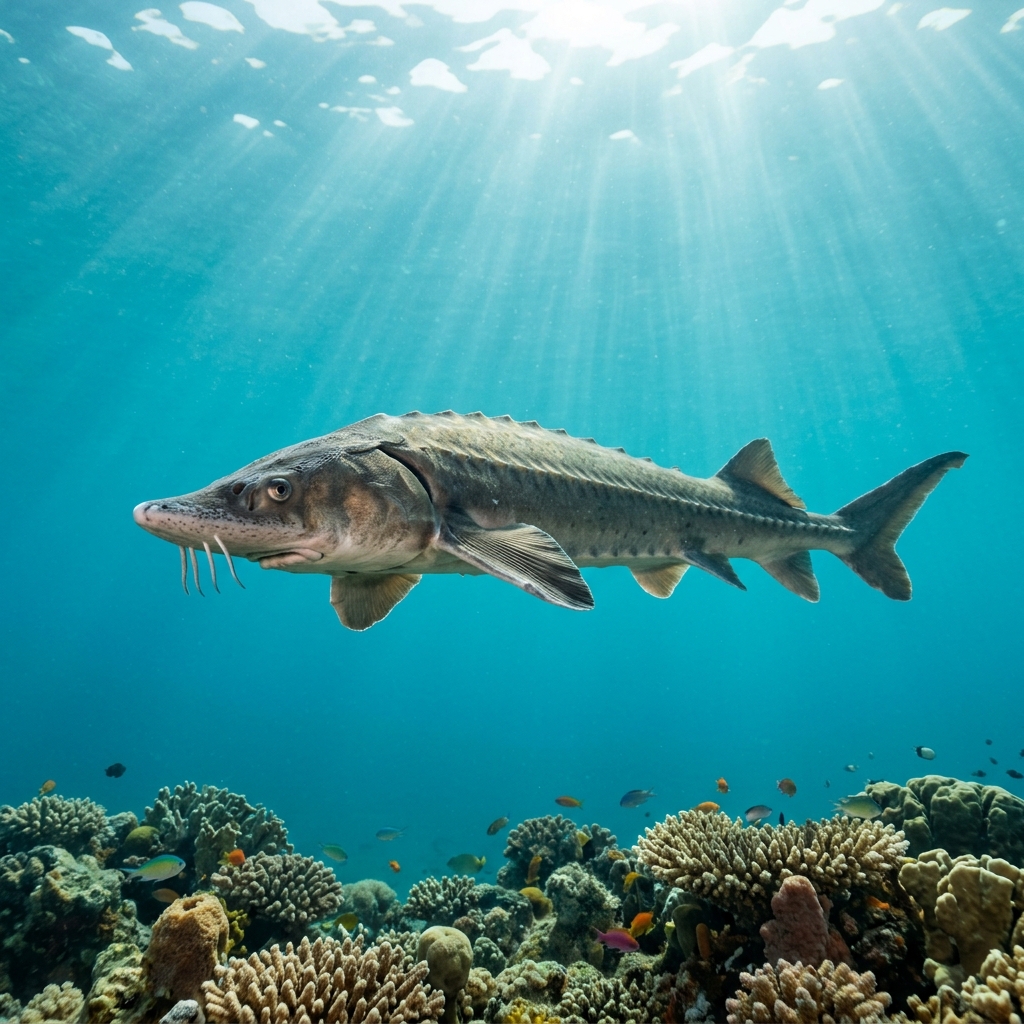
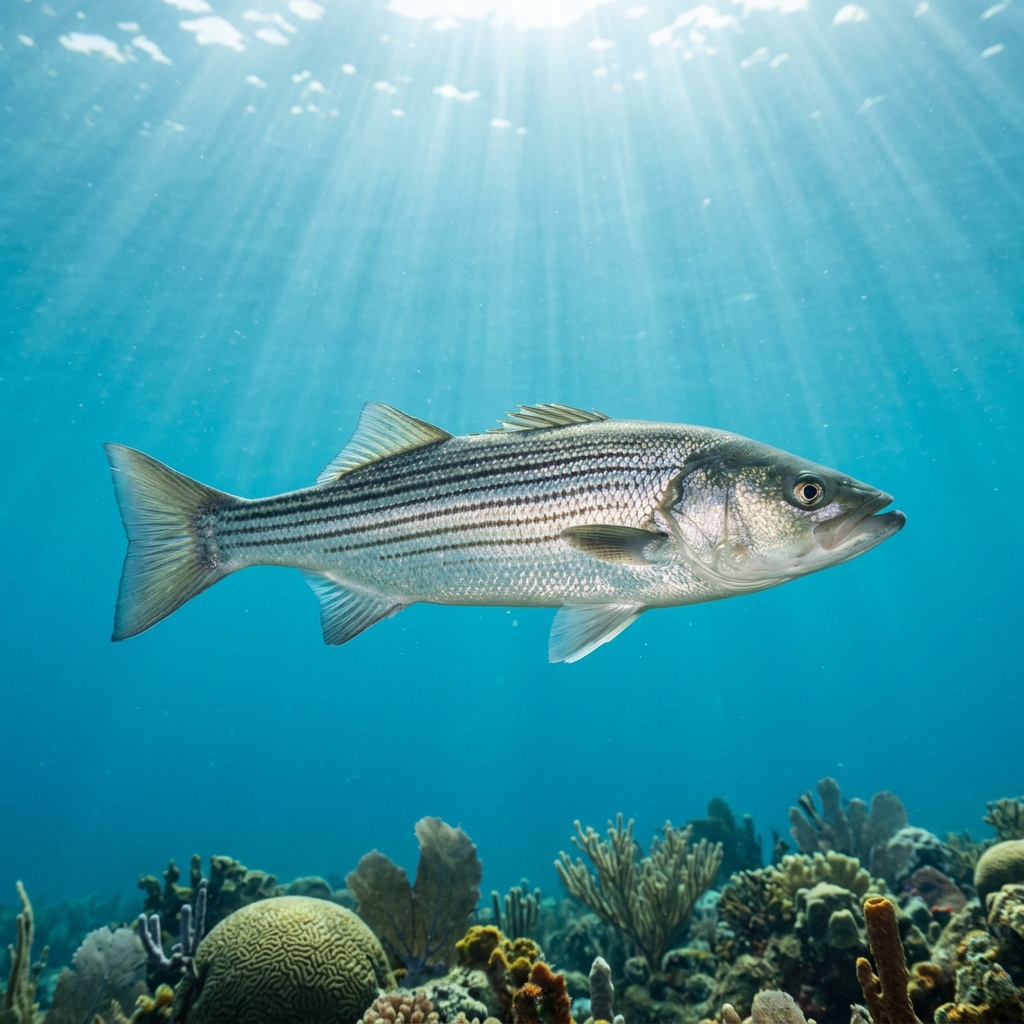
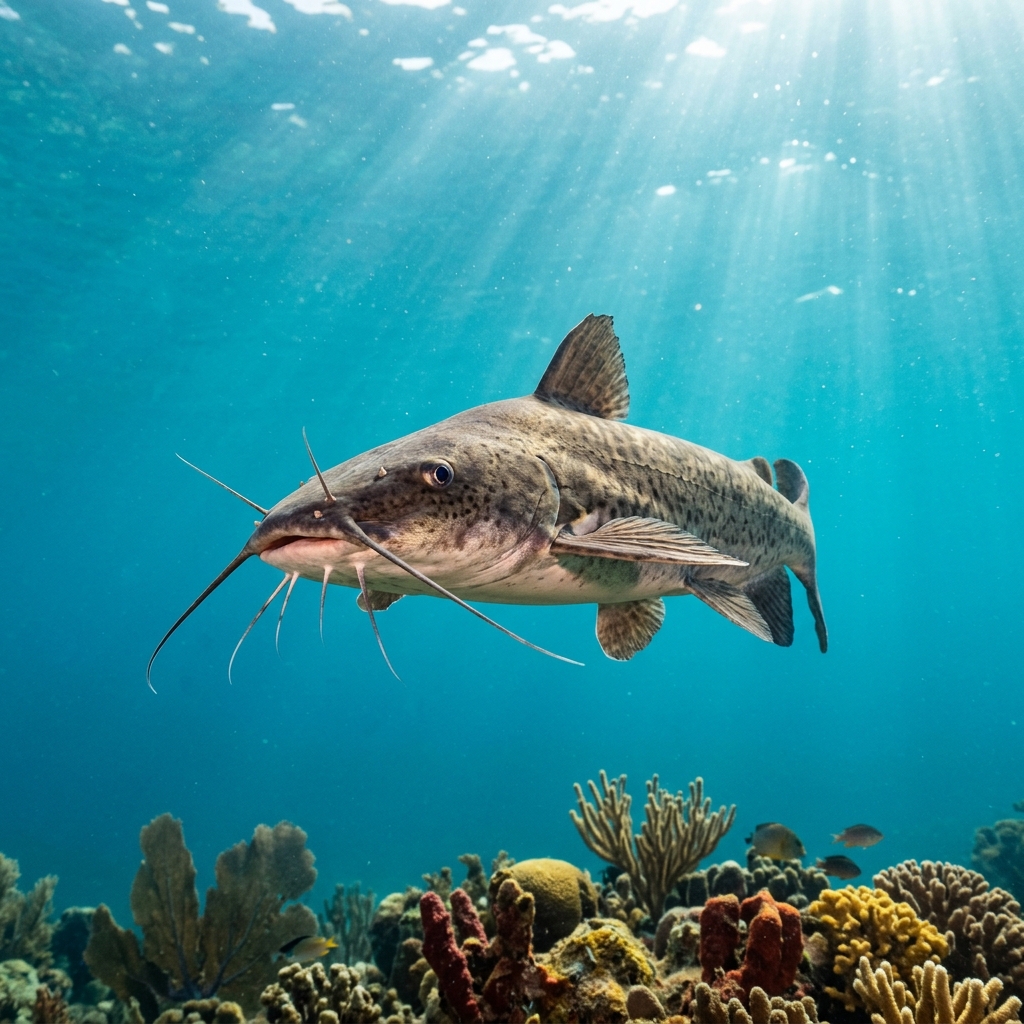
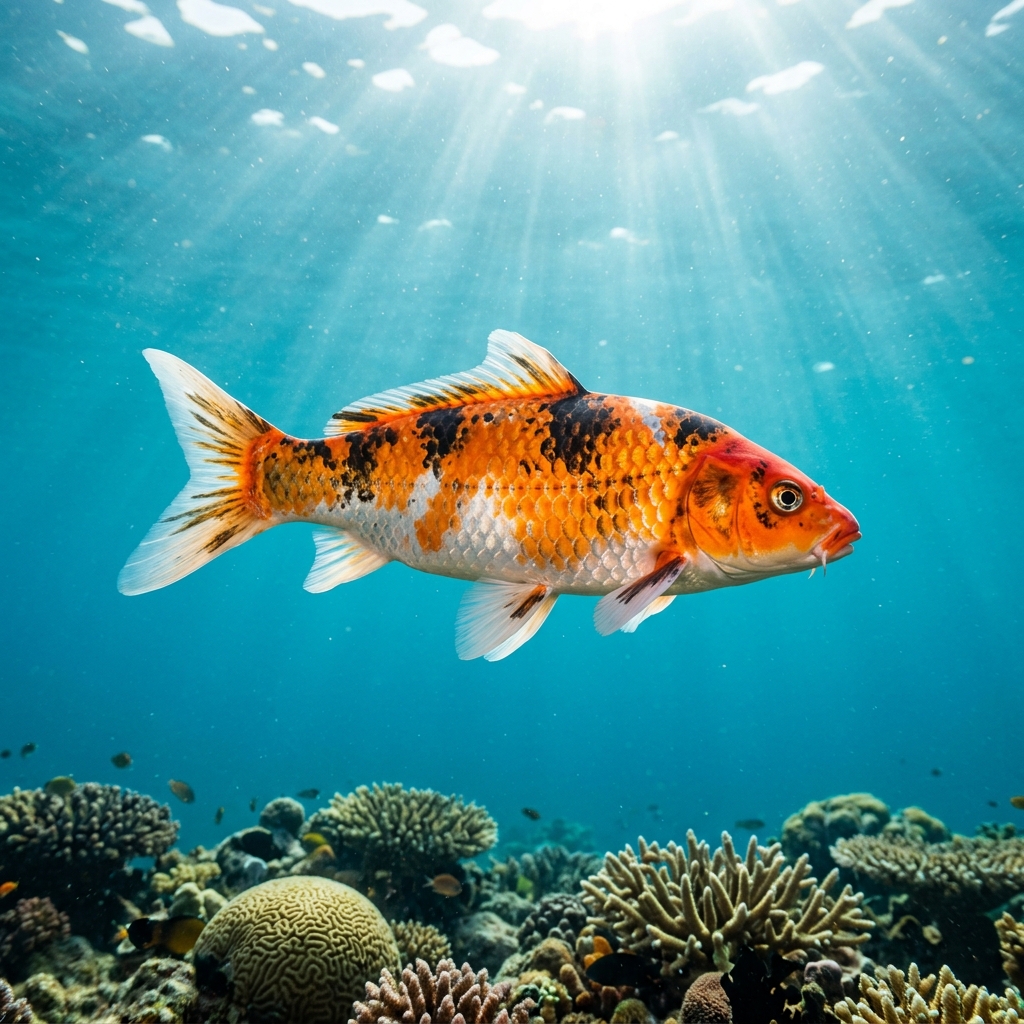
Expected in this region. No sightings logged here yet.
Depth
6-30m
Visibility
5-15m
Skill Level
Beginner
Entry
Shore
Water Temp
6-15°C
Current
Strong
Typical Dive
40 min
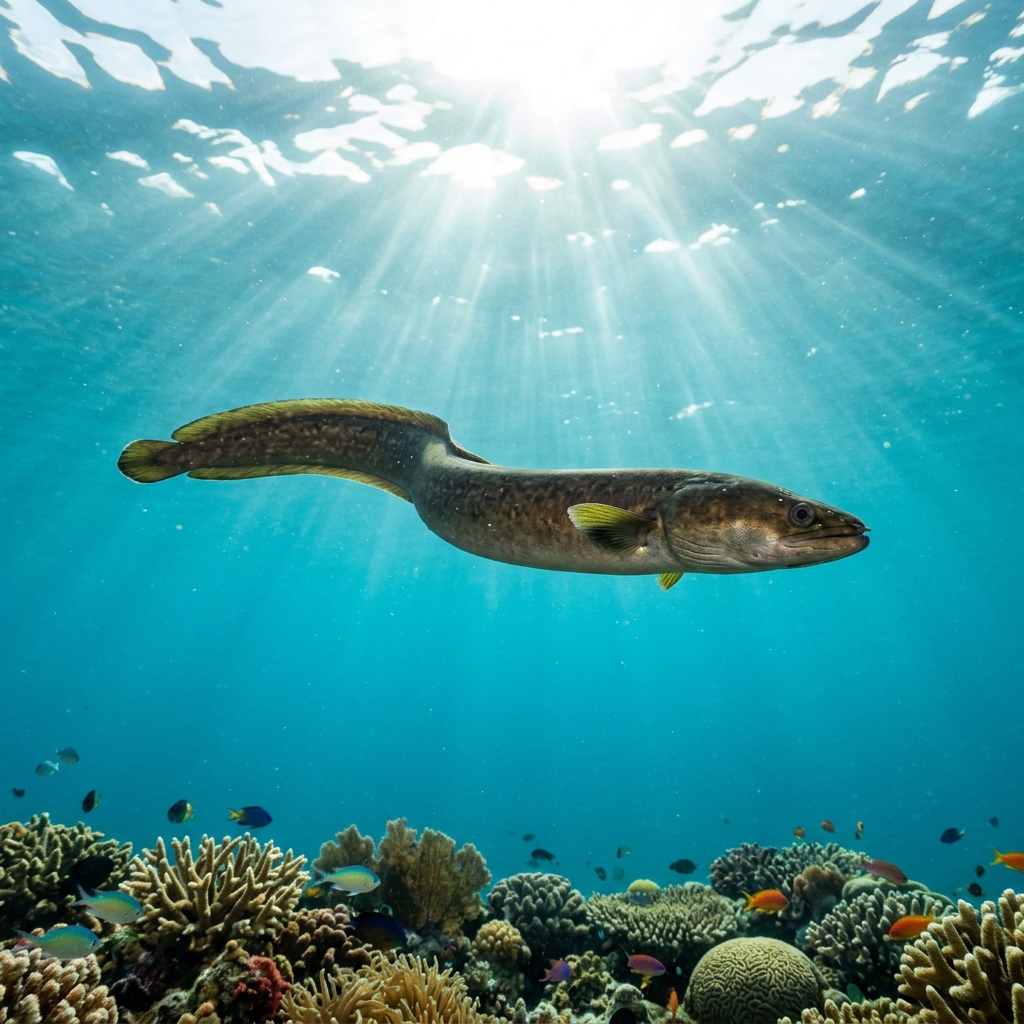
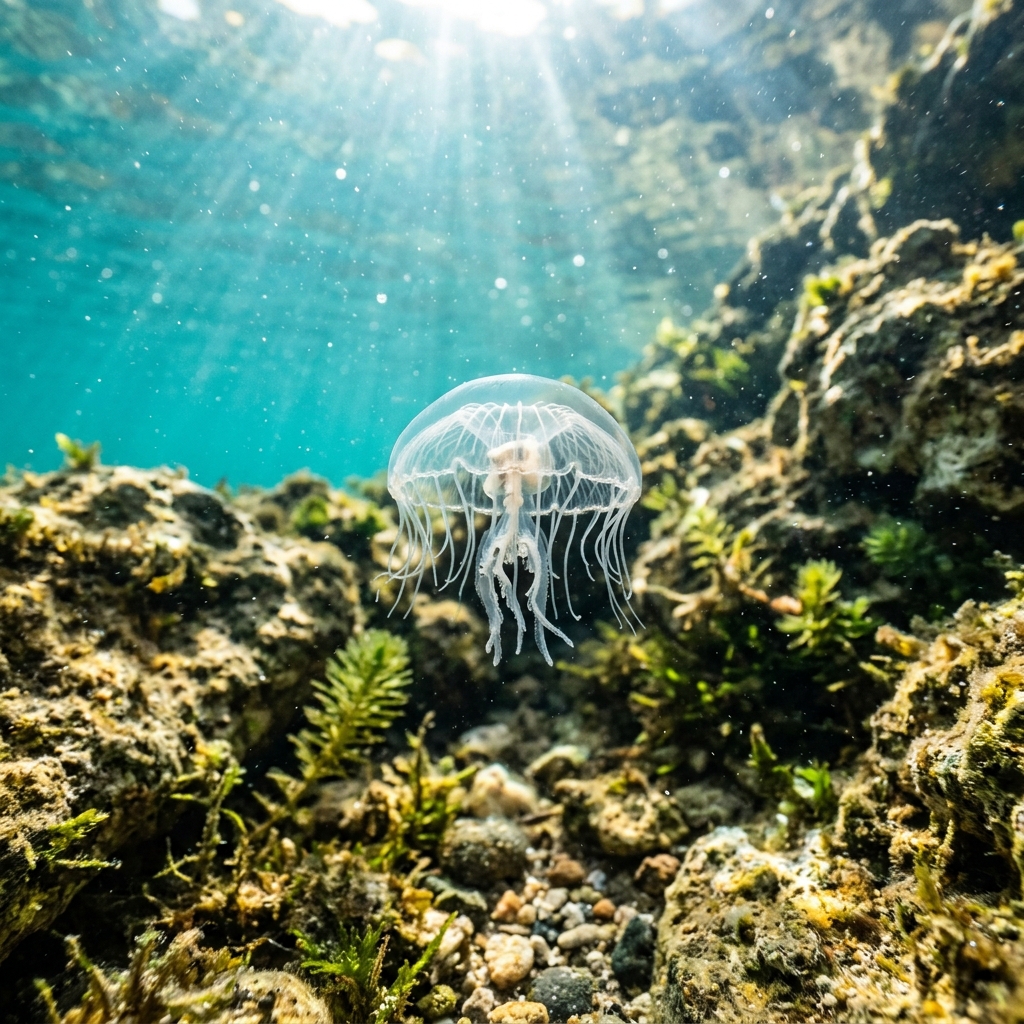
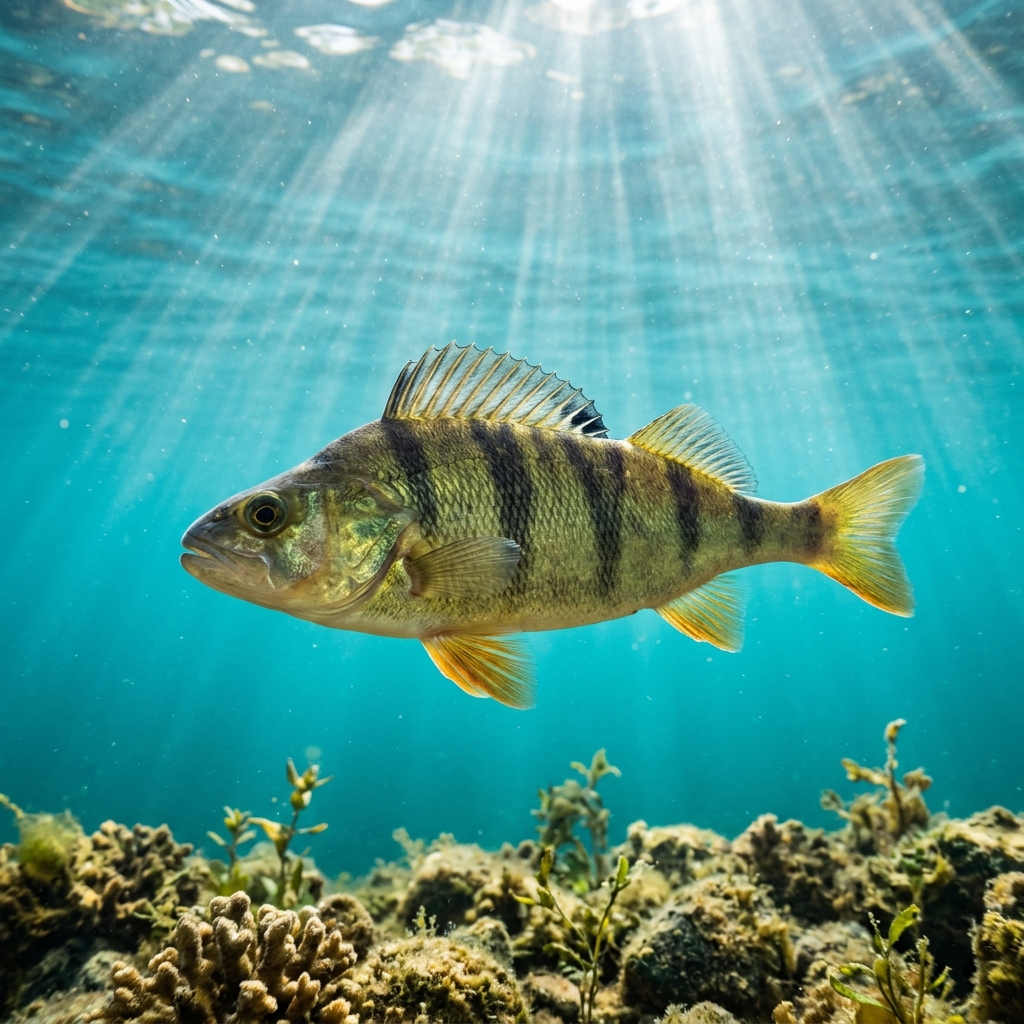
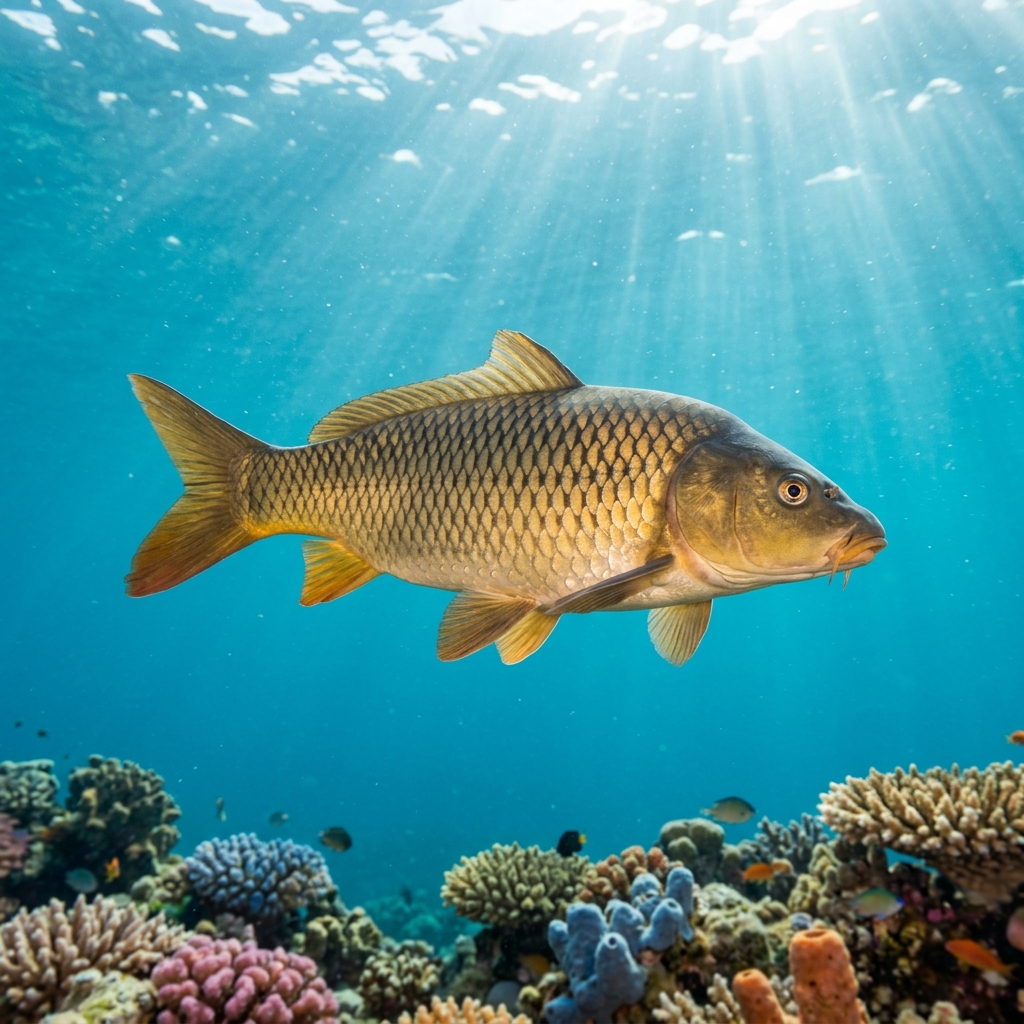
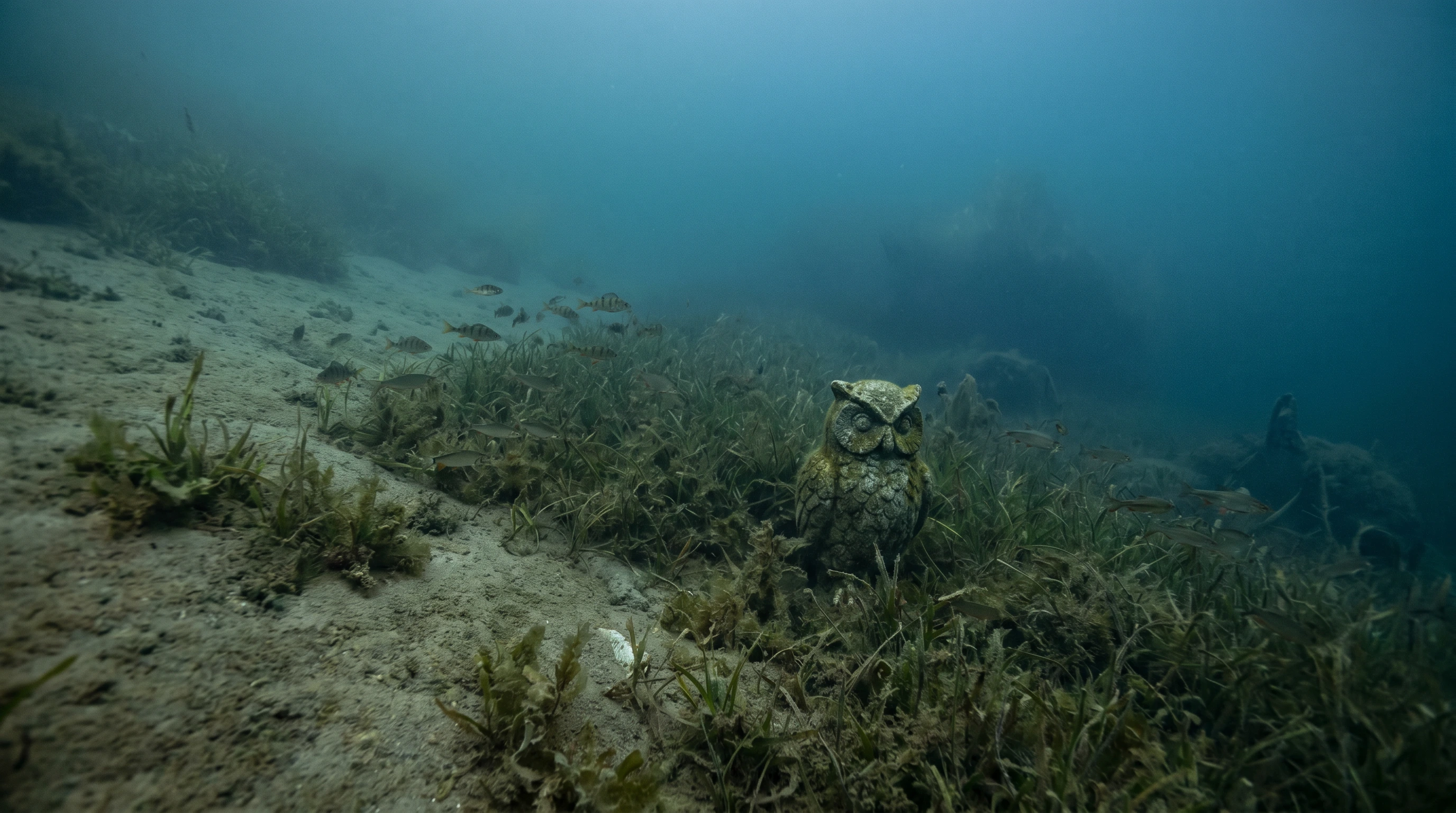
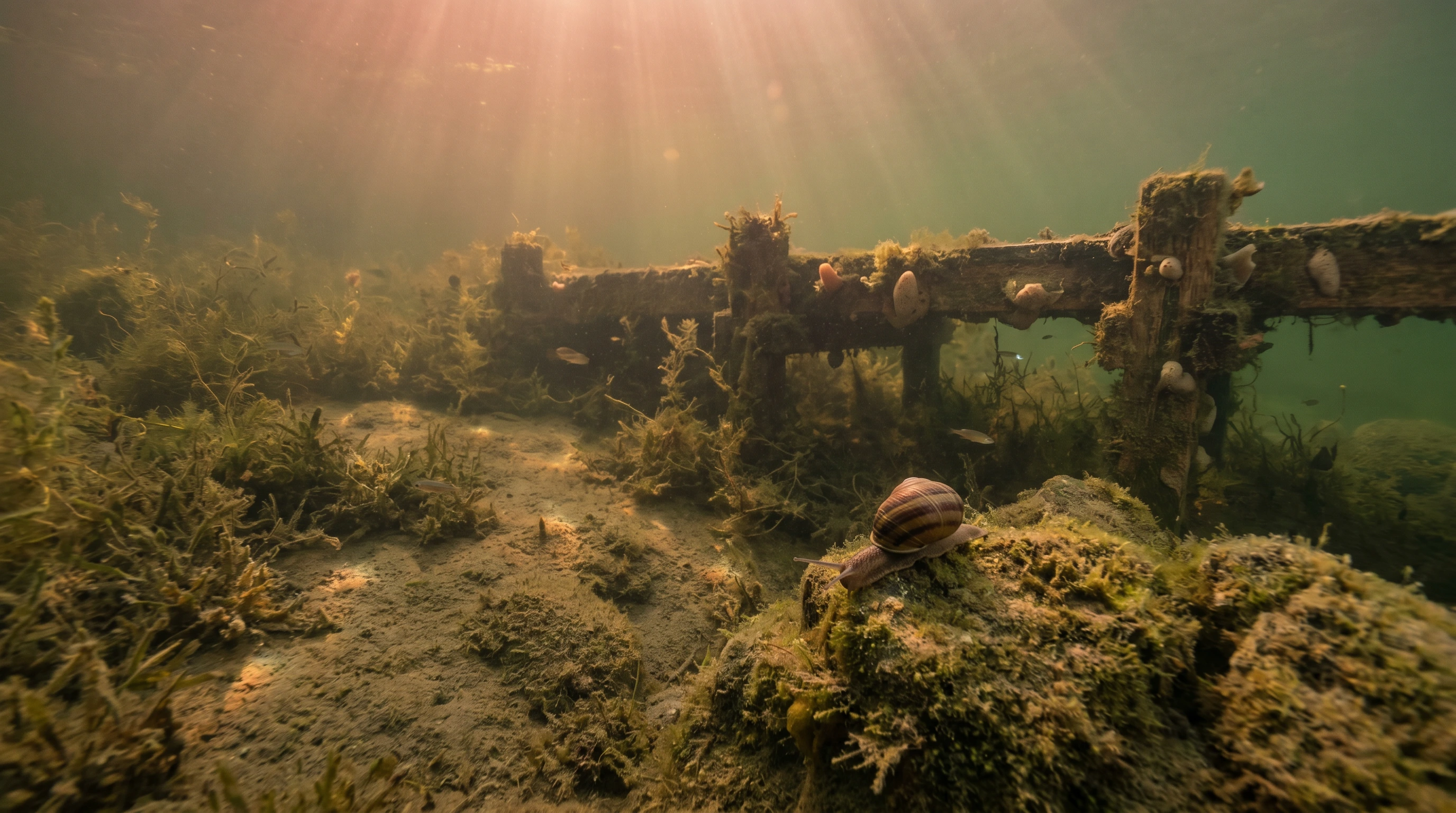
The site supports a variety of temperate freshwater fish and invertebrates, including species such as perch, pike, carp, and freshwater sponges.
Yes, Serrières is considered suitable for beginners, though divers should be prepared for strong currents and cold water conditions.
The site ranges from 6 to 30 metres in depth, with an average depth of 18 metres.
Yes, Serrières is a shore-entry dive site with parking facilities available nearby.
Yes, the site has a snorkel rating of 3 out of 5.
Diving at Serrières in Lac de Neuchatel requires the following certifications: Open Water. Always dive within your training limits.
A drysuit recommended is recommended for diving at Serrières in Lac de Neuchatel. Water temperatures range from 6°C to 15°C.
Serrières in Lac de Neuchatel can have strong currents. Advanced experience with drift diving and current navigation is recommended.
Visibility at Serrières in Lac de Neuchatel typically ranges from 5 metres to 15 metres. Conditions vary with weather, tides, and seasons.