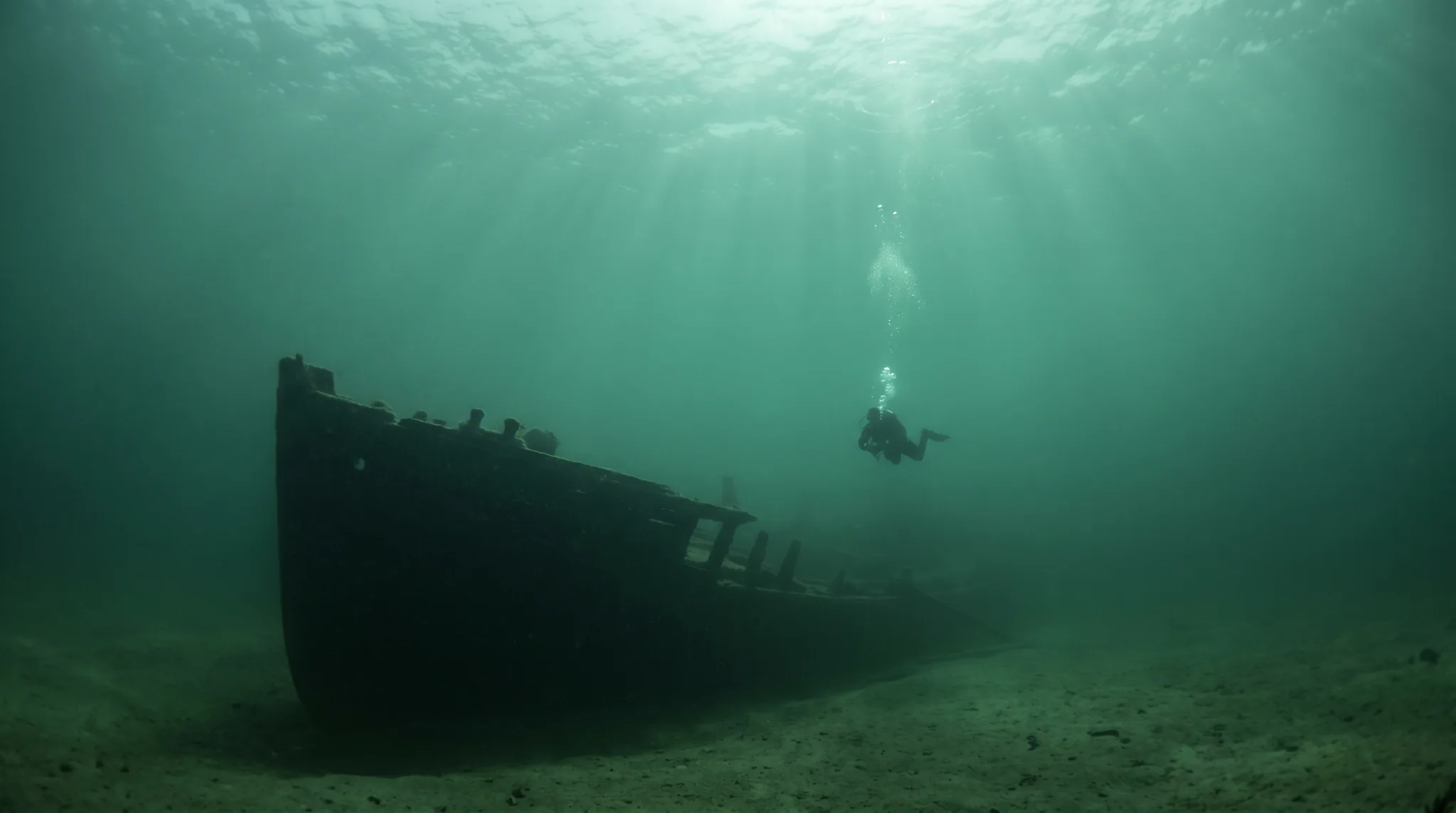
Best for advanced divers, 35-39m, boat entry, moderate current.
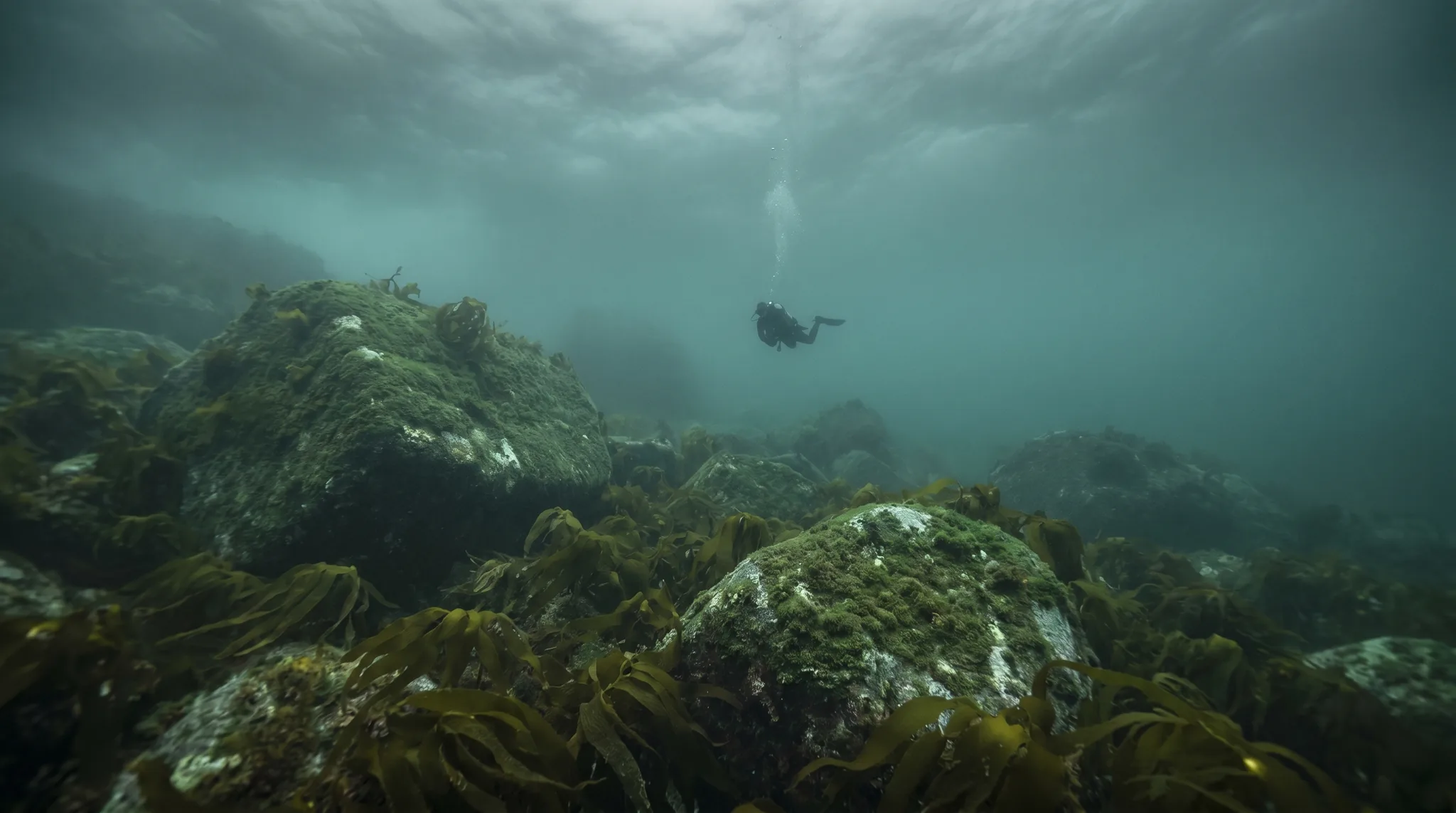
The SS Gutrune is a wreck located off the coast of Blekinge, Sweden, resting at depths between 35 and 39 metres. This site is strictly for advanced divers, as the depth and overhead environment present significant risks including decompression requirements and entanglement. Water temperatures are cold, ranging from 4 to 9 degrees Celsius, necessitating the use of a drysuit. Divers must be prepared for moderate currents and variable visibility, which often requires the use of a torch. Boat access is required to reach the site, and divers should arrange a charter with a skipper experienced in local current patterns.
56.03100, 16.07915
Boat access is the only option, so arrange a charter with a skipper familiar with local current patterns before committing to a date. Check visibility reports as close to your dive day as possible, as conditions here can shift significantly and will determine how much of the wreck you can safely navigate.
Most of the wrecks are relatively accessible from the harbour of Ekenabben.
Expected in this region. No sightings logged here yet.
Depth
35-39m
Skill Level
Advanced
Entry
Boat
Boat required
Water Temp
4-9°C
Current
Moderate
No, this site is intended for advanced divers only due to the depth, overhead environment, and potential for strong currents.
The wreck lies at a depth of 35 to 39 metres, with an average depth of 37 metres.
Boat access is required to reach the SS Gutrune; you must arrange a charter with a skipper familiar with the area.
Divers face risks including decompression, nitrogen narcosis, entanglement, overhead environments, and moderate currents.
No, the depth of the wreck makes it unsuitable for snorkelling.
Diving at SS Gutrune in Karlskrona requires the following certifications: Advanced, Deep. Always dive within your training limits.
A drysuit recommended is recommended for diving at SS Gutrune in Karlskrona. Water temperatures range from 4°C to 9°C.
Expect moderate currents at SS Gutrune in Karlskrona. Good buoyancy control and some drift diving experience is helpful.