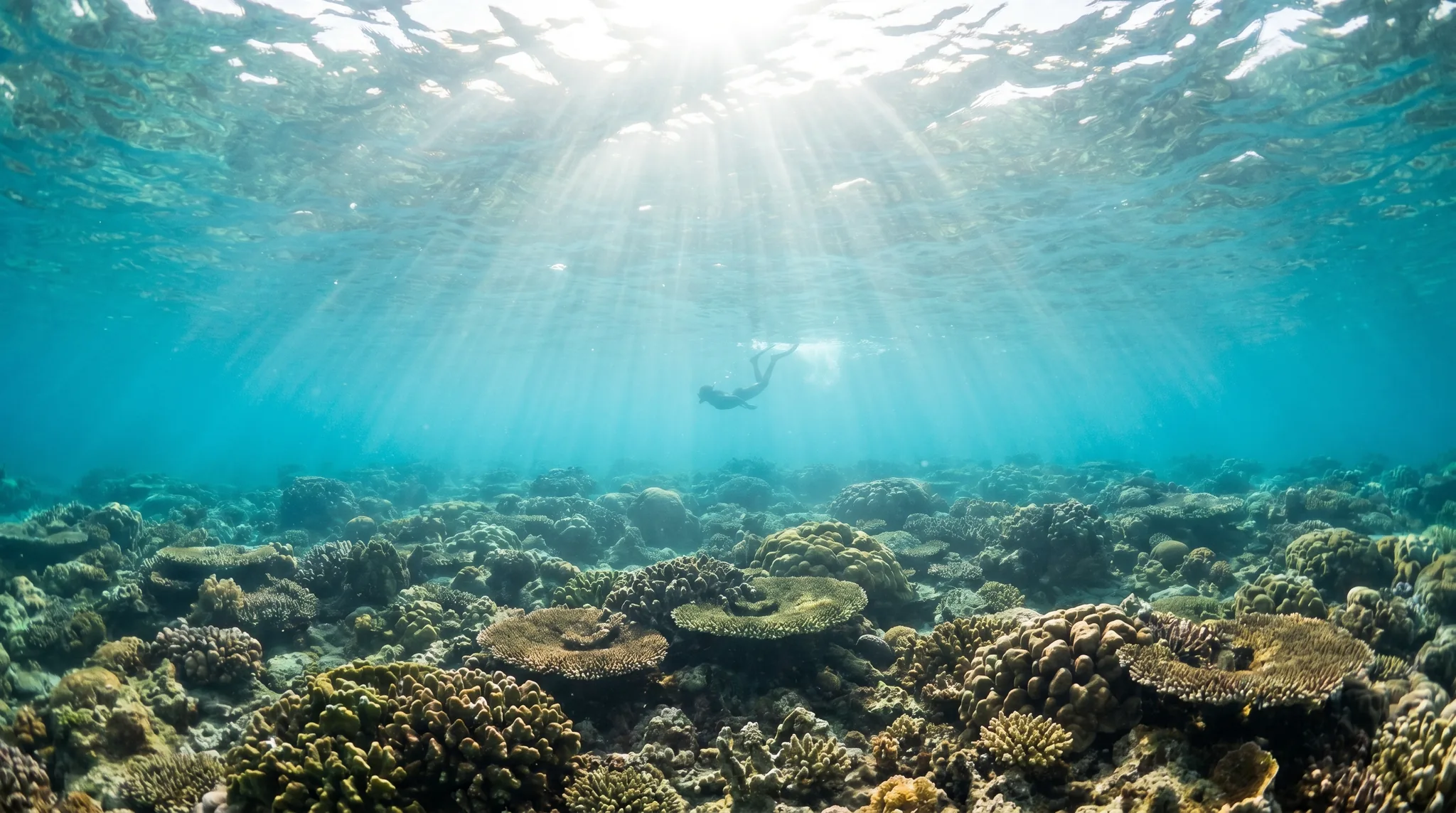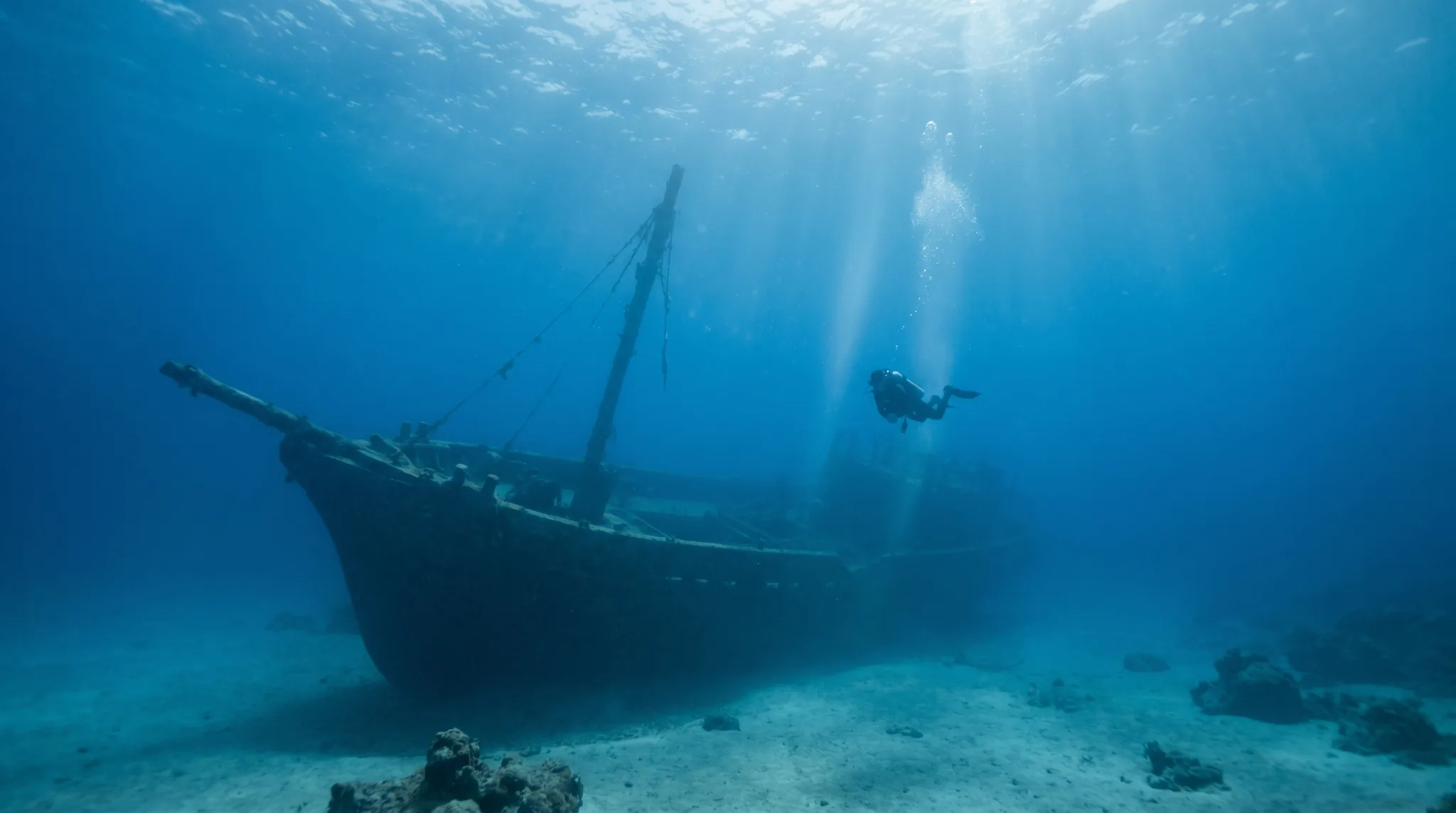
Best for beginner divers, 1-3m, shore entry, mild current.
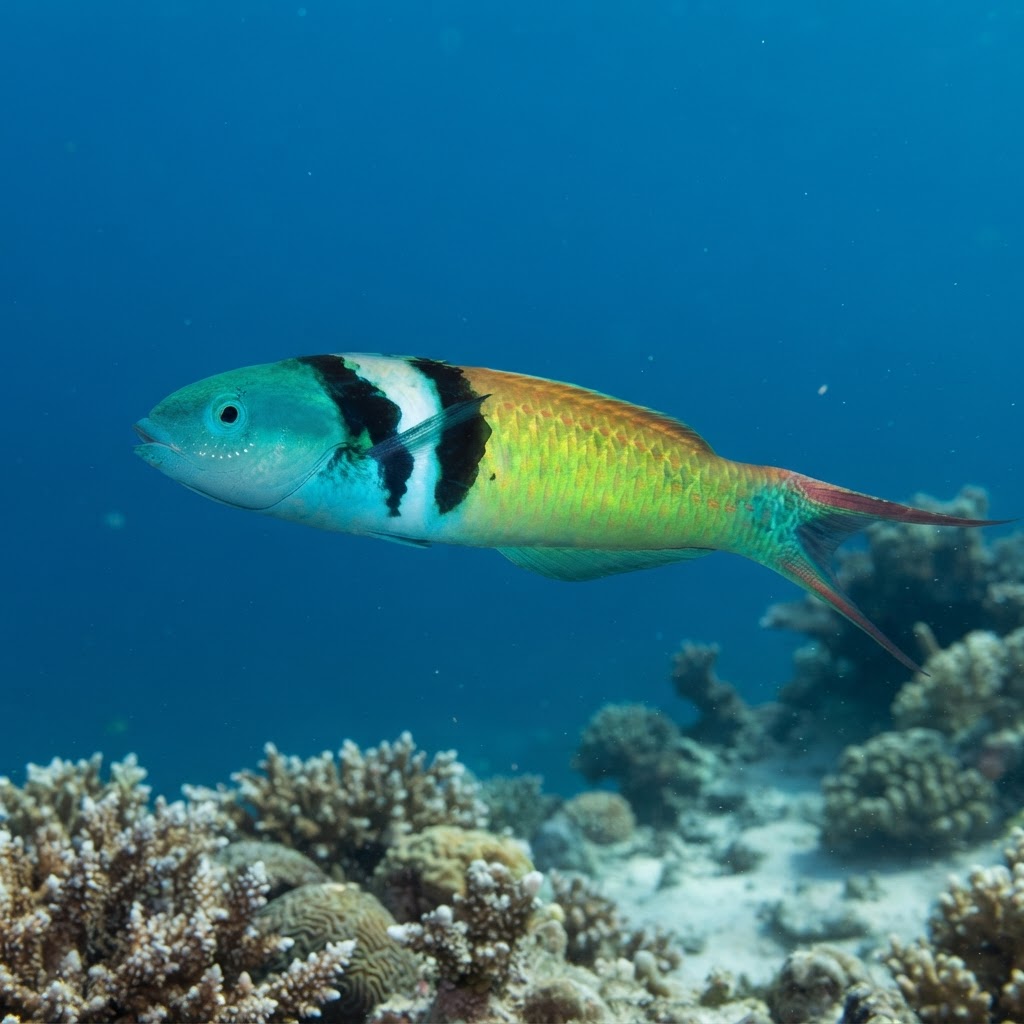
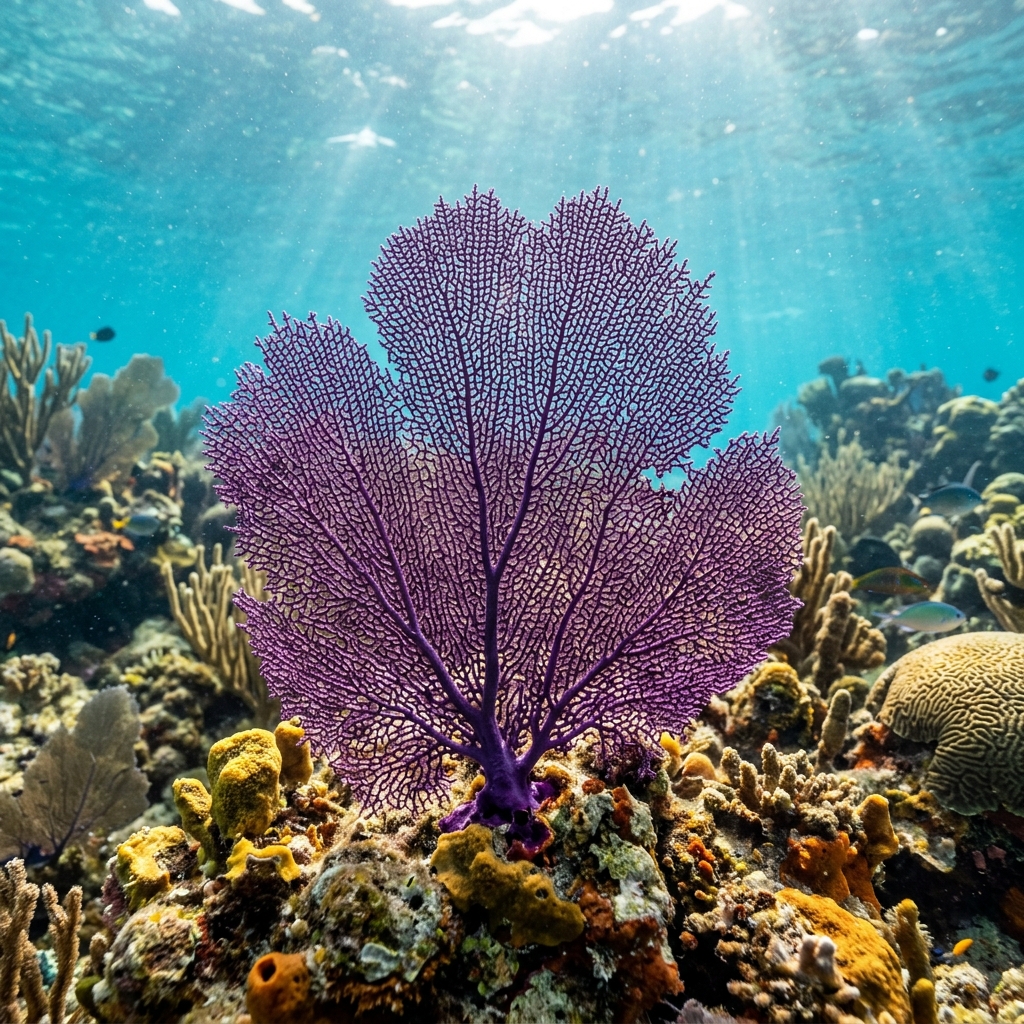
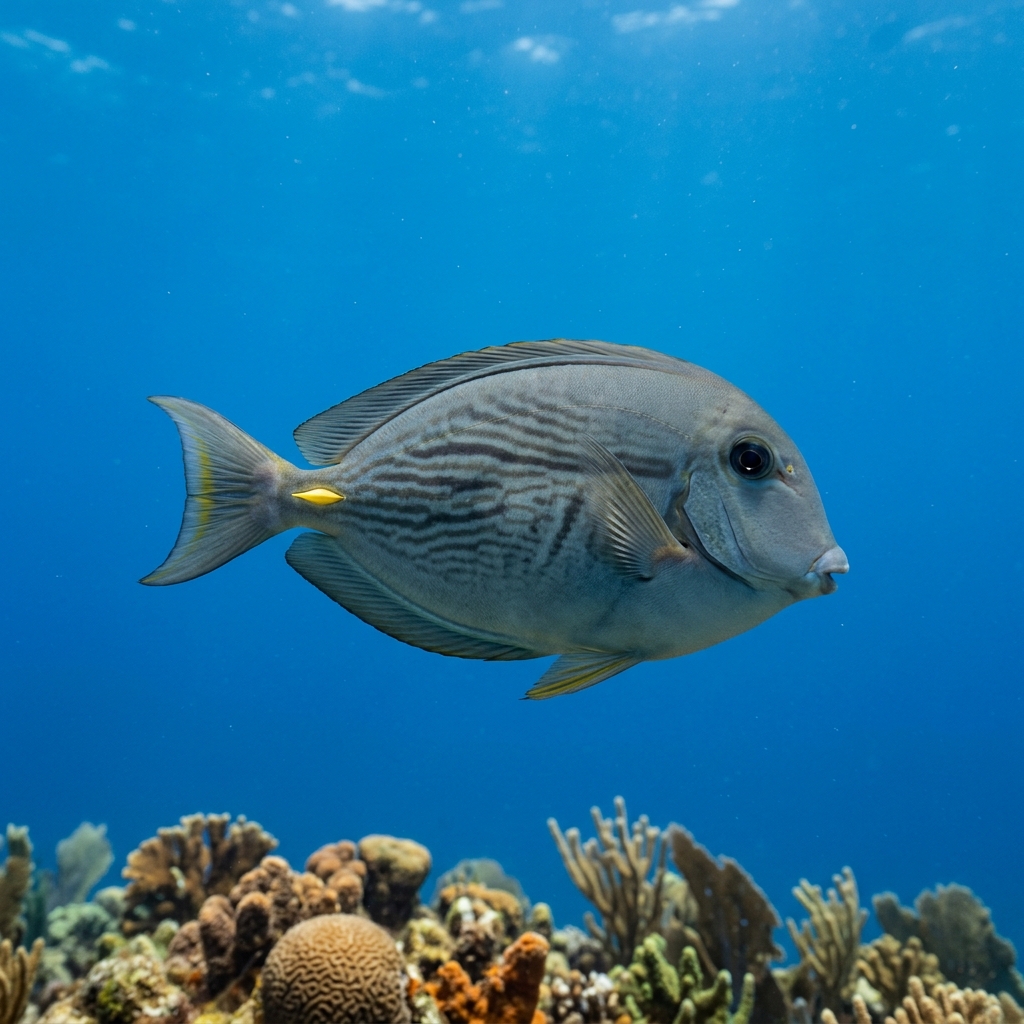
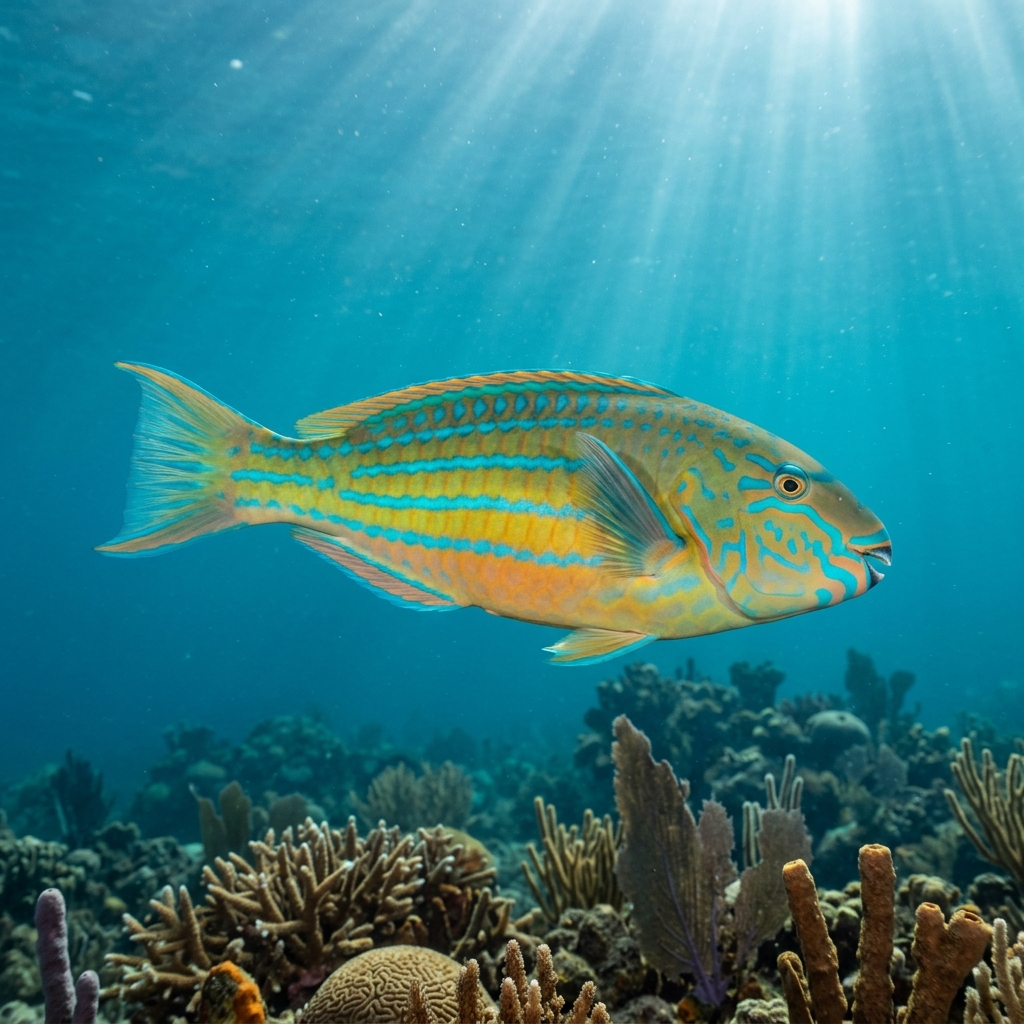
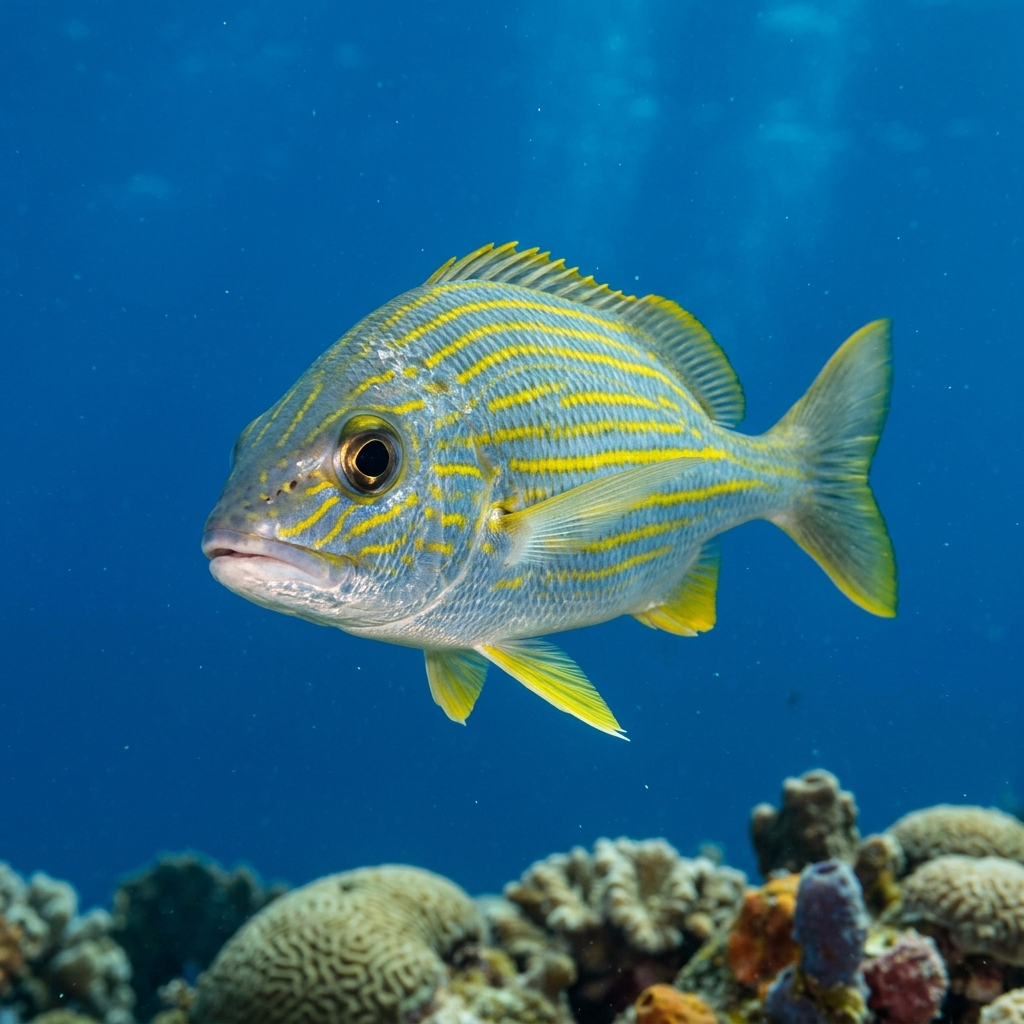
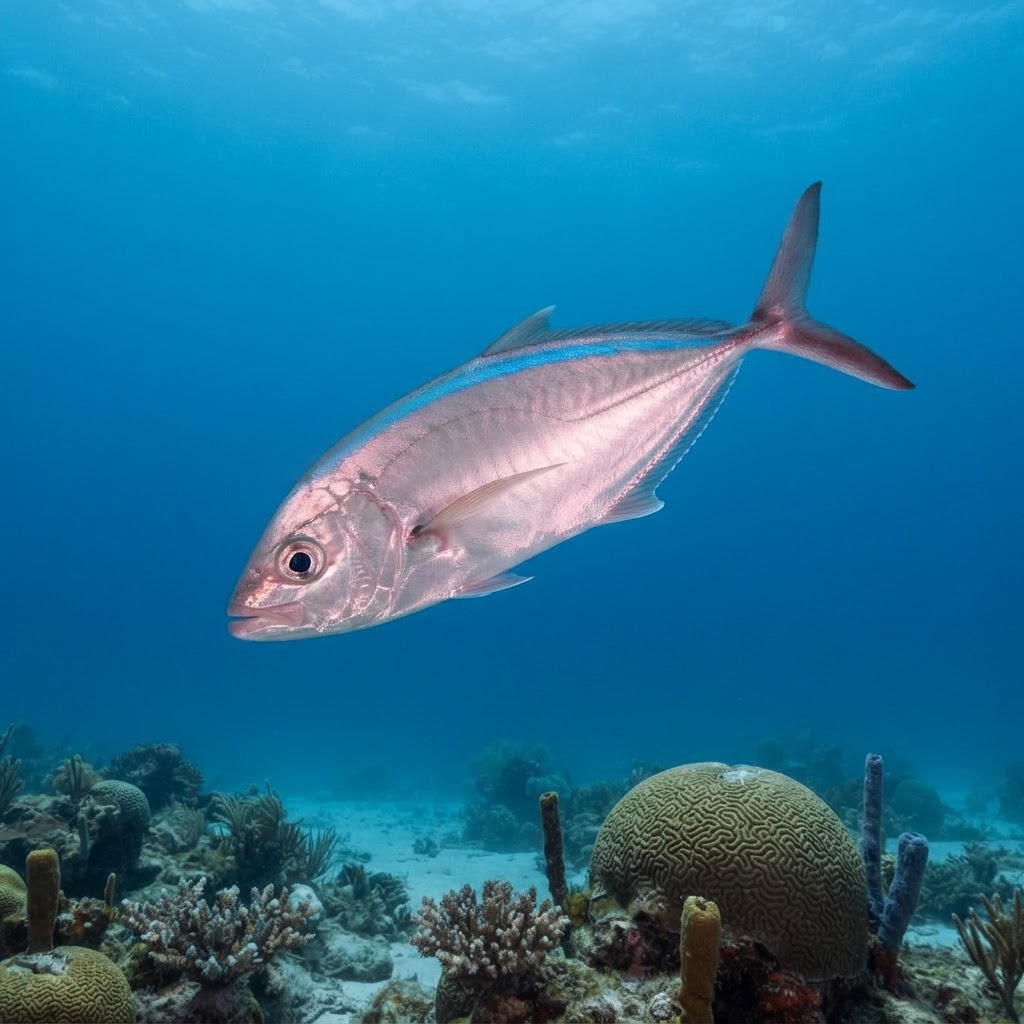
Simpson Bay's Wreck is a large shipwreck located just 30 metres from the shore at Creole Rock. The vessel, which partially emerges from the water, serves as an artificial reef structure colonised by sponges, coral, and sea fans. Situated in shallow water with an average depth of 2 metres, the site is well-suited for beginners. Conditions are generally mild, though visibility can fluctuate between 3 and 30 metres. Divers and snorkellers should remain aware of boat traffic in the area, as well as the presence of sea urchins and lionfish. Parking and equipment rental facilities are available nearby to support shore entries.
18.03644, -63.09596
The wreck is located at the western end of the beach, just before the seawall that marks the entrance to Simpson Bay Marina and Lagoon.
Enter the water from the beach, near the wreck. You can park in a large car park nearby or in the surrounding streets.
Recorded at this site
Depth
Up to 3m
Visibility
3-30m
Skill Level
Beginner
Entry
Shore
Water Temp
27-30°C
Current
Mild
Yes, the site is suitable for beginners due to its shallow average depth of 2 metres and mild current conditions.
The depth at the site ranges from 1 to 3 metres, with an average depth of 2 metres.
This is a shore entry site located approximately 30 metres from the beach.
Yes, the site is rated 4 out of 5 for snorkelling and is easily accessible from the shore.
Divers and snorkellers should be cautious of boat traffic, sea urchins, and lionfish present in the area.
Yes, equipment rental is available at or near Simpson Bay's Wreck in Simpson Bay. Contact local dive operators for specific gear availability and prices.
A rashguard or 2mm shorty is recommended for diving at Simpson Bay's Wreck in Simpson Bay. Water temperatures range from 27°C to 30°C.
Simpson Bay's Wreck in Simpson Bay typically has mild currents that most divers can handle comfortably.
Visibility at Simpson Bay's Wreck in Simpson Bay typically ranges from 3 metres to 30 metres. Conditions vary with weather, tides, and seasons.