Best for beginner divers, 7-9m, boat entry, mild current.
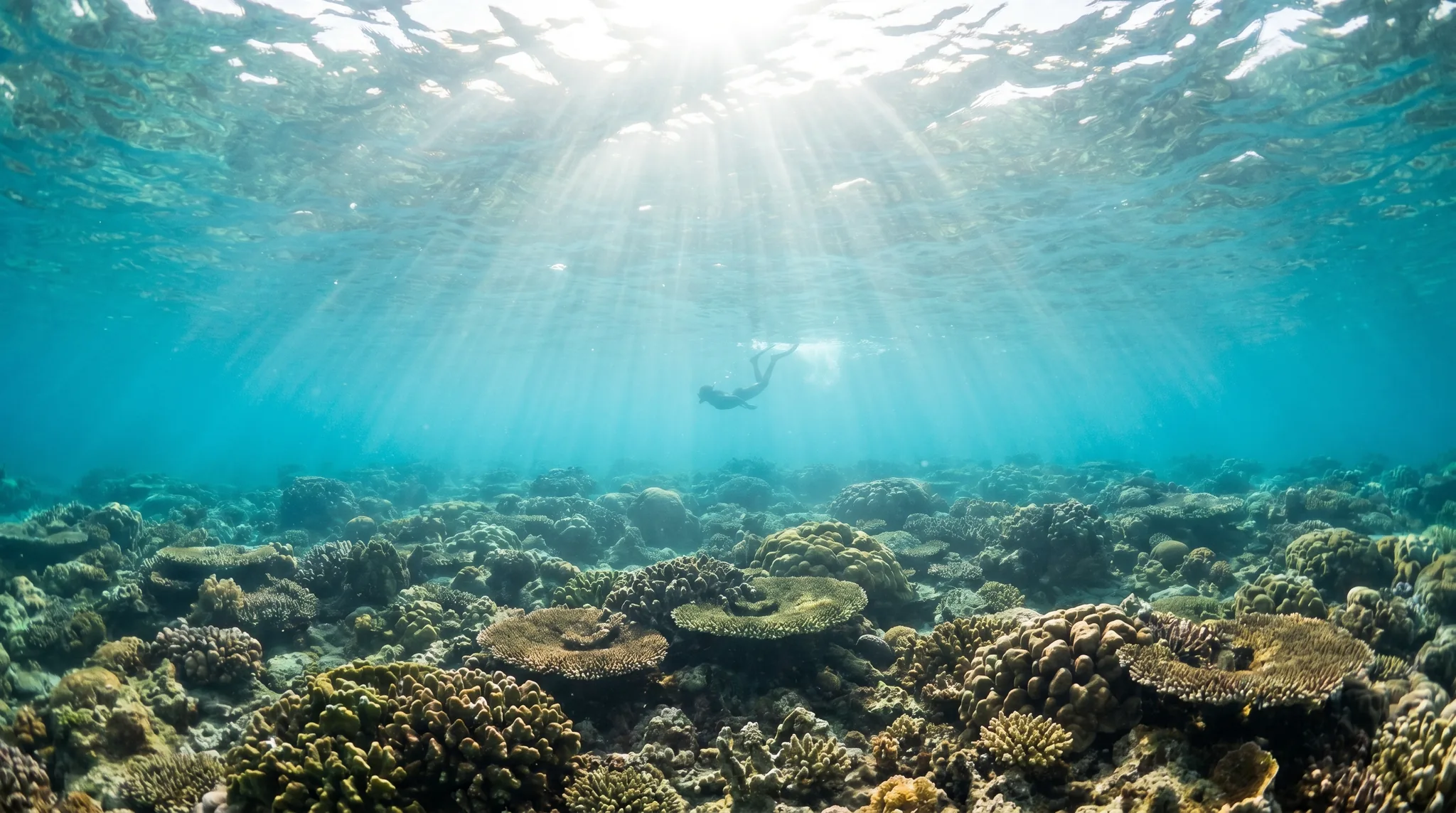
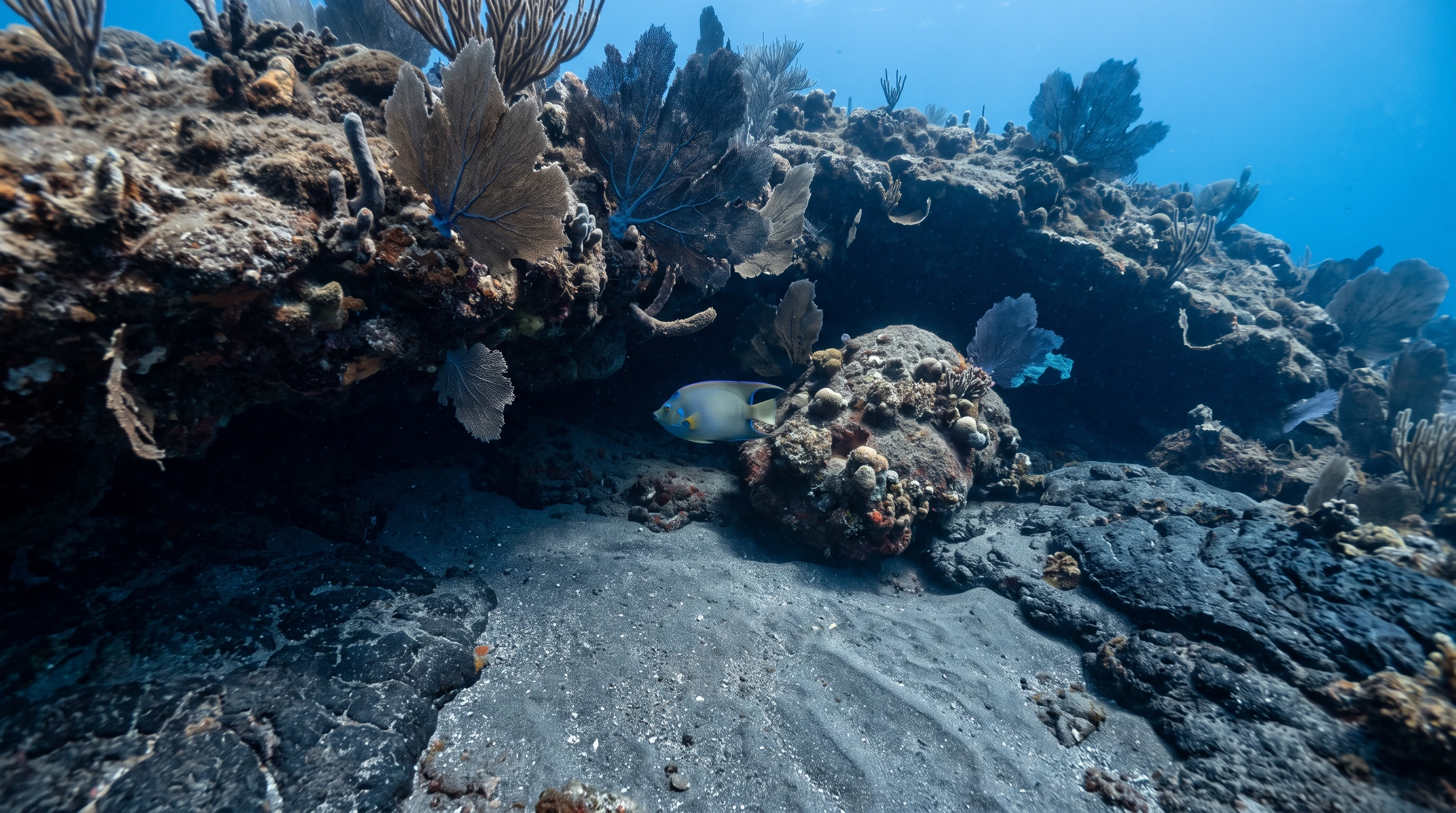
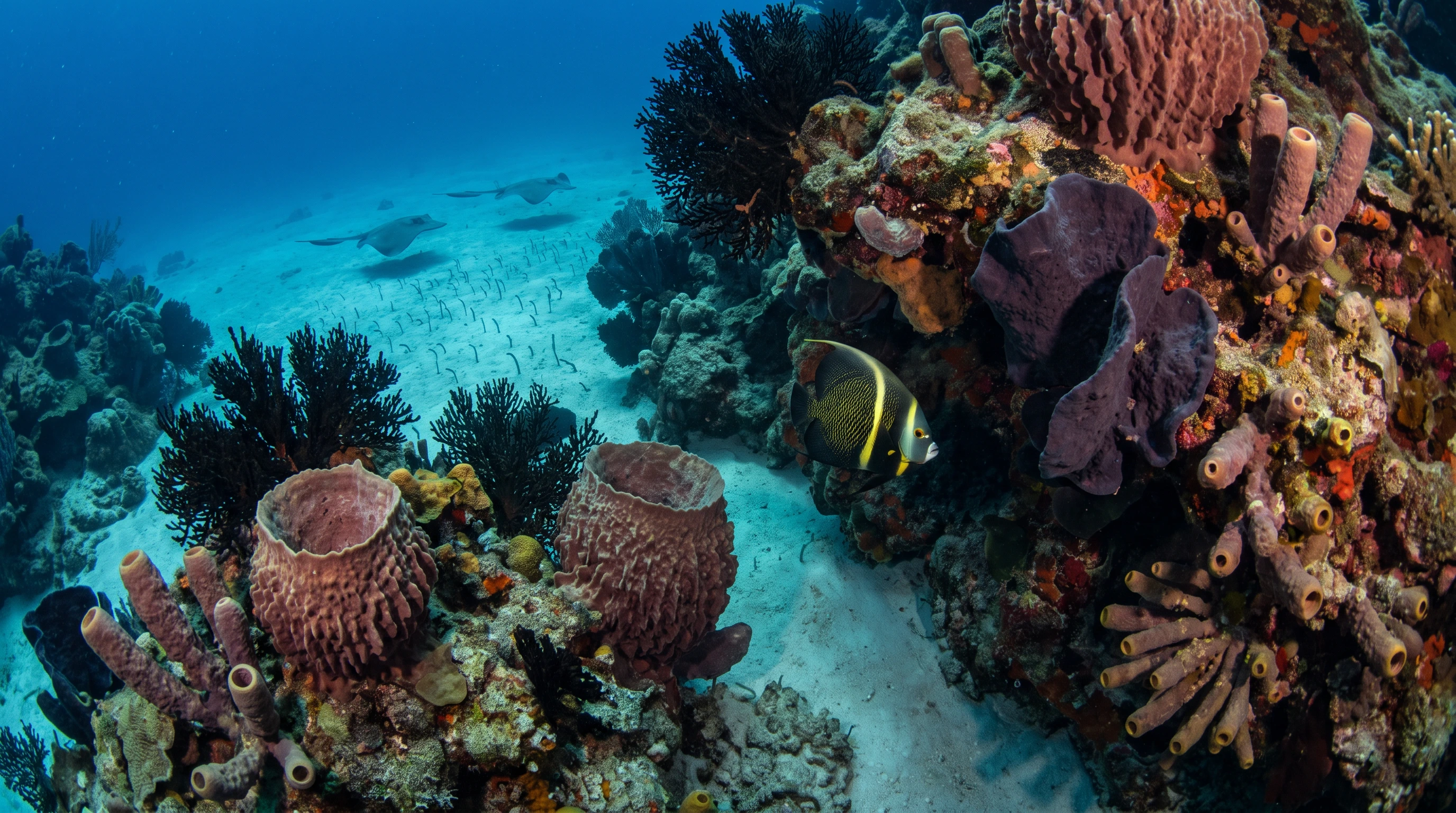
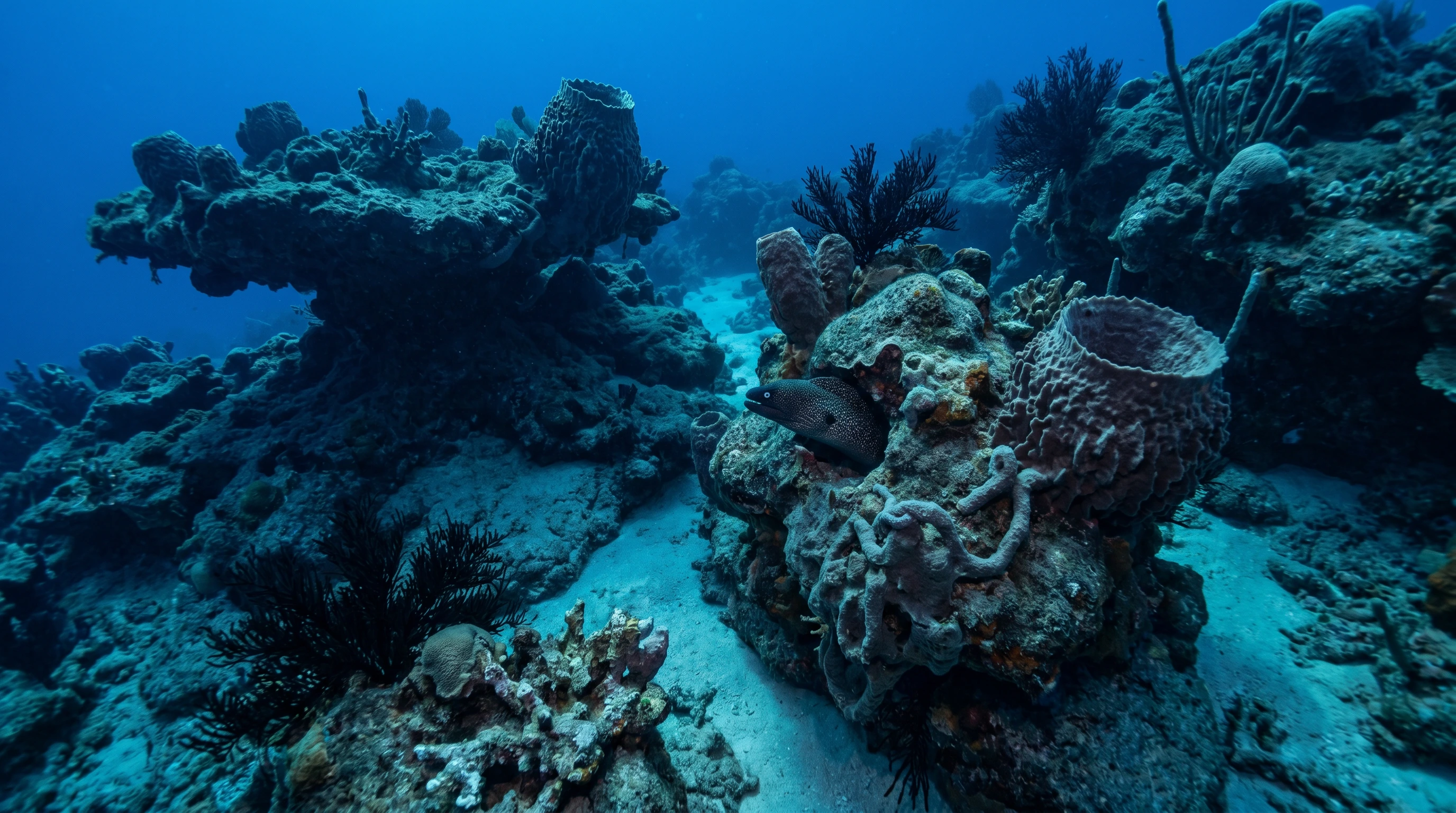
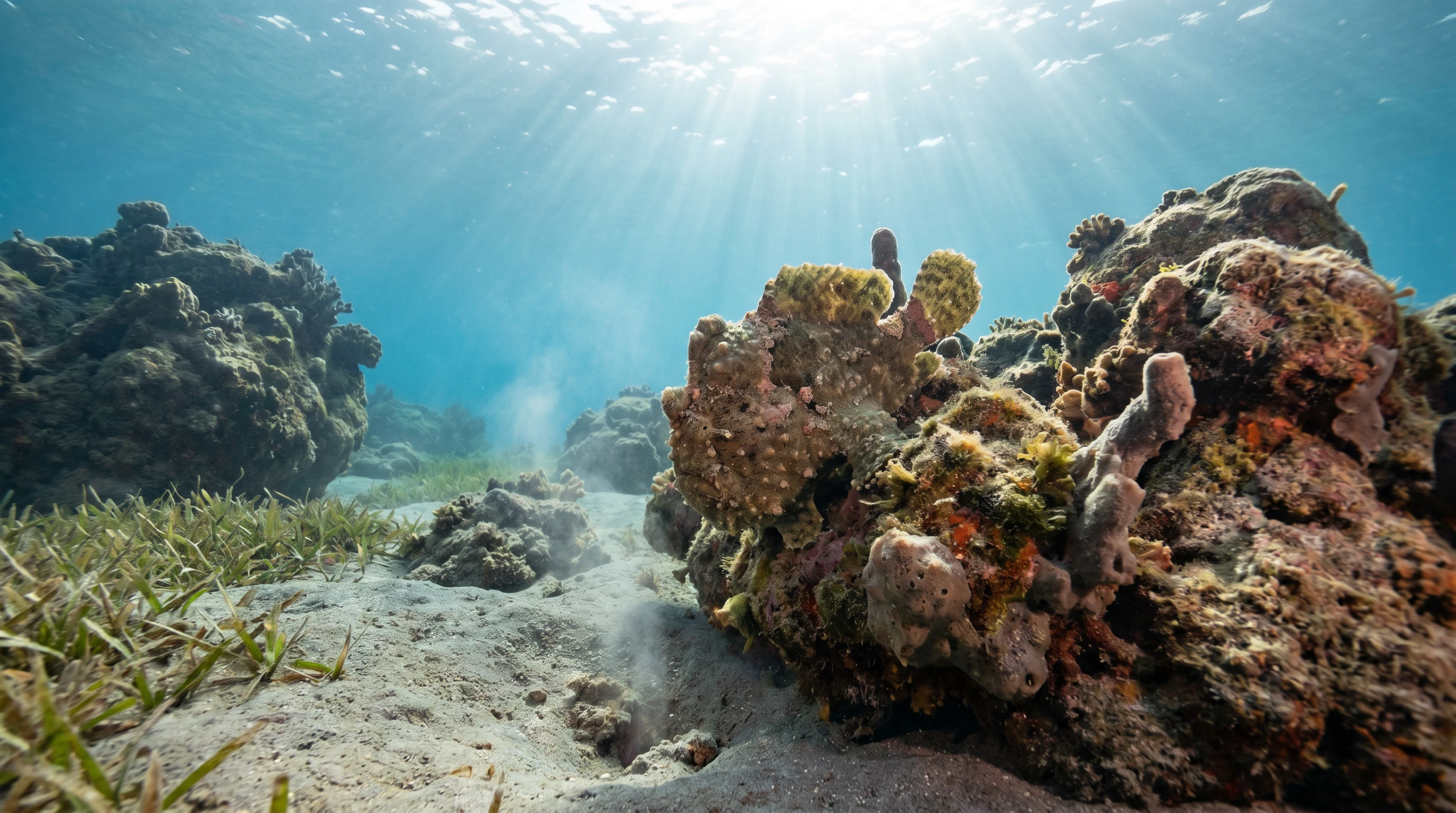
Hot Springs is a unique dive site located within the Tent Reef Area of the Saba Marine Park. The site is defined by geothermal vents on the seafloor that release hot water, creating noticeable temperature variations in the surrounding sand and water column. Divers typically explore depths between 7 and 9 metres, with an average depth of 8 metres. Access to this site is by boat only. Conditions are generally mild with currents described as mild and visibility reaching 20 metres. The site is suitable for beginners and supports night diving, offering a distinct experience due to the localized thermal activity from the seafloor vents.
17.62500, -63.25970
The site is a favorite for night dives to see bioluminescent Ostracods and crustaceans.
Accessed by boat off the western flank of the island.
Recorded at this site
Depth
7-9m
Visibility
20m+
Skill Level
Beginner
Entry
Boat
Boat required
Water Temp
27-30°C
Current
Mild
Best Time
Jan, Feb, Mar
The average depth at this site is 8 metres, with a range typically between 7 and 9 metres.
Yes, Hot Springs is considered suitable for beginner divers.
Access to this site is by boat only.
Yes, night diving is permitted at this location.
Diving at Hot Springs in Fort Bay requires the following certifications: Open Water. Always dive within your training limits.
A rashguard or 2mm shorty is recommended for diving at Hot Springs in Fort Bay. Water temperatures range from 27°C to 30°C.
The best months to visit Hot Springs in Fort Bay are January, February, and March. Conditions outside these months can still be good but are less predictable.
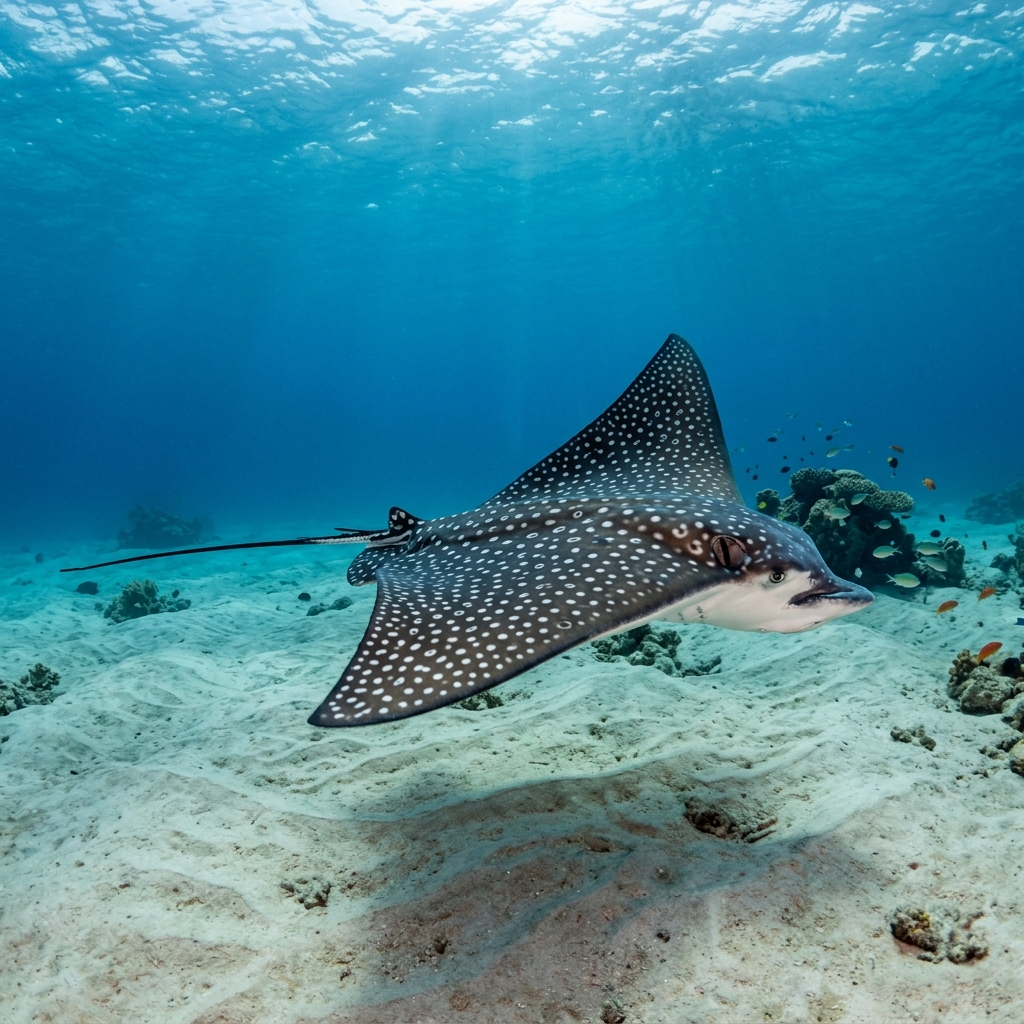
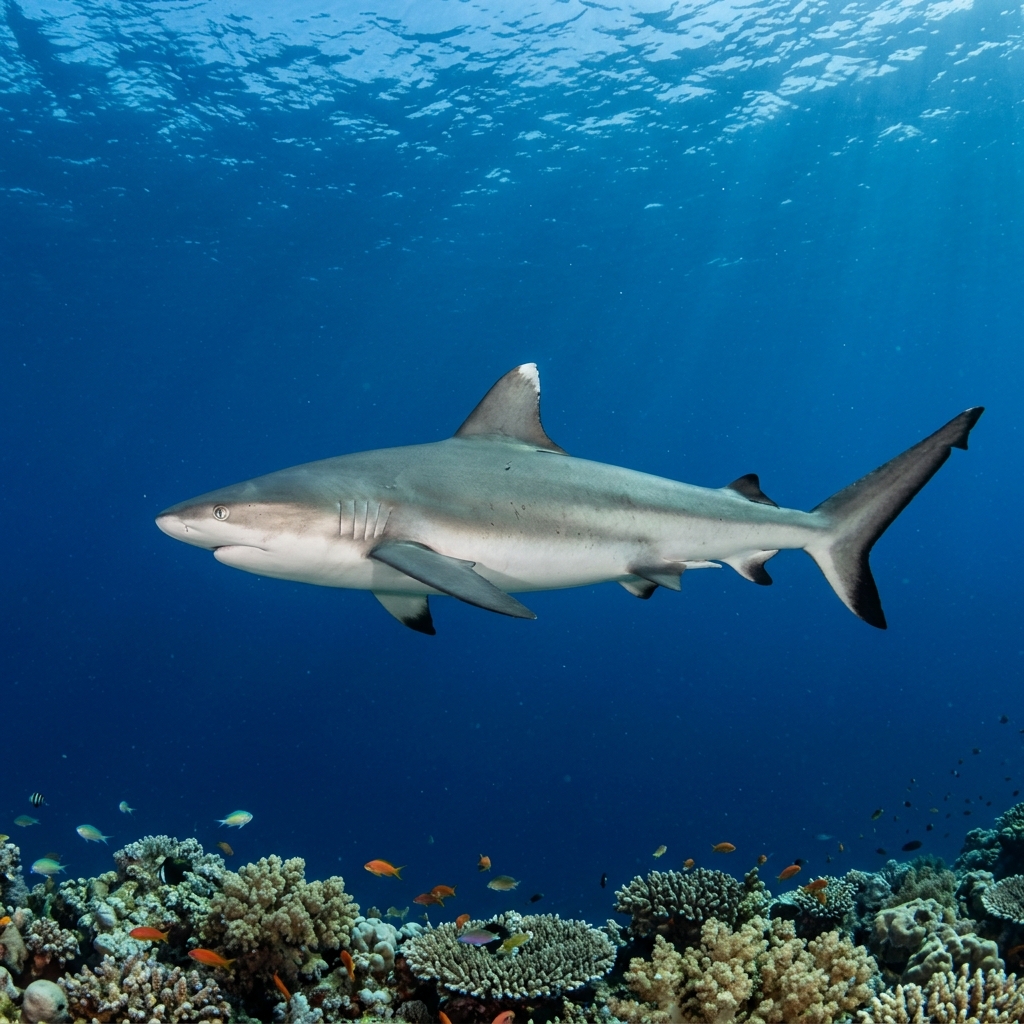
Divers at Hot Springs in Fort Bay should be aware of sharks. These encounters are generally rare and avoidable with proper awareness. Follow local safety guidance and maintain a respectful distance from all marine life.
Hot Springs in Fort Bay typically has mild currents that most divers can handle comfortably.
Visibility at Hot Springs in Fort Bay is typically 20 metres or better. Conditions vary with weather, tides, and seasons.