Best for intermediate divers, 16-23m, boat entry, mild current.
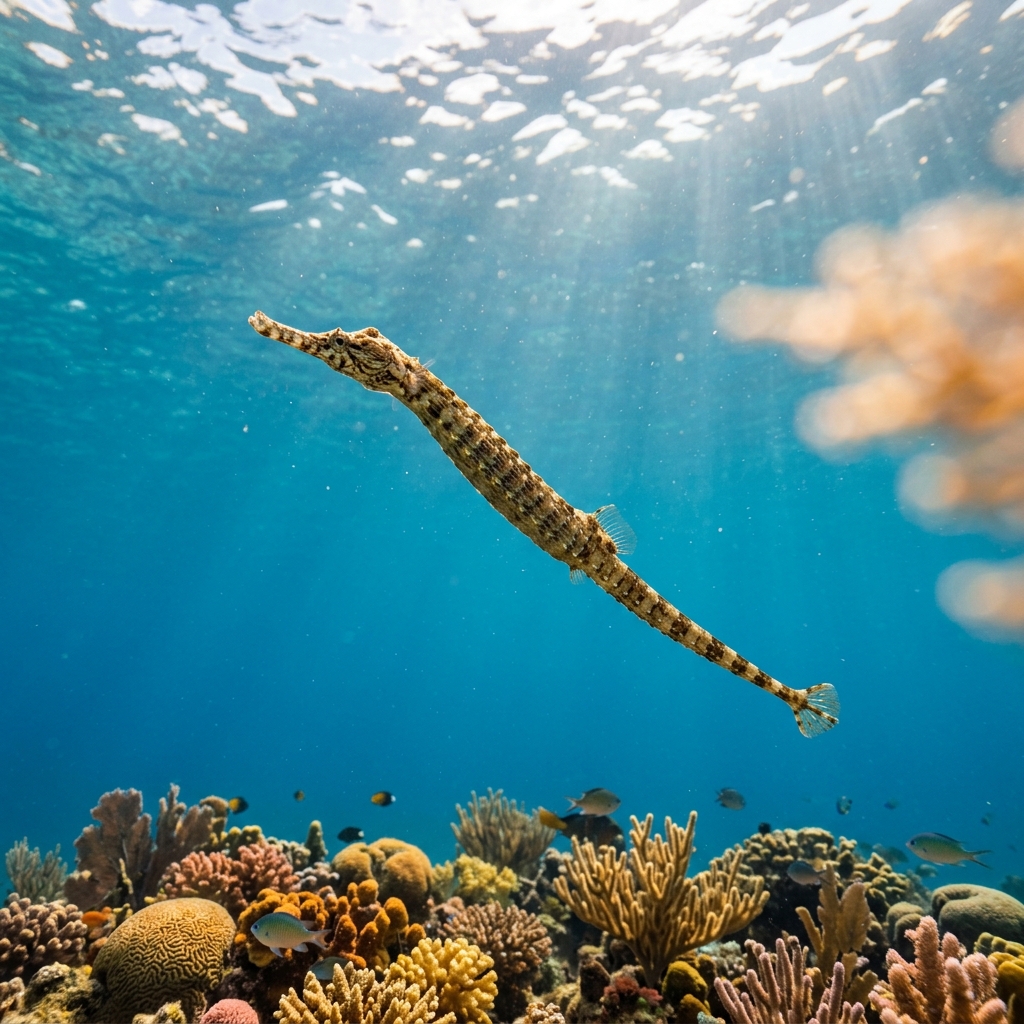
The Tambuli Aeroplane Wreck is a six-seater aircraft resting on a sloping wall at depths between 16 and 23 metres, with an average depth of 21 metres. Located 600 metres from shore, this site requires boat access and is suitable for intermediate divers. The wreck features a swim-through entrance via the side, exiting through the windscreen. Divers should exercise caution regarding equipment to avoid snagging on the structure. Visibility typically ranges from 15 to 25 metres with mild currents. Species recorded around this area include various nudibranchs, moray eels, lionfish, and pipefish. The site is also accessible for night diving.
10.28866, 124.00975
The site is best dived with a Nitrox mix.
The site is located 1.6 kilometers from Scotty's Dive Center in Mactan, accessible by boat.
Recorded at this site
Depth
16-23m
Visibility
15-25m
Skill Level
Intermediate
Entry
Boat
Boat required
Water Temp
27-30°C
Current
Mild
Typical Dive
50 min
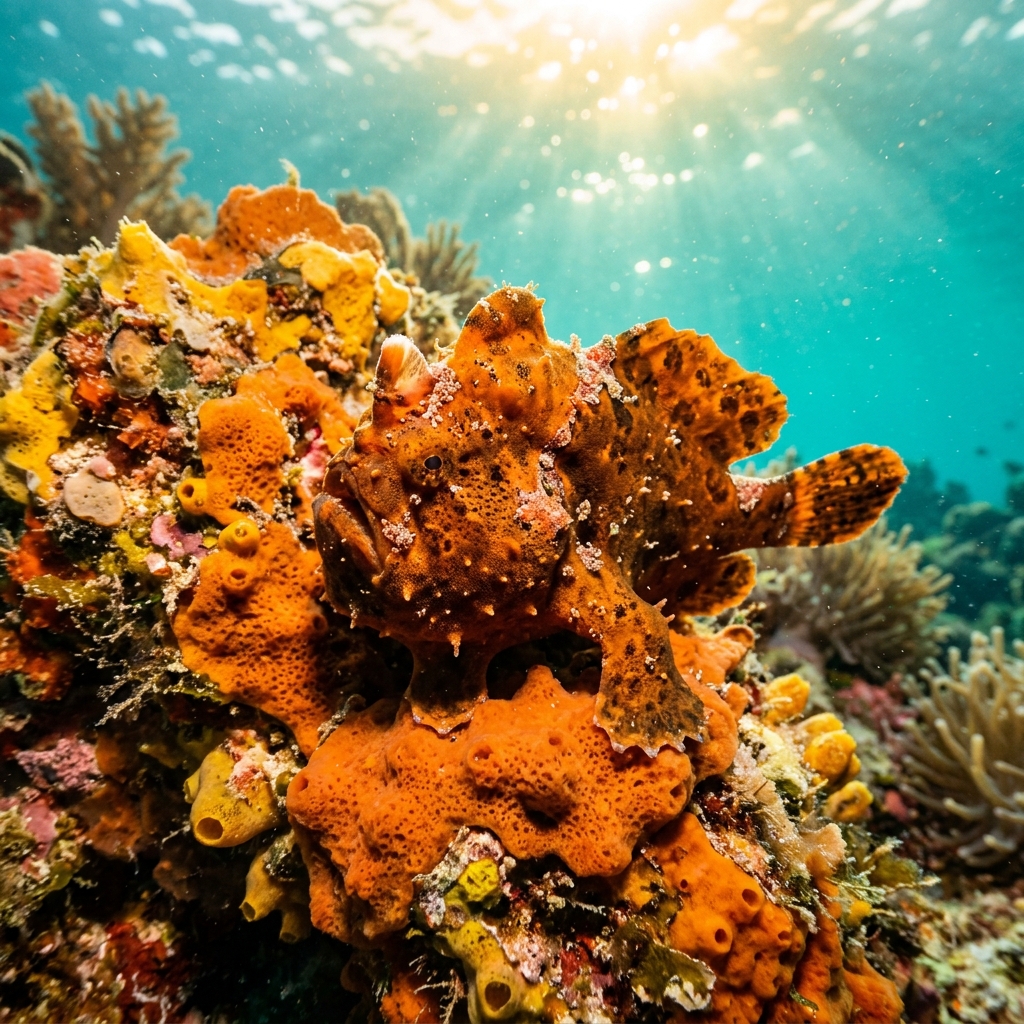
Species recorded around this area include Chromodoris nudibranchs, snowflake morays, harlequin sweetlips, spotfin lionfish, sea kraits, and various pipefish.
The site is rated for intermediate divers, though it is accessible to both Open Water and Advanced certified divers.
The wreck lies at a depth of 16 to 23 metres, with an average depth of 21 metres.
This is a boat dive located 600 metres from the shore.
The site is primarily a dive location with depths starting at 16 metres, making it unsuitable for snorkelling.
Diving at Tambuli Aeroplane Wreck in Lapu-Lapu City requires the following certifications: Open Water. Always dive within your training limits.
A rashguard or 2mm shorty is recommended for diving at Tambuli Aeroplane Wreck in Lapu-Lapu City. Water temperatures range from 27°C to 30°C.
Tambuli Aeroplane Wreck in Lapu-Lapu City typically has mild currents that most divers can handle comfortably.
Visibility at Tambuli Aeroplane Wreck in Lapu-Lapu City typically ranges from 15 metres to 25 metres. Conditions vary with weather, tides, and seasons.