Best for advanced divers, 12-33m, boat entry, strong current.
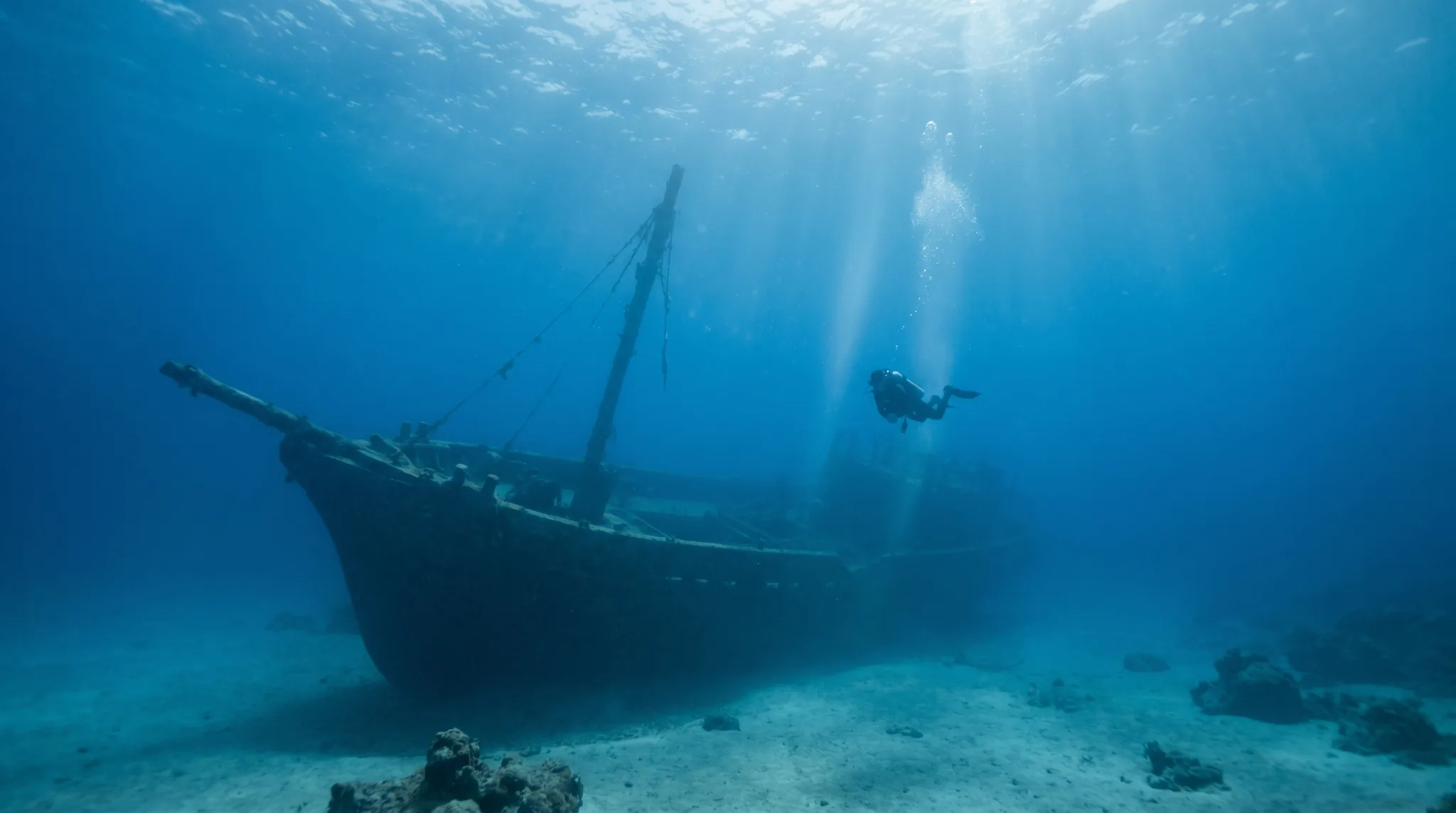
Larak Shipwrecks off Larak Island, Iran, features a combination of wreck and reef structures spanning depths of 12 to 33 metres. This site is strictly for advanced divers due to strong currents, potential down currents, and the risk of nitrogen narcosis at depth. Visibility is variable, typically ranging between 5 and 10 metres. Divers must access the site by boat and should be prepared for overhead environments and entanglement risks. The habitat supports various reef fish and invertebrates typical of the region. Given the limited local facilities, divers must be self-sufficient with all necessary equipment and gas management for deep profiles.
26.87492, 56.29962
Strong currents can shift quickly at this site, so time your descent for slack water and confirm conditions with your boat operator before entering. Facilities are limited in the area, so arrive self-sufficient with all equipment, spares, and adequate gas for a safety stop at depth.
Access info coming soon
Expected in this region. No sightings logged here yet.
Depth
12-33m
Visibility
5-10m
Skill Level
Advanced
Entry
Boat
Boat required
Water Temp
23-32°C
Current
Strong
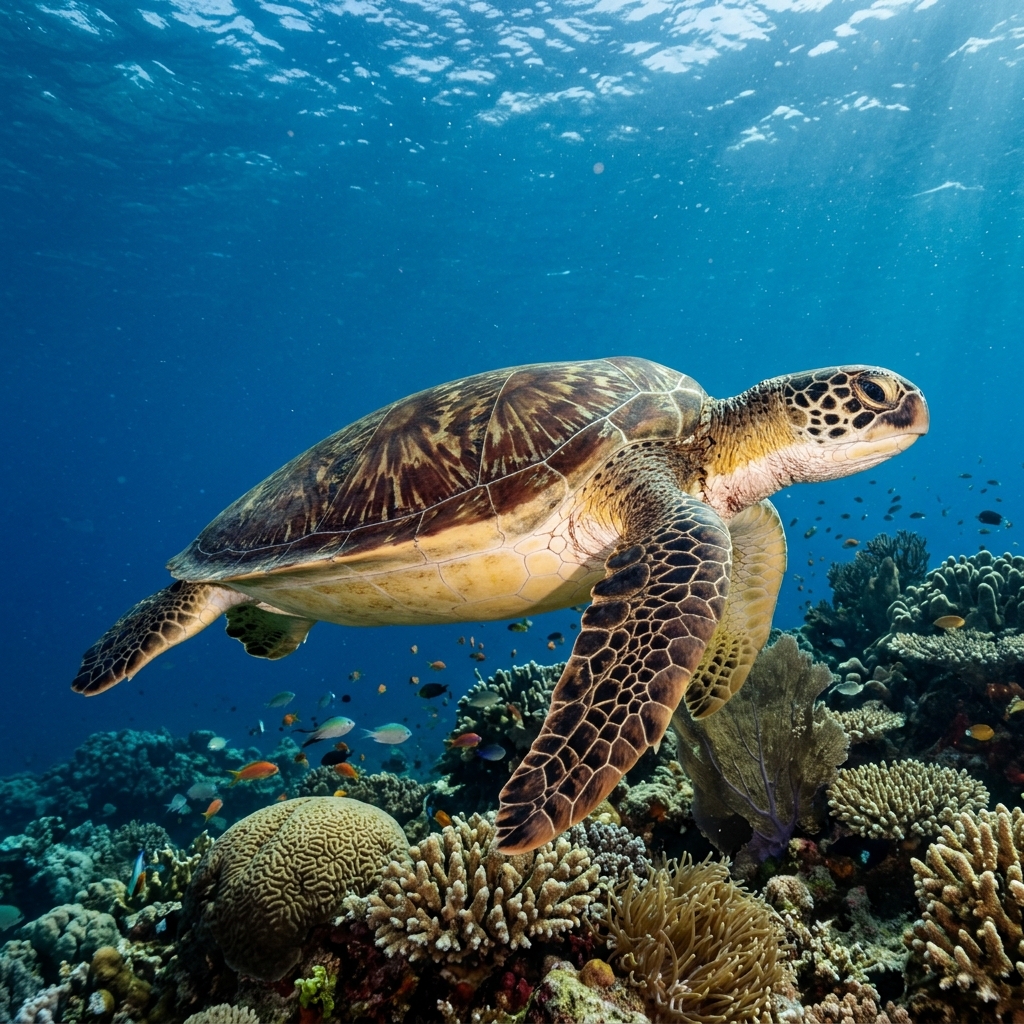
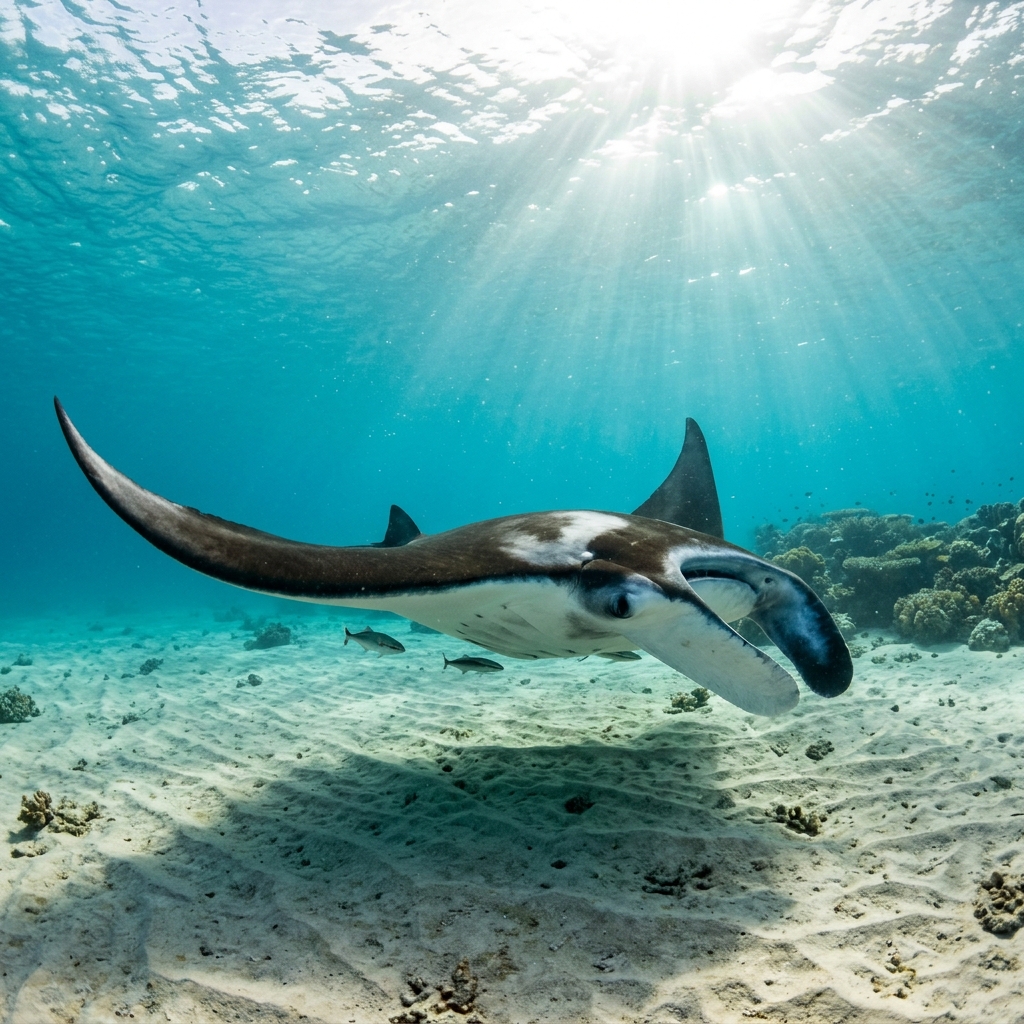
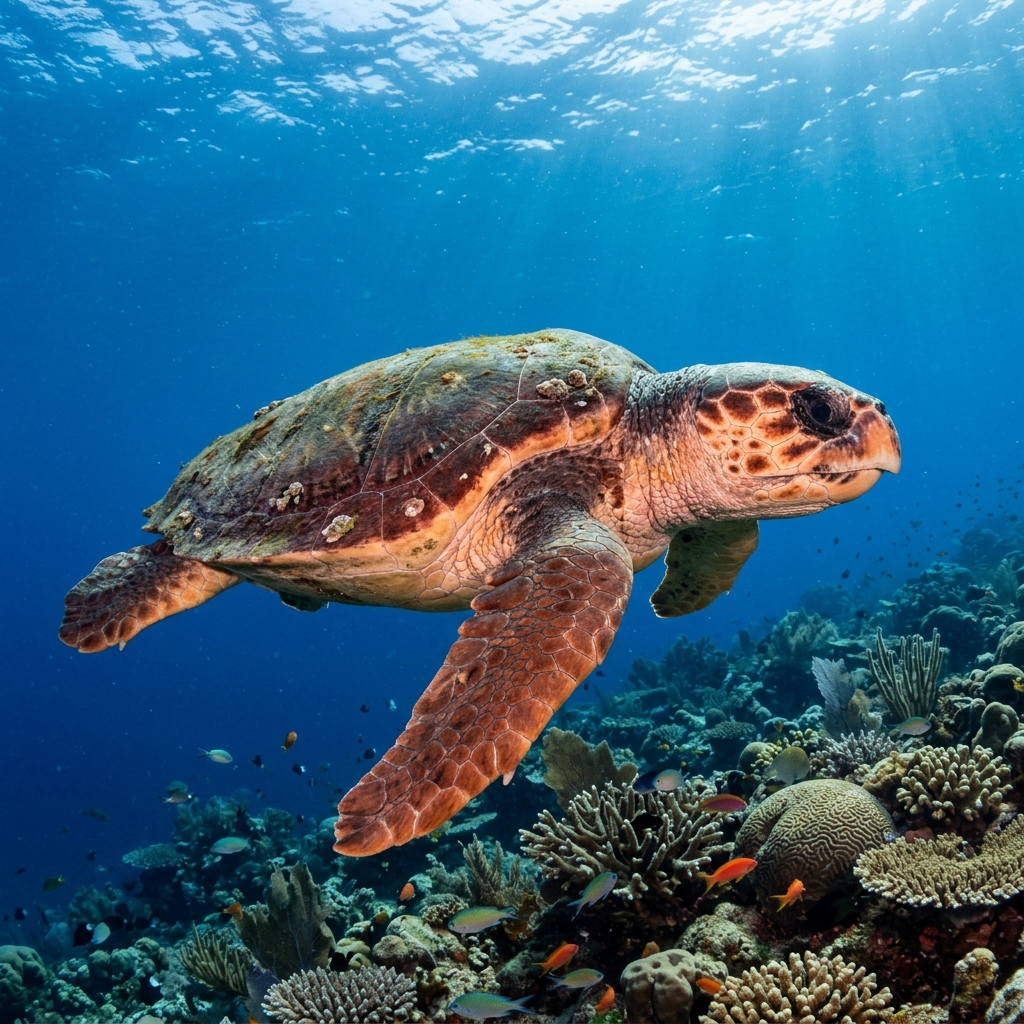
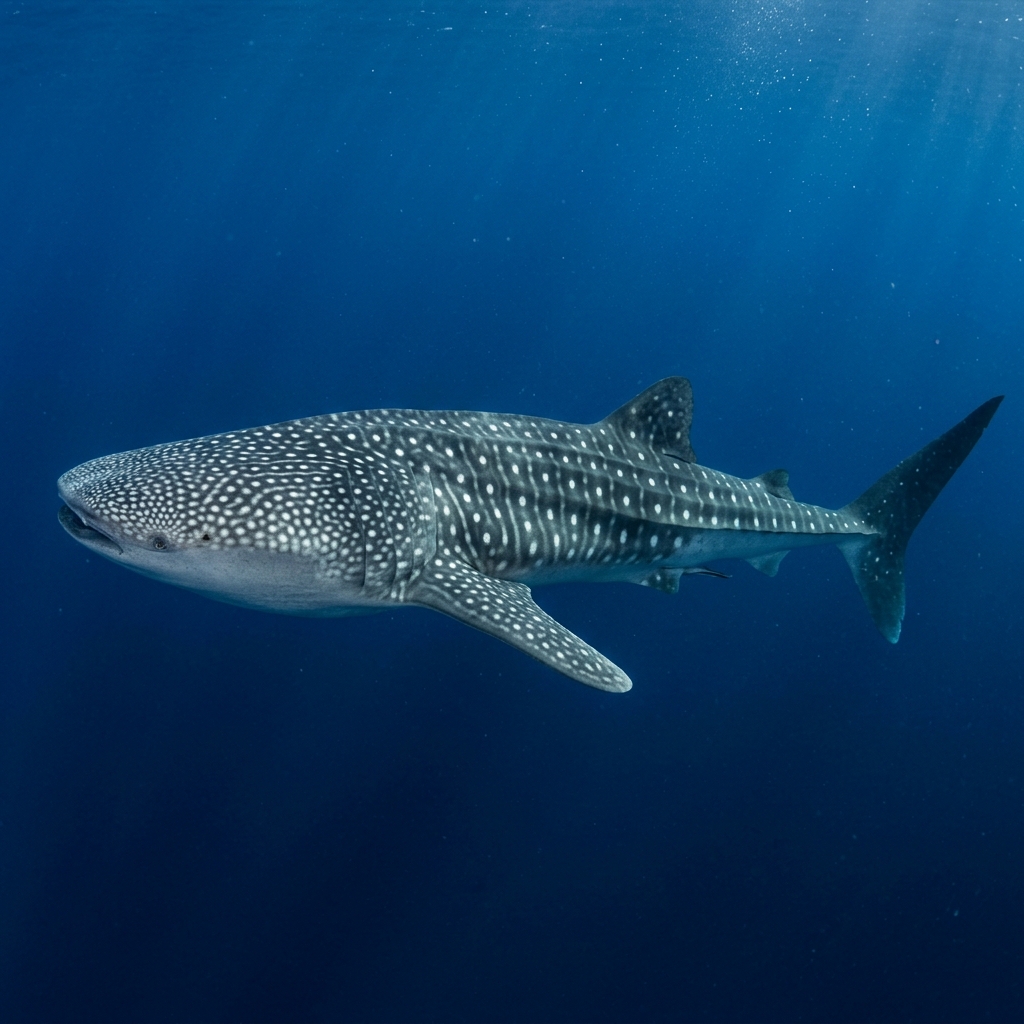
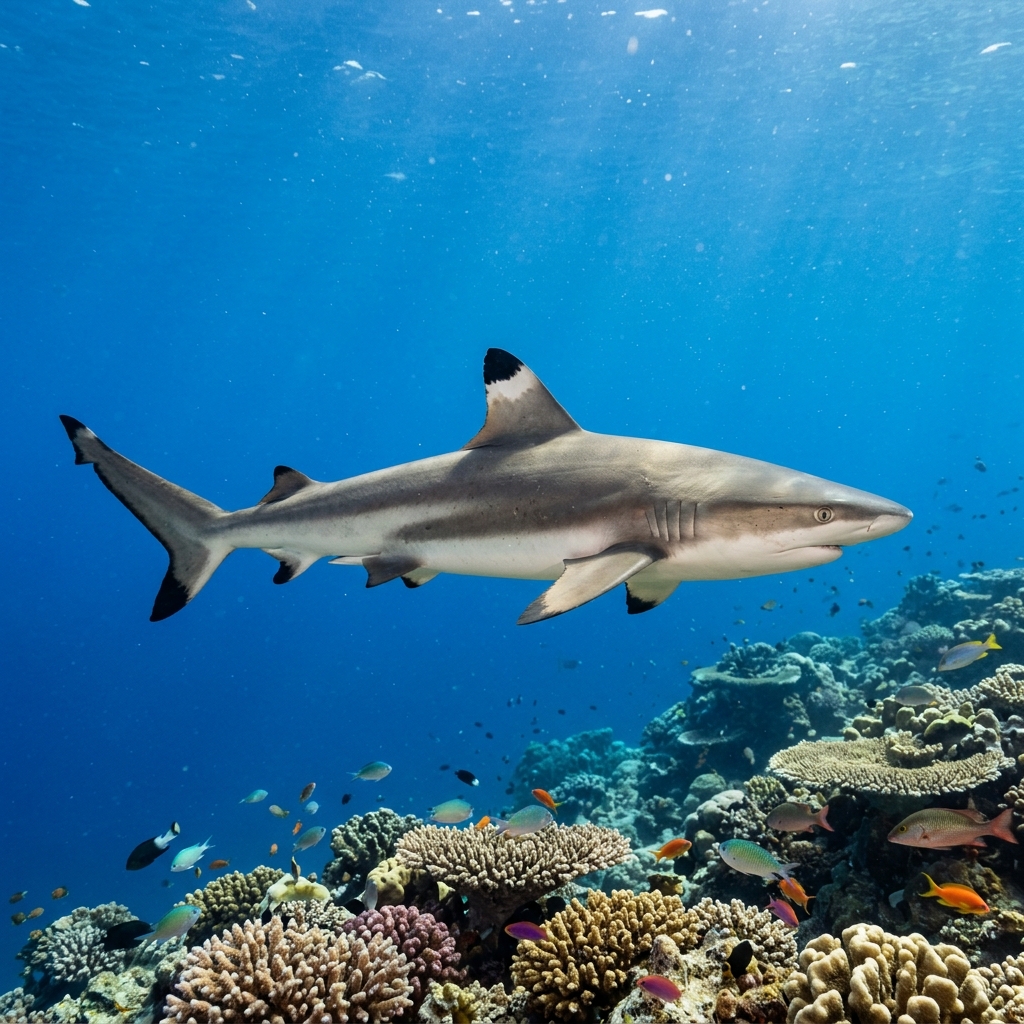
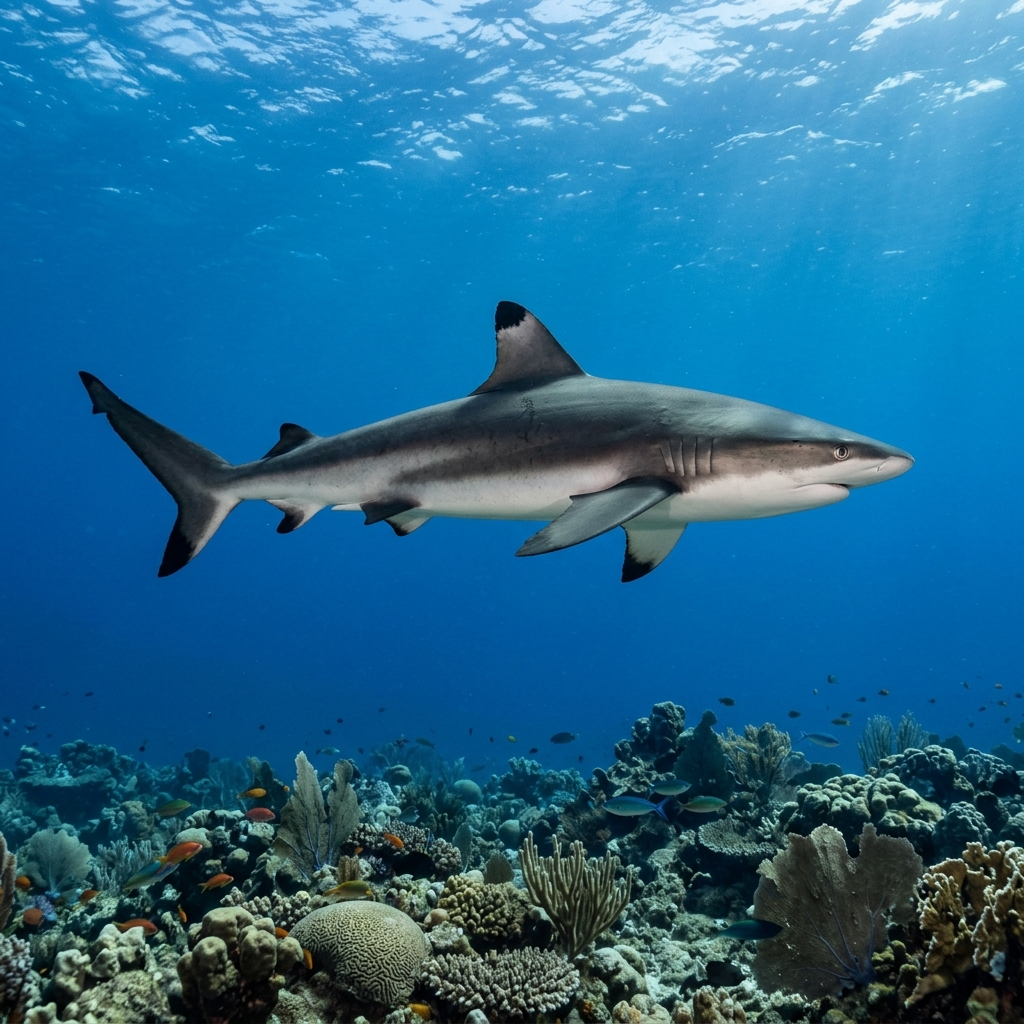
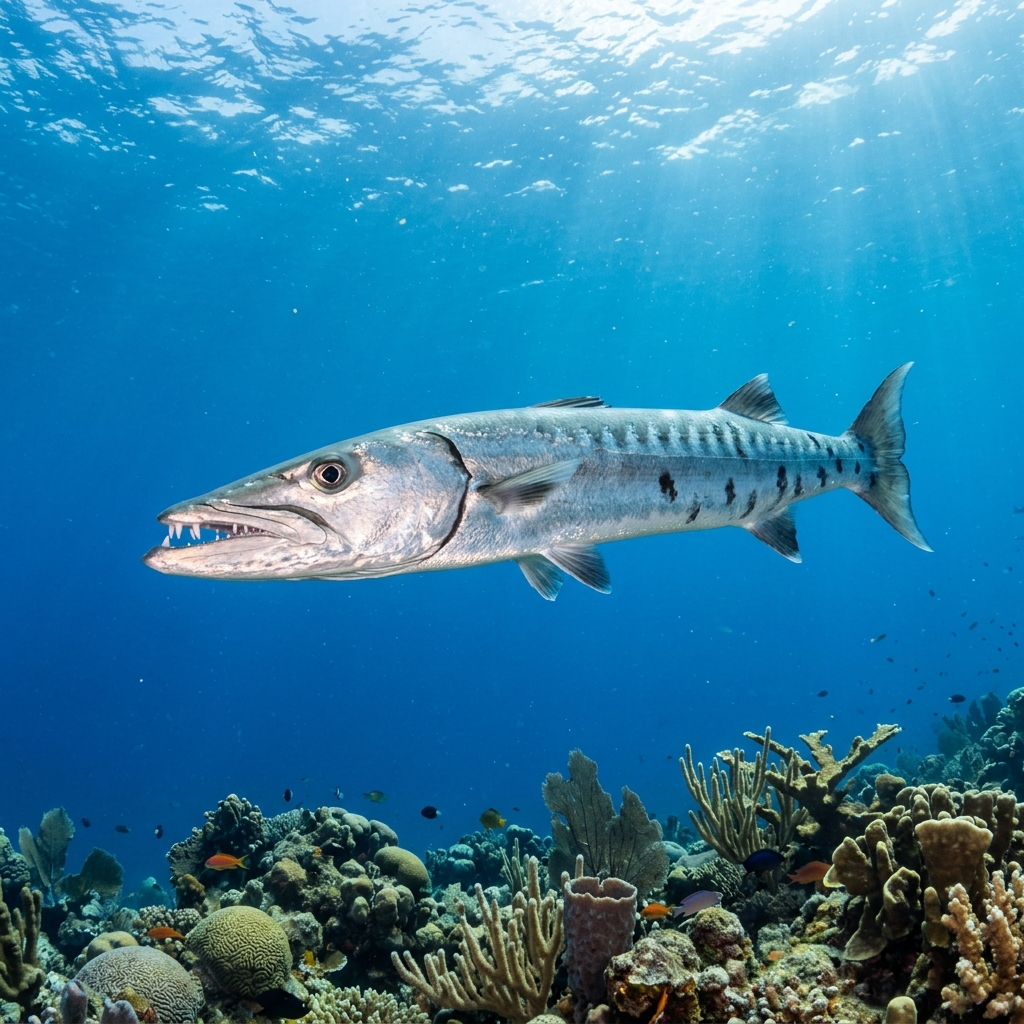
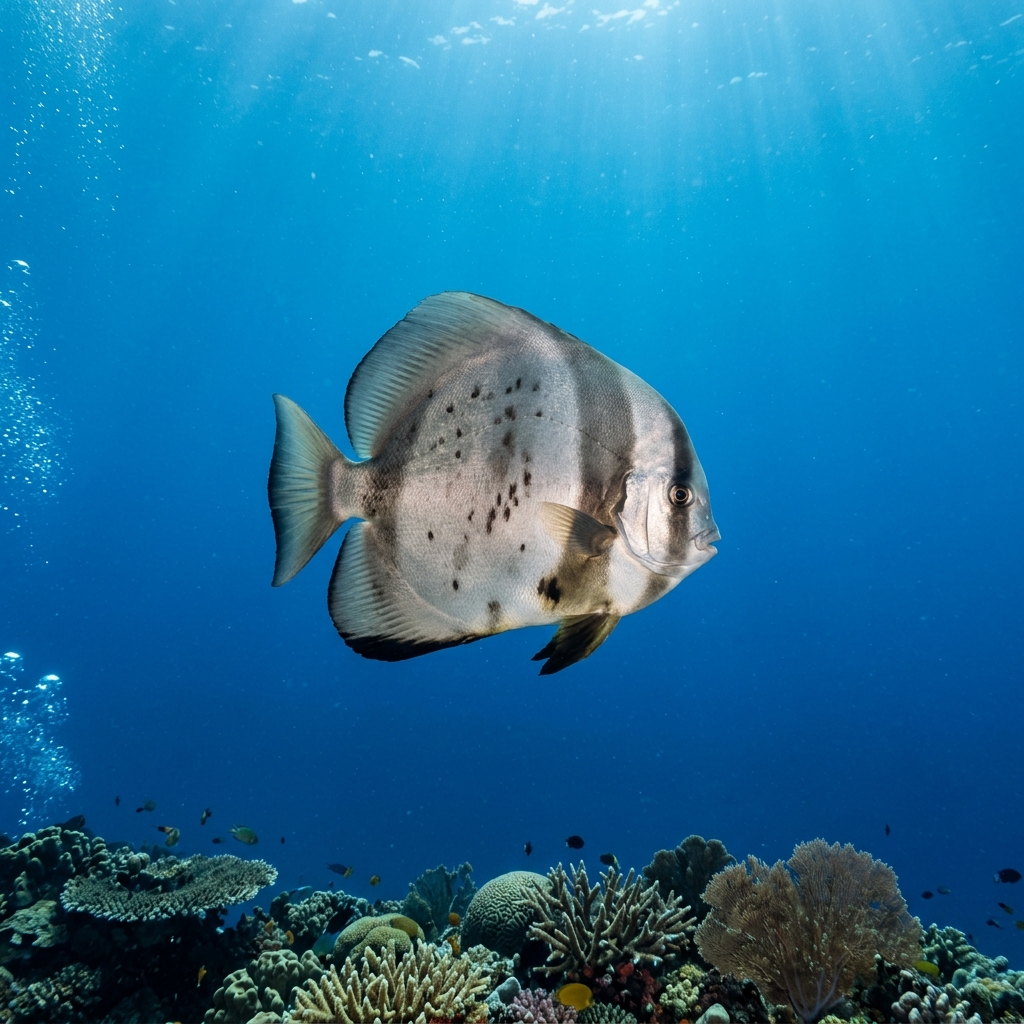
The site supports a variety of reef fish and invertebrates consistent with the local habitat.
No, this site is strictly for advanced divers due to the depth, strong currents, and potential for down currents.
The site descends from 12 to 33 metres.
This is a boat-only dive site.
Snorkelling is not recommended due to the depth of the wreck and the presence of strong currents.
Diving at Larak shipwreck in Qeshm requires the following certifications: Advanced. Always dive within your training limits.
A 3mm wetsuit is recommended for diving at Larak shipwreck in Qeshm. Water temperatures range from 23°C to 32°C.
Larak shipwreck in Qeshm can have strong currents. Advanced experience with drift diving and current navigation is recommended.
Visibility at Larak shipwreck in Qeshm typically ranges from 5 metres to 10 metres. Conditions vary with weather, tides, and seasons.