Best for beginner divers, 8-23m, boat entry, strong current.
Rainbow Passage is a drift dive site located 1500 metres from shore at the Great White Wall in Fiji. The site features a reef environment with depths ranging from 8 to 23 metres, averaging 13 metres. Divers and snorkellers access the site by boat. Conditions are variable, with visibility typically between 20 and 40 metres and water temperatures ranging from 26 to 29 degrees Celsius. The site is subject to strong currents, which are a primary hazard alongside sharks. It is suitable for beginners, with typical dive times lasting around 50 minutes. Facilities available include air fills, guided tours, and boat charters.
-16.78610, 179.92400
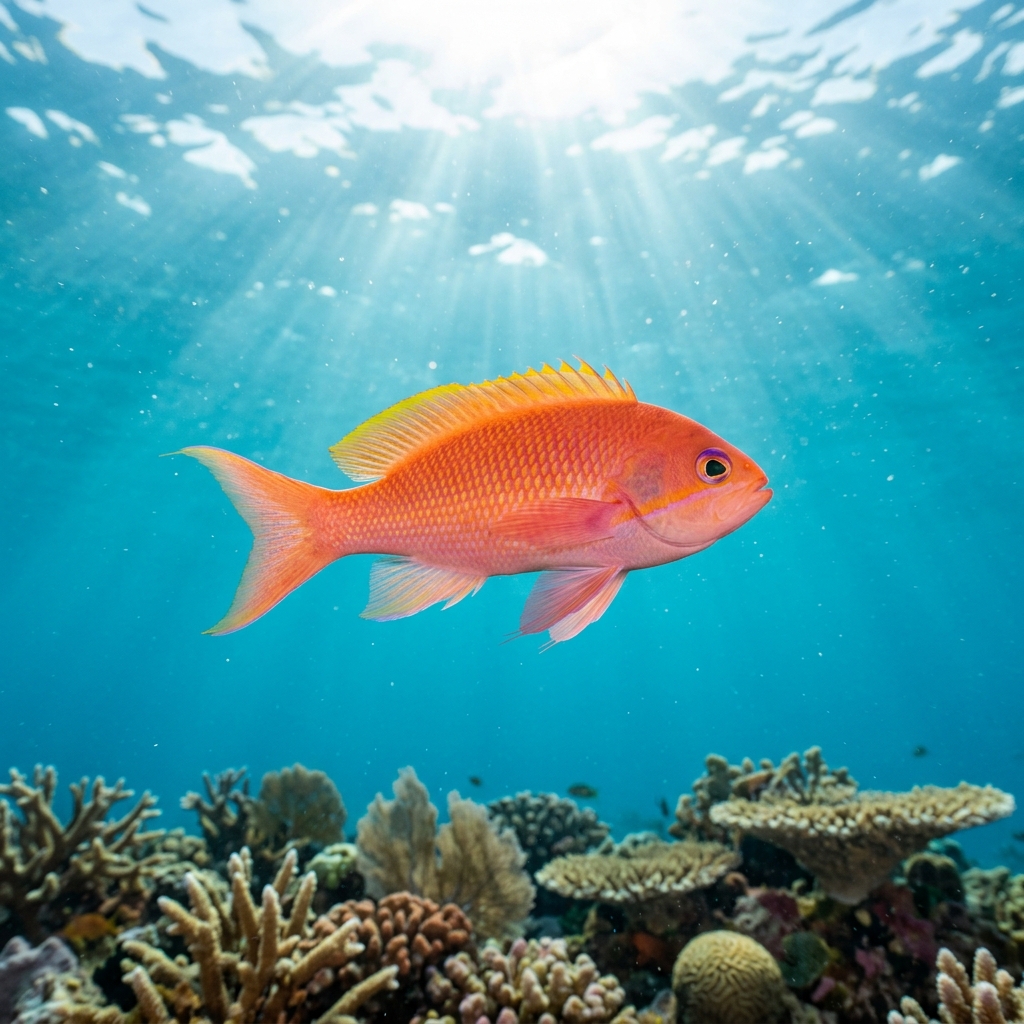
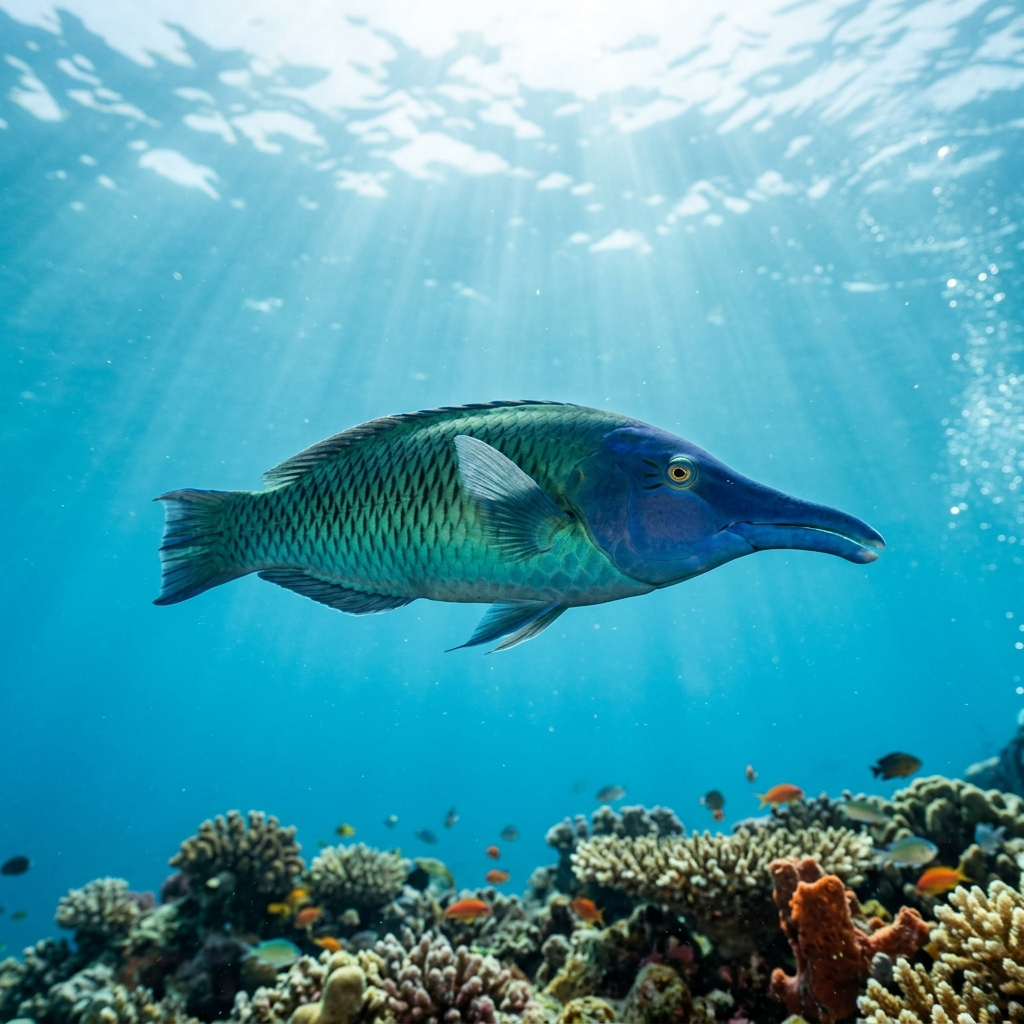
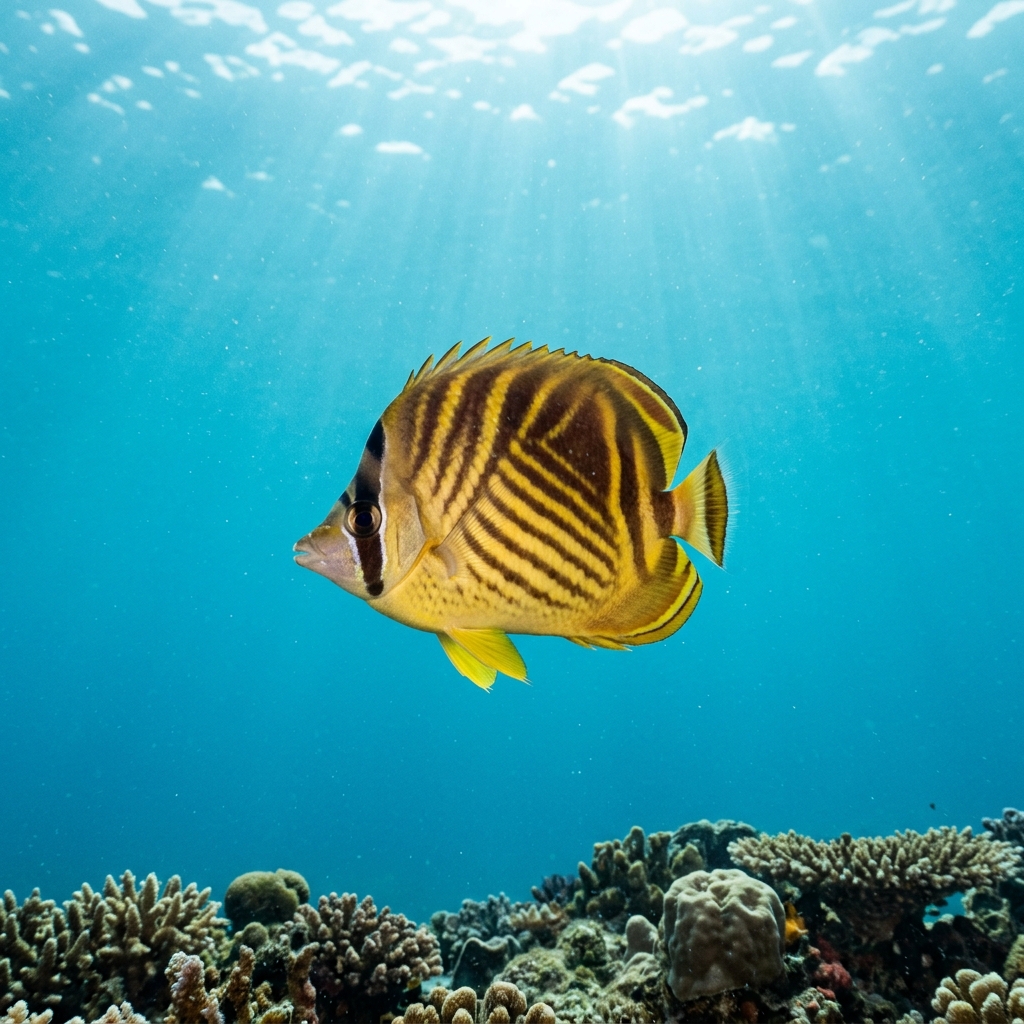
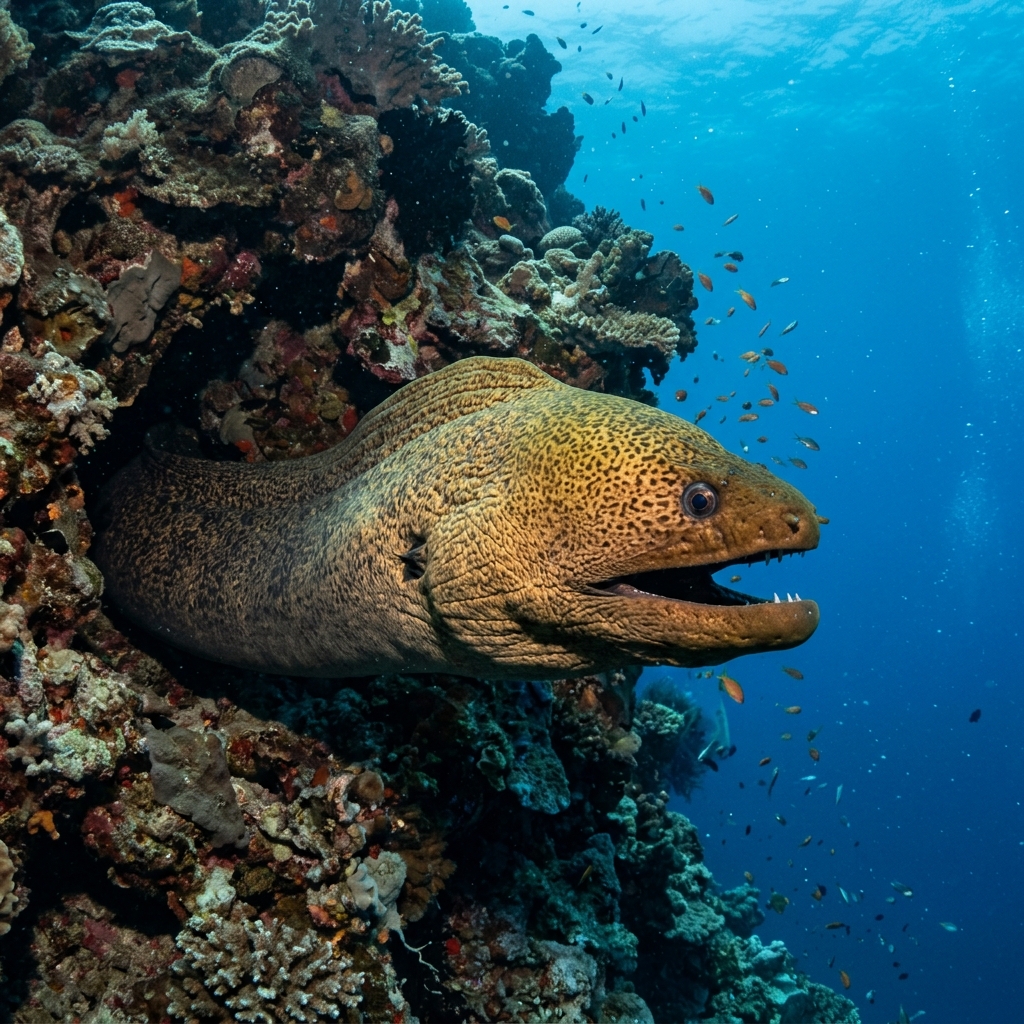
This dive has a strong but steady current that takes you past thousands of brightly coloured fish and coral.
Accessible by boat from Taveuni or Vanua Levu.
Recorded at this site
Depth
8-23m
Visibility
20-40m
Skill Level
Beginner
Entry
Boat
Boat required
Water Temp
26-29°C
Current
Strong
Typical Dive
50 min
Best Time
May, Jun, Jul, Aug, Sep
Yes, the site is classified as suitable for beginner divers.
The depth ranges from 8 to 23 metres, with an average depth of 13 metres.
Boat access is required to reach this site, which is located 1500 metres from shore.
Yes, the site is open to both diving and snorkelling activities.
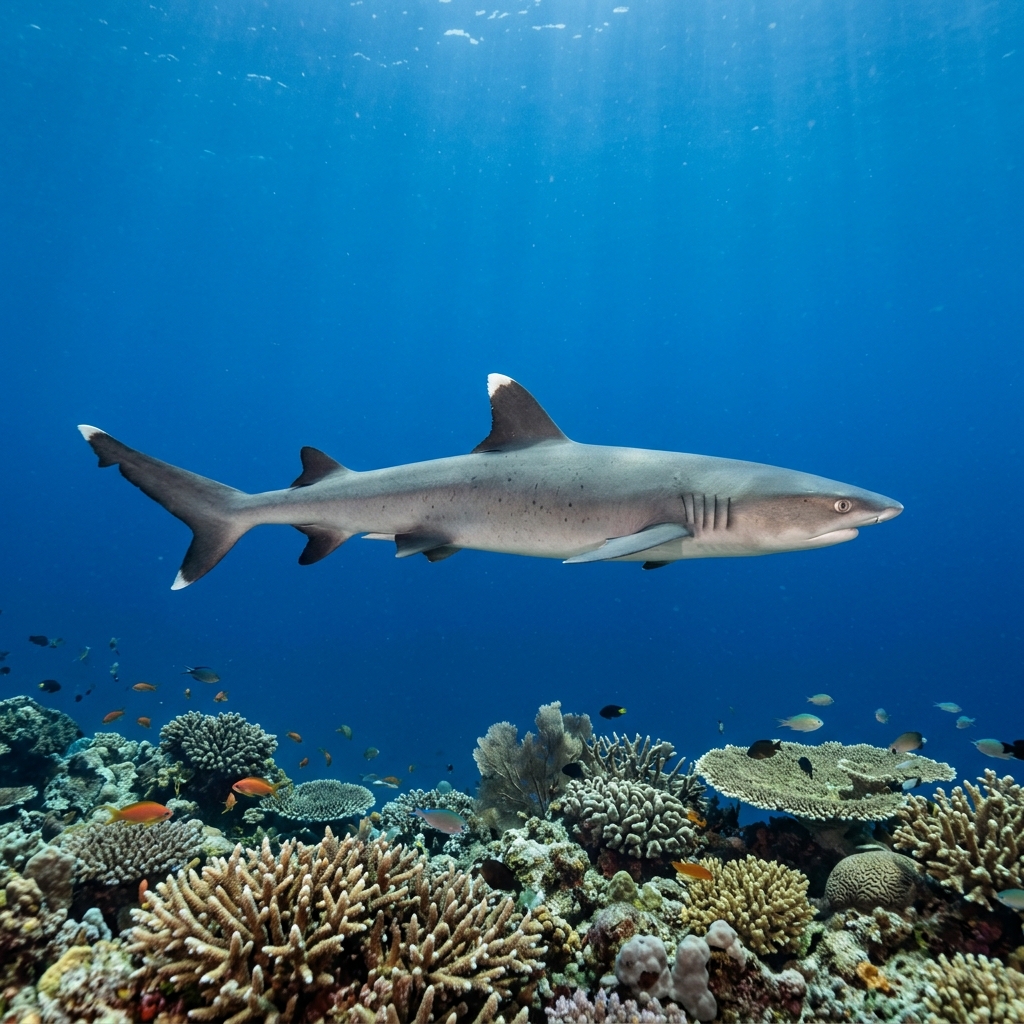
Divers should be aware of strong currents and the presence of sharks.
Diving at Rainbow Passage in Taveuni requires the following certifications: Open Water. Always dive within your training limits.
A 3mm wetsuit is recommended for diving at Rainbow Passage in Taveuni. Water temperatures range from 26°C to 29°C.
The best months to visit Rainbow Passage in Taveuni are May, June, July, August, and September. Conditions outside these months can still be good but are less predictable.
Rainbow Passage in Taveuni can have strong currents. Advanced experience with drift diving and current navigation is recommended.
Visibility at Rainbow Passage in Taveuni typically ranges from 20 metres to 40 metres. Conditions vary with weather, tides, and seasons.