Best for intermediate divers, 1-4m, shore & boat entry, mild current.
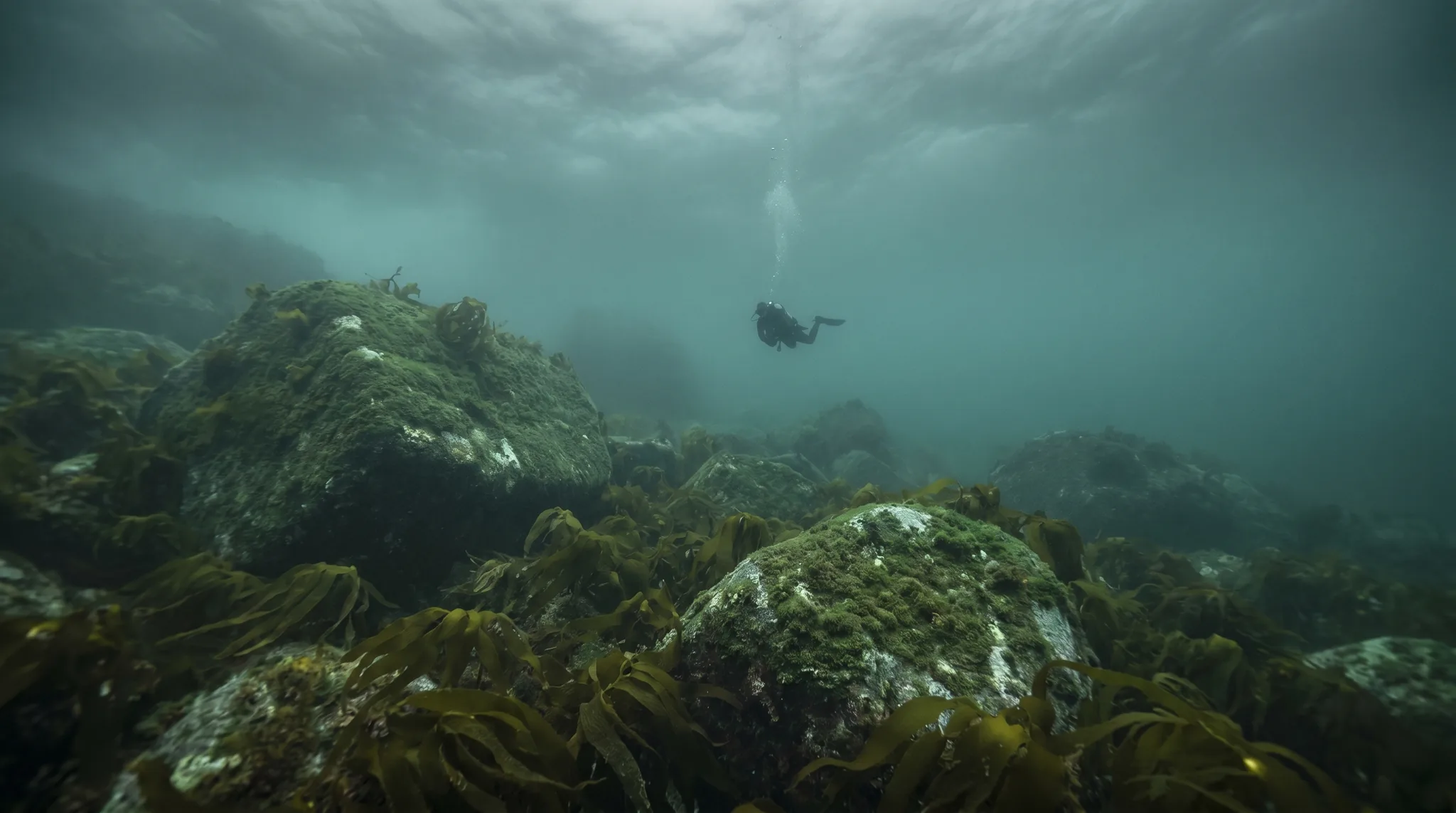
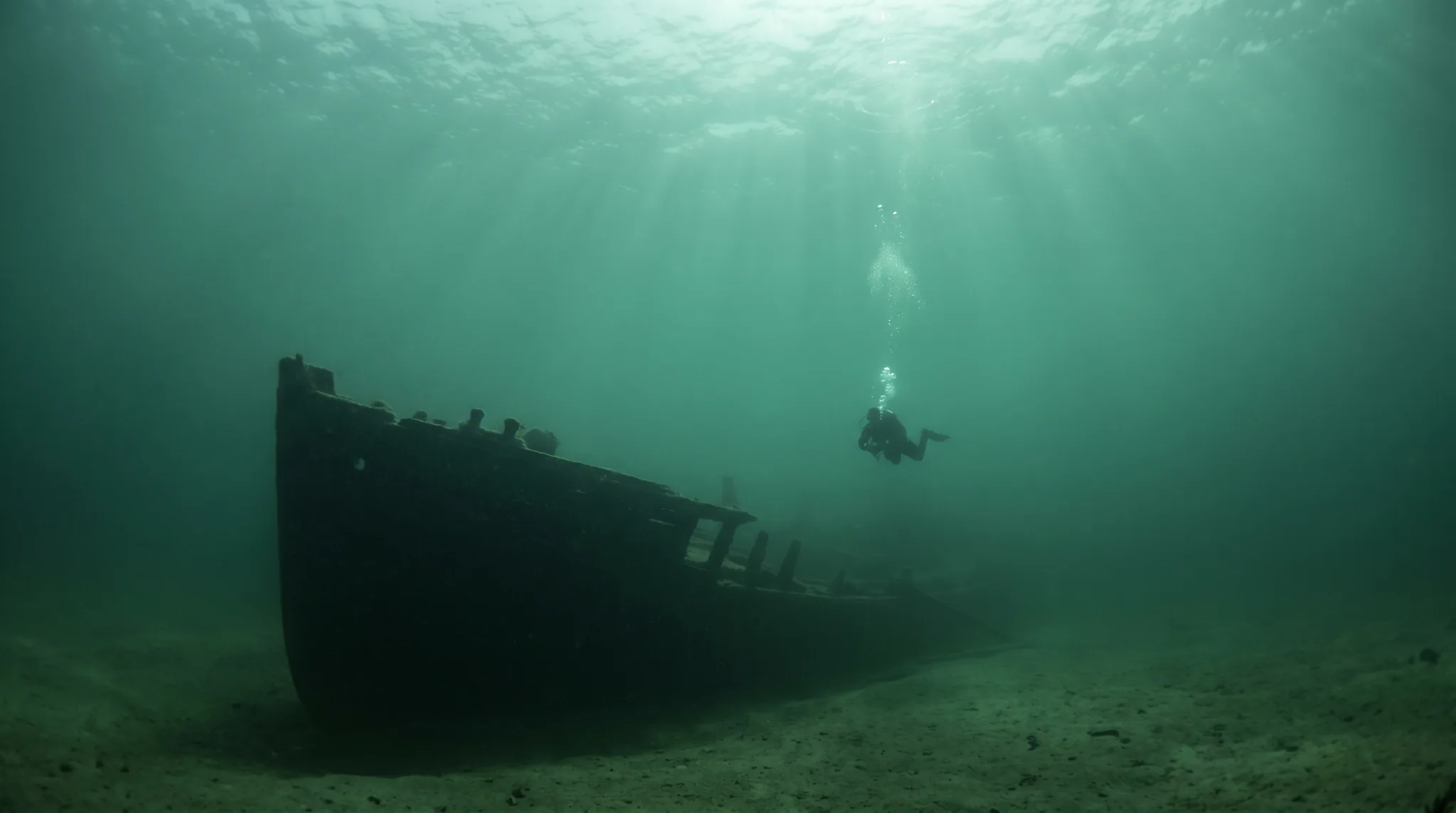
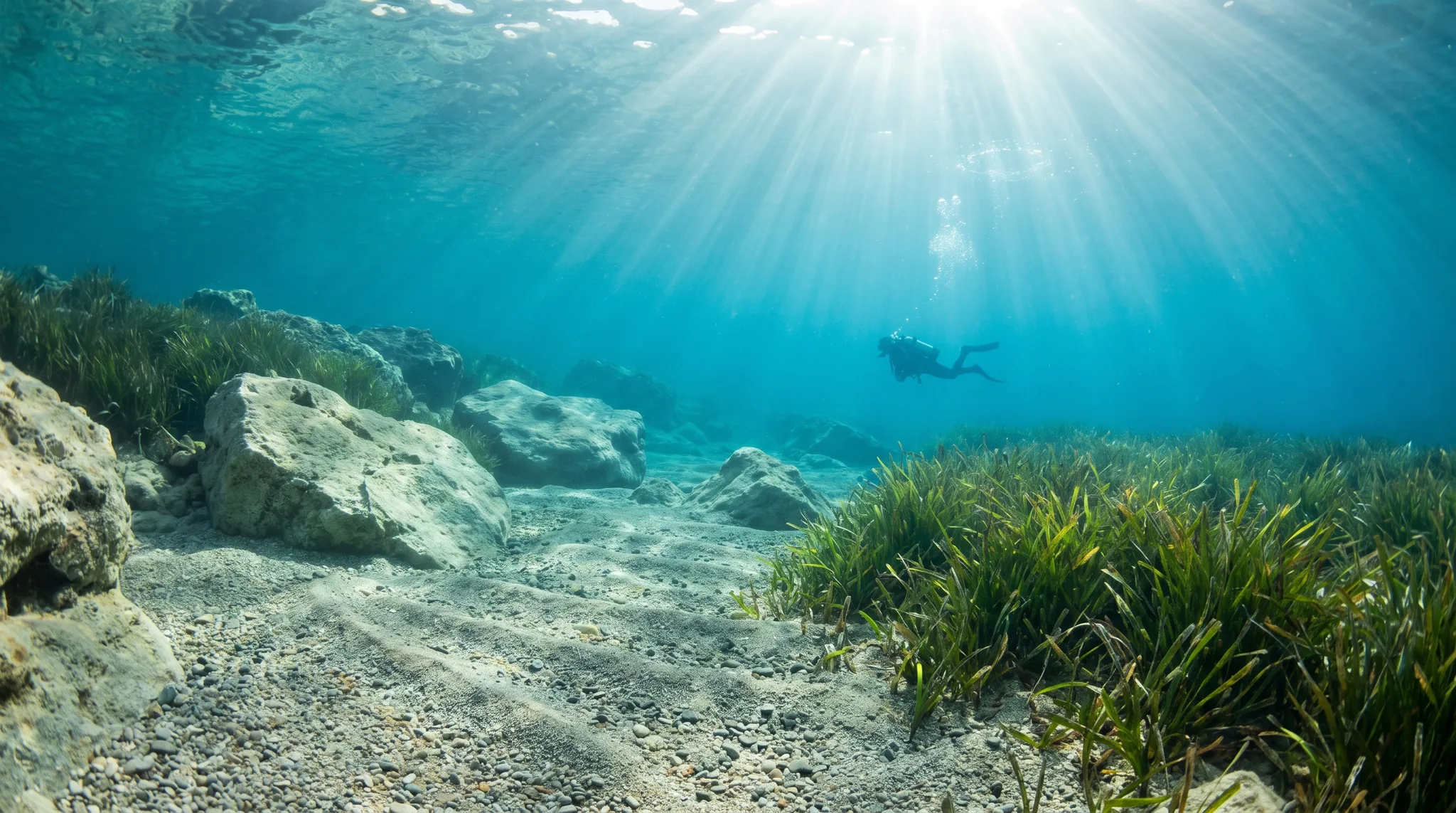
Pavja Luka is a sheltered bay located on the south coast of Lastovo, Croatia. This site features a combination of reef and seagrass habitats, making it suitable for both diving and snorkelling. The average depth is 2 metres, with a range between 1 and 4 metres. Visibility varies significantly, ranging from 5 to 25 metres. Entry can be made from the shore or by boat. Divers should be aware of potential boat traffic and the presence of sea urchins. The site is best suited for intermediate divers, with typical dive times lasting around 60 minutes.
42.91252, 17.10356
If anchoring with your own anchor, be aware of numerous ropes on the seabed that can entangle your anchor.
Accessible by a scenic hike from the nearest parking area or by boat. The hike involves a long path over rough terrain and is recommended for those with good fitness levels.
Recorded nearby, within 20km
Depth
Up to 4m
Visibility
5-25m
Skill Level
Intermediate
Entry
Shore & Boat
Water Temp
14-26°C
Current
Mild
Typical Dive
60 min
Best Time
Year-round
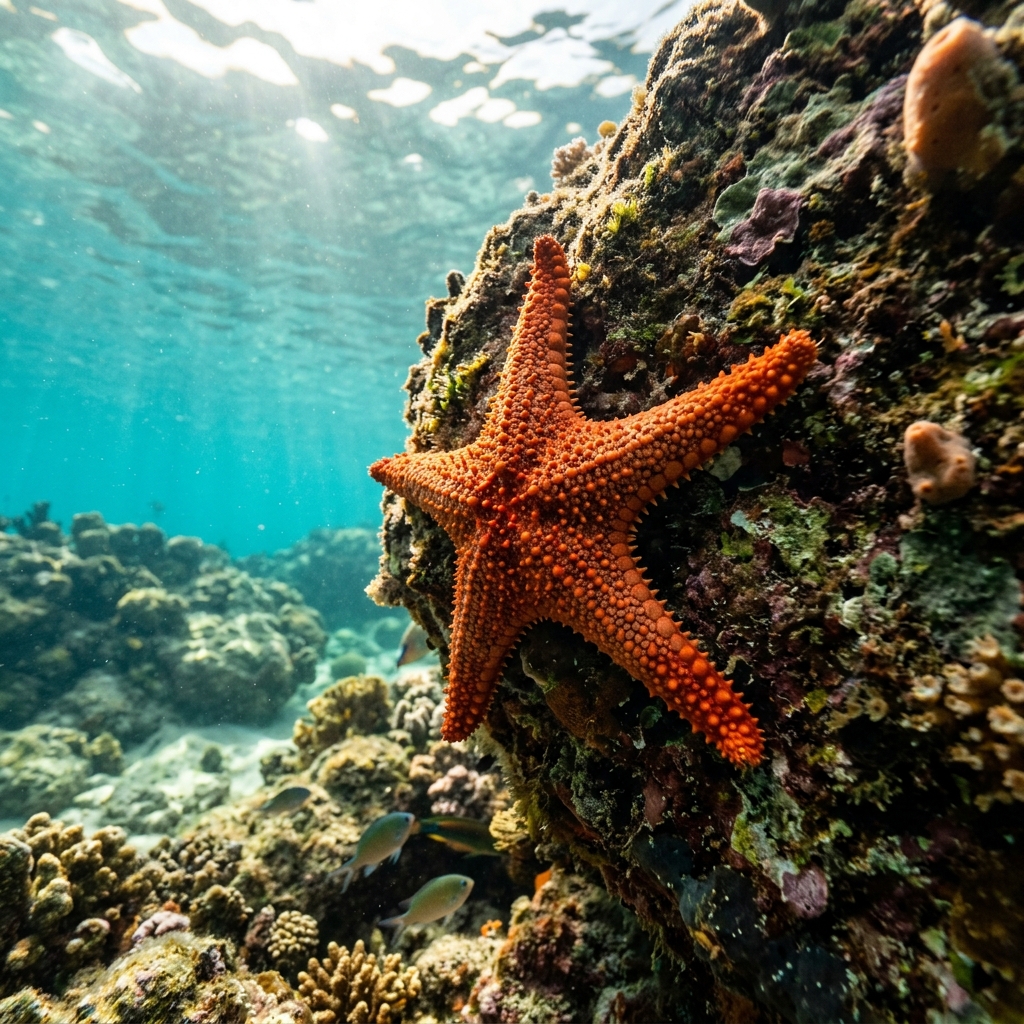
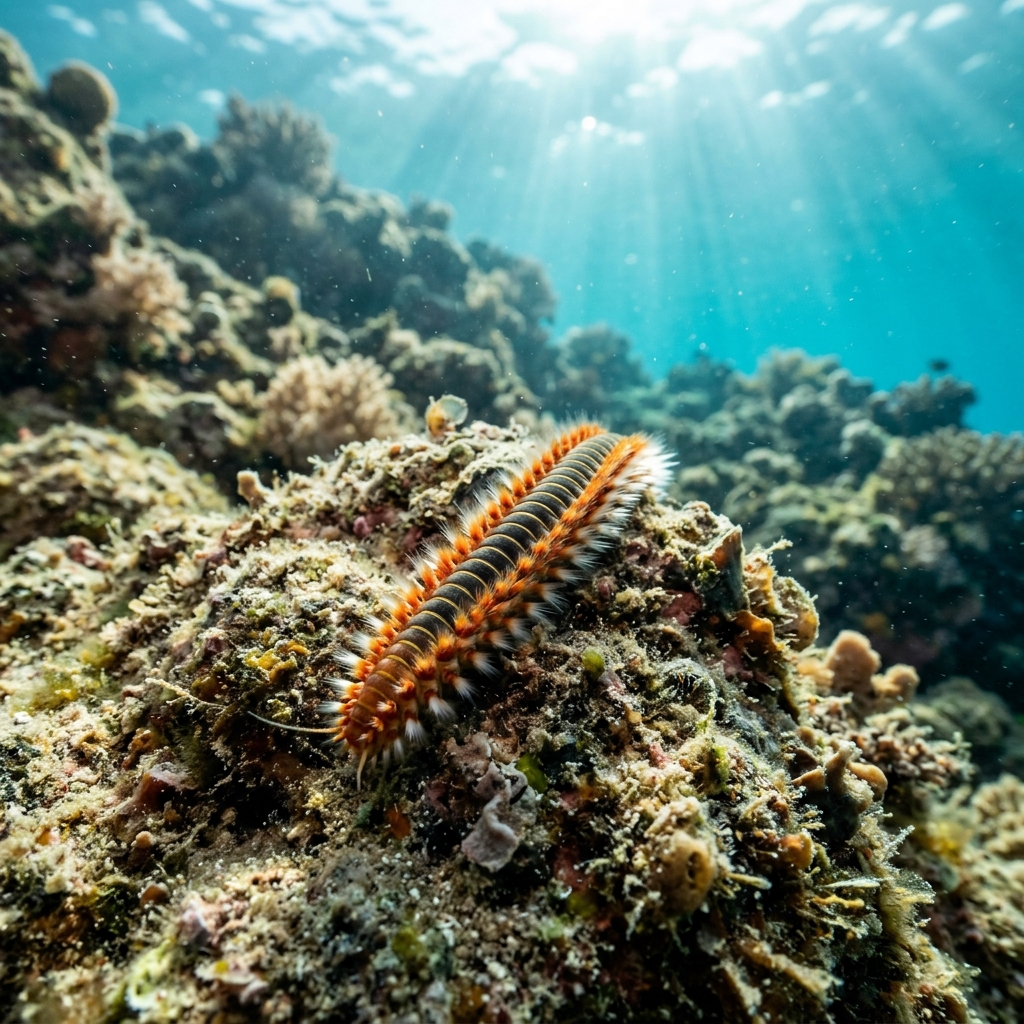
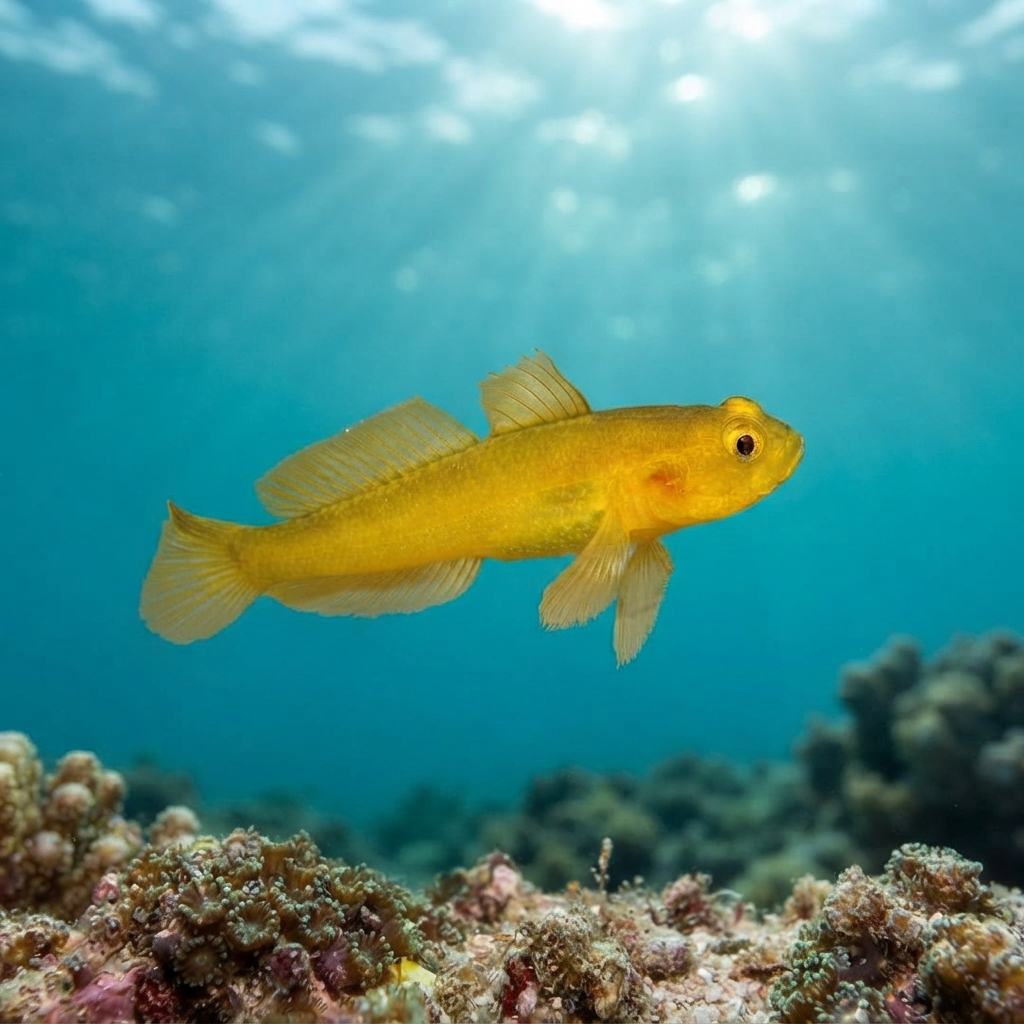
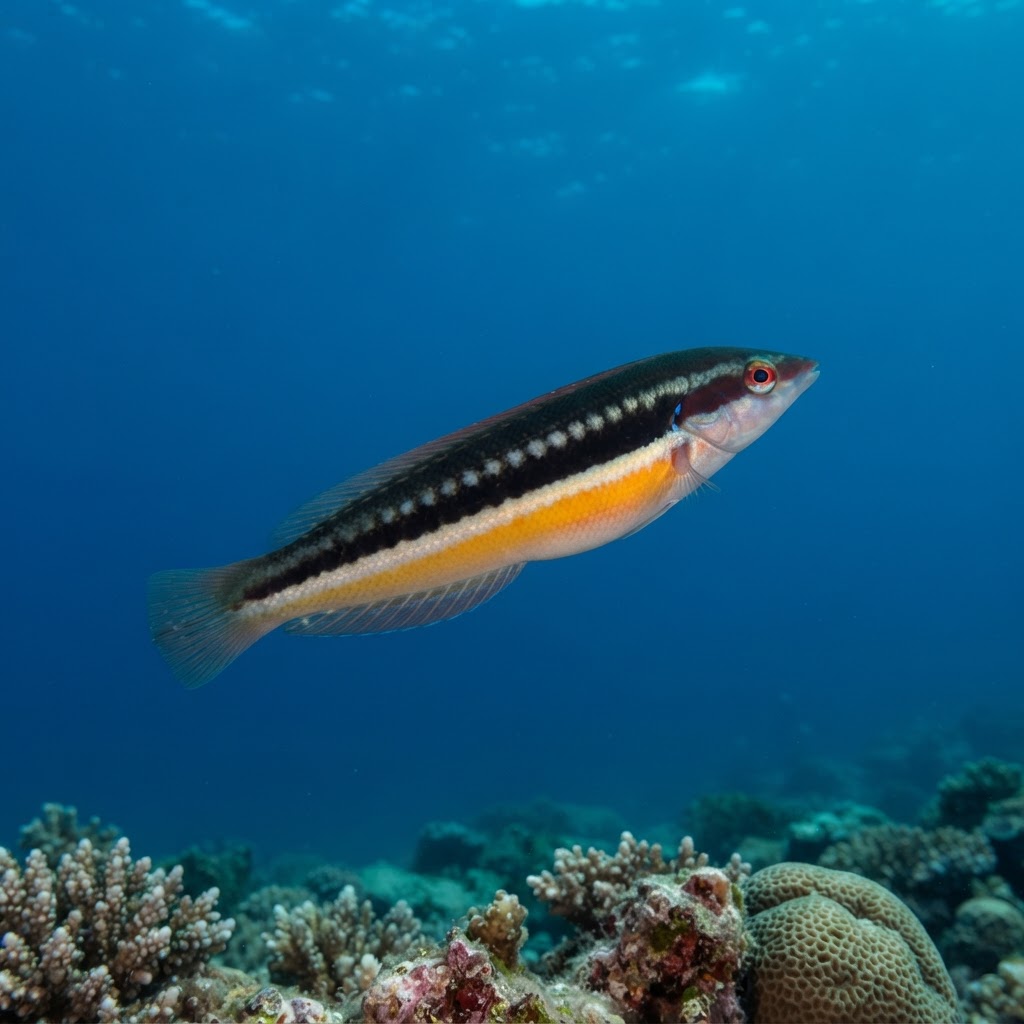
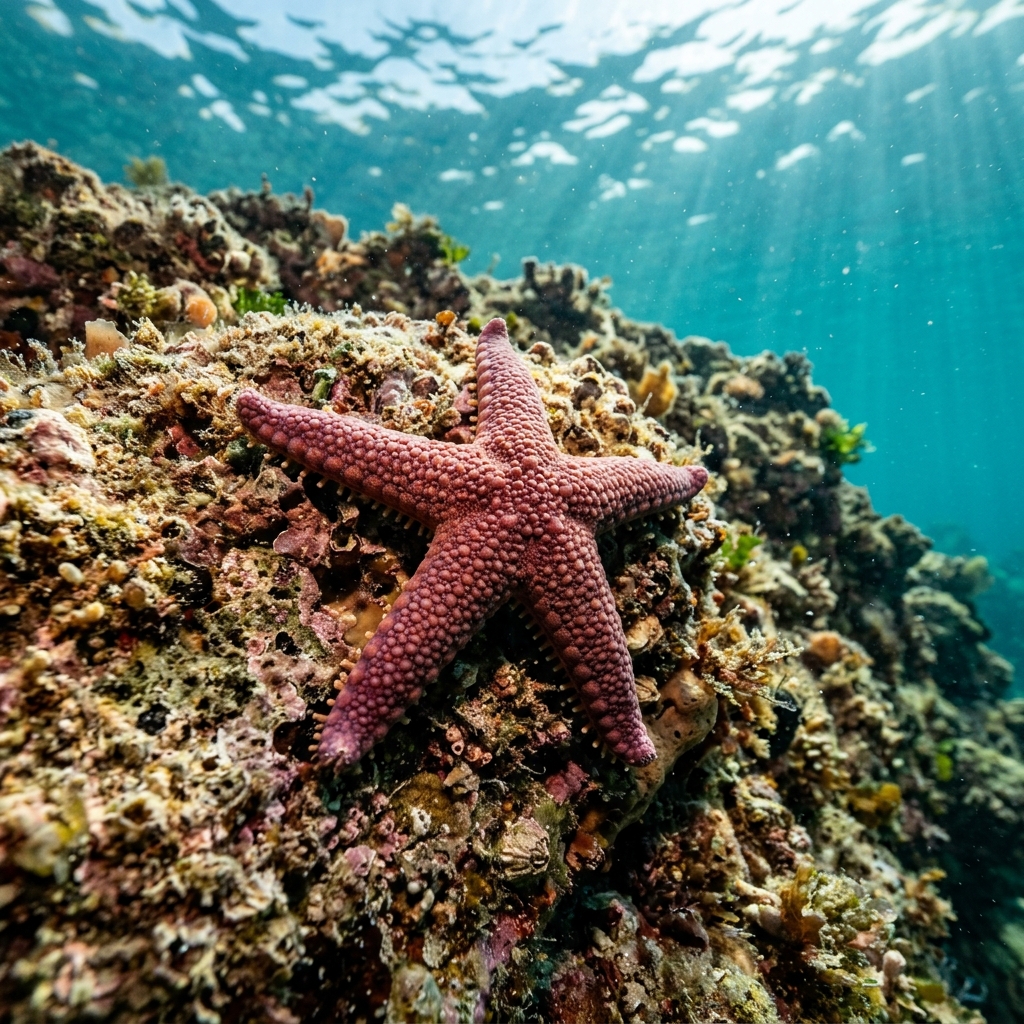
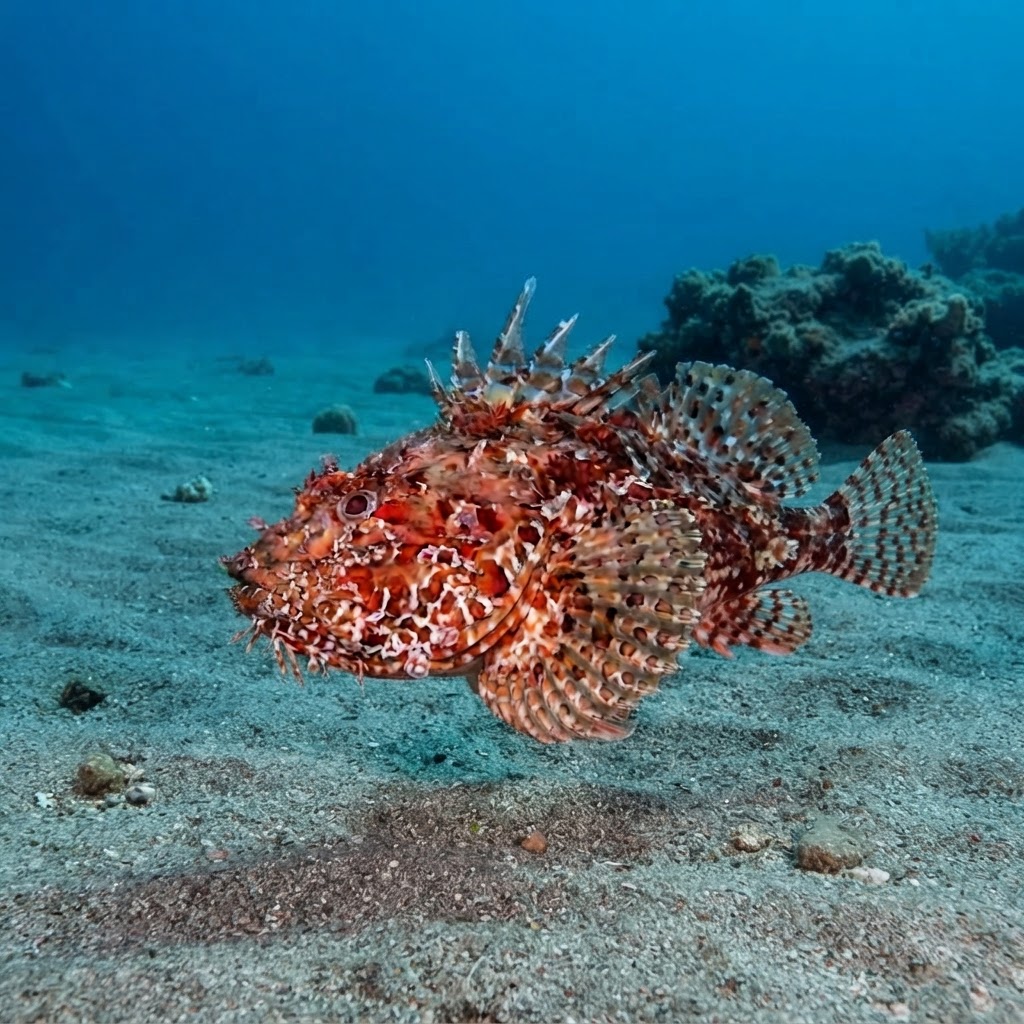
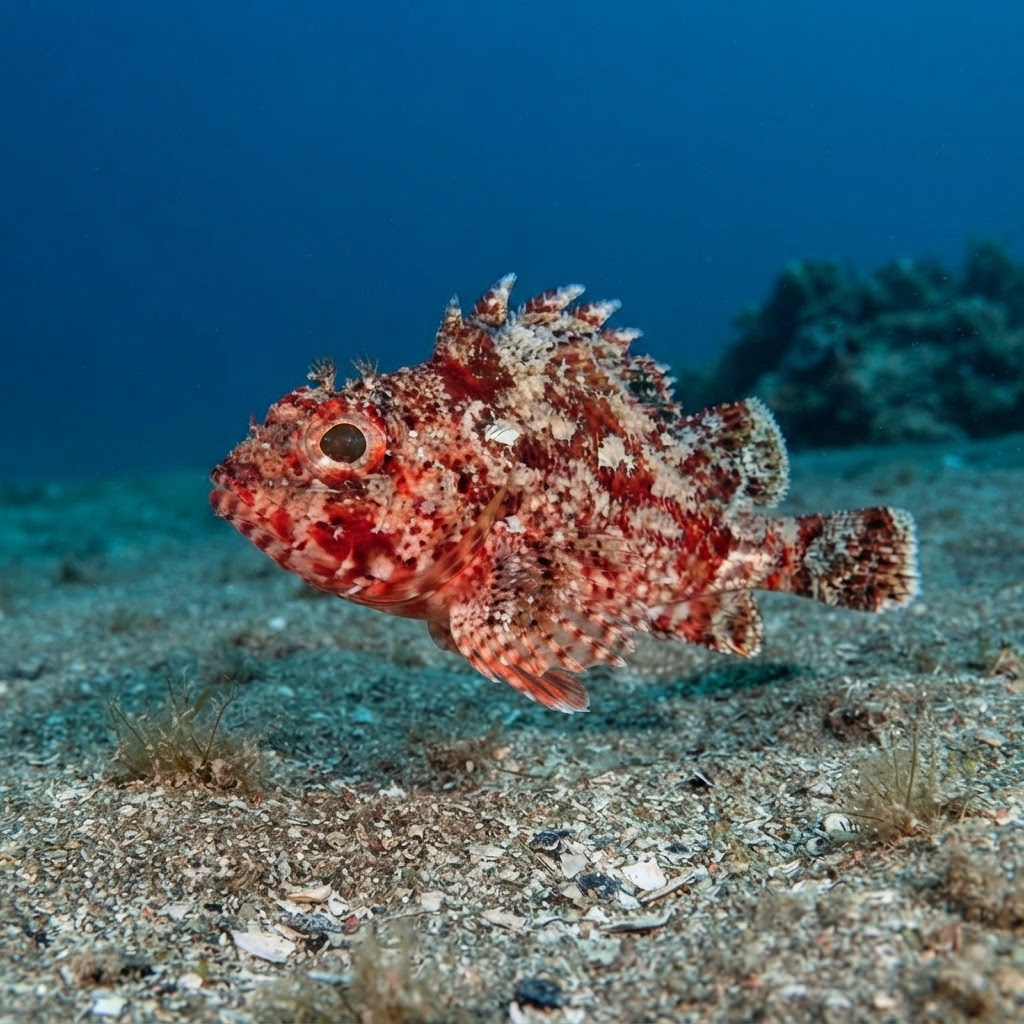
There is no specific data available regarding the marine species present at this site.
The site is rated for intermediate skill levels.
The depth ranges from 1 to 4 metres, with an average depth of 2 metres.
Yes, Pavja Luka is well-suited for snorkelling and holds a rating of 4 out of 5.
Both shore and boat entries are possible at this location.
Divers and snorkellers should watch for boat traffic and sea urchins in the area.
A 5mm wetsuit is recommended for diving at Pavja Luka in Korcula. Water temperatures range from 14°C to 26°C.
The best months to visit Pavja Luka in Korcula are January, February, March, April, May, June, July, August, September, October, November, and December. Conditions outside these months can still be good but are less predictable.
Pavja Luka in Korcula typically has mild currents that most divers can handle comfortably.
Visibility at Pavja Luka in Korcula typically ranges from 5 metres to 25 metres. Conditions vary with weather, tides, and seasons.