Best for intermediate divers, 19-30m, shore & boat entry, mild current.
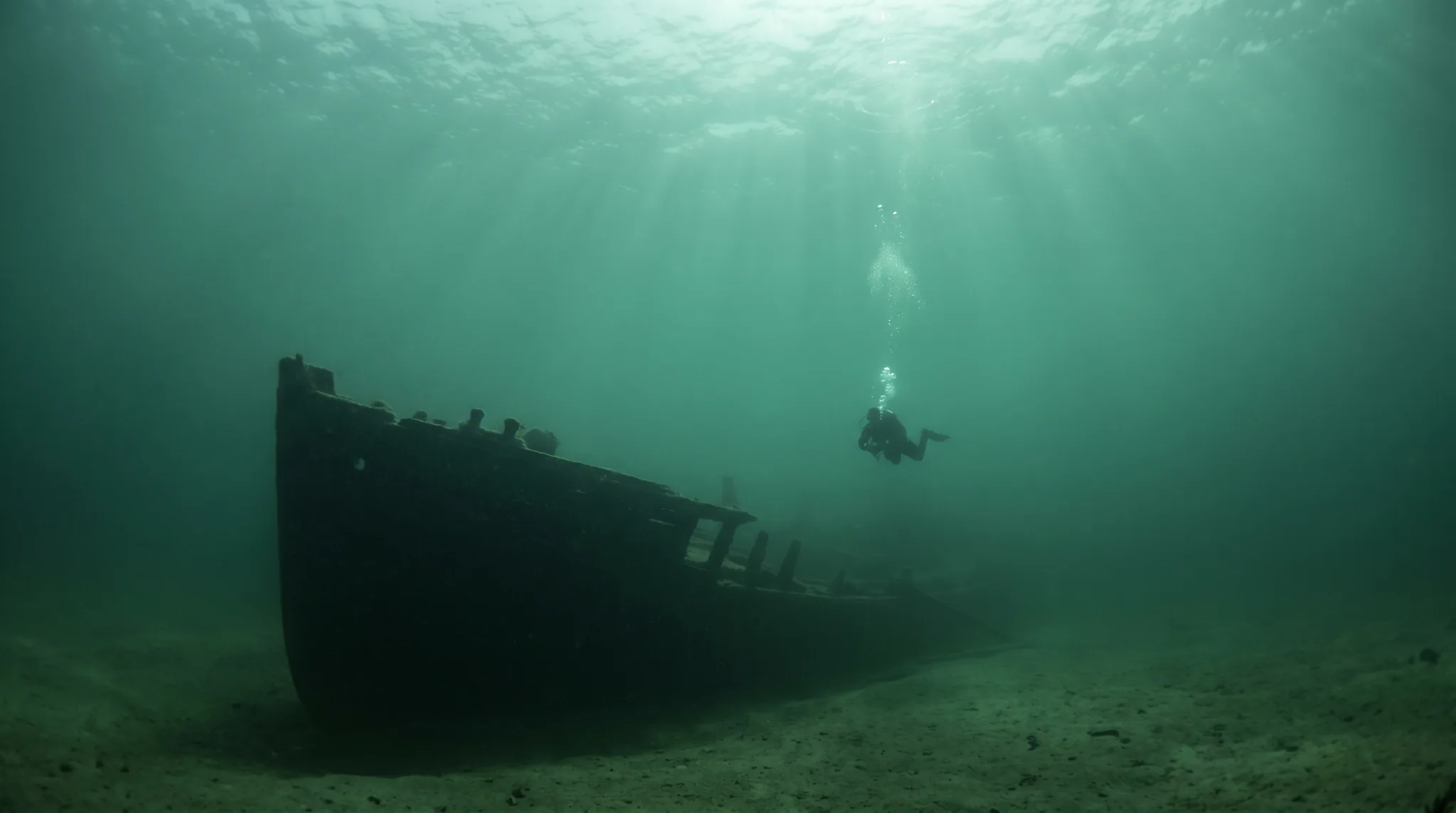
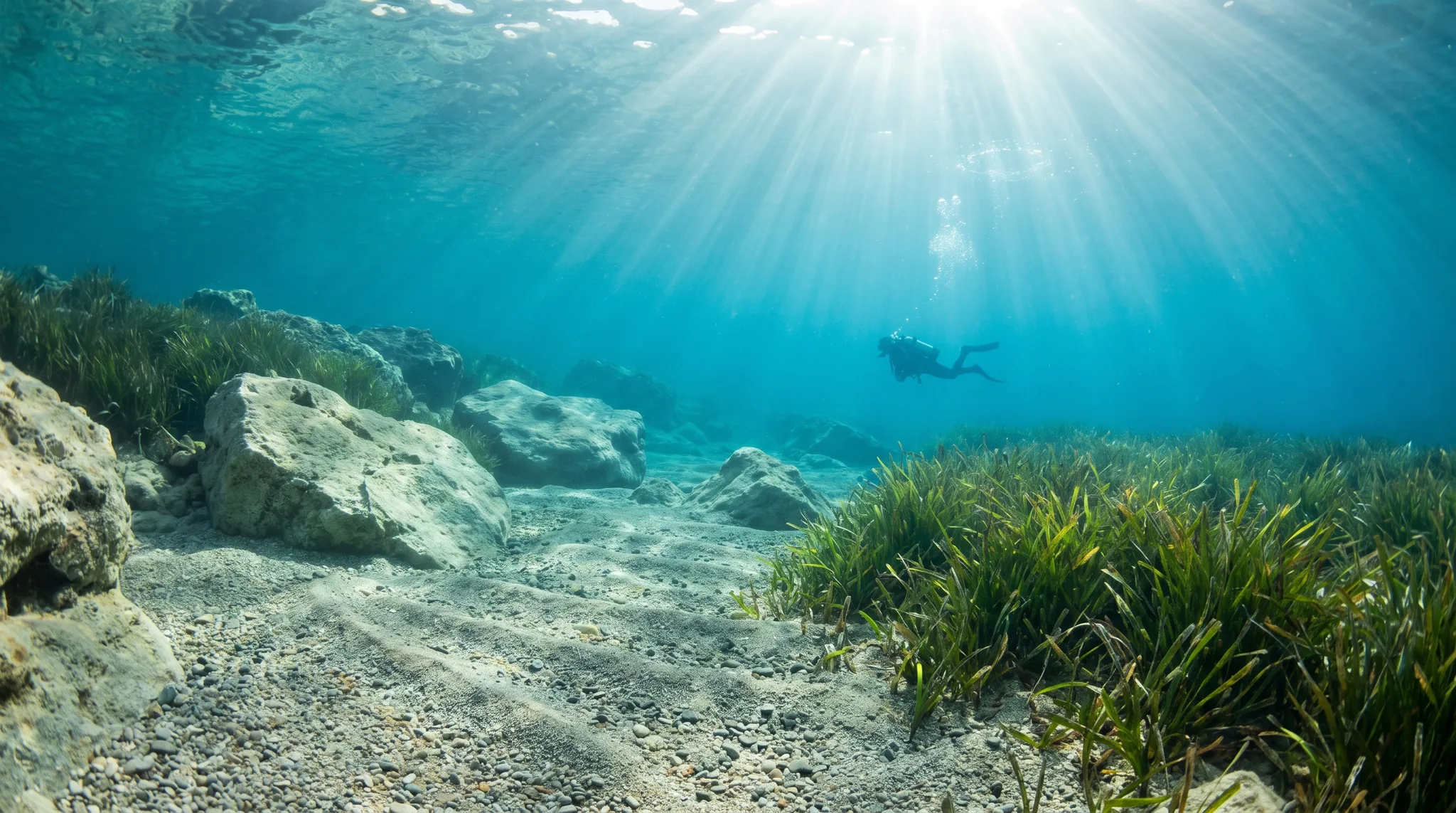
Vruja on Vis Island is a diverse dive site featuring a wall, canyon, cave, and drop-off. Divers can explore depths ranging from 19 to 30 metres, with an average depth of 25 metres. The site is characterised by large underwater karst springs that release freshwater, creating noticeable thermoclines. Visibility typically ranges from 15 to 30 metres, and currents are generally mild. Due to the overhead environments and significant depths, this site is suited for intermediate divers with solid buoyancy control. A torch is recommended for cave sections. Water temperatures fluctuate between 13 and 26 degrees Celsius throughout the year, requiring appropriate thermal protection.
43.39918, 16.88805
The cave sections require a torch and solid buoyancy, so carry at least one primary light even if you consider yourself a confident diver. A thin wetsuit works in summer, but a 7mm or drysuit is advisable in cooler months when temperatures drop toward 13 degrees Celsius.
Access info coming soon
Recorded nearby, within 20km
Depth
19-30m
Visibility
15-30m
Skill Level
Intermediate
Entry
Shore & Boat
Water Temp
13-26°C
Current
Mild
Typical Dive
45 min
The site depths range from 19 to 30 metres, with an average depth of 25 metres.
No, Vruja is suited for intermediate divers due to the presence of overhead environments and depths reaching 30 metres.
Vruja allows for both shore and boat entries.
Hazards include cold water, significant depths, and overhead environments within the cave and swim-through sections.
A primary light is required for the cave sections. Divers should use a 7mm wetsuit or drysuit during cooler months when temperatures drop toward 13 degrees Celsius.
Diving at Vruja in Brela requires the following certifications: Open Water, Advanced. Always dive within your training limits.
Vruja in Brela typically has mild currents that most divers can handle comfortably.
Visibility at Vruja in Brela typically ranges from 15 metres to 30 metres. Conditions vary with weather, tides, and seasons.