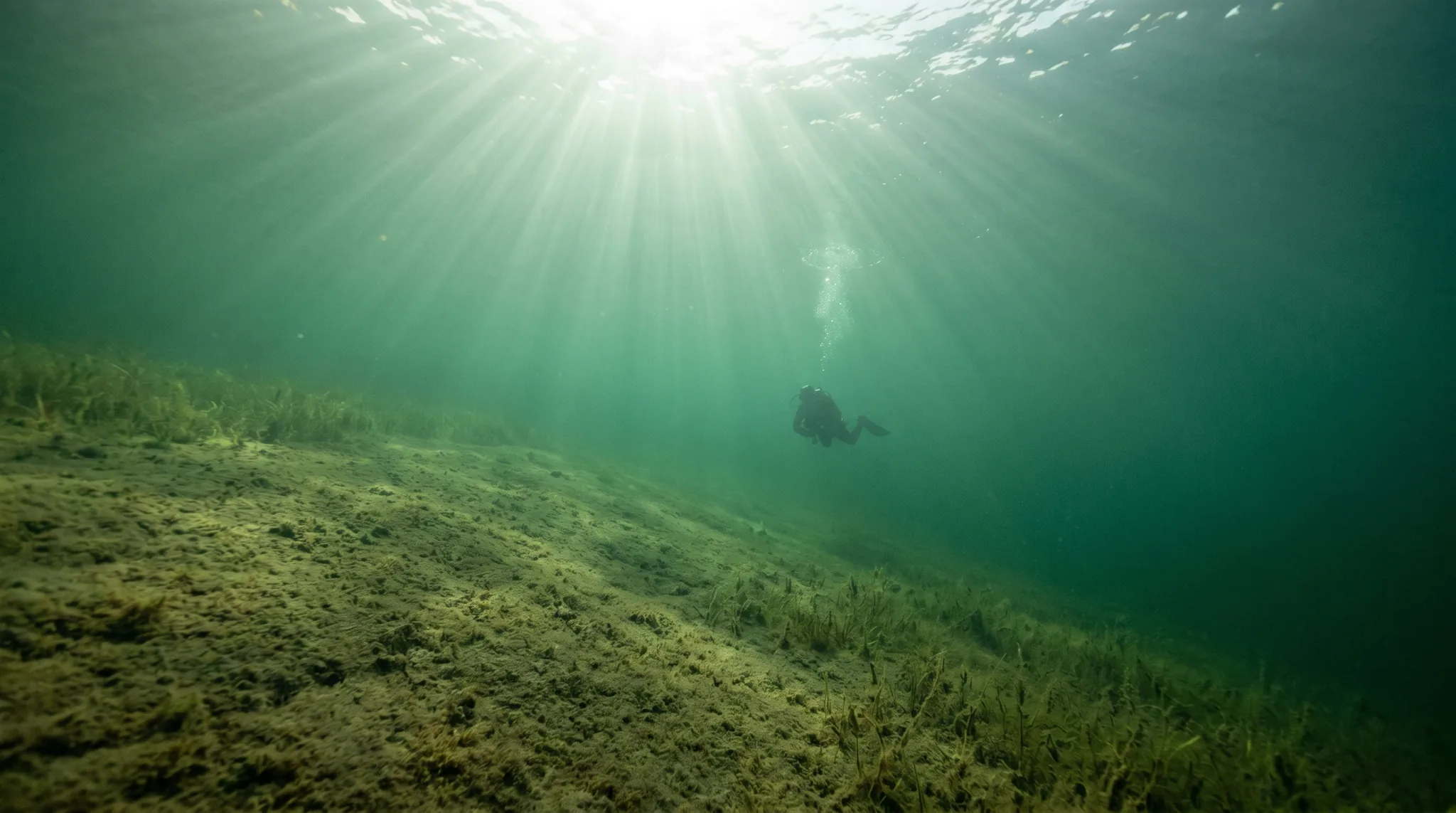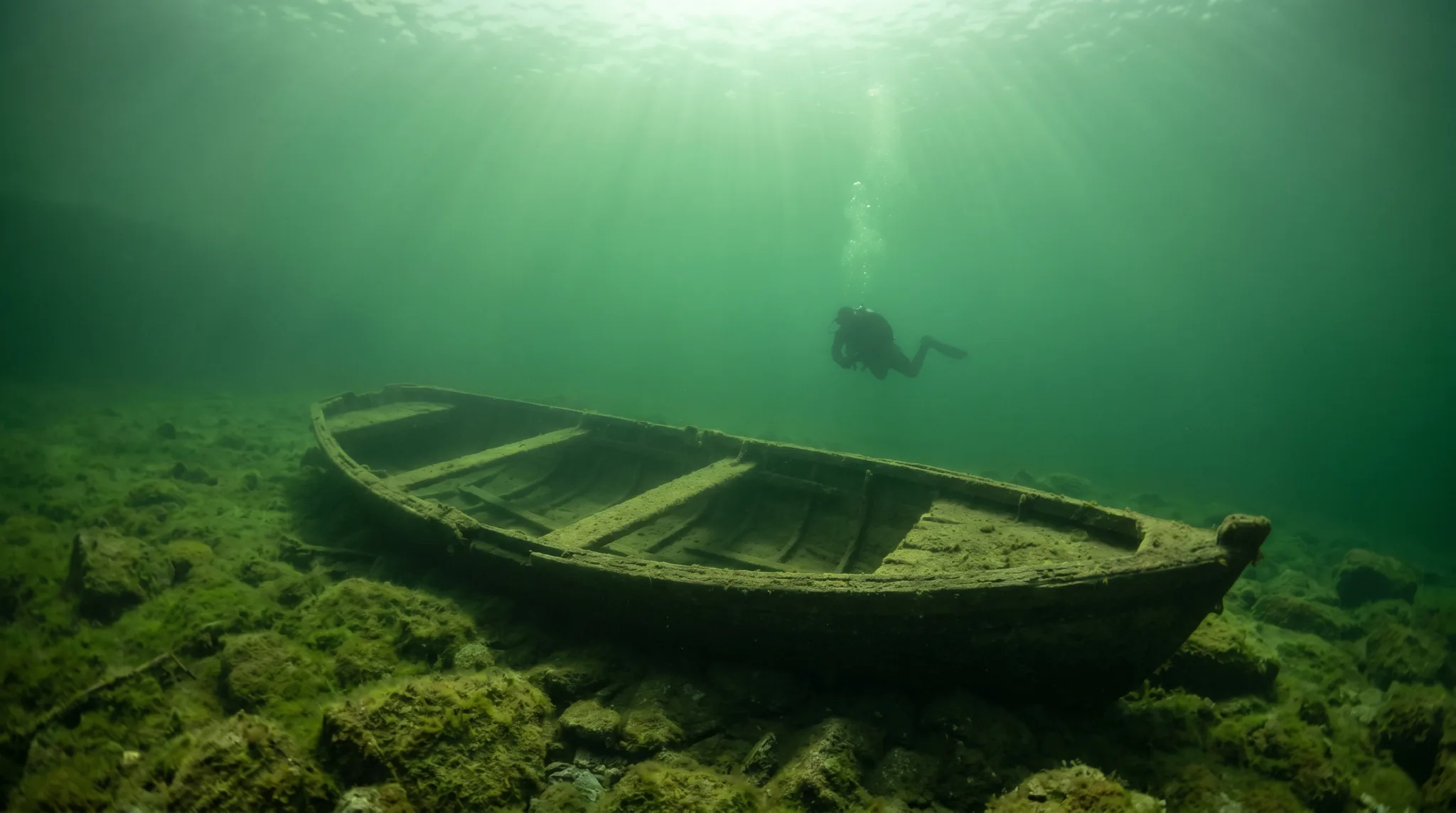
Best for beginner divers, 5-7m, boat entry.
The Michigan is a shallow freshwater wreck located in Georgian Bay, Canada. Resting at an average depth of 6 metres, the site is accessible for beginner divers. Access to the wreck requires a boat, as it is situated 10 kilometres from shore. Visibility typically ranges from 5 to 10 metres. Divers should be prepared for cold water temperatures, which fluctuate between 1°C and 21°C throughout the year, necessitating appropriate thermal protection. Hazards at this site include cold water, potential entanglement with the wreck structure, and low visibility. Divers are advised to secure all equipment and avoid entering enclosed sections without specific wreck training.
44.91611, -80.20416
Water temperature can drop close to freezing in winter and early spring, so check conditions and match your exposure protection carefully before booking a boat. Entanglement risk is present around the wreck structure, so even at this shallow depth, keep your hoses and gauges secured and avoid entering any enclosed sections without proper wreck training.
Access info coming soon
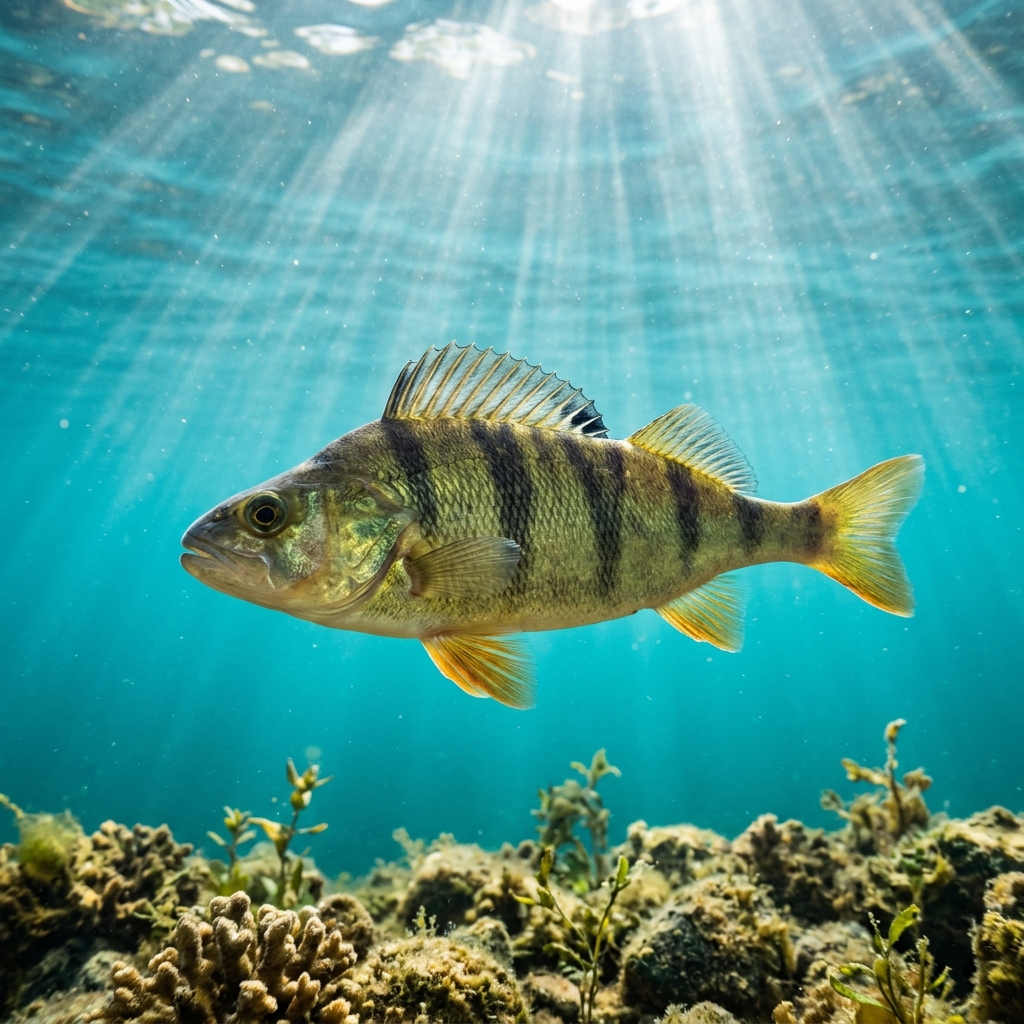
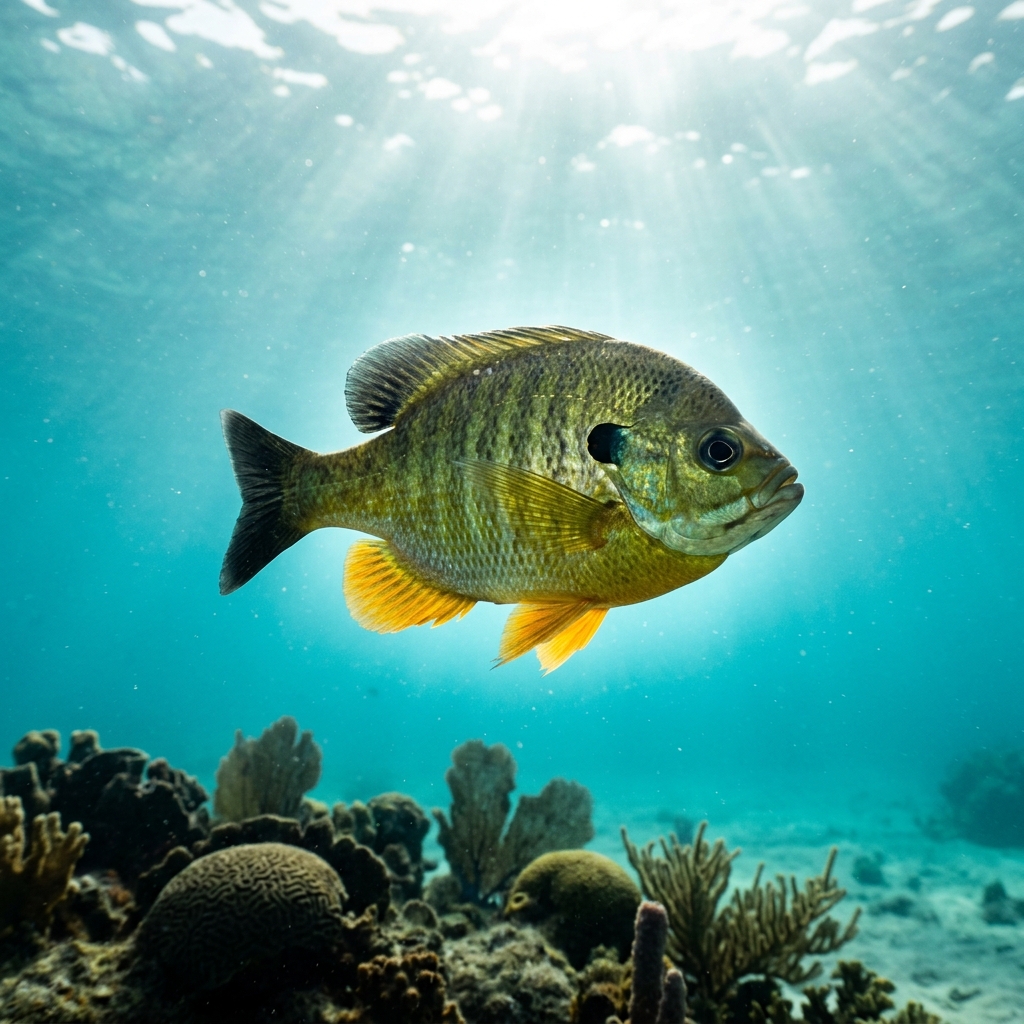
Expected in this region. No sightings logged here yet.
Depth
5-7m
Visibility
5-10m
Skill Level
Beginner
Entry
Boat
Boat required
Water Temp
1-21°C
Current
None
Typical Dive
35 min
Yes, the site is considered suitable for beginner divers due to its shallow depth of 5 to 7 metres.
The wreck sits at a depth of 5 to 7 metres, with an average depth of 6 metres.
No, a boat is required to reach the Michigan wreck as it is located 10,000 metres from shore.
Divers should be aware of cold water, potential entanglement with the wreck structure, and low visibility conditions.
Diving at Michigan (Wrack) in Lake Huron requires the following certifications: Open Water. Always dive within your training limits.
A drysuit recommended is recommended for diving at Michigan (Wrack) in Lake Huron. Water temperatures range from 1°C to 21°C.
Visibility at Michigan (Wrack) in Lake Huron typically ranges from 5 metres to 10 metres. Conditions vary with weather, tides, and seasons.