Gerres simillimus
Silvery reef mojarra logged along Mexico's Pacific Coast and the Galápagos, usually alone or in small, wary groups in warm water.
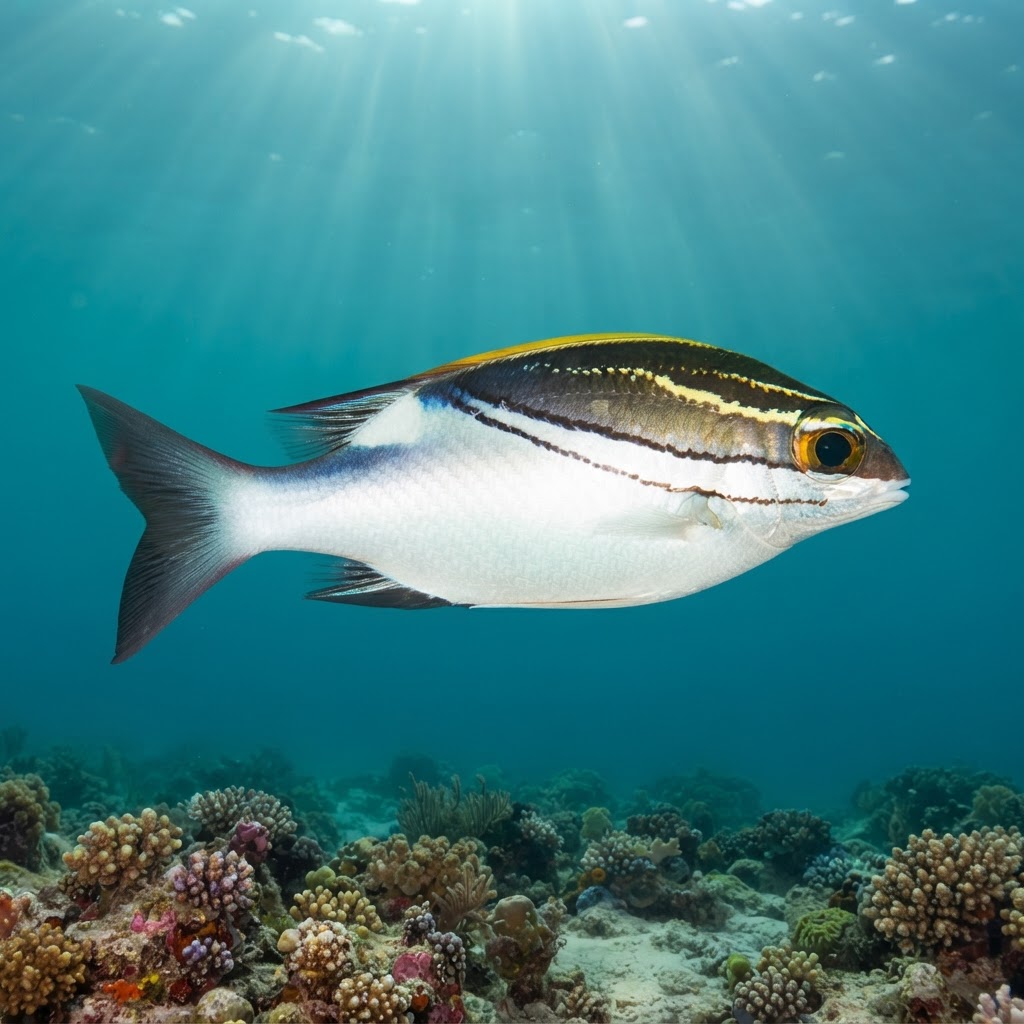
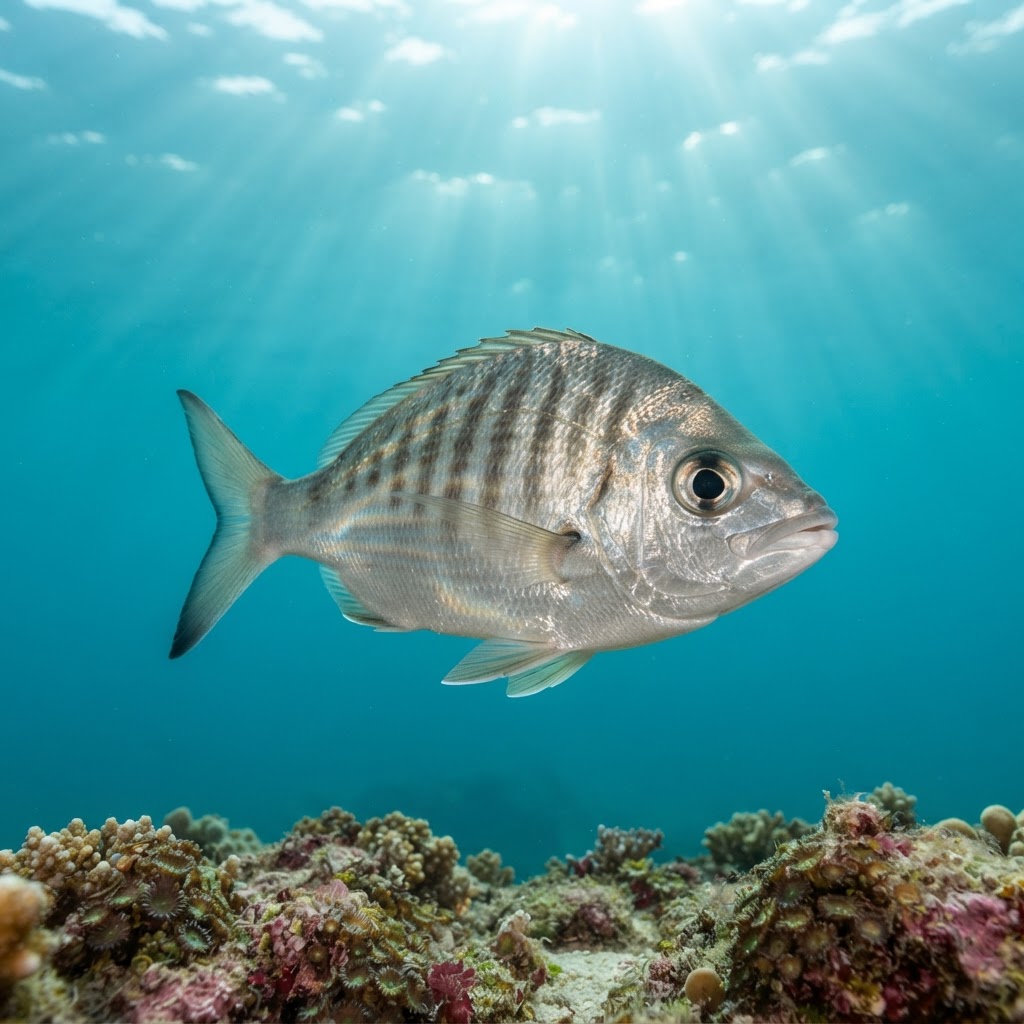
Recognise it by a deep, laterally compressed, silvery body with a faint yellow wash on the fins, and a small, protrusible mouth angled downward for picking food off the sand. It sits at around 29 cm, oval in profile, with a slightly forked tail and no bold stripes or blotches to key on, which is itself a clue among its more patterned reef neighbours. Look for it hovering close to the bottom rather than mid-water.
Divers typically find it working low over sand or rubble patches, nosing around for small invertebrates with that downturned mouth. It tends to keep its distance and drift off rather than approach, so slow, low approaches from the diver's side give the best look. Sightings are usually of single fish or loose small groups rather than tight schools.
Its plain, silvery look and bottom-feeding habit are typical mojarra traits, a family better known for combing sand for buried prey than for showing off colour.
Observed year-round in water between about 22 and 29 C, and the data shows no concentrated season, so there is no single best month to plan around. Any trip to its Pacific Mexico or Galápagos haunts within that temperature range gives a fair chance.
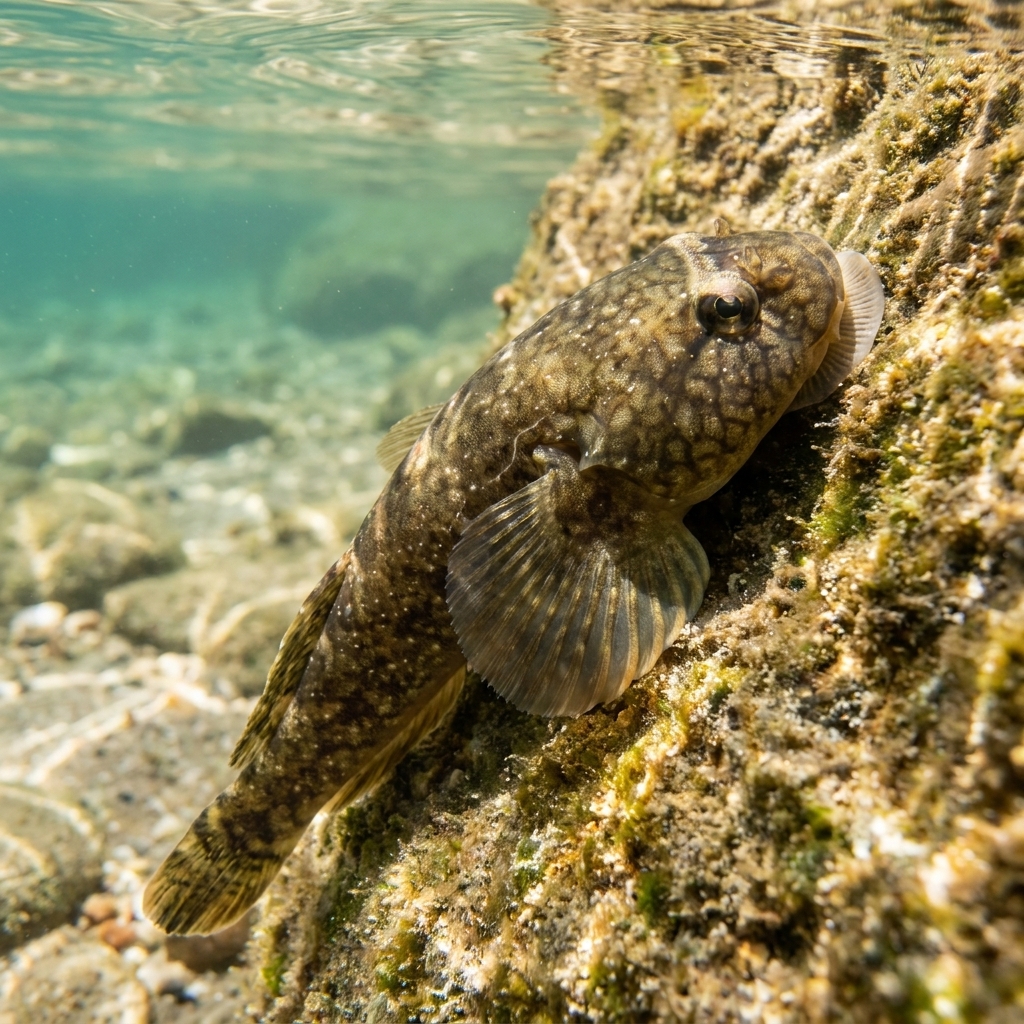
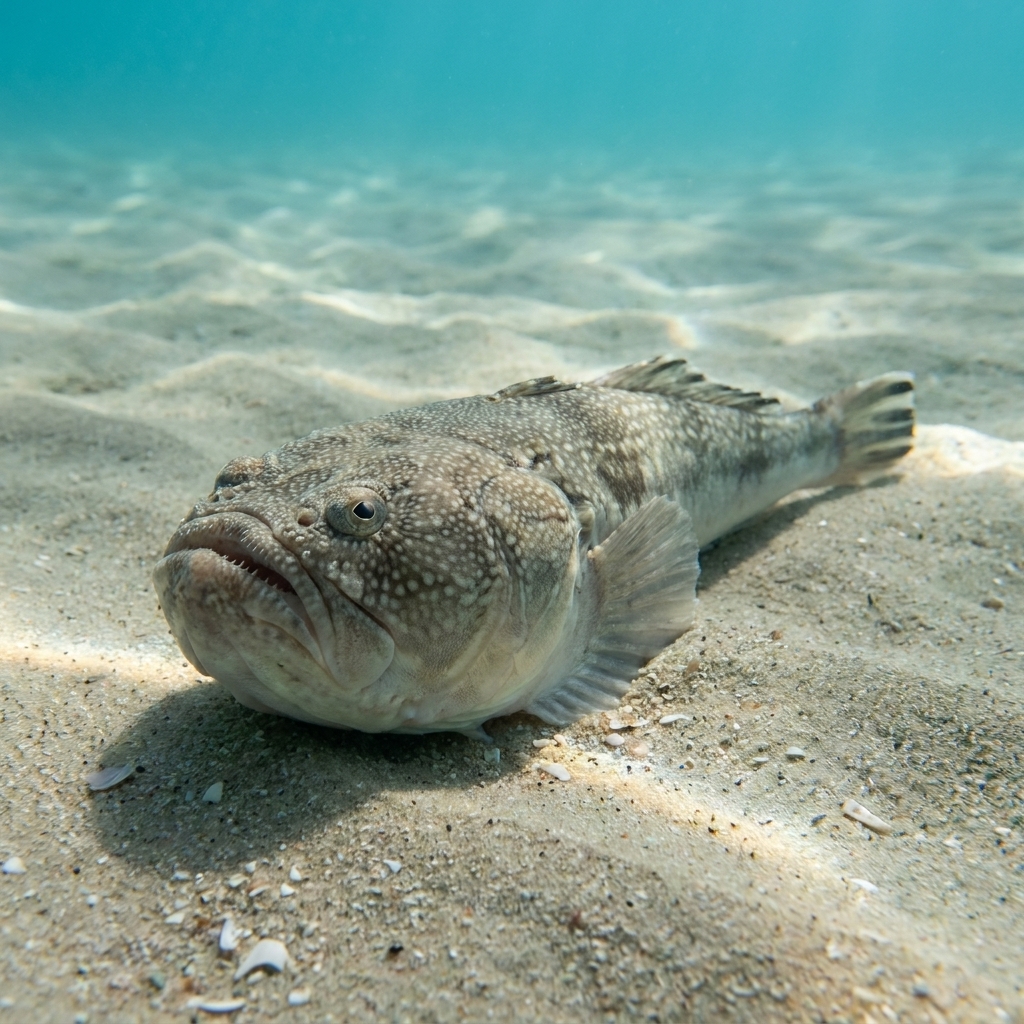
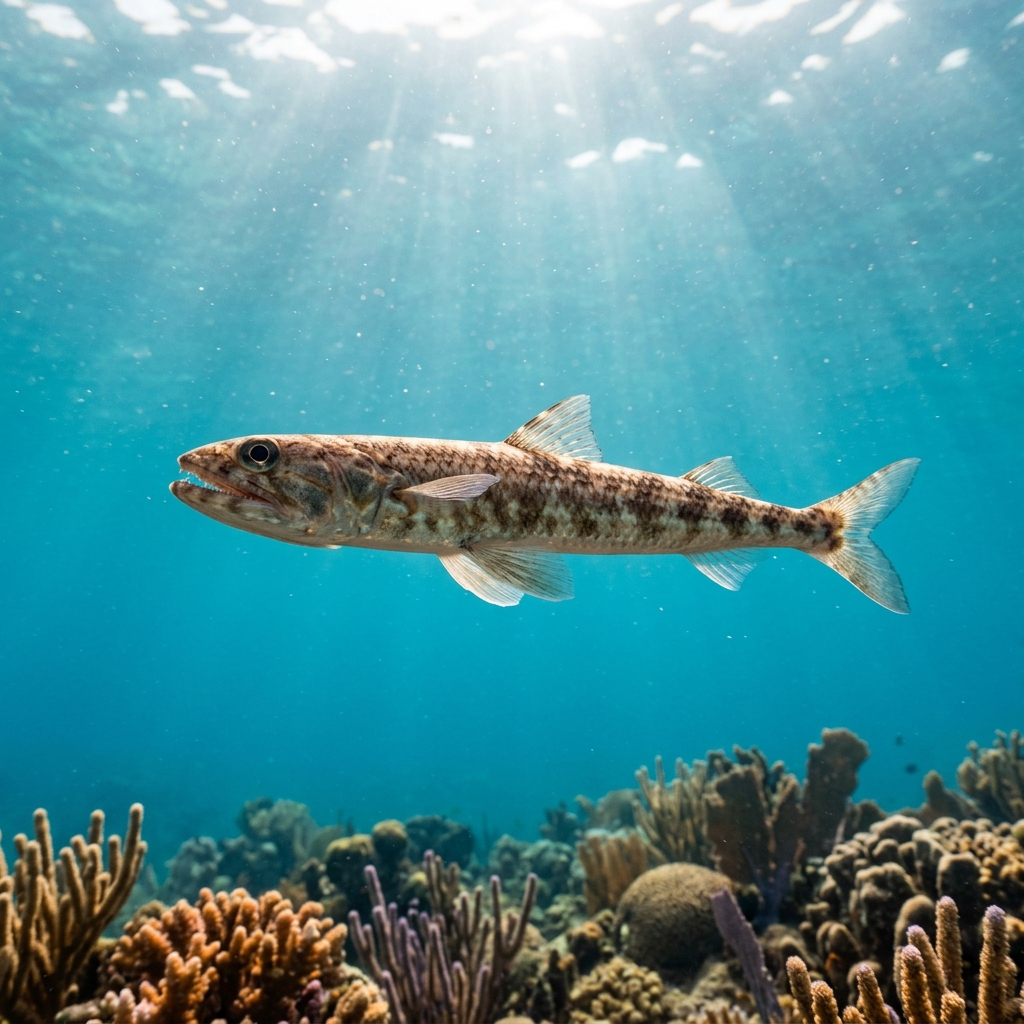
Reef neighbours a diver could mistake it for. Use the identification notes above to tell them apart.
Most reliably logged along the Pacific Coast of Mexico and Baja California, with a smaller but consistent presence around the Galápagos Islands in Ecuador and an occasional sighting off the Pacific Coast of Panama. Divers rate it uncommon to rare even at sites where it turns up, so it is a nice bonus sighting rather than a guaranteed one.
Mapping where Pacific Yellowfin Mojarra is logged…
It is most often logged along Mexico's Pacific Coast and Baja California, with additional sightings around Ecuador's Galápagos Islands and the odd record off Panama's Pacific Coast.
There is no strong seasonal pattern in the sightings data, so it is considered a year-round find in water roughly 22 to 29 C.
Look for a silvery, laterally compressed body around 29 cm long, a small downturned mouth, and a faint yellow tint on the fins, usually seen hovering low over sand rather than swimming mid-water.
They reach around 29 cm, a modest, deep-bodied reef fish rather than a large one.
No, they pose no danger to divers and simply move off if approached too quickly.
Not especially: it is rated uncommon to rare at the sites where it has been recorded, so treat any sighting as a welcome surprise rather than a sure thing.
Site and sighting data is aggregated from diver logs, iNaturalist and GBIF. For taxonomy and conservation status:
Soldierfish
3,612 sites