Caesio xanthonota
Streamlined blue and yellow schooling fish common across the Maldives' Central Atolls and Khao Lak in warm 26-29°C water year-round.
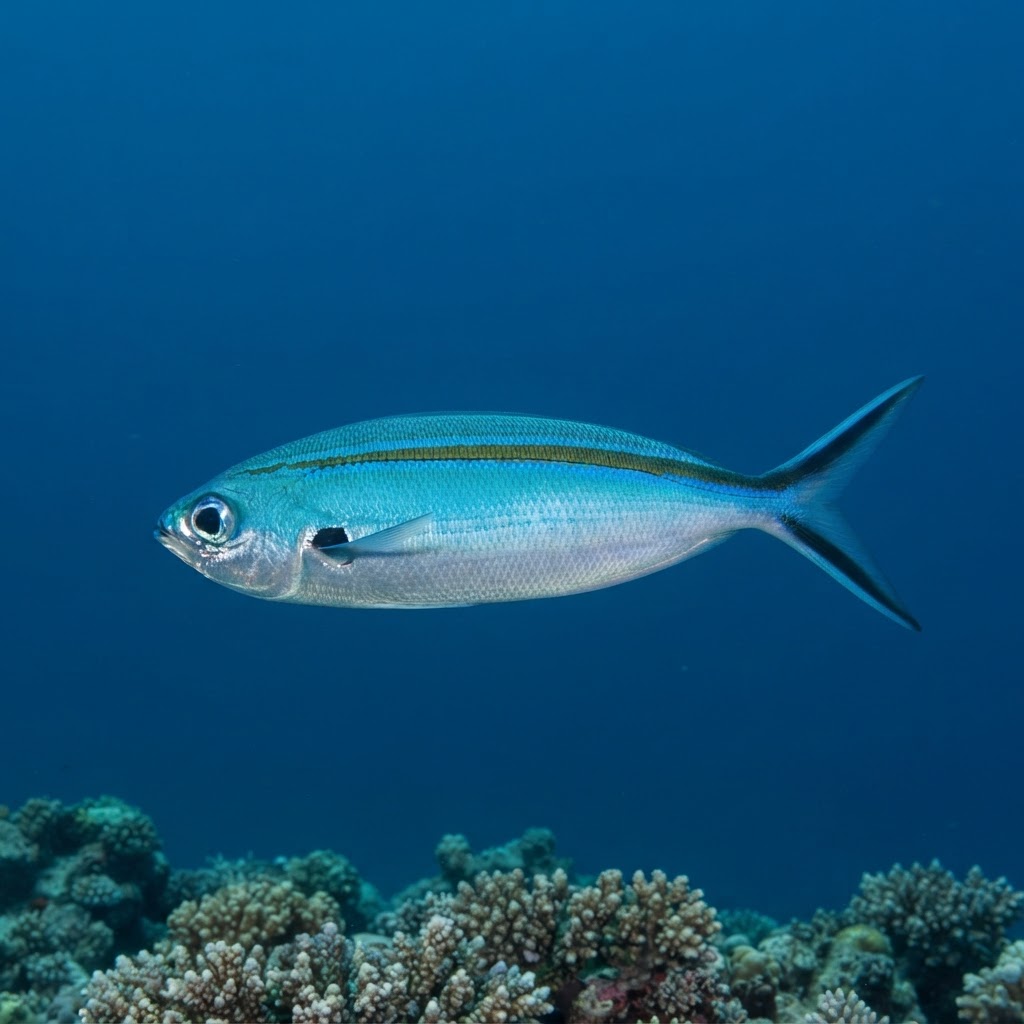
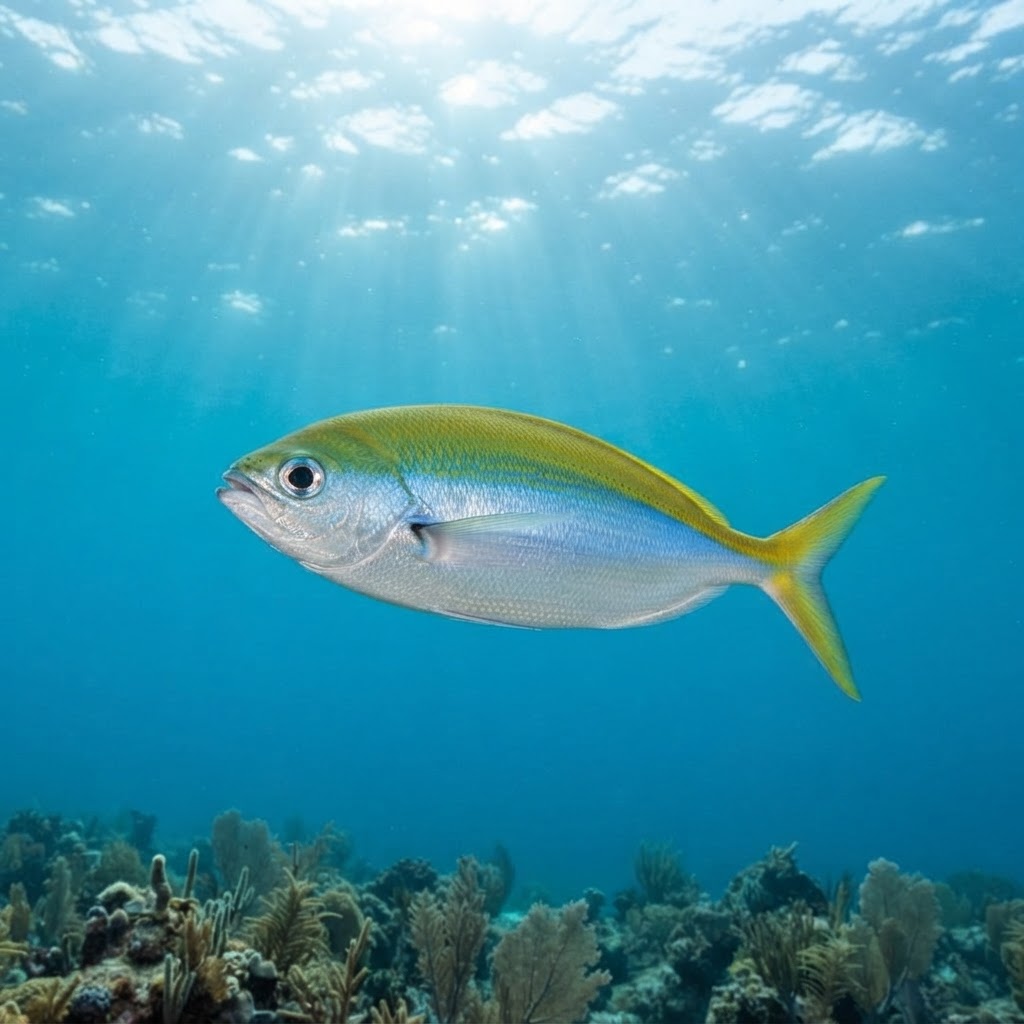
Look for a slim, torpedo-shaped fish around 28 cm with a vivid blue body and a broad yellow stripe running along its back from head to tail. It usually shows up in loose to tight schools hovering over reef slopes rather than sitting still, and the contrast between the electric blue flanks and yellow dorsal band is the quickest giveaway at a glance.
Typically spotted schooling in open water just off the reef, picking plankton out of the current with quick, snapping bites. Divers usually see loose aggregations drifting along drop-offs or reef edges rather than tucked into cover, and the schools tend to part around a diver and reform rather than bolt for cover.
Like other fusiliers it feeds mid-water on drifting plankton by day and drops closer to the reef structure at night, when its bright colouring fades to a duller pattern for camouflage.
No clear seasonal pattern shows up in the data, and with a comfortable range of 26 to 29.3°C it's a fixture on these tropical reefs all year round.
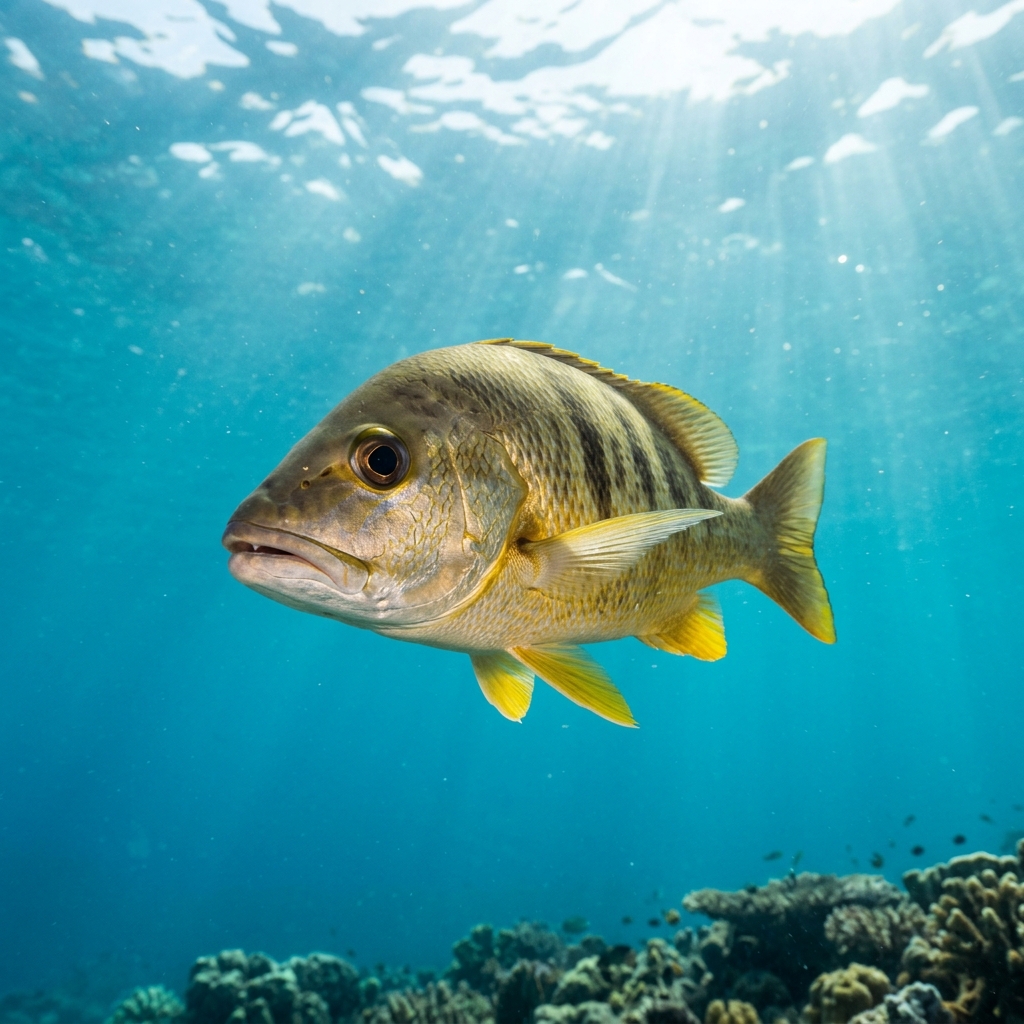
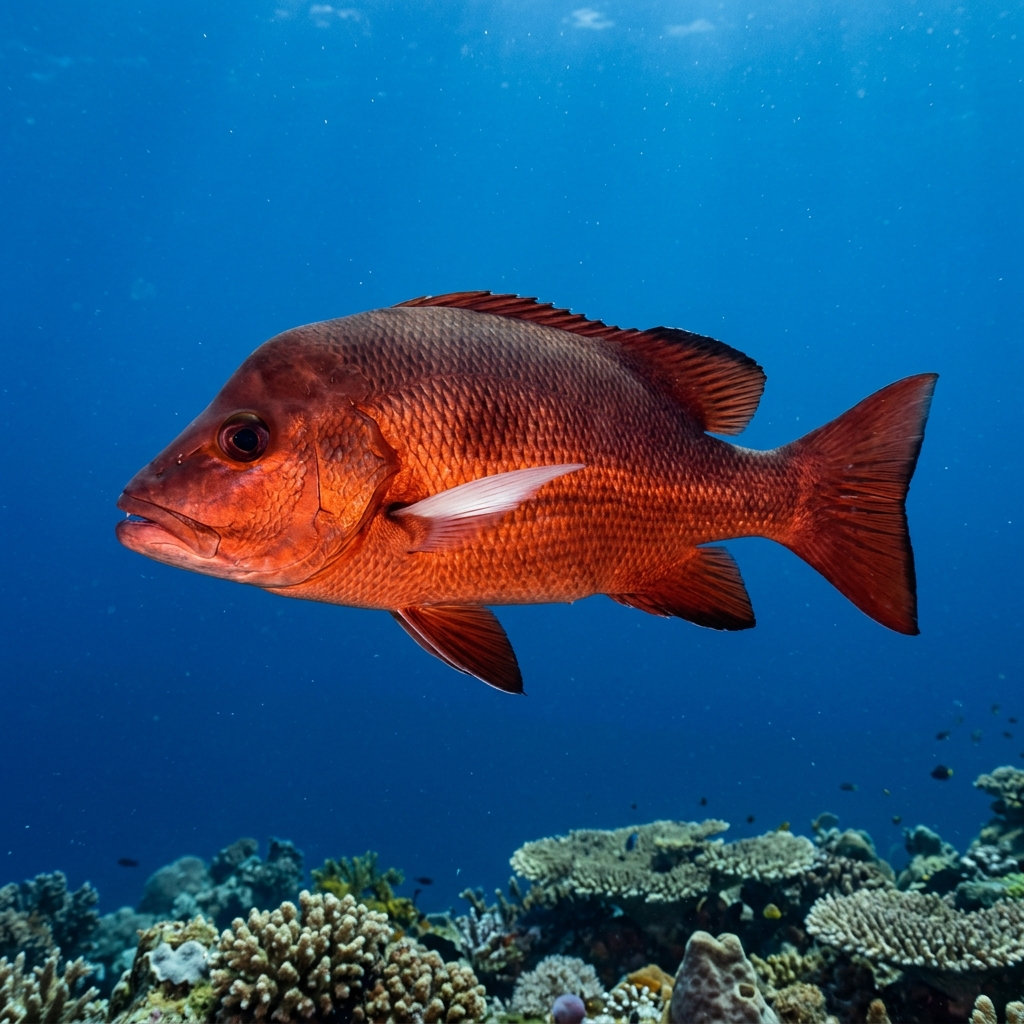
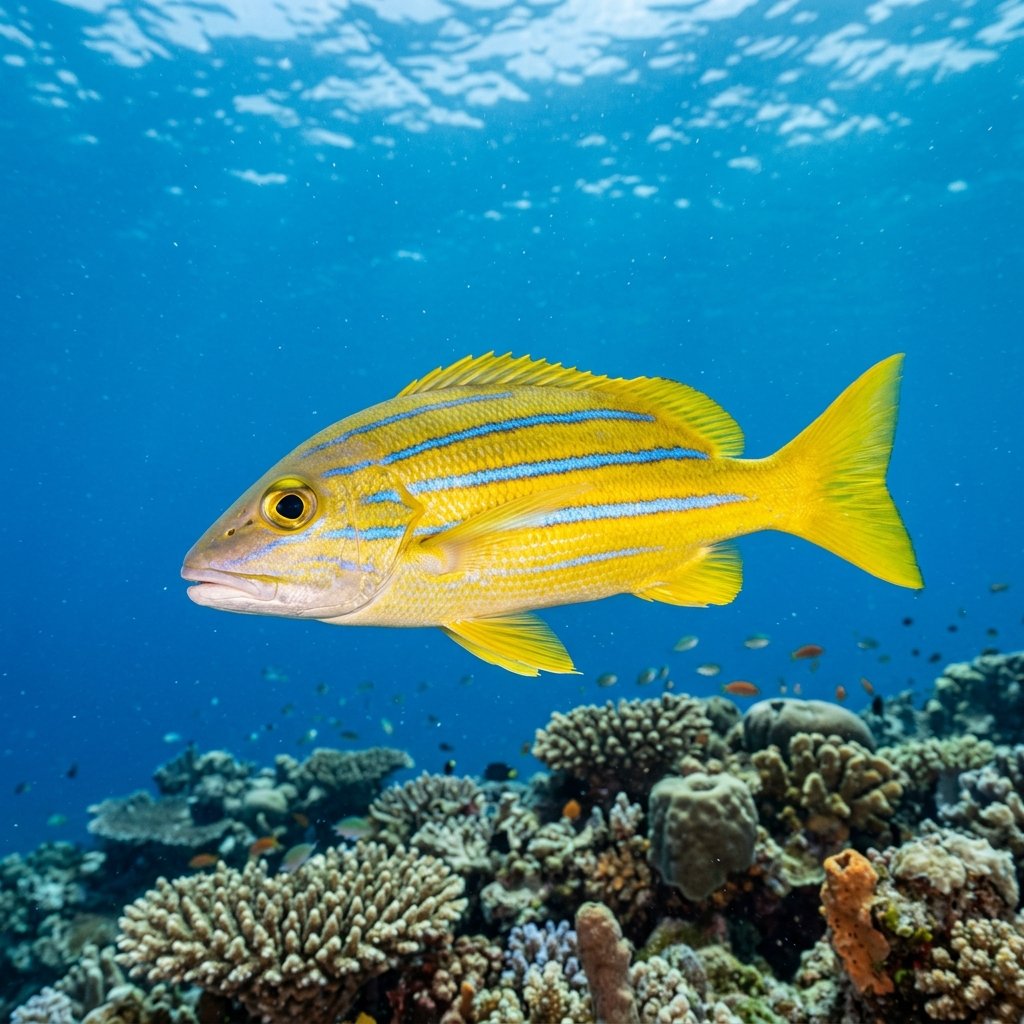
Reef neighbours a diver could mistake it for. Use the identification notes above to tell them apart.
Most reliably logged in the Maldives, especially the Central and Southern Atolls, and a strong sighting in Khao Lak, Thailand. Also turns up regularly on reefs in KwaZulu-Natal, South Africa, and around Sumatra, Indonesia, with smaller but consistent records from the Seychelles' Inner Islands, Kenya and Madagascar's Nosy Be.
Mapping where Yellowback Fusilier is logged…
The Maldives is the strongest bet, particularly the Central and Southern Atolls, alongside Khao Lak in Thailand. It's also a regular sighting in KwaZulu-Natal, South Africa, and around Sumatra, Indonesia.
There's no strong seasonal pattern in sightings, and the species sits comfortably in 26 to 29.3°C water, so it's present on these reefs throughout the year.
Check for a slender, torpedo-shaped body, blue flanks and a bold yellow stripe running the length of the back. They're almost always seen schooling over reef slopes rather than alone.
They typically reach around 28 cm, a fairly small, streamlined size that suits their fast, schooling lifestyle in open water.
No, they're harmless plankton feeders that show no aggression towards divers and will simply part around you as you swim through a school.
Site and sighting data is aggregated from diver logs, iNaturalist and GBIF. For taxonomy and conservation status:
Emperor
2,052 sites