Meuschenia flavolineata
Uncommon reef filefish logged across New South Wales, Victoria and Western Australia in temperate water down to 15 C. Here's how to spot one.
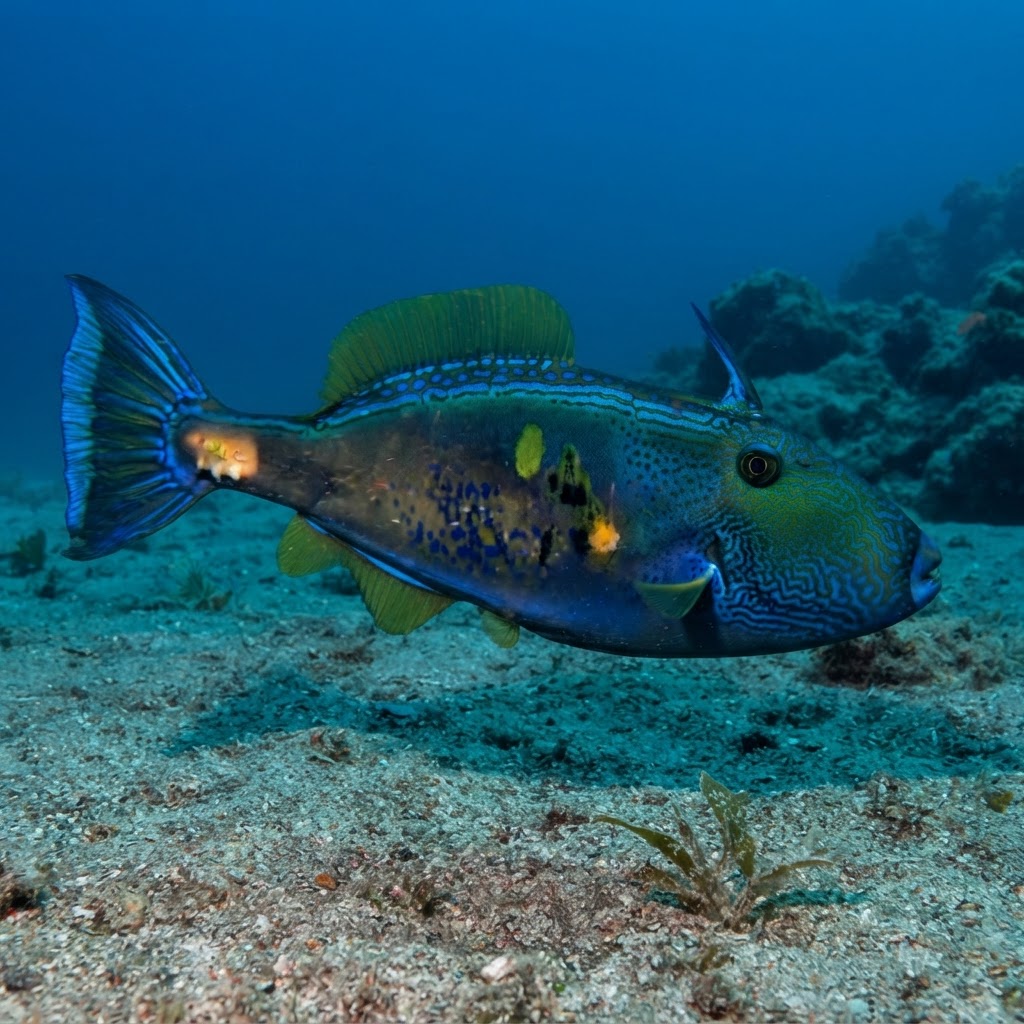
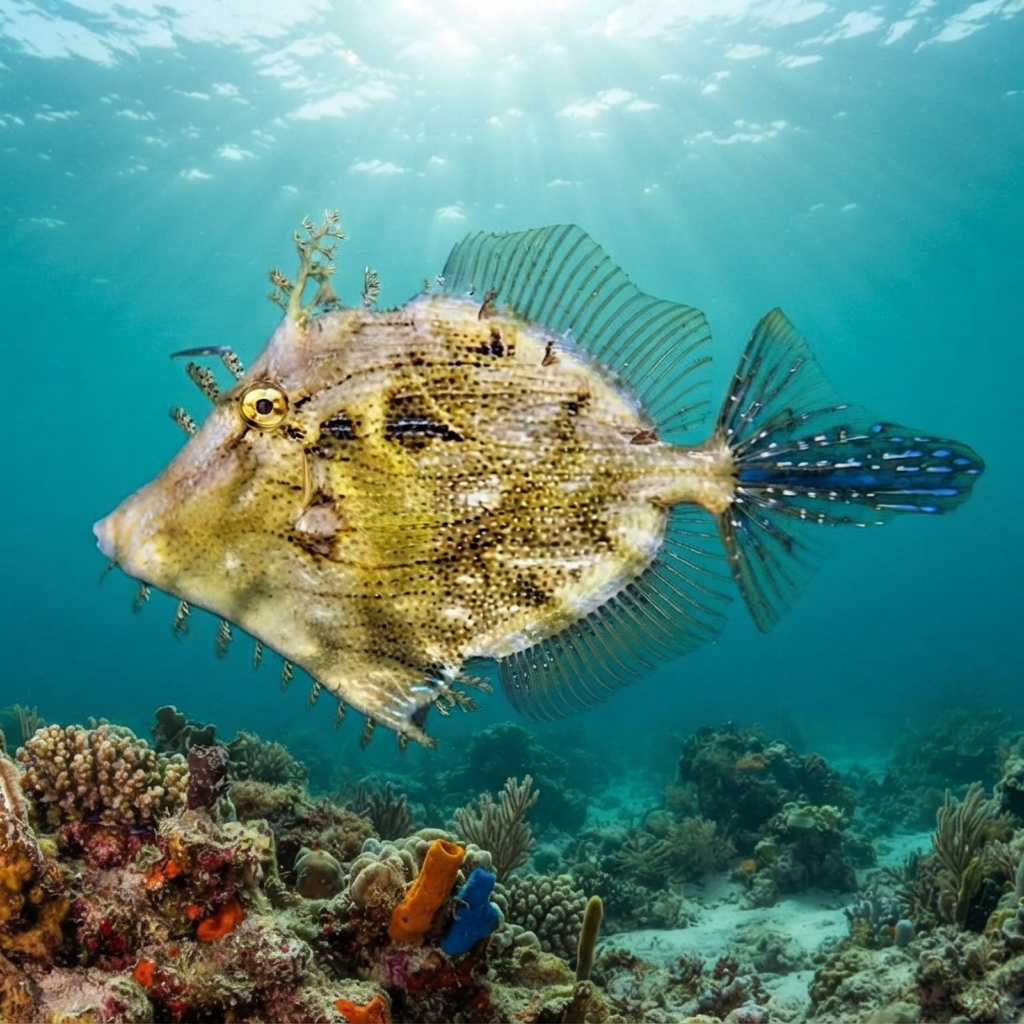
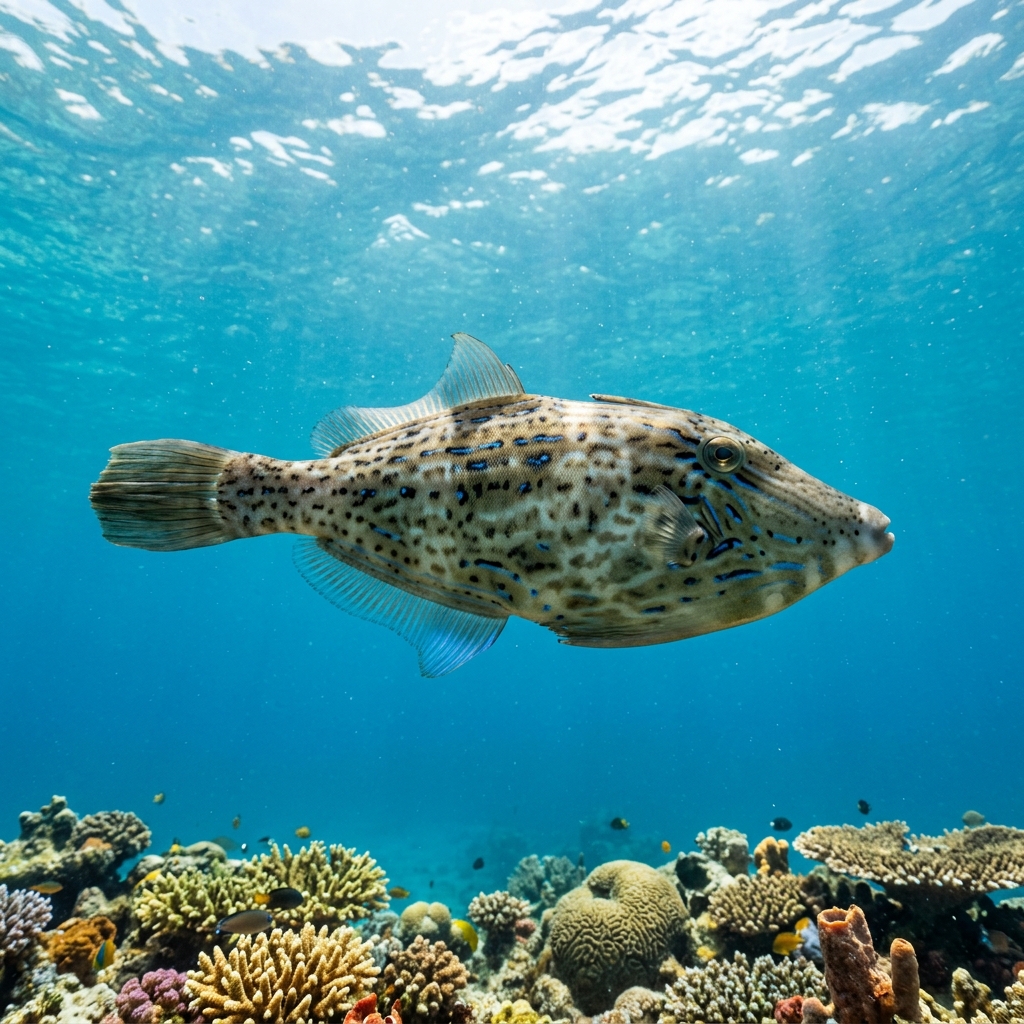
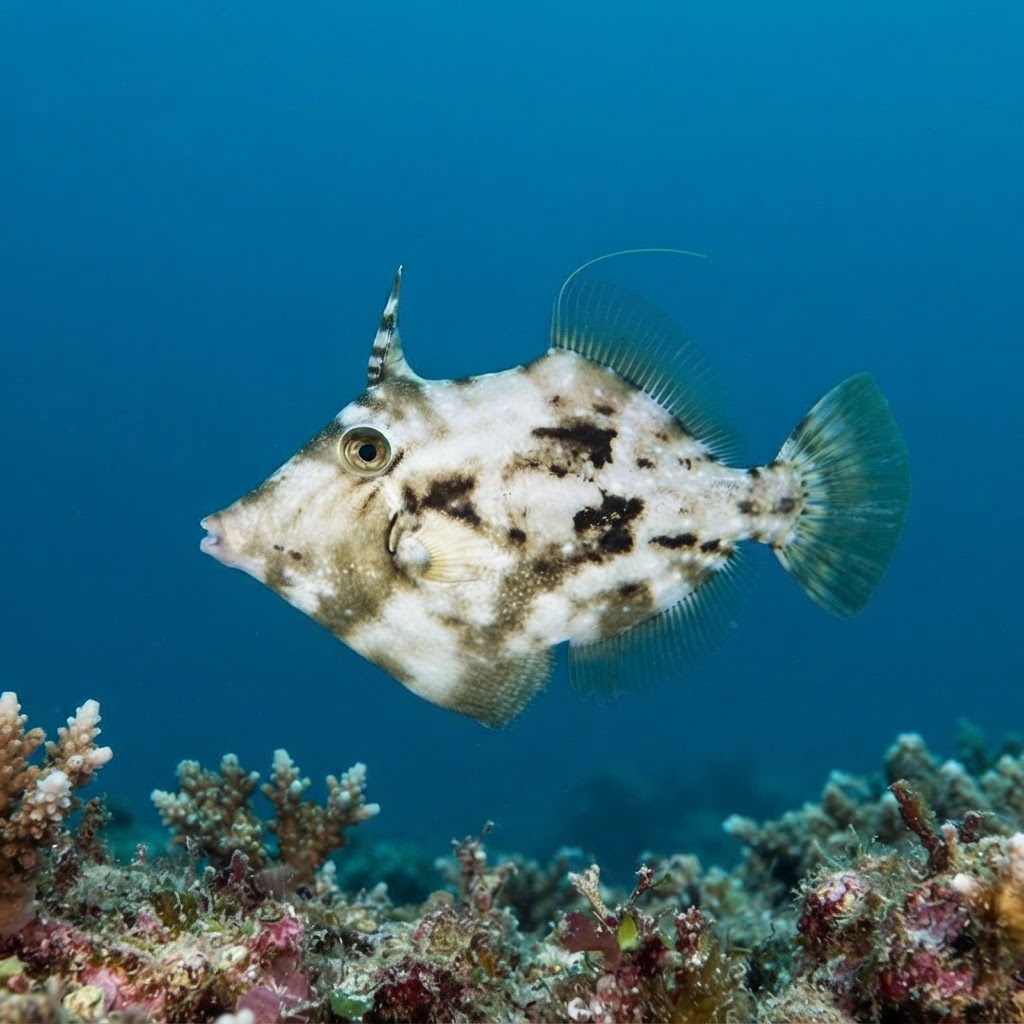
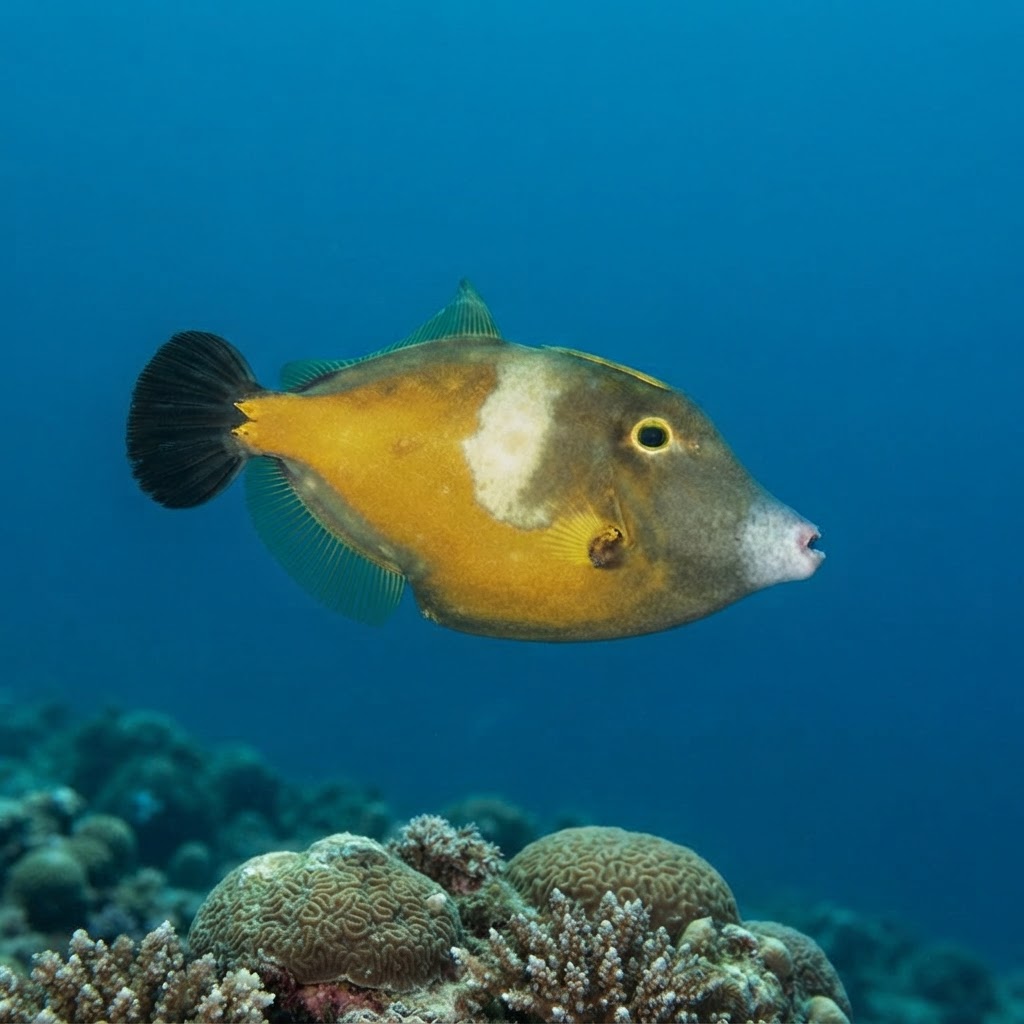
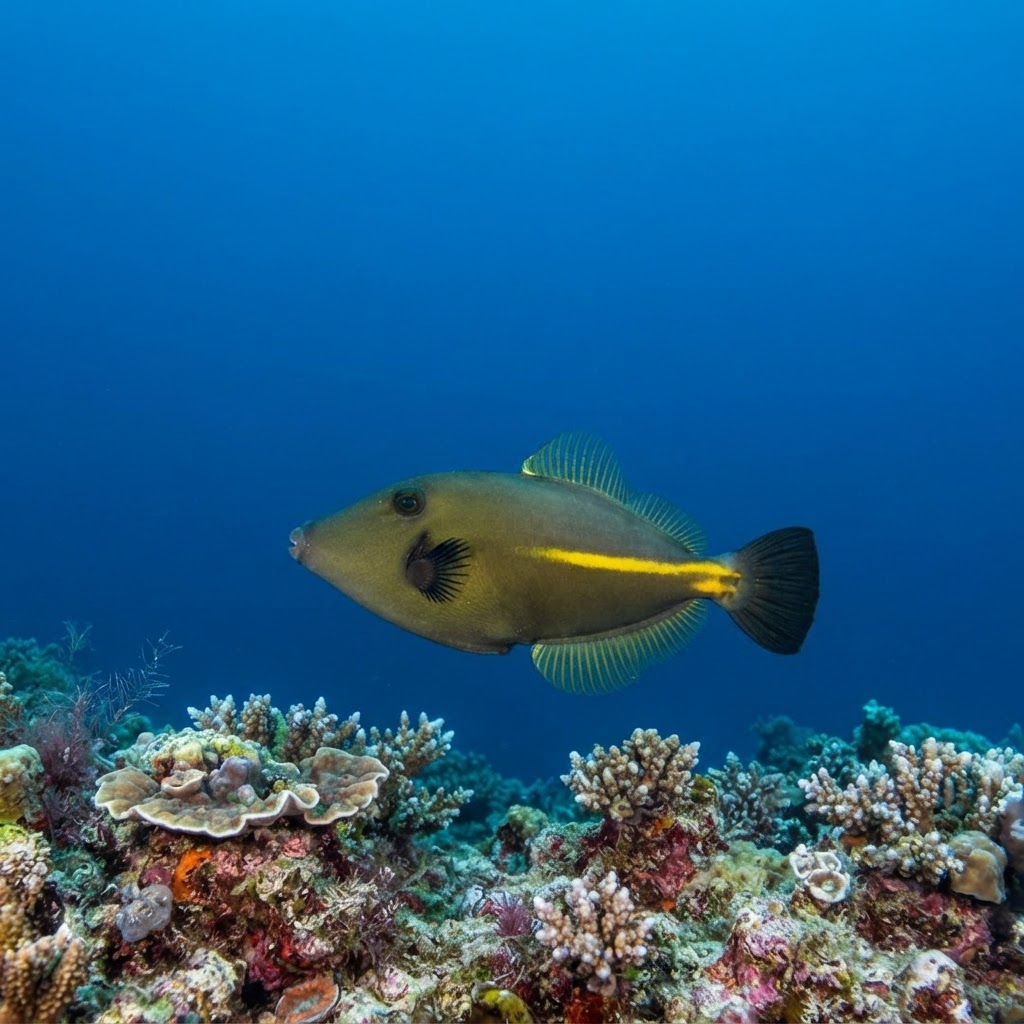
Grows to around 21 cm, with the classic filefish shape: a compressed, diamond-ish body and a small mouth set low on a pointed snout. Look for fine yellow stripes running along a pale grey to olive body, giving it a brushed, linear pattern rather than blotches or spots. Like other leatherjackets it has a single retractable dorsal spine just behind the eyes and swims with slow, deliberate fin beats rather than a fast tail-driven cruise.
Divers typically find it hovering close to reef structure, rocky ledges and sponge or weed cover, picking at the substrate rather than schooling in open water. It's an unhurried swimmer that tends to hold its ground or drift off slowly rather than bolt, making it an easy fish to get a steady look at once spotted. Most logs describe it as uncommon to common at a given site, so it rewards a slow, methodical scan of the reef rather than a quick pass.
Like other members of the filefish family, it can lock its dorsal spine upright to wedge itself into a crevice, making it much harder for a predator to pull out.
Sightings are logged year-round with no clear seasonal peak in the data, which fits its wide temperature niche of roughly 15 to 23 C across the southern Australian coastline. Plan around good conditions at your chosen region rather than a particular month.
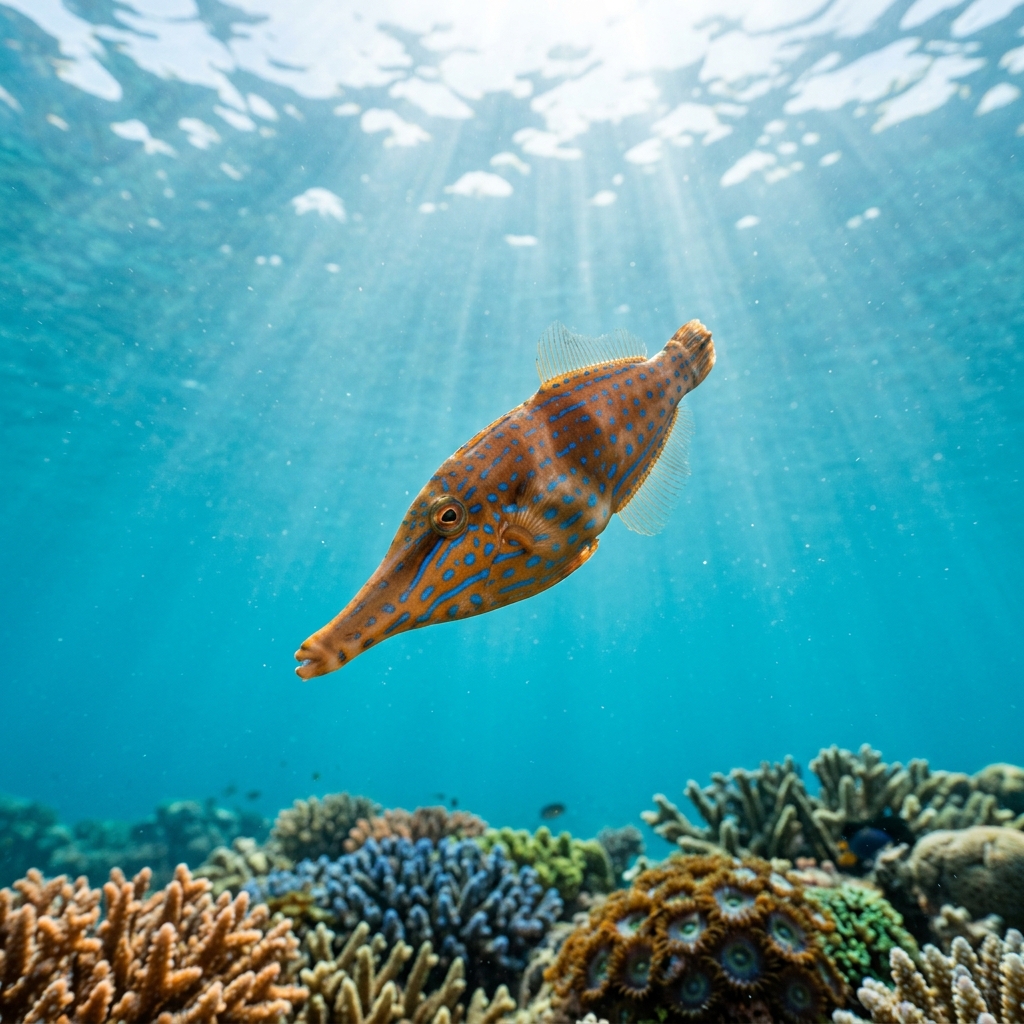
Reef neighbours a diver could mistake it for. Use the identification notes above to tell them apart.
This is an Australian speciality, most commonly logged along New South Wales, with strong numbers also reported from Victoria and Western Australia and a smaller presence in South Australia. It sits on temperate reef sites in the 15-50 m range, so it turns up on rocky reef and sponge-garden dives rather than tropical coral.
Mapping where Yellow-striped Leatherjacket is logged…
It's an Australian temperate-reef species, most reliably seen in New South Wales, with good numbers also reported from Victoria and Western Australia and fewer sightings in South Australia.
There's no strong seasonal pattern in diver sightings, so it's considered a year-round find across its southern Australian range. It tolerates water from about 15 to 23 C, which covers most of the diving season in these regions.
Look for a small, diamond-shaped filefish around 21 cm long with fine yellow stripes running along a pale to olive body. It moves slowly near reef structure and has the single dorsal spine typical of leatherjackets.
They reach around 21 cm in length, a small to mid-sized member of the filefish family that's easy to overlook against a busy reef backdrop.
No, they pose no danger to divers. They're slow-moving, reef-associated fish that will simply move off or hold position if you approach calmly.
Site and sighting data is aggregated from diver logs, iNaturalist and GBIF. For taxonomy and conservation status:
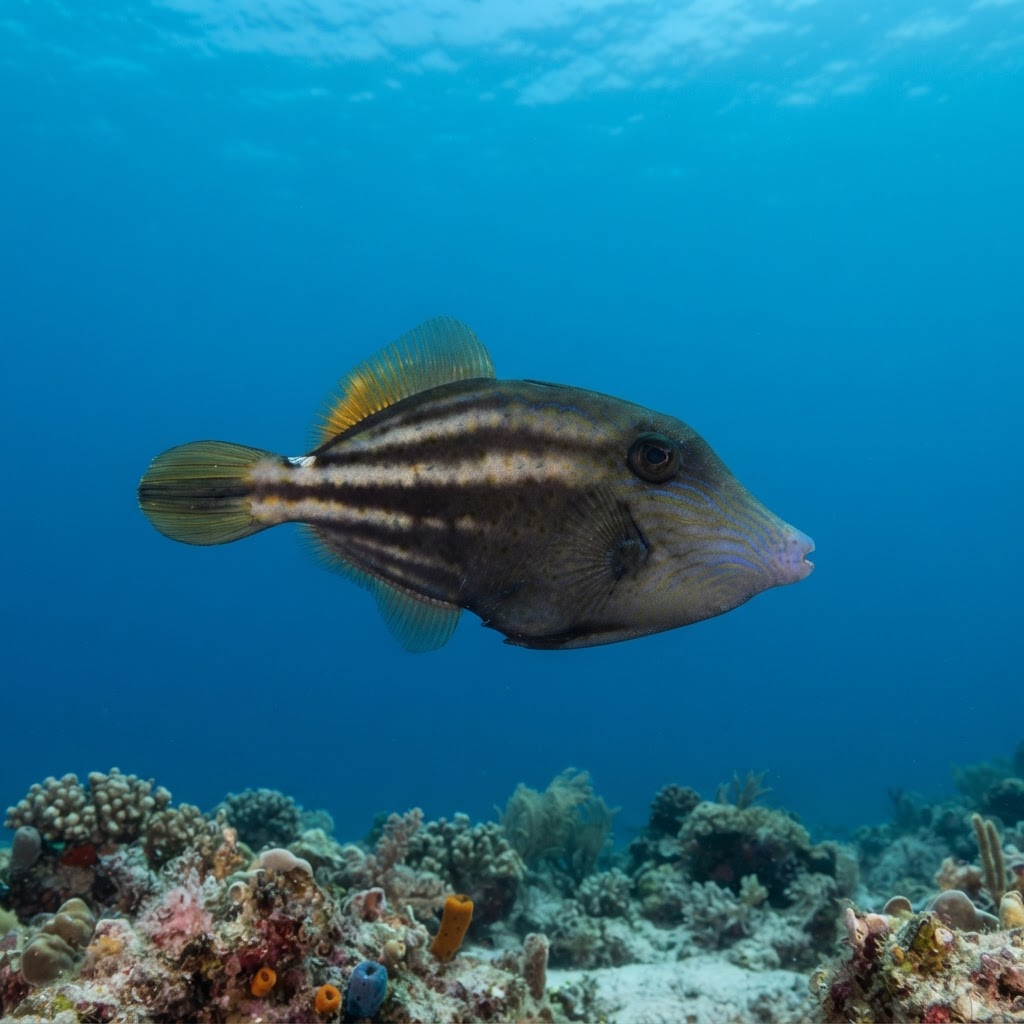
Orangespotted Filefish
836 sites