Stigmatopora nigra
Thin, twig-like and easy to miss: find wide-bodied pipefish in Western Australia's seagrass beds, water around 14-20C, seen year-round.
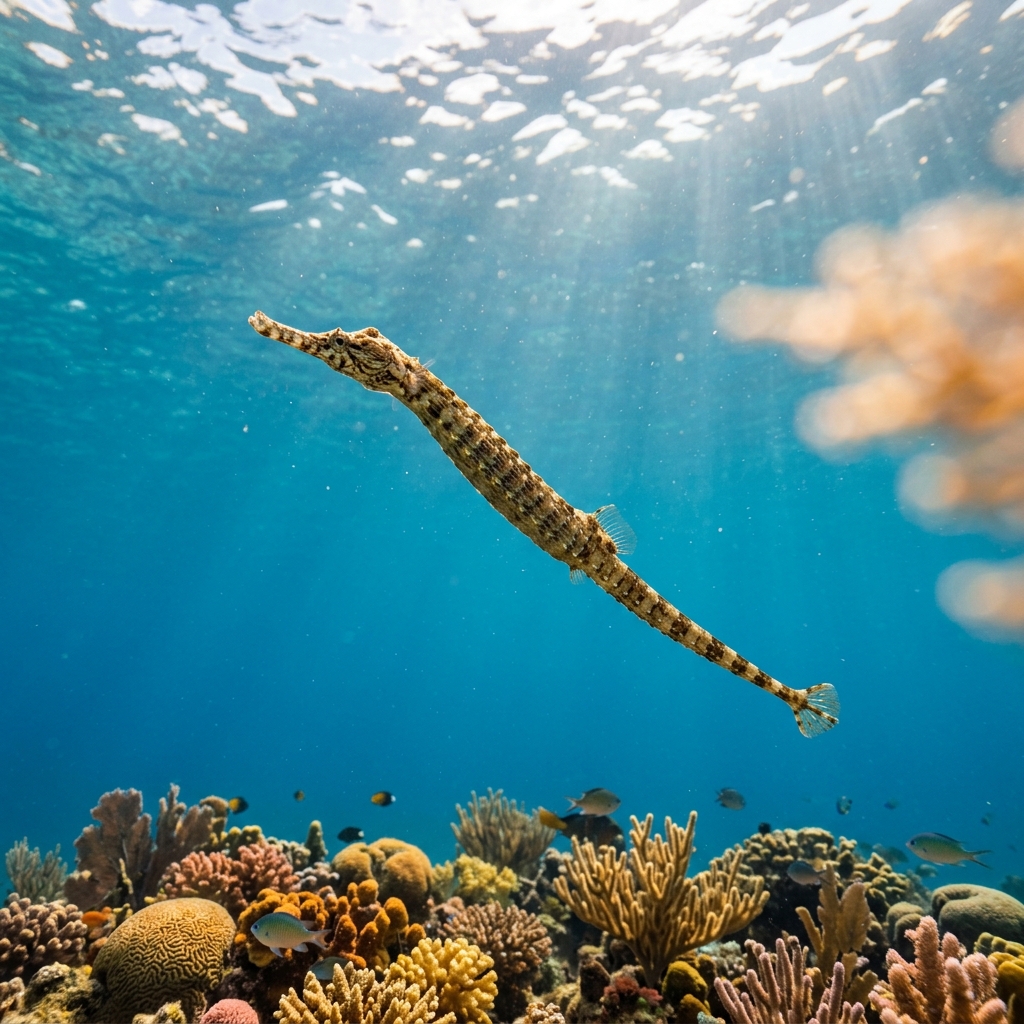
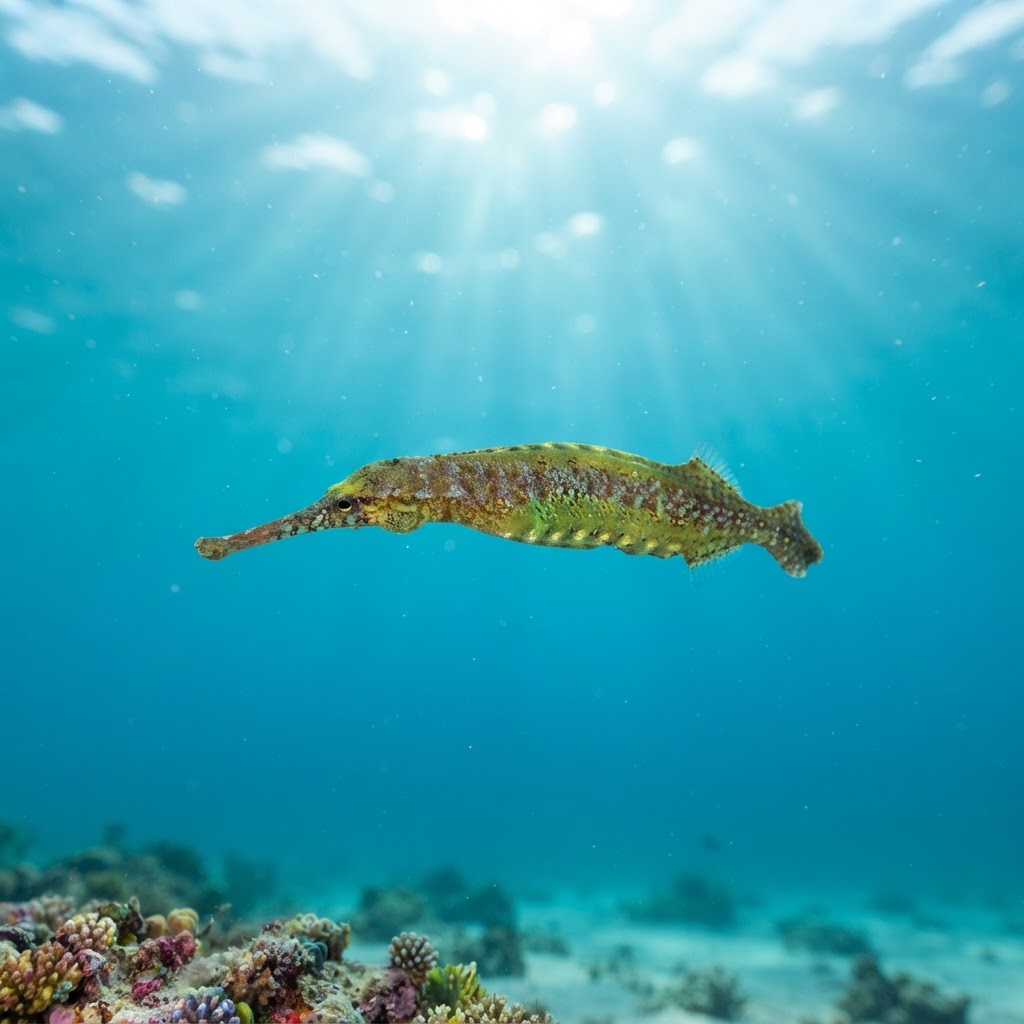
A thin, straight-bodied pipefish reaching around 11cm, with a long tubular snout and a body that looks almost like a stiff piece of seagrass. Colour runs from olive to brown, sometimes with faint darker banding that breaks up its outline against weed. It swims in a stiff, straight posture rather than the curled S-shape of a seahorse, usually holding still or drifting with the current rather than actively finning around. Males carry eggs in a brood pouch under the tail, giving them a slightly swollen look along the lower body when carrying.
Divers typically find it holding motionless among seagrass blades or weedy rubble, relying on its shape and colour to disappear into the background rather than fleeing. It is logged as rare to uncommon at most sites, so spotting one usually takes a slow, close look through the weed rather than a casual scan. Expect it low in the water column, close to the substrate, rather than out in open water.
Like other pipefish, males rather than females carry the fertilised eggs in a brood pouch under the tail until they hatch, flipping the usual parental roles seen in most fish.
Sightings show no clear seasonal pattern, so it is logged year-round. Recorded water temperatures span roughly 14 to 20C, consistent with the cooler temperate seagrass habitats of southern Australia rather than a warm-water peak season.
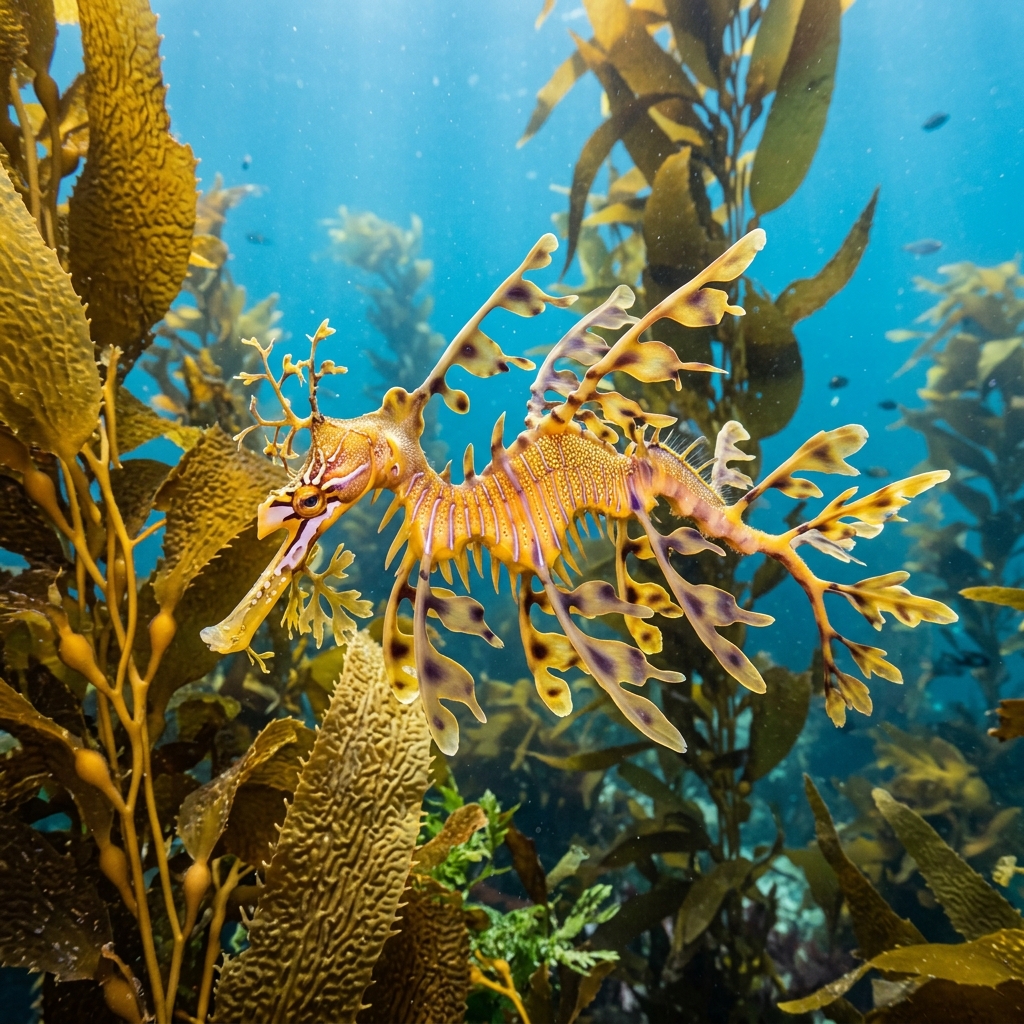
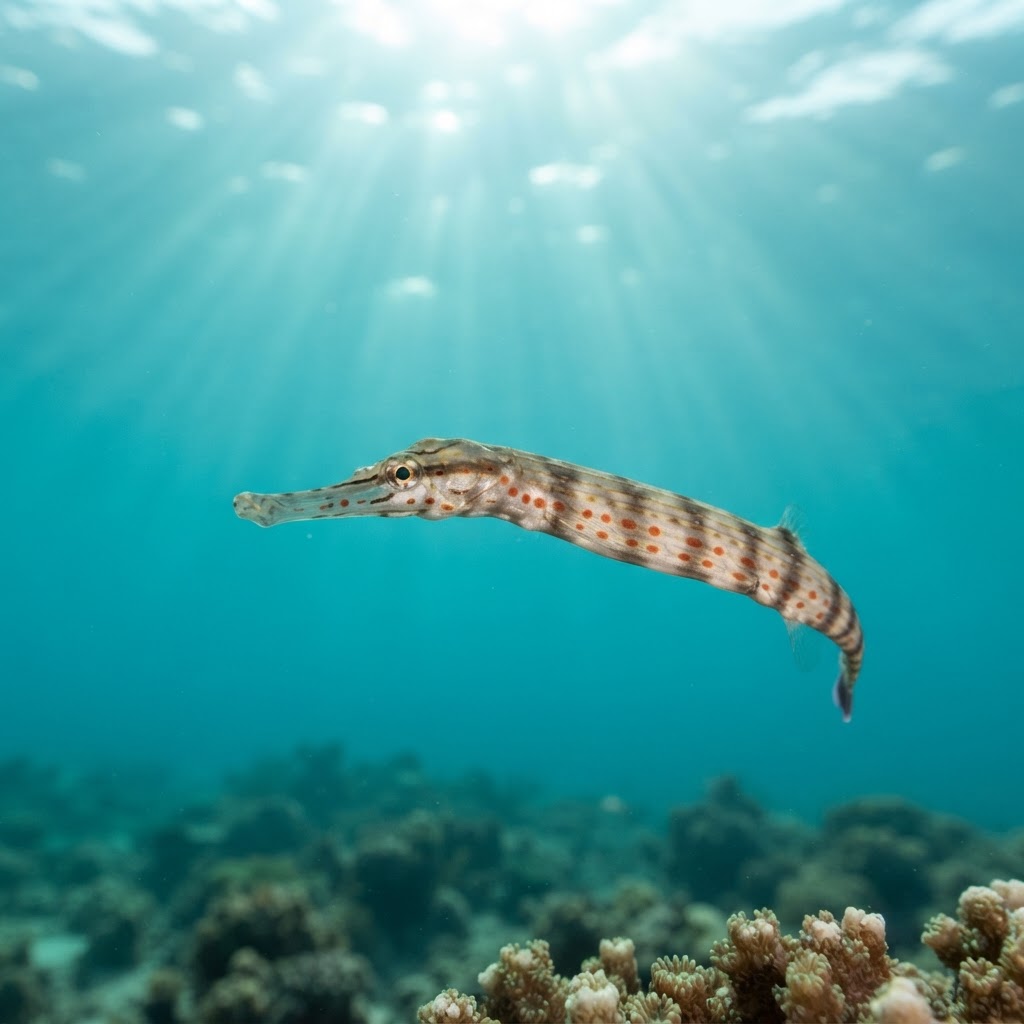
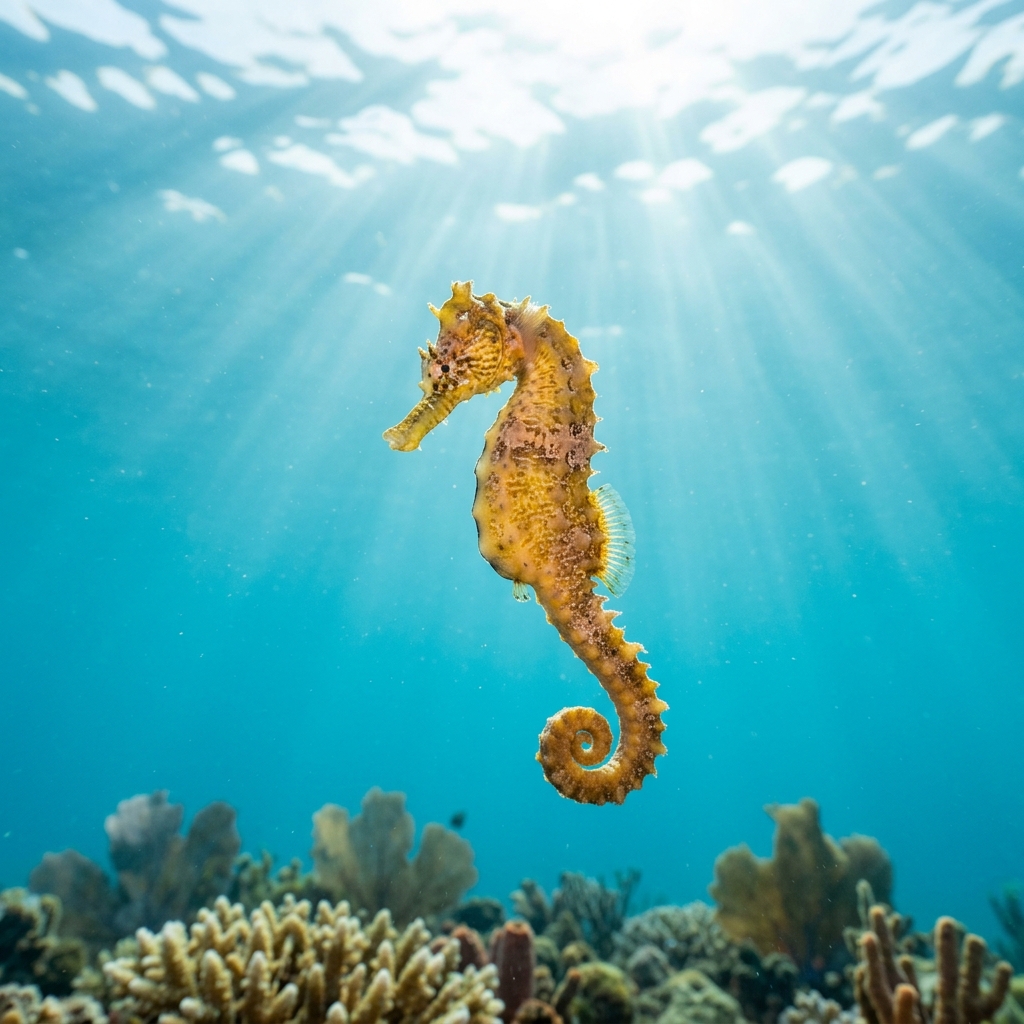
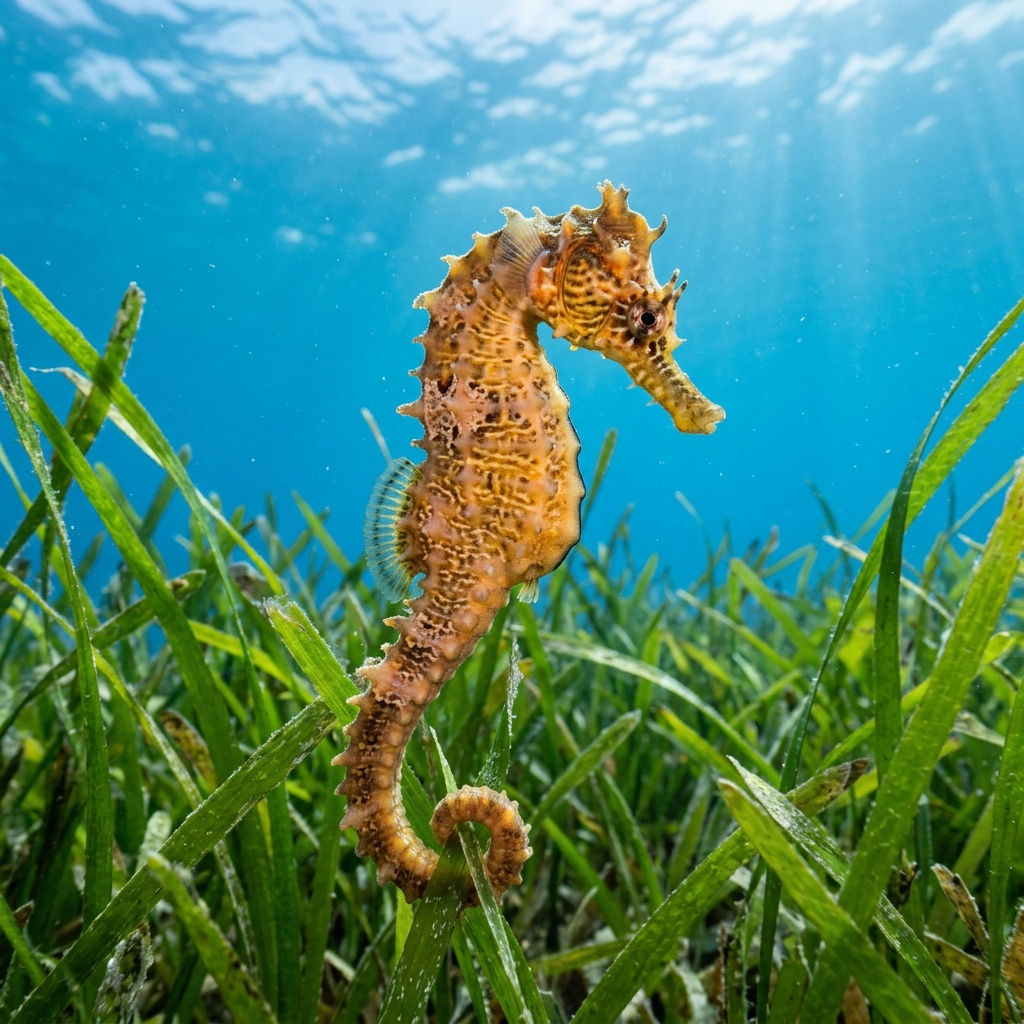
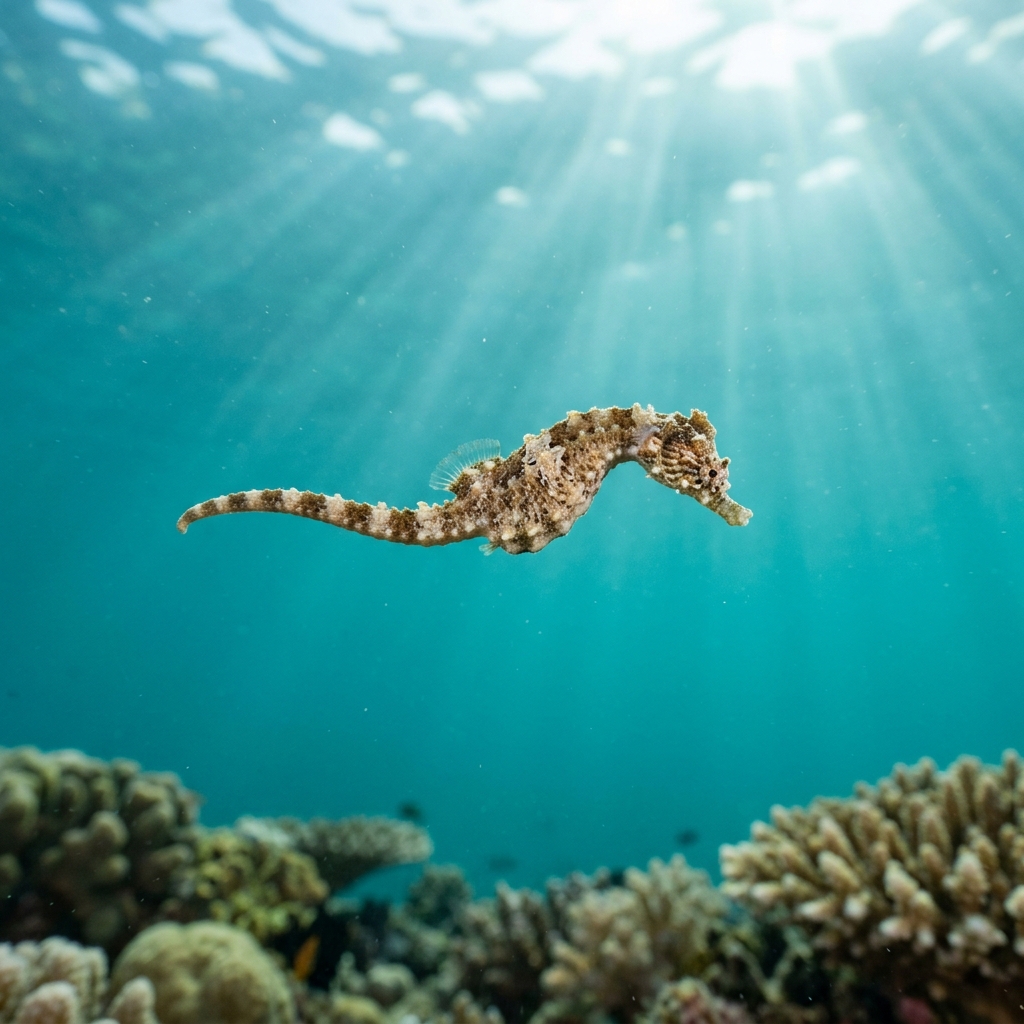
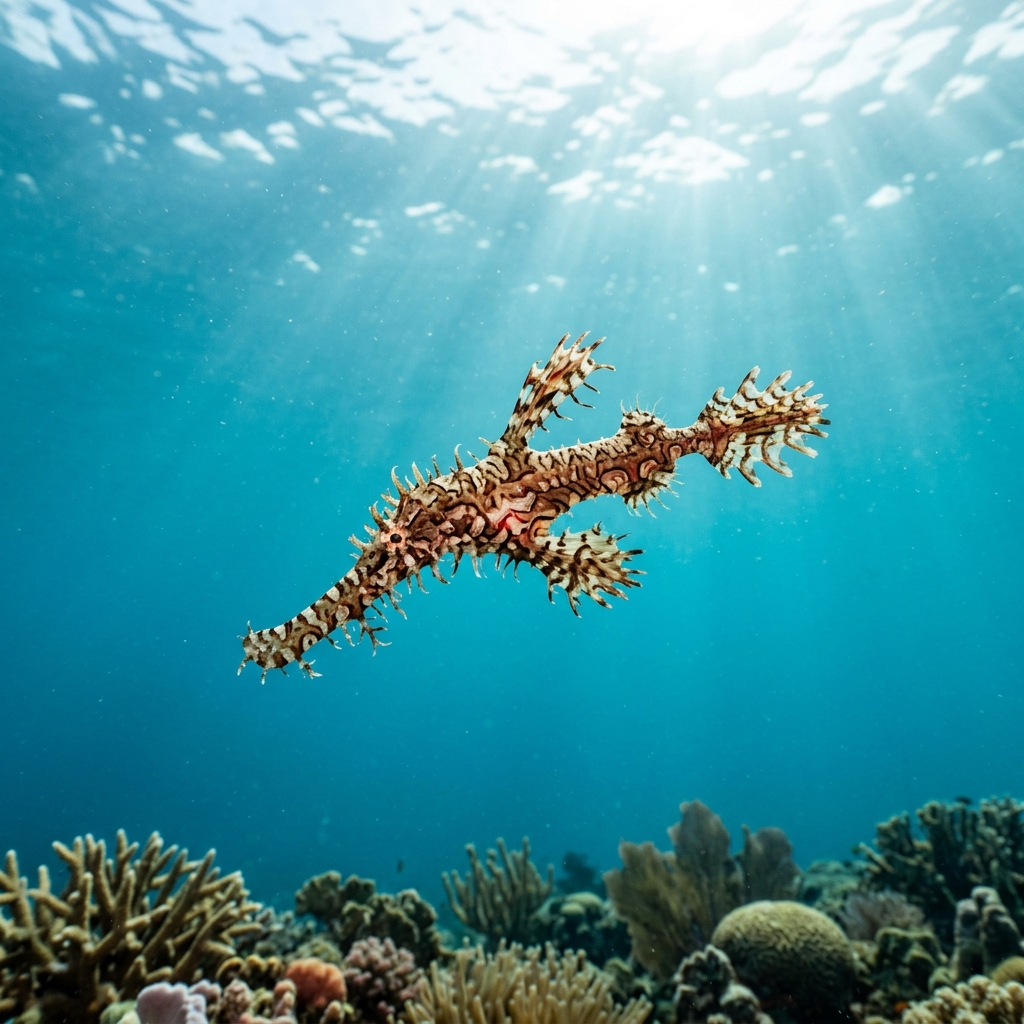
Reef neighbours a diver could mistake it for. Use the identification notes above to tell them apart.
Almost all logged sightings come from Australia, with Western Australia the clear stronghold and a smaller number of records from Victoria. Look for it over seagrass meadows and weedy reef in these regions rather than open coral reef.
Mapping where Wide-bodied Pipefish is logged…
Western Australia is by far the strongest region for records, with additional sightings from Victoria. Search seagrass beds and weedy temperate reef rather than tropical coral sites.
There is no strong seasonal pattern in the data, so they turn up year-round. Water temperatures at sighting sites range from about 14 to 20C, typical of southern Australia's temperate seagrass habitats.
Look for a slim, straight, tube-bodied fish around 11cm long, olive to brown in colour, holding a stiff posture among seagrass. Its long snout and lack of a curled tail separate it from seahorses.
They reach around 11cm in length, making them a small, easily overlooked find on a dive.
No, they pose no threat to divers. They are small, non-aggressive, and rely entirely on camouflage rather than defence.
Site and sighting data is aggregated from diver logs, iNaturalist and GBIF. For taxonomy and conservation status:
Seahorse
1,346 sites