Malacanthidae spp.
Spot tilefish across Florida, Japan, and the Philippines in water from 15-29 °C. Here's where divers most commonly log them and what to look for.
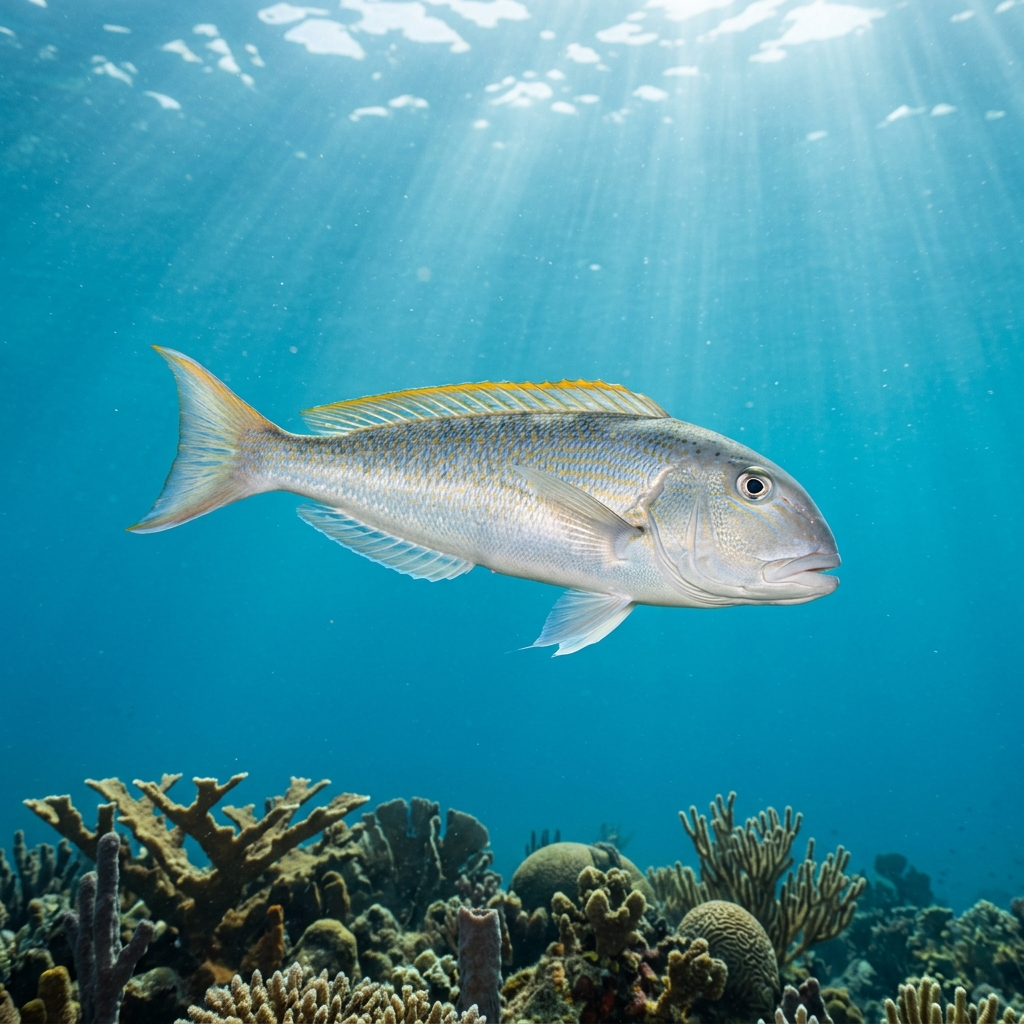
Tilefish are elongated, moderately compressed fish with a single long dorsal fin that runs almost the full length of the back, giving them a ribbon-like profile that is easy to key on once you know it. Most species are pale to cream underneath with warmer tones, blue, green, or yellow on the flanks and head, though colouration varies considerably across the family. A steep, blunt forehead profile is characteristic of several species and helps separate them from similar elongated reef fish. Look for them hovering just above sand or rubble slopes, often at the entrance to a burrow.
Tilefish are burrow dwellers at heart: when you spot one, it is usually hovering close to a sandy or rubble patch, often just in front of or just inside the entrance to a self-excavated tunnel. They are skittish and will reverse into the burrow quickly if approached directly, so slow, unhurried movement and a bit of patience from a distance gives the best views. Most activity happens during the day when they feed on small invertebrates and fish in the water column just above the substrate.
Many tilefish are industrious architects, excavating and maintaining burrows in sandy or rubble seabeds that can be used by other small reef animals once abandoned, making them a quiet but important contributor to reef habitat complexity.
In the Northern Hemisphere, tilefish are present year-round with no concentrated peak season, consistent with their tolerance for water temperatures from about 16 °C up to 29 °C across tropical and warm-temperate sites. In the Southern Hemisphere, sightings concentrate between March and June, so plan Australian or Brazilian dives around that autumn window for the best chance of an encounter.
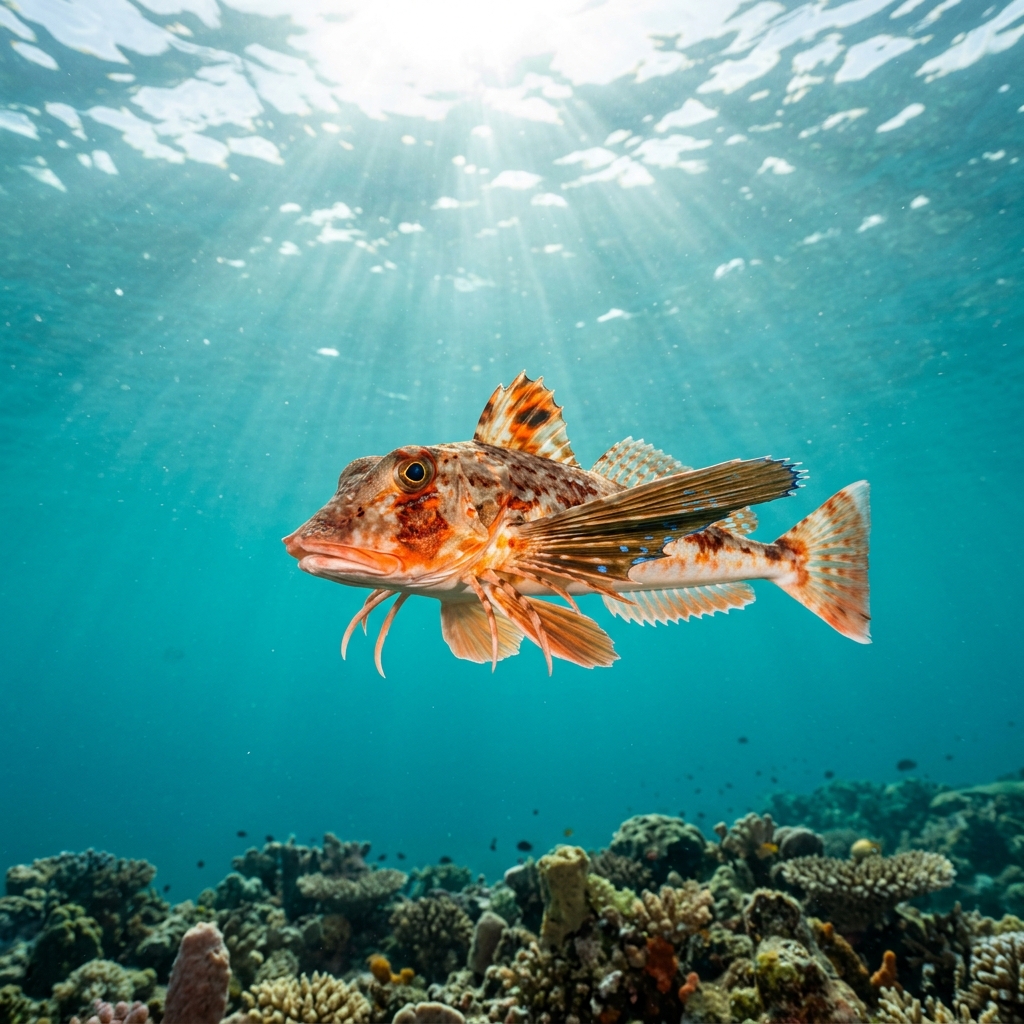
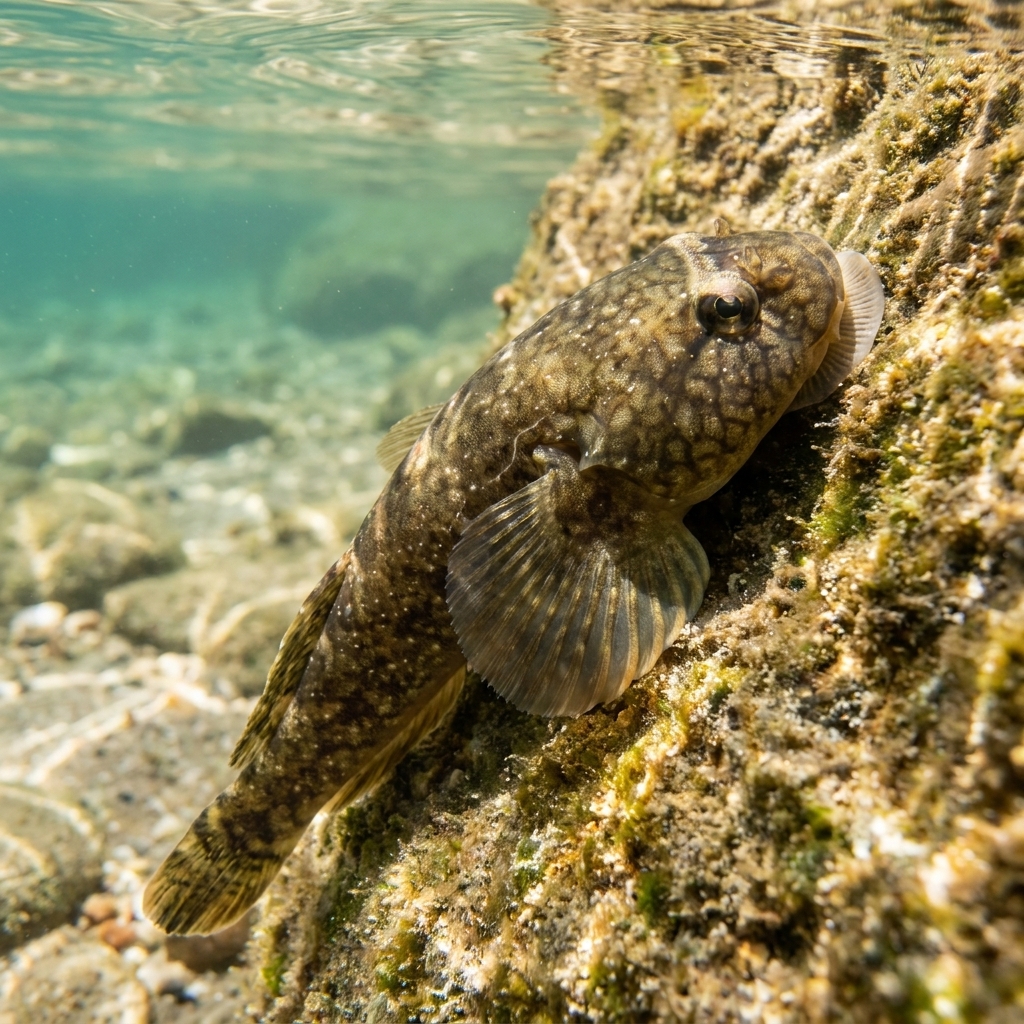
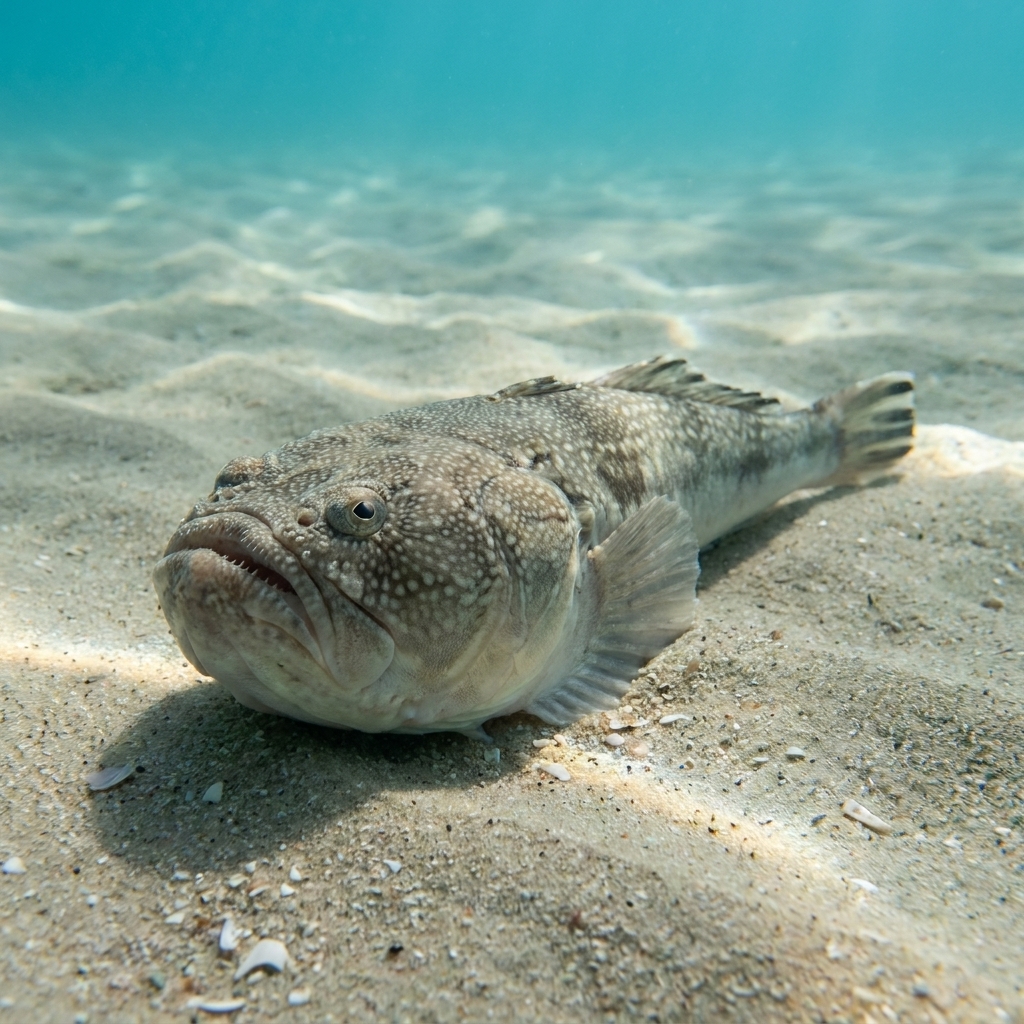
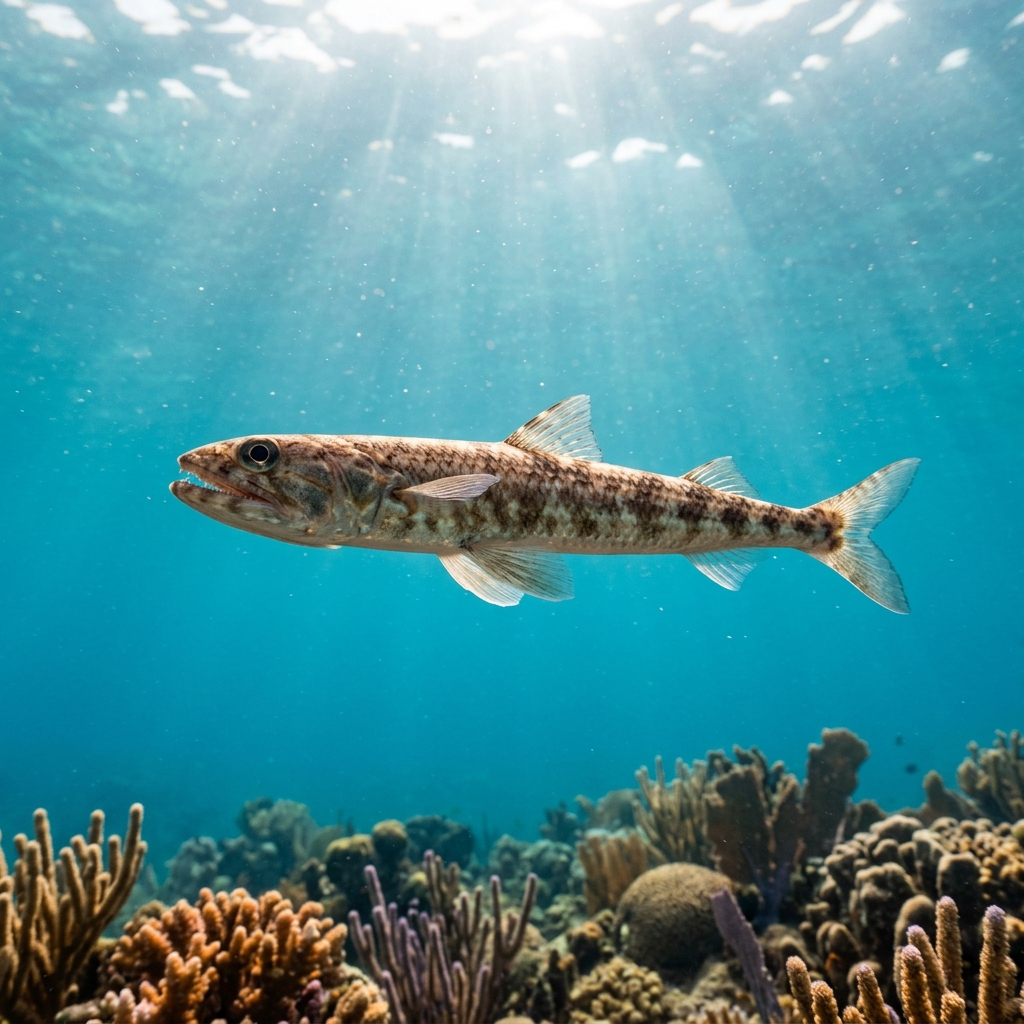
Reef neighbours a diver could mistake it for. Use the identification notes above to tell them apart.
Tilefish are most commonly logged in the United States, particularly across Florida and the wider southeast, which consistently leads all other regions. Strong records also come from Queensland in Australia, the Izu Peninsula and Hachijojima in Japan, Palawan and Apo Reef in the Philippines, and along the Rio de Janeiro and São Paulo coast in Brazil. Indonesia and Thailand round out a broad Indo-Pacific presence, making this a family that rewards attention on almost any tropical or warm-temperate reef dive.
Mapping where Tilefish is logged…
Tilefish are most reliably logged around Florida and the US southeast, along Queensland's reefs in Australia, around Japan's Izu Peninsula, and across the Philippines and Indonesia. Brazil's Rio de Janeiro and São Paulo coast also produces solid sightings. It is a wide-ranging family found across tropical and warm-temperate seas worldwide.
In the Northern Hemisphere they appear year-round with no strong seasonal peak, so any time of year works for destinations like Florida or Japan. In the Southern Hemisphere, sightings are most concentrated from March to June, making that the preferred window for Australian and Brazilian dives.
Look for an elongated fish with a single continuous dorsal fin stretching nearly the full length of the back, a blunt or steep forehead, and pale to colourful flanks in blues, greens, or yellows depending on species. They are almost always found hovering close to a sandy or rubble burrow, which is the strongest field clue of all.
At most sites where they are recorded, tilefish fall into the uncommon category, so a sighting is not guaranteed on any given dive. They are skittish and burrow-oriented, which means slow, calm approaches are essential. Common sightings do occur at a smaller number of sites, so asking local dive guides which spots have active burrows dramatically improves your odds.
No. Tilefish pose no known risk to divers. Their typical response to a diver is to retreat into their burrow, making them one of the more elusive rather than threatening animals you might encounter on a reef.
Site and sighting data is aggregated from diver logs, iNaturalist and GBIF. For taxonomy and conservation status:
Soldierfish
3,612 sites