Scolopsis japonica
A small silvery reef fish logged at Longdong, Taiwan, in 21.5 to 27.5C water - here's how to spot one and what to expect.
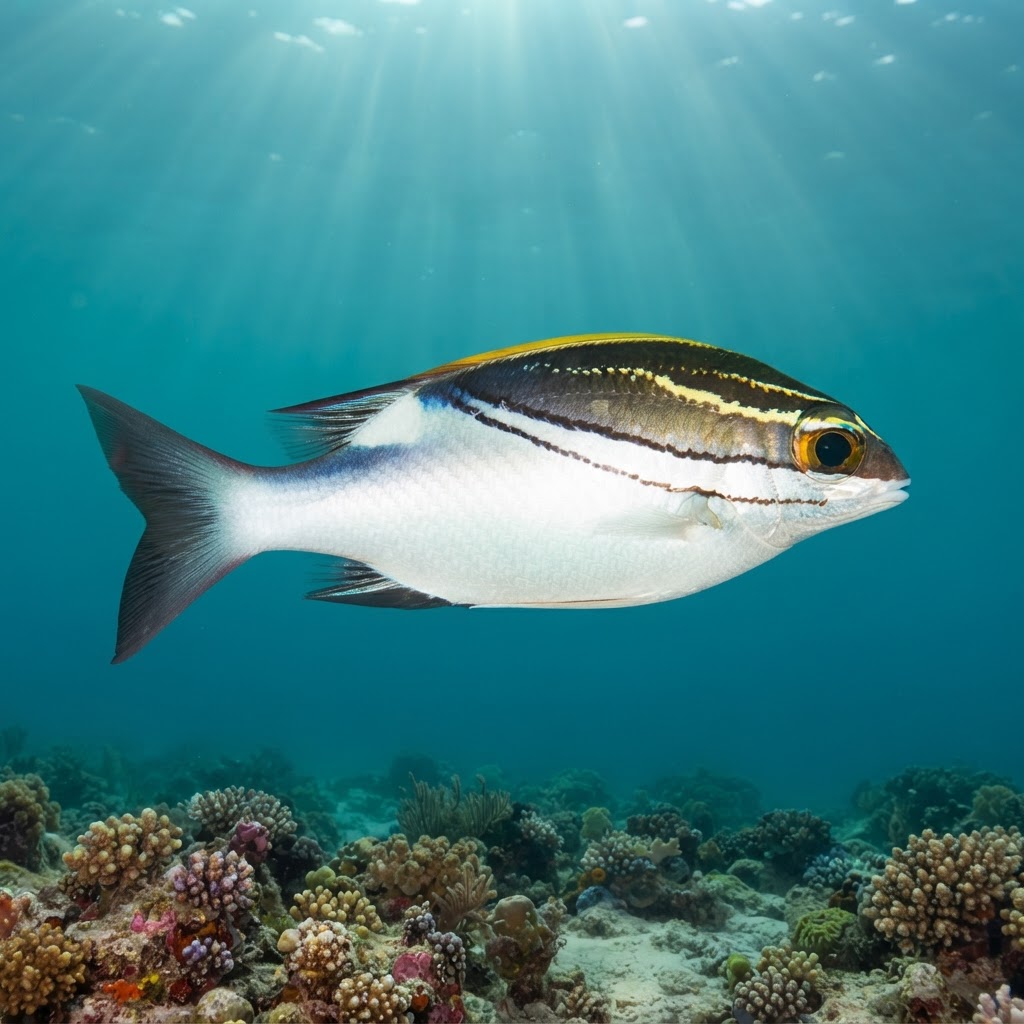
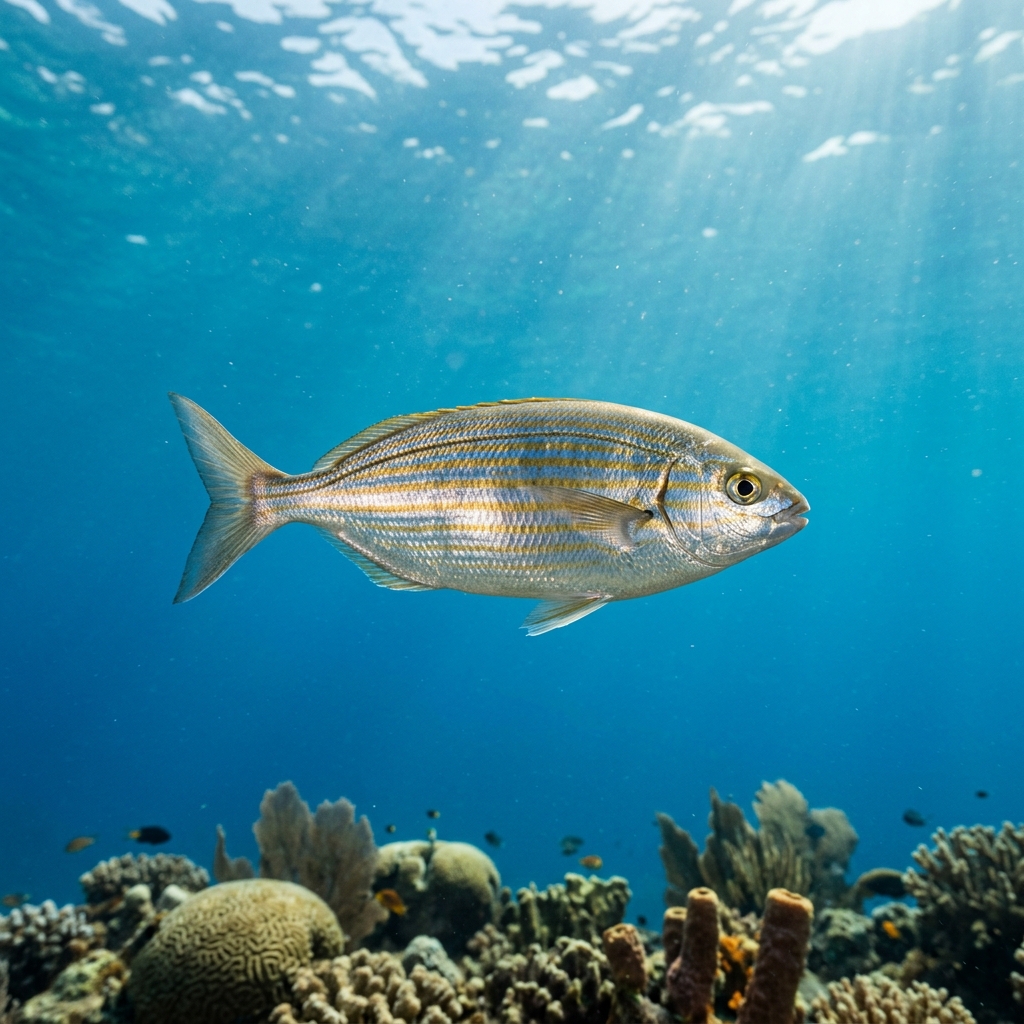
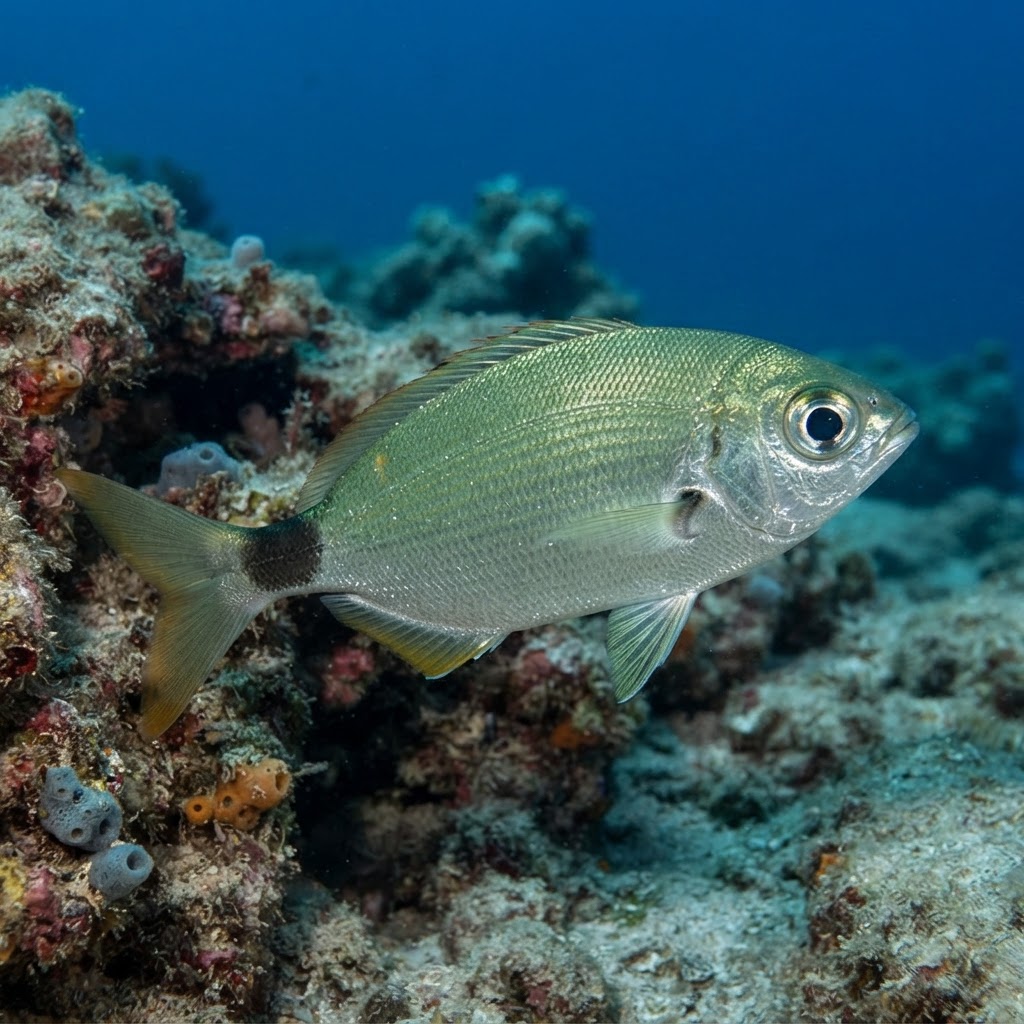
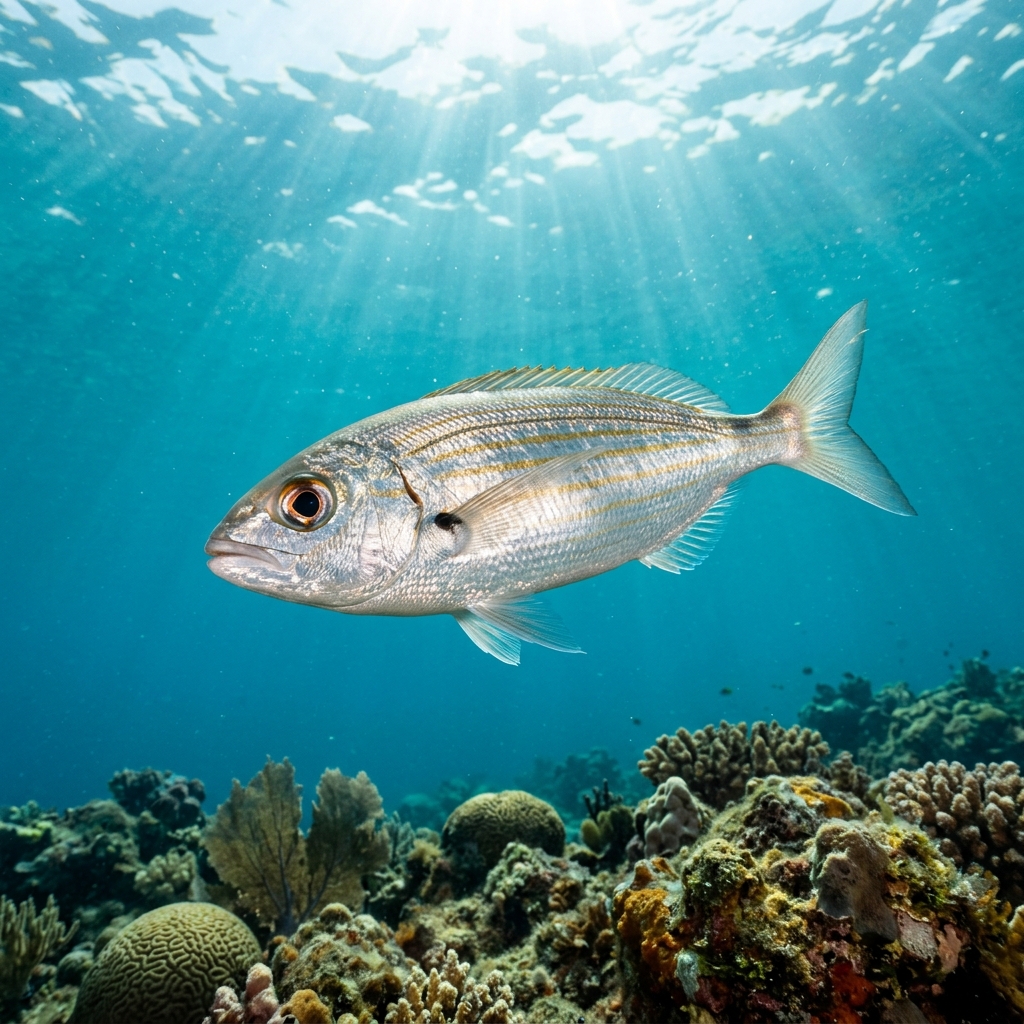
Look for a slim, silvery-grey fish around 11 cm long with a single dark spot or bar near the eye and a pale, almost white patch on the cheek that gives it the common name. The body is elongated and slightly compressed, typical of monocle breams, with faint yellowish tones along the upper flank in good light. It often sits close to the substrate rather than schooling in open water, which helps separate it from busier reef fish nearby.
Divers typically find it hovering low over rocky or mixed reef substrate rather than out in open water, moving in short, unhurried bursts as it picks over the bottom. It's logged as uncommon at every site where it turns up, so expect a scan-and-spot encounter rather than guaranteed sightings, and it tends to hold its distance from divers rather than approach.
Monocle breams like this one feed by picking small invertebrates off the sand and rubble, using their pointed snout to probe crevices that larger reef fish can't reach.
Sightings don't show a clear seasonal pattern, and with a comfortable range of 21.5 to 27.5C this fish appears to be present across the year rather than tied to a narrow window. Treat it as a year-round possibility at Longdong rather than a seasonal target.
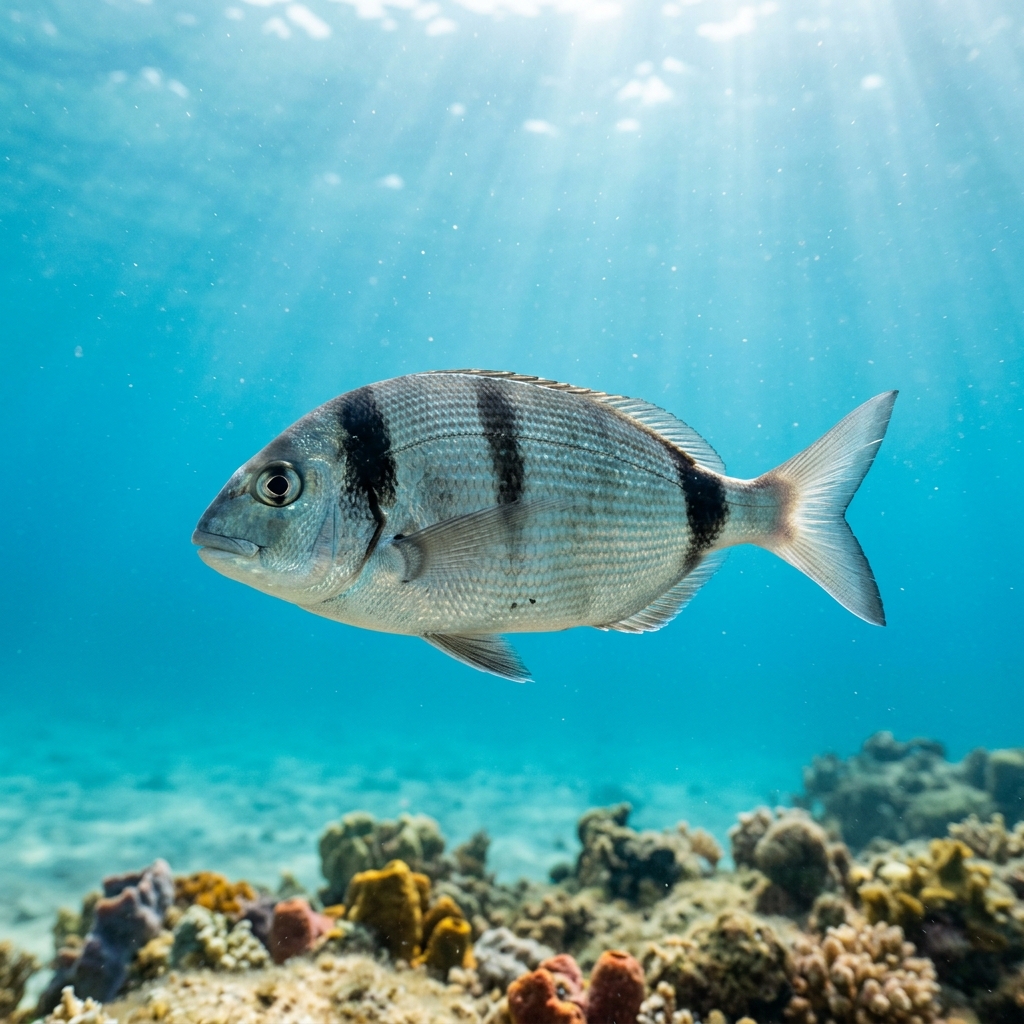
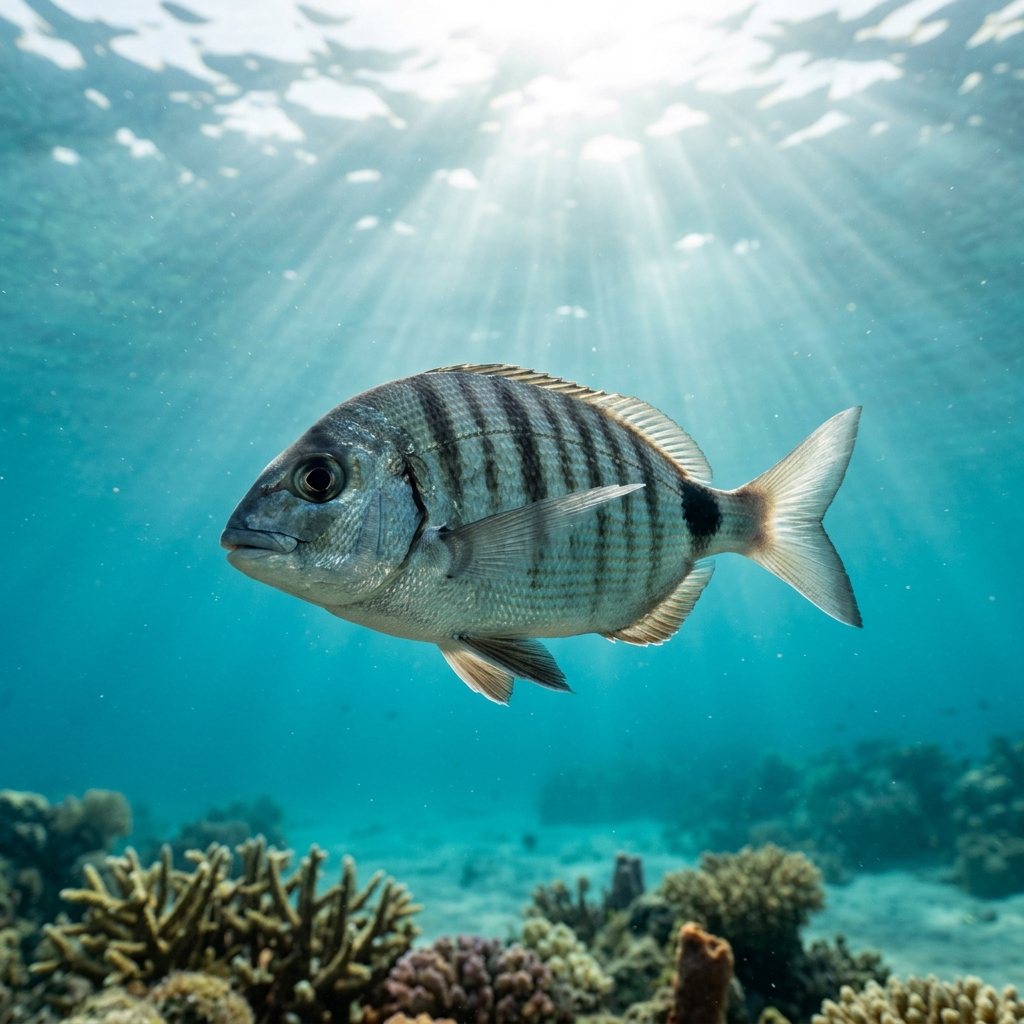
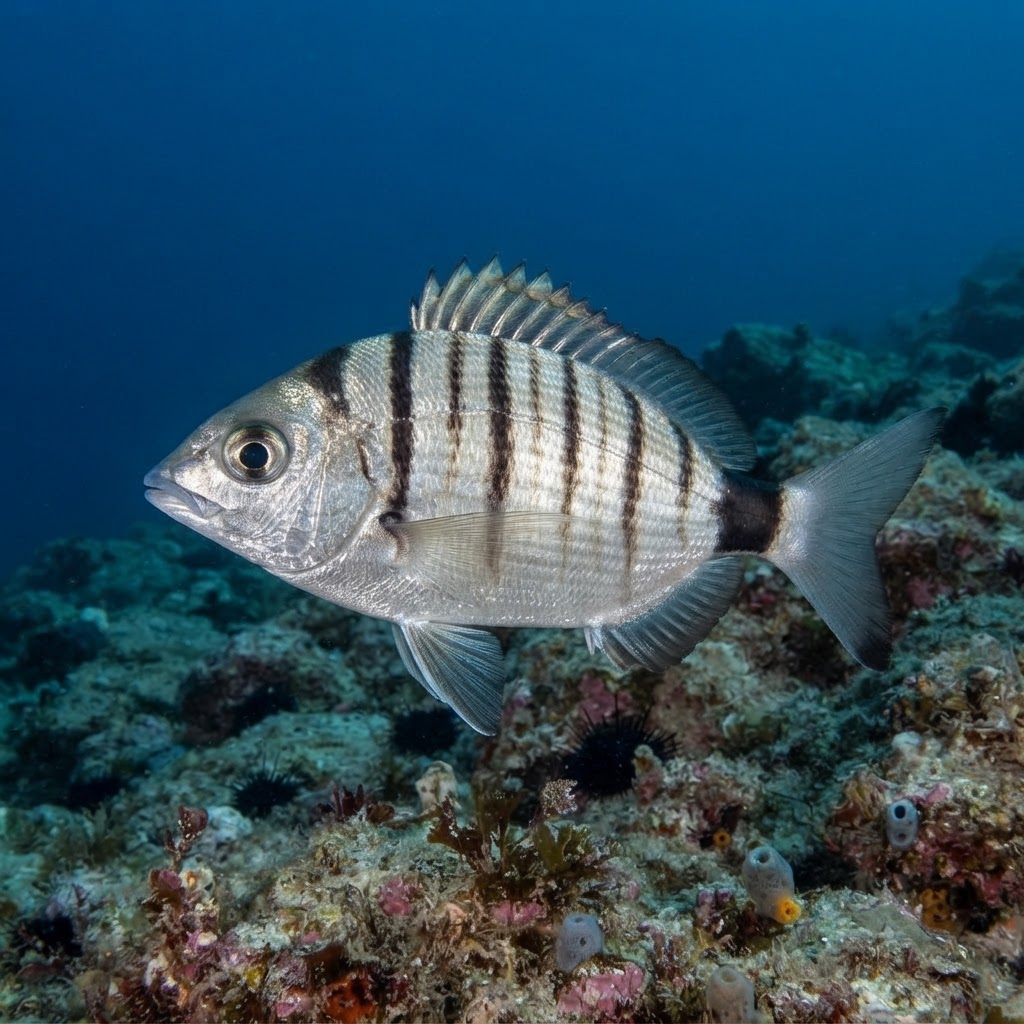
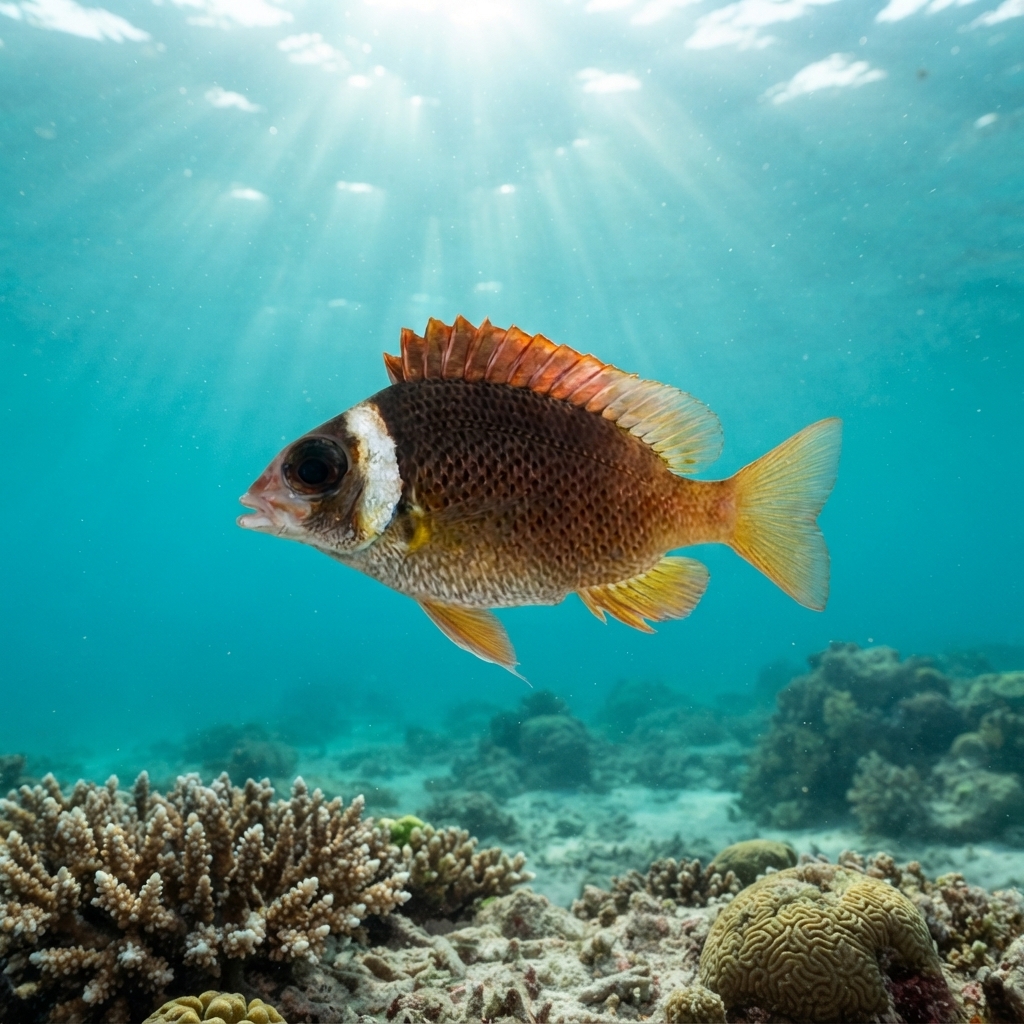
Reef neighbours a diver could mistake it for. Use the identification notes above to tell them apart.
Every logged sighting in the data comes from Taiwan, with Longdong on the northeast coast standing out as the reliable spot for this species. If you're diving Taiwan's rocky reefs and temperate-leaning waters, Longdong is currently the place divers are actually finding it.
Mapping where Coral Monocle Bream is logged…
All current sightings come from Taiwan, with Longdong the standout region for finding this species on rocky reef.
There's no strong seasonal pattern in the data, and its comfortable temperature range of 21.5 to 27.5C suggests it's around year-round at sites like Longdong.
Check for a small silvery-grey fish around 11 cm with a dark mark near the eye and a pale cheek patch. It usually sits low near rock or rubble rather than schooling openly.
They typically reach around 11 cm, making them one of the smaller reef fish you'll spot while scanning rock and rubble bottoms.
No, they pose no threat to divers and simply go about picking food off the substrate when approached.
Site and sighting data is aggregated from diver logs, iNaturalist and GBIF. For taxonomy and conservation status:
Saddled Bream
3,846 sites