Rhabdosargus globiceps
Rare but real: White Stumpnose turns up on Western Cape reefs in 14.5 to 26.4°C water, year-round with no clear season.
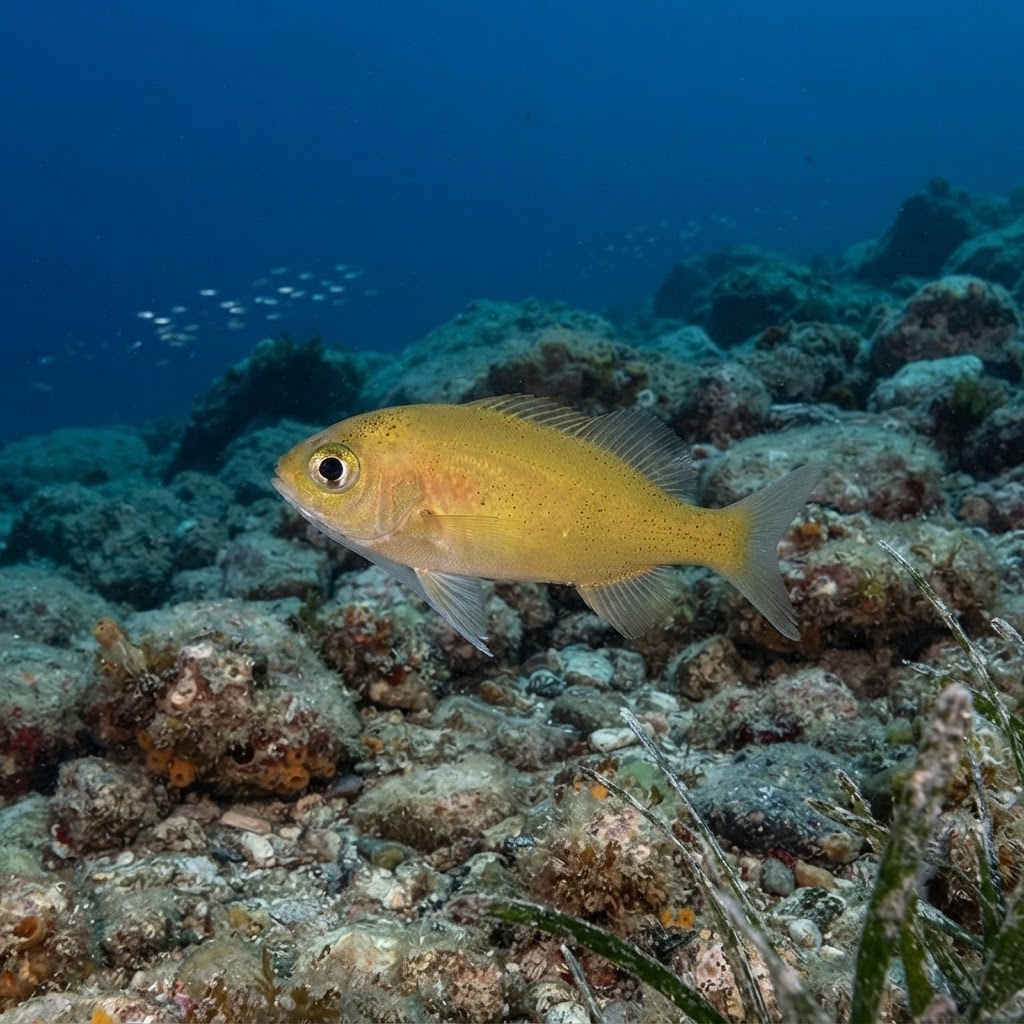
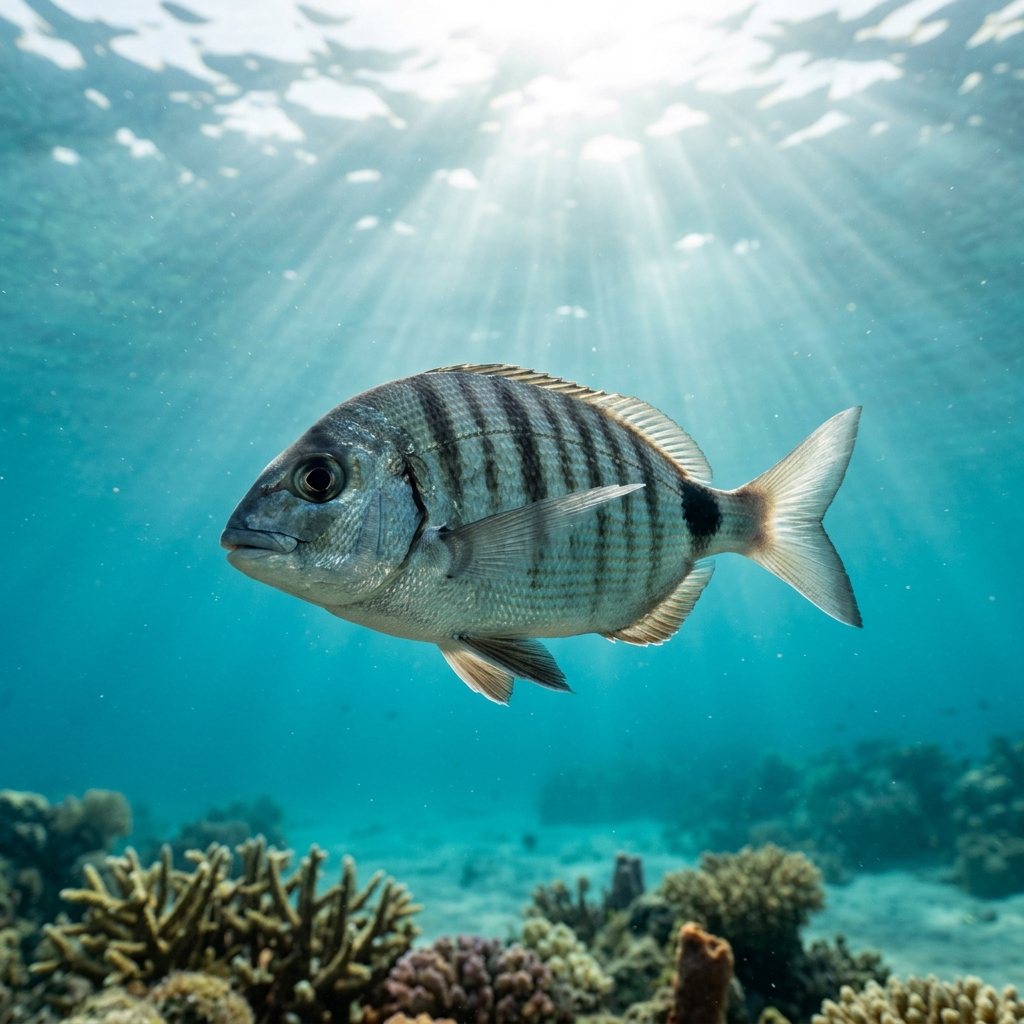
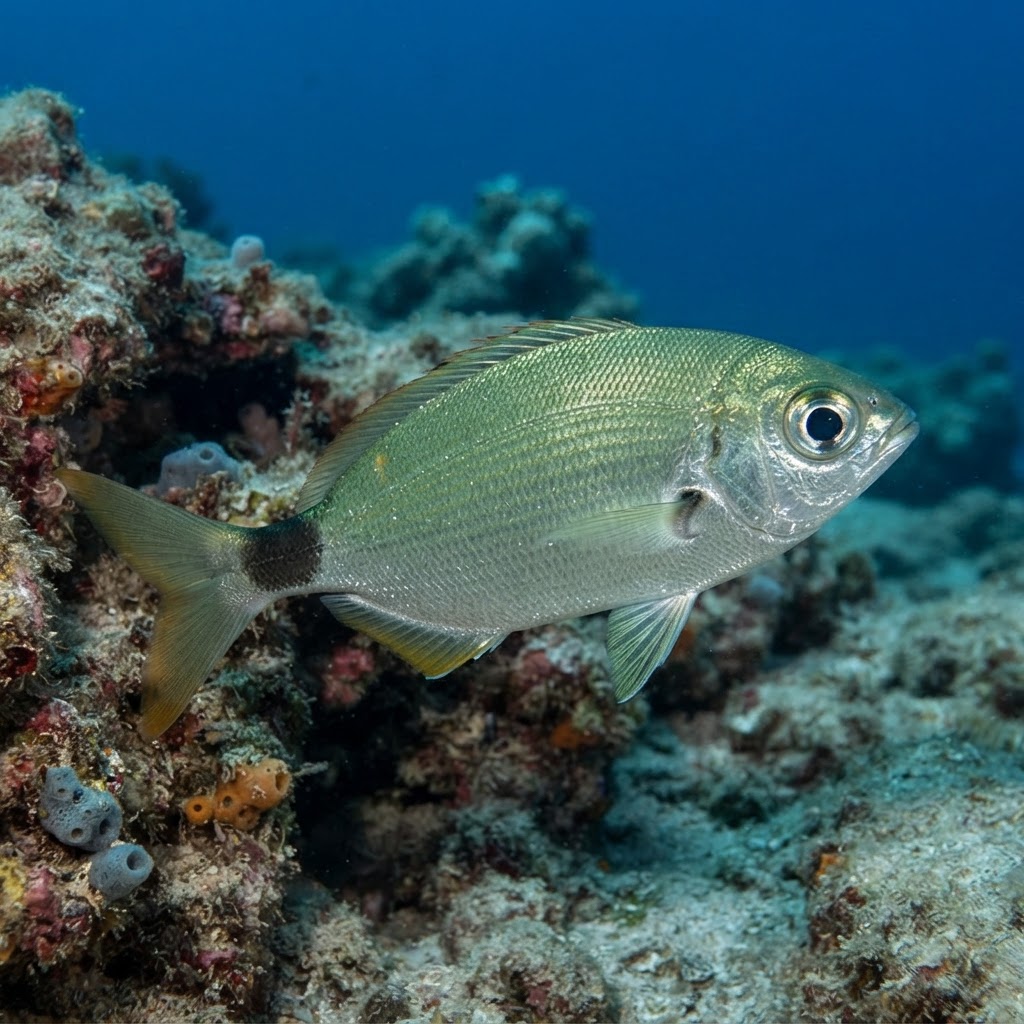
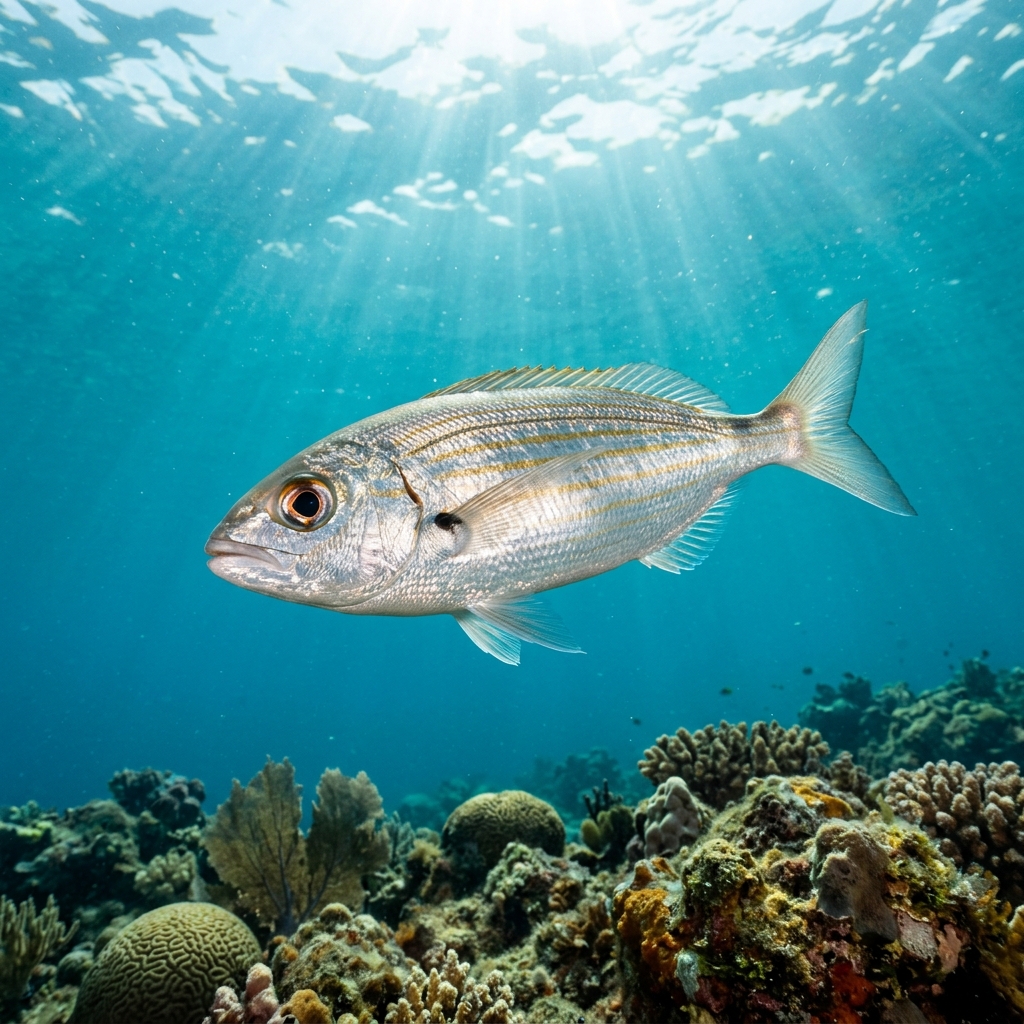
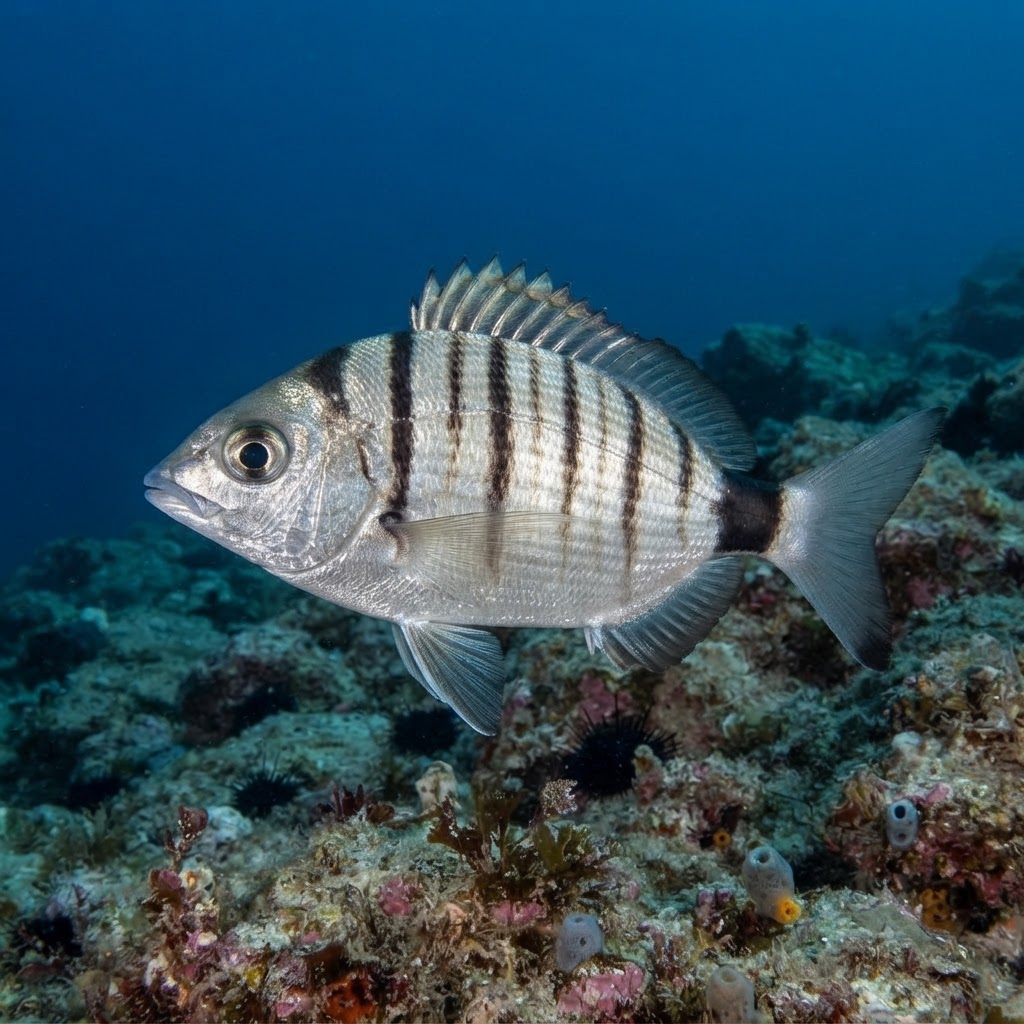
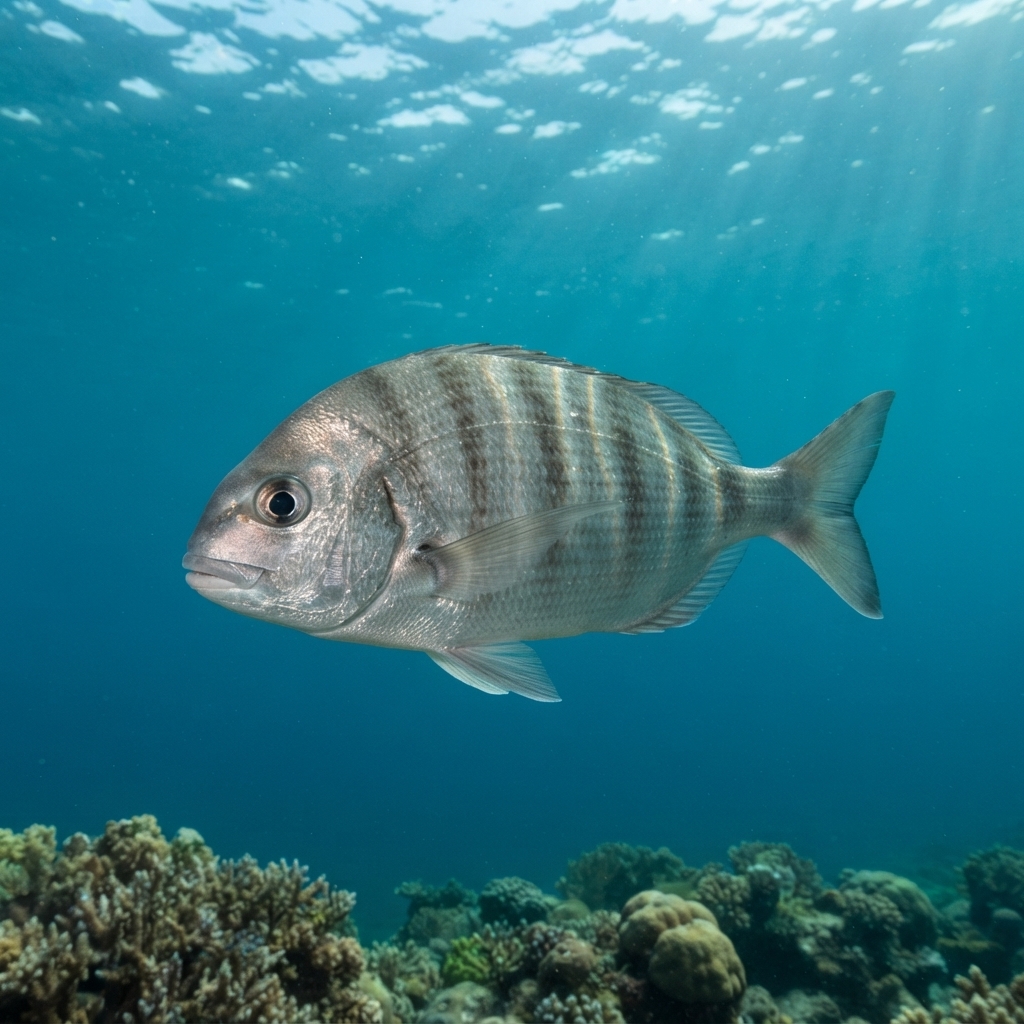
Recognise it by the blunt, rounded snout that gives the species its name, sitting on a deep-bodied, silvery fish that reaches around 46 cm. The body is compressed side to side with a faint golden sheen along the upper flanks and darker vertical banding that can fade in and out depending on light and mood. Look for it hovering close to rocky reef structure rather than out in open water.
Divers typically find it hanging close to reef structure or rocky ledges rather than cruising open sand or blue water. It is not a fish that schools up in numbers you can count on, most logs describe single or occasional individuals rather than groups. It reads as cautious around divers, holding near cover rather than approaching.
It's a member of the sea bream family, most of which shift diet and reef use as they grow, moving from sheltered nursery habitat as juveniles into more open reef structure as adults.
No clear seasonal pattern shows up in the sighting data, so treat it as a year-round possibility. It tolerates a wide temperature range from 14.5 to 26.4°C, which lines up with the Western Cape's cool-to-mild water swings across the year.
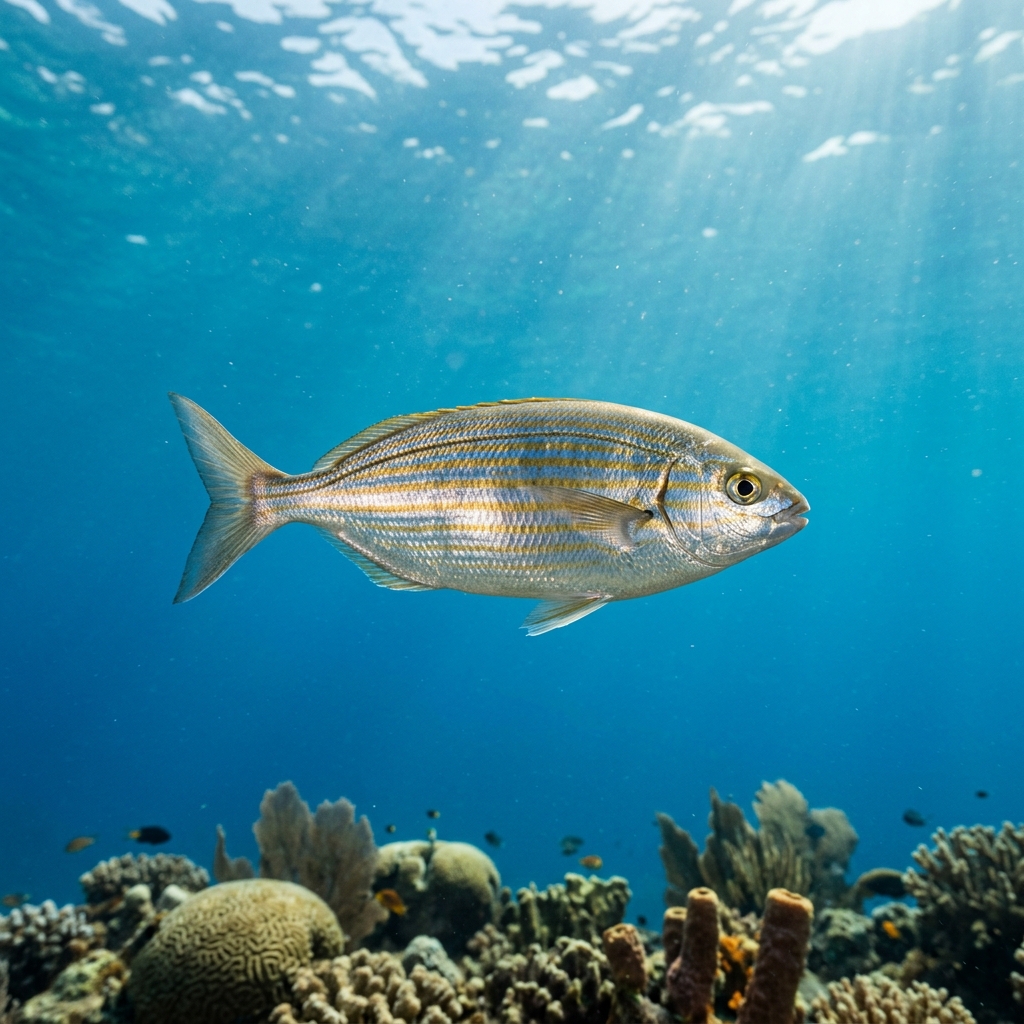
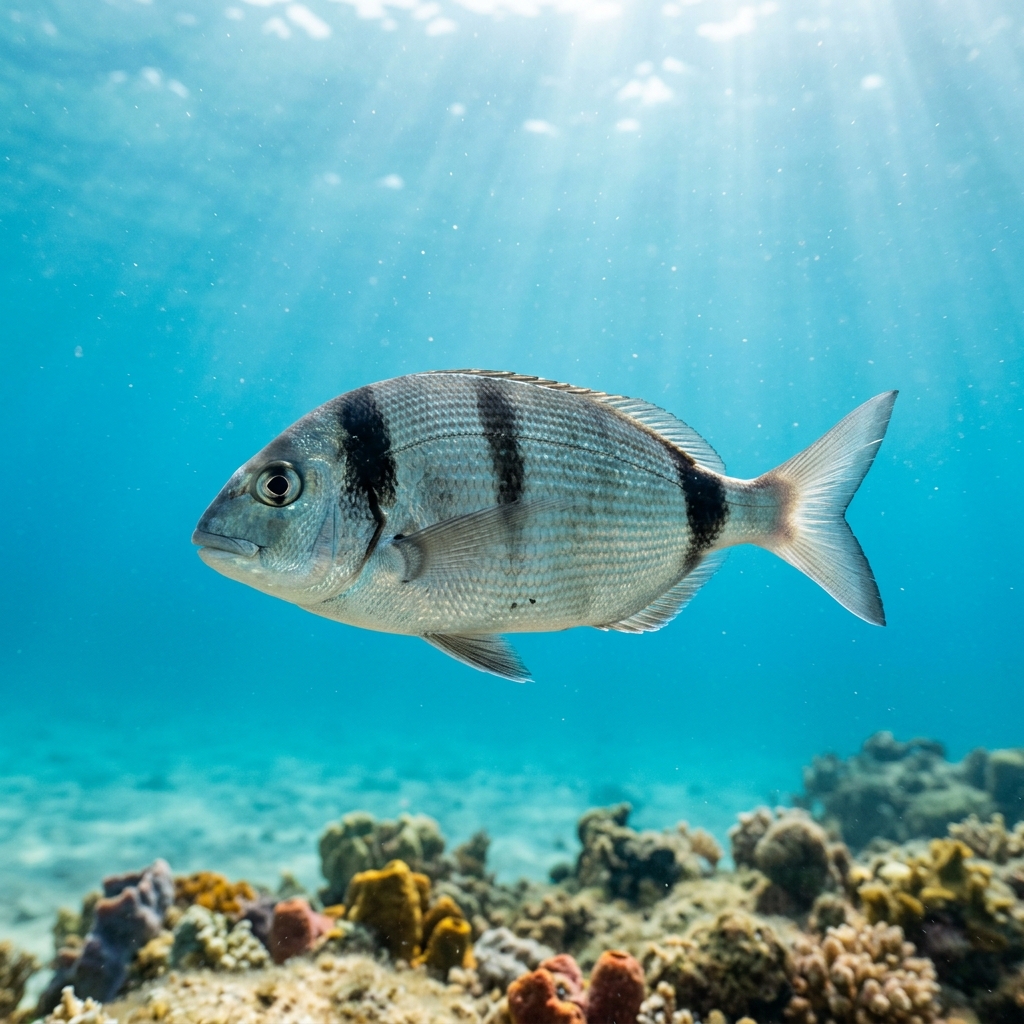
Reef neighbours a diver could mistake it for. Use the identification notes above to tell them apart.
Logged exclusively on South African reefs so far, with every recorded sighting coming from the Western Cape. Sites here are your best and really your only documented shot at this species, though sightings remain rare rather than reliable even in the region.
Mapping where White Stumpnose is logged…
Every logged sighting comes from South Africa's Western Cape. It has not been documented on dive sites anywhere else, so this region is currently the only known spot to look.
Sightings don't show a strong seasonal pattern, so it's best treated as a year-round possibility in the Western Cape. It has been recorded across a broad temperature range from 14.5 to 26.4°C.
Look for a silvery, deep-bodied fish around 46 cm with a distinctly blunt, rounded snout. It often shows a faint golden tint on the upper body and hovers near rocky reef structure rather than swimming in open water.
They typically reach around 46 cm in length, making them a solidly mid-sized reef fish rather than a giant or a tiny one.
No, they pose no danger to divers. They are a shy, reef-associated fish with no venomous spines or aggressive behaviour reported.
Site and sighting data is aggregated from diver logs, iNaturalist and GBIF. For taxonomy and conservation status:
Saddled Bream
3,846 sites