Paraplesiops bleekeri
Blue devilfish haunt cool Australian reefs from Western Australia to New South Wales. Best sightings run February to June. Here's what to look for.
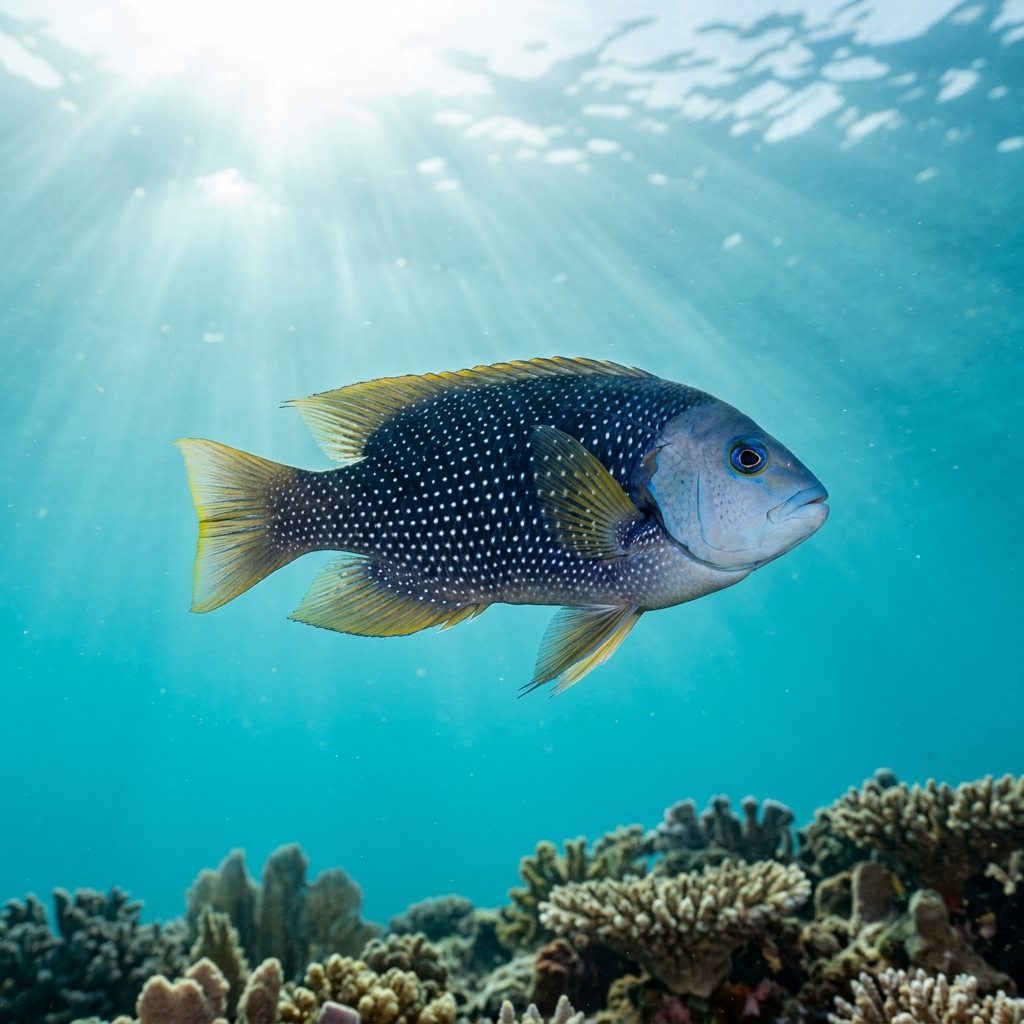
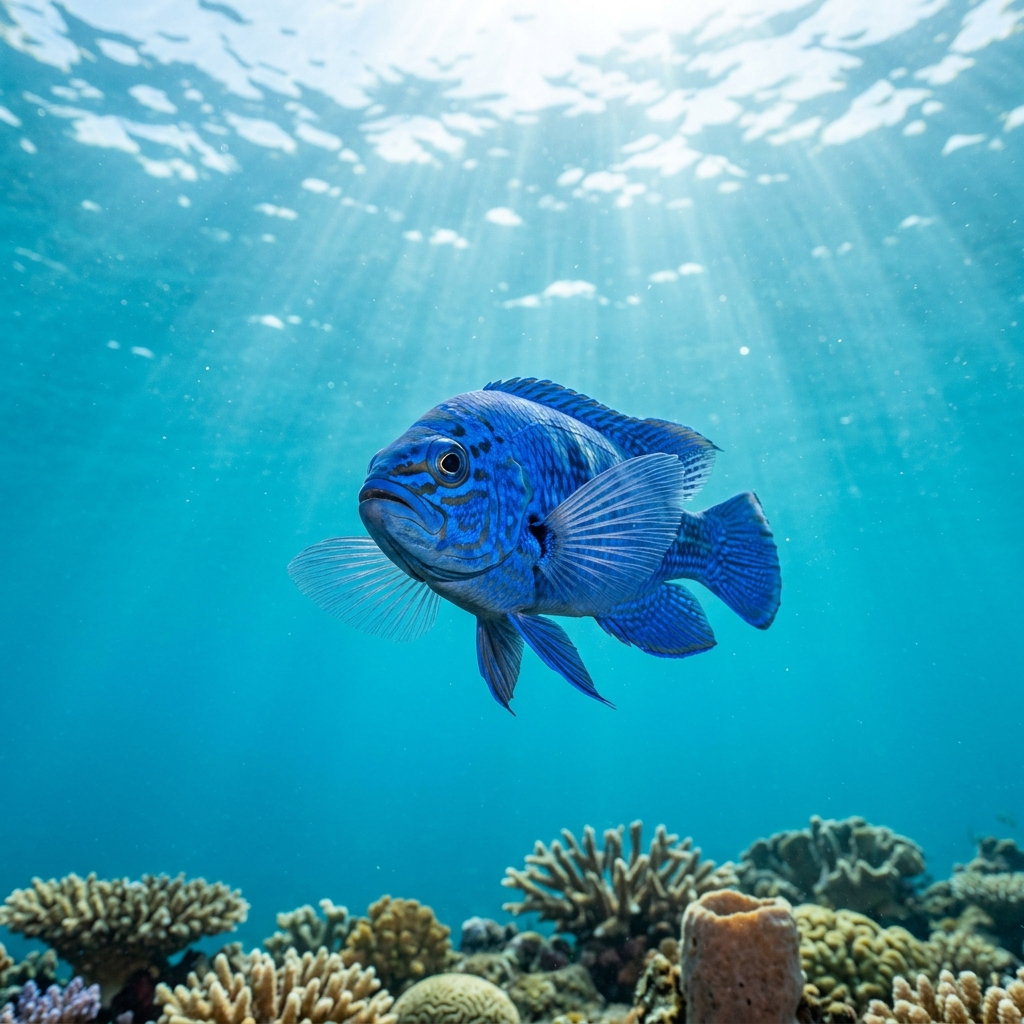
A deep, laterally compressed body in rich midnight blue is the first thing that catches the eye, covered in small pale spots or flecks that give the fins a jewelled look. The rounded, blunt head and large mouth are distinctive, giving it a brooding, almost pugnacious profile compared with most reef fish. Relatively small in overall size, it hugs crevices and ledge undersides, which means you typically see it side-on in low light. Look for the vivid blue colouration contrasting against dark rock as the single best field mark.
Blue devilfish are secretive reef dwellers that spend most of their time wedged into crevices, caves, or under ledge overhangs rather than swimming in open water. Divers who find one usually spot it holding almost motionless in the shadows, often close to the substrate. They tend to hold their position when a diver approaches rather than bolting, so slow, unhurried movement gives you the best chance of a prolonged look.
Plesiopid fish like the blue devilfish are known for remarkable paternal care, with males guarding egg clutches in rocky shelters until hatching, which is unusual behaviour among reef fish of this size.
Sightings in the Southern Hemisphere concentrate between February and June, covering late summer through autumn, when water temperatures sit in the 17 to 23 °C range that this species favours.
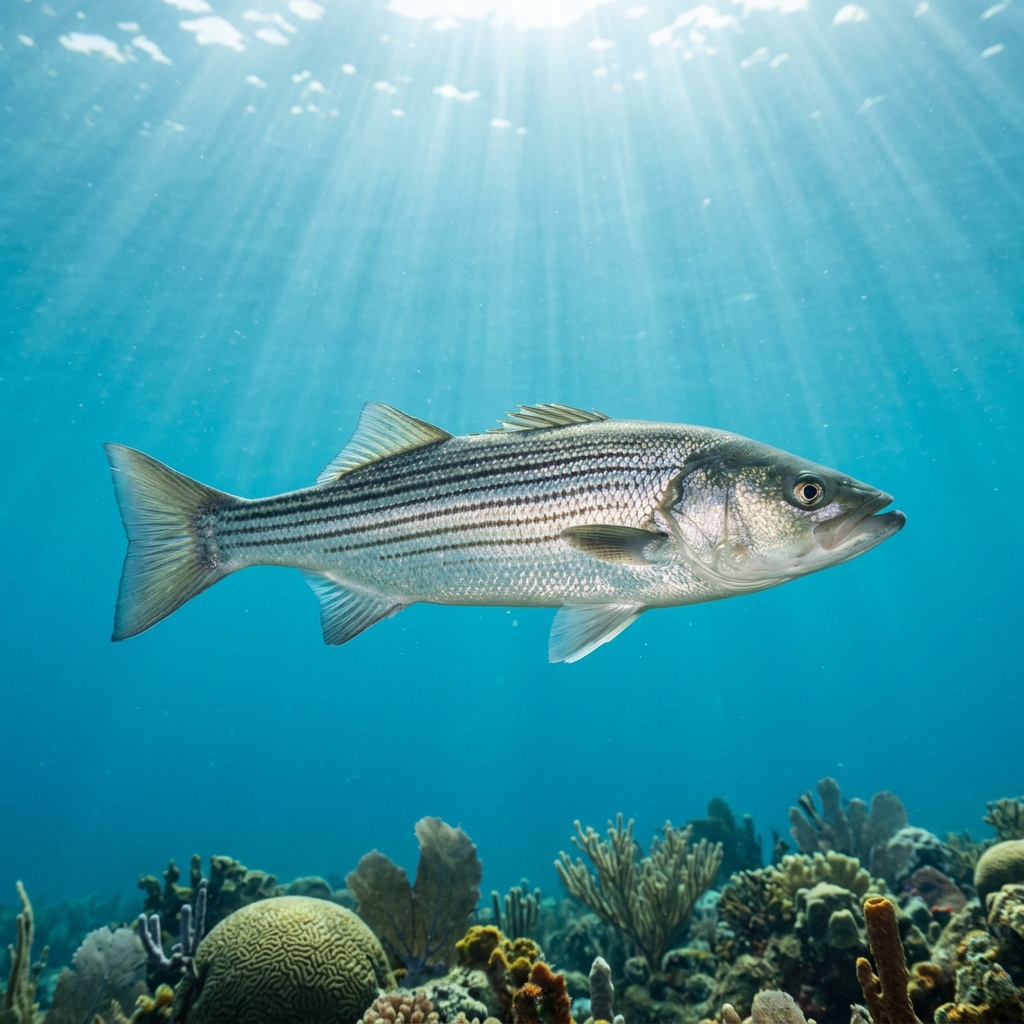
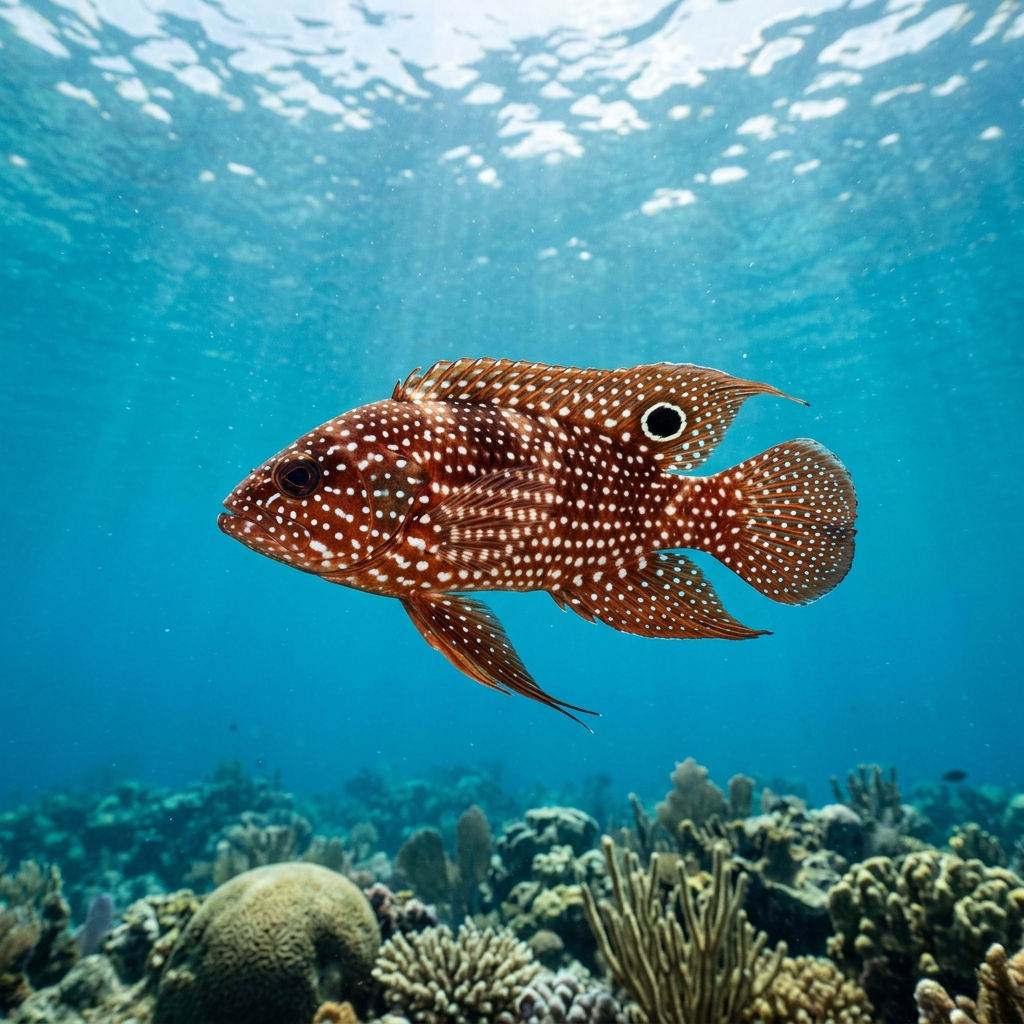
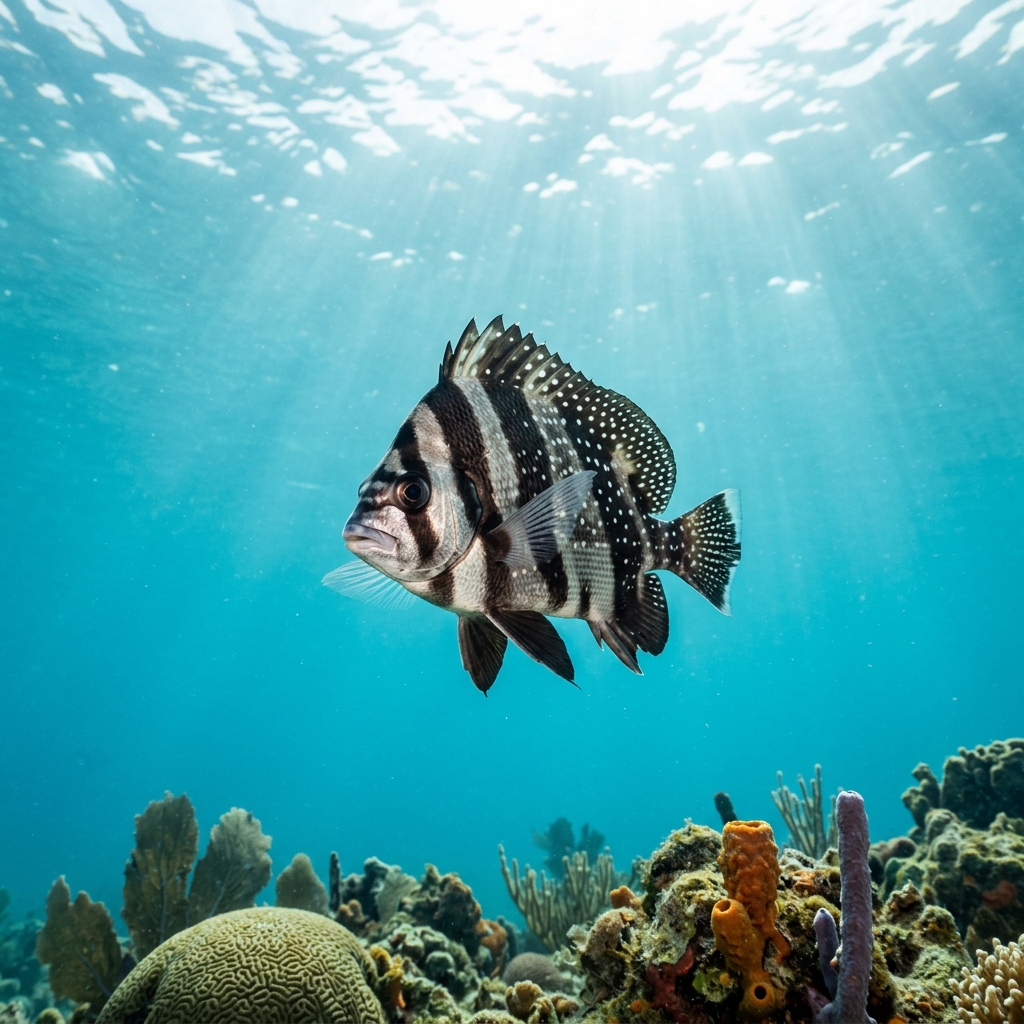
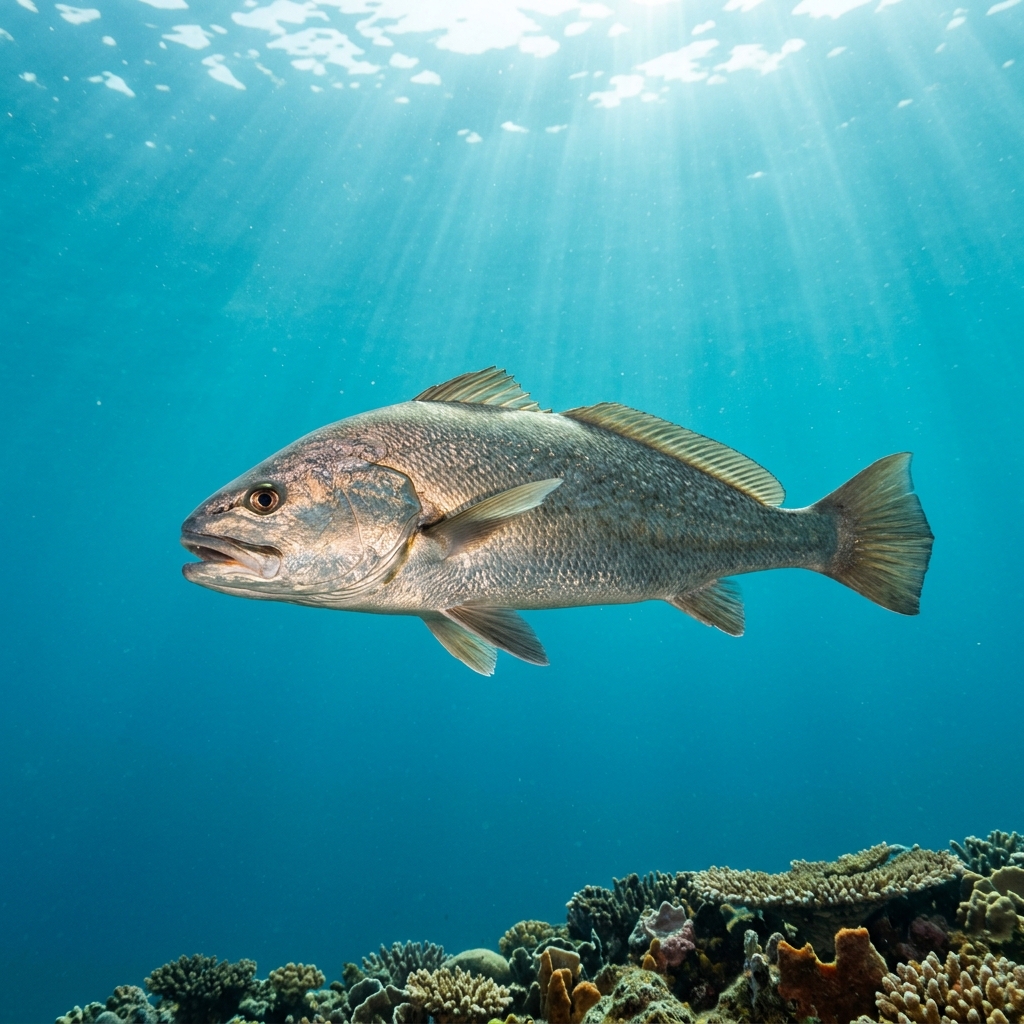
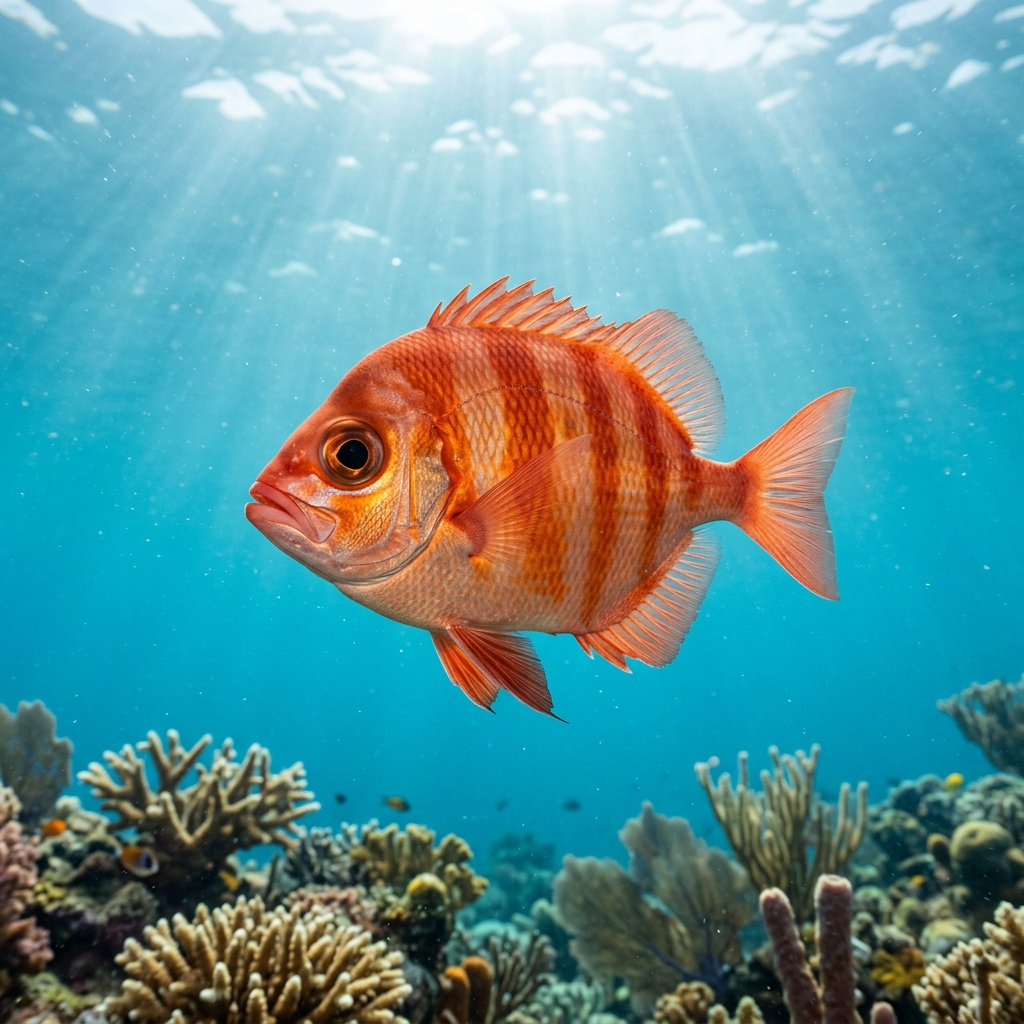
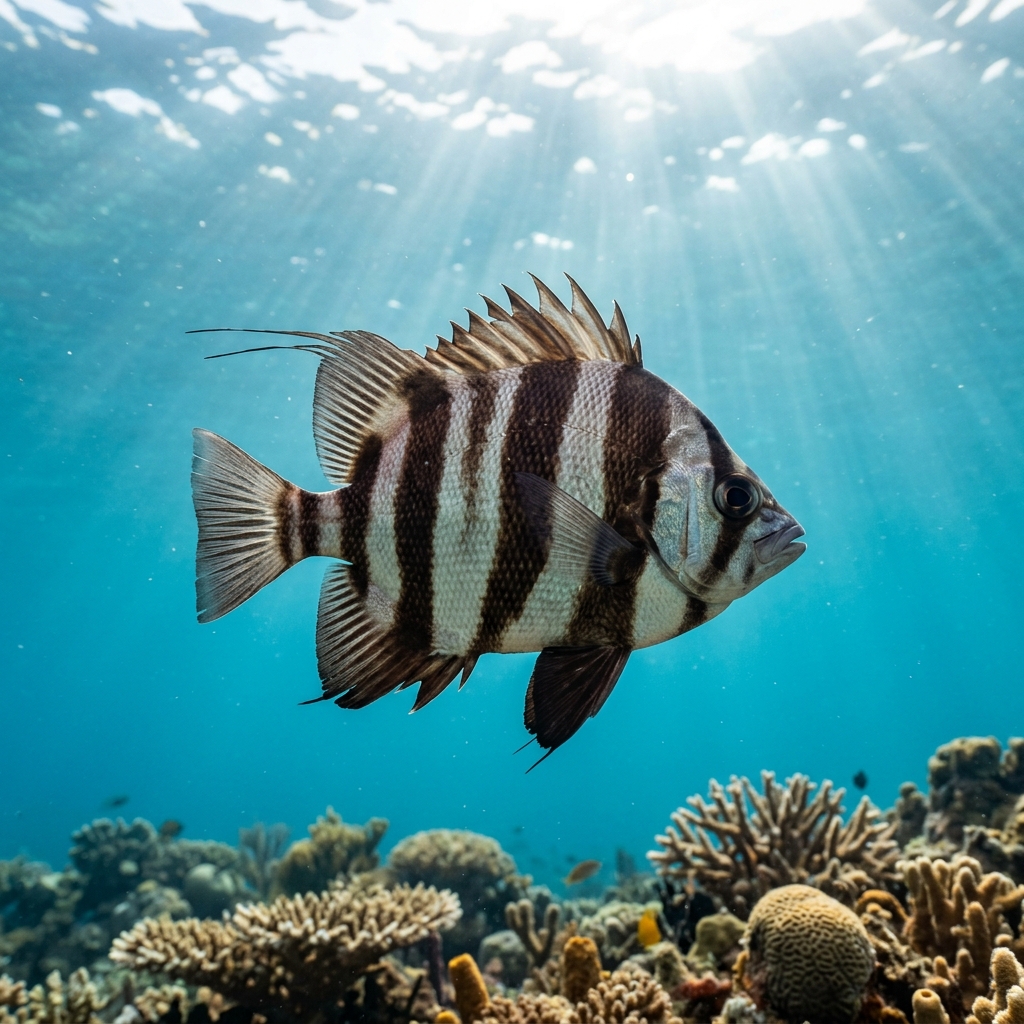
Reef neighbours a diver could mistake it for. Use the identification notes above to tell them apart.
Blue devilfish are an Australian endemic, with sightings concentrated across Western Australia and New South Wales, which together account for the vast majority of logged dive sites. Queensland sites also appear in the data but far less frequently. If you are targeting this species, the reefs of south-western and south-eastern Australia are your best bet.
Mapping where Blue Devilfish is logged…
Blue devilfish are found only in Australian waters. The strongest concentration of sightings is split between Western Australia and New South Wales, with a small number of records from Queensland. Rocky reef habitats in the cooler southern and south-eastern parts of the country are your best hunting ground.
Sightings cluster between February and June in the Southern Hemisphere, spanning late summer through autumn. The species favours water temperatures between roughly 17 and 23 °C, so this cooler part of the year aligns well with their active period at accessible depths.
Look for a compact, deep-bodied fish in deep midnight blue with pale spotting on the fins, a blunt rounded head, and a large mouth. It typically sits motionless inside a crevice or under a ledge rather than swimming freely. The intense blue colouration against dark rock is the standout field mark.
Most divers who encounter them at known sites rate them as uncommon, with a smaller number of sites where they are considered rare. Common sightings are reported at only a handful of locations. Patience, a good torch, and systematically checking ledge undersides and crevices improve your odds considerably.
No. Blue devilfish pose no threat to divers. They are shy, retreating fish that rely on camouflage and shelter rather than defence. Simply avoid forcing them out of their hiding spots and they will usually stay put and ignore you.
Site and sighting data is aggregated from diver logs, iNaturalist and GBIF. For taxonomy and conservation status:
Meagre
1,159 sites