Torquigener pleurogramma
Spot the Weeping Toadfish on Australia's reefs from Western Australia to New South Wales, active year-round in cooler waters between 15 and 24 °C.
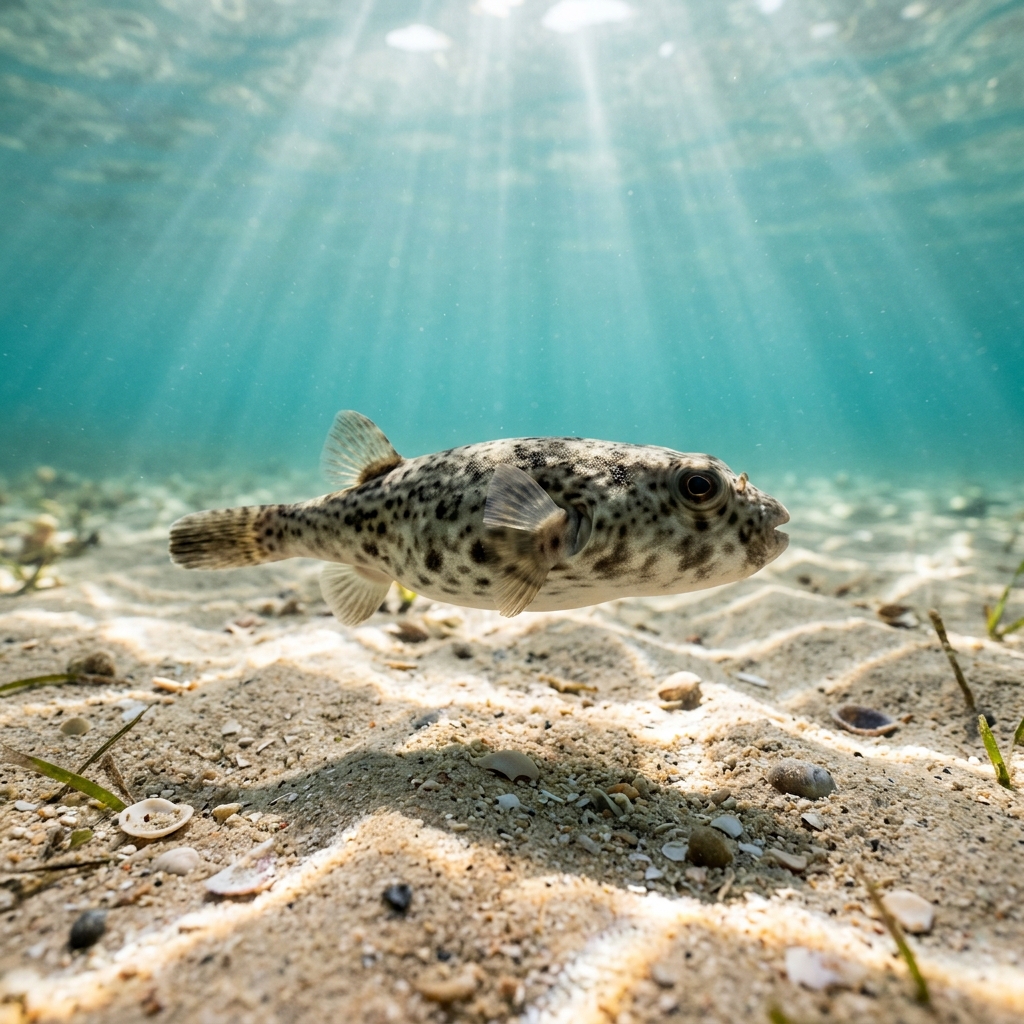
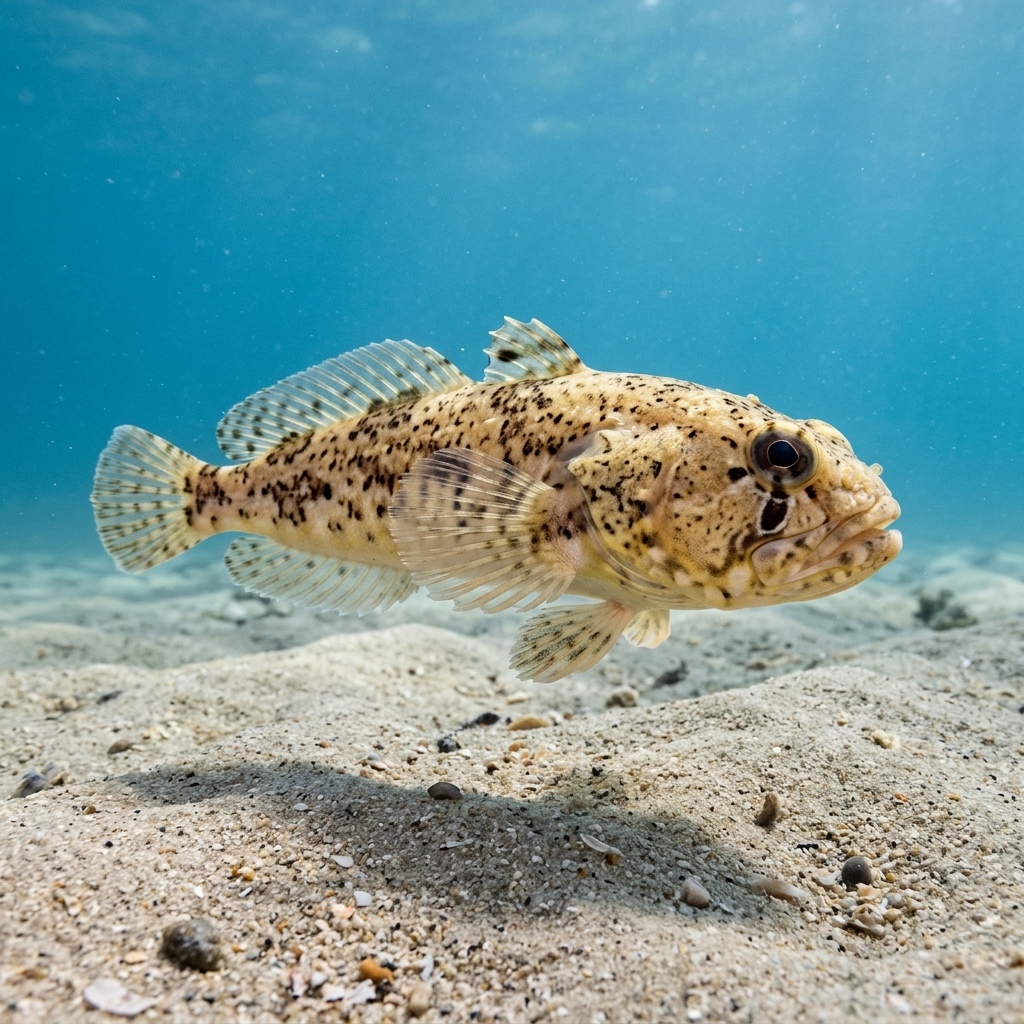
About 14 cm long, this small pufferfish has a compact, rounded body and mottled brown-grey colouring with faint horizontal streaks along the flanks, the 'pleurogramma' (side-lines) that distinguish it from many similar species. The face is the give-away: a permanently downturned mouth gives it the sorrowful expression that earns the name 'weeping'. Look for it sitting motionless on sandy or weedy substrate, where its colouring blends well with the bottom.
When you find one, it is almost always resting on the seabed or moving slowly through rocks and seagrass, apparently in no hurry. Approach carefully, these fish are shy and will retreat at a diver's advance, so slow movements and patience are rewarded. They are active during the day, making daytime dives the most productive.
Like all pufferfish, the weeping toadfish can inflate its body as a defence against predators, a reflex divers should never provoke deliberately, as forced inflation is highly stressful to the fish.
Sightings are spread evenly across all months with no concentrated season, so there is no single best time to visit. Its preference for cooler water (15 to 24 °C) means it is at home on temperate Australian reefs throughout the year.
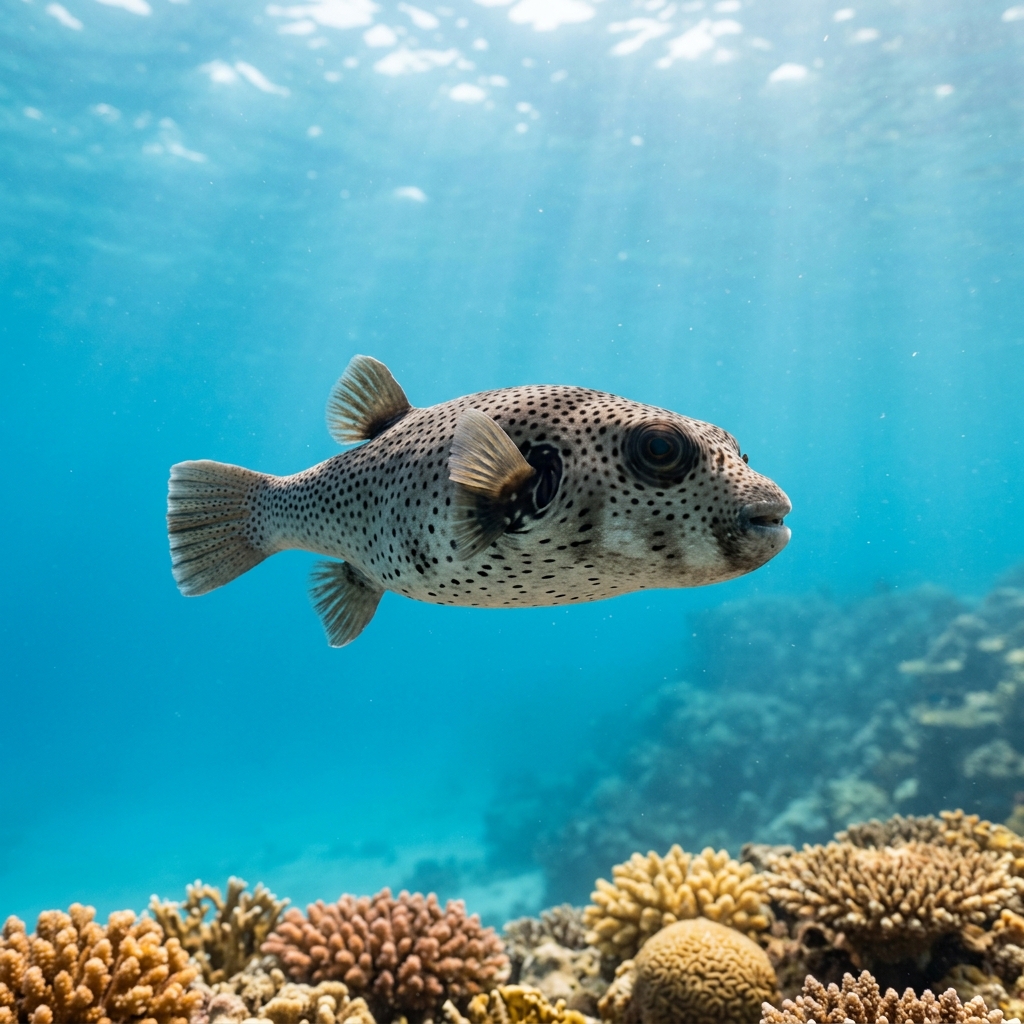
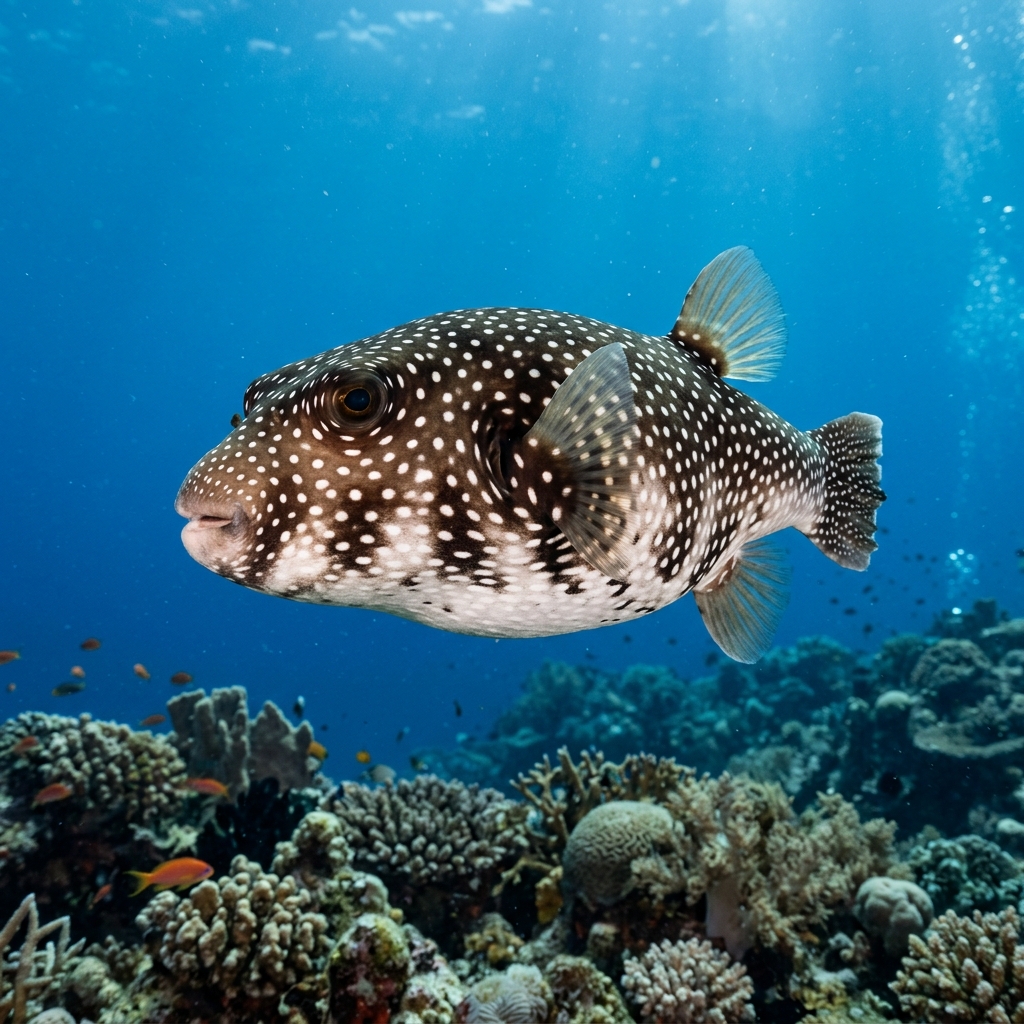
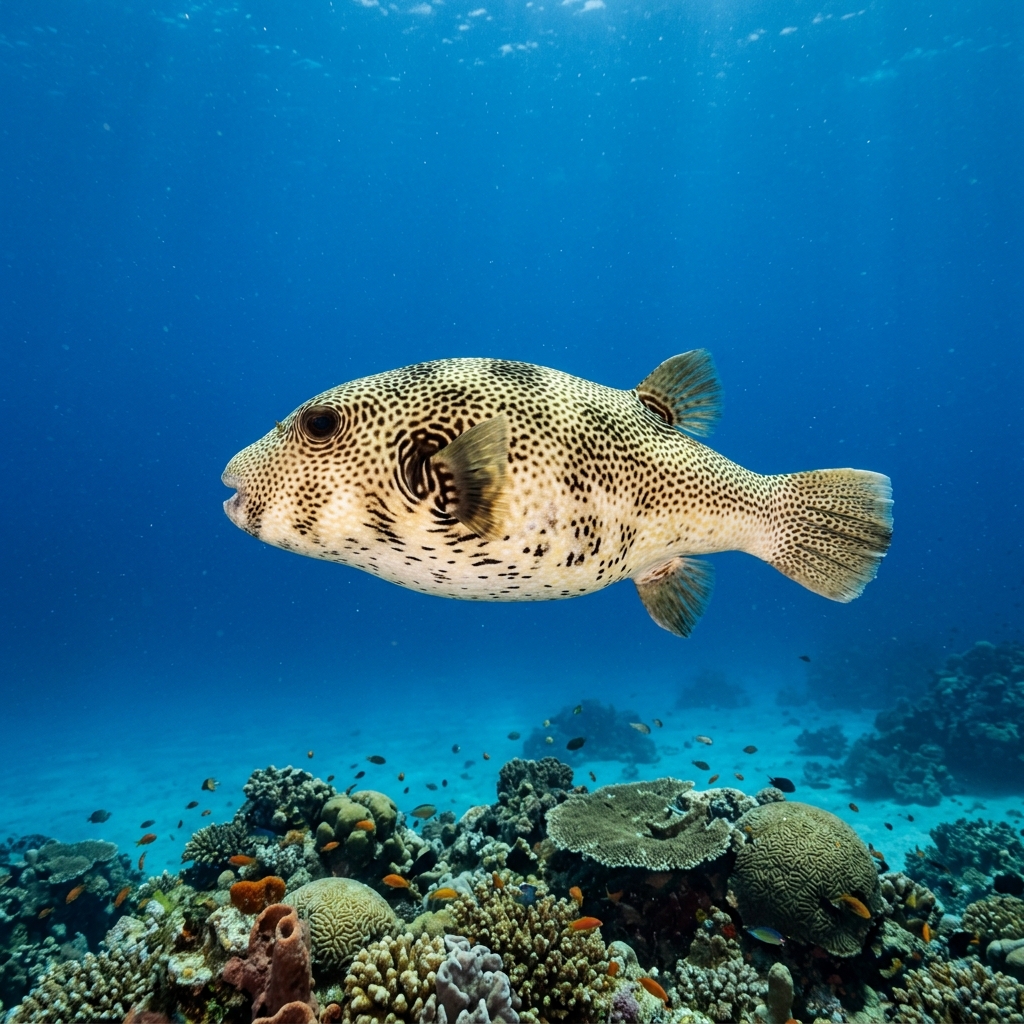
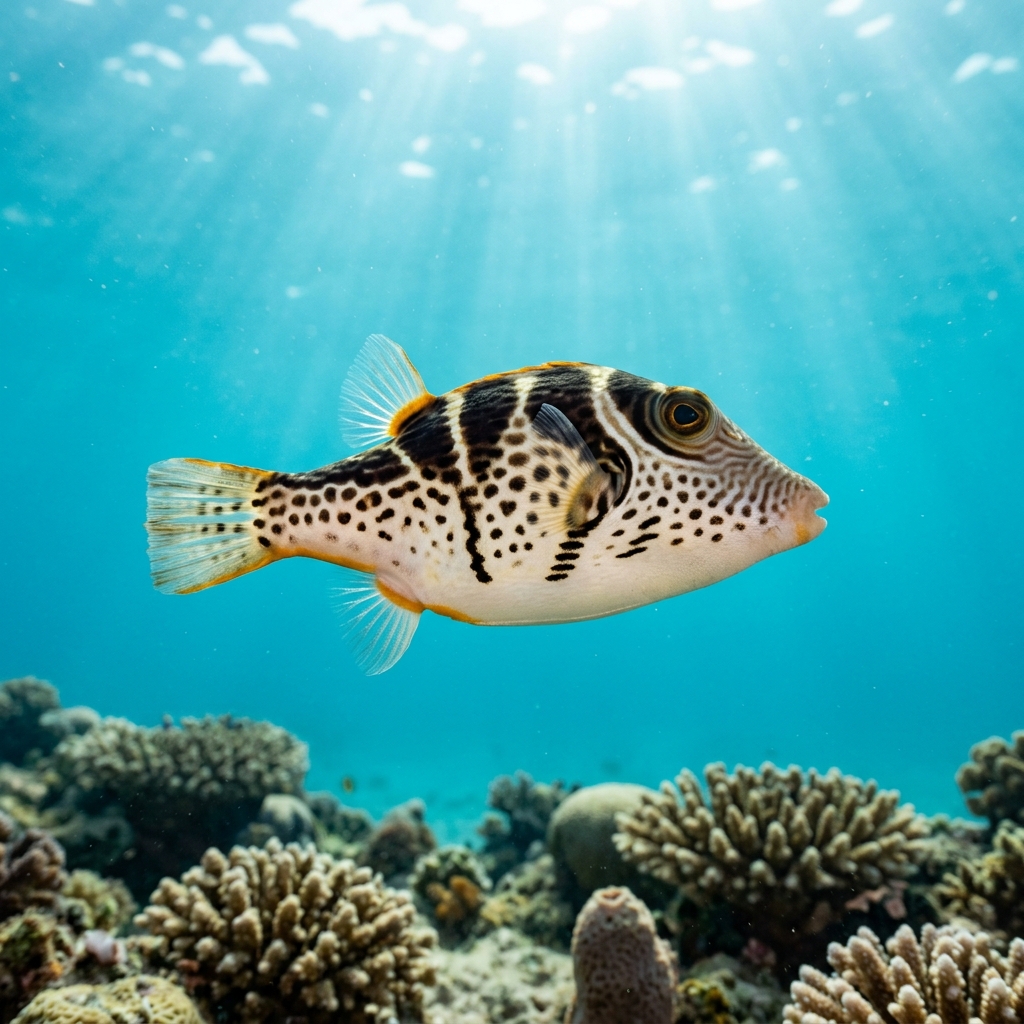
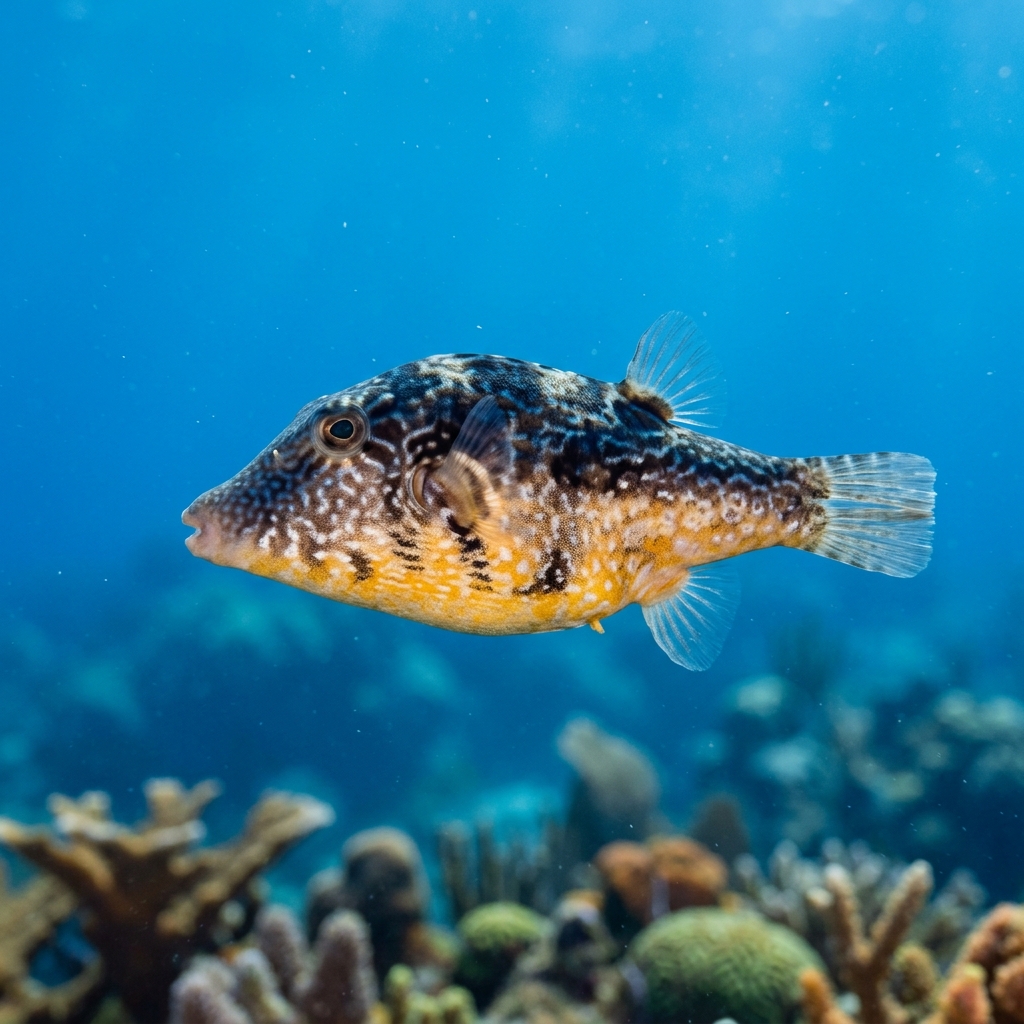
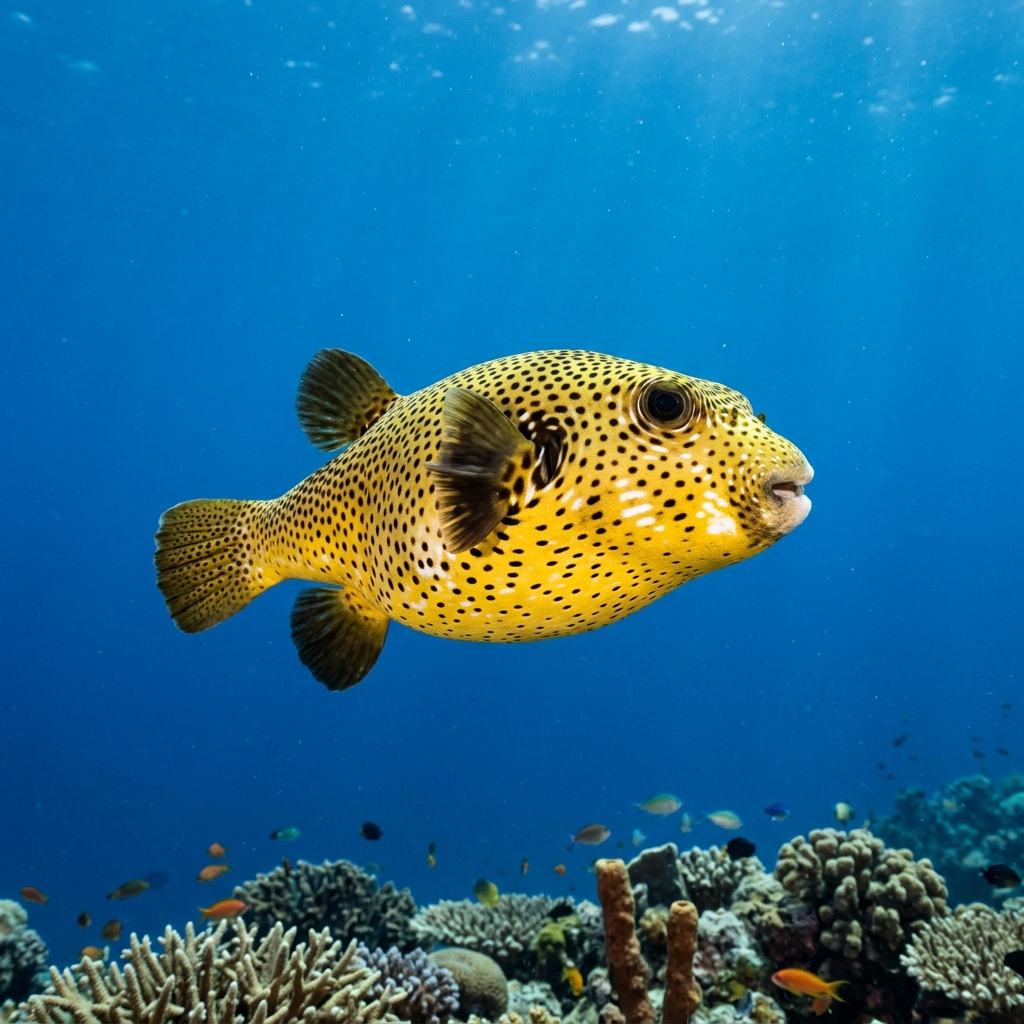
Reef neighbours a diver could mistake it for. Use the identification notes above to tell them apart.
This is an Australian endemic, logged across the country's southern and western coasts. Western Australia has by far the strongest sighting record, followed by New South Wales and South Australia. Tasmania and Victoria also produce sightings, making the cooler-water reefs of southern Australia the reliable core of its range.
Mapping where Weeping Toadfish is logged…
Weeping Toadfish are found exclusively in Australia. Western Australia holds the strongest sighting record, with New South Wales and South Australia also well represented. Tasmania and Victoria produce sightings too, so temperate reefs along the southern and western Australian coast are your best bet.
They are present year-round with no defined peak season. Their preference for cooler water between about 15 and 24 °C keeps them resident on temperate Australian reefs in every season, so timing your trip around other factors, visibility, sea conditions, makes more sense than chasing a specific month.
Look for a small (around 14 cm), round-bodied fish sitting on sandy or weedy seafloor with mottled brown-grey colouring and faint streaks along its sides. The most distinctive feature is its permanently downturned mouth, which gives the face a sad expression unlike most other small pufferfish.
Weeping Toadfish reach around 14 cm in length, small enough to be easily overlooked against a sandy or weedy bottom. Their compact, rounded body shape is typical of the pufferfish family.
No, they pose no threat to divers. They are shy fish that will retreat rather than confront. Like all pufferfish they carry tetrodotoxin internally, but this is only relevant if handled or consumed, neither of which a diver should do.
It belongs to the family Tetraodontidae, the pufferfish. Its closest confusable relative in Australian waters is the Smooth Toadfish, which shares similar size and habitat preferences. The downturned mouth and distinct side-line markings are the clearest separation from that species.
Site and sighting data is aggregated from diver logs, iNaturalist and GBIF. For taxonomy and conservation status:
Valentini Pufferfish
2,830 sites