Tetractenos glaber
Spot the smooth toadfish along Australia's southern coasts, from New South Wales to Tasmania, in cool 14-25 °C waters from August through March.
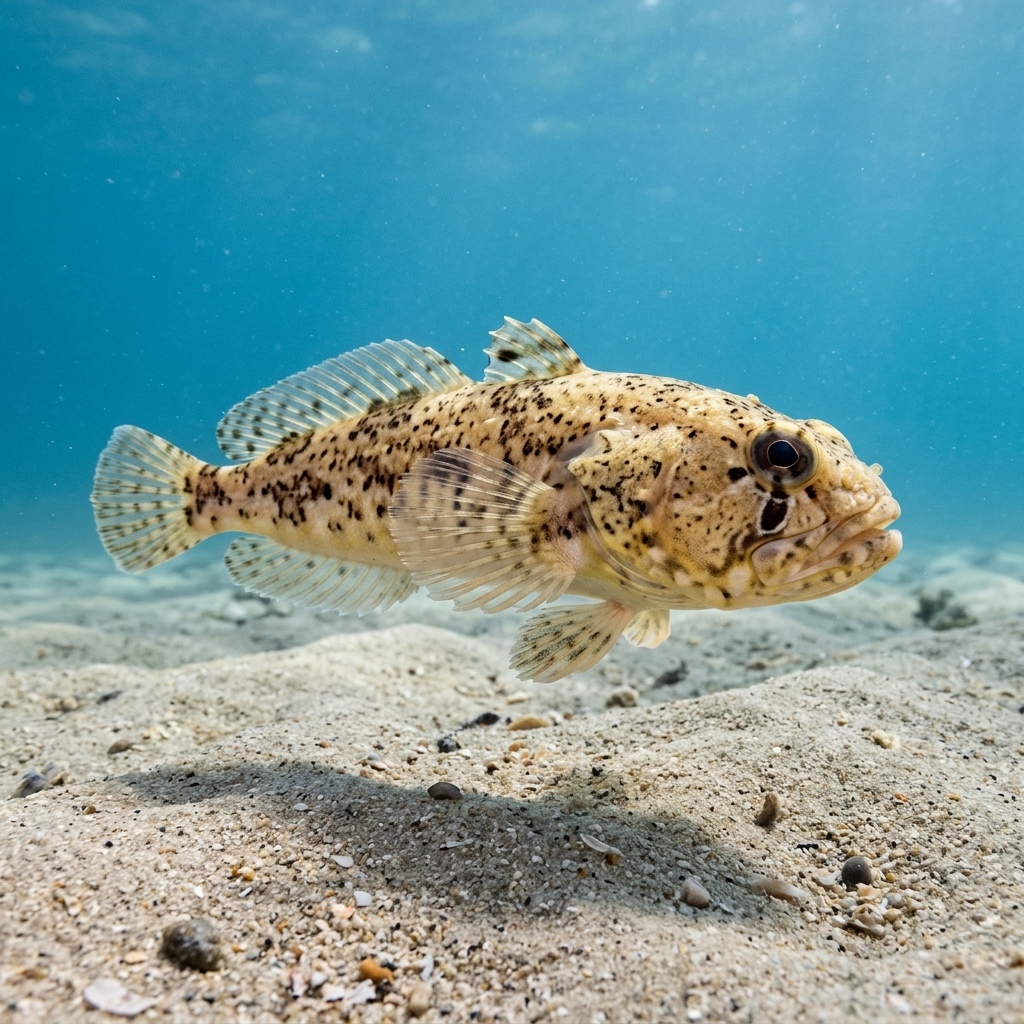
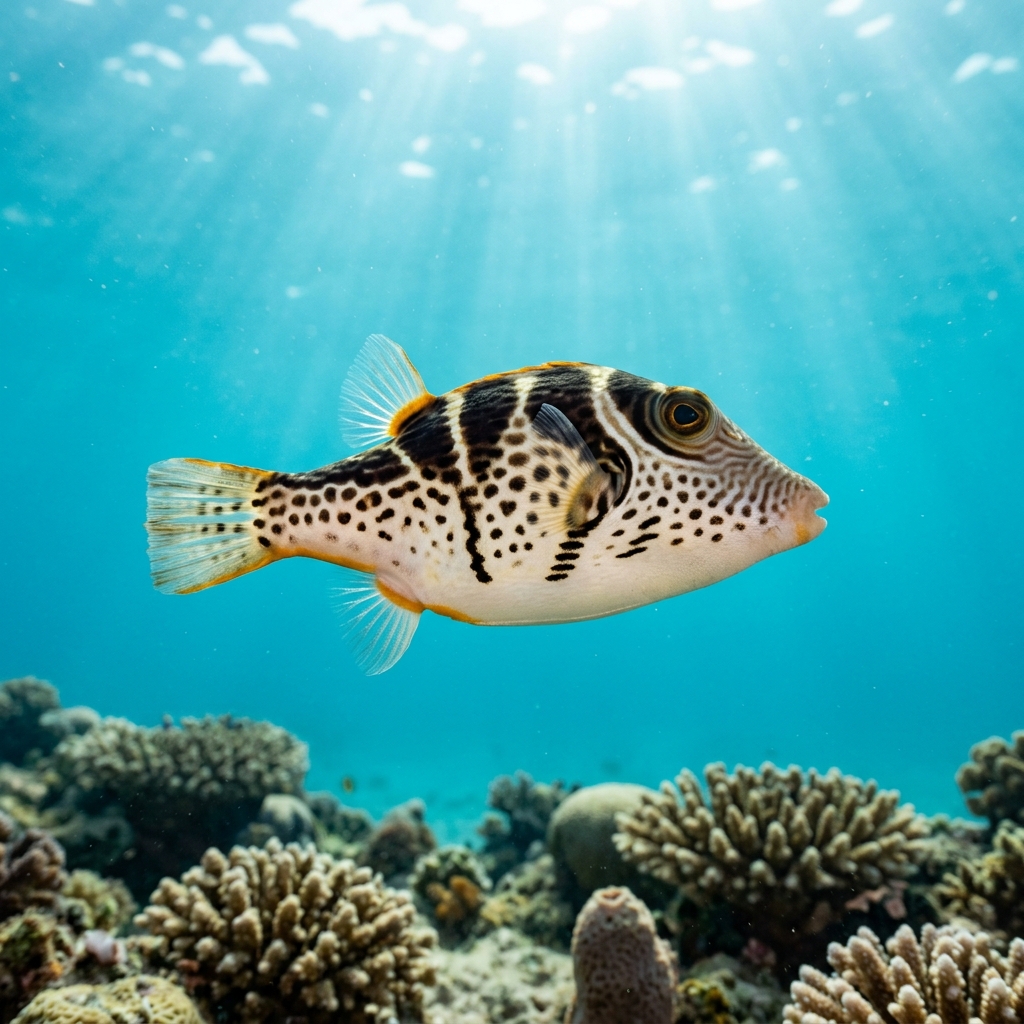
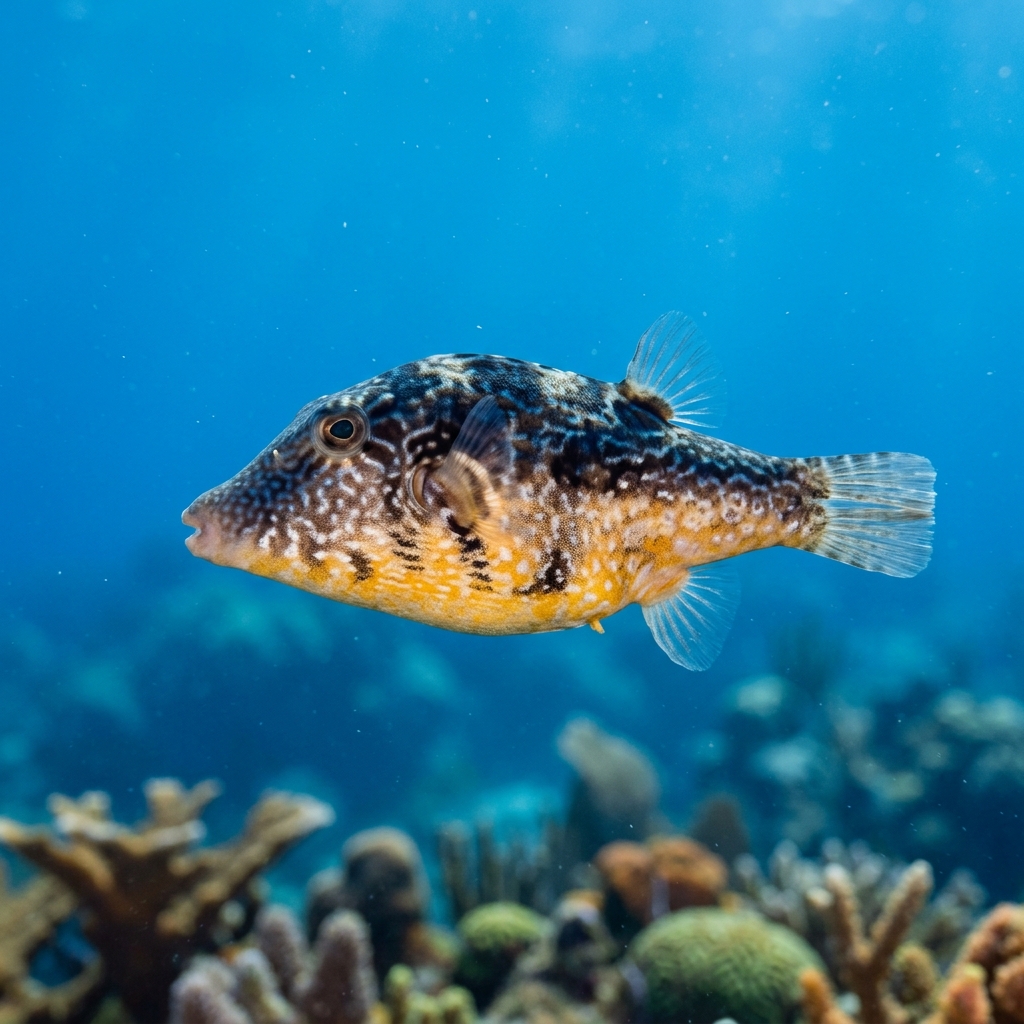
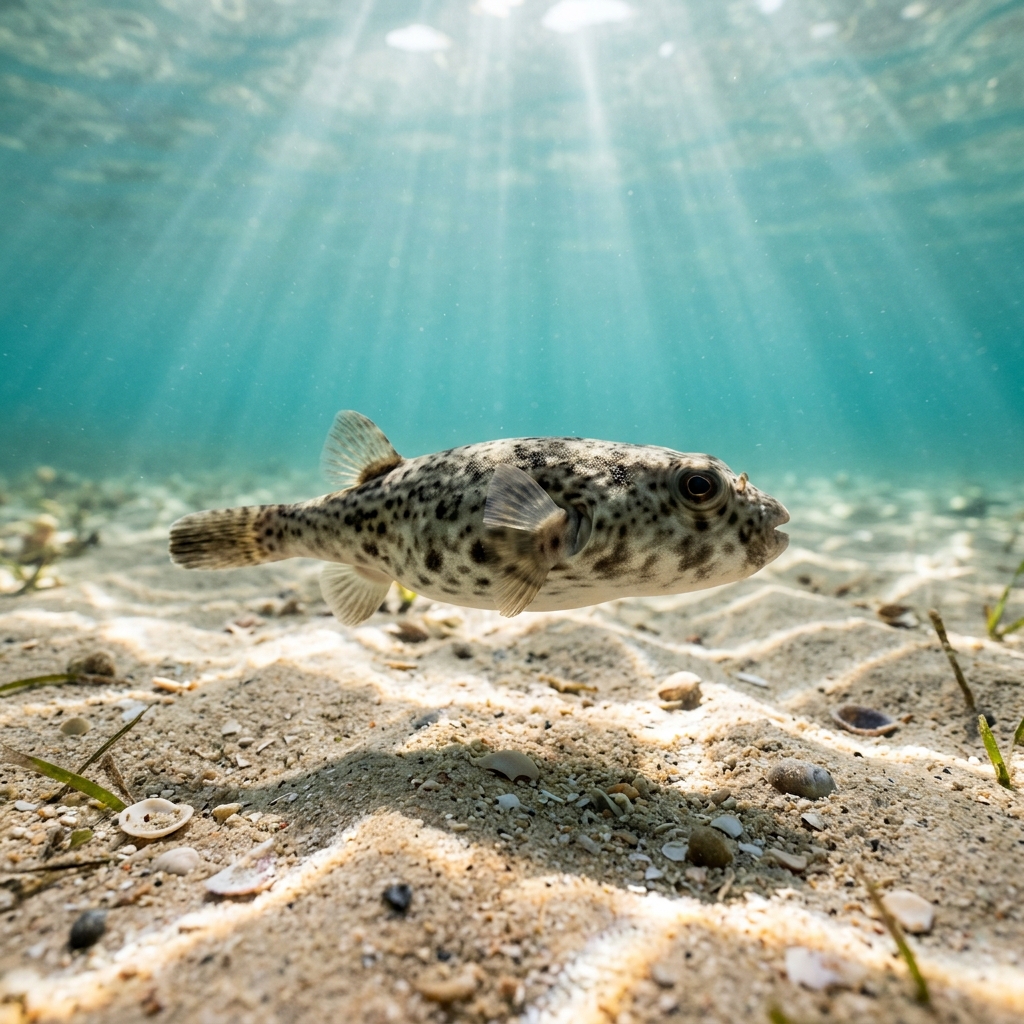
A palm-sized pufferfish, rarely exceeding 10 cm, with a rounded, blunt-snouted body and noticeably smooth skin that lacks the spines or obvious patterning of most of its relatives. Colouration is typically pale to mid-brown on the back, fading to a creamy or white belly, often with faint mottling that helps it blend into sandy or silty seabeds. Its compact shape and unmarked, spiny-free skin set it apart from the patterned puffers most divers know.
Expect to find one pottering slowly along the seabed or hovering just above sandy or silty substrate, paying you very little attention. Smooth toadfish are relaxed around divers and will generally carry on feeding or resting without bolting, which makes them easy to observe at close range. They are equally active by day or night given their bottom-dwelling lifestyle, so there is no magic hour for a sighting.
Like other pufferfish, the smooth toadfish can inflate its body by drawing in water, making itself harder for a predator to swallow. Despite its plain appearance it carries tetrodotoxin (a potent nerve toxin) in its organs, a defence shared across the family.
Sightings concentrate from August through to March across southern Australian sites, spanning late winter, spring, and summer when water temperatures sit in the 14-25 °C range that suits this species best.
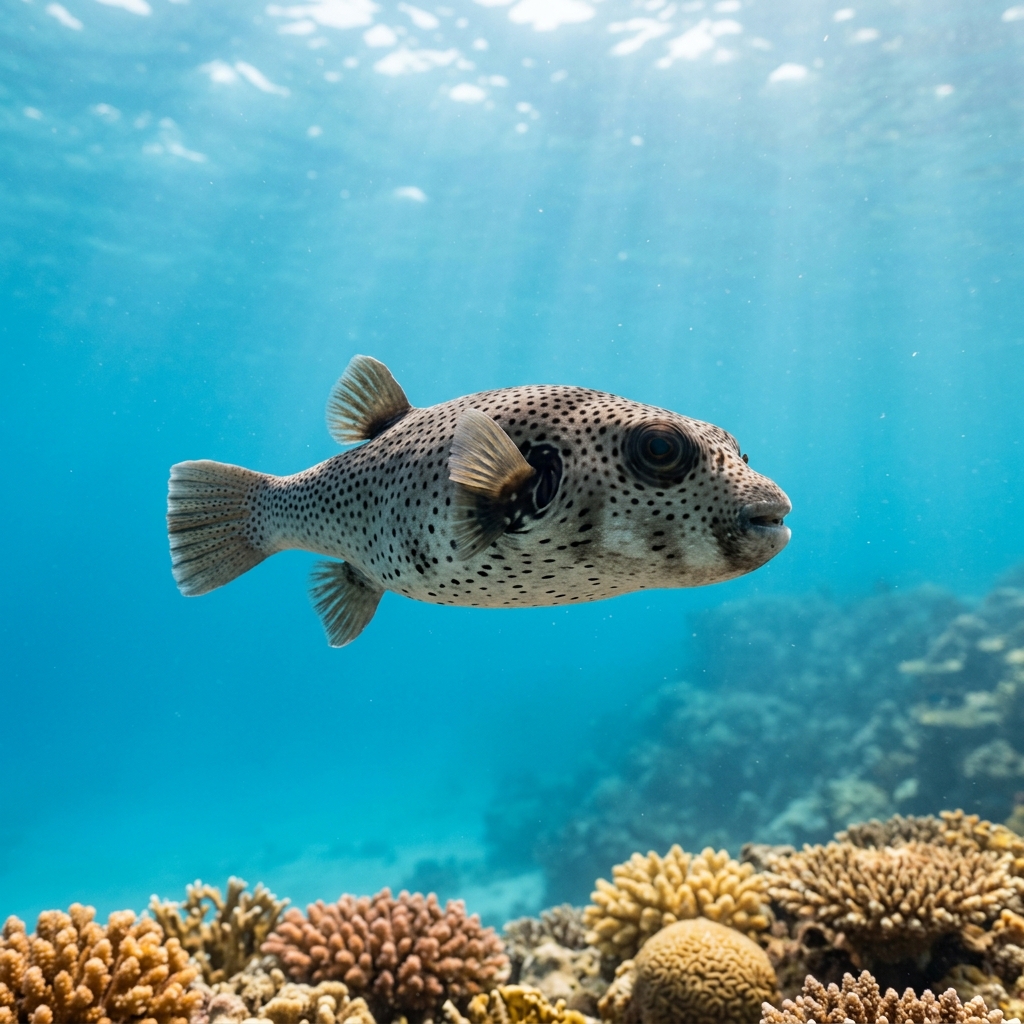
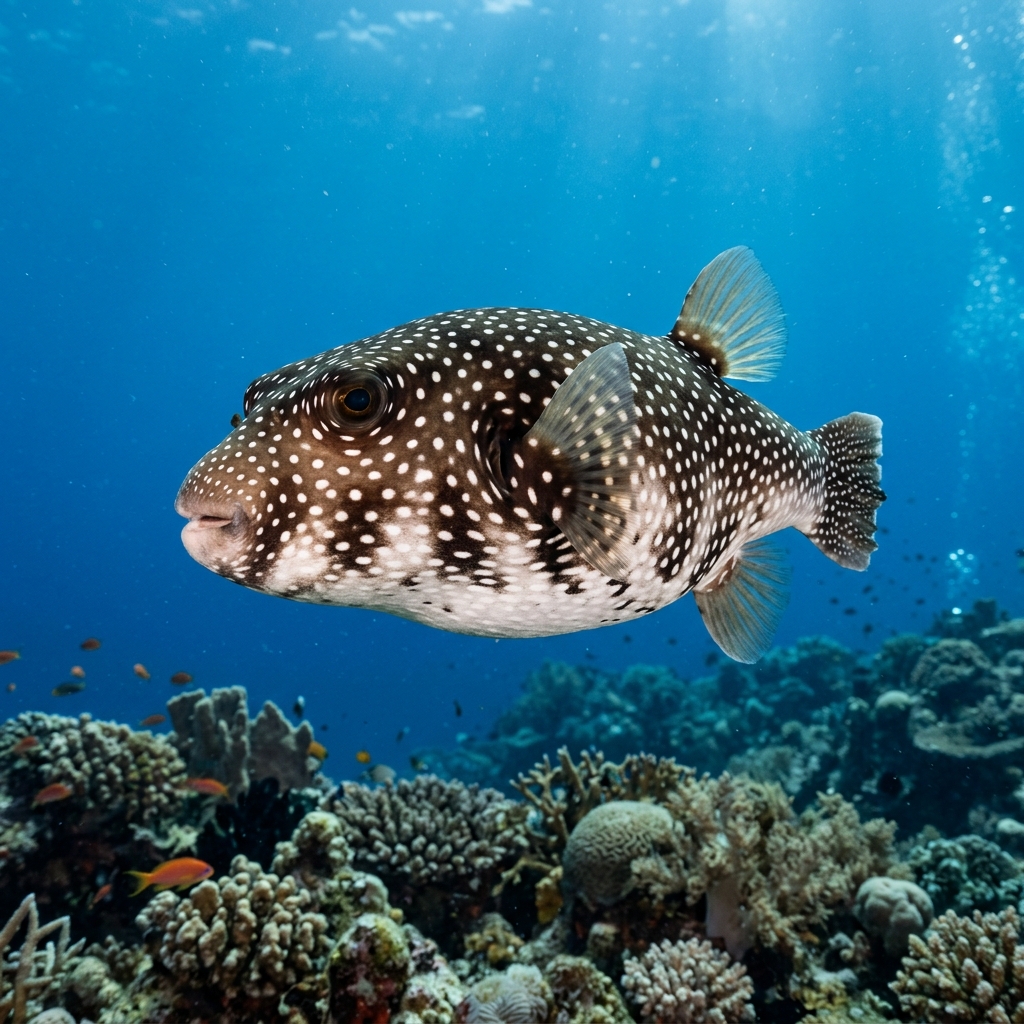
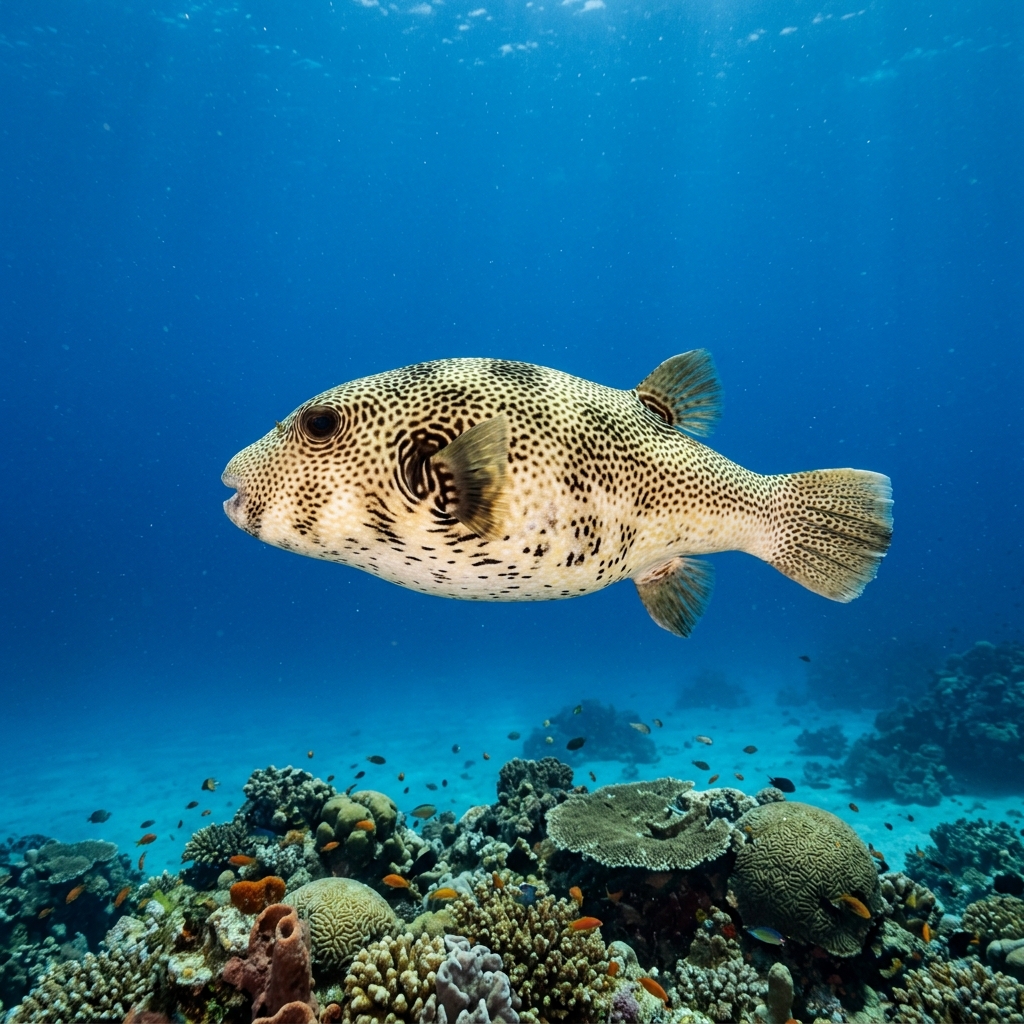
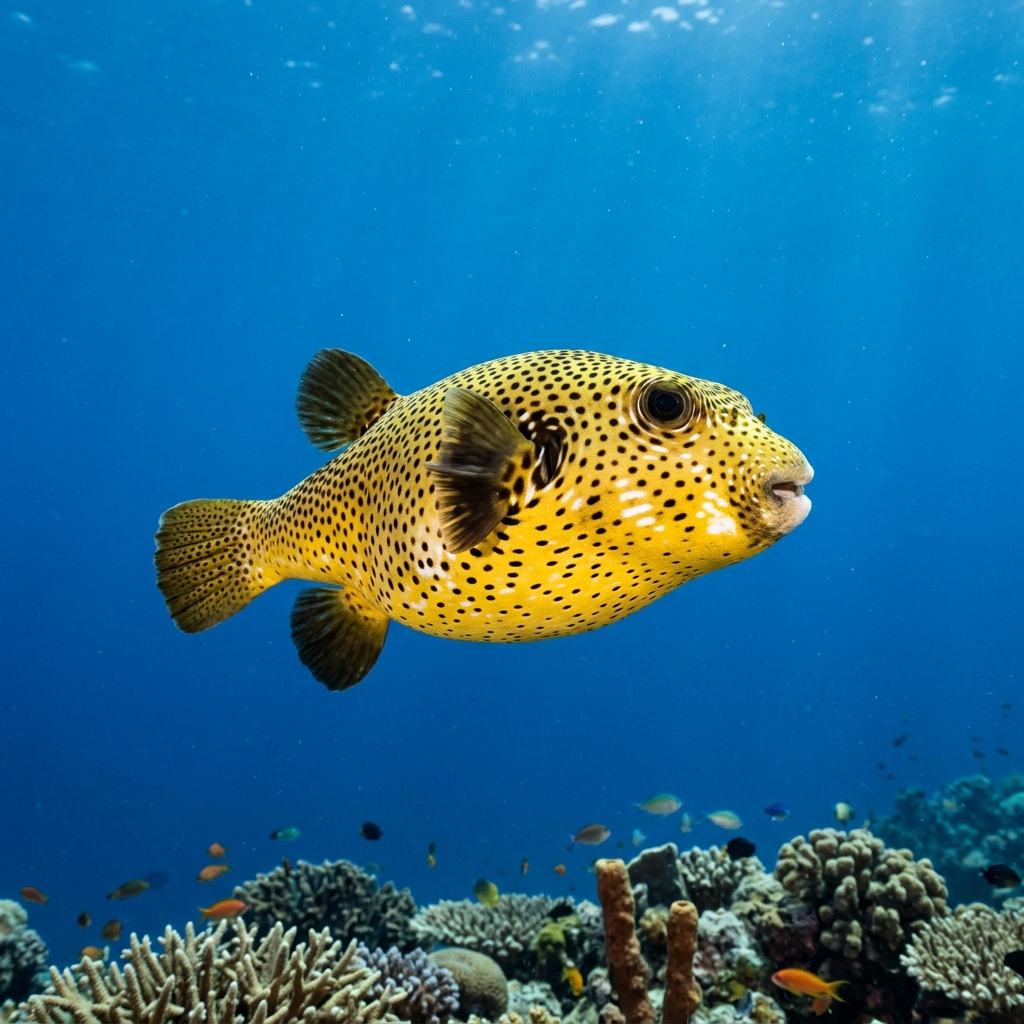
Reef neighbours a diver could mistake it for. Use the identification notes above to tell them apart.
Almost entirely an Australian endemic in divers' logs, with the strongest records coming from New South Wales and Victoria, followed by South Australia and Tasmania. Western Australia and Queensland produce sightings too, though less frequently. If you are diving the temperate south-east Australian coast, you are in the heart of its range.
Mapping where Smooth Toadfish is logged…
Smooth toadfish are logged almost exclusively in Australia, with the highest concentration of sightings in New South Wales and Victoria. South Australia and Tasmania are also reliable areas, and there are records from Western Australia and Queensland. Temperate, shallow coastal sites along the south-east coast give you the best shot.
Sightings peak between August and March across southern Australian dive sites. This window covers the tail end of winter through to early autumn, when conditions in their preferred 14-25 °C temperature range are most stable.
Look for a small (around 10 cm), blunt-snouted fish with a rounded puffer-style body and unusually smooth skin with no obvious spines or bold patterning. It is pale to mid-brown on top and whitish underneath, often sitting quietly on the sand. The combination of smooth skin and plain colouration distinguishes it from most other pufferfish.
They are small fish, typically around 10 cm in length. That is roughly the size of a large prawn, so scan the seabed carefully as they can be easy to overlook against sandy substrate.
No. They are placid and show no aggression towards divers. However, like all pufferfish, they carry tetrodotoxin in their internal organs, so they should never be handled or harassed. Observe from a respectful distance and you have nothing to worry about.
Site and sighting data is aggregated from diver logs, iNaturalist and GBIF. For taxonomy and conservation status:
Valentini Pufferfish
2,830 sites