Neopomacentrus violascens
A small violet-tinted damselfish most reliably logged around Nouméa, New Caledonia and the Philippine Visayas in 26-29C water.
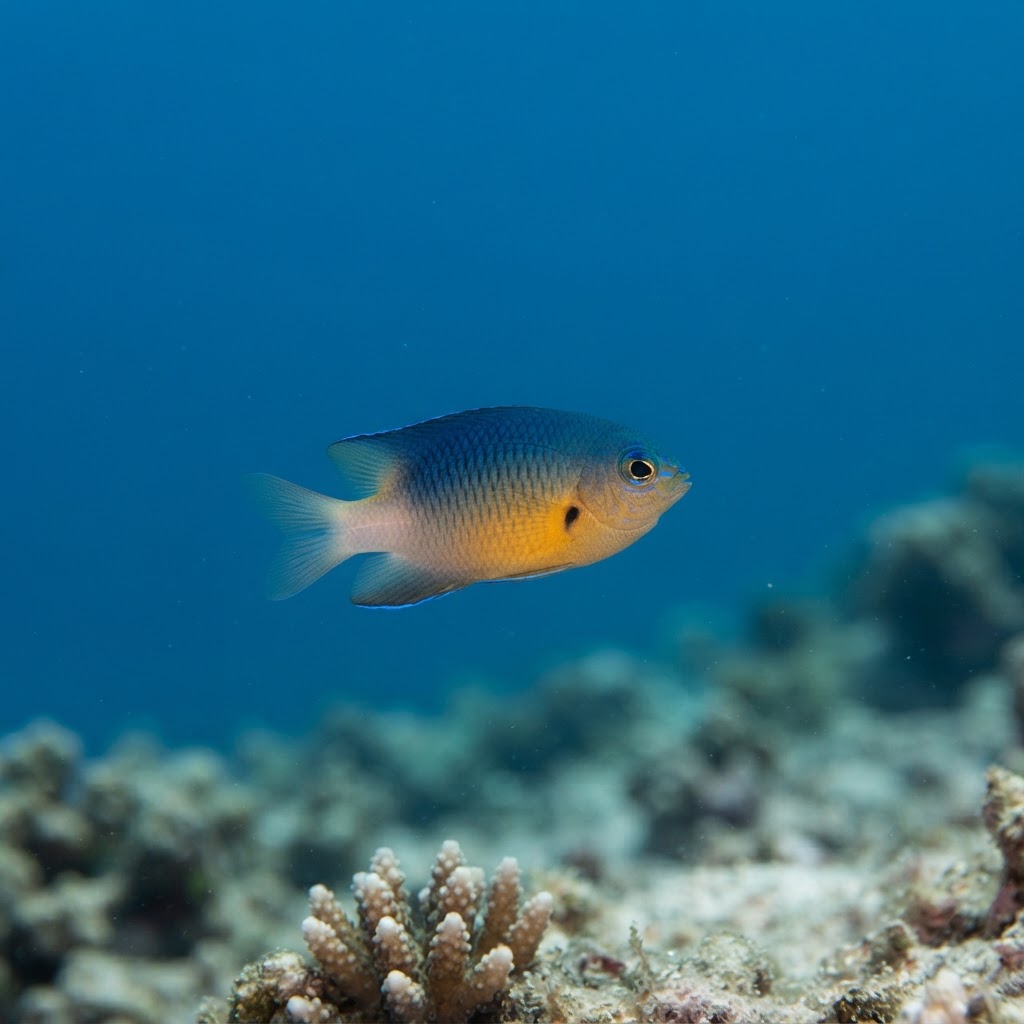
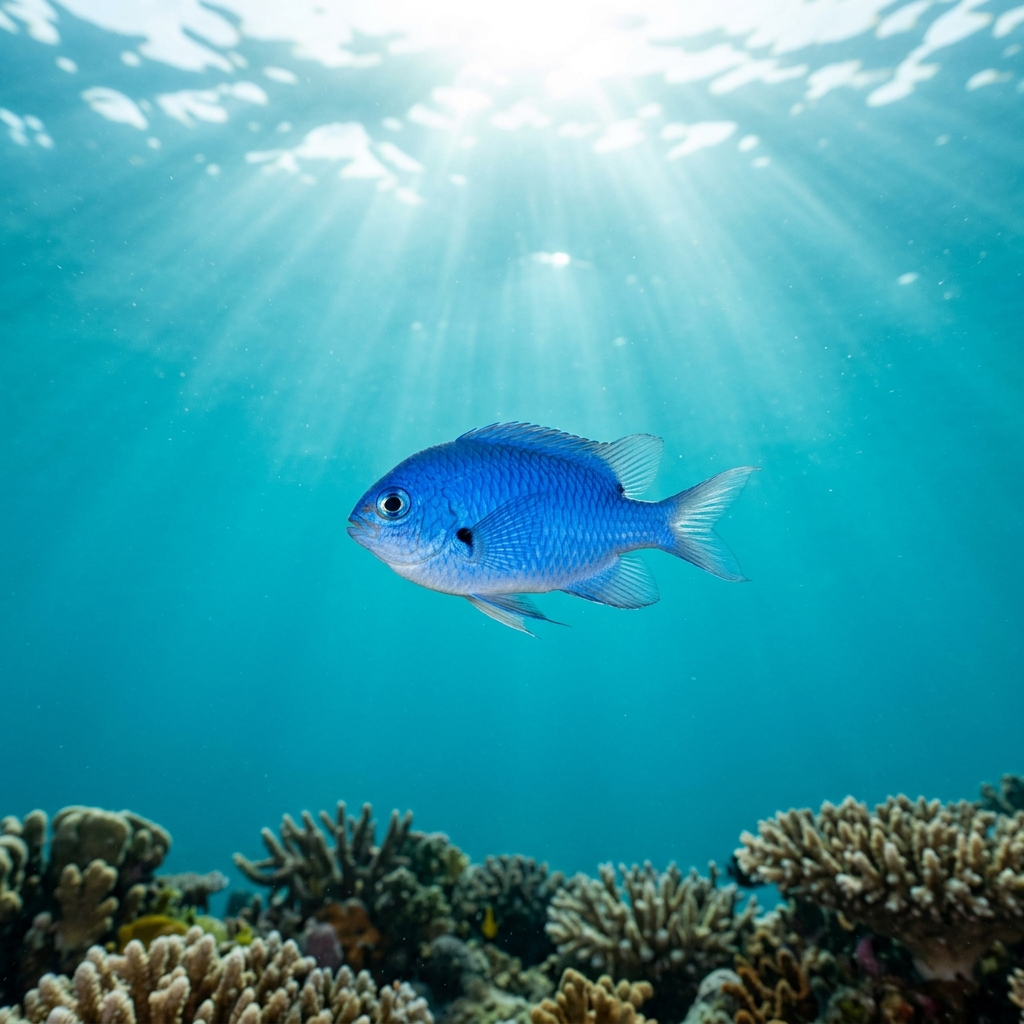
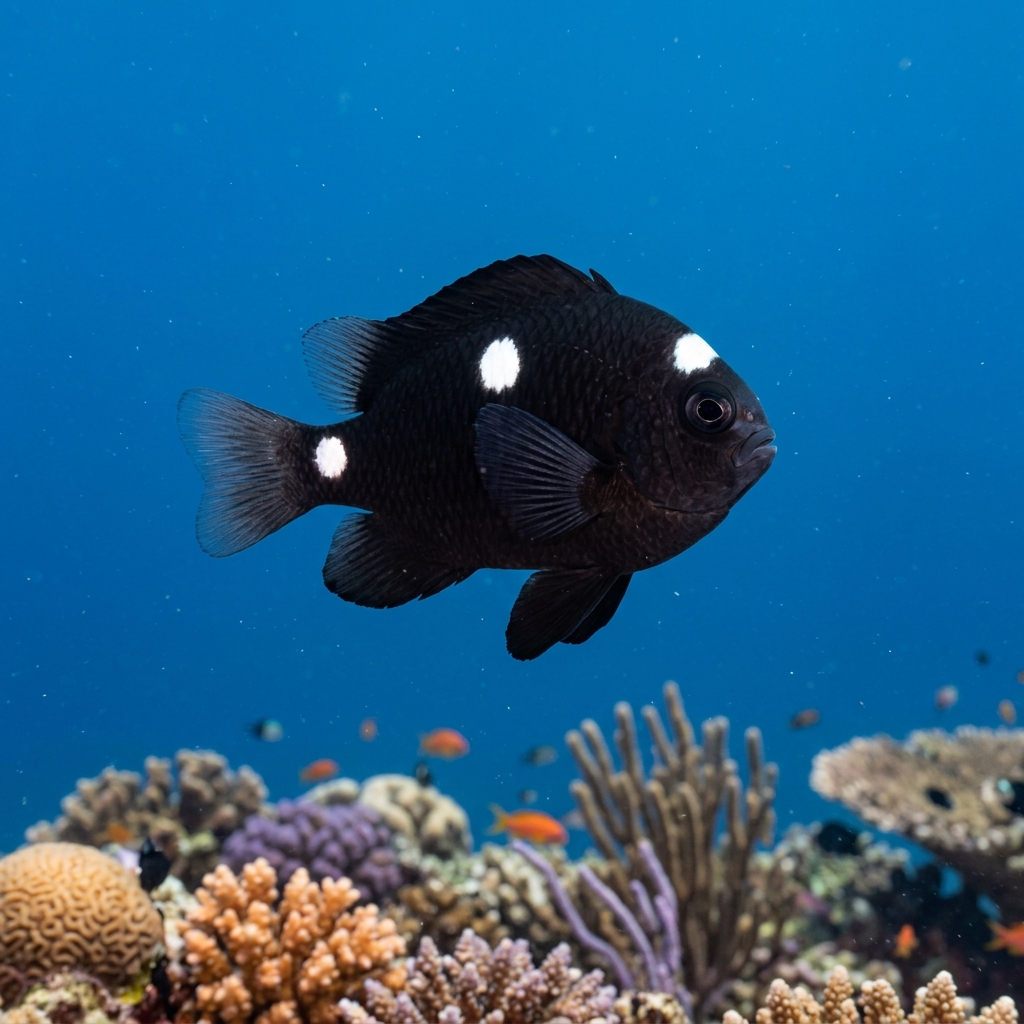
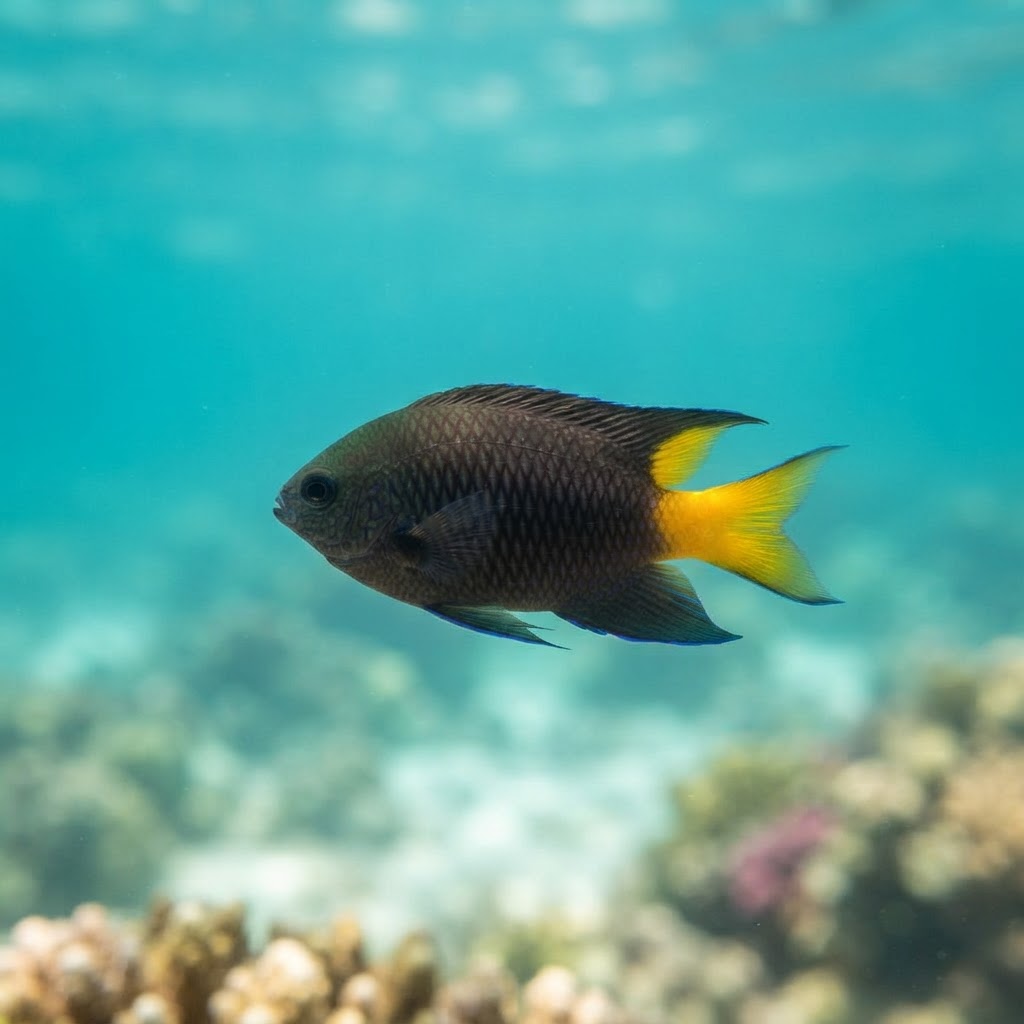
A slim, small damselfish that tops out around 6 cm, with a body wash of pale violet to bluish-grey that catches the light differently depending on angle. Look for a slightly forked tail and the fine, almost translucent fins typical of Neopomacentrus damsels rather than any single bold blotch or bar. It moves in small, loose groups rather than sitting alone, which helps separate it from bolder solitary damsels on the same patch of reef.
Typically seen hovering in loose little groups just off the reef structure, picking at drifting plankton in the water column rather than darting into crevices like territorial damsels. Divers report it as uncommon at most sites it turns up at, so it is more of a nice spot than a given, though a couple of New Caledonia sites see it often enough to call it common. It tends to hold its position over the reef rather than fleeing at the first sight of a diver, letting you get a reasonably close look if you approach slowly.
Like other Neopomacentrus damsels, it feeds mainly on plankton picked straight out of the water column, which is why you usually see it hanging just above the reef rather than grazing algae off the rock like territorial damselfish.
Sightings show no clear seasonal pattern, and with a comfortable range of 26.1 to 29.3C this is a year-round fish on the reefs where it occurs rather than a seasonal visitor.
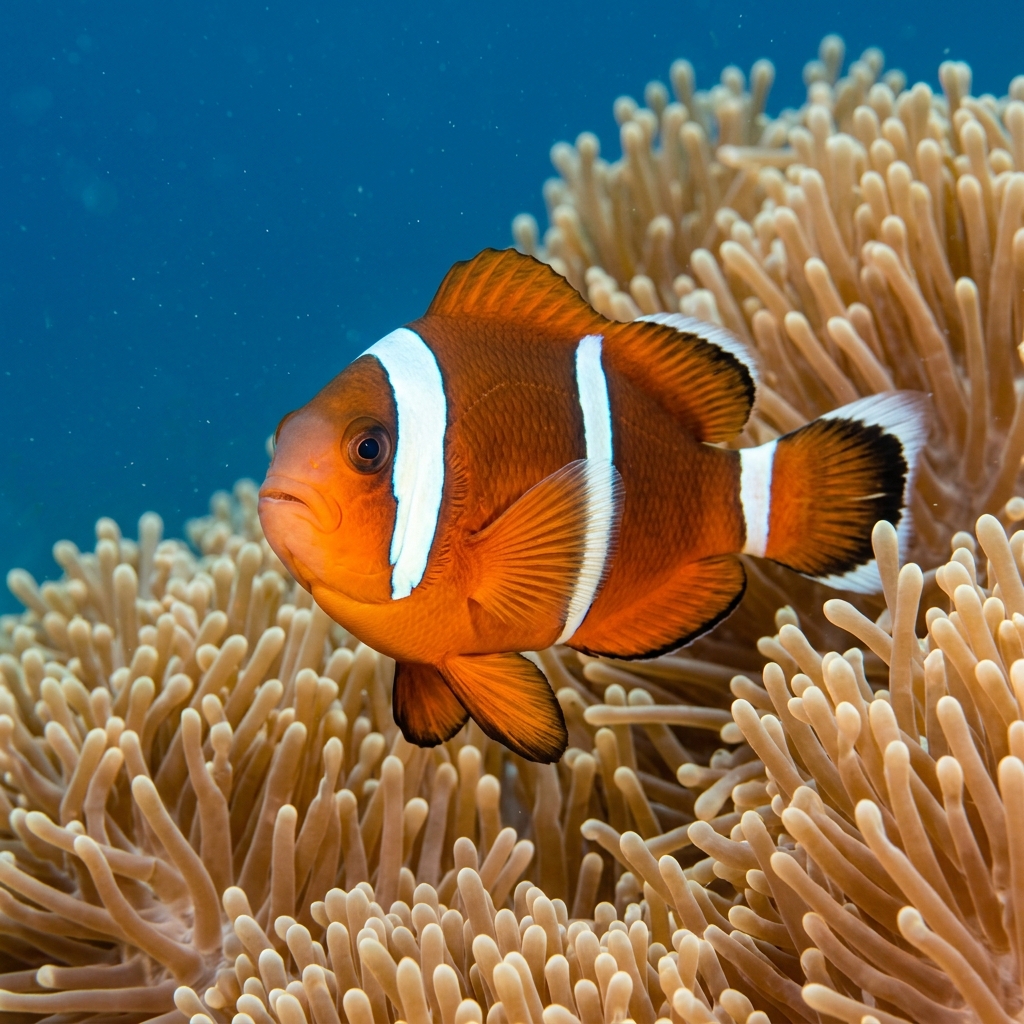
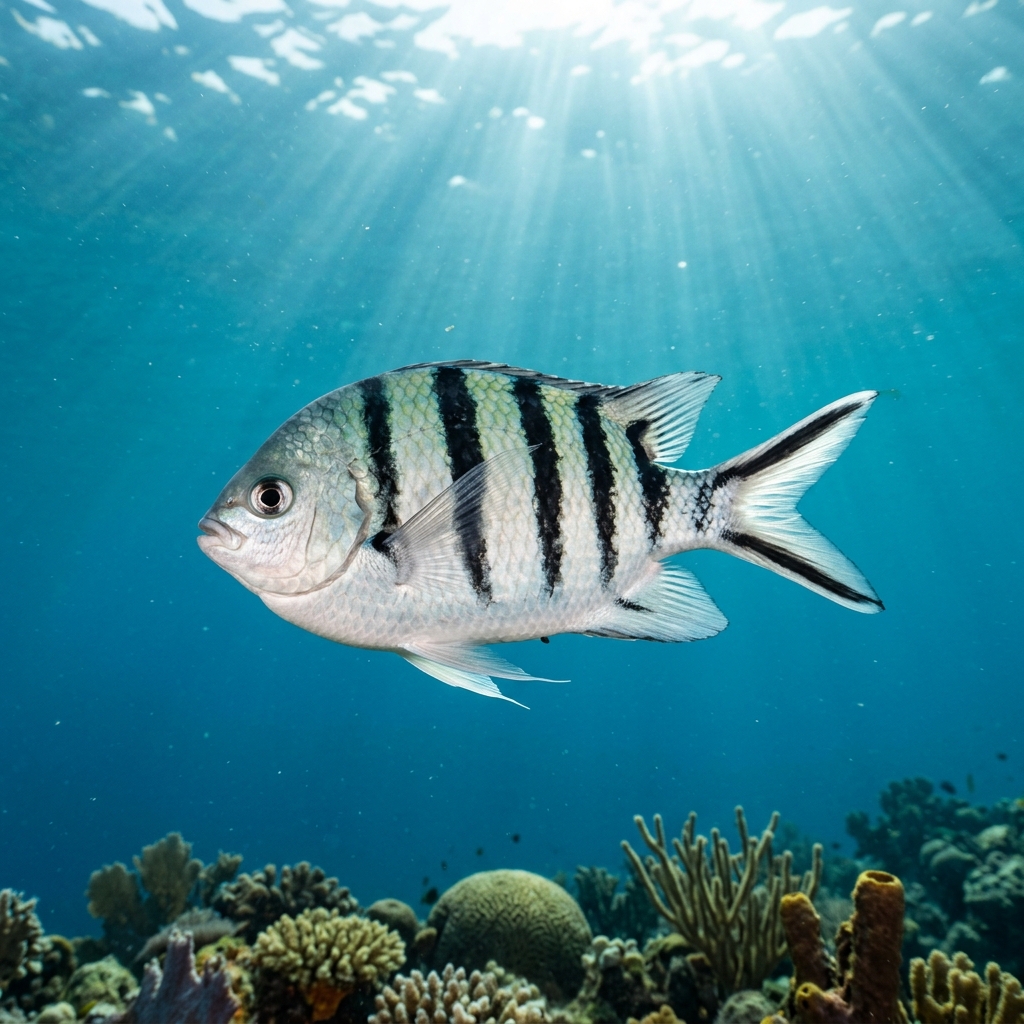
Reef neighbours a diver could mistake it for. Use the identification notes above to tell them apart.
Most consistently logged around Nouméa in New Caledonia, which accounts for the bulk of recorded sightings, with a further cluster of sites in the Visayas region of the Philippines. A single site near Dili in Timor-Leste rounds out the current spread, so New Caledonia is the strongest bet if you want a reliable look at this one.
Mapping where Violet Demoiselle is logged…
The strongest sightings come from around Nouméa in New Caledonia, with additional records from the Visayas region of the Philippines and one site near Dili in Timor-Leste.
There is no detected seasonal pattern in sightings, and it tolerates a stable warm range of 26.1 to 29.3C, so it can turn up on the same reefs any month of the year.
Look for a small, slender damselfish around 6 cm with a violet to bluish-grey body and a forked tail, usually seen hovering in loose small groups over the reef rather than sitting alone in a crevice.
They stay small, reaching around 6 cm in length, which is typical for damselfish in the Neopomacentrus genus.
No, they pose no danger to divers and simply go about feeding in the water column near the reef.
Most sites that log it describe it as uncommon, with only two sites, both in New Caledonia, reporting it as common, so treat any sighting as a nice bonus rather than a guarantee.
Site and sighting data is aggregated from diver logs, iNaturalist and GBIF. For taxonomy and conservation status:
Dascyllus
3,697 sites