Sclerodoris tuberculata
A rare nudibranch find in Mindanao, Philippines and Bali reefs, thriving in warm 25-31C water year-round.
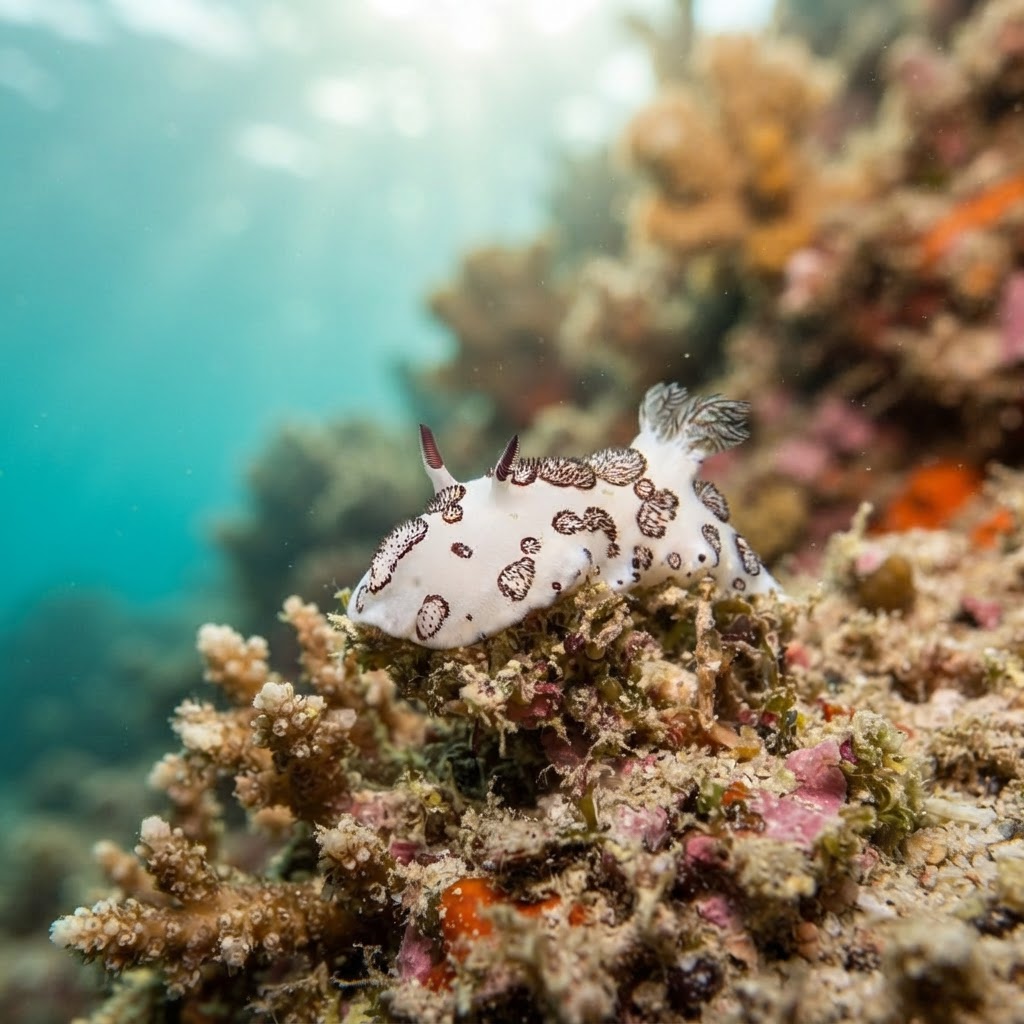
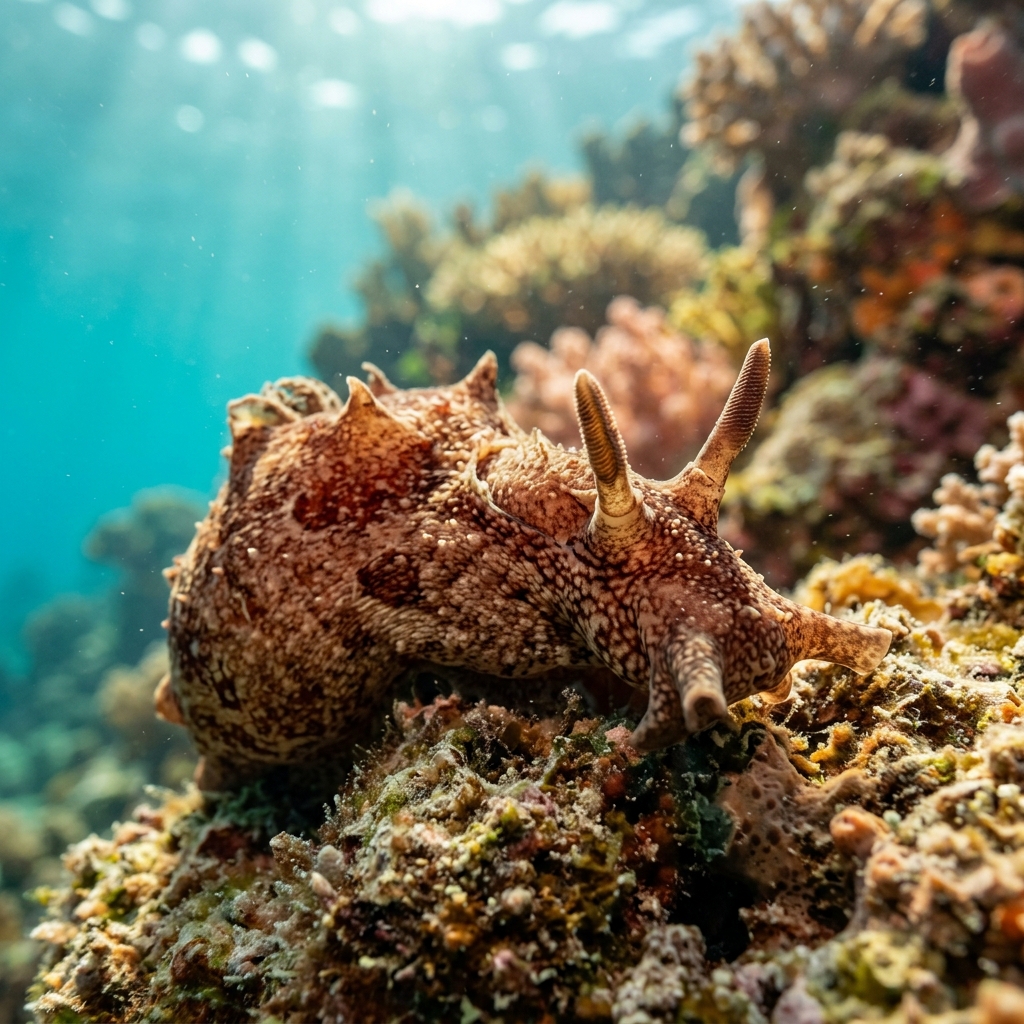
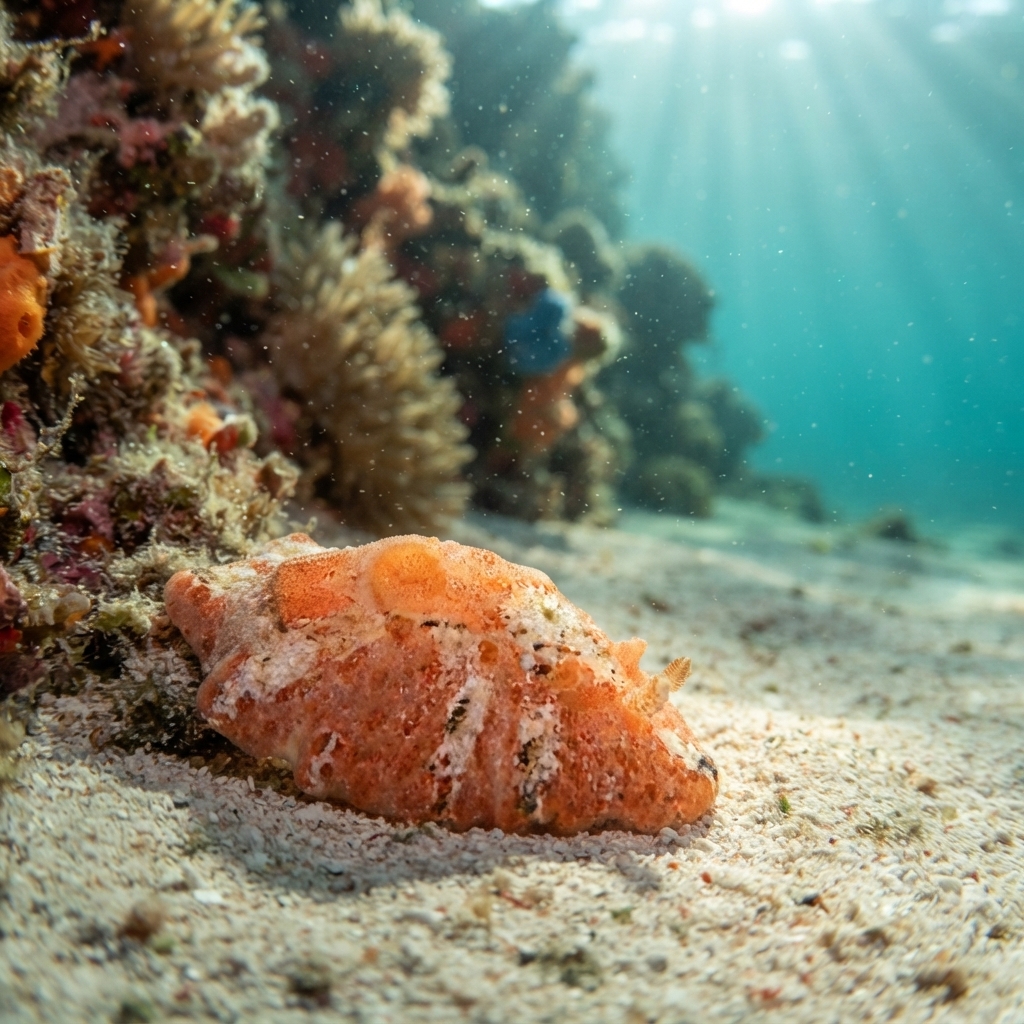
Recognisable by a warty, tubercle-covered body that gives it a rough, granulated look rather than the smooth skin of many dorid nudibranchs. Colour runs variable (hence the name), typically in muted cream, grey or brown tones that blend into rubble and sponge-covered substrate. Look for the raised bumps across the mantle and a broad, low profile close to the reef floor rather than any bold stripe or spot pattern.
Found slow-crawling over reef substrate and rubble where it grazes, doing little to react to divers beyond continuing its unhurried pace across the bottom. It is logged as rare to uncommon at every site that has recorded it, so sightings tend to come from divers actively scanning rubble patches and sponge-covered surfaces rather than spotting it in open water.
Like other discodorid nudibranchs, its warty tubercled skin likely helps it blend against encrusting sponges and rubble, the same substrate it is thought to feed on.
No clear seasonal pattern shows up in the sightings, and with a comfortable range of 25.4 to 31.4C it has no reason to disappear in any particular month, so treat it as a year-round possibility on Philippine and Indonesian reefs.
Reef neighbours a diver could mistake it for. Use the identification notes above to tell them apart.
Most reliably logged around Mindanao in the Philippines, which accounts for the bulk of recorded sightings, with Luzon adding a further Philippine record. Bali in Indonesia is the other confirmed spot, so between the two countries this is very much a Coral Triangle species on divers' logs.
Mapping where Variable Granulated Dorid is logged…
Mindanao in the Philippines has produced the most sightings, with further records from Luzon and from Bali in Indonesia. It is a Coral Triangle species best searched for on Philippine and Indonesian reefs.
There is no detected season in the sighting data, and it sits comfortably in 25.4 to 31.4C water, so it can turn up on a dive at any time of year.
Check for a bumpy, tubercle-covered body in muted cream, grey or brown tones, hugging rubble or sponge-covered substrate. It lacks the bold colour bands of many reef nudibranchs, relying instead on its rough texture for camouflage.
Exact size data is not confirmed for this species, so divers should judge scale against nearby rubble and sponge for reference underwater.
Yes, it is logged as rare at most sites where it has been recorded, with a handful of sites reporting it as uncommon. Spotting one takes a slow, close look at rubble and sponge patches rather than a casual reef scan.
Site and sighting data is aggregated from diver logs, iNaturalist and GBIF. For taxonomy and conservation status:
Light-spotted Aegires
3,168 sites