Ecsenius dilemma
Tiny reef blenny logged around Luzon, Philippines, in warm 28.5 to 29 C water. Here's how to spot it and where divers actually find it.
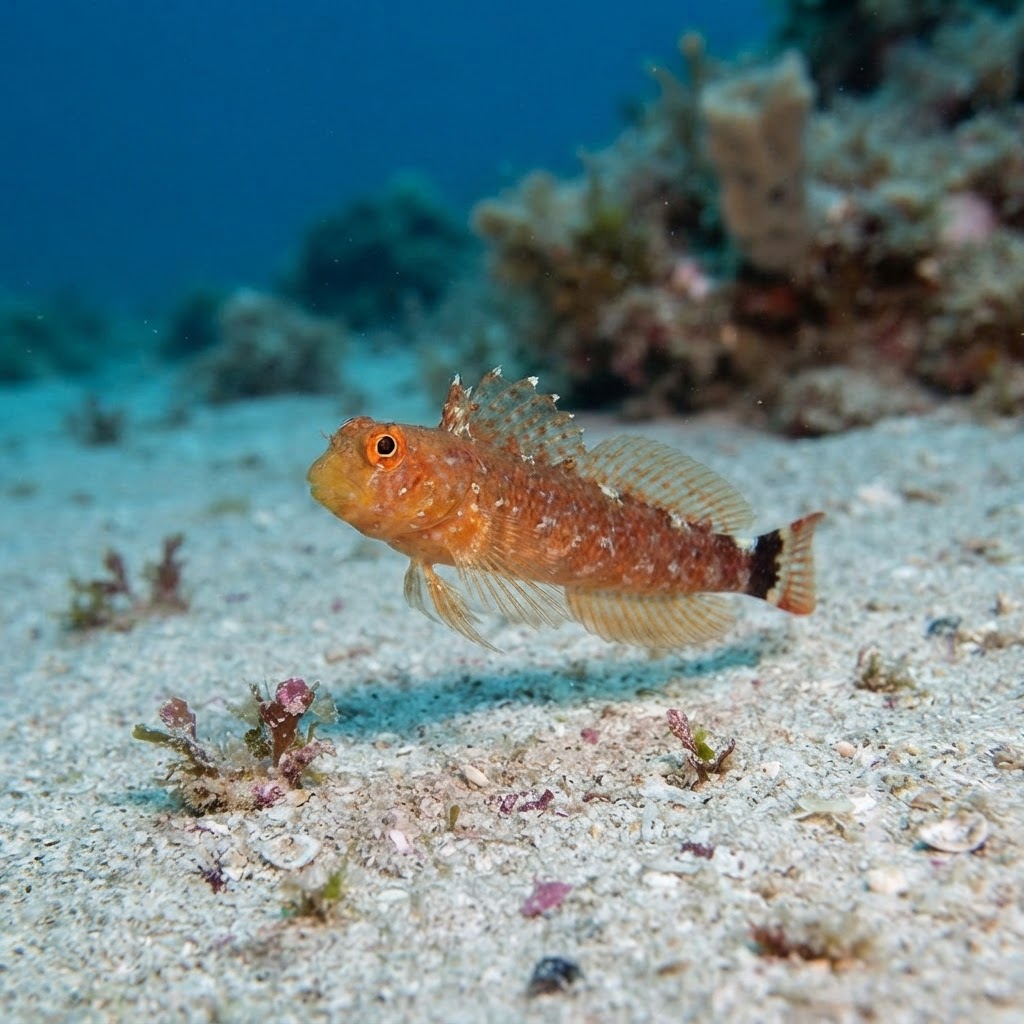
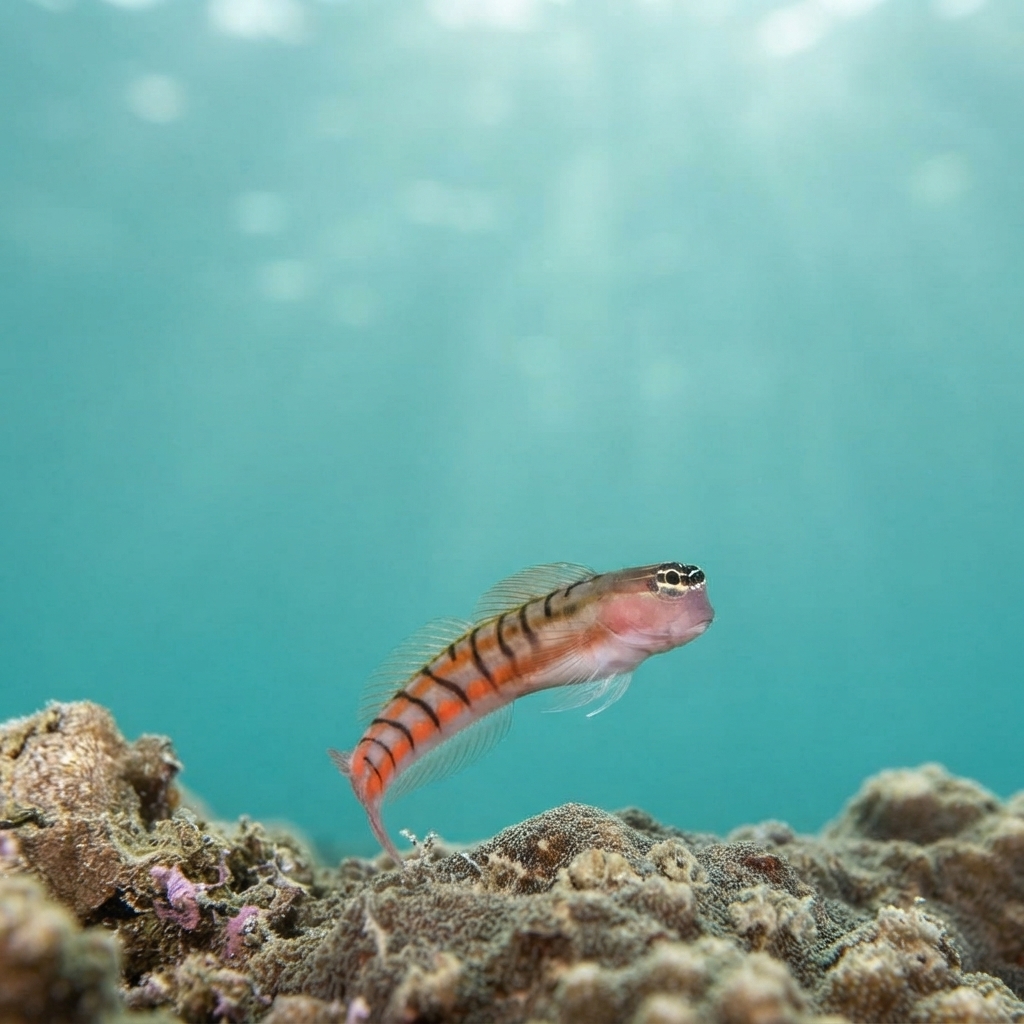
Barely 2 centimetres long, this blenny is easy to swim straight past unless you slow down and scan bare rubble and coral rock. It has the classic coralblenny build: a stubby, tapered body that sits propped on its pectoral fins rather than swimming freely, with a blunt head and large eyes set high. Look for a mottled, two-toned patterning along the body rather than any single bold stripe, which is what gives it the common name.
Like other coralblennies, expect it perched motionless on rubble or dead coral, using its large eyes to track passing divers rather than swimming off. It holds its ground with short darts between perches instead of fleeing into the reef, so a patient, slow-moving diver gets the best look. Divers report it as an uncommon find even at sites where it's known to occur, so treat any sighting as a bonus rather than a given.
Coralblennies like this one lack scales and rely on camouflage and stillness rather than speed, which is exactly why they're so easy to miss on a reef scan.
Sightings show no clear seasonal pattern, and the water it's been recorded in sits consistently between 28.5 and 29.2 C, typical of Luzon's reefs year-round. There's no reason to target a particular month; go whenever you're diving the region.
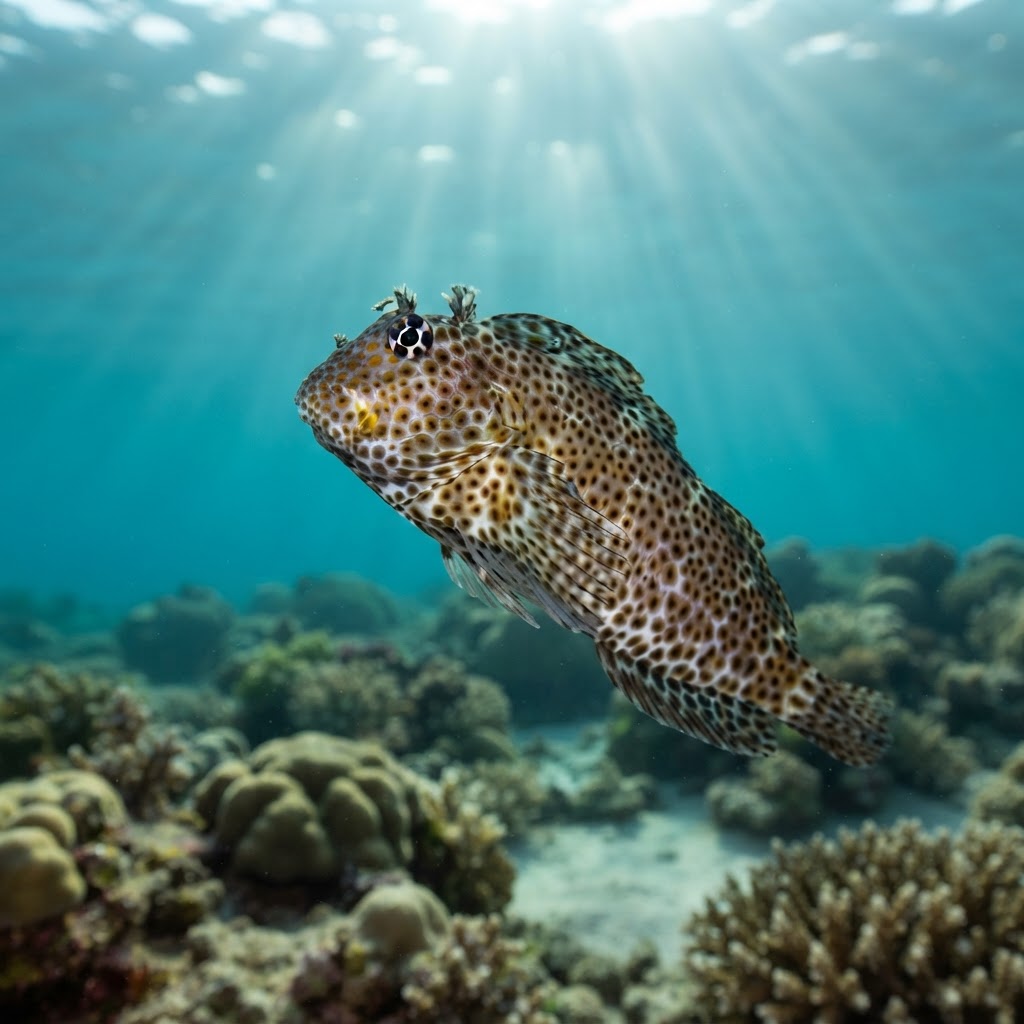
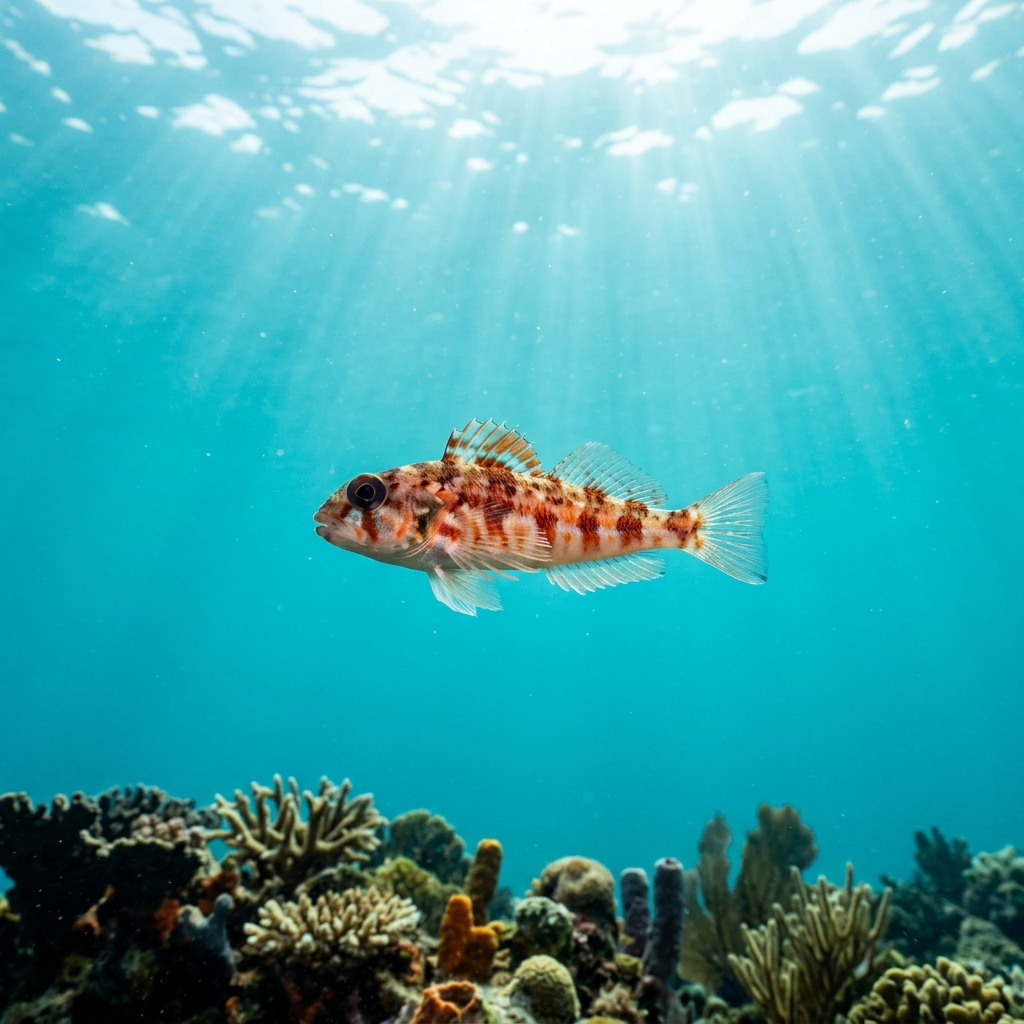
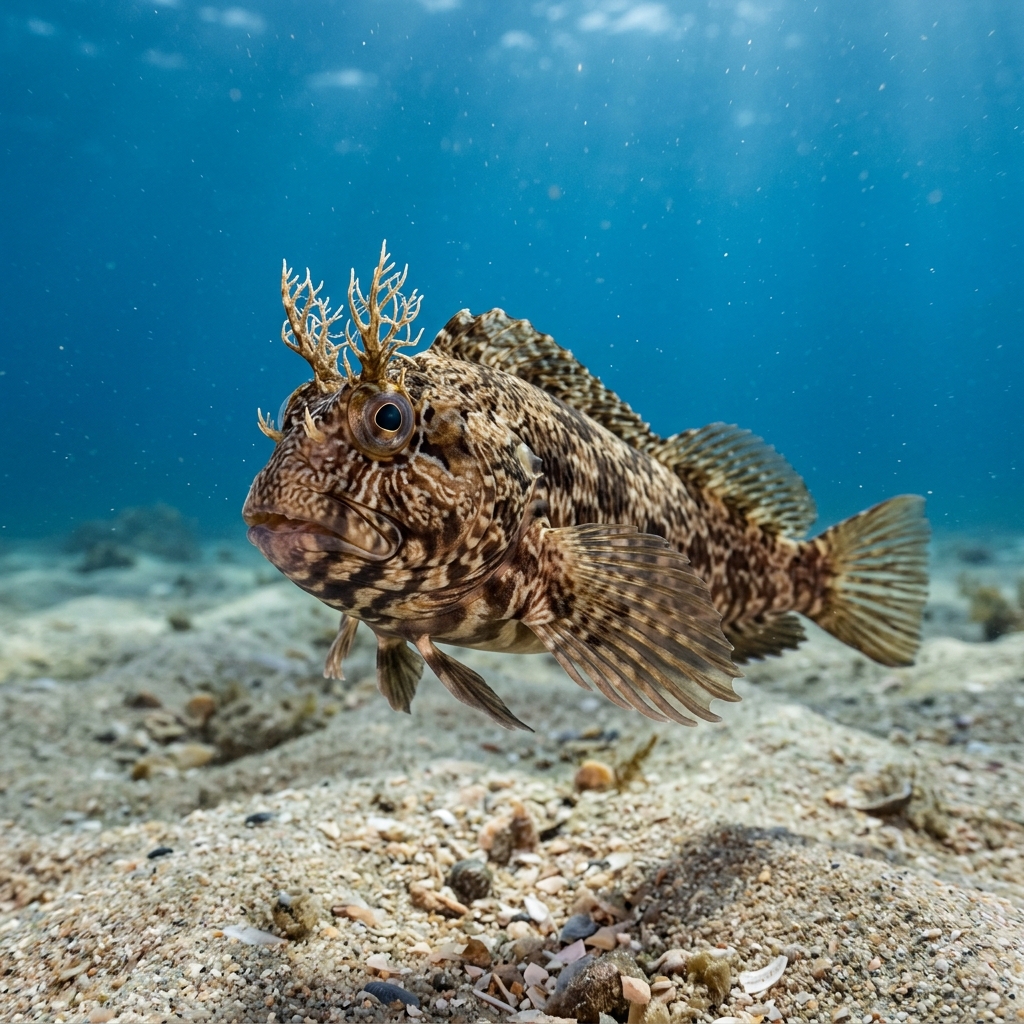
Reef neighbours a diver could mistake it for. Use the identification notes above to tell them apart.
Every logged sighting of this species so far comes from the Philippines, specifically around Luzon, which is currently the only real place to plan a search for it. If you are diving Luzon's reefs, add this blenny to your macro checklist rather than expecting it on a single signature site.
Mapping where Twocoat Coralblenny is logged…
All confirmed sightings are from the Philippines, concentrated around Luzon. It hasn't yet been logged as a reliable find anywhere else, so Luzon is currently the place to look.
There's no detected season, and it's been recorded in consistently warm water between 28.5 and 29.2 C, so it's a year-round possibility on Luzon's reefs rather than a seasonal target.
Look for a tiny, 2 centimetre blenny with a stubby body and mottled two-toned colouring, perched still on rubble or coral rock rather than swimming in open water. Its blunt head and high-set eyes are typical coralblenny features.
It's a small species, reaching around 2 centimetres, which puts it firmly in macro-diving territory. You'll need a close, slow look at rubble and coral rock to spot one.
No, it's logged as uncommon even at the handful of sites where divers have found it. Treat it as a patient macro search rather than a guaranteed sighting.
Site and sighting data is aggregated from diver logs, iNaturalist and GBIF. For taxonomy and conservation status:
Rusty Blenny
2,605 sites