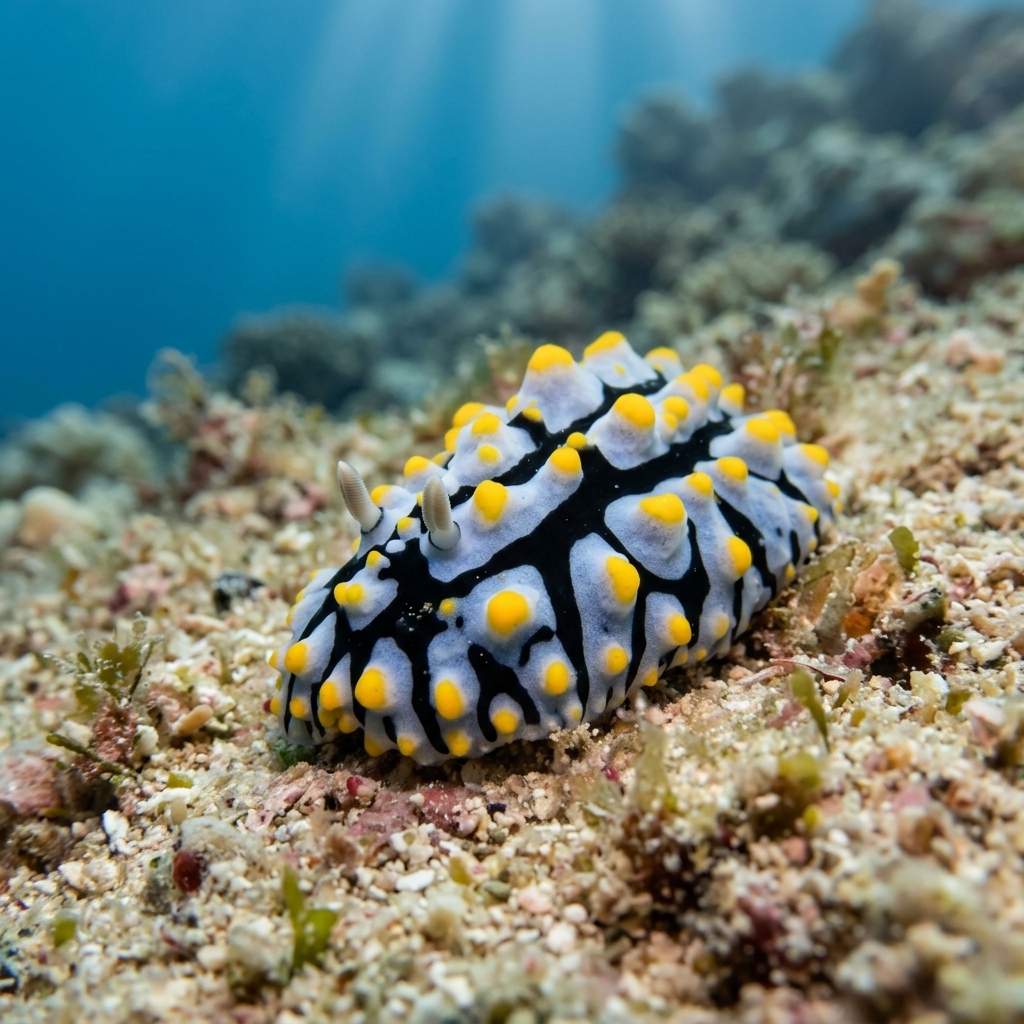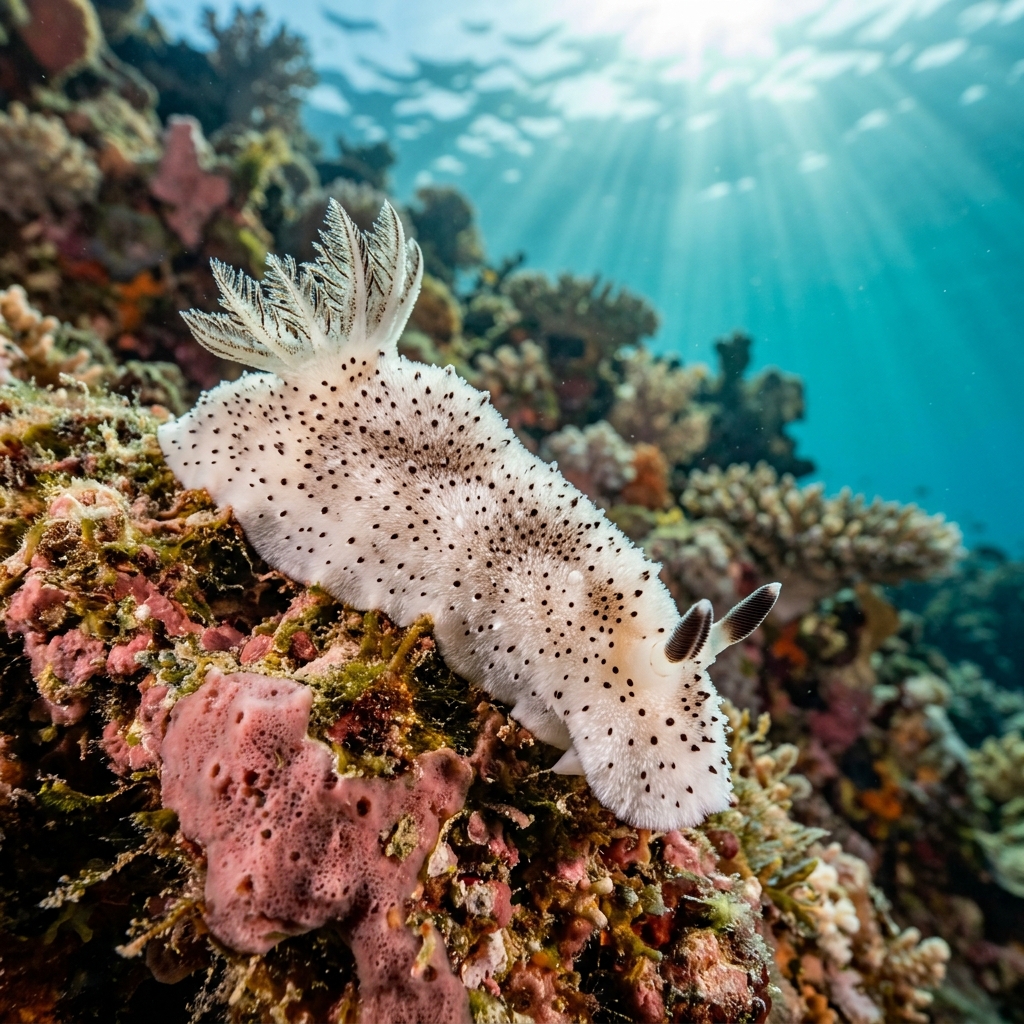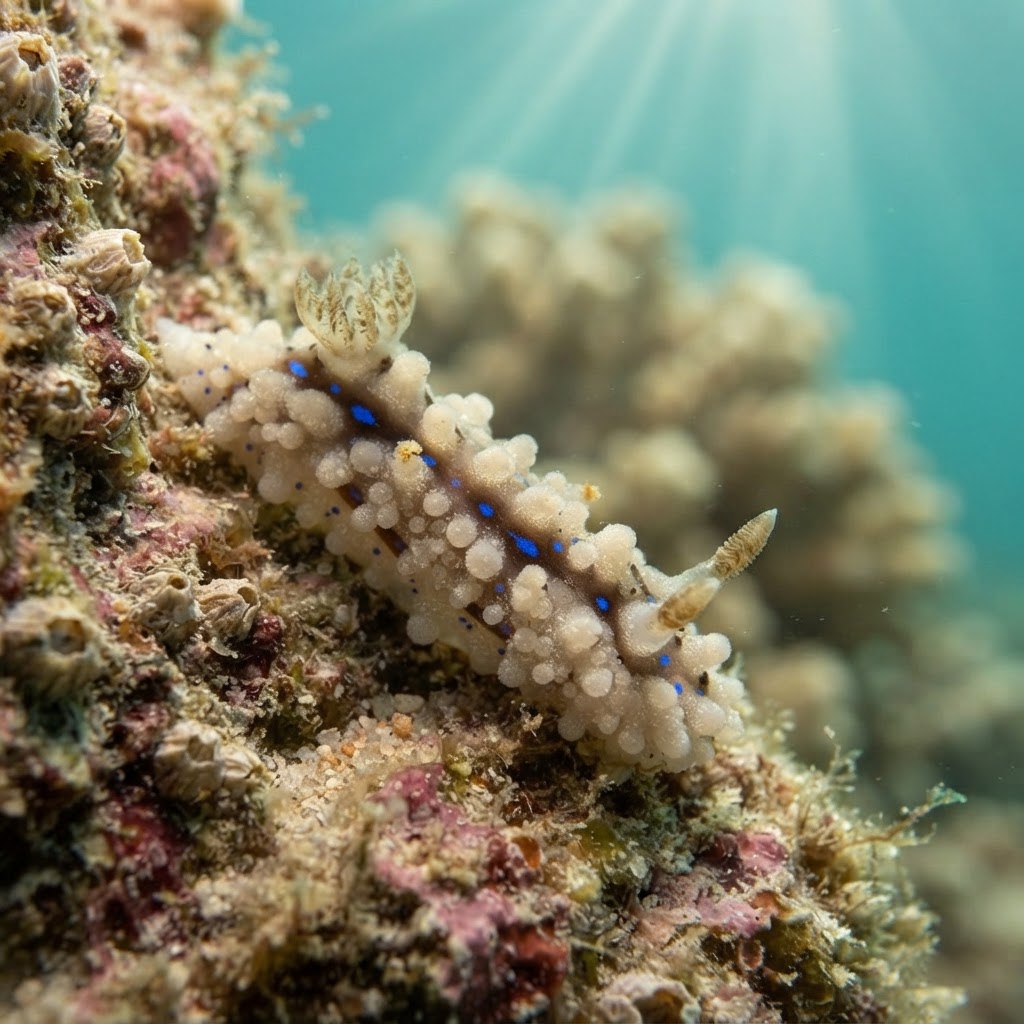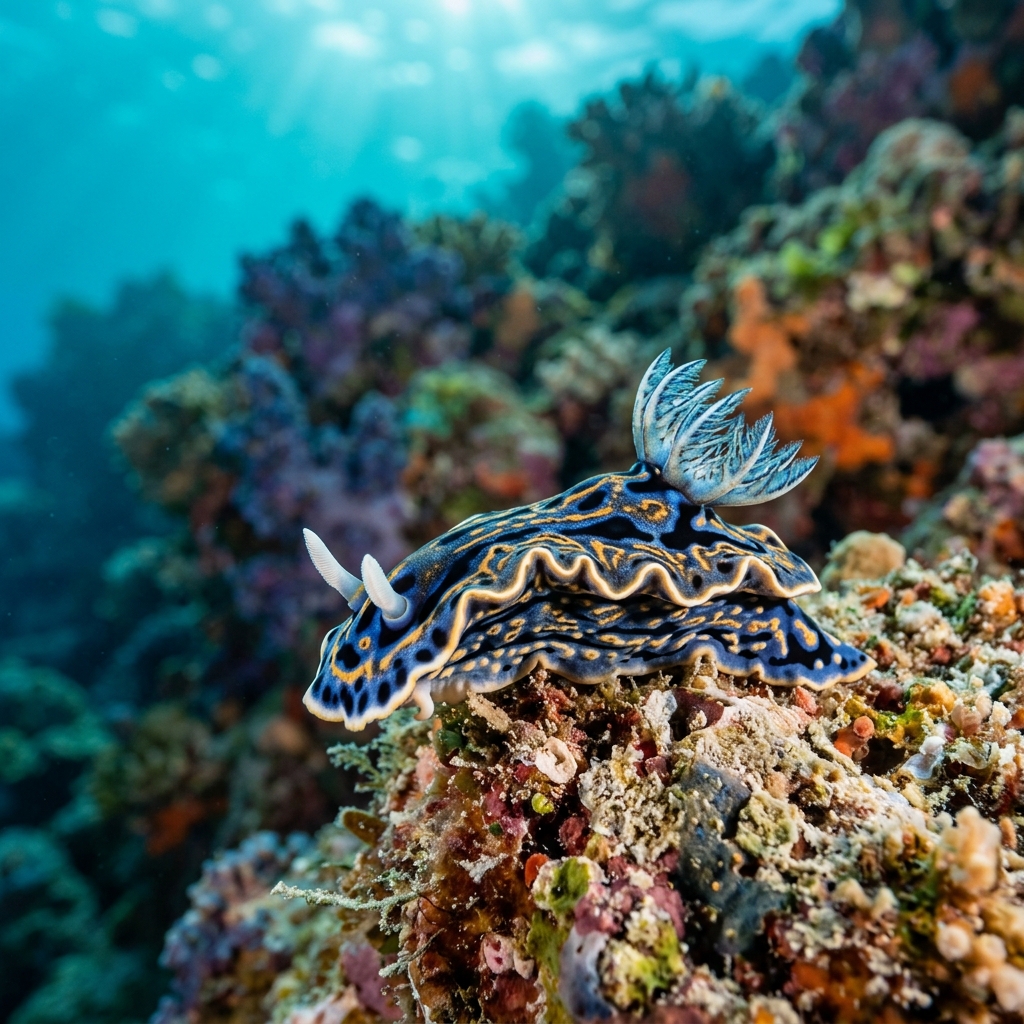
Thordisa bimaculata
Rare 2cm nudibranch logged mainly in California, USA, in 13.8-19.8C water. Here's how to spot it on a cold-water dive.
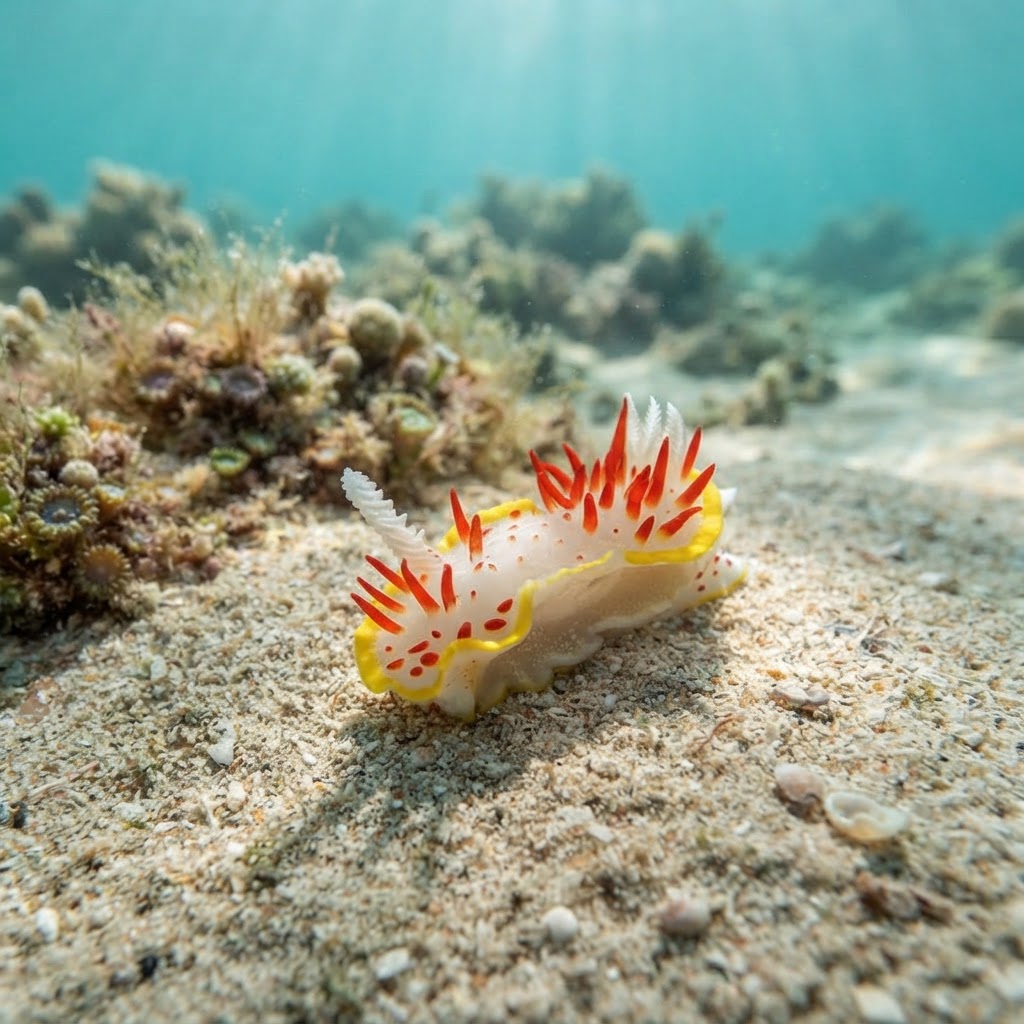
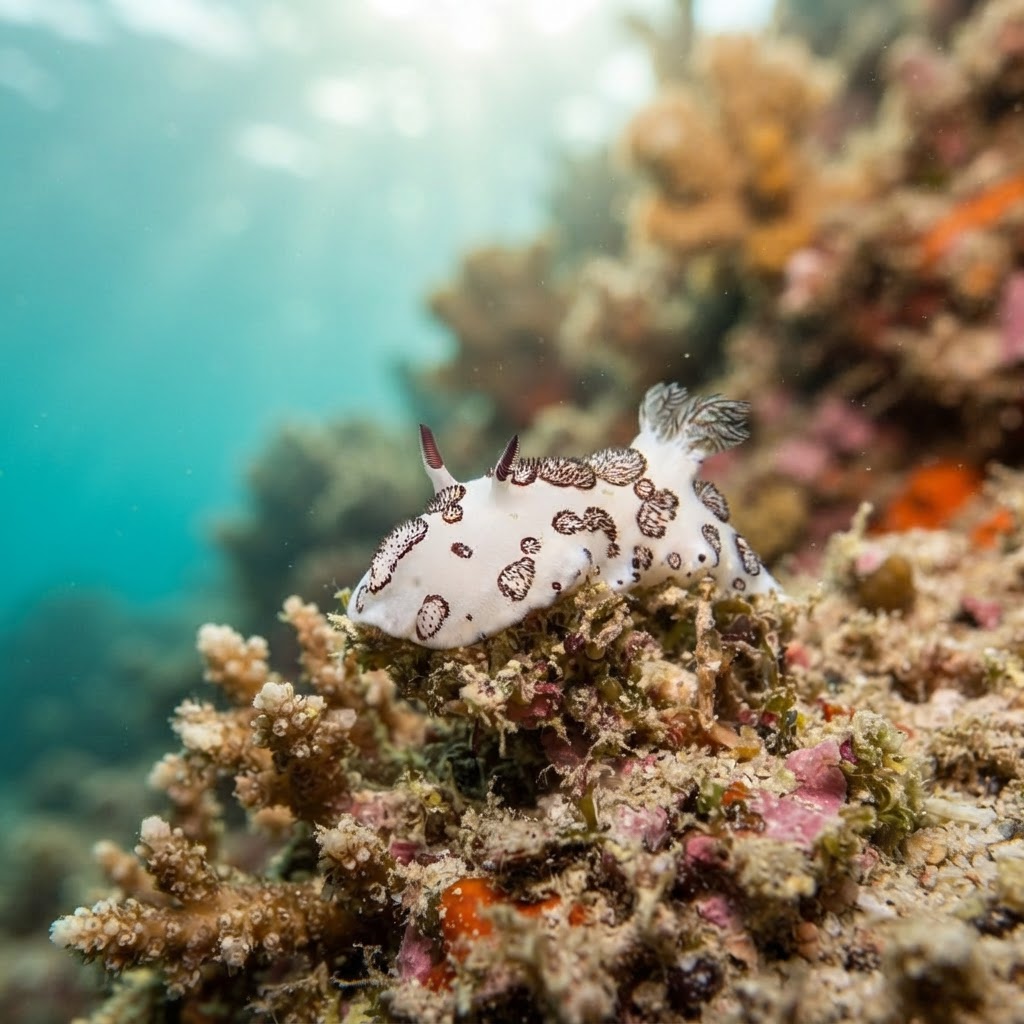
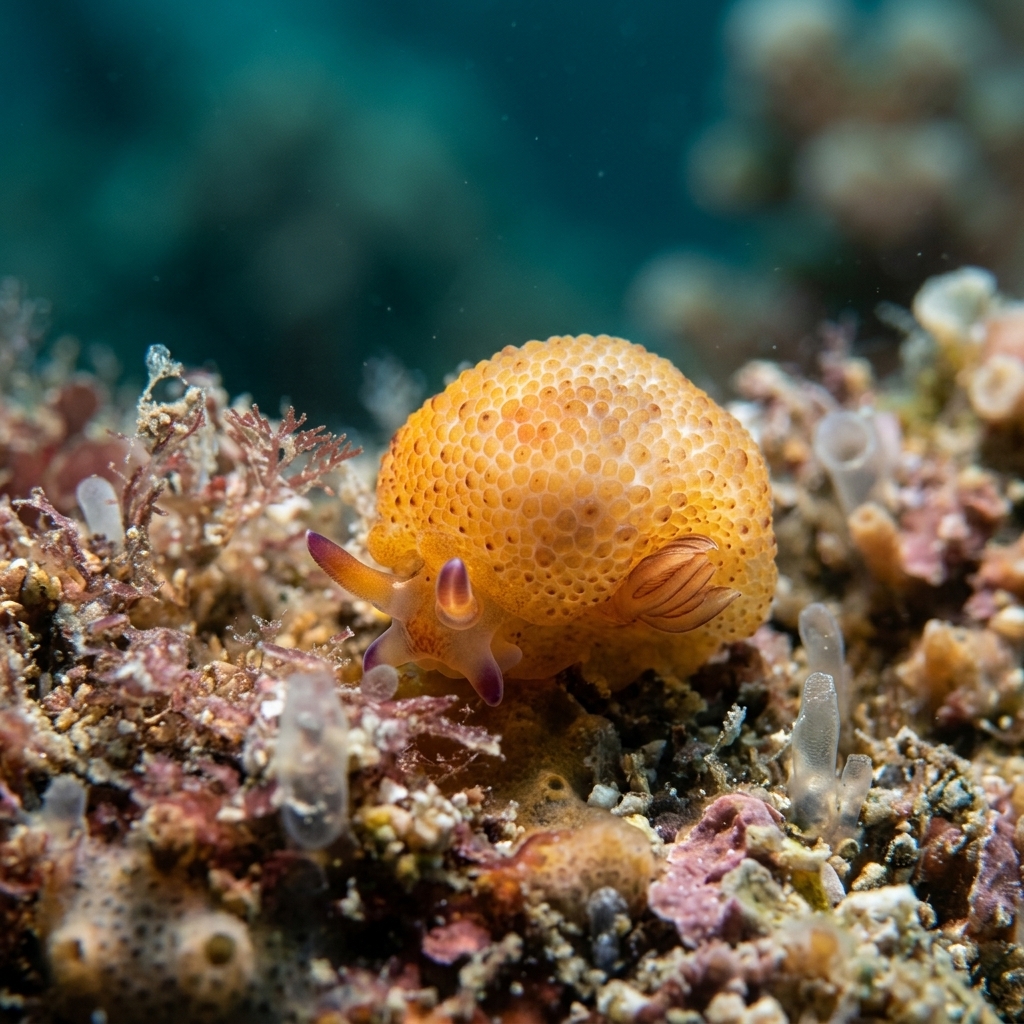
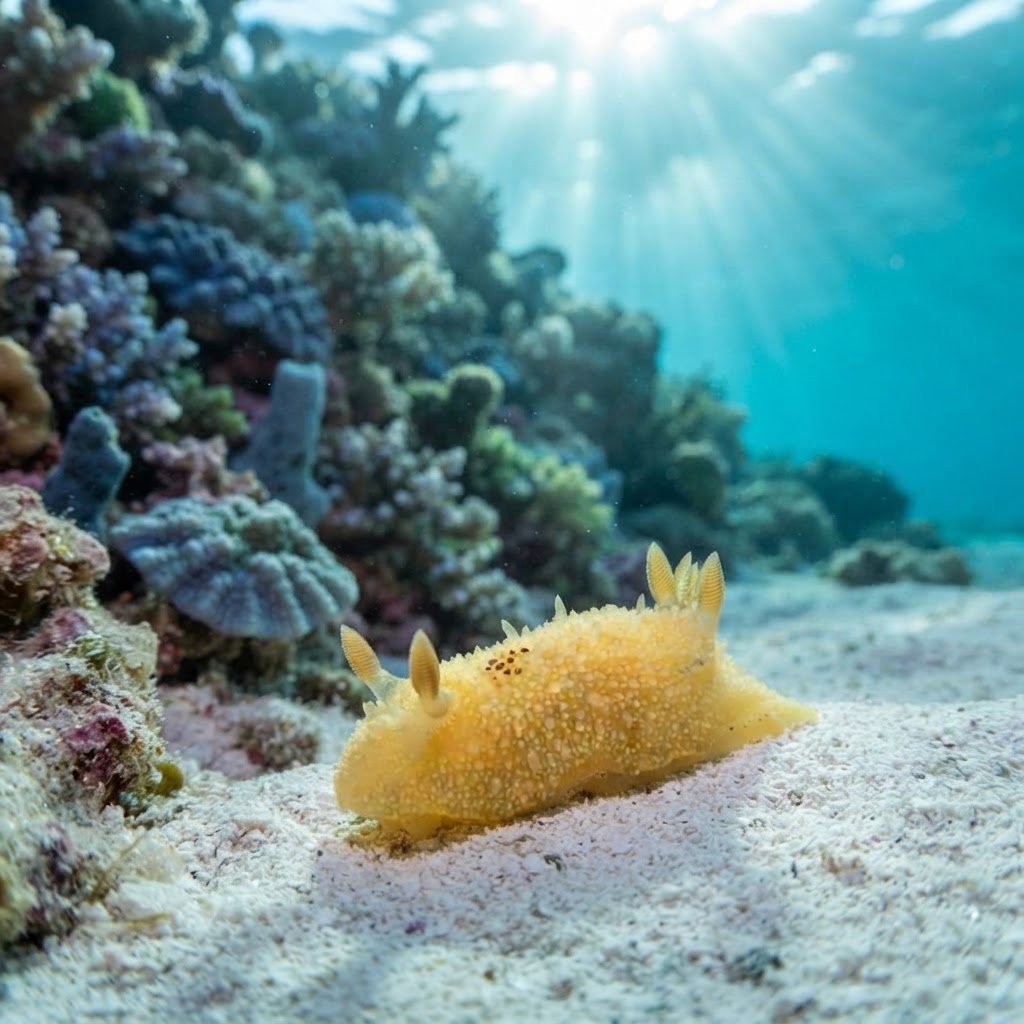
A tiny nudibranch, topping out around 2cm, so you're looking for it on close-focus passes over rock and rubble rather than spotting it from a distance. The body is a mottled orange-brown discodorid shape (the classic flattened, warty-backed nudibranch profile), with two dark spots on the back giving the species its name. Look for the textured, bumpy skin typical of this family rather than smooth or frilly extensions.
Expect to find it parked on rock or rubble substrate, moving slowly across the reef surface as it grazes rather than swimming or drifting. It shows no reaction to divers beyond the usual slow nudibranch pace, so a careful, close look with a torch or macro lens is the way to actually notice one. Most divers who log it describe finding it during a deliberate search rather than a chance encounter, since it's rare at most of the sites where it's known.
It's logged as rare at most of its known sites and common at only one, so finding one is a matter of slow, patient scanning rather than luck on a typical reef swim.
Sightings don't show a clear seasonal pattern, so treat this as a year-round possibility on California dives. It's been logged in water from 13.8 to 19.8C, which lines up with the region's typical temperate range for most of the year.
Reef neighbours a diver could mistake it for. Use the identification notes above to tell them apart.
Every logged sighting of this species comes from the United States, and specifically from California, making it the only real place to plan a dive around this animal. Within California it turns up scattered across cold-water rock and reef sites rather than concentrated at one hotspot.
Mapping where Two-spot Thordis is logged…
All confirmed sightings come from California, USA, where it's found scattered across a handful of cold-water rock and reef sites. It hasn't been reliably logged anywhere outside the state.
There's no detected seasonal pattern, so it's considered a year-round find in California waters, which sit in the 13.8 to 19.8C range it's typically recorded in.
Look for a small, bumpy-backed nudibranch around 2cm long, orange-brown in colour, with two distinct dark spots on its back. It moves slowly over rock and rubble, so a close, patient look is needed to spot it.
They're small, typically reaching around 2cm in length, so divers need to look closely at rocky substrate to notice one.
Yes, most sites where it's been recorded class it as a rare find, with only one site reporting it as common. Spotting one usually takes a deliberate, slow search of the reef rather than a casual swim-by.
Site and sighting data is aggregated from diver logs, iNaturalist and GBIF. For taxonomy and conservation status:
Nudibranch
3,168 sites