Ecsenius bimaculatus
A 3cm reef blenny found in the Visayas, Philippines, in warm 28-29C water. Here's how to spot one on your next dive.
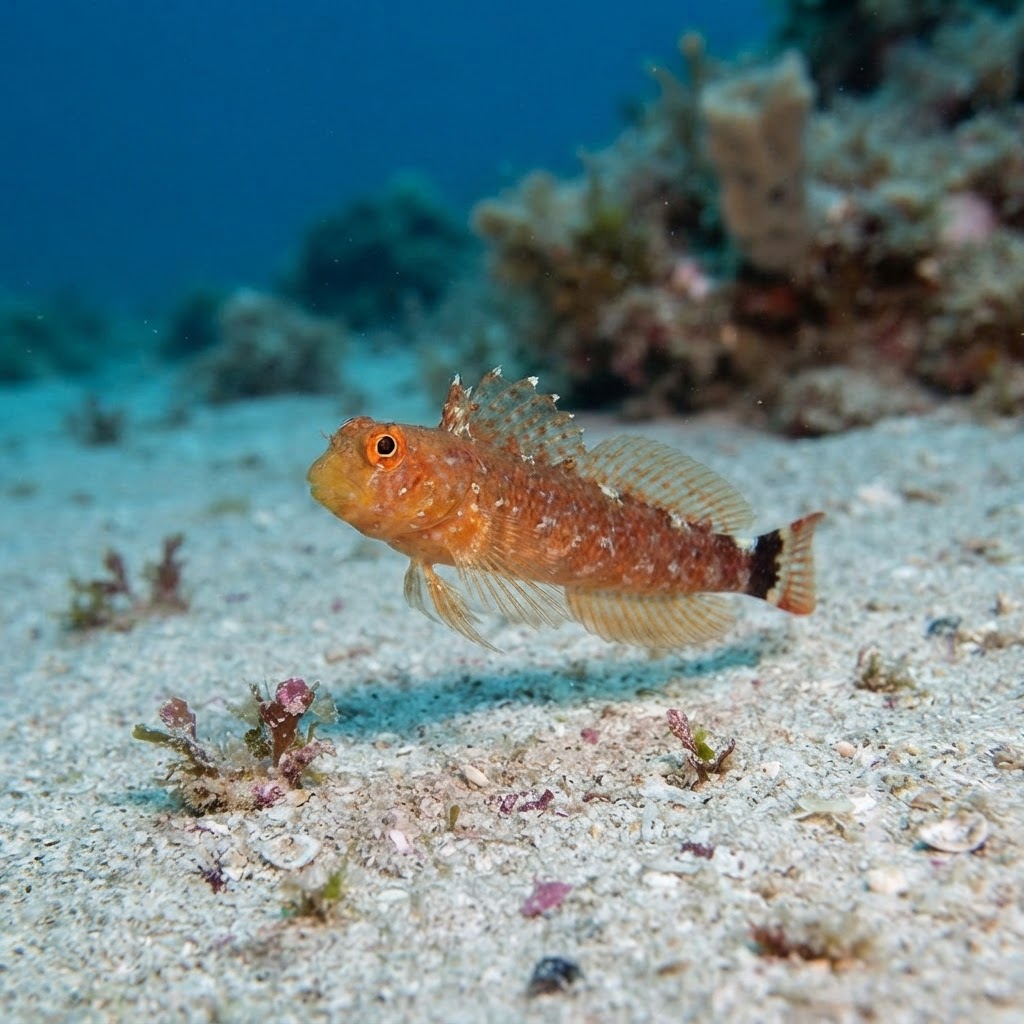
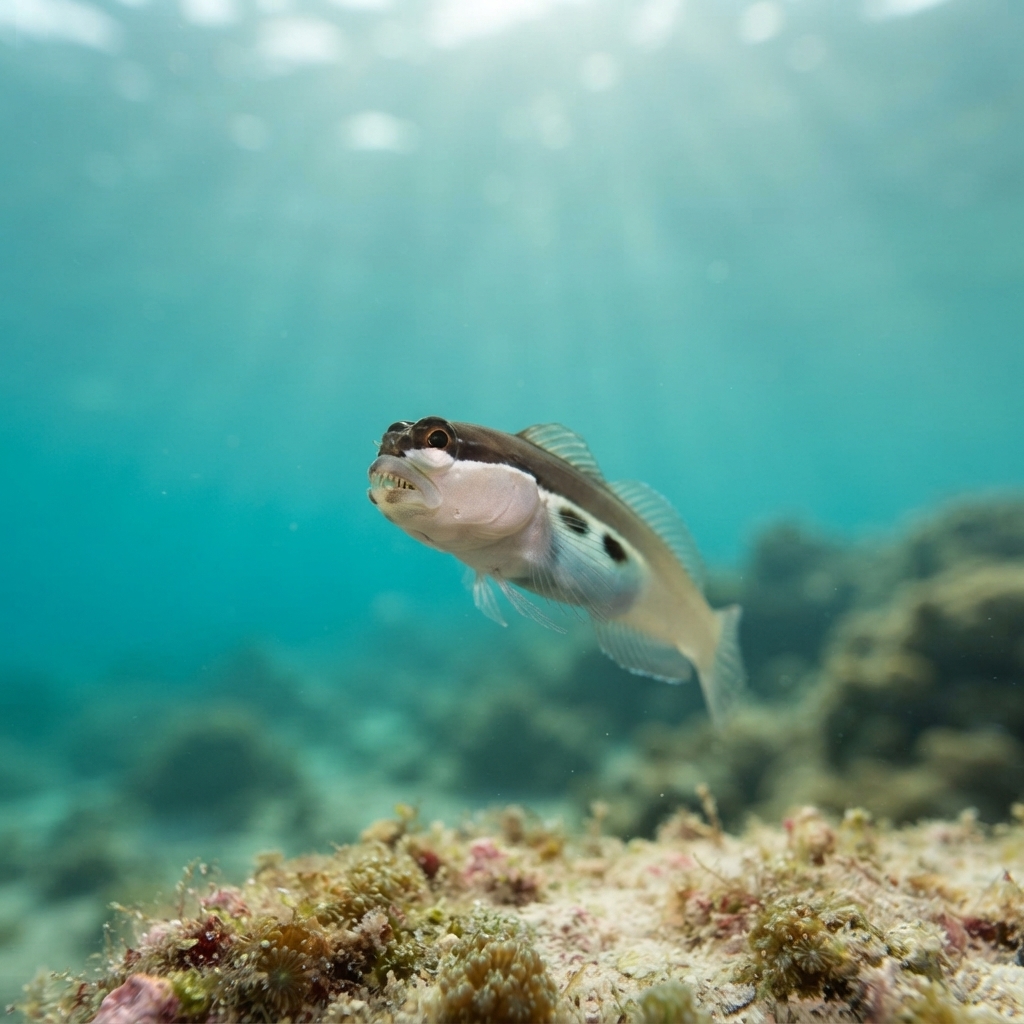
A tiny fish, barely 3cm long, that most divers would swim straight past if they didn't know to look for it. It has an elongated, tapering blenny body that sits propped on its pectoral fins against rock or rubble rather than swimming in open water. The giveaway is the pair of dark spots that give it its name, usually set along the upper body, which stand out against an otherwise pale to mottled background. Its face carries the blunt-snouted, big-eyed look typical of combtooth blennies.
Expect to find it perched motionless on rubble, dead coral or rocky substrate, using its pectoral fins like little props rather than cruising the reef. It's a shy, small-bodied fish that tends to dart into a crevice the moment a diver gets too close, so slow, low approaches and a sharp eye for its size class are what actually get you a sighting. Logged as uncommon at every site it's been recorded, so patience pays off more than a fast swim-by.
Like other combtooth blennies, it likely grazes algae and detritus off rock and rubble surfaces using comb-like teeth, a feeding style that keeps it tied to the substrate rather than the open reef.
No clear seasonal pattern shows up in the sightings, and the water it's found in sits in a narrow 28.5 to 29.2C band year-round, so there's no strong reason to time a trip around it. Treat it as a possible sighting on any dive in the Visayas.
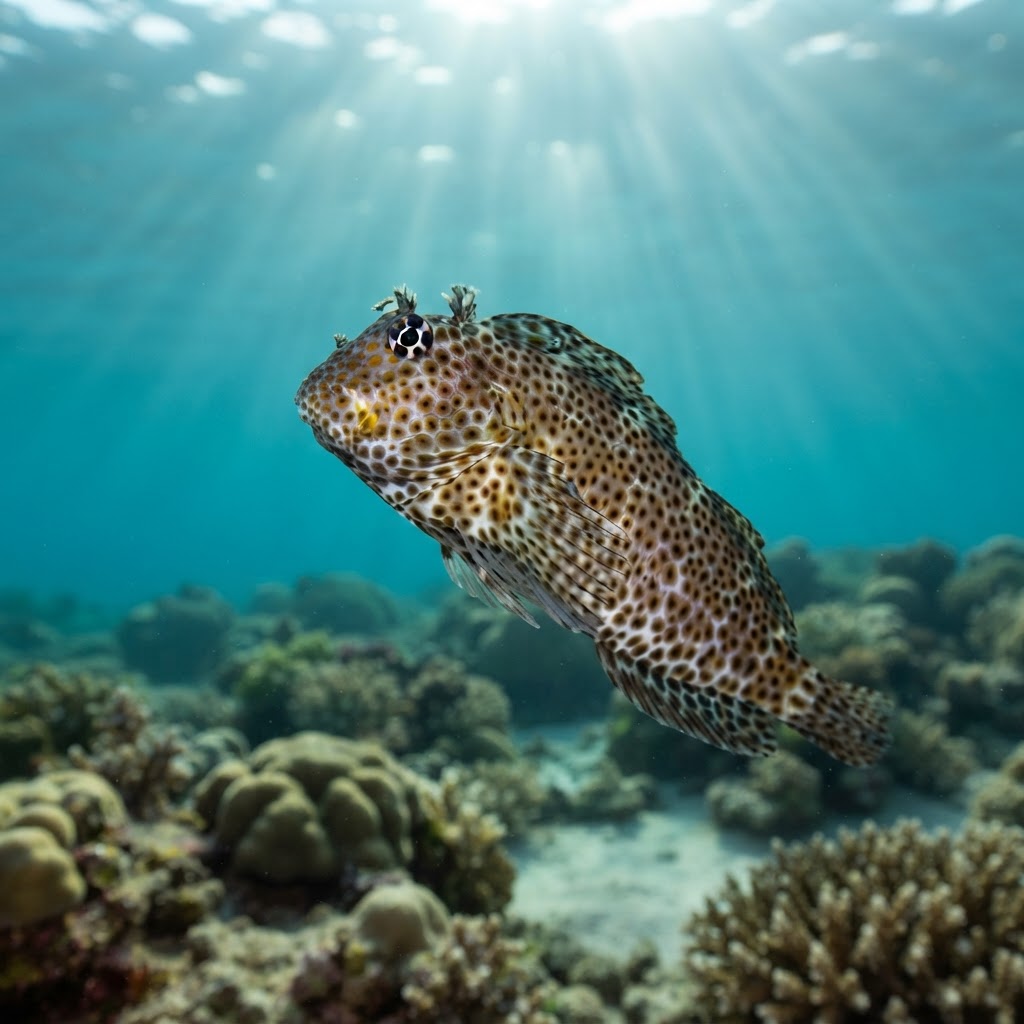
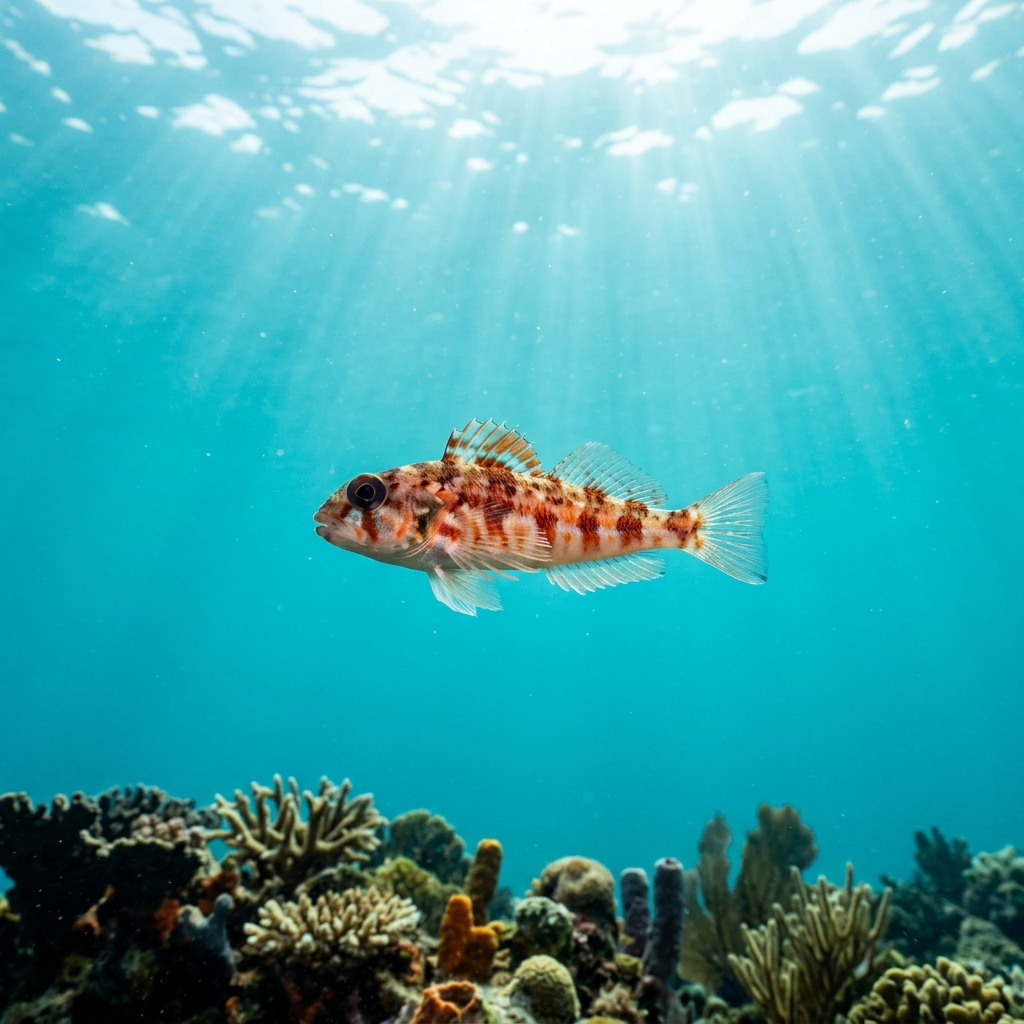
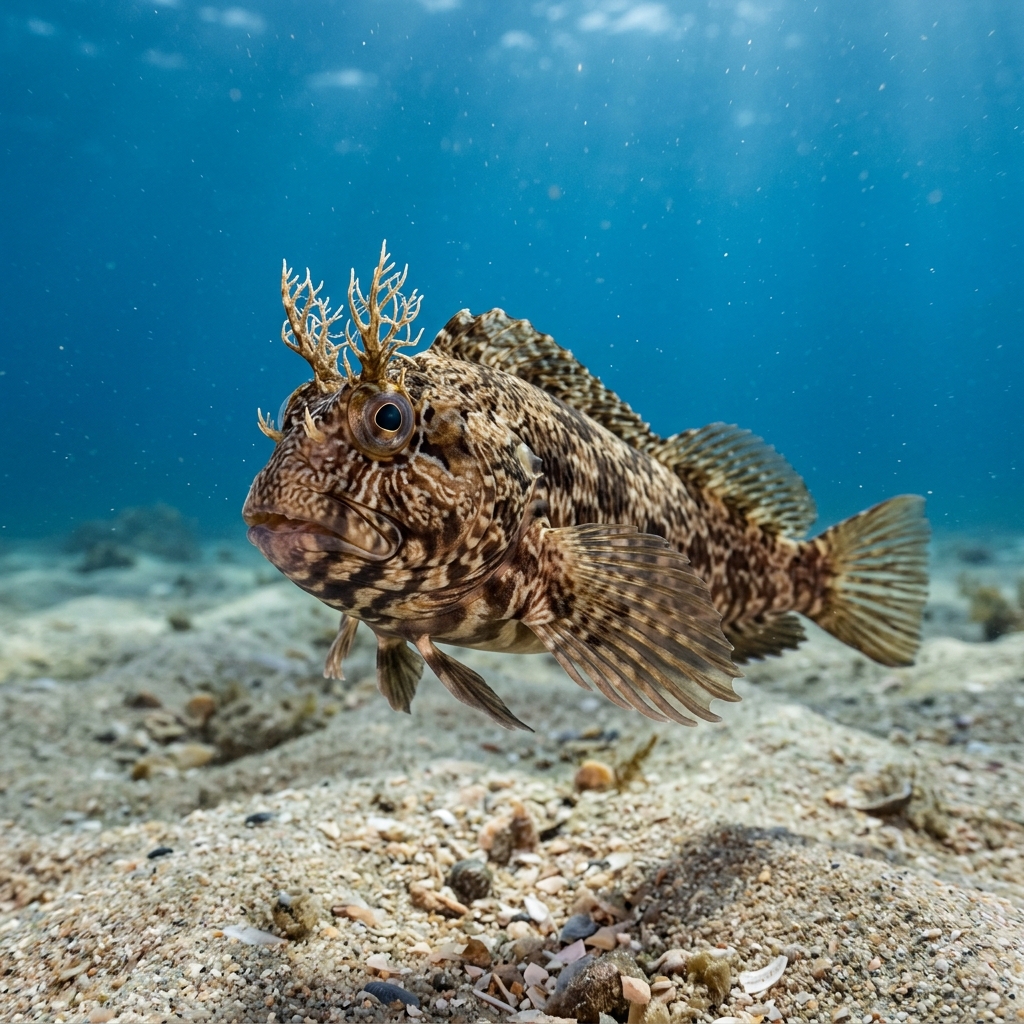
Reef neighbours a diver could mistake it for. Use the identification notes above to tell them apart.
Every logged sighting of this blenny so far comes from the Philippines, with the Visayas region standing out as the reliable place to find it. If you're diving reef rubble and rock crevices around the Visayas, it's worth slowing down and scanning the substrate rather than the water column.
Mapping where Twin-spot Combtooth-blenny is logged…
All recorded sightings so far come from the Philippines, with the Visayas region the standout area. Look for it on rubble and rocky patches rather than open coral.
There's no detected season, it's logged in consistently warm water between 28.5 and 29.2C, so sightings are possible year-round in the Visayas.
Look for a tiny, 3cm fish propped on rubble or rock with a pair of distinct dark spots on its upper body. Its blunt head and elongated blenny shape separate it from small gobies and triplefins nearby.
They're small, topping out around 3cm, so spotting one takes a slow, close look at reef rubble rather than a casual scan.
Site and sighting data is aggregated from diver logs, iNaturalist and GBIF. For taxonomy and conservation status:
Rusty Blenny
2,605 sites