Cephalopholis sonnerati
Reddish-brown grouper with dark spots, most reliably logged on KwaZulu-Natal reefs in water around 21-29C. Here's where to find it.
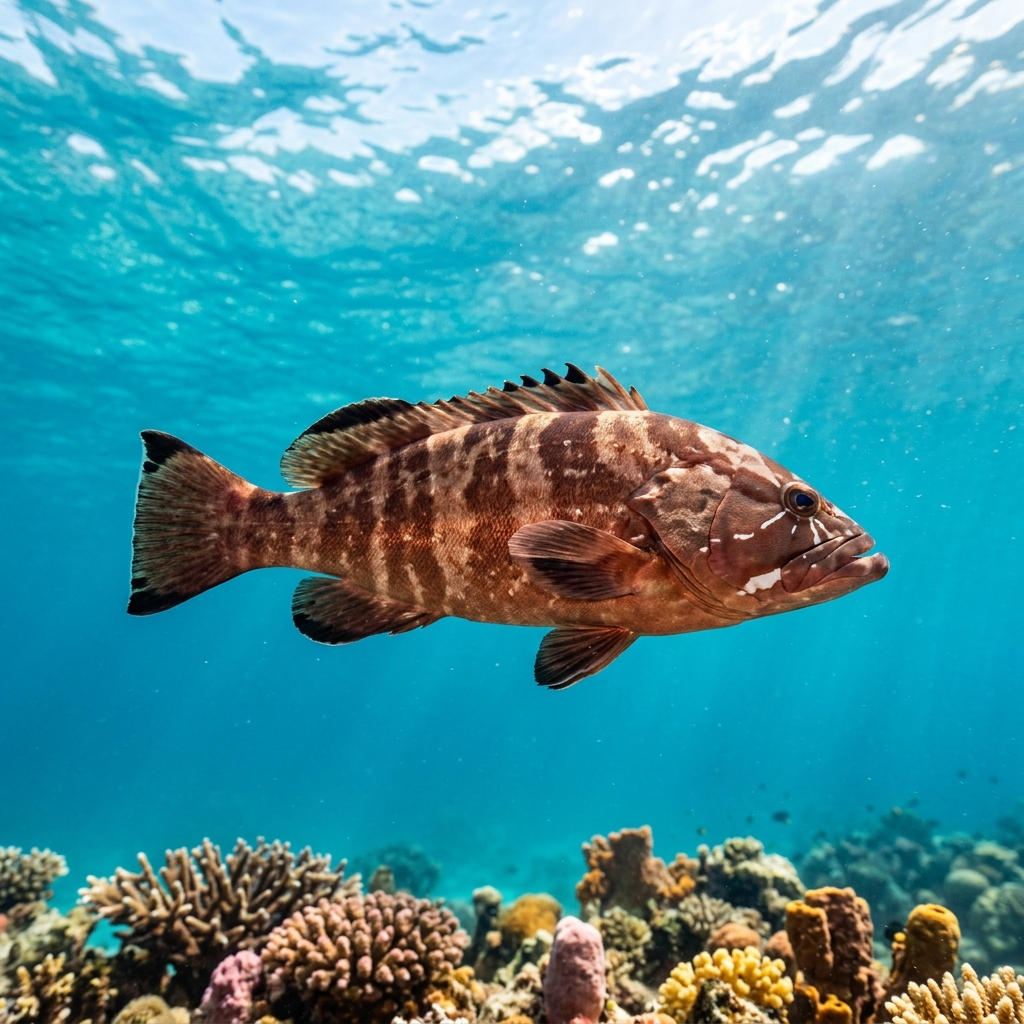
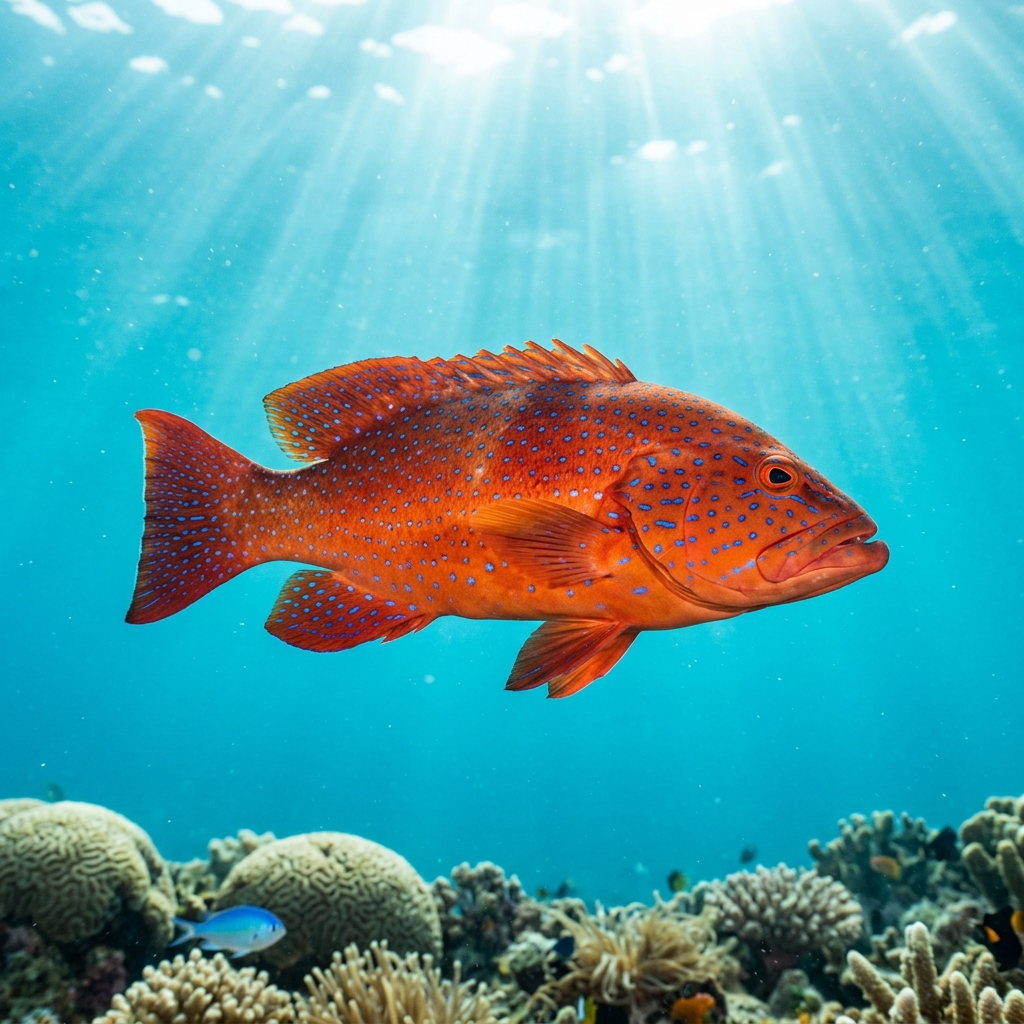
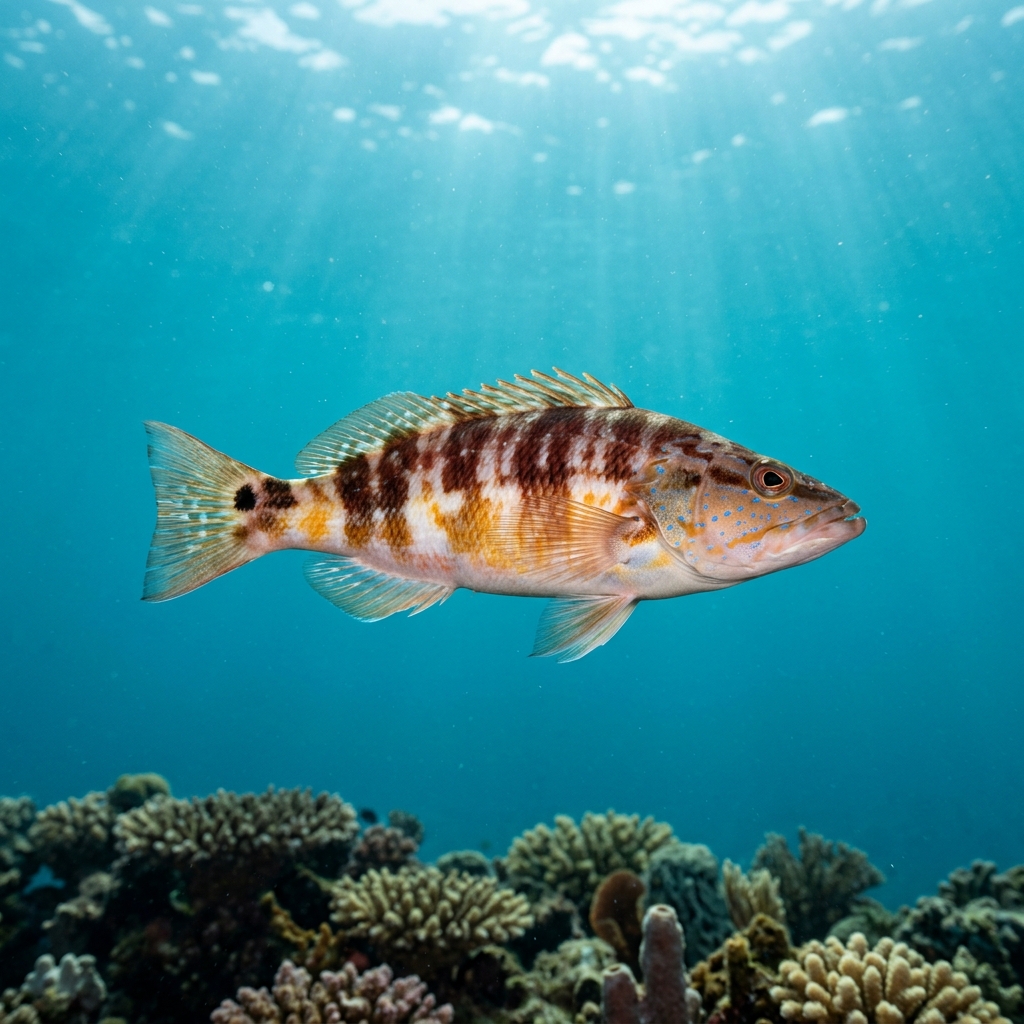
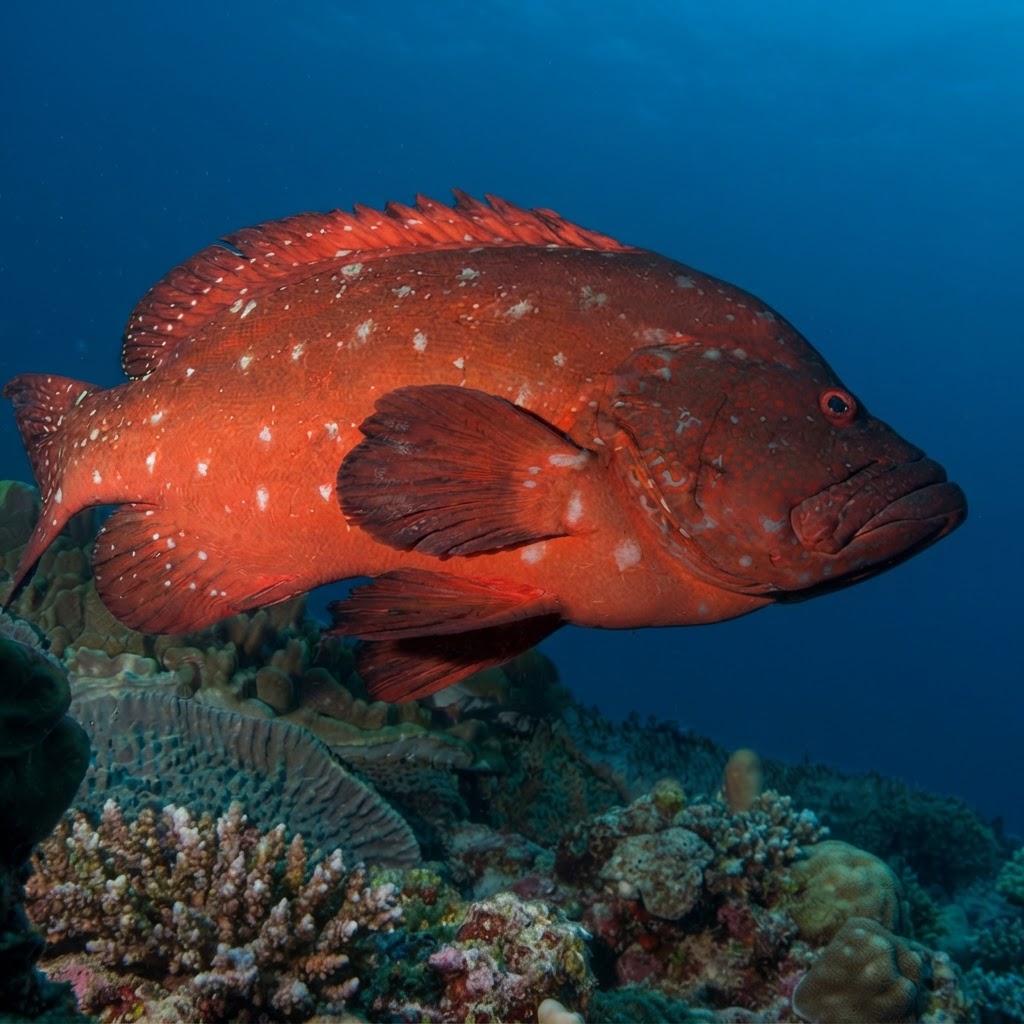
Stocky, thick-bodied grouper reaching around 39cm, coloured reddish-brown to orange with small dark spots scattered densely across the head, body and fins. The overall wash can look almost tomato-red in good light, giving it its name, and it often sits still on the reef rather than swimming in open water. No strong dark saddle or bar breaks up the pattern, which helps separate it from some other small hinds.
Usually found parked on or near rocky and coral reef structure rather than out patrolling, often tucked against an overhang or ledge where its mottled colouring blends in. It tends to hold its ground as divers approach rather than bolting, making for a calm, close look if you spot it. Most reports describe it as an uncommon find that rewards divers who check crevices and reef bases rather than scanning the water column.
Like other Cephalopholis groupers, tomato hind are protogynous hermaphrodites, meaning individuals start life as females and some later transition to males as they grow.
Sightings show no clear seasonal pattern, and its comfort range of roughly 21 to 29C covers reef conditions in KwaZulu-Natal and Mauritius year-round, so any month is worth a look.
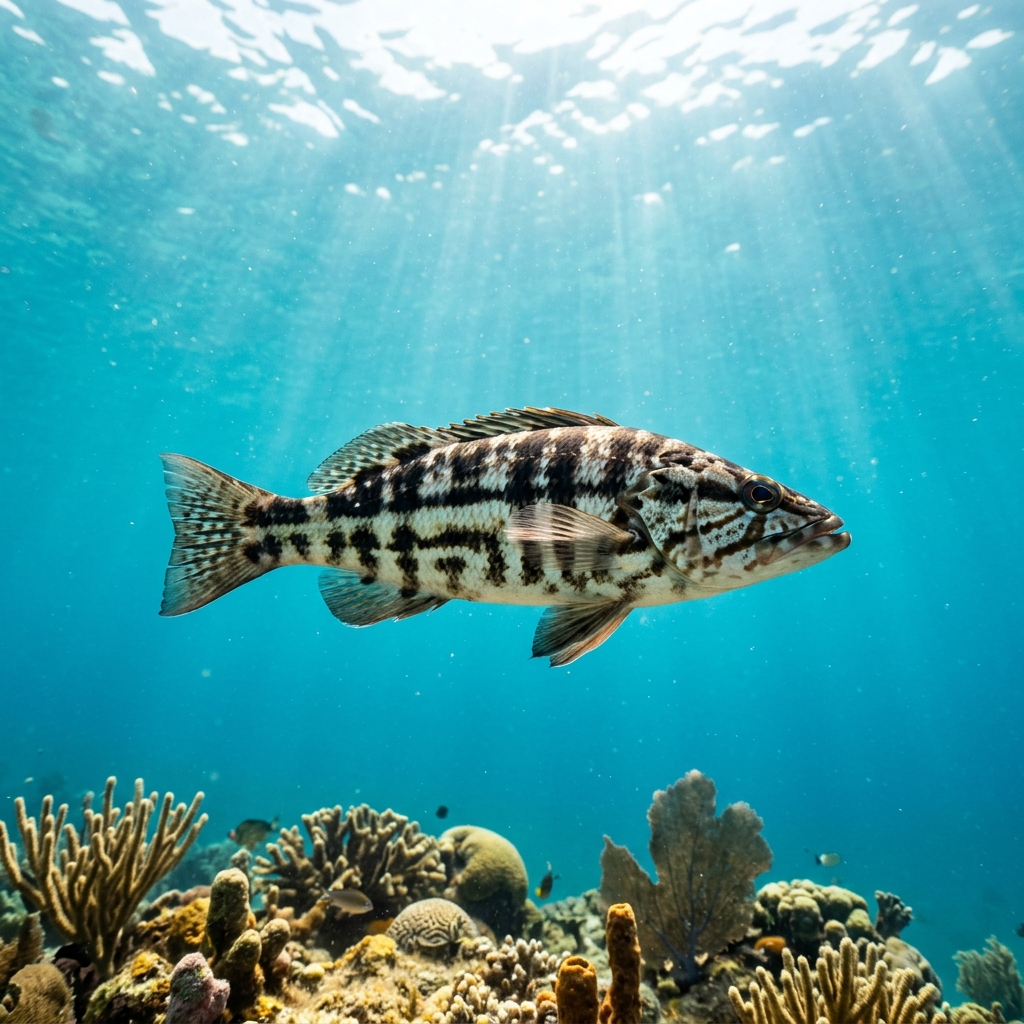
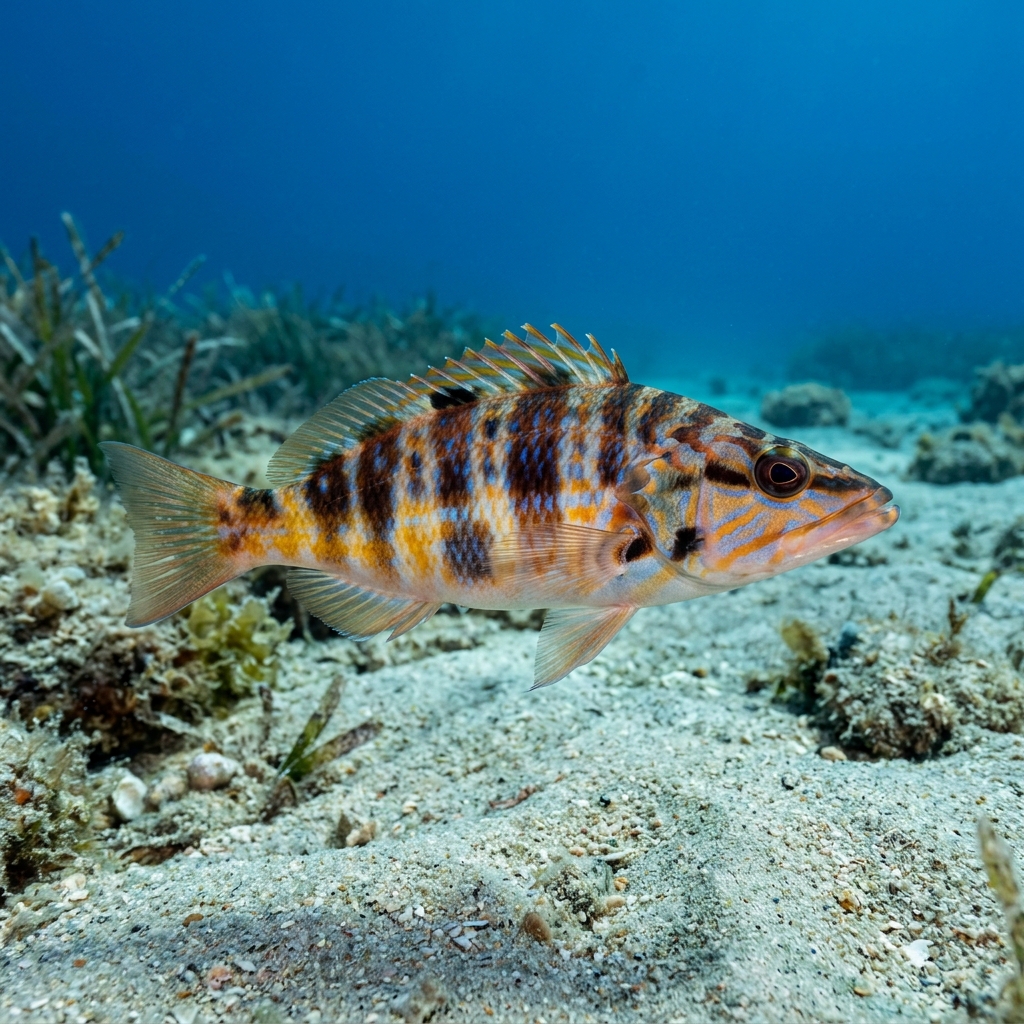
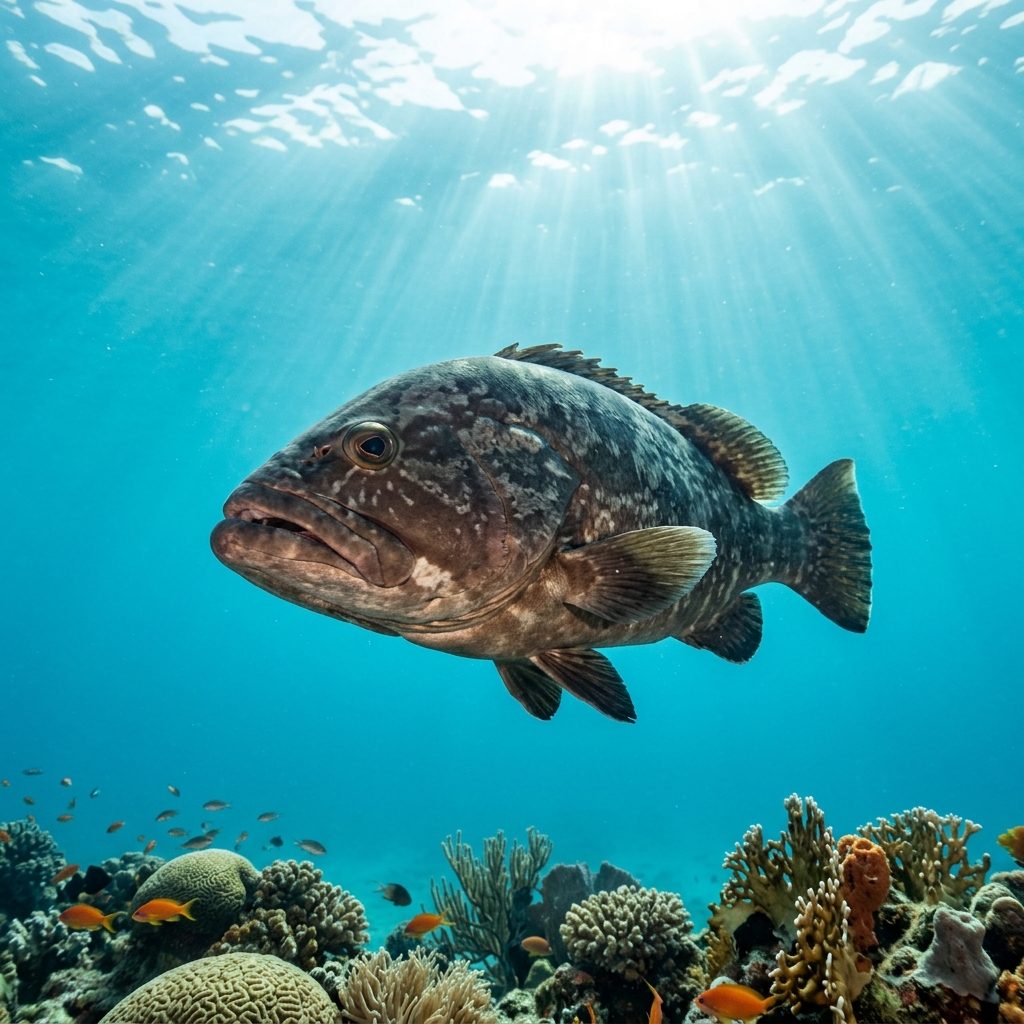
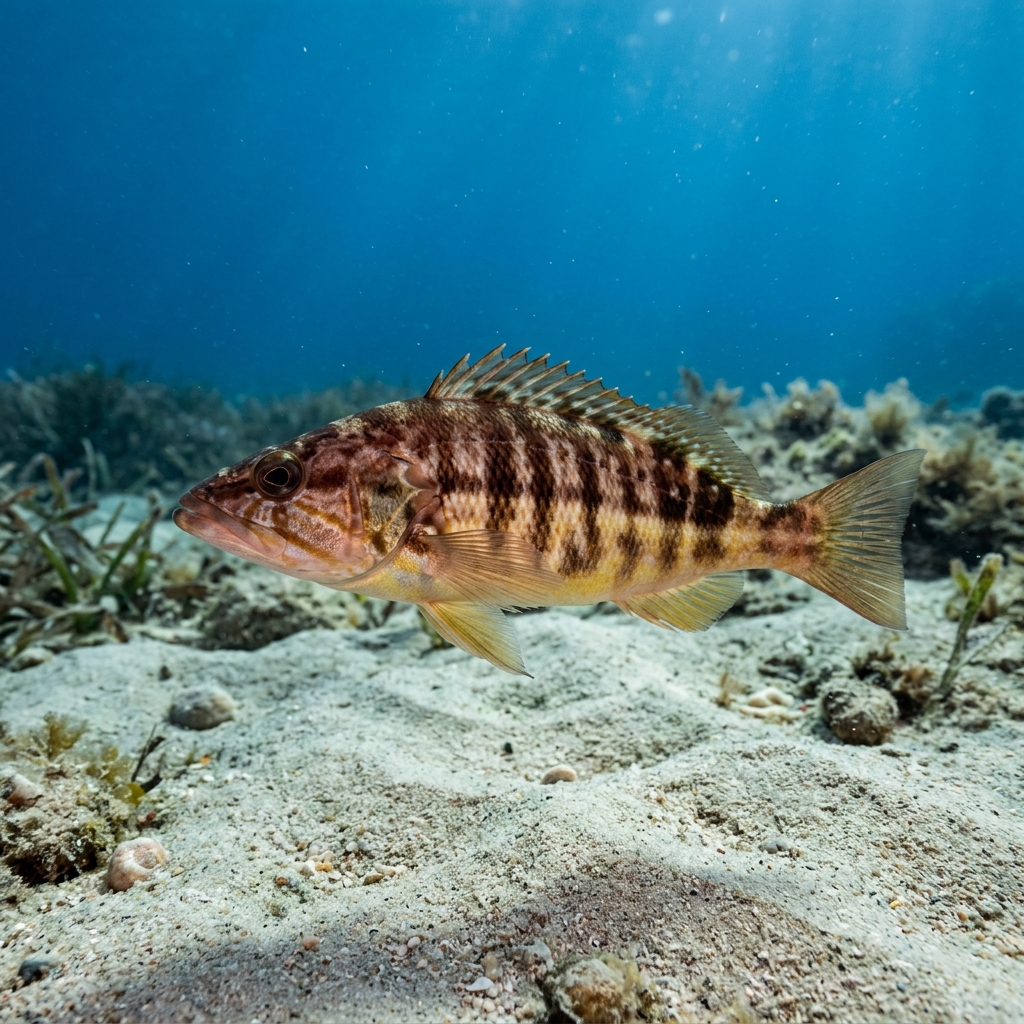
Reef neighbours a diver could mistake it for. Use the identification notes above to tell them apart.
KwaZulu-Natal in South Africa is by far the strongest area for this species, with dive sites there logging it far more often than anywhere else. Smaller but reliable numbers come from Coin de Mire in Mauritius, with occasional sightings off Western Australia and Bali in Indonesia.
Mapping where Tomato Hind is logged…
The most reliable region by far is KwaZulu-Natal in South Africa, where it turns up far more than anywhere else logged. Coin de Mire in Mauritius is a secondary spot, with occasional sightings around Western Australia and Bali.
There's no detected seasonal pattern, so it's a year-round sighting on the reefs where it occurs. Its temperature range of about 21 to 29C matches KwaZulu-Natal and Mauritius conditions across the calendar.
Look for a stocky, reddish-brown to orange grouper around 30 to 40cm covered in small dark spots, usually holding still against reef structure rather than swimming freely. The spotting is dense and even across the whole body, without a bold contrasting bar or saddle.
They typically reach around 39cm in length, making them a small to mid-sized member of the grouper family. Most divers encounter adults resting on or near reef structure rather than large individuals in open water.
No, they're not considered dangerous to divers. They tend to hold still on the reef and are easy to observe calmly from a short distance without any risk.
Site and sighting data is aggregated from diver logs, iNaturalist and GBIF. For taxonomy and conservation status:
Blacktip Grouper
2,726 sites