Sargocentron suborbitale
Look for this red-and-silver squirrelfish tucked into reef crevices along Mexico's Pacific coast and Guanacaste, Costa Rica, year-round.
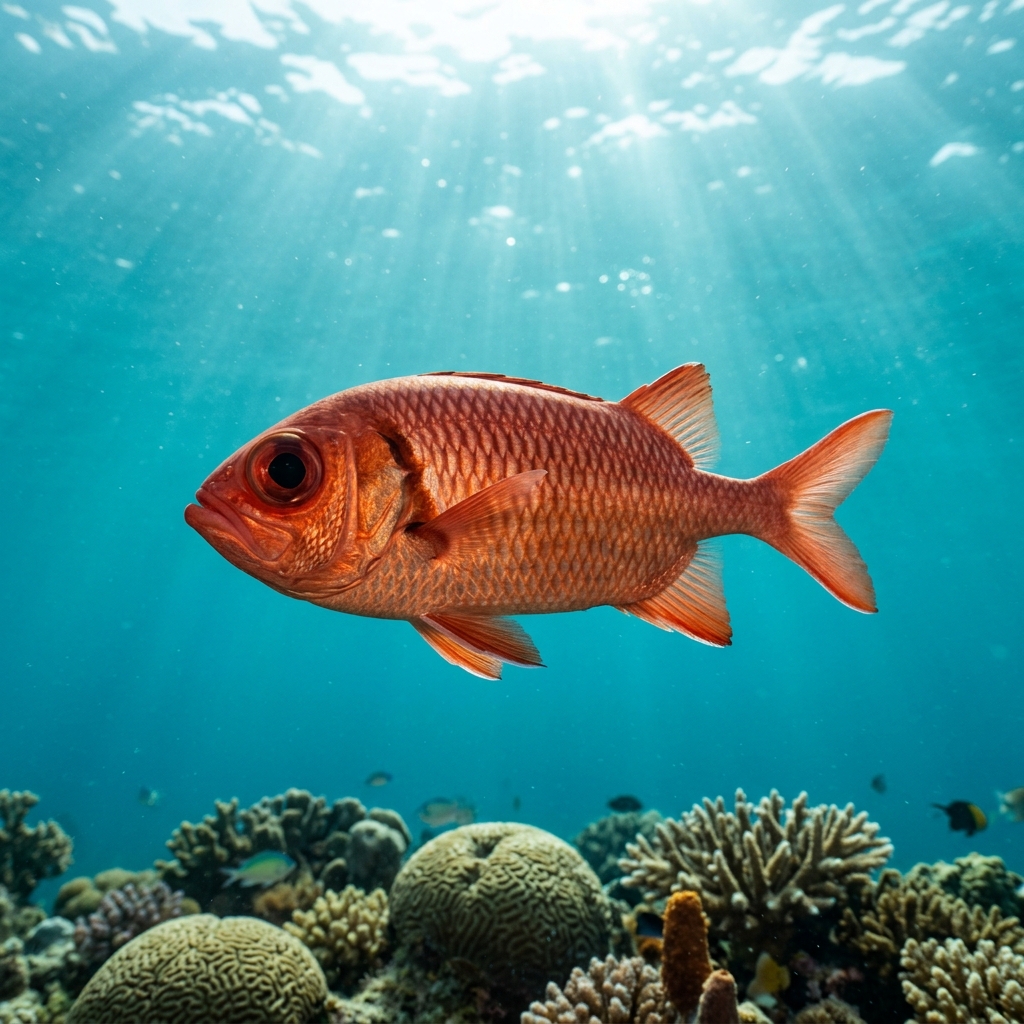
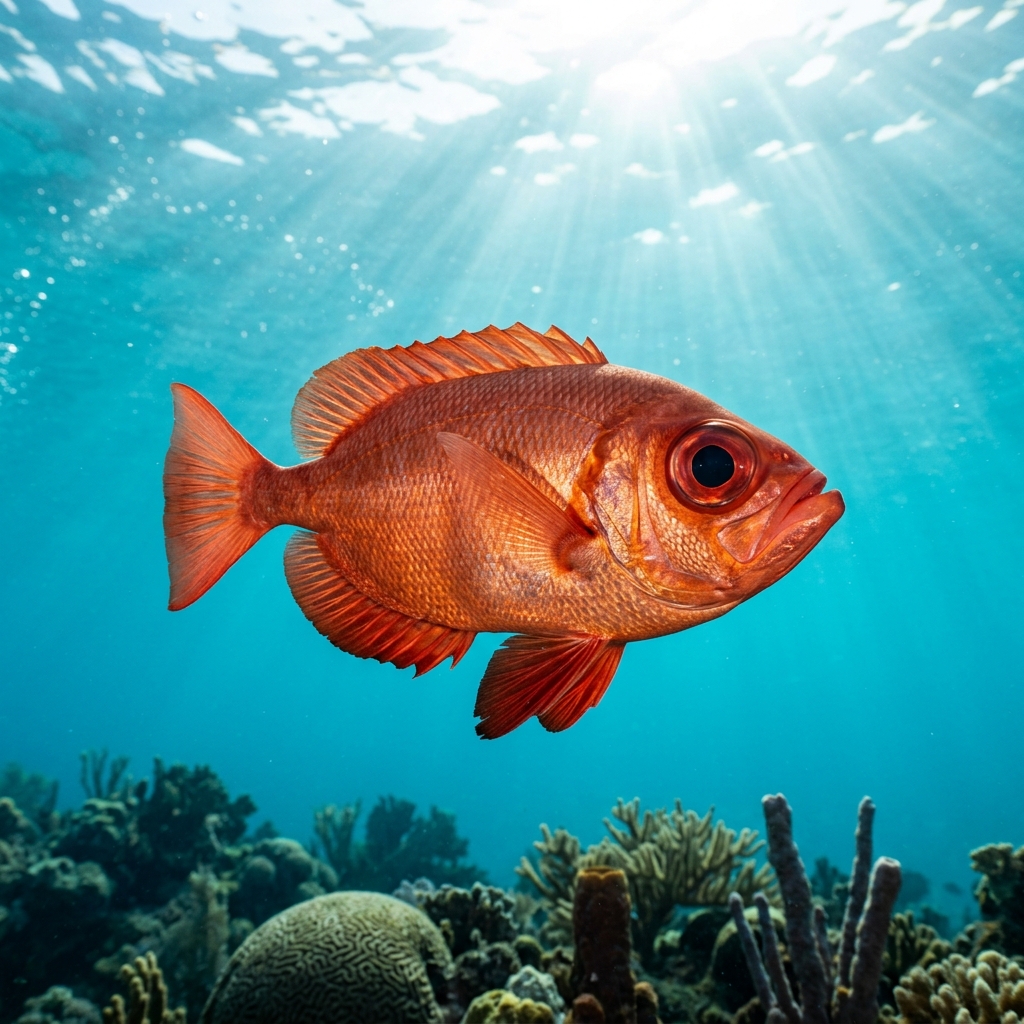
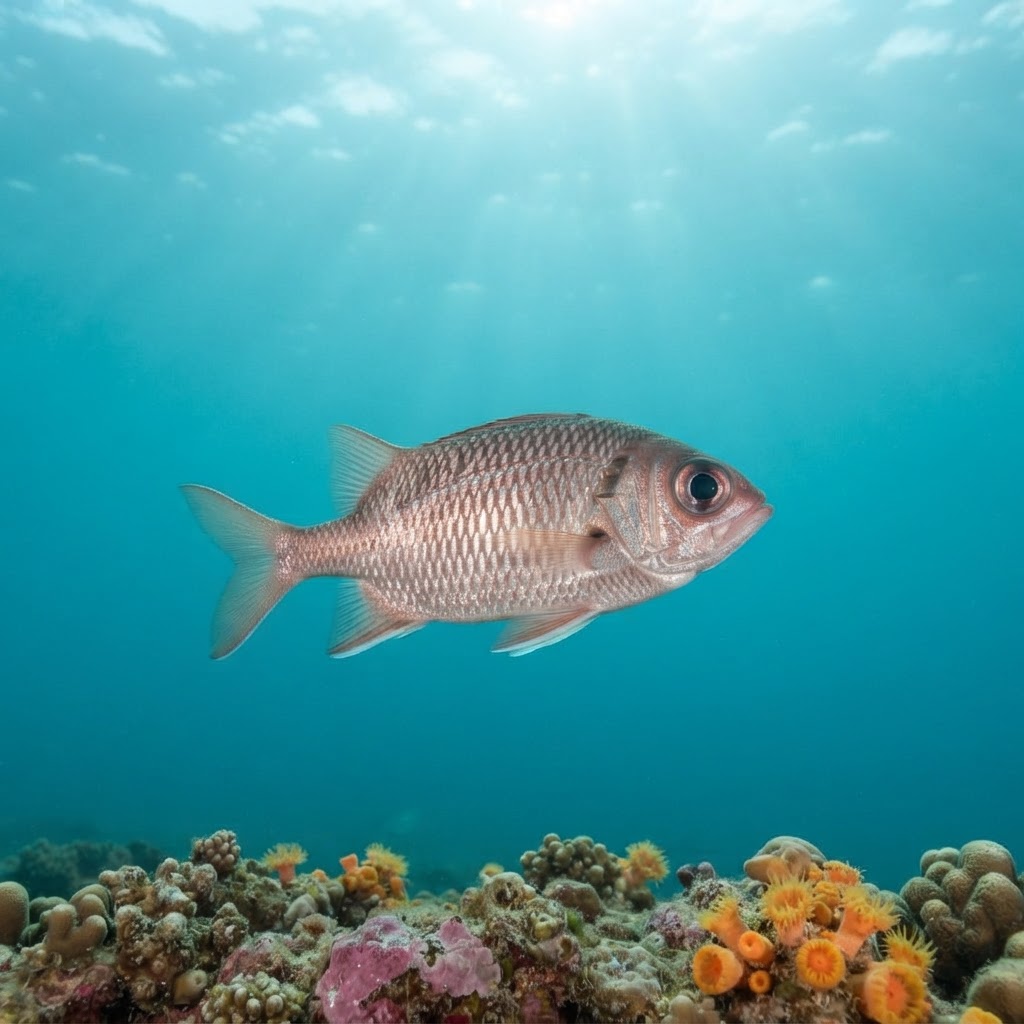
A slim, red-bodied reef fish around 18 cm long with silvery horizontal stripes running the length of its flanks and unusually large, dark reflective eyes built for low light. Look for the spiny, slightly forked tail and the way it hovers nose-out from a crevice rather than swimming freely over open reef. The dorsal fin carries fine spines that give the family its common name, squirrelfish, from the way they dart back into cover.
Expect to find it wedged into a crevice, under a ledge, or hovering at a cave mouth during the day, using those big eyes to stay alert while resting in low light. It is a nocturnal feeder that becomes more active after dark, when divers on night dives often see it out foraging over the reef. By day it tends to hold its position and simply retreat deeper into cover if a diver gets too close, rather than bolting across open water.
Like other squirrelfish, it relies on its oversized eyes to hunt small invertebrates at night, spending daylight hours conserving energy in reef shelter rather than out on open ground.
Sightings show no strong seasonal pattern, and with a comfortable range of roughly 23 to 29 C it stays active on these Pacific coast reefs throughout the year. Any month you can get in the water along Mexico's or Costa Rica's Pacific coast is a fair shot at finding one.
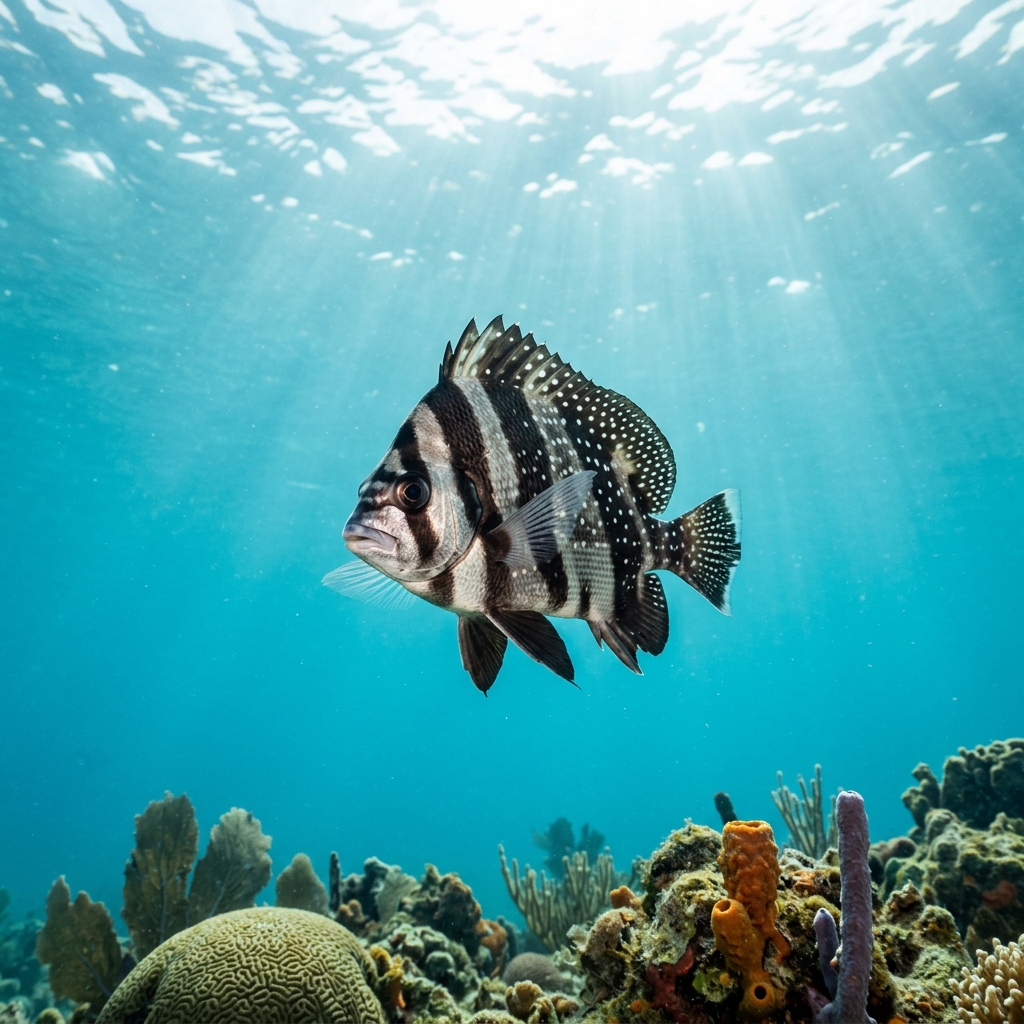
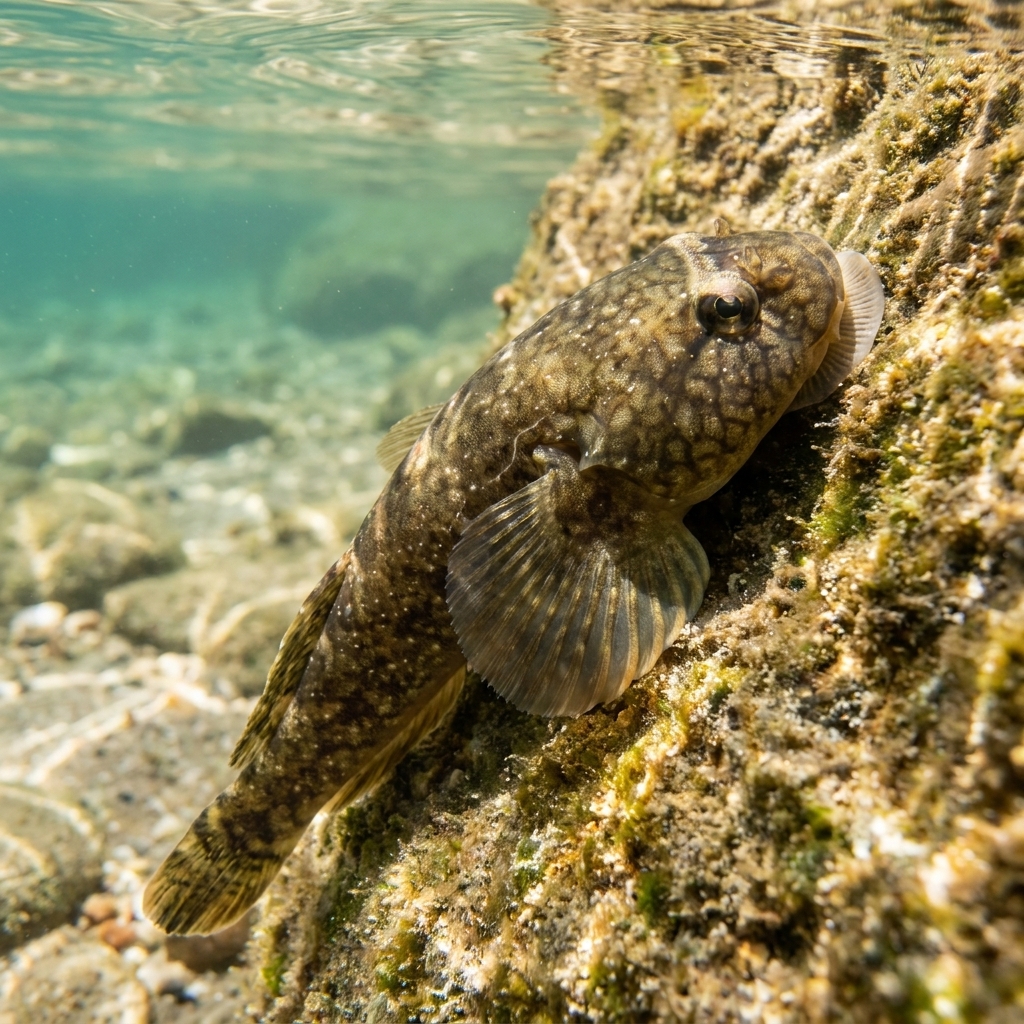
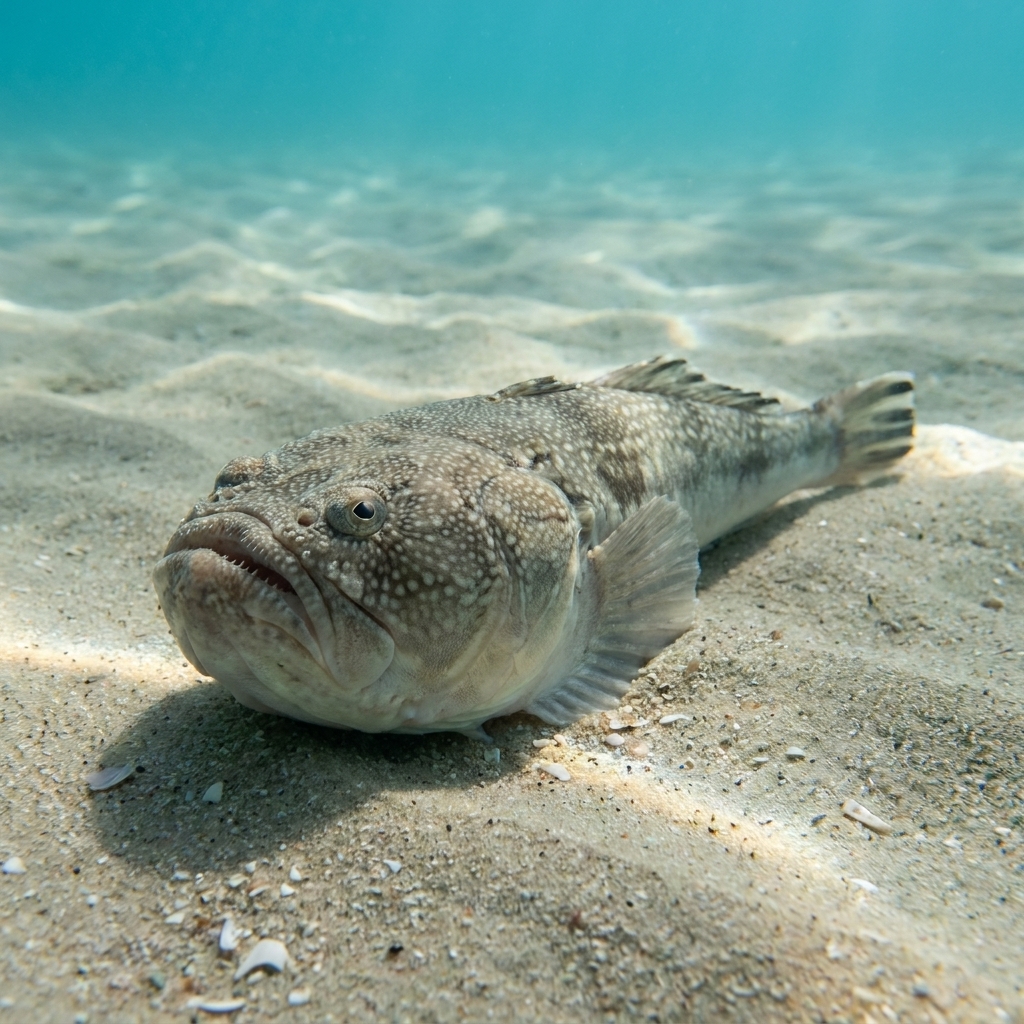
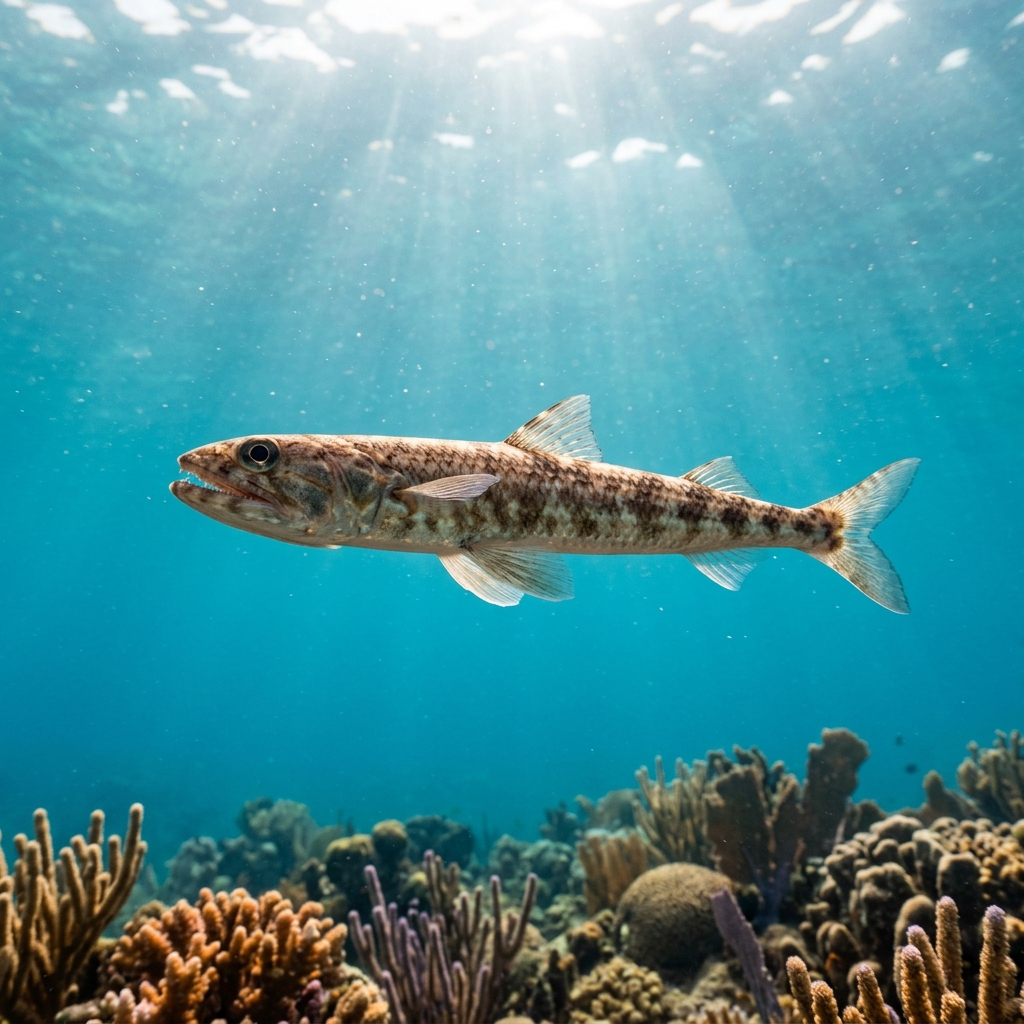
Reef neighbours a diver could mistake it for. Use the identification notes above to tell them apart.
Most consistently logged along Mexico's Pacific Coast, with strong numbers also coming out of Guanacaste and the Central Pacific in Costa Rica, and along Panama's Pacific Coast. Across all three countries it turns up as an uncommon to rare find, so it rewards divers who take time to check ledges and crevices rather than expecting it in open water.
Mapping where Tinsel Squirrelfish is logged…
It is most reliably found along Mexico's Pacific Coast, in Guanacaste and the Central Pacific of Costa Rica, and along Panama's Pacific Coast. It stays an uncommon to rare sighting even at its best sites, so check crevices and ledges carefully.
There is no clear seasonal pattern in sightings, and its comfortable temperature range of about 23 to 29 C means it is present on these Pacific reefs year-round.
Look for a red body with silvery stripes, large dark eyes, and a spiny dorsal fin, usually seen tucked into a crevice or ledge rather than swimming in the open. It reaches about 18 cm, noticeably smaller than many other reef fish sharing the same crevices.
They typically reach around 18 cm in length, a small to medium-sized reef fish that is easy to overlook against a shaded crevice or overhang.
They spend daylight hours resting in crevices and under ledges rather than swimming over open reef, and sighting logs mark them as uncommon to rare even at their best sites. Night dives often give a better look, since they become more active foragers after dark.
Site and sighting data is aggregated from diver logs, iNaturalist and GBIF. For taxonomy and conservation status:
Soldierfish
3,612 sites