Hypsoblennius invemar
A tiny reef-hole dweller most reliably spotted on Florida dive sites, in water between 24 and 28°C year-round.
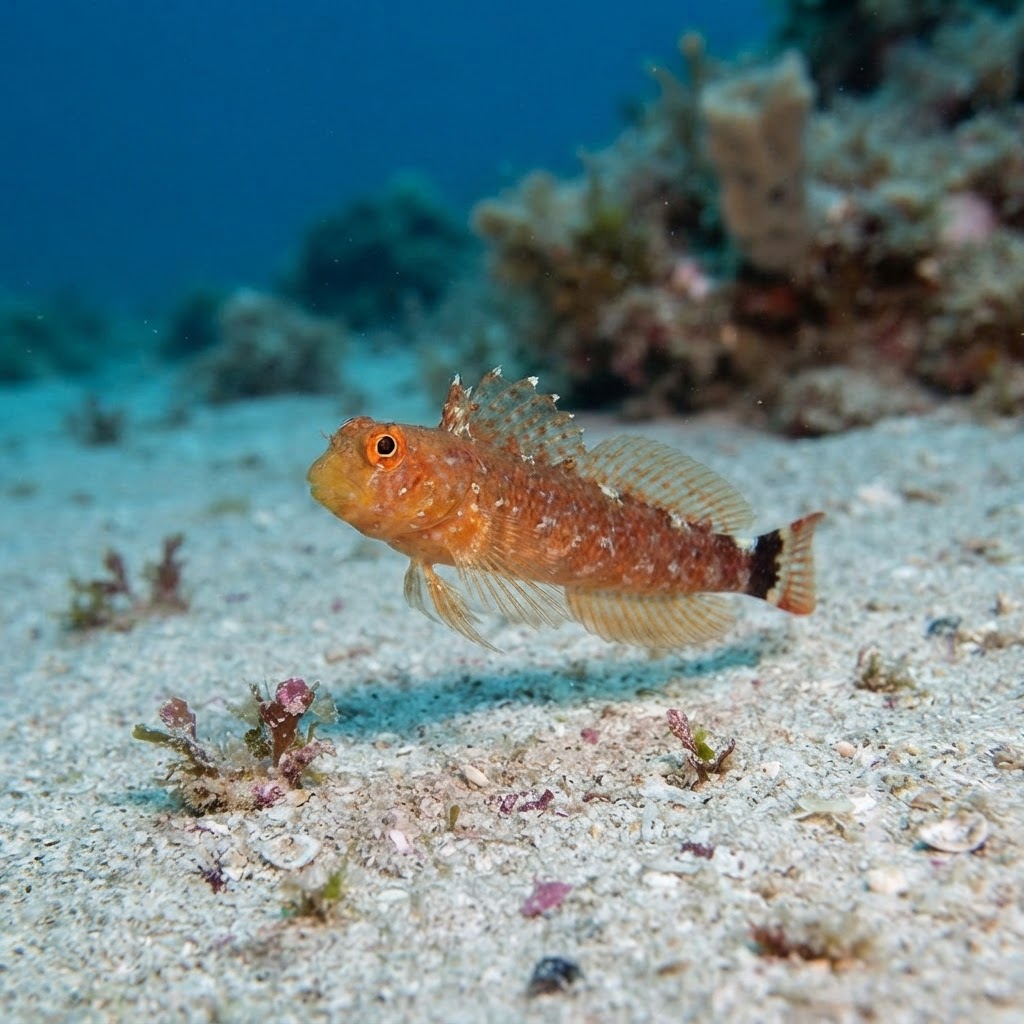
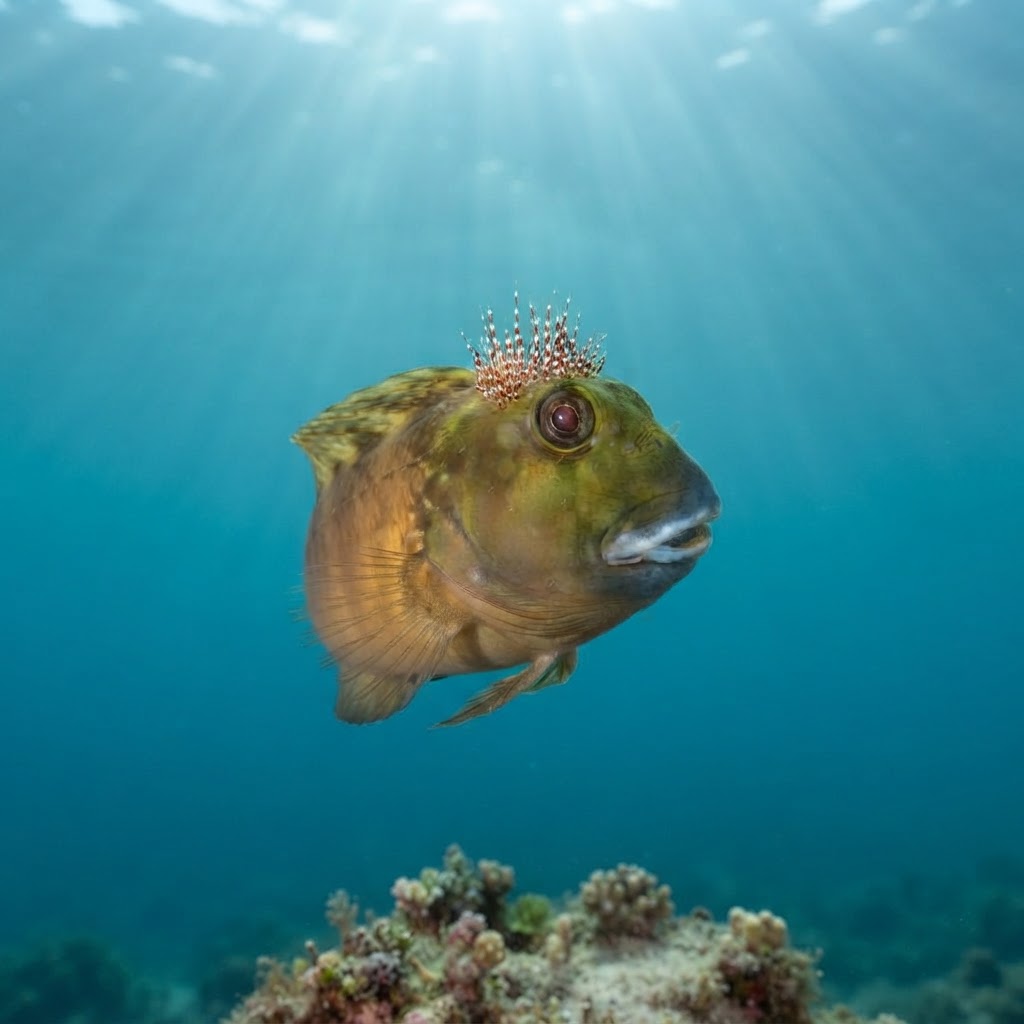
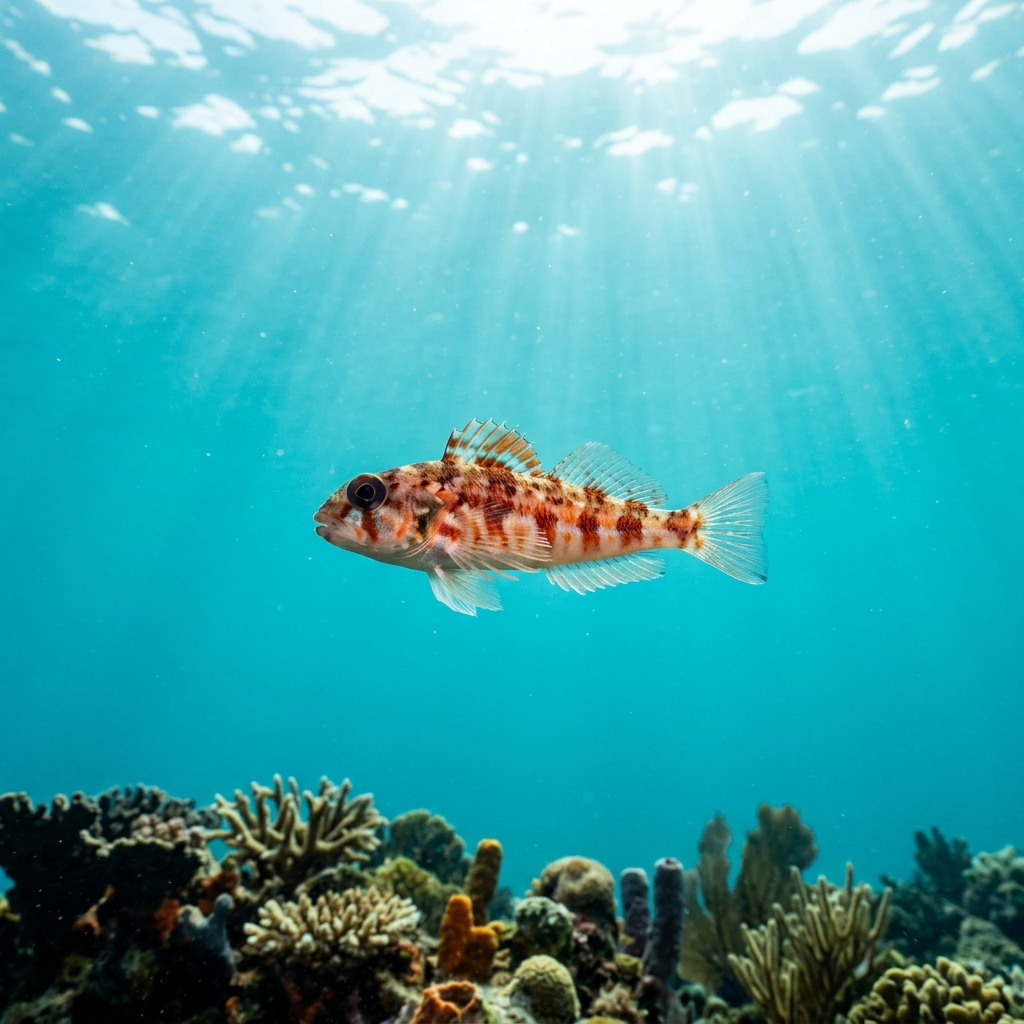
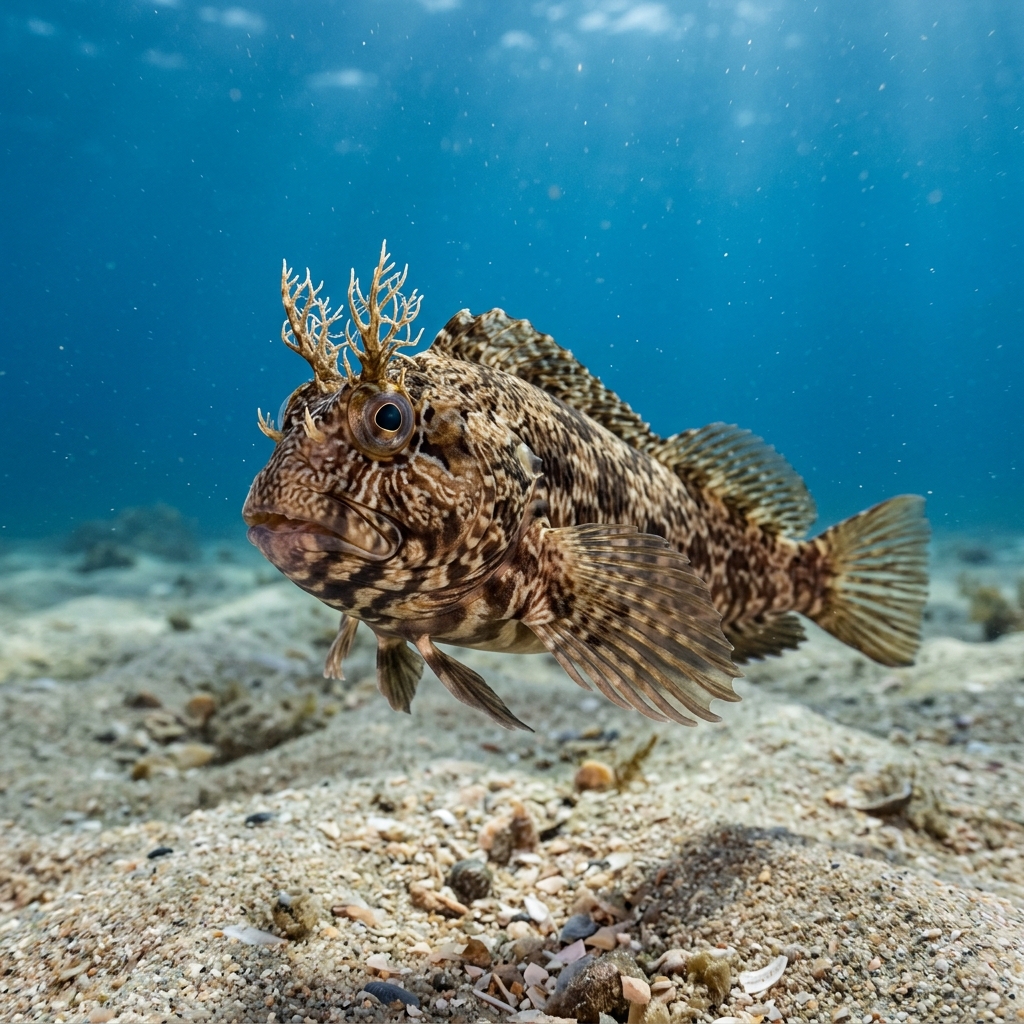
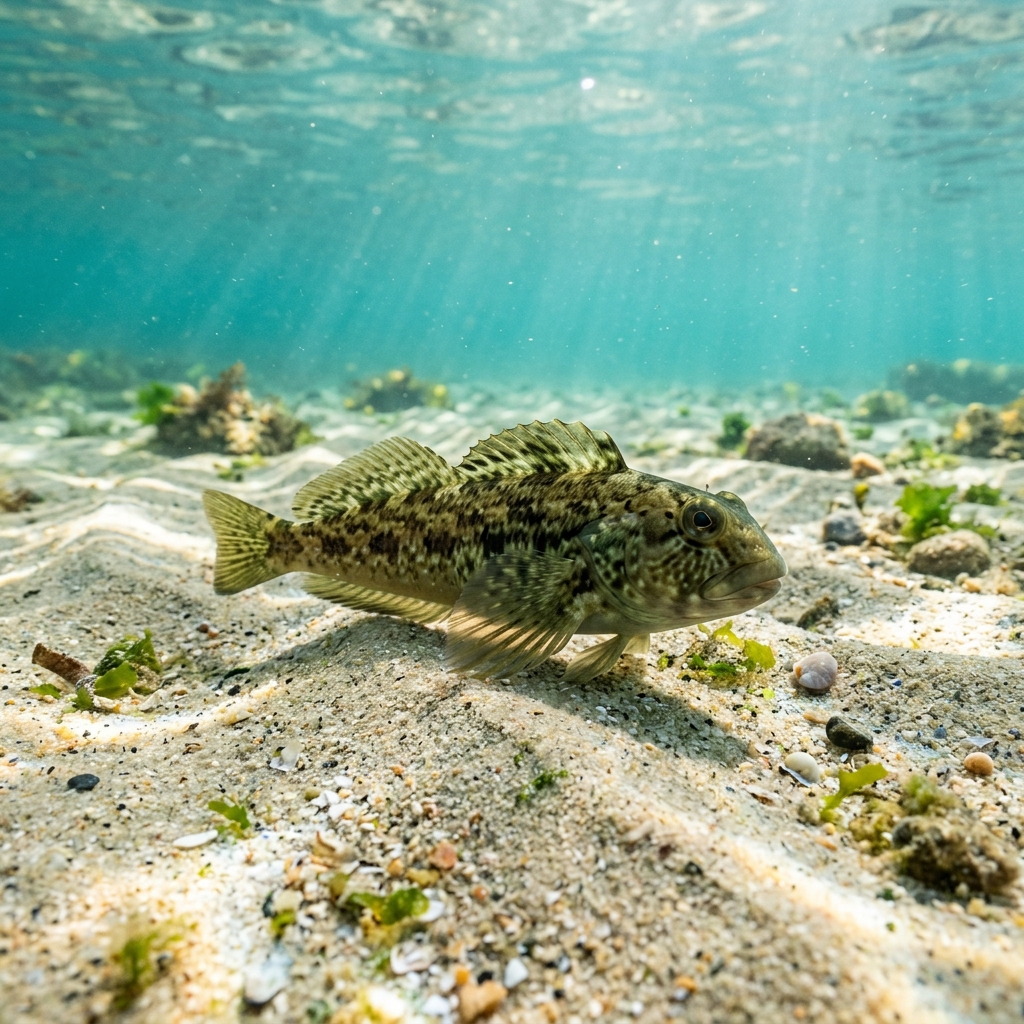
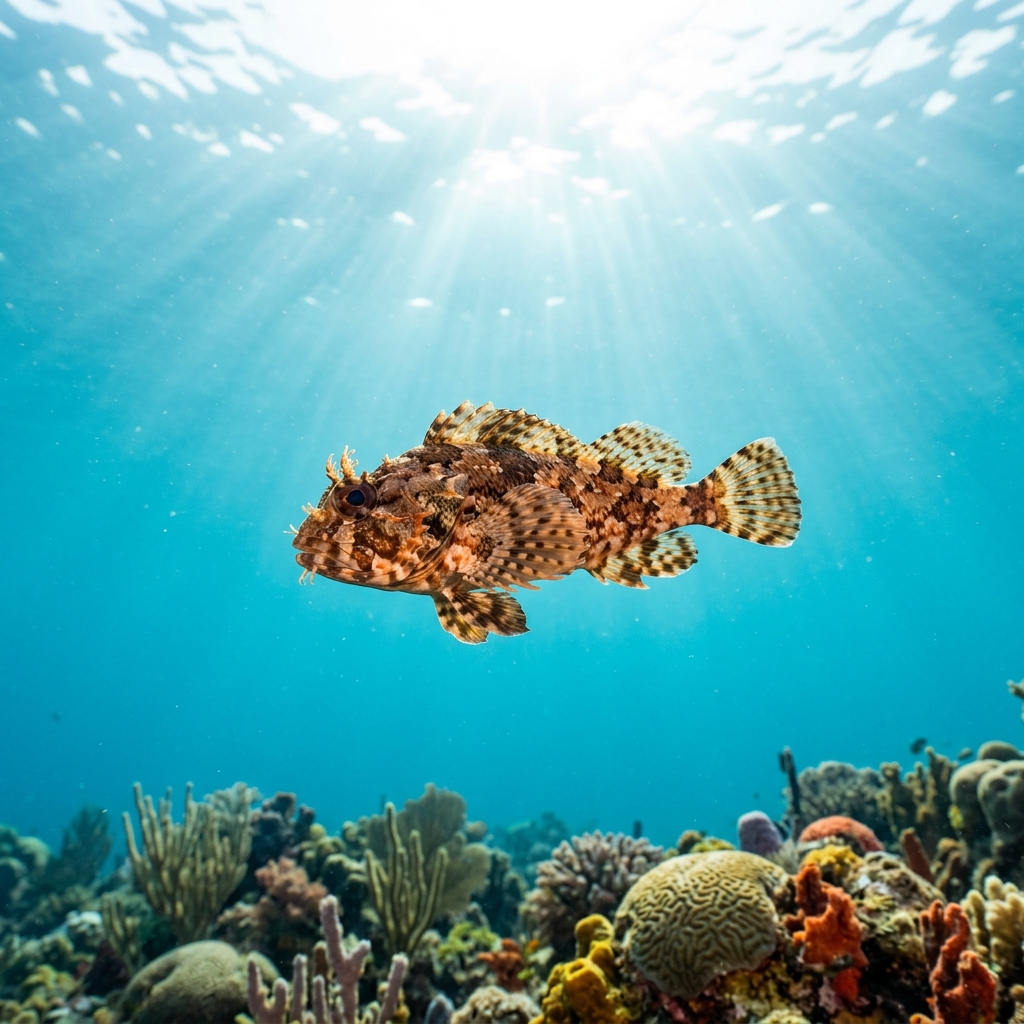
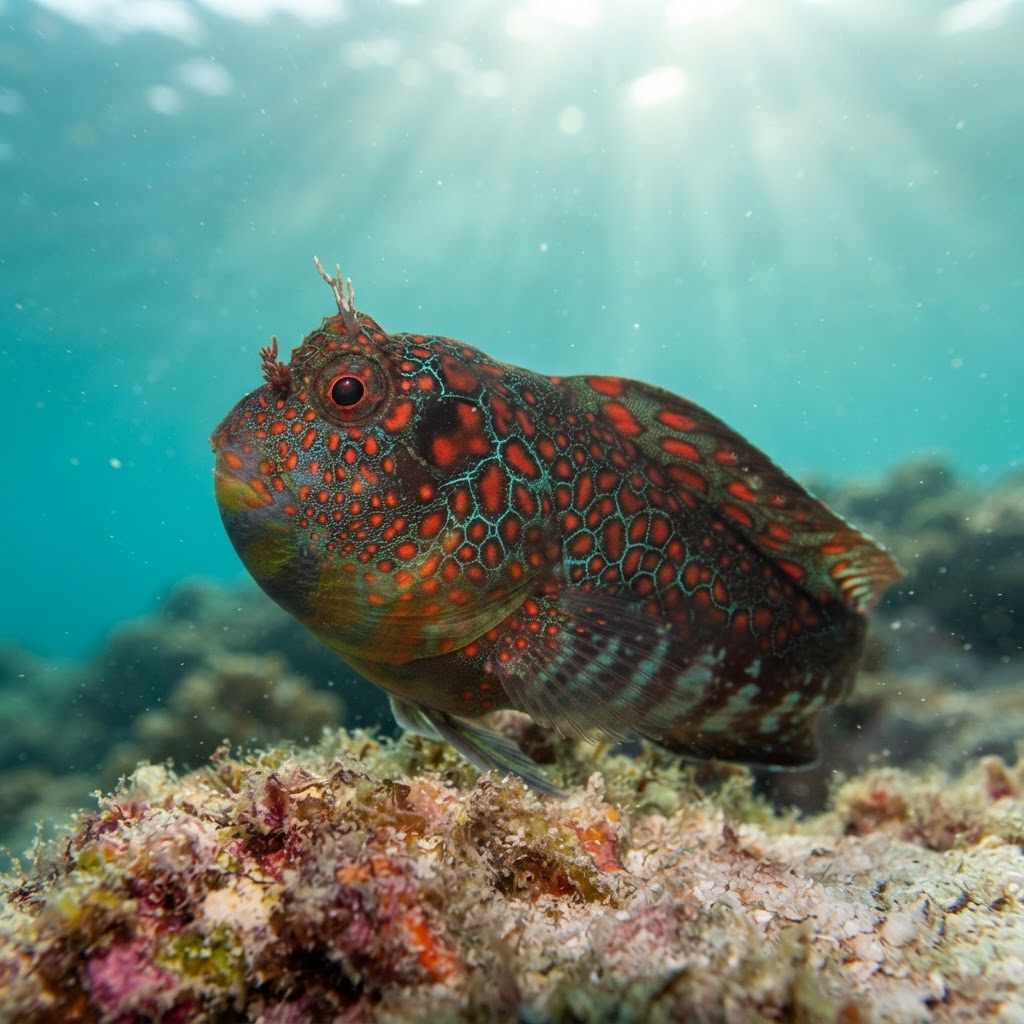
A stubby 4 cm blenny that spends most of its time with just its head poking out of a hole in rock or coral rubble. Look for a mottled, tessellated (checkerboard-like) pattern of brown and cream blotches over a pale body, plus small cirri (fleshy tufts) above the eyes. Its body shape is short and thick-set rather than elongated, and it rarely swims far from its chosen burrow.
Expect to find it wedged into a small hole in rubble, dead coral, or rocky reef, with just its face and cirri visible. It tends to hold its ground rather than dart away when a diver approaches, ducking back only if you get very close or move fast. Slow, close-focus looks along broken reef and rubble patches during the day are the way to spot one, since it rarely ventures far from cover.
Like other blennies, it's a hole-nester: it stakes out a single small cavity as a home base and territory, which is why the same individual can often be refound in the same spot on repeat dives.
No clear seasonal pattern shows up in the sightings, and its comfort range of roughly 24 to 28°C matches Florida's reefs for most of the year, so it's a reasonable find on any dive trip regardless of month.
Reef neighbours a diver could mistake it for. Use the identification notes above to tell them apart.
This one is most reliably logged on dive sites in Florida, United States, which accounts for nearly all recorded sightings. A smaller number of divers have also found it around Saint John in the US Virgin Islands, so it's worth checking rubble and rocky crevices there too.
Mapping where Tessellated Blenny is logged…
Florida, United States is by far the most consistent place to find it, with sightings spread across numerous dive sites there. It has also been recorded around Saint John in the US Virgin Islands, though less often.
There's no strong seasonal pattern in the sightings, so it's considered a year-round find. Its recorded water-temperature range of 24 to 28.2°C lines up with typical Florida reef conditions most months.
Look for a small, 4 cm blenny peeking out of a hole in rubble or rock, with a mottled brown-and-cream checkerboard pattern and small cirri above the eyes. It stays close to its burrow rather than swimming openly over the reef.
They're small, topping out around 4 cm long, which is typical for blennies in this family. That size, plus their habit of hiding in holes, means you need to look closely to spot one.
No, they pose no danger to divers. They're too small to be anything other than a fun spotting challenge on the reef.
It's a hole-nester, claiming a single small cavity in rock or rubble as a home territory. Divers who find one often relocate the same fish in the same spot on later dives.
Site and sighting data is aggregated from diver logs, iNaturalist and GBIF. For taxonomy and conservation status:
Rusty Blenny
2,605 sites