Ecsenius stigmatura
A tiny reef blenny logged across 20 Raja Ampat sites in warm 28-29 C water, common on rubble and coral rock year-round.
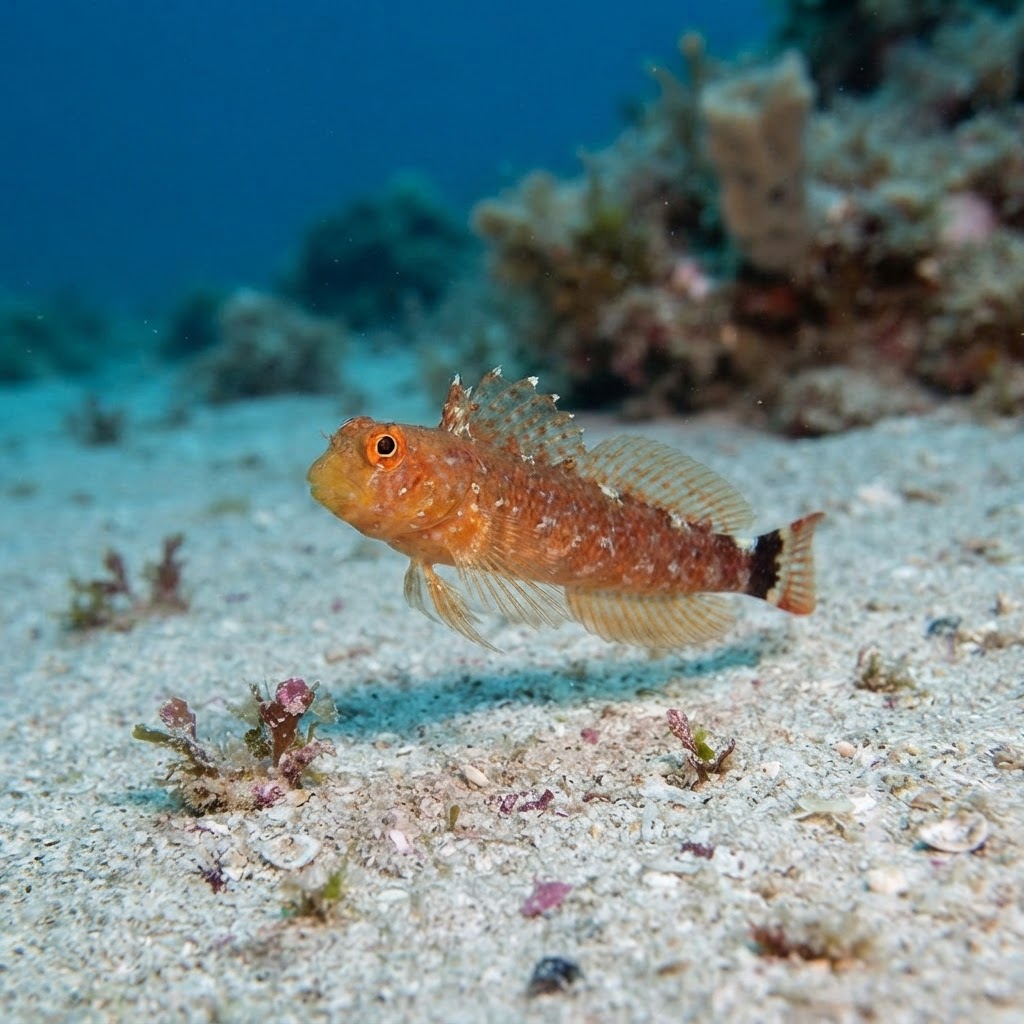
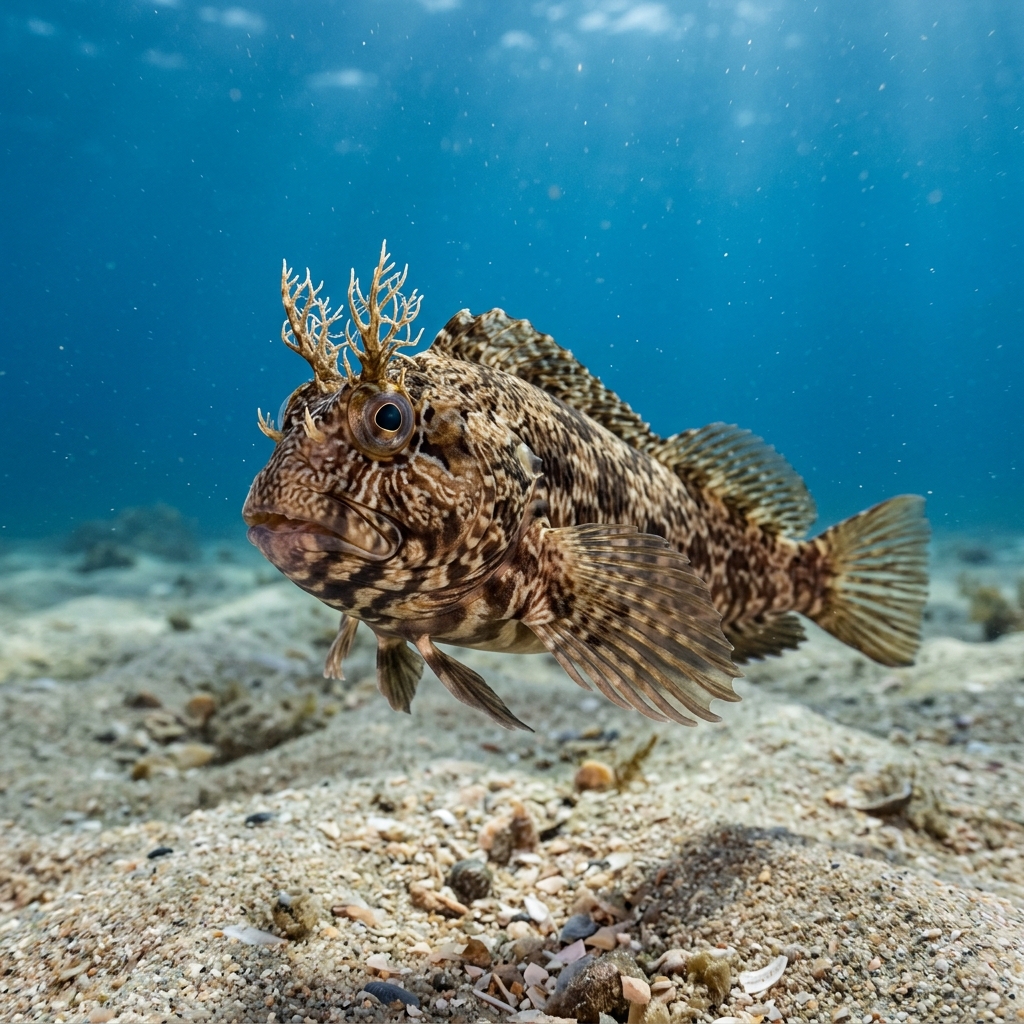
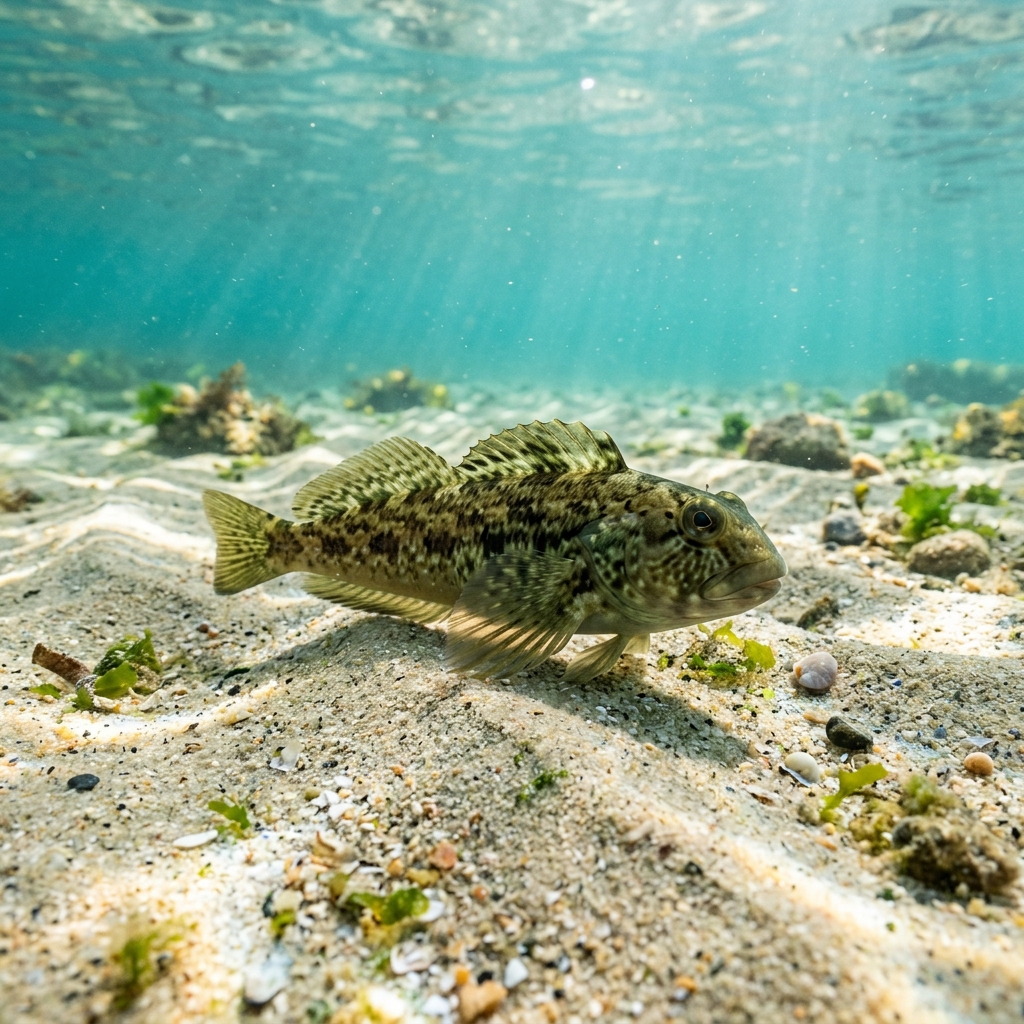
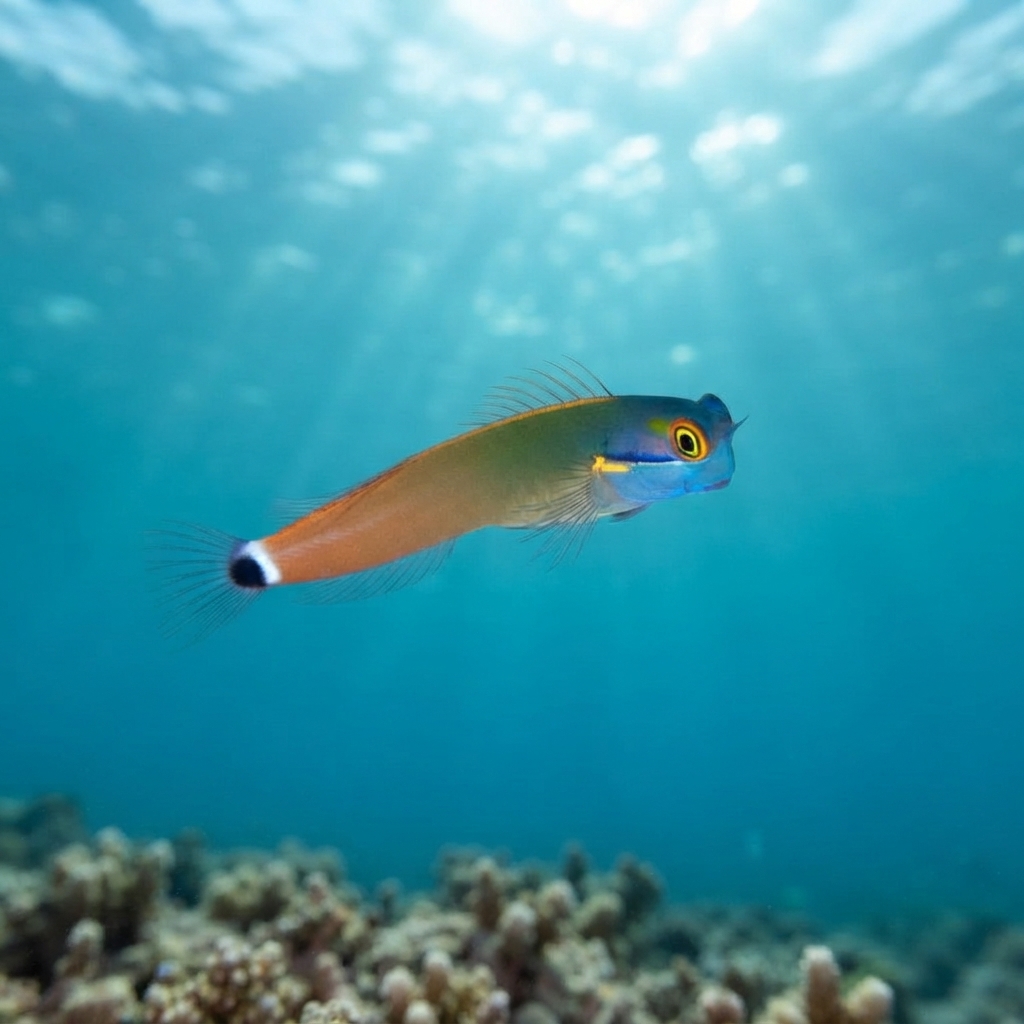
At around 4 cm, this is a small, slender blenny that sits propped on its pectoral fins rather than swimming in open water. Look for a mottled brown to olive body and the dark spot near the base of the tail that gives the species its name. Its head is blunt with close-set eyes high on the skull, typical of the combtooth-blenny build, and it tends to freeze in place rather than dart away when you get close.
Divers find it perched motionless on rubble, dead coral, or rocky substrate rather than swimming, using its pectoral fins to prop itself just off the surface. It is unbothered by slow, careful divers and will often let you get close for a macro shot before hopping to the next perch. Most logs come from the same reef-flat and slope habitat that hosts Raja Ampat's dense rubble and coral rock zones.
Combtooth-blennies like this one graze algae and detritus off hard surfaces with comb-like teeth, making them a small but constant part of reef cleanup that most divers swim straight past.
Sightings show no detectable seasonal pattern, and the water it is found in stays a steady 28.4 to 29.2 C year-round, so any month in Raja Ampat gives you a fair shot at finding it.
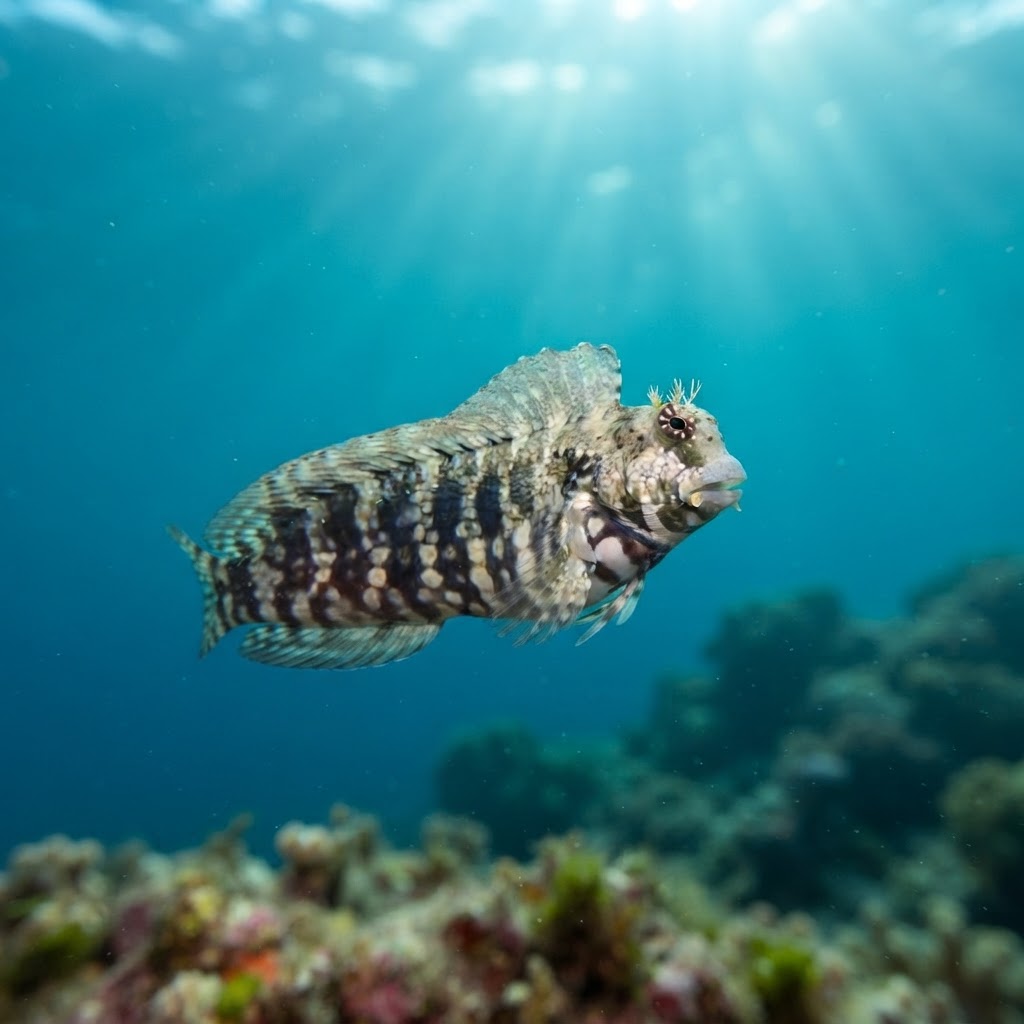
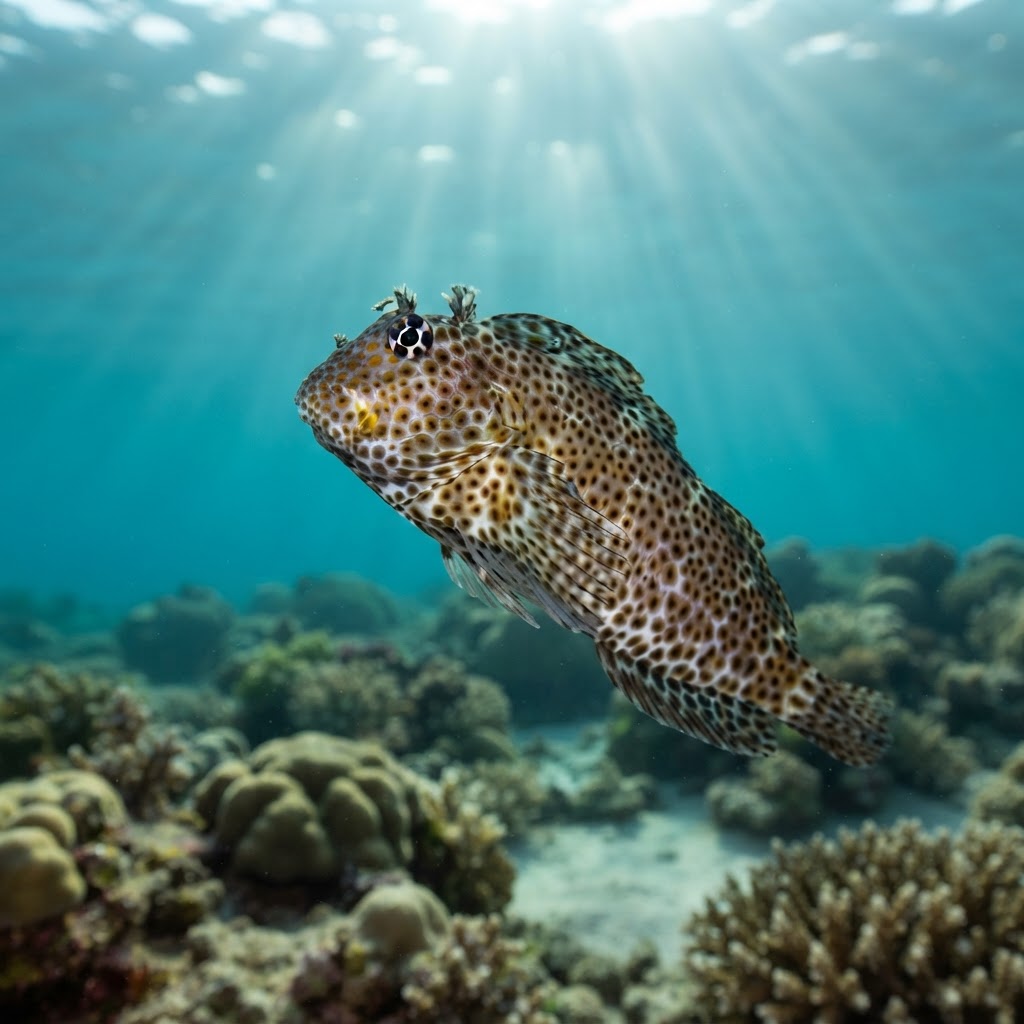
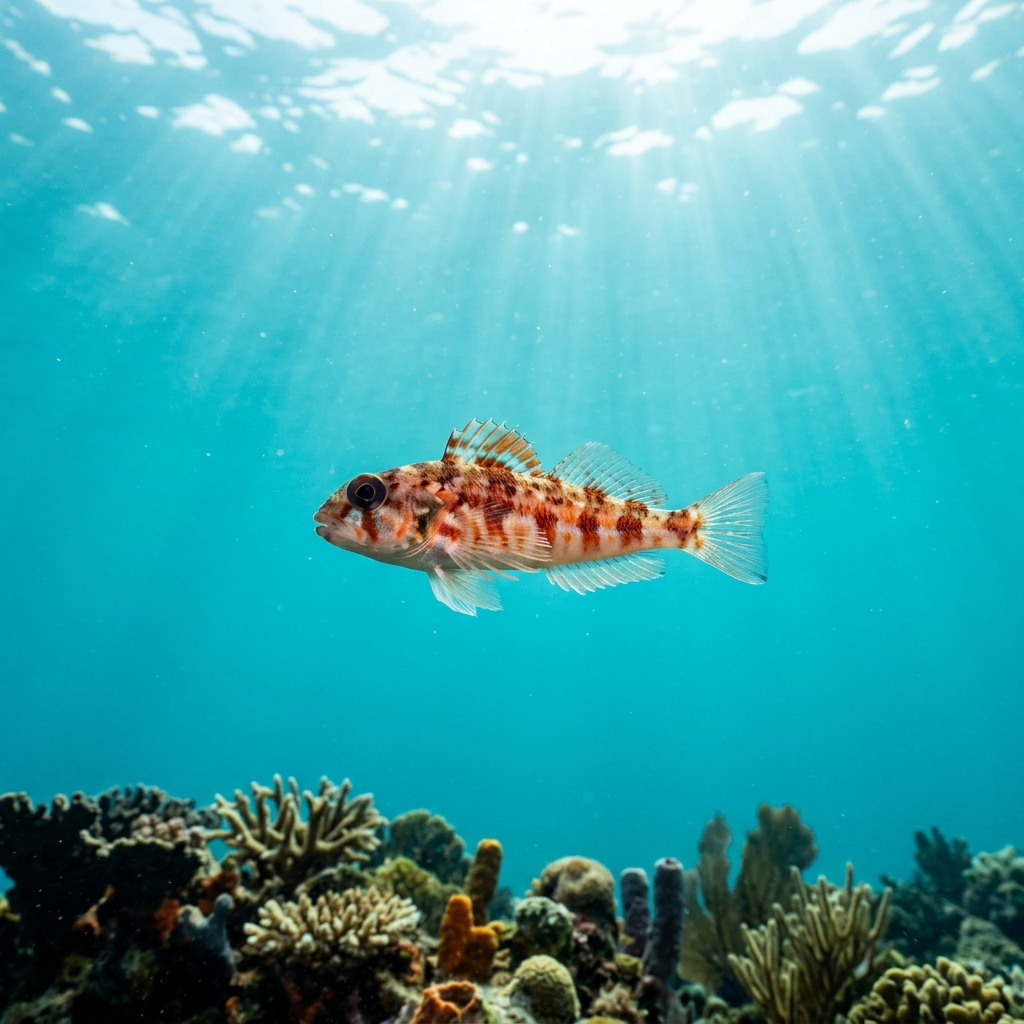
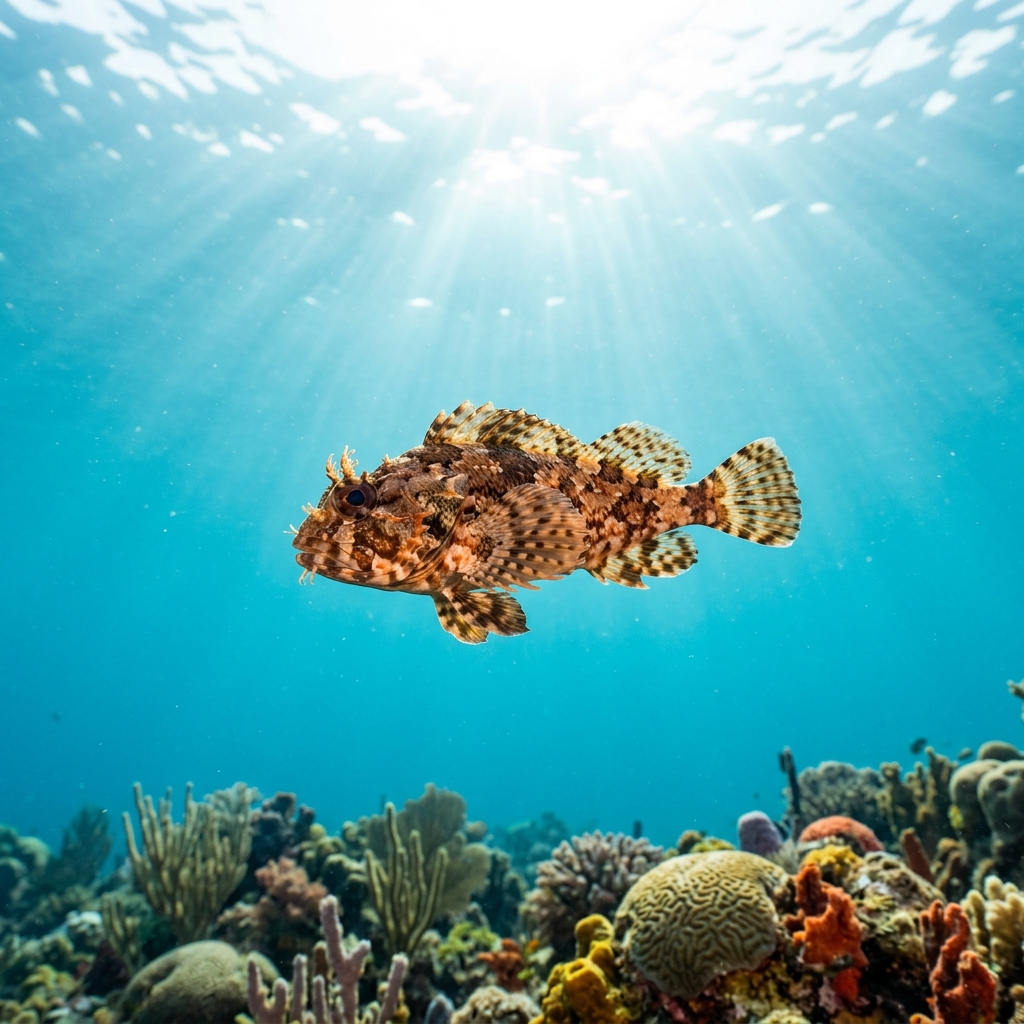
Reef neighbours a diver could mistake it for. Use the identification notes above to tell them apart.
This species is most reliably logged in Raja Ampat, Indonesia, where it turns up across a wide spread of dive sites on rubble patches and coral rock. Indonesia is currently the only country with confirmed logs, so Raja Ampat is the place to plan around if you want to tick this one off.
Mapping where Tail-spot Combtooth-blenny is logged…
Raja Ampat, Indonesia is the strongest known area for this species, with sightings spread across a wide range of its dive sites. It has not yet been confirmed as a reliable sighting outside Indonesia in current diver records.
There is no detected seasonal pattern, and water temperatures at known sites stay a consistent 28 to 29 C year-round, so it can be found on Raja Ampat reefs in any month.
Look for a small, slender blenny around 4 cm long, mottled brown or olive, perched still on rubble or coral rock rather than swimming. The key mark is the dark spot at the base of the tail fin.
They stay small, typically around 4 cm, making them an easy fish to overlook unless you are looking closely at rubble and rock surfaces.
No, they pose no threat to divers. They are tiny, sit still on the substrate, and have no interest in interacting with anything larger than themselves.
Site and sighting data is aggregated from diver logs, iNaturalist and GBIF. For taxonomy and conservation status:
Rusty Blenny
2,605 sites