Asterropteryx striata
A pinhead-sized goby common across the Visayas at 27-29C, easy to miss unless you know where to look on the reef.
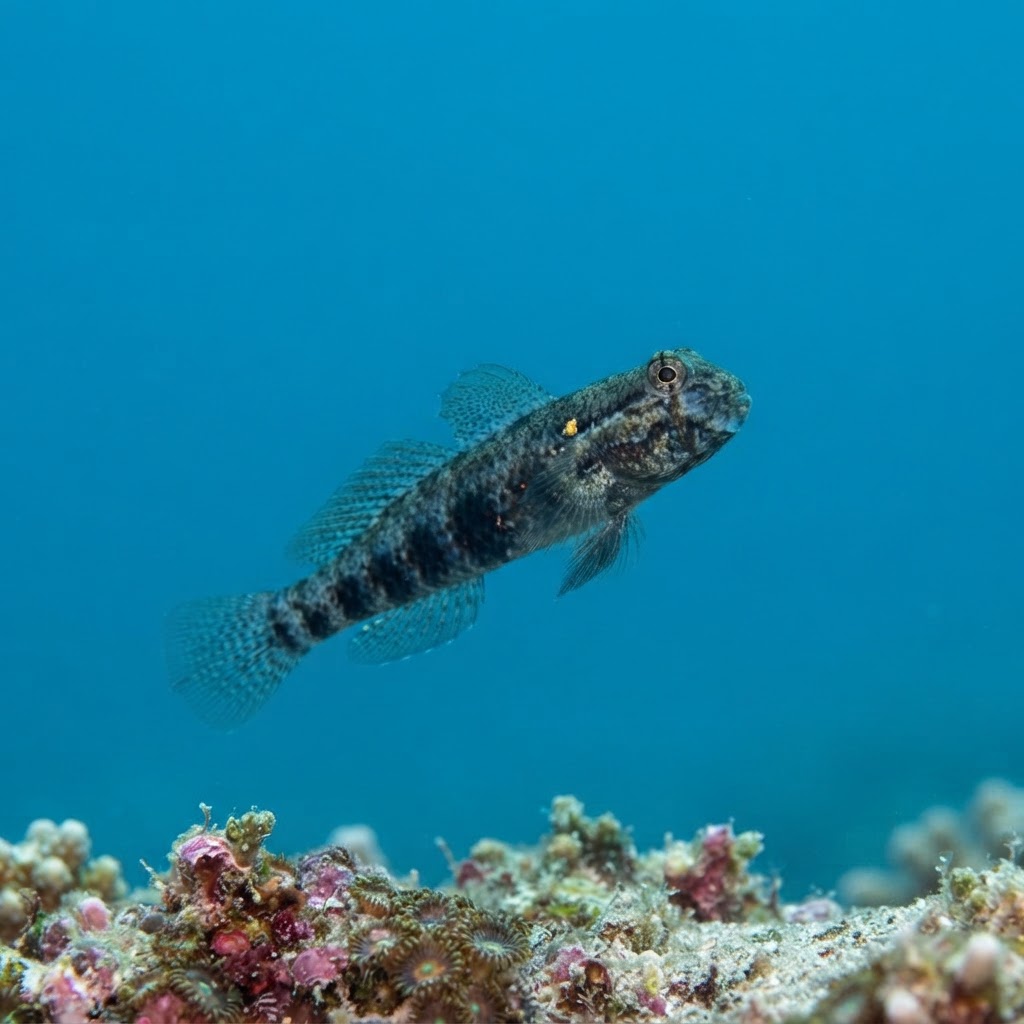
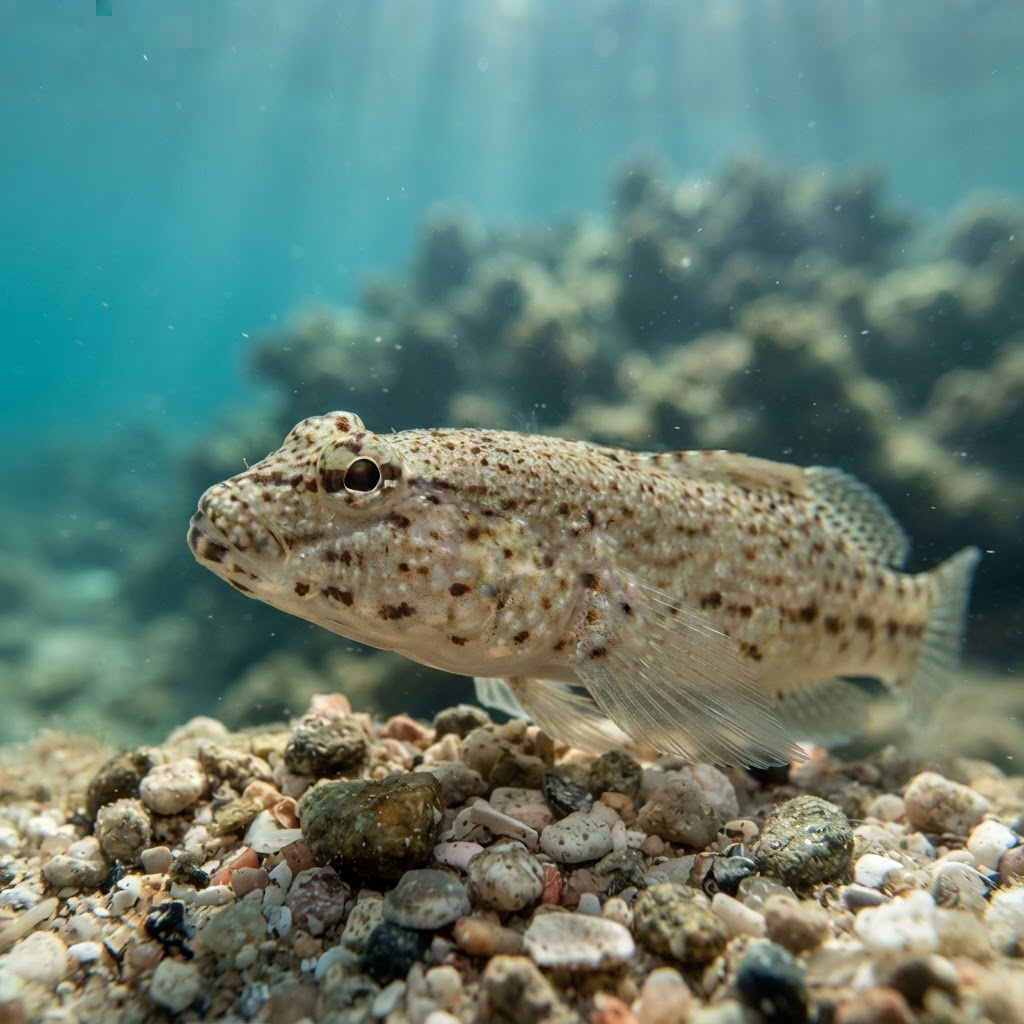
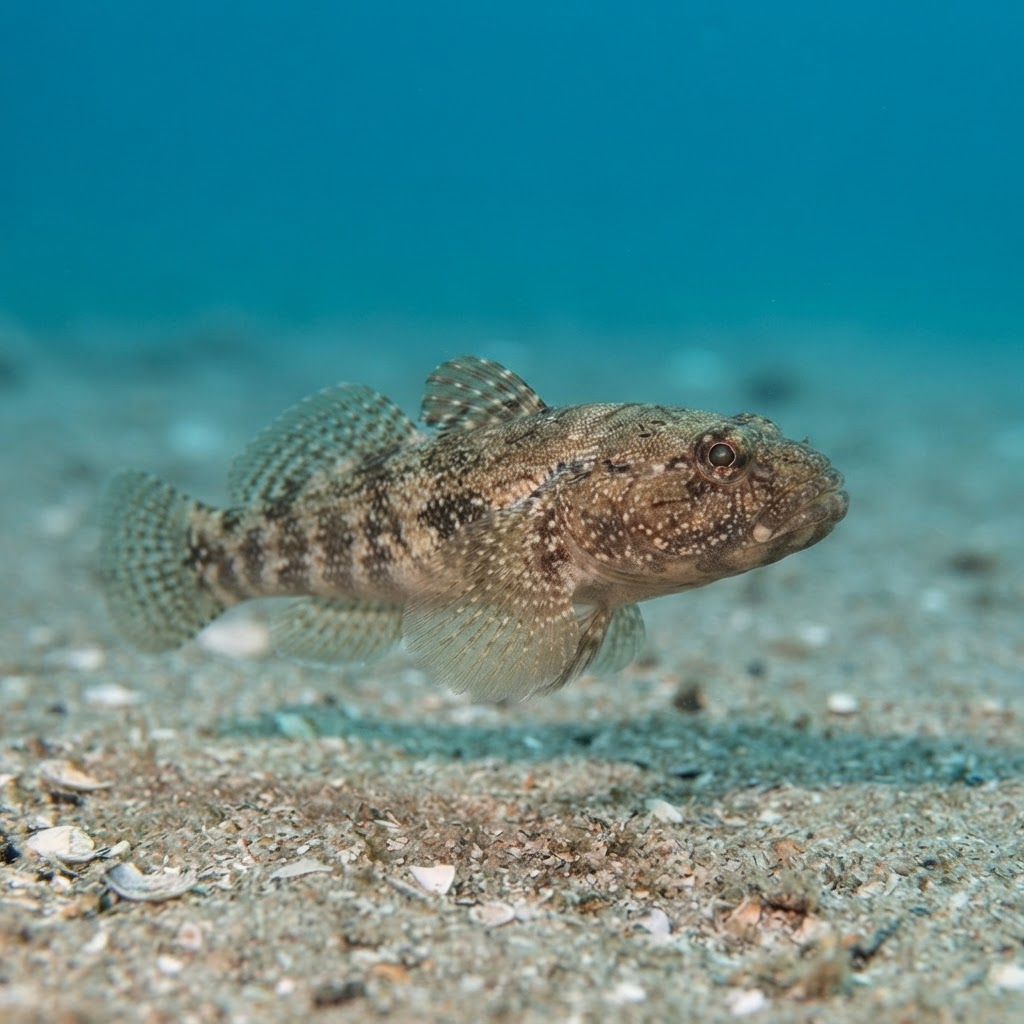
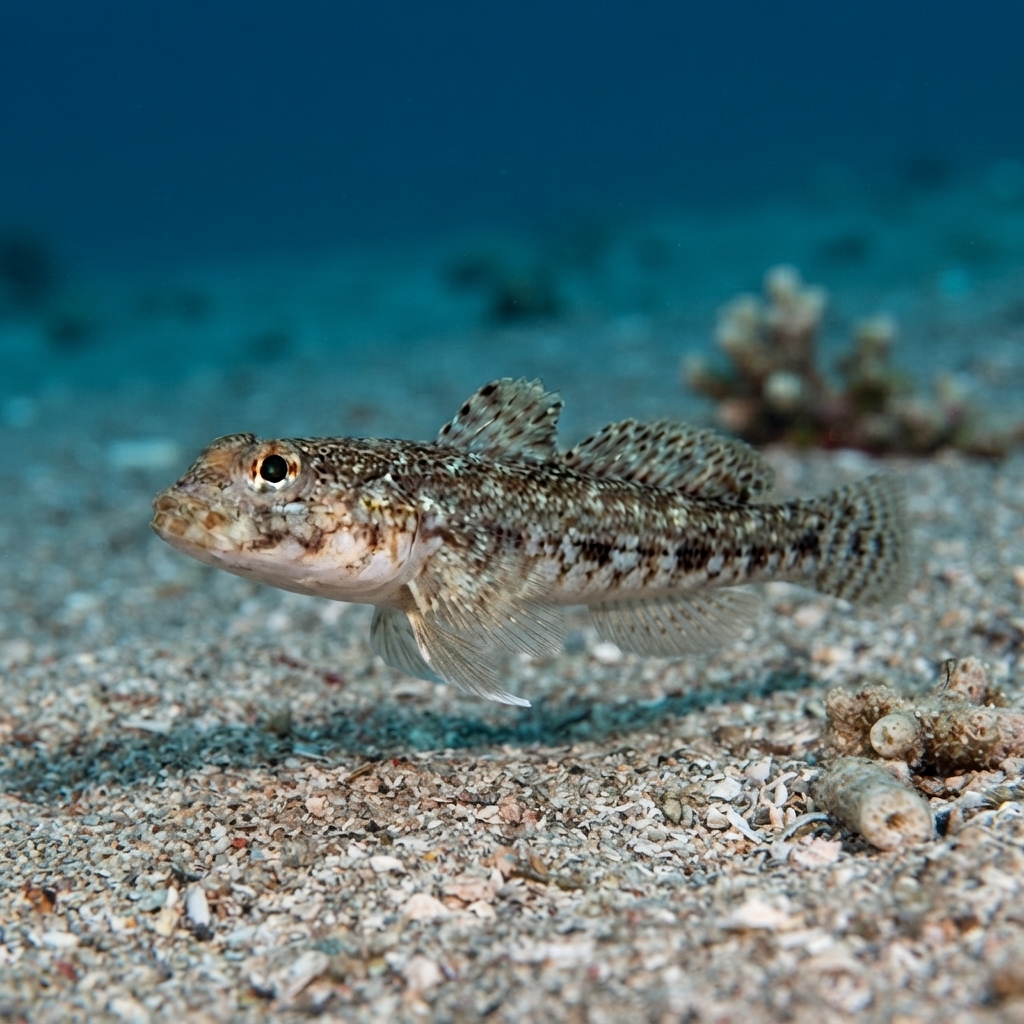
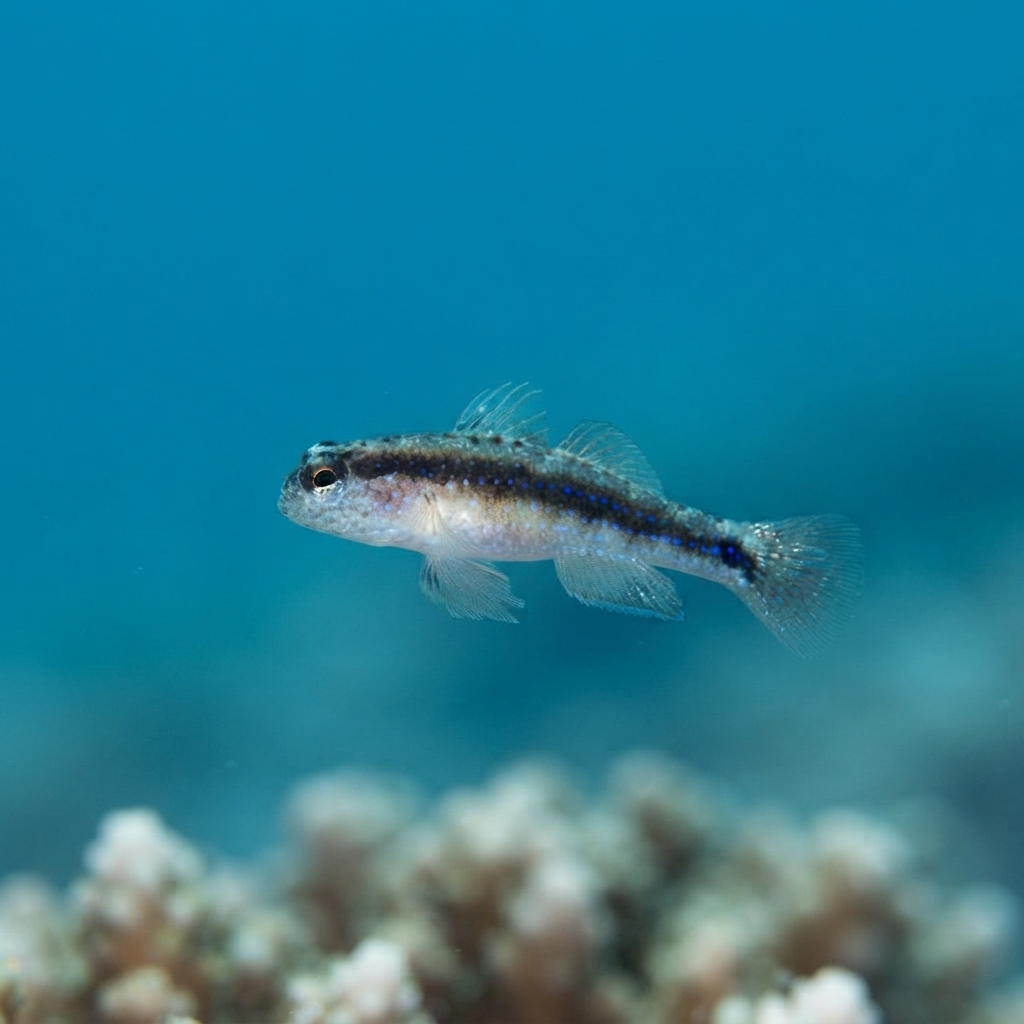
Barely a centimetre long, this goby is easy to overlook against rubble or coral rock. Look for a slim, elongated body with alternating pale and dusky bands running along its flanks, and a habit of perching motionless on hard substrate rather than swimming in open water. Its eyes sit high and bulging on the head, typical of bottom-dwelling gobies, and it rests propped on its pelvic fins.
Divers find it sitting still on rubble, dead coral or reef rock rather than out swimming, usually at depths between 6 and 30 metres. It tends to hold its ground rather than dart off when a torch or lens gets close, which is the main reason macro divers manage to spot something this small at all. Most logs describe it as an uncommon find, meaning you have to actively hunt rubble patches rather than expect it on every dive.
At around a centimetre long, it is one of the smallest reef fish divers deliberately search for, and finding one usually means slowing right down and scanning rubble fields inch by inch rather than cruising the reef.
No clear seasonal pattern shows up in the sightings, and its comfort range of 27 to 29.3C matches tropical reefs year-round, so any month is fair game in the Coral Triangle countries where it is found.
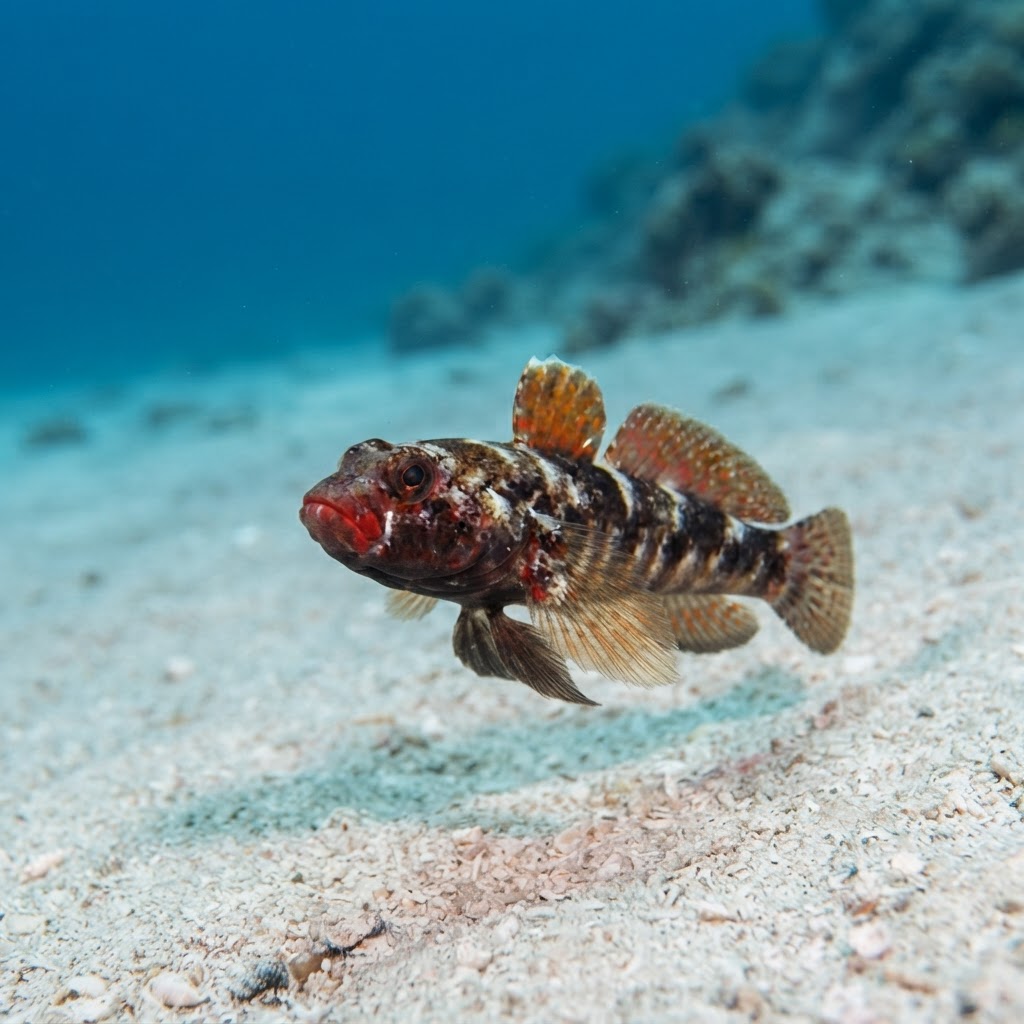
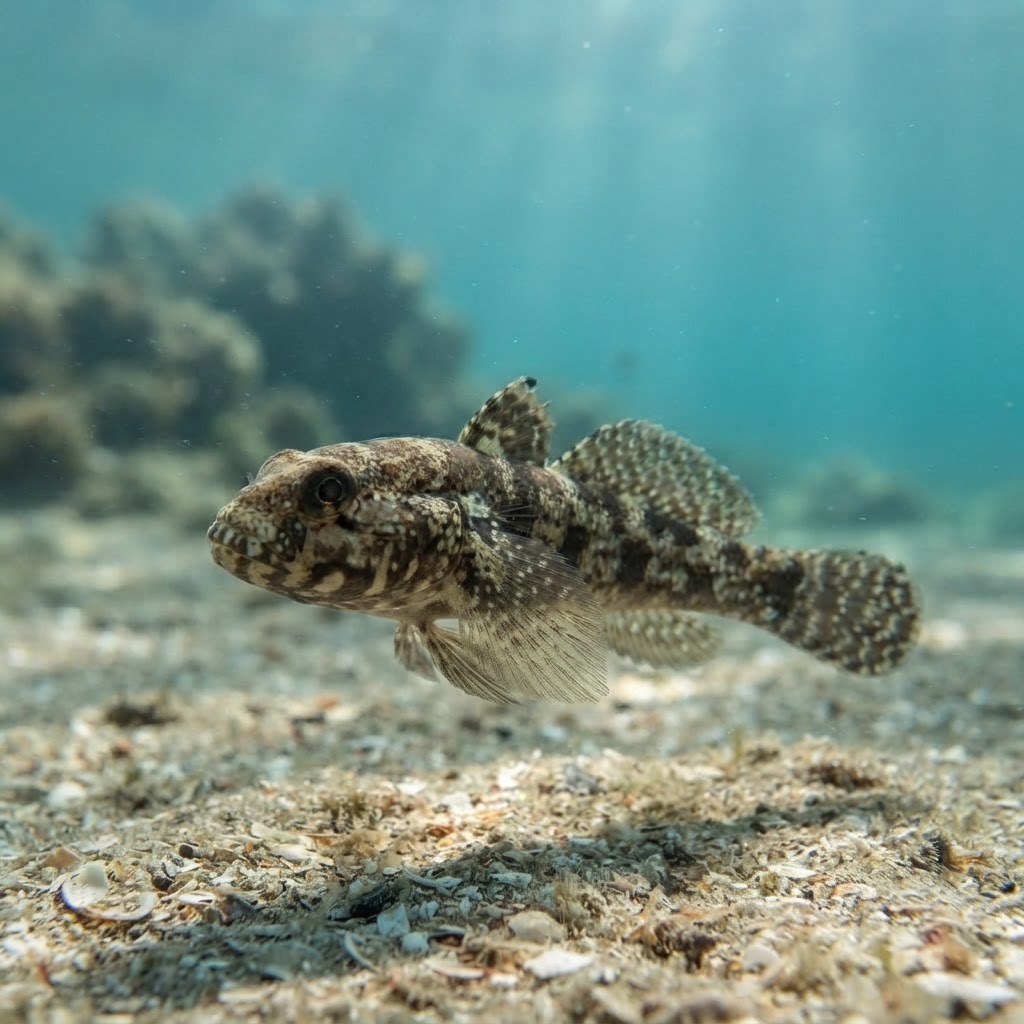
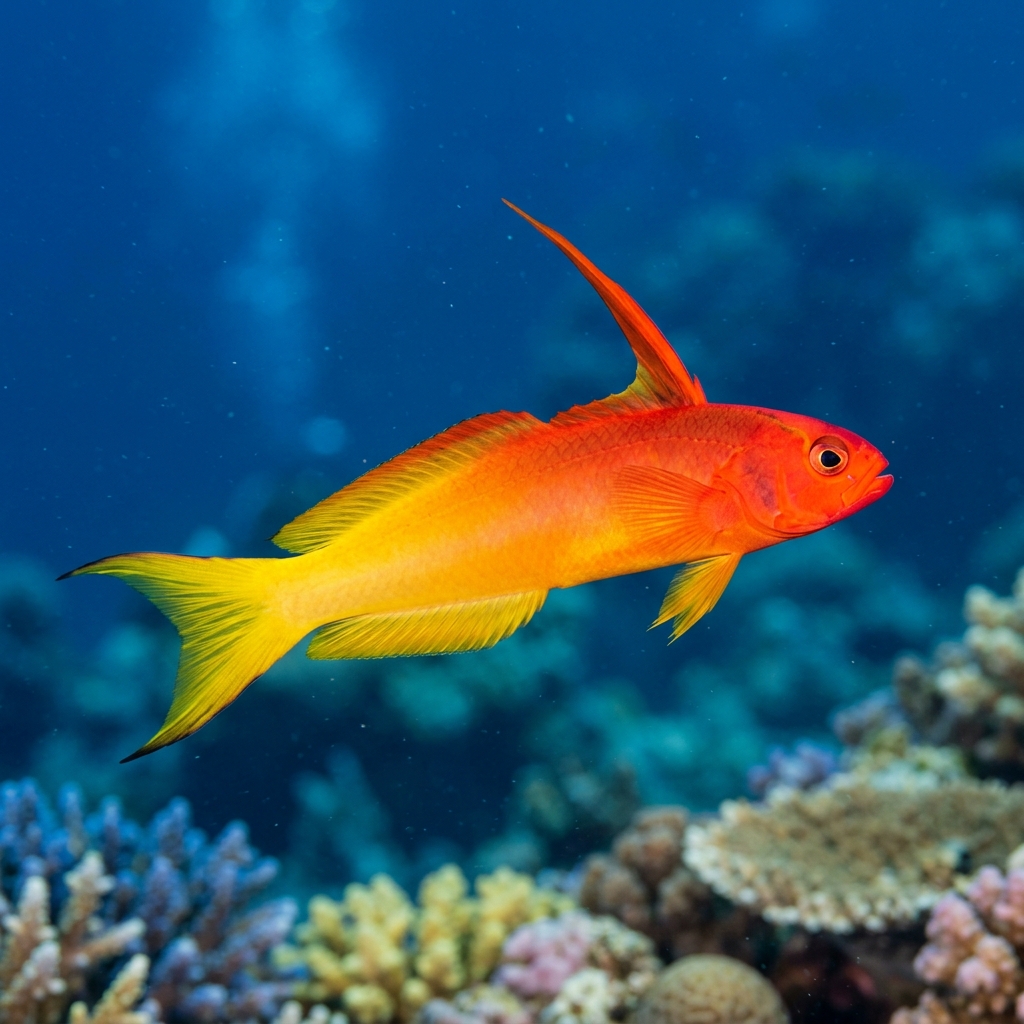
Reef neighbours a diver could mistake it for. Use the identification notes above to tell them apart.
Most reliably logged across the Philippines, especially the Visayas and Luzon, where it turns up on rubble and reef-rock patches at recreational depths. It also has a solid presence in Indonesia, spanning West Papua, Sulawesi and Bali, with further sightings in Timor-Leste around Dili and in Milne Bay, Papua New Guinea.
Mapping where Indo-Pacific Striped Goby is logged…
The strongest sightings come from the Philippines, particularly the Visayas and Luzon, with further populations across Indonesia in West Papua, Sulawesi and Bali. Timor-Leste and Papua New Guinea's Milne Bay region also have confirmed records.
There is no strong seasonal pattern in the data, and warm water between 27 and 29.3C is present year-round across its Coral Triangle range, so it can turn up on any month's dive.
Look for a tiny, centimetre-long fish perched still on rubble or reef rock, with a slender body marked by alternating pale and dark bands. It rarely swims far and relies on staying motionless rather than fleeing.
They max out at around 1 centimetre, making them one of the smallest fish a diver is likely to actively search for on a reef.
No. They pose no risk to divers and simply sit on the substrate when approached.
Its small size means most divers never notice it unless they are doing a slow, close-focus search of rubble and reef rock, which makes it more of a specialist macro find than a fish you spot by accident.
Site and sighting data is aggregated from diver logs, iNaturalist and GBIF. For taxonomy and conservation status:
Slender Goby
806 sites