Gobius vittatus
A 3cm reef goby most often spotted on the French Riviera and Croatia's Kvarner, usually a rare or uncommon find between 15 and 85m.
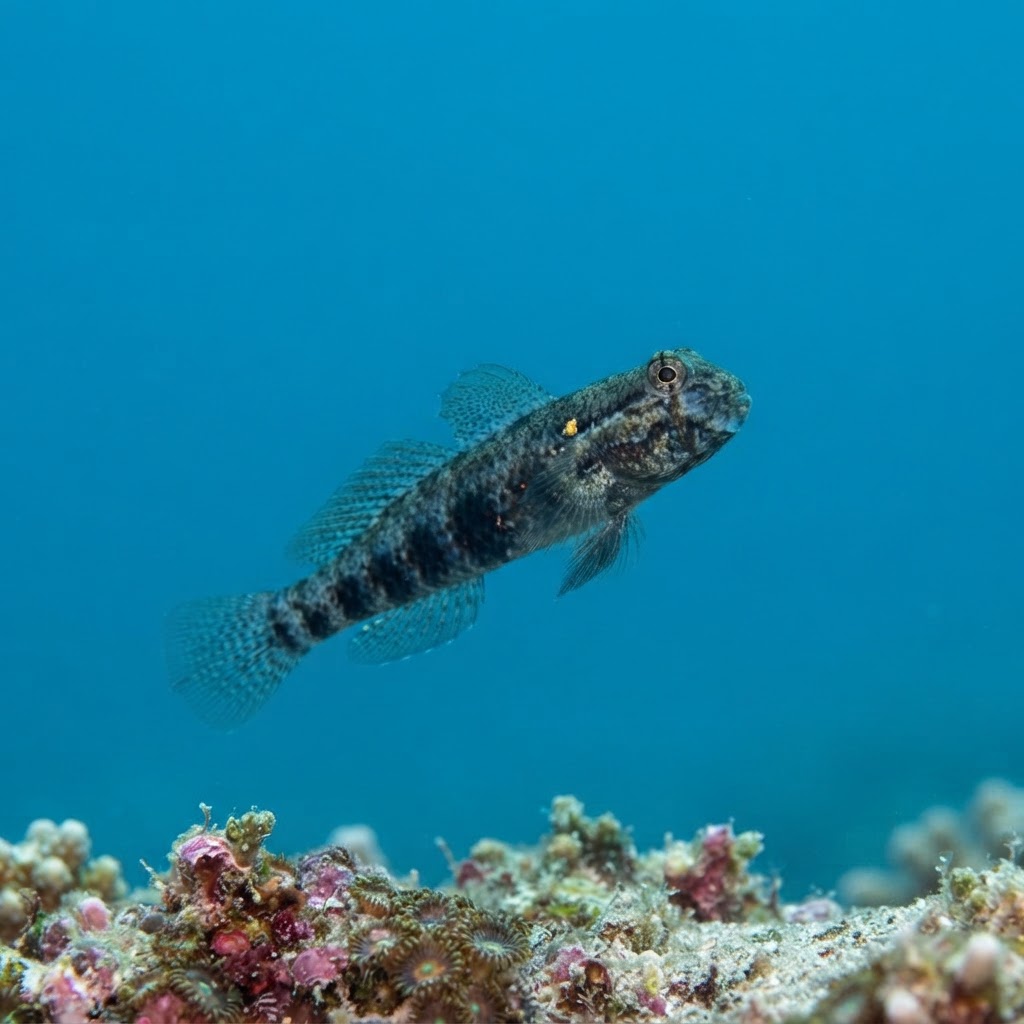
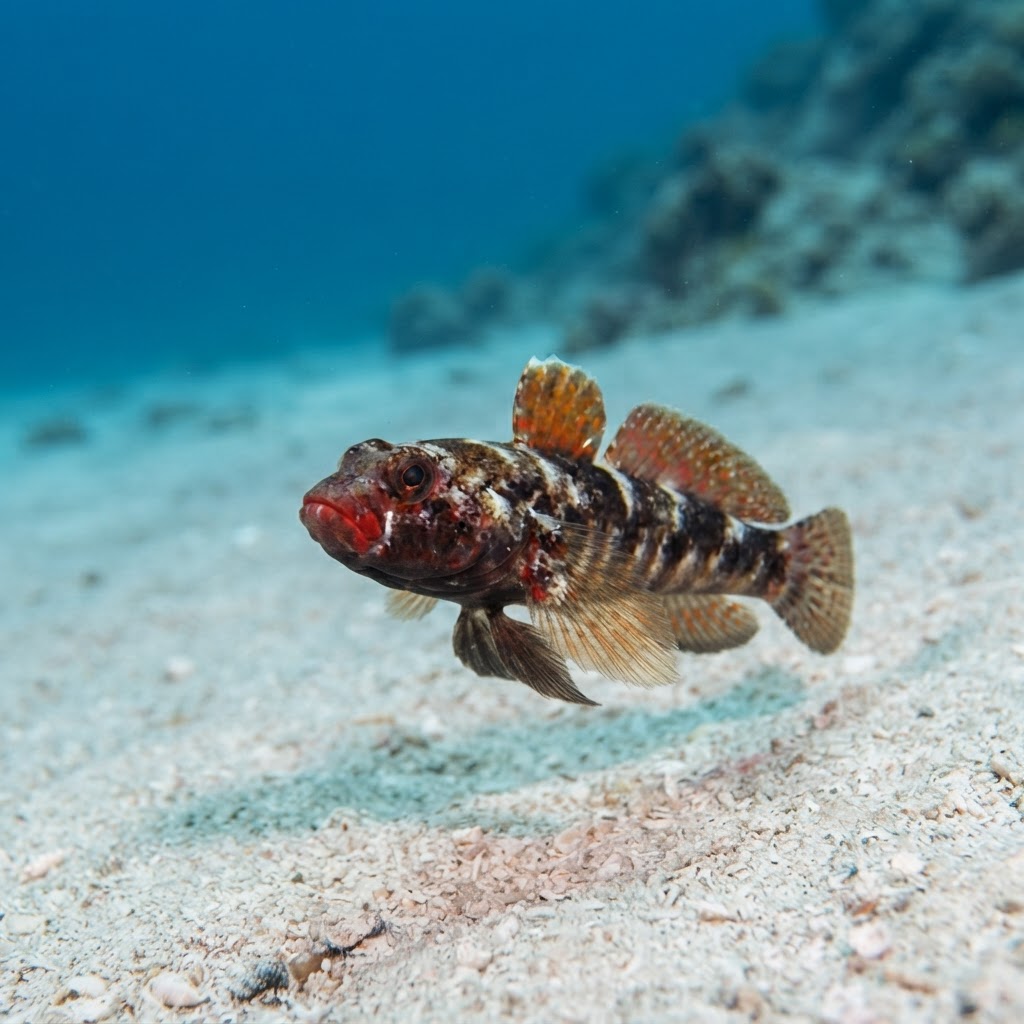
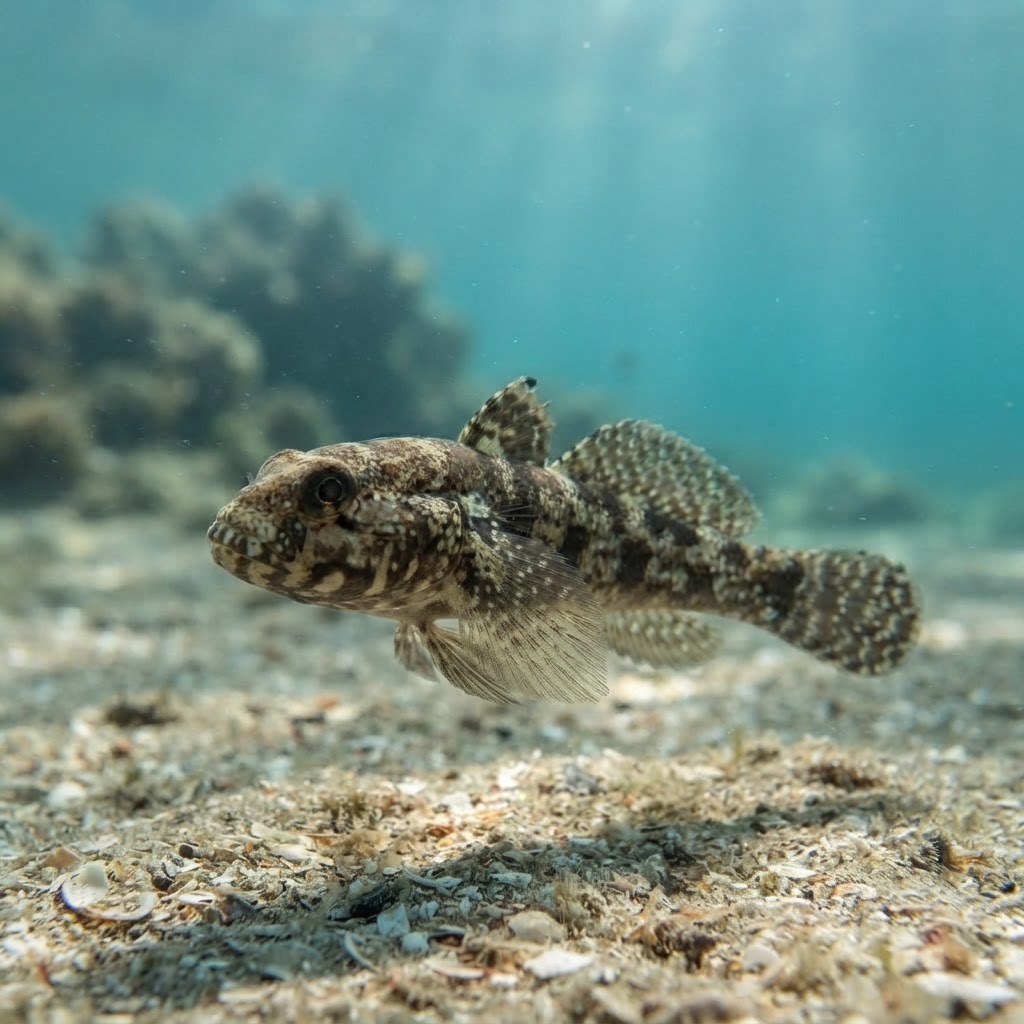
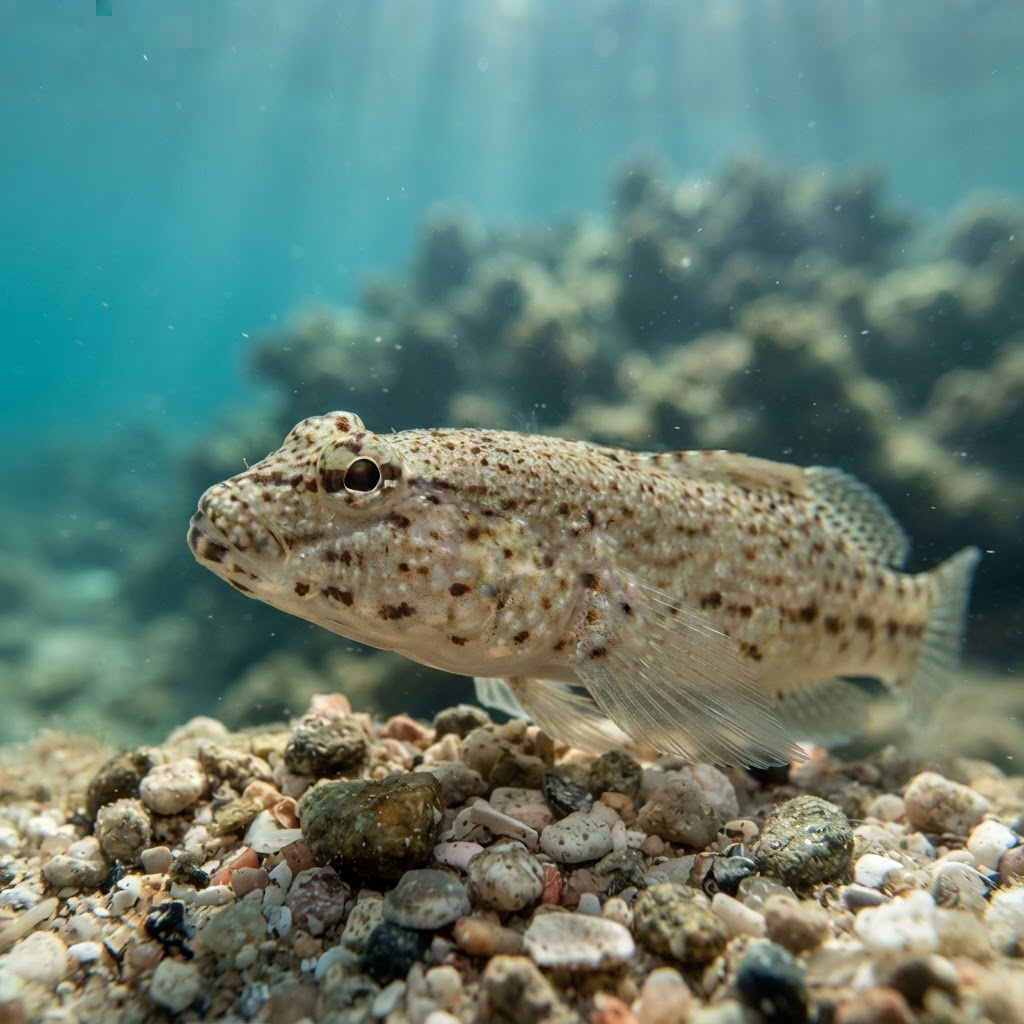
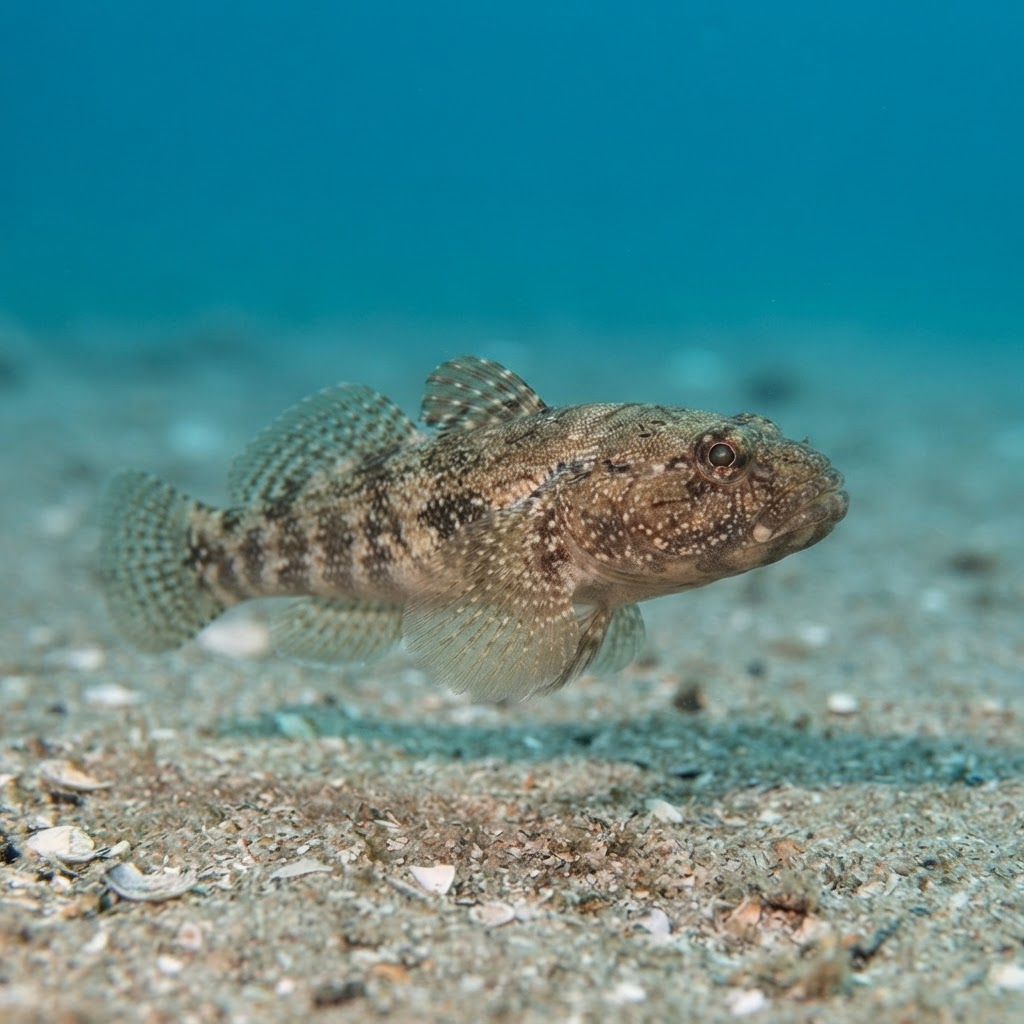
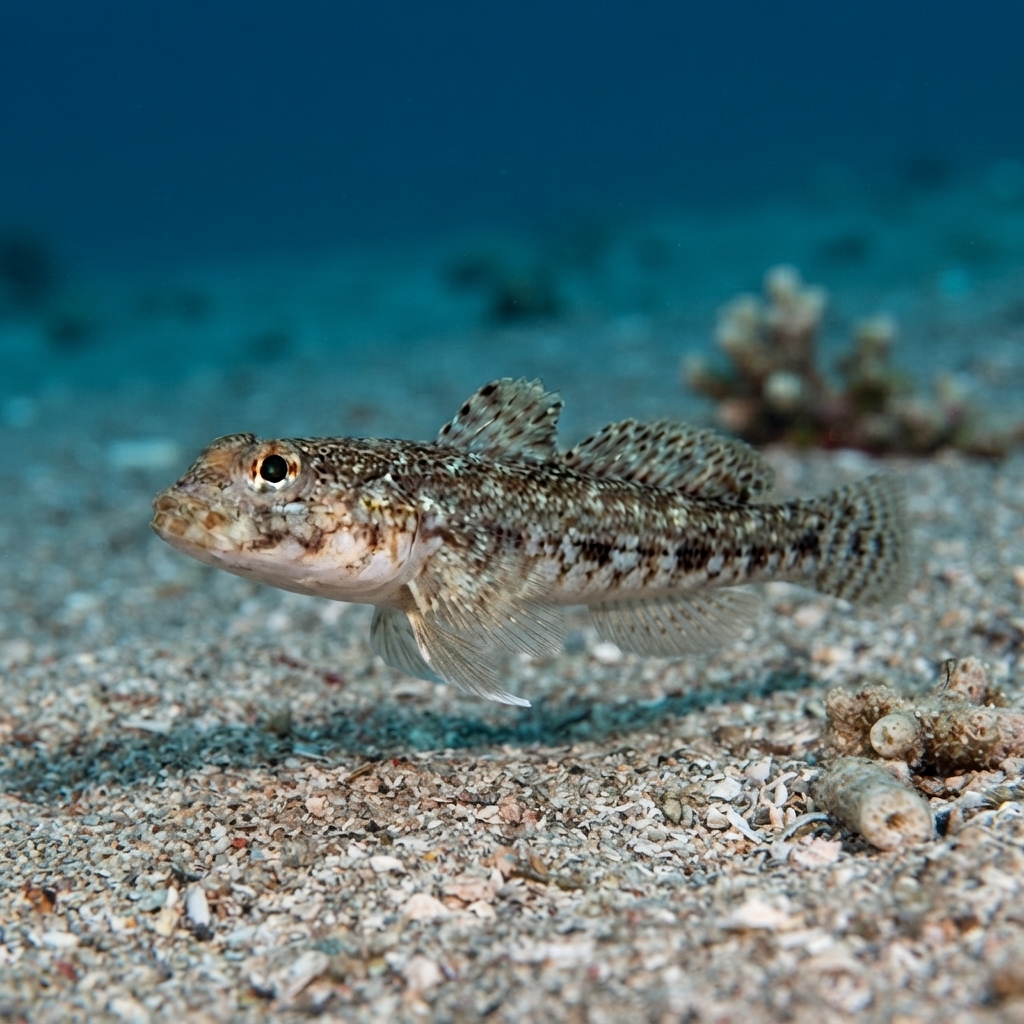
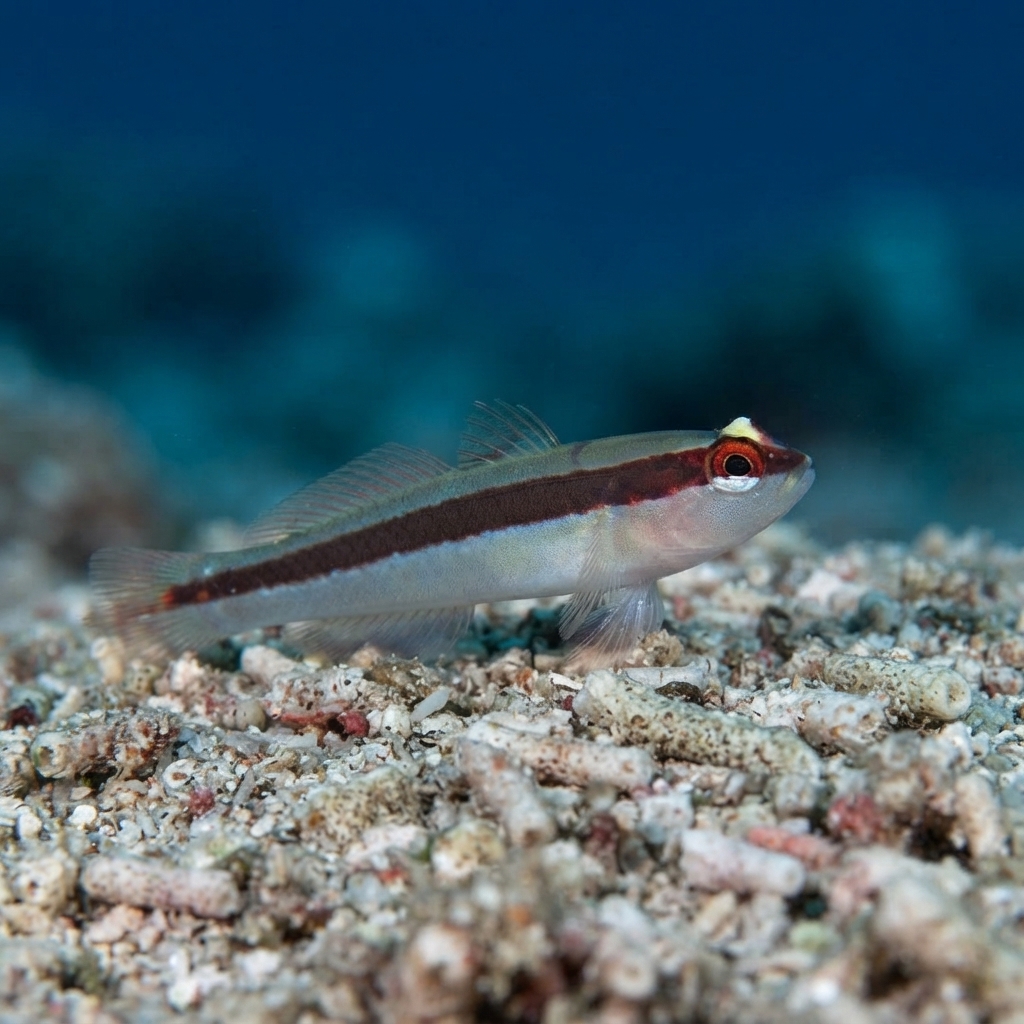
A tiny bottom-dweller at just 3cm, so you'll need to slow down and scan rock and rubble rather than open water. Look for a slim, elongated body with pale stripes running along its length, and the classic goby posture: propped up on its pelvic fins, motionless, watching you rather than fleeing. Its small size and habit of sitting flush against the substrate mean it's easy to swim straight past.
Divers usually find it perched on rock, rubble, or the reef floor rather than swimming in the open, sitting still and relying on camouflage rather than bolting when a diver approaches. It's a bottom-dwelling (demersal) species, so most sightings come from slow, close-in looks at the substrate on the descent or during a drift along a rocky wall, and it tends to hold its ground long enough for a decent photo if you approach carefully.
It's logged across a broad depth band from 15 down to 85 metres, which is unusually deep for a 3cm goby and suggests it's comfortable well beyond typical recreational sport-diving depths on many sites.
Sighting data doesn't show a concentrated season, so treat this as a year-round species on Mediterranean and Atlantic dive sites. It's logged across a wide temperature range from 14.3 to 21.2 C, consistent with cooler-water winter and spring dives through to warmer summer conditions.
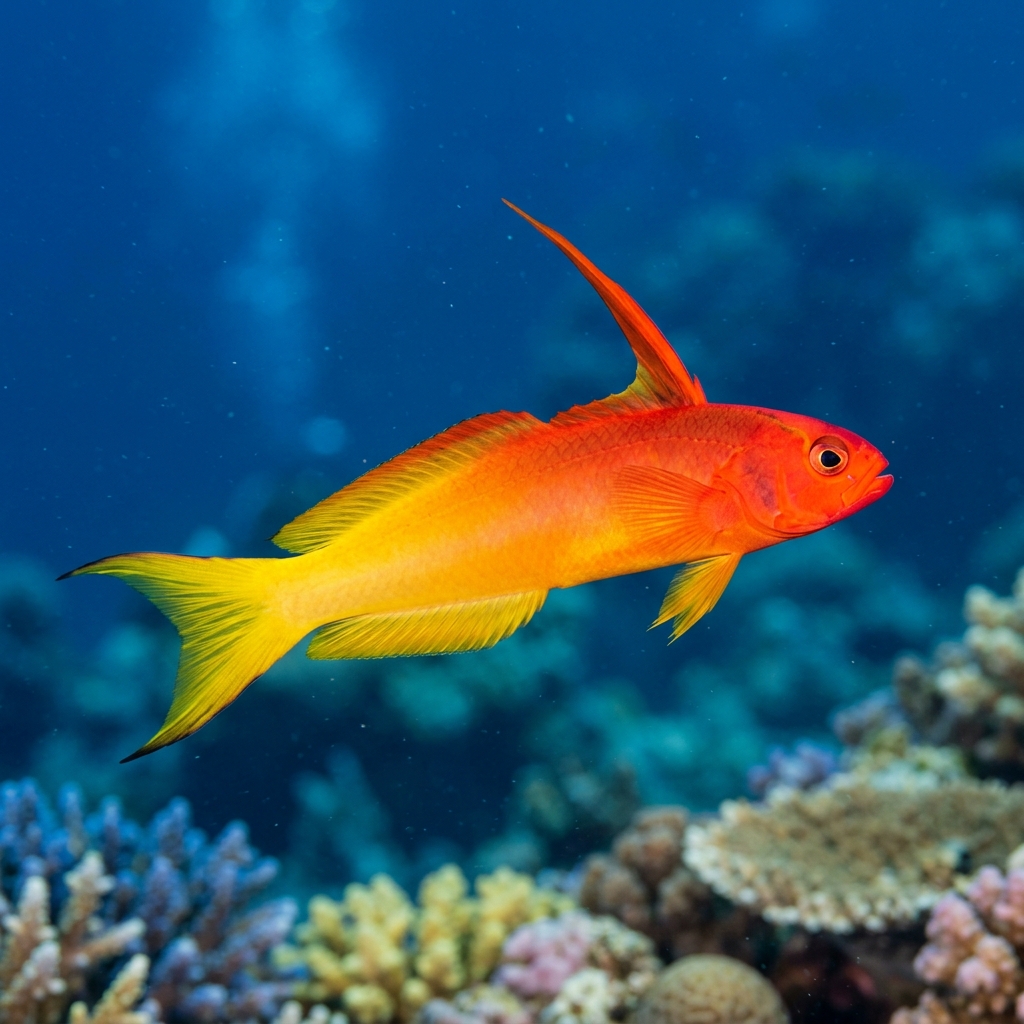
Reef neighbours a diver could mistake it for. Use the identification notes above to tell them apart.
This one is most reliably found in France, especially around the French Riviera and Provence, where it turns up at more logged sites than anywhere else. Croatia's Kvarner region is the next strongest area, with further sightings in Sardinia (Italy), Catalonia (Spain), and Central Dalmatia and Istria in Croatia. Across its range it tends to be a rare-to-uncommon find rather than a guaranteed spot, so patient reef and rubble scanning pays off.
Mapping where Striped Goby is logged…
France is the strongest area, particularly the French Riviera and Provence, followed by Croatia's Kvarner region. Smaller populations are logged in Sardinia (Italy) and Catalonia (Spain), plus Central Dalmatia and Istria in Croatia.
There's no clear seasonal pattern in the sighting data, so it's considered a year-round species. It's been recorded in water from 14.3 to 21.2 C, spanning cooler and warmer months alike.
They stay small, typically around 3cm as adults. This makes them one of the easier-to-miss gobies on a reef, so a slow, close look at rock and rubble is needed to spot one.
Look for a small, slim fish around 3cm long with pale longitudinal stripes, resting motionless on rock or rubble rather than swimming freely. Its size and stillness are the main giveaways, alongside the typical propped-up goby posture.
No, they pose no danger to divers. They're a tiny, non-aggressive bottom-dweller that simply sits still as you pass.
Site and sighting data is aggregated from diver logs, iNaturalist and GBIF. For taxonomy and conservation status:
Slender Goby
806 sites