Astrangiidae spp.
Star coral turns up from Florida to Nova Scotia and Brazil. Learn to spot these encrusting colonies and find the best dive sites across 35 countries.
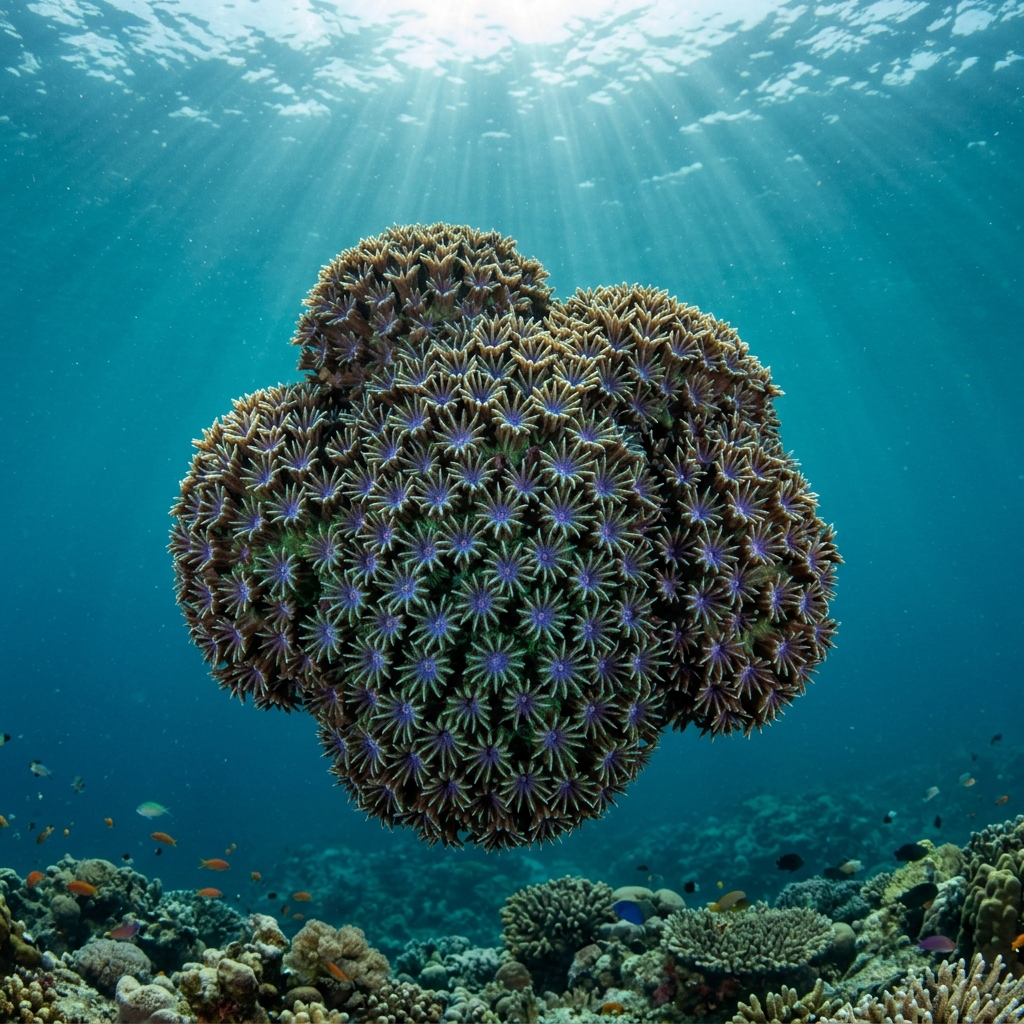
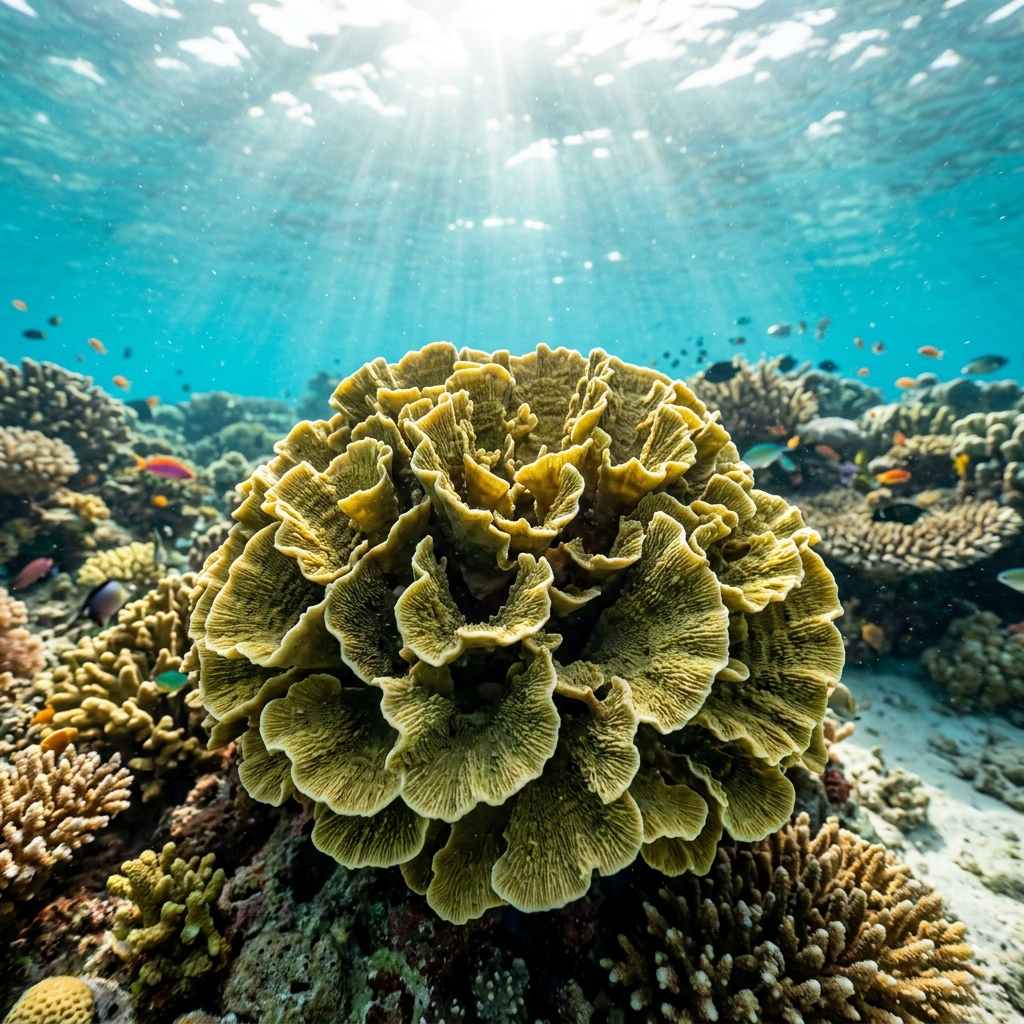
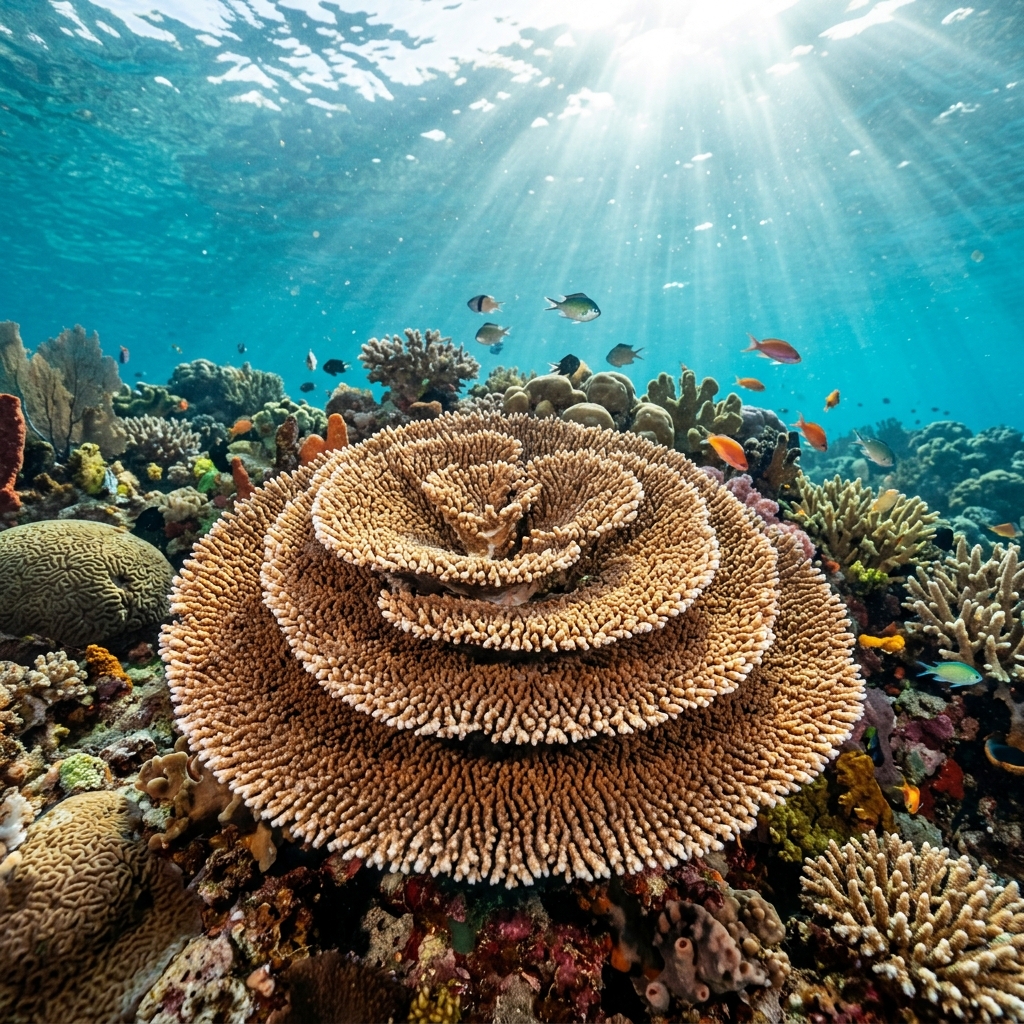
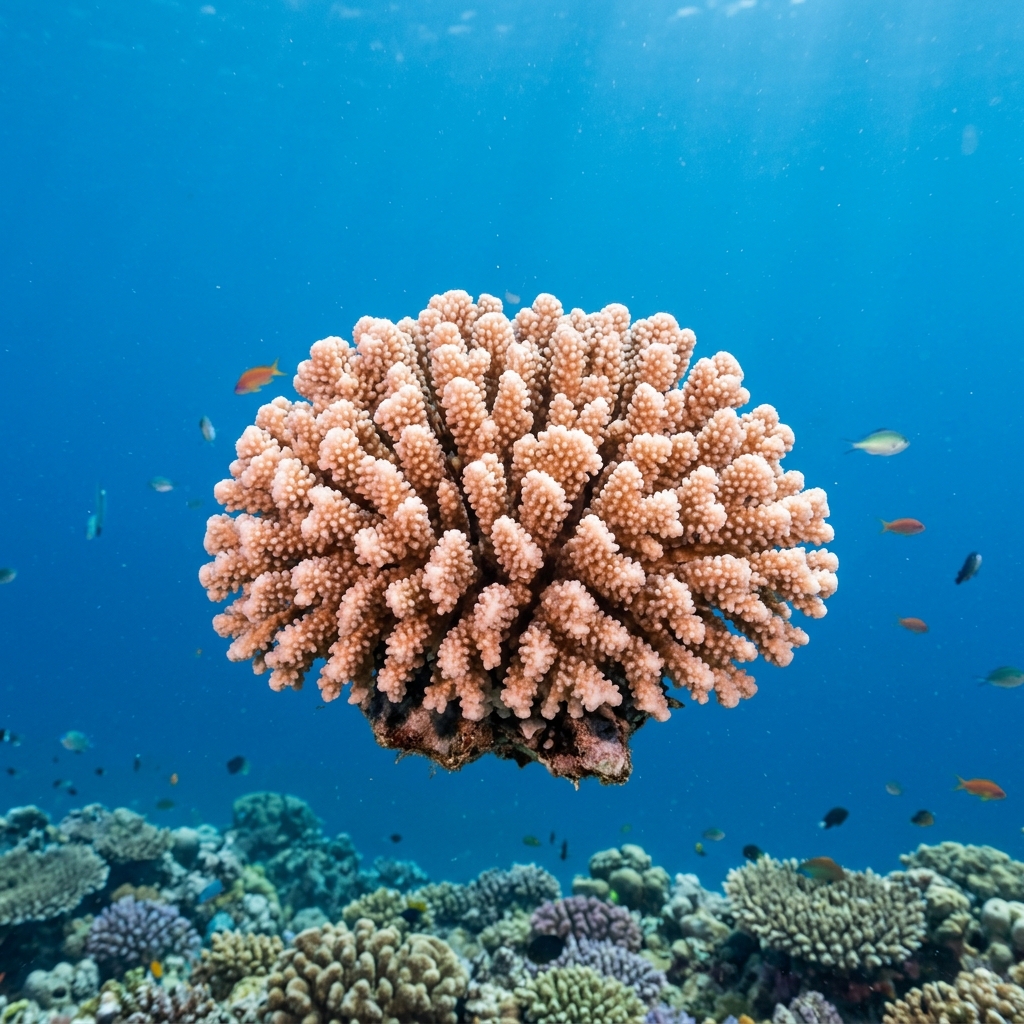
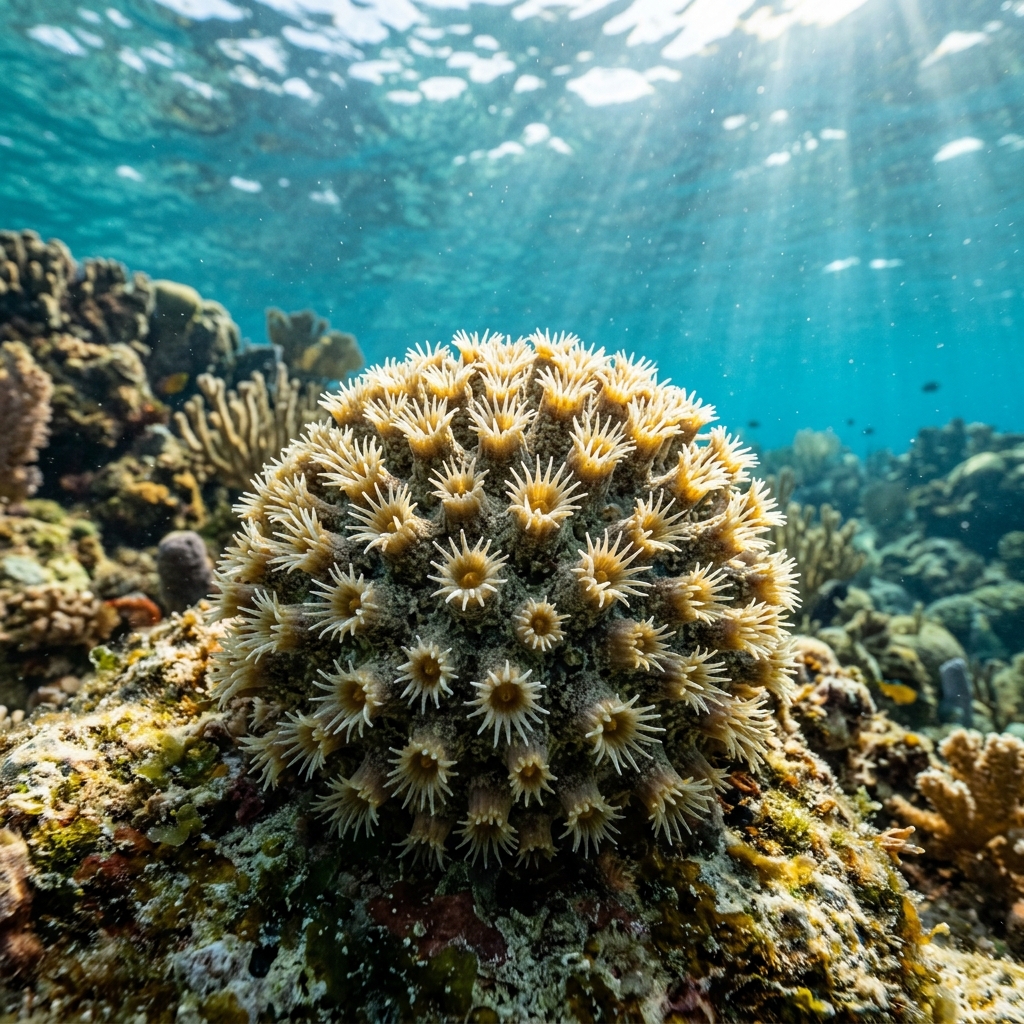
Star corals form encrusting or dome-shaped colonies covered in small, closely packed corallites (the individual polyp cups), typically 1 to 2 centimetres across, giving the surface a bumpy, star-patterned texture. Colouration ranges from pale grey and cream to olive green and brown depending on light levels and symbiotic algae. The key underwater cue is that regular, repeating pattern of radiating septa (spoke-like ridges) inside each cup, which distinguishes this family from smoother or more folded coral surfaces. Colonies range from a few centimetres to boulder-sized masses.
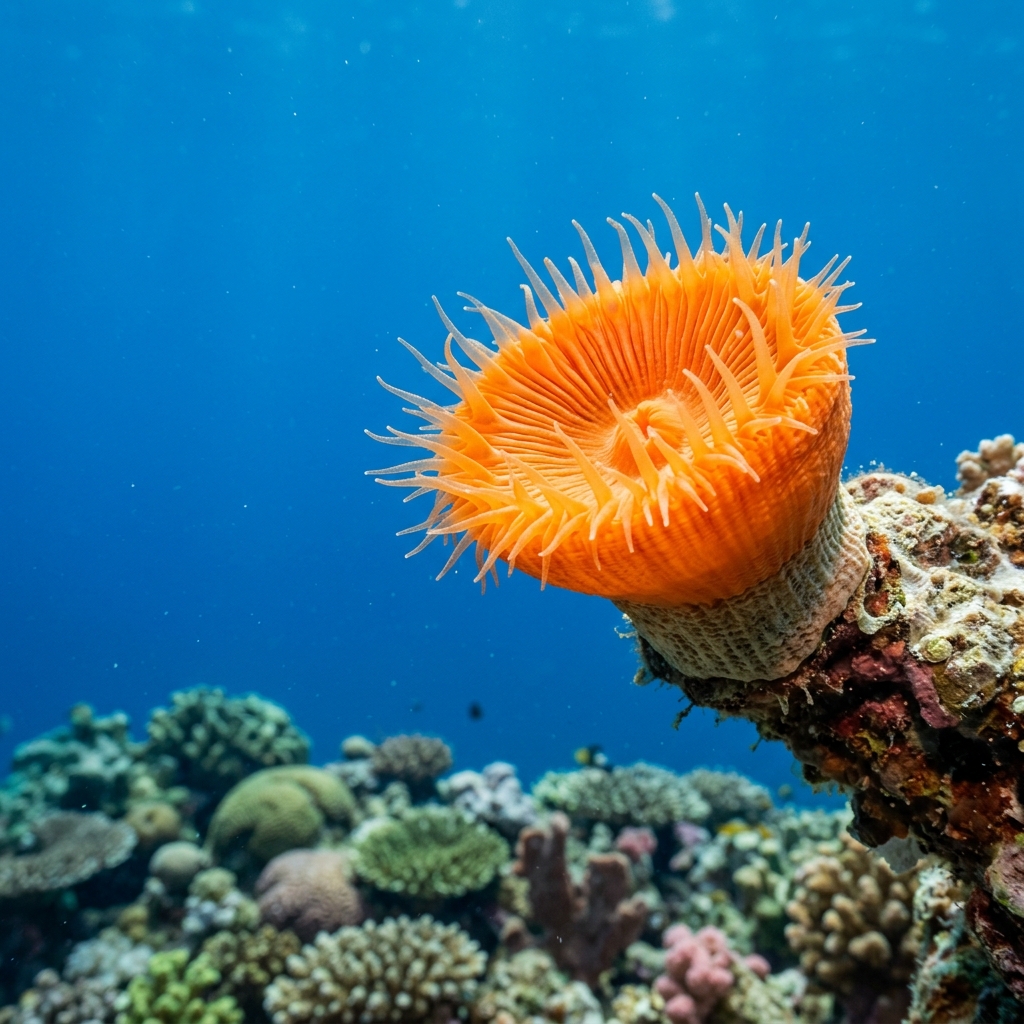
Star coral colonies are sedentary reef-builders, so what you observe is largely their response to light and water movement: polyps extend feeding tentacles at night or in low-light conditions, and retract to stony cups in bright midday light. On shallower reefs they often form the background matrix over which fish and mobile invertebrates move, so they reward a slow, close look rather than a fin-kick-and-go approach. They show no reaction to diver presence beyond the normal retraction triggered by shadow or water disturbance.
Several members of this family, including the well-known Astrangia poculata of the North American Atlantic coast, are azooxanthellate (they lack symbiotic algae entirely) and can thrive in cold, dark, low-light conditions where most reef-building corals cannot survive, making them ecologically important on temperate rocky reefs far outside the tropics.
No strong seasonal peak emerges from the available data, so this is effectively a year-round target. The family tolerates an unusually wide temperature band, from around 7 °C up to 28 °C, meaning colonies persist on temperate reefs through winter as well as on warm tropical sites.
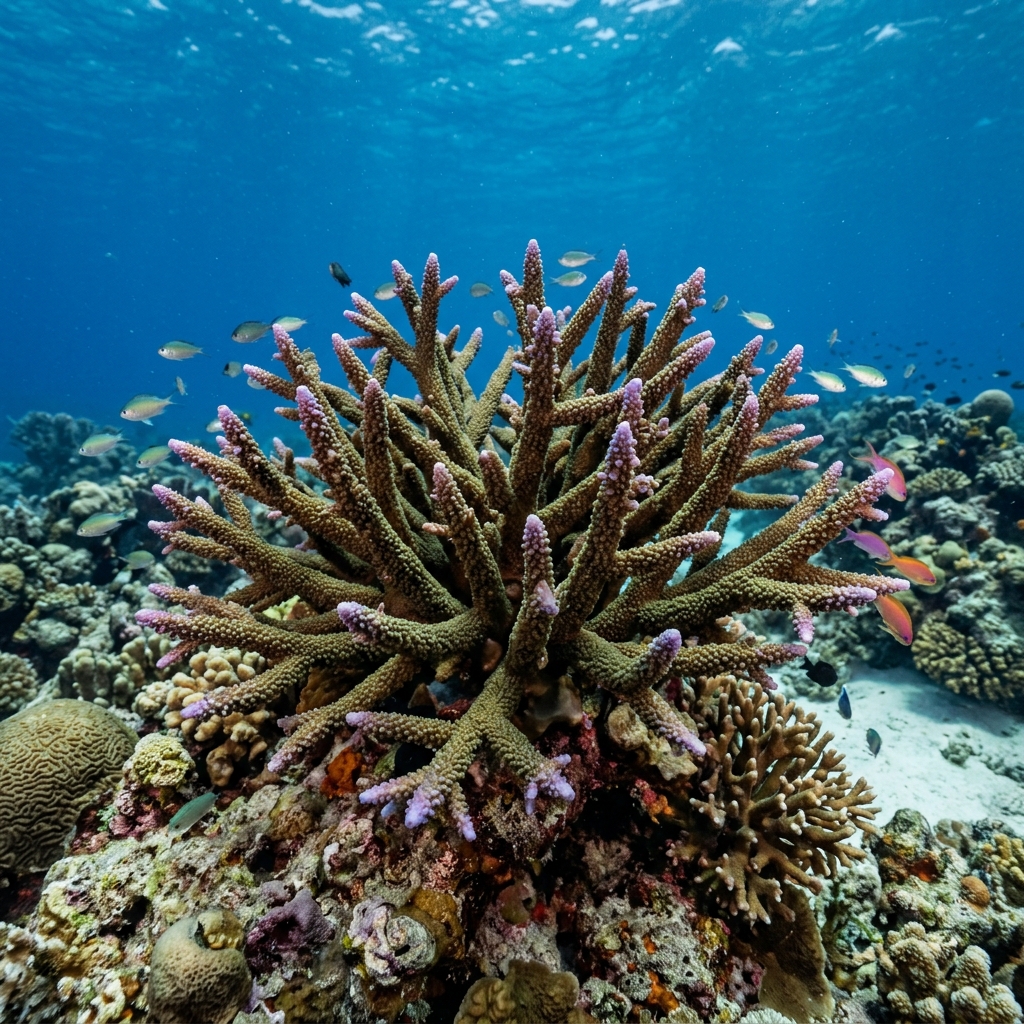
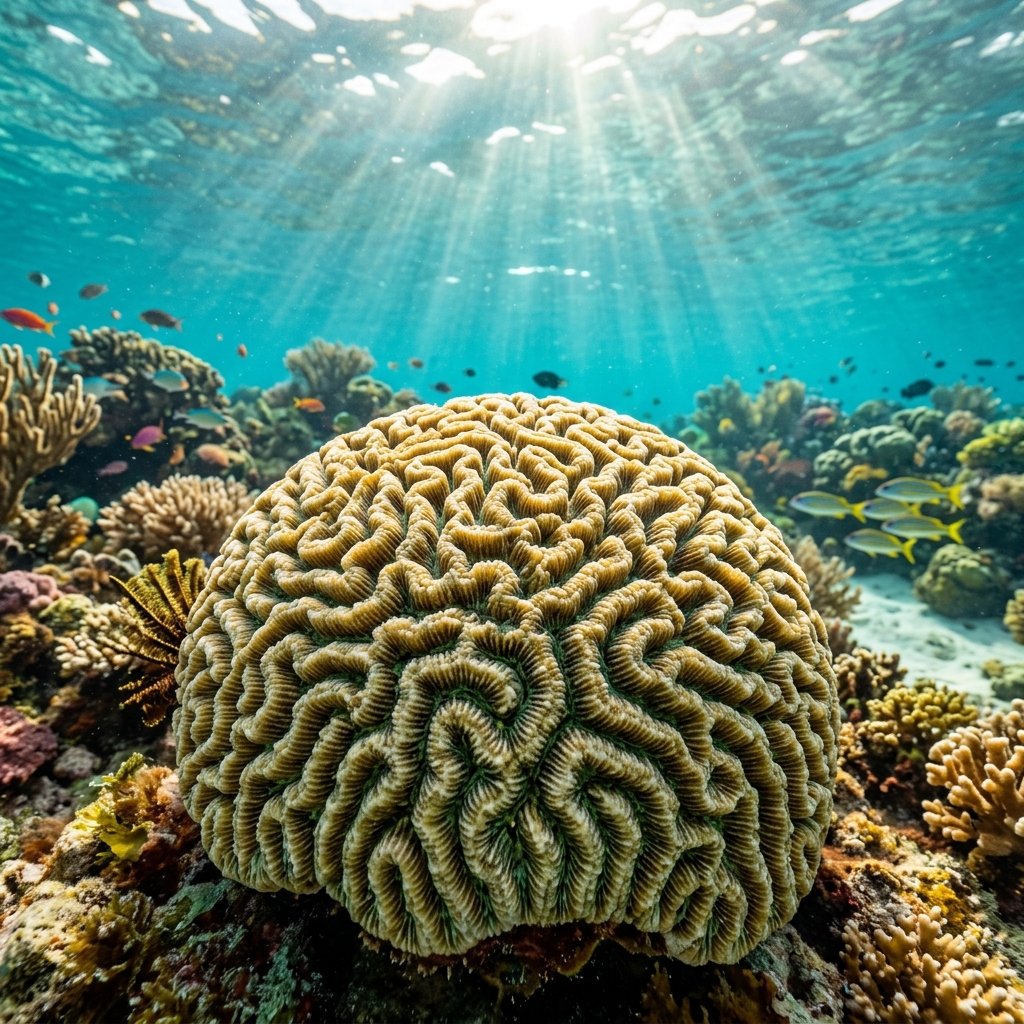
Reef neighbours a diver could mistake it for. Use the identification notes above to tell them apart.
Most logged in the United States, particularly across Florida and the Southeast, where sightings cluster on both Atlantic and Gulf Coast reefs. Canada contributes a large share of range records, especially across Nova Scotia, the Bay of Fundy, and the New Brunswick Gulf Coast, reflecting the family's tolerance for cold water. Brazil, Australia, Cuba, and the Bahamas also feature strongly, making this a group you can encounter on a wide spread of Atlantic and Indo-Pacific dives.
Mapping where Star Coral is logged…
Star coral is most reliably recorded in Florida and the US Southeast, but the family also appears across Atlantic Canada, Brazil, Cuba, the Bahamas, Mexico, Venezuela, and Australia. Its wide temperature tolerance means you can encounter it on both tropical Caribbean reefs and cold temperate rocky walls in Nova Scotia or South Australia.
There is no defined peak season from dive-log data, and the family's biology supports a year-round presence. Because some members tolerate temperatures as low as 7 °C, colonies on temperate reefs are accessible even in winter when other coral groups have retreated or bleached.
Look for a hard, dome or encrusting colony covered in small, star-patterned cups arranged in a regular grid. Each cup has clearly visible radiating ridges inside it. Colouration is usually grey, cream, or olive-brown. The repeating star-cup pattern and hard skeleton set it apart from soft corals and sponges.
Yes, and this is one of the family's most notable traits. Some star coral species, such as Astrangia poculata, survive without the algae that most tropical corals depend on, allowing them to thrive in cold, dark conditions down to around 7 °C. This makes them one of the few hard coral groups that form reefs in temperate and even boreal waters.
Star corals pose no direct threat to divers. Like all hard corals, the skeleton has rough edges that can cause cuts if touched or brushed, so the standard advice applies: maintain good buoyancy and avoid contact to protect both yourself and the colony.
Site and sighting data is aggregated from diver logs, iNaturalist and GBIF. For taxonomy and conservation status:
Plate Coral
2,991 sites