Scleractinia spp.
Hard corals logged at dive sites across 95 countries, from the French Riviera to the Maldives. Find where and when to see them, and how to tell them apart.
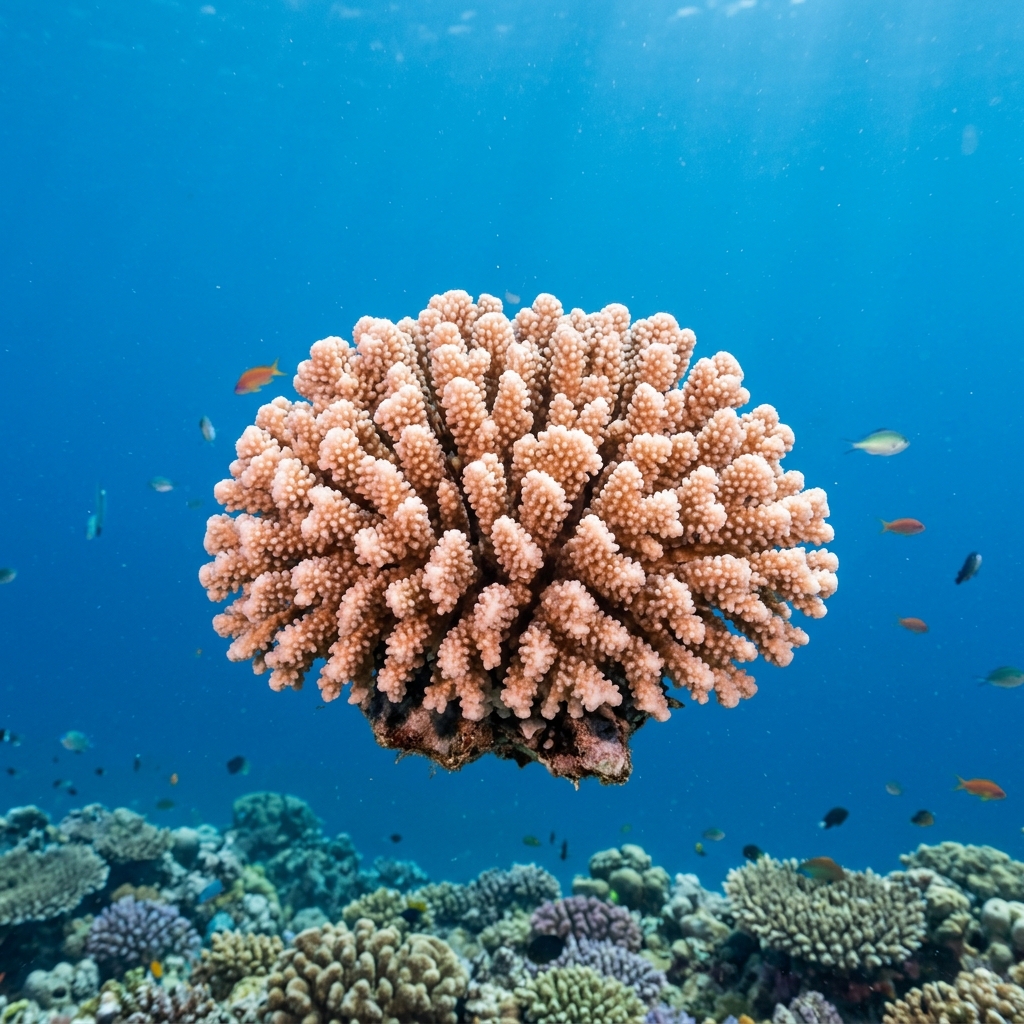
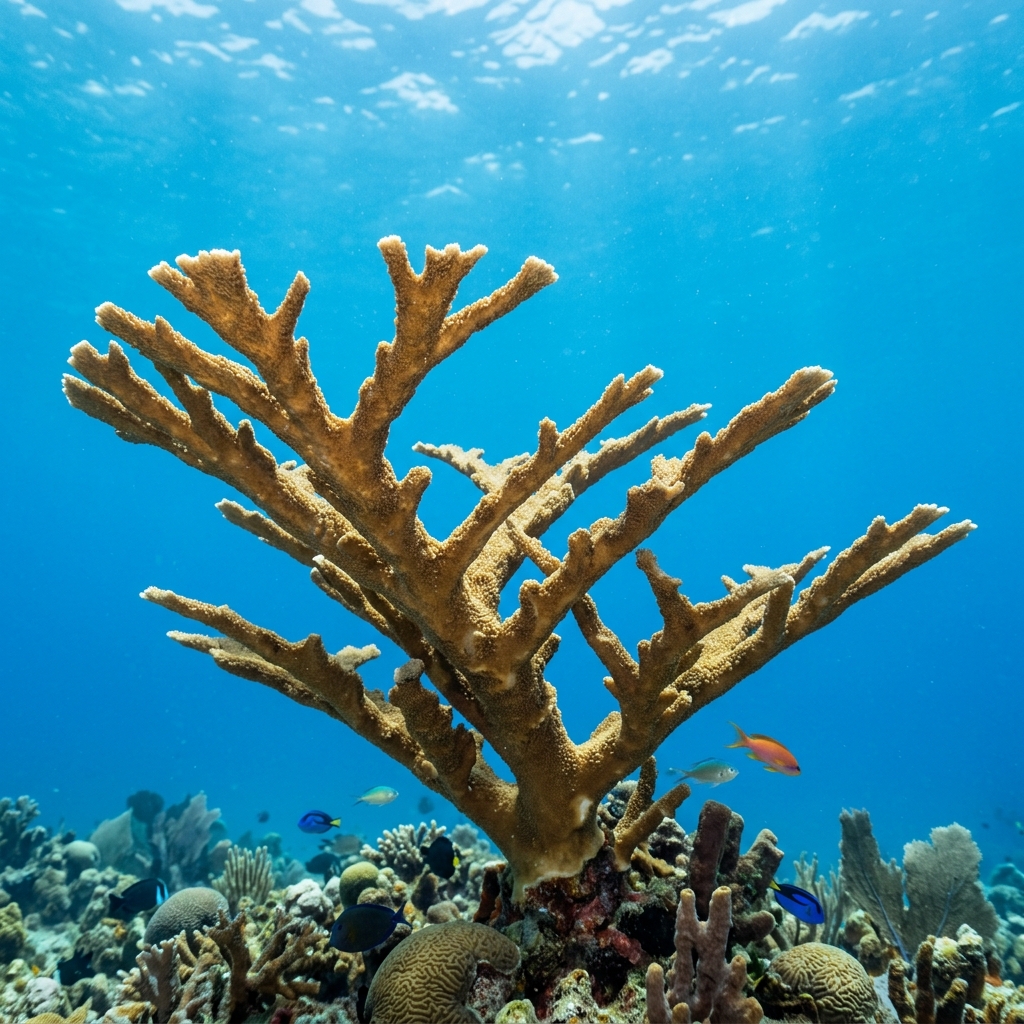
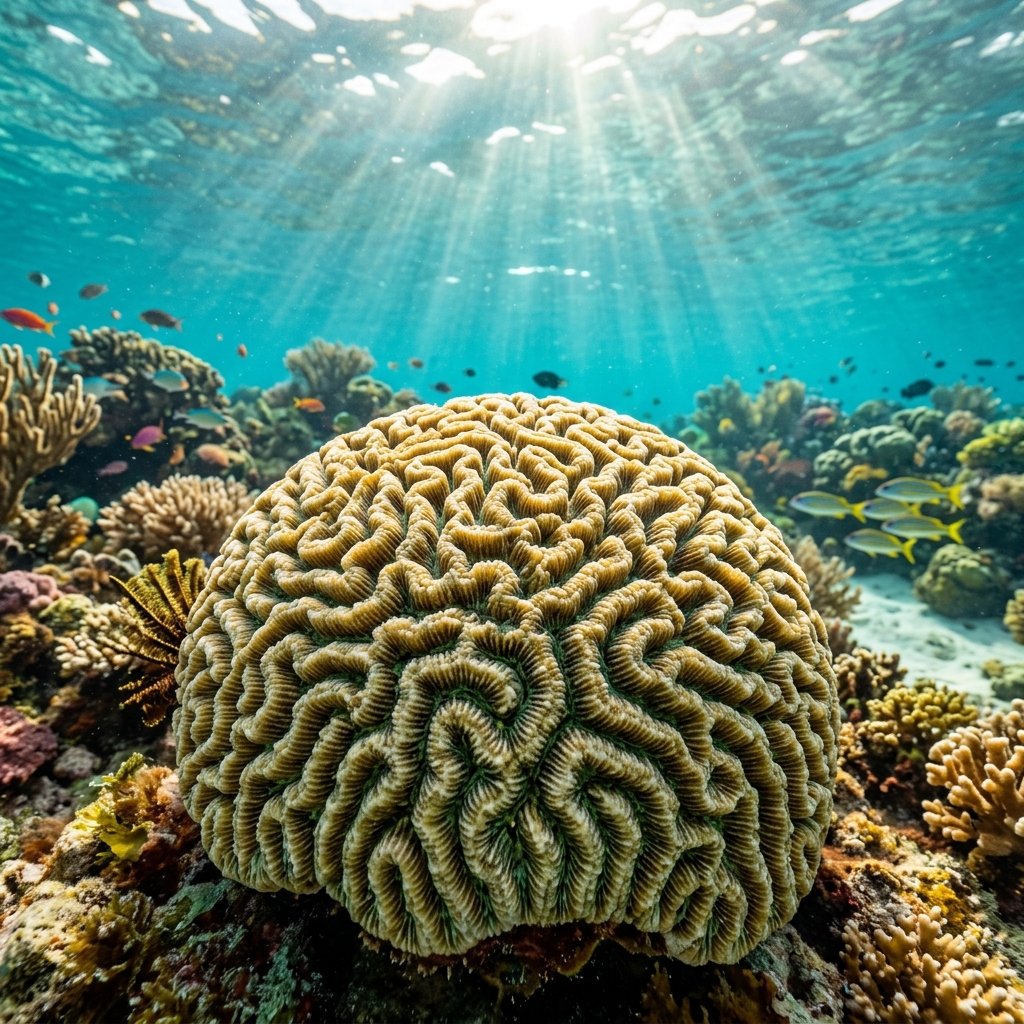
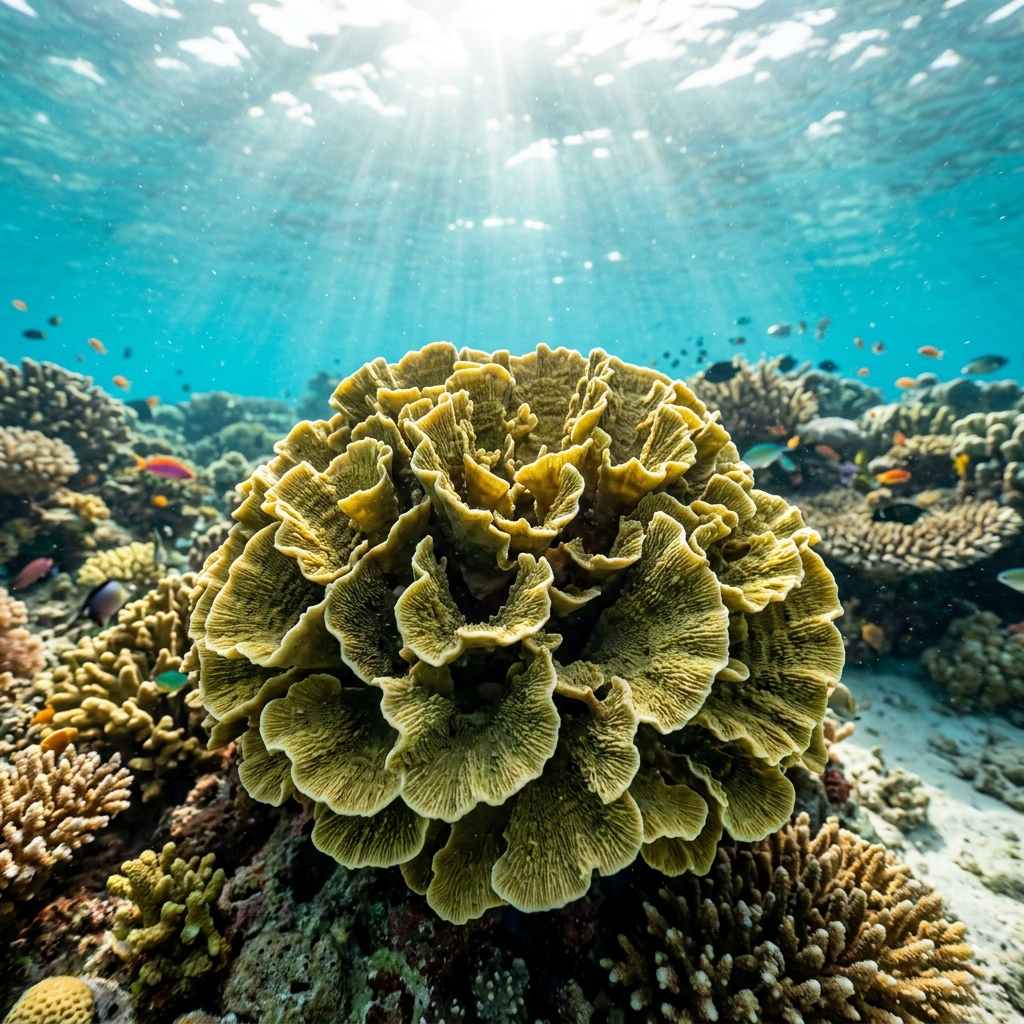
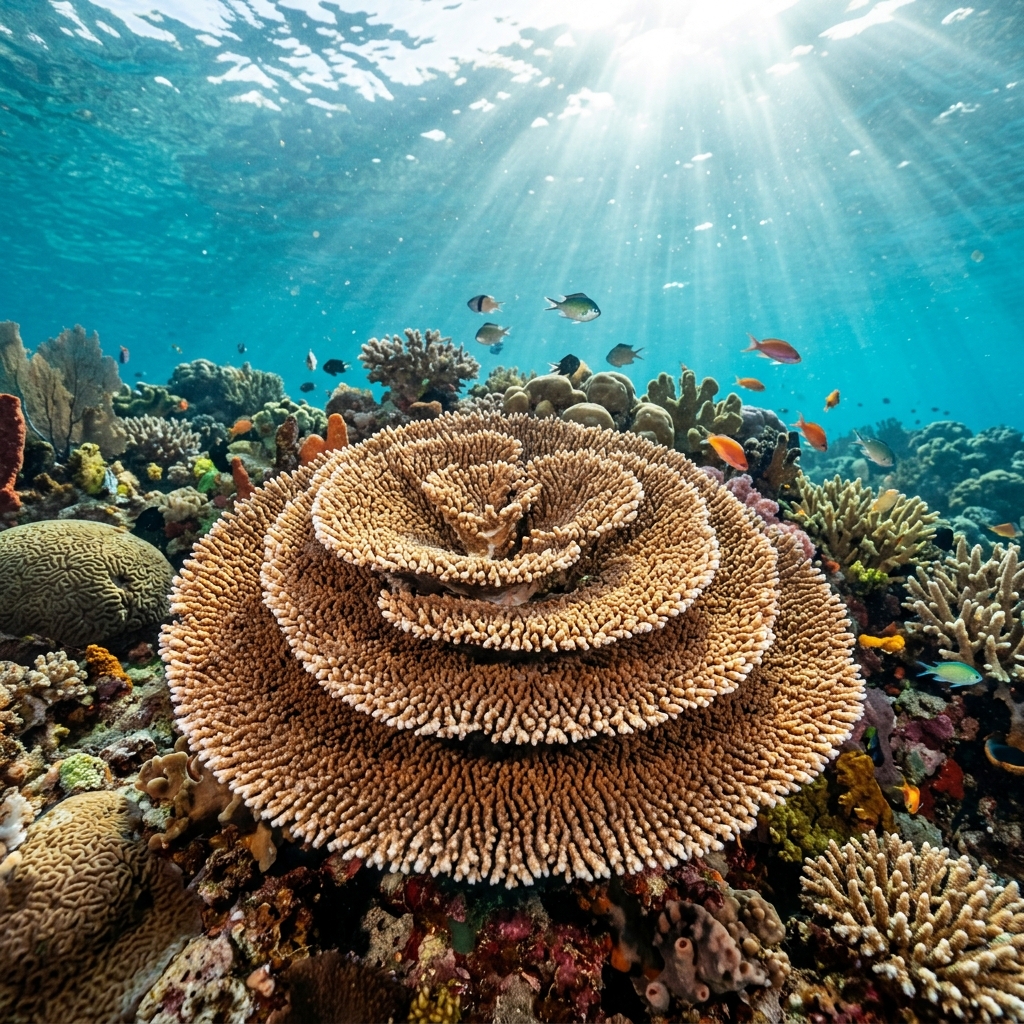
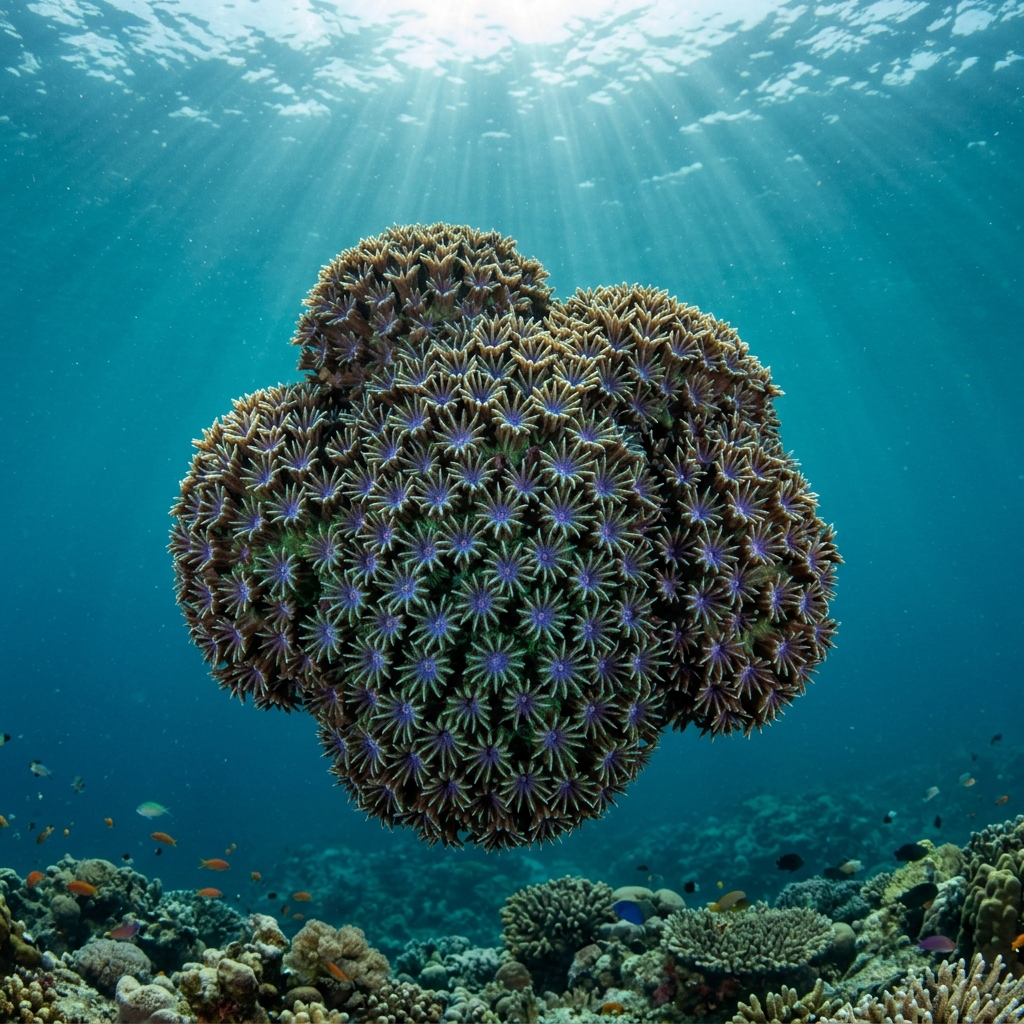
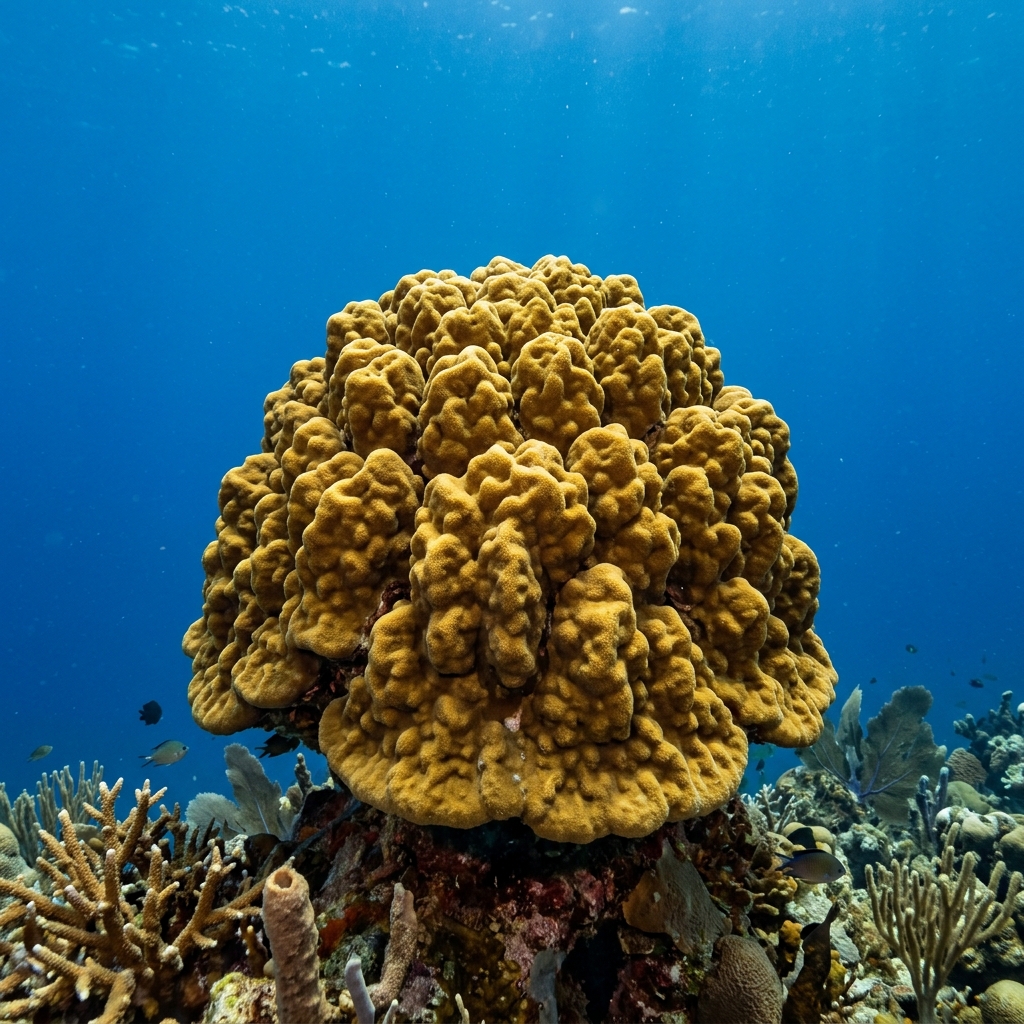
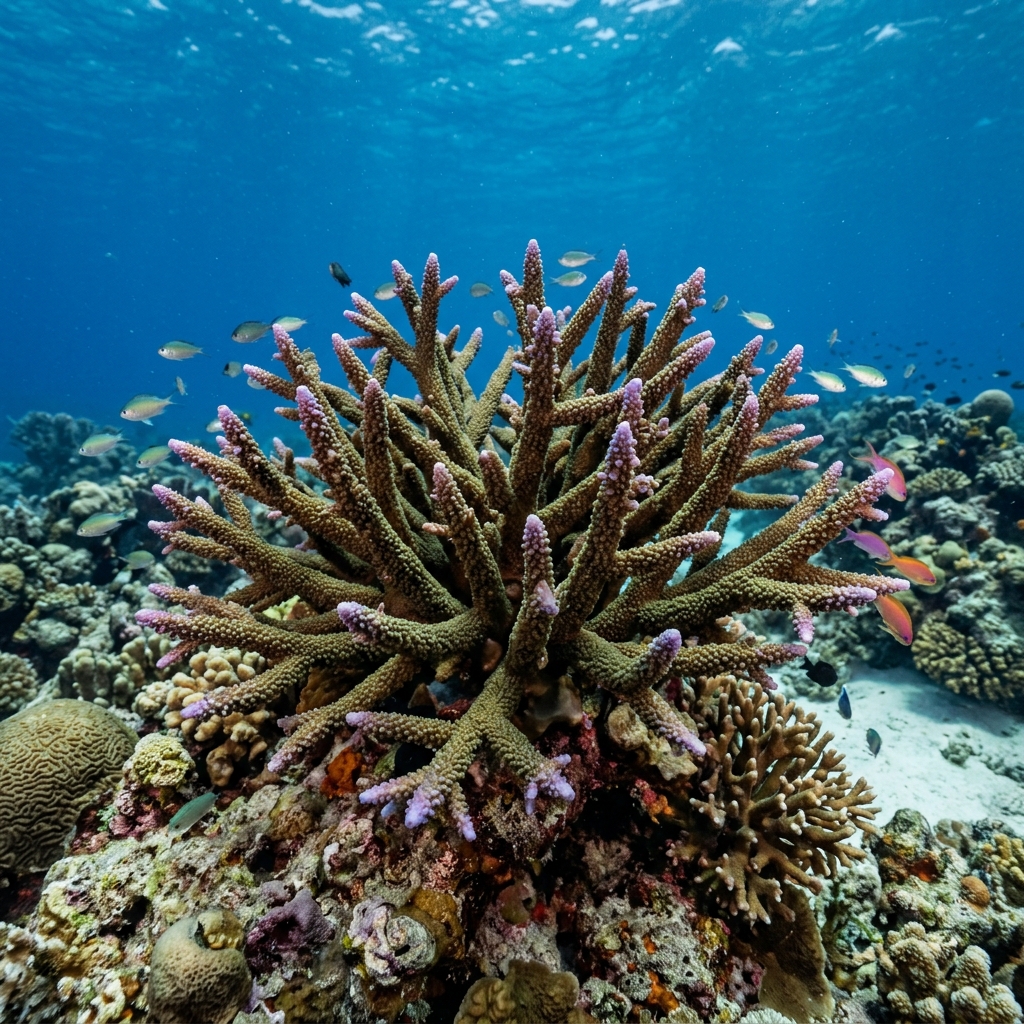
Hard corals are the reef's architects: colonies of tiny polyps (soft-bodied animals) that secrete rigid calcium carbonate skeletons, building the formations divers swim through. Underwater, look for solid, stone-like structures that hold their shape, domes, plates, branching trees, or meandering brain-like ridges, and a surface texture ranging from smooth to sharply ridged depending on species. Living colonies typically show colour from their zooxanthellae (symbiotic algae inside the tissue): shades of brown, green, yellow, or pale cream; bleached or dead areas appear stark white. The rigid skeleton immediately separates hard corals from soft corals, sea fans, and other flexible cnidarians.
Hard corals are sessile (fixed in place), so what you observe is the colony's surface activity rather than movement through the water. By day, most polyps are retracted into their skeletal cups, leaving the surface looking textured but relatively still; at night, or during evening dives, polyps extend their tentacles to feed on plankton, giving the colony a fuzzy, flower-like appearance. Corals do not react to divers, but physical contact, even a light brush, can damage the fragile tissue layer covering the skeleton.
Hard corals are the primary framework builders of tropical reefs: over geological time their accumulated skeletons form reef structures that can reach hundreds of metres thick, creating habitat for an estimated quarter of all marine species.
Hard corals are present year-round in both hemispheres with no concentrated season, the data shows consistent sightings across all months. Their observed temperature range of 18 to 29 °C reflects this breadth: tropical reef-building species thrive at the warmer end, while hardier temperate species persist in cooler Mediterranean and Atlantic waters.
Reef neighbours a diver could mistake it for. Use the identification notes above to tell them apart.
Hard corals are among the most widely logged organisms in recreational diving, recorded across an enormous range from the Indo-Pacific to the Mediterranean and Caribbean. The strongest concentrations of sightings come from the Philippines, Indonesia, the Maldives, Egypt's Red Sea, and Mexico's Yucatán Peninsula, all known for reef systems with high coral cover. They are also commonly logged closer to home for many European divers, particularly along the French Riviera and the Costa Brava, where temperate species grow on rocky walls.
Mapping where Hard Coral is logged…
Hard corals are recorded at dive sites across a huge spread of countries. The richest sightings come from Indonesia, the Philippines, the Maldives, Egypt's Red Sea, and Mexico's Yucatán Peninsula. Temperate species are also reliably logged along the French Riviera and Spain's Costa Brava for divers based in Europe.
Hard corals are present year-round in both hemispheres with no peak season. Their tolerance for water temperatures from around 18 °C up to 29 °C means they appear on reefs in every month, from warm tropical seas to cooler temperate dive sites.
The defining feature is the rigid calcium carbonate skeleton, tap it (you shouldn't, but if you accidentally brush it) and it is solid stone. Look for fixed, unmovable colonies in shapes such as domes, branching fingers, flat plates, or brain-like ridges. Living tissue shows colour (brown, green, or cream tones); pure white patches indicate recent bleaching or death.
Hard corals are not dangerous to divers in the way that fire coral or stonefish are. The main risk runs the other way: the sharp skeleton can graze exposed skin if you drift into it, and any contact damages the delicate polyp tissue. Maintain good buoyancy control and keep clear of the reef surface.
Hard corals are the structural foundation of tropical reefs. Their calcium carbonate skeletons accumulate over centuries to build the three-dimensional habitat that supports vast numbers of fish and invertebrate species. Without living hard coral growth, reef structures erode faster than they rebuild, collapsing the habitat they support.
Site and sighting data is aggregated from diver logs, iNaturalist and GBIF. For taxonomy and conservation status:
Cauliflower Coral
2,946 sites