Merulinidae spp.
Cabbage coral forms large folded plates across Indo-Pacific reefs. Find it year-round in Bali, the Maldives, and Sharm el Sheikh in 24-29 °C water.
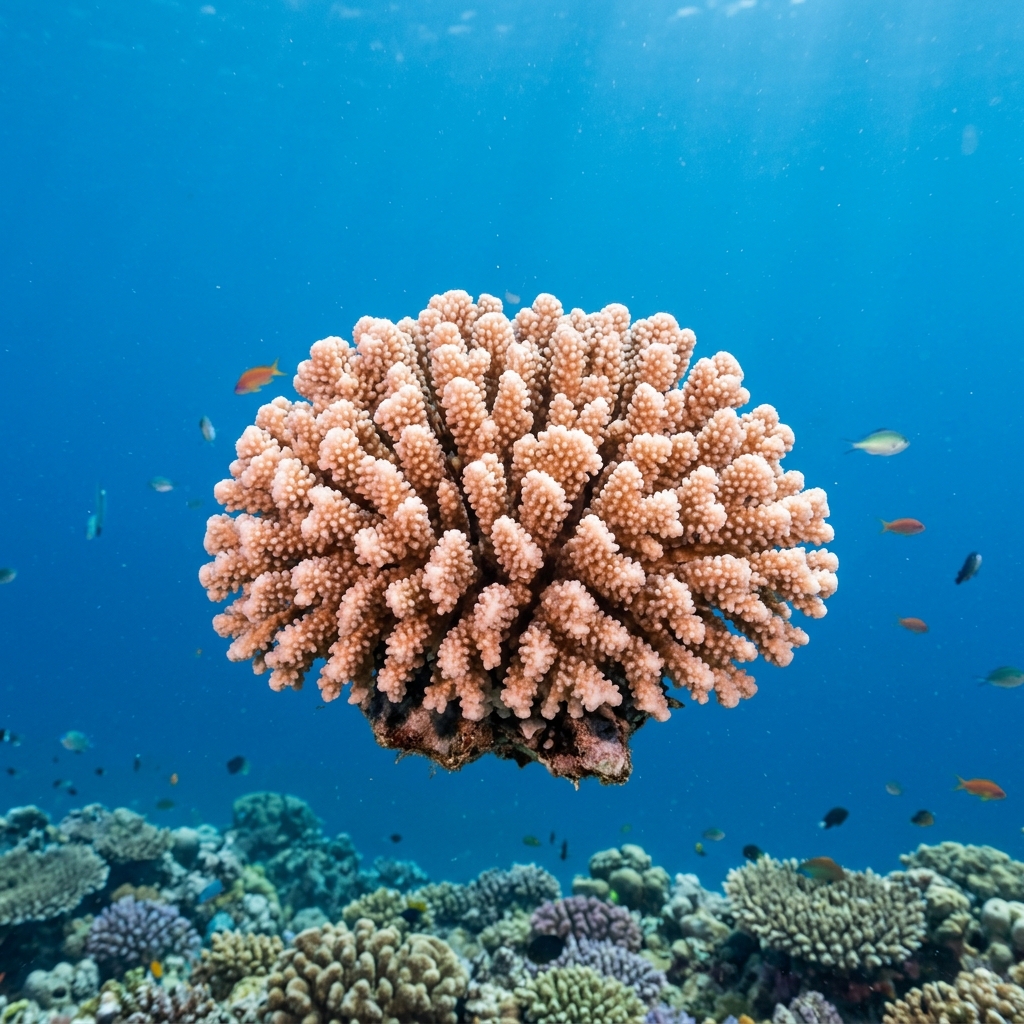
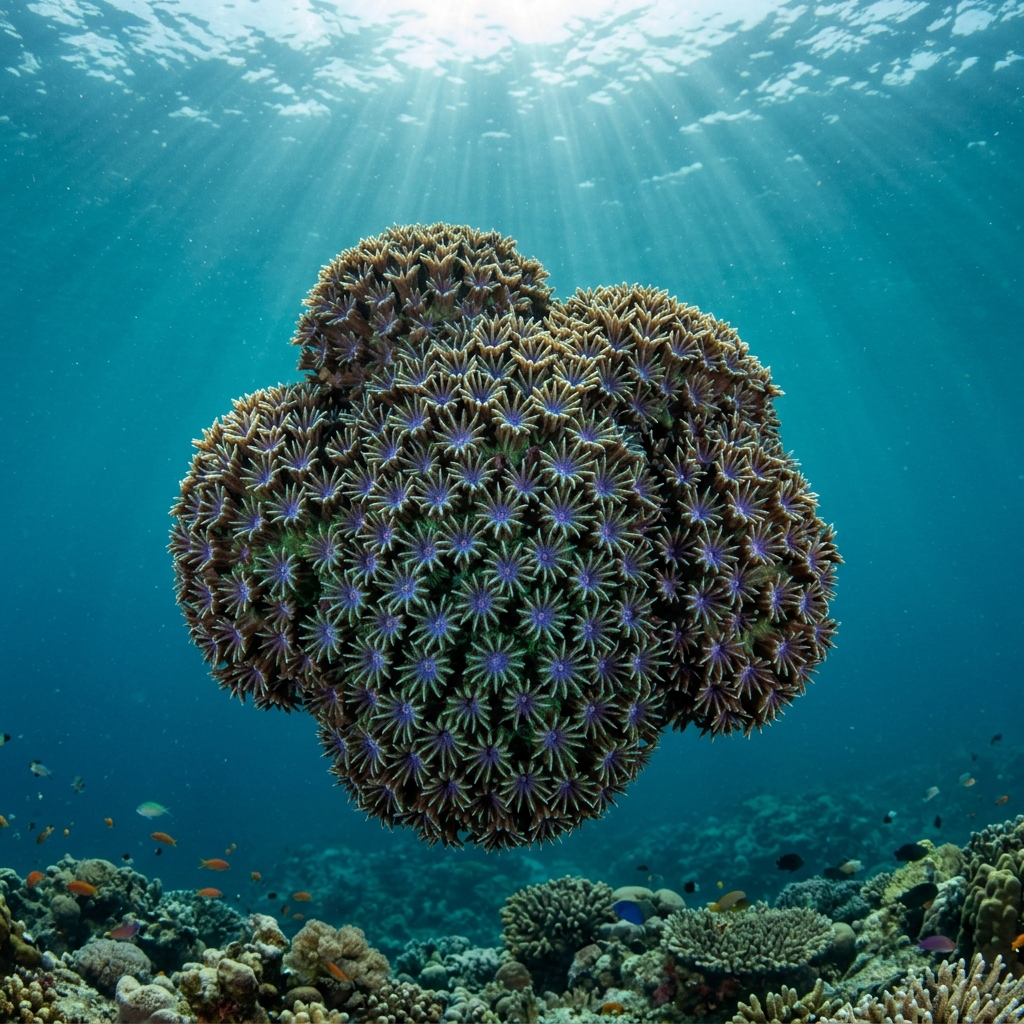
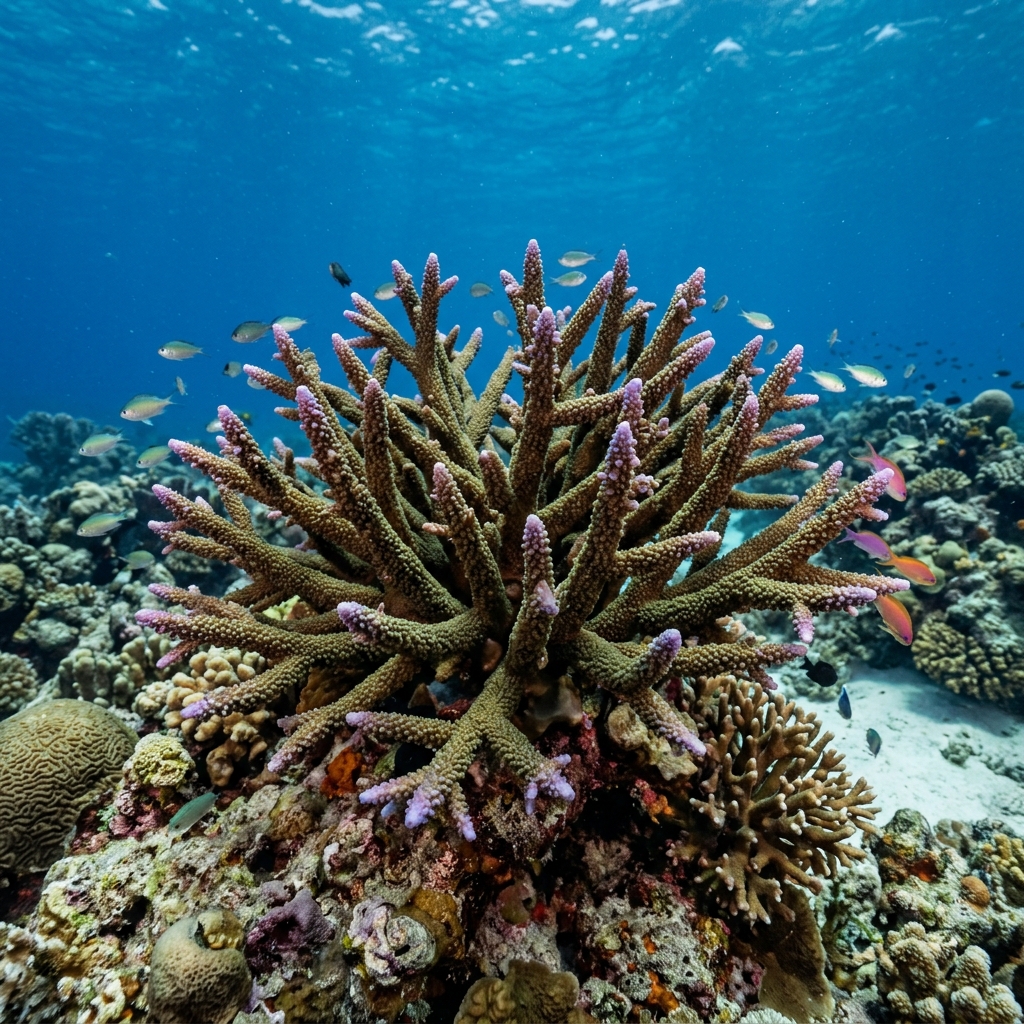
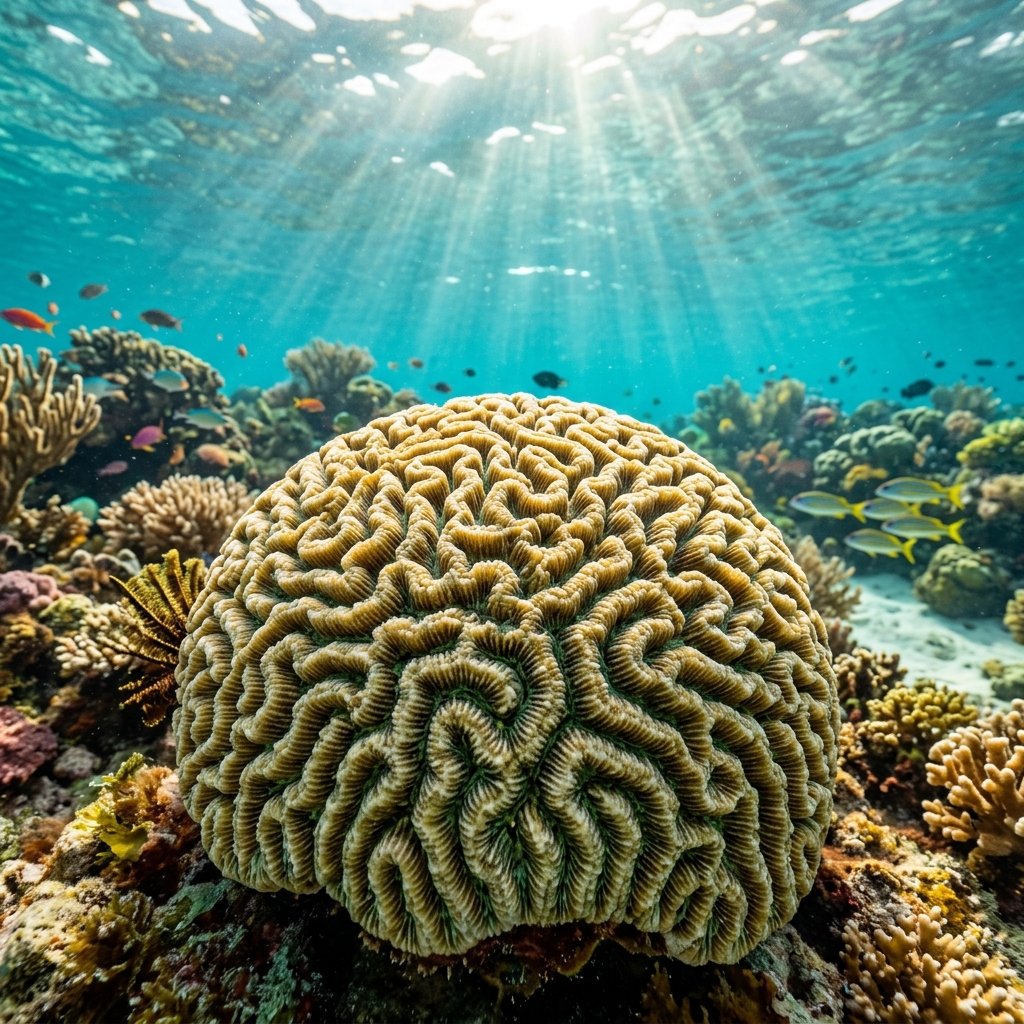
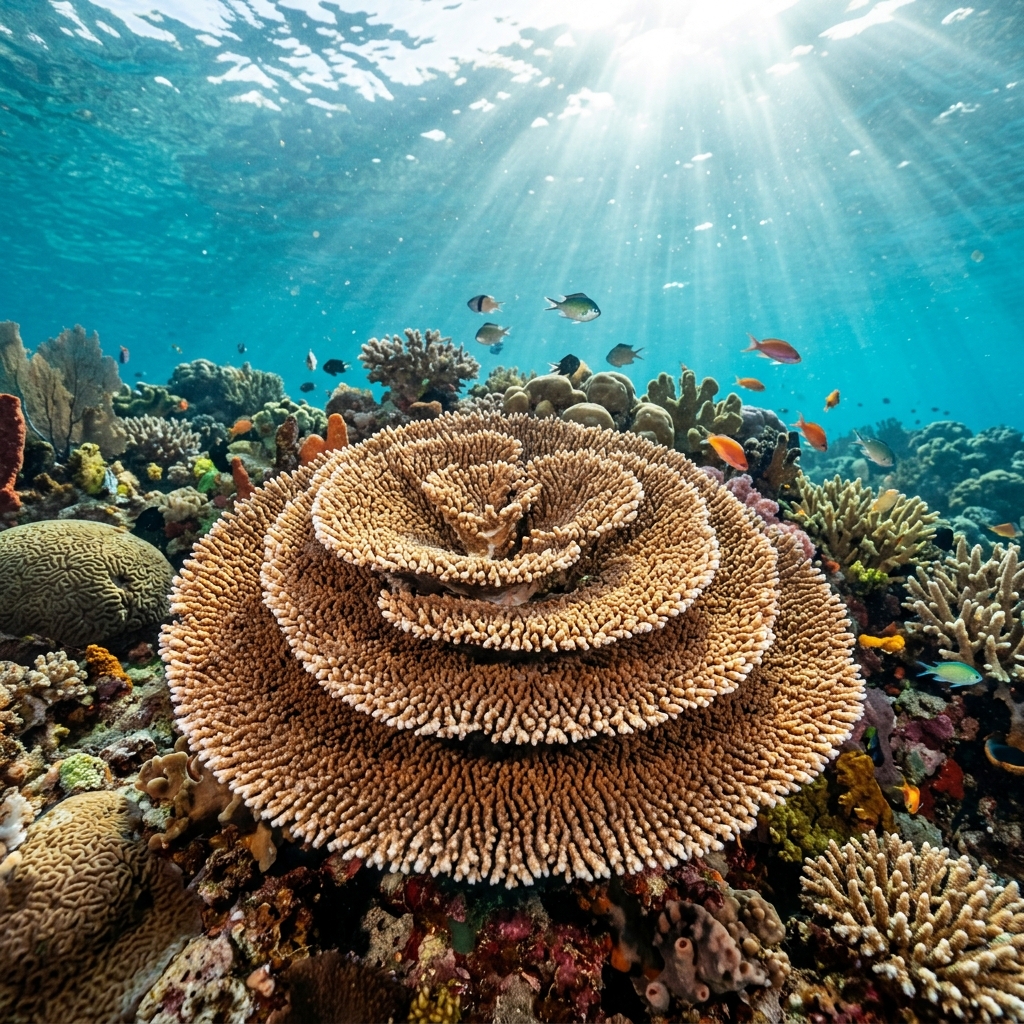
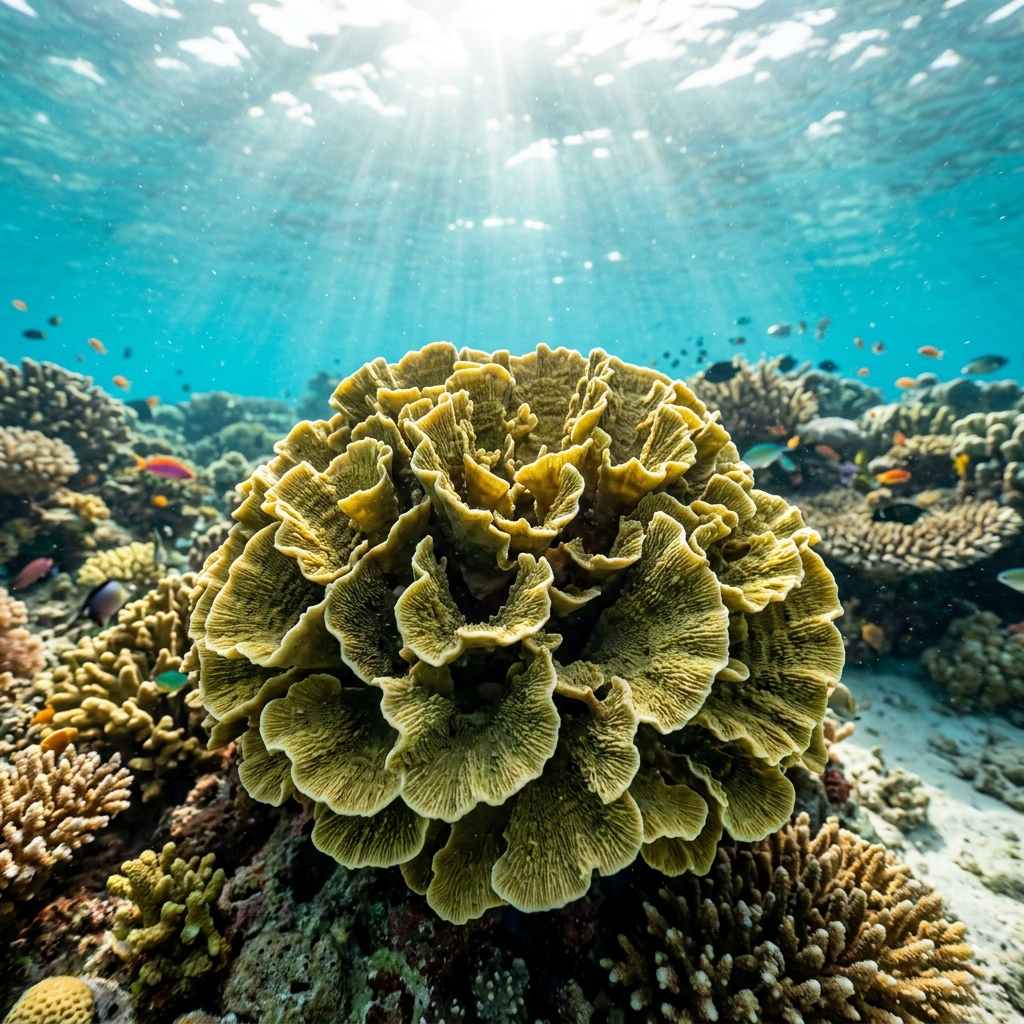
Cabbage corals form broad, overlapping plates and fronds with wavy, ruffled margins that really do resemble a head of cabbage or a stack of leaves. Colonies range from pale cream and tan to olive green and chocolate brown depending on the zooxanthellae (symbiotic algae) they host. The surface is covered in fine, evenly spaced corallites (the tiny cups where individual polyps sit), giving it a slightly rough, textured look up close. Large colonies can spread a metre or more across flat or gently sloping reef areas.
Cabbage corals are sessile (fixed in place) reef builders, so you will find them growing on flat rubble fields, gentle slopes, and sheltered lagoon floors where sediment and light suit their plate-like growth form. During the day the polyps are largely retracted, giving the surface a smooth, leathery appearance; look for extended polyps on night dives. They do not react to divers but their fragile, plate-like edges chip easily, so buoyancy control around them matters.
The folded, plate-like structure is not just for show. It maximises surface area exposed to sunlight, allowing the coral to host more zooxanthellae and produce more energy in low-light or deeper conditions than a dome-shaped colony could manage at the same depth.
In the Northern Hemisphere, sightings are spread across the whole year with no concentrated peak, which makes sense given the species thrives in 24 to 29 °C water found year-round on tropical reefs. In the Southern Hemisphere, sightings concentrate between June and November, so that window is the better bet for Australian and similar sites.
Reef neighbours a diver could mistake it for. Use the identification notes above to tell them apart.
Cabbage coral is most commonly logged across Indonesia, the Philippines, the Maldives, and Egypt, with particularly strong representation in Bali, Lombok and Java, Sulawesi, and the North and Central Atolls of the Maldives. The Egyptian Red Sea, especially around Sharm el Sheikh, is another reliable region, alongside Queensland, Australia and the dive sites of Palawan and the Visayas in the Philippines. In short, if you are diving Indo-Pacific or Red Sea tropical reefs, you are in cabbage coral territory.
Mapping where Cabbage Coral is logged…
Cabbage coral is logged across a wide spread of Indo-Pacific and Red Sea destinations. The strongest concentrations are in Indonesia (particularly Bali and Sulawesi), the Philippines (Palawan and the Visayas), the Maldives, and Egypt's Sharm el Sheikh region. Queensland, Australia, Thailand, and Malaysia are also well-represented.
On Northern Hemisphere tropical reefs, cabbage coral is present throughout the year with no single peak season, as it favours the consistently warm water found in these regions. For Southern Hemisphere sites such as Australia, sightings are most concentrated between June and November.
Look for broad, ruffled, plate-like colonies with wavy margins stacked loosely on top of one another, very much like the leaves of a cabbage. Colour ranges from pale cream and tan to olive green or brown. The surface has fine, evenly spaced polyp cups visible at close range. Large colonies can span over a metre across.
Individual colonies are typically plate-shaped and can exceed one metre in diameter when fully developed. In sheltered lagoons with good light and low sediment disturbance, multiple overlapping plates can form sprawling structures covering several square metres of reef.
Cabbage coral is a reef-building hard coral, meaning its calcium carbonate skeleton contributes directly to the physical structure of the reef over time. Its broad, plate-like colonies create sheltered microhabitats underneath them, which small fish, invertebrates, and juveniles of many species use for shelter and feeding.
Site and sighting data is aggregated from diver logs, iNaturalist and GBIF. For taxonomy and conservation status:
Cauliflower Coral
2,946 sites