Dicentrarchus punctatus
Spotted sea-bass turn up as an uncommon find at Andalusia and Murcia dive sites, in water between 13 and 21°C, most any month.
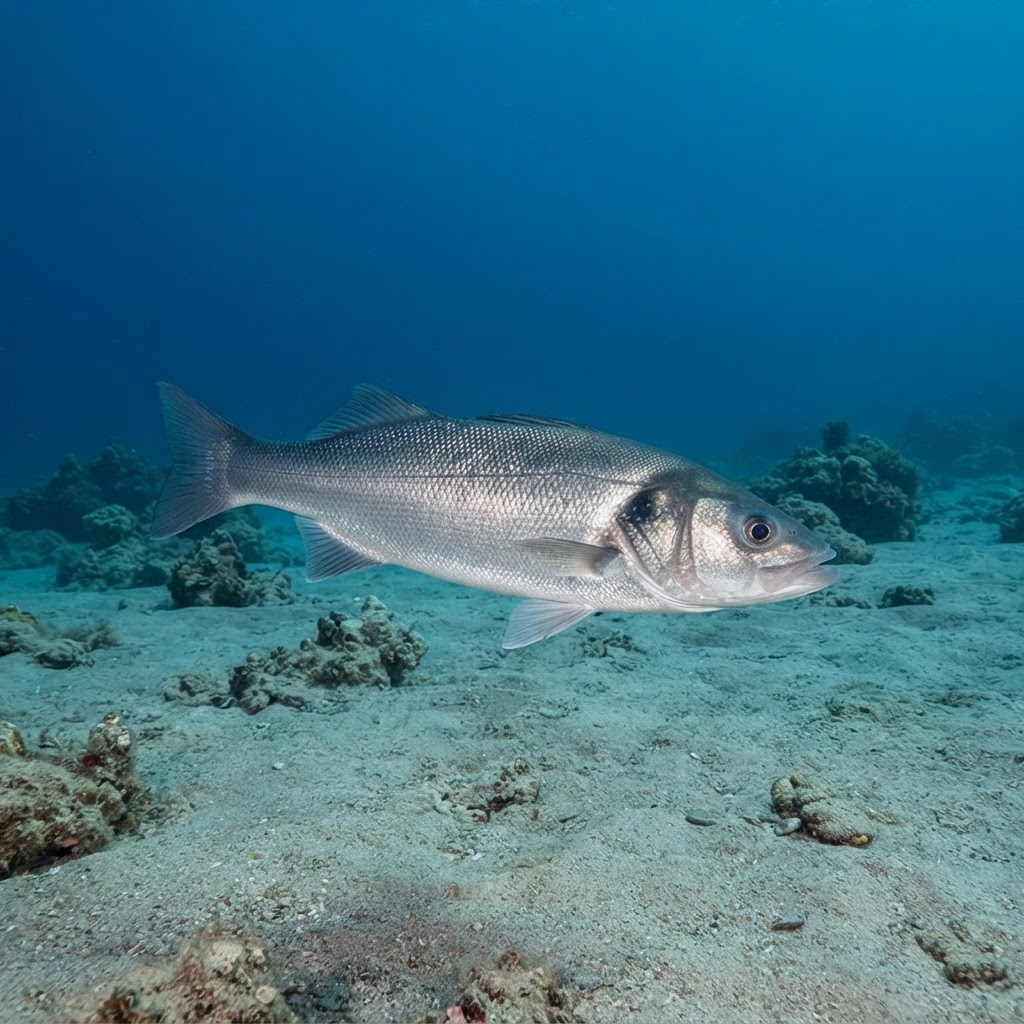
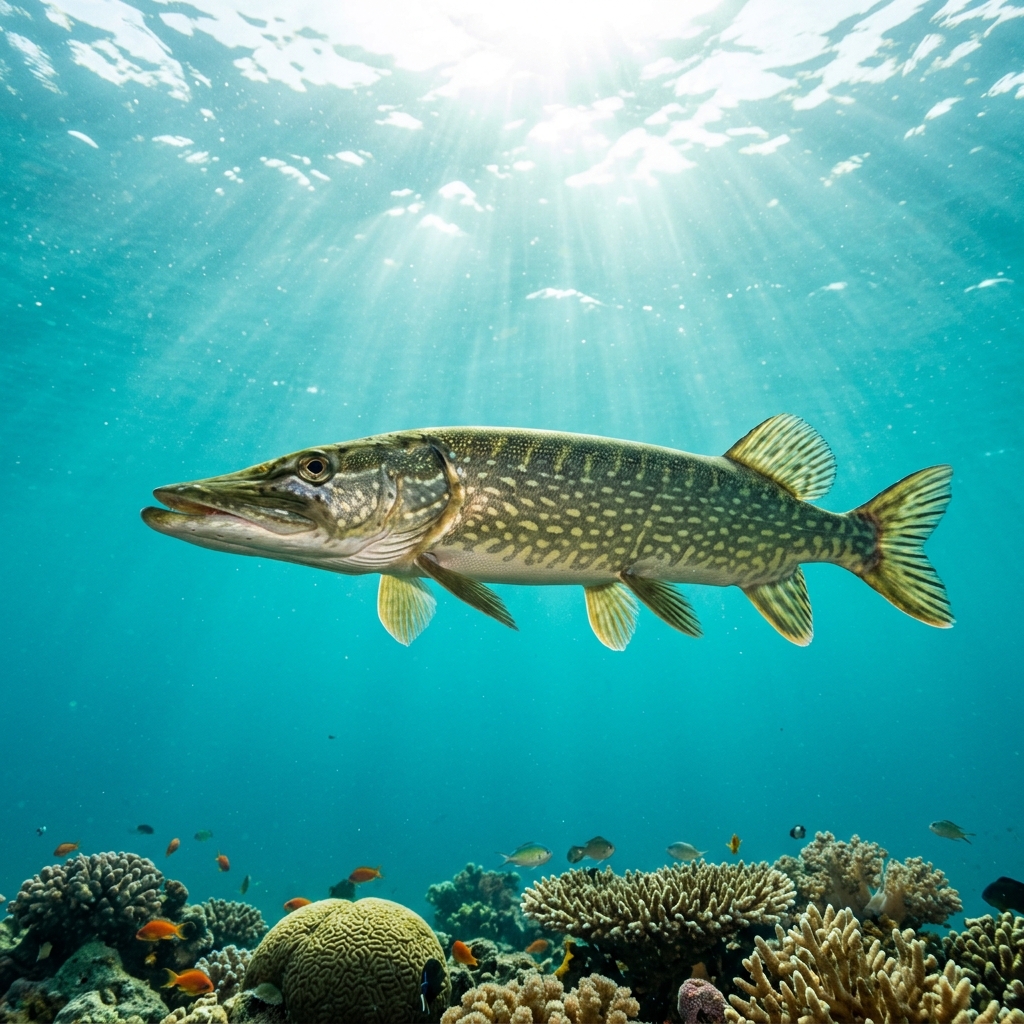
A slim, silvery fish reaching around 49 cm, with a row of small dark spots scattered along the upper back and flanks that separates it from a plain-sided seabass. Two dorsal fins sit close together on the back, the first spiny and slightly raised, and the body narrows to a forked tail. Look for it holding near rock or reef structure rather than out in open water.
Divers typically find this species holding close to rocky reef and structure rather than schooling in open water, moving with a steady, unhurried patrol rather than darting off at the first sight of a diver. It tends to stay wary and keep some distance, so a slow approach along the reef edge gives the best chance of a longer look before it slips back into cover.
The scattering of dark spots along its back is the single feature that separates it at a glance from the far more commonly dived European Seabass, which lacks any spotting.
Sightings don't cluster into a clear season in the data, and the recorded water temperature range of 13.3 to 20.7°C spans much of the year on these coasts, so plan for a year-round, if uncommon, encounter rather than a specific month.
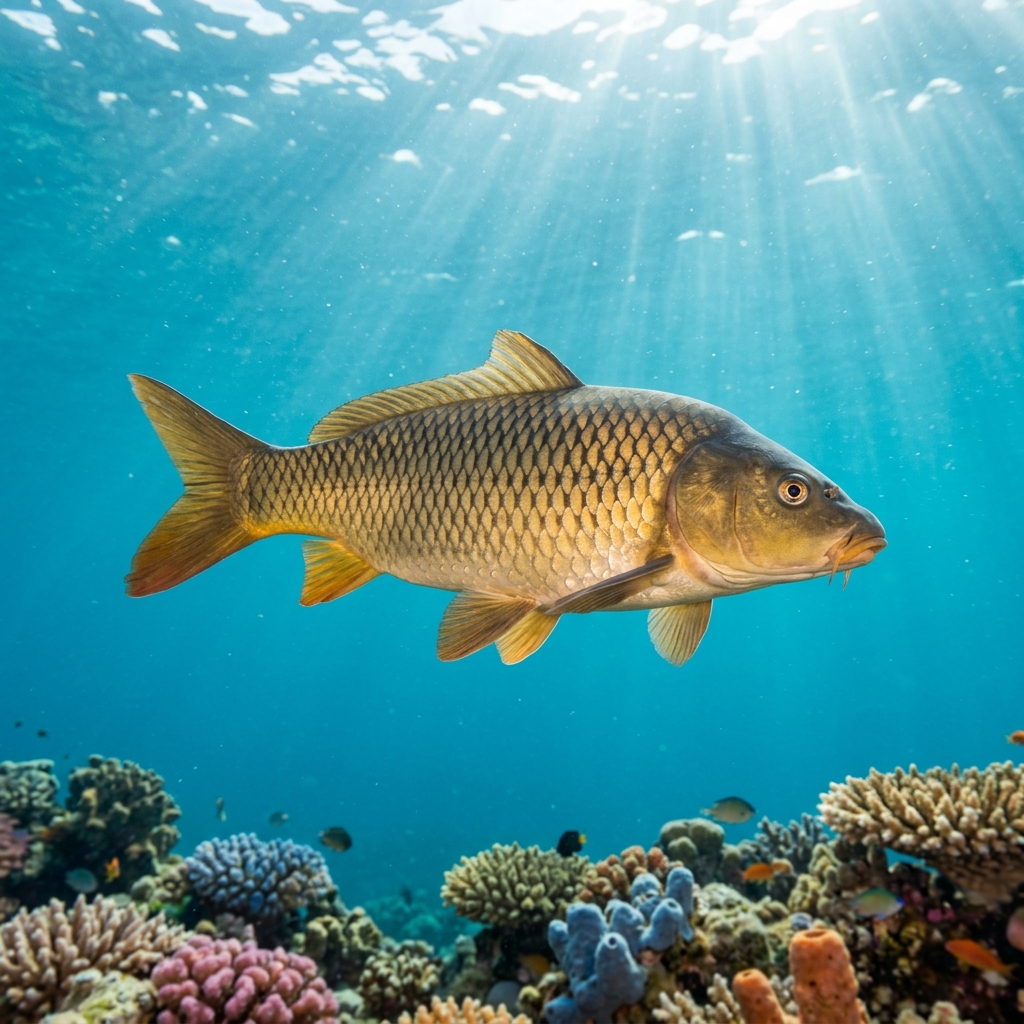
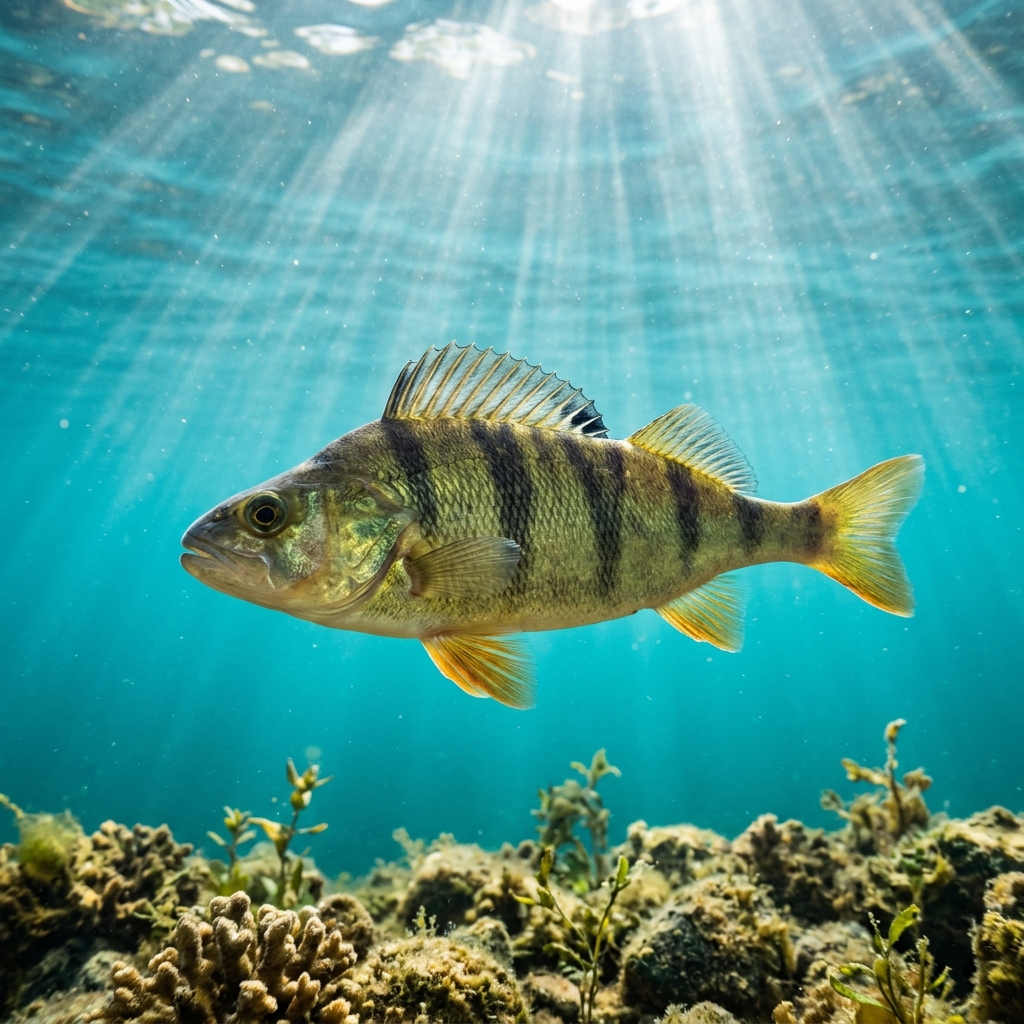
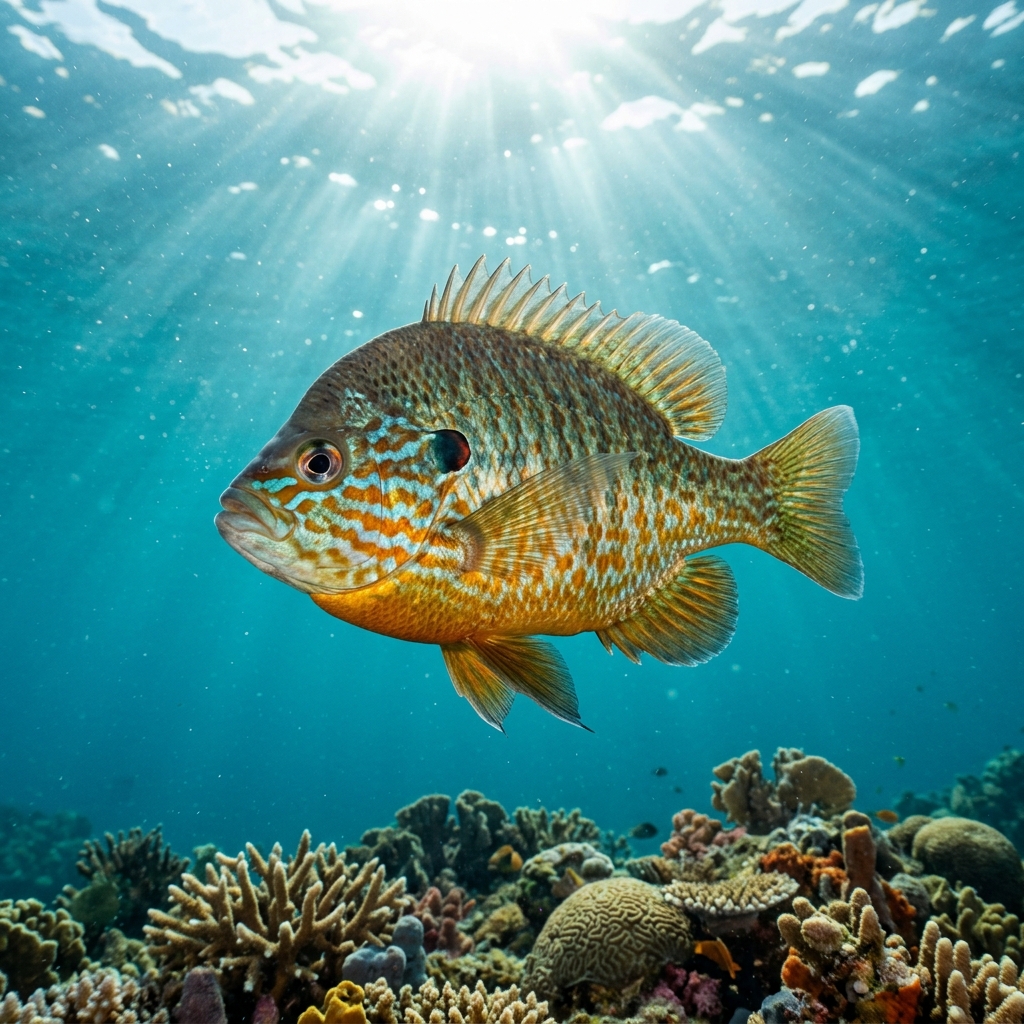
Reef neighbours a diver could mistake it for. Use the identification notes above to tell them apart.
Spain carries almost the entire known dive record for this fish, with Andalusia and Murcia standing out as the strongest regions, and a single logged site on Portugal's Lisbon Coast rounding out the picture. Outside these areas divers have almost no documented encounters, so Spanish Mediterranean and southern Atlantic coasts are the places to look.
Mapping where Spotted Sea-bass is logged…
Almost all logged sightings come from Spain, with Andalusia and Murcia the strongest regions, plus a single record on Portugal's Lisbon Coast. Outside Spanish waters, documented encounters are very rare.
There's no strong seasonal pattern in the sighting data, and the species has been observed across a wide temperature range of roughly 13 to 21°C, so it can turn up at any time of year rather than in one particular season.
Look for a silvery, streamlined fish around 49 cm long with small dark spots scattered along its back and upper flanks, holding near rocky reef structure. The spotting is the key clue that separates it from a plain-bodied European Seabass.
They typically reach around 49 cm in length, giving divers a solidly built, mid-sized fish to spot along rocky reef edges.
No, they're not considered dangerous to divers and pose no particular risk on a dive.
Site and sighting data is aggregated from diver logs, iNaturalist and GBIF. For taxonomy and conservation status:
Sun Perch
2,182 sites