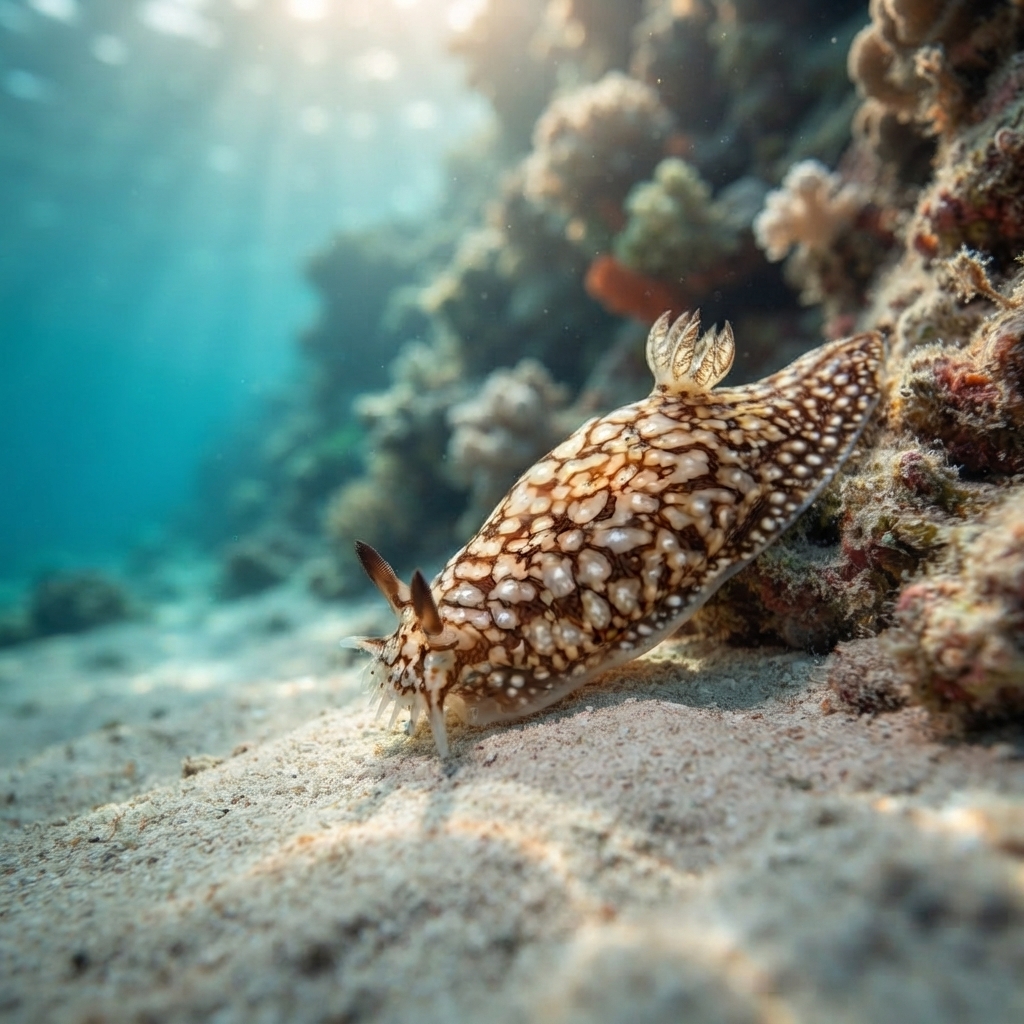
Pleurobranchaea brockii
An uncommon find on Bali night dives and Luzon reefs, this mottled sea slug turns up year-round in warm Indo-Pacific water.
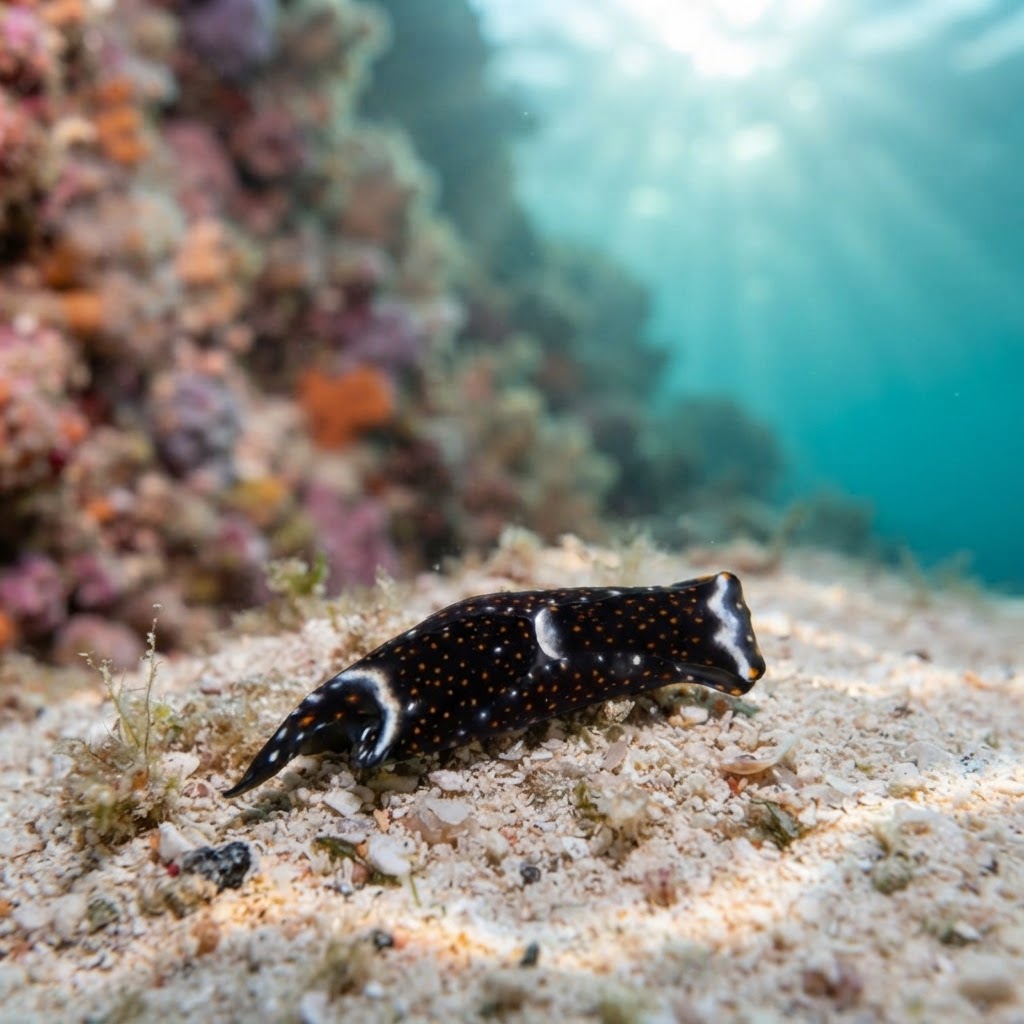
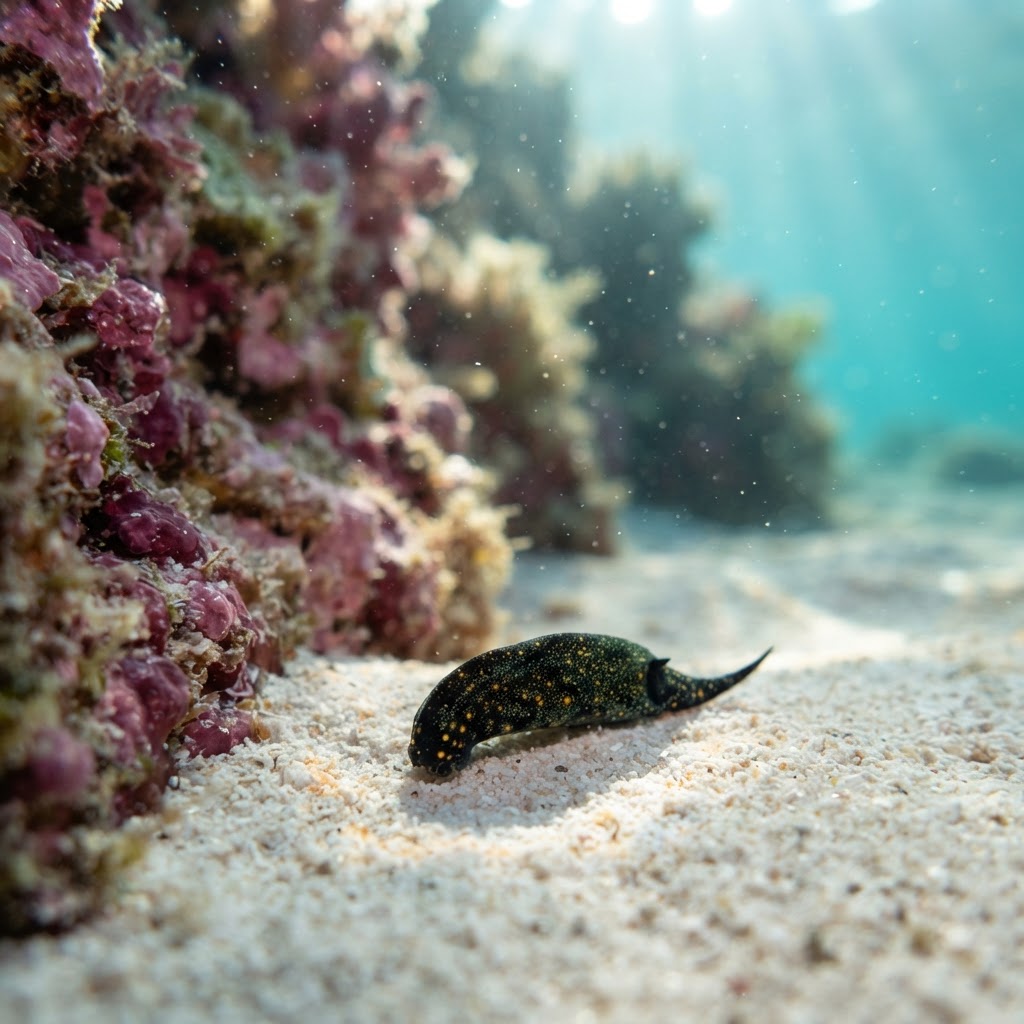
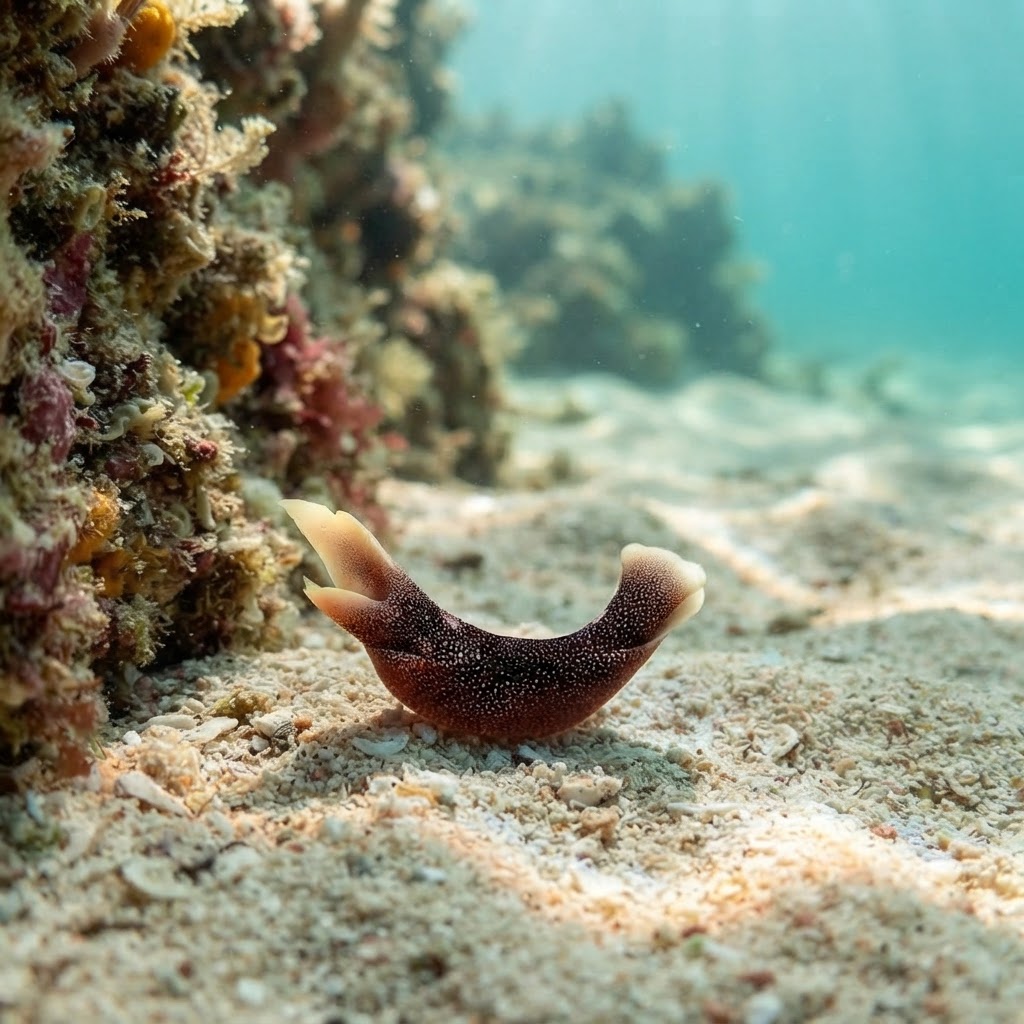
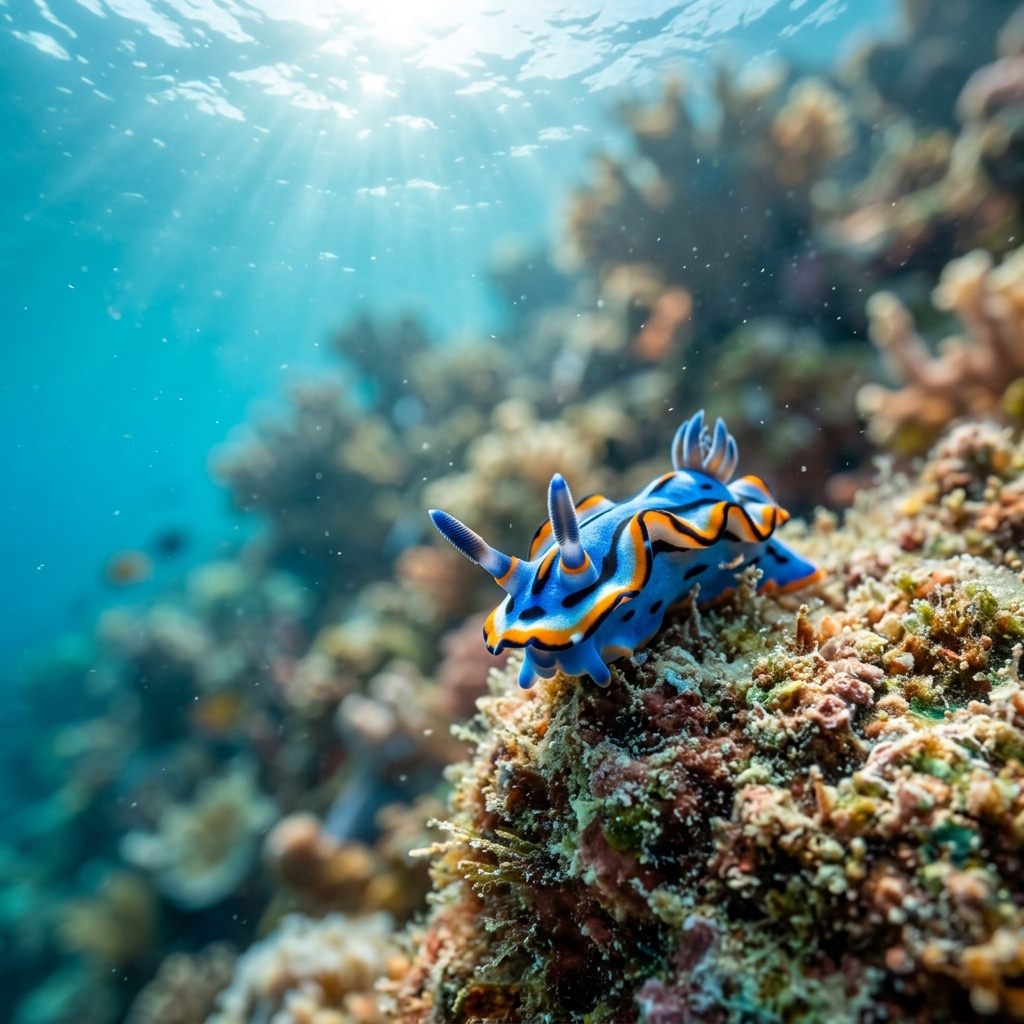
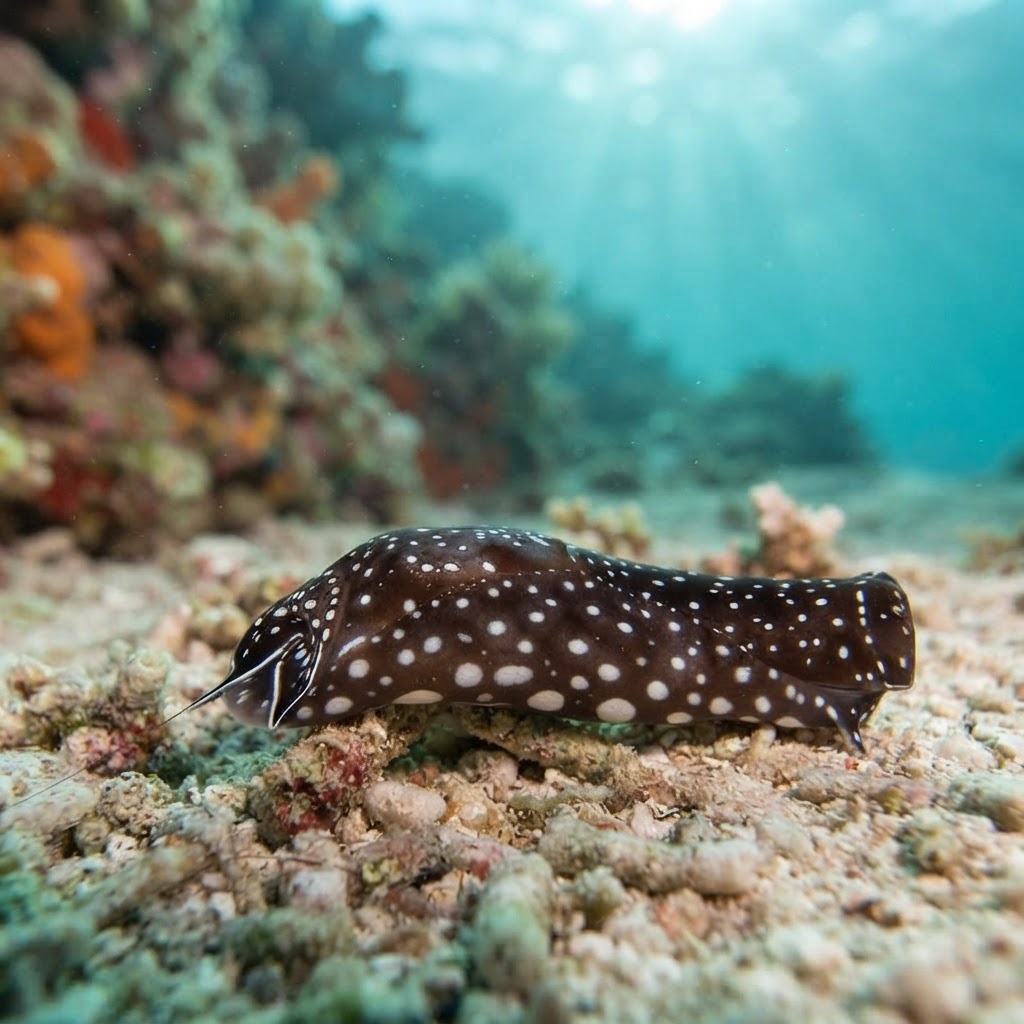
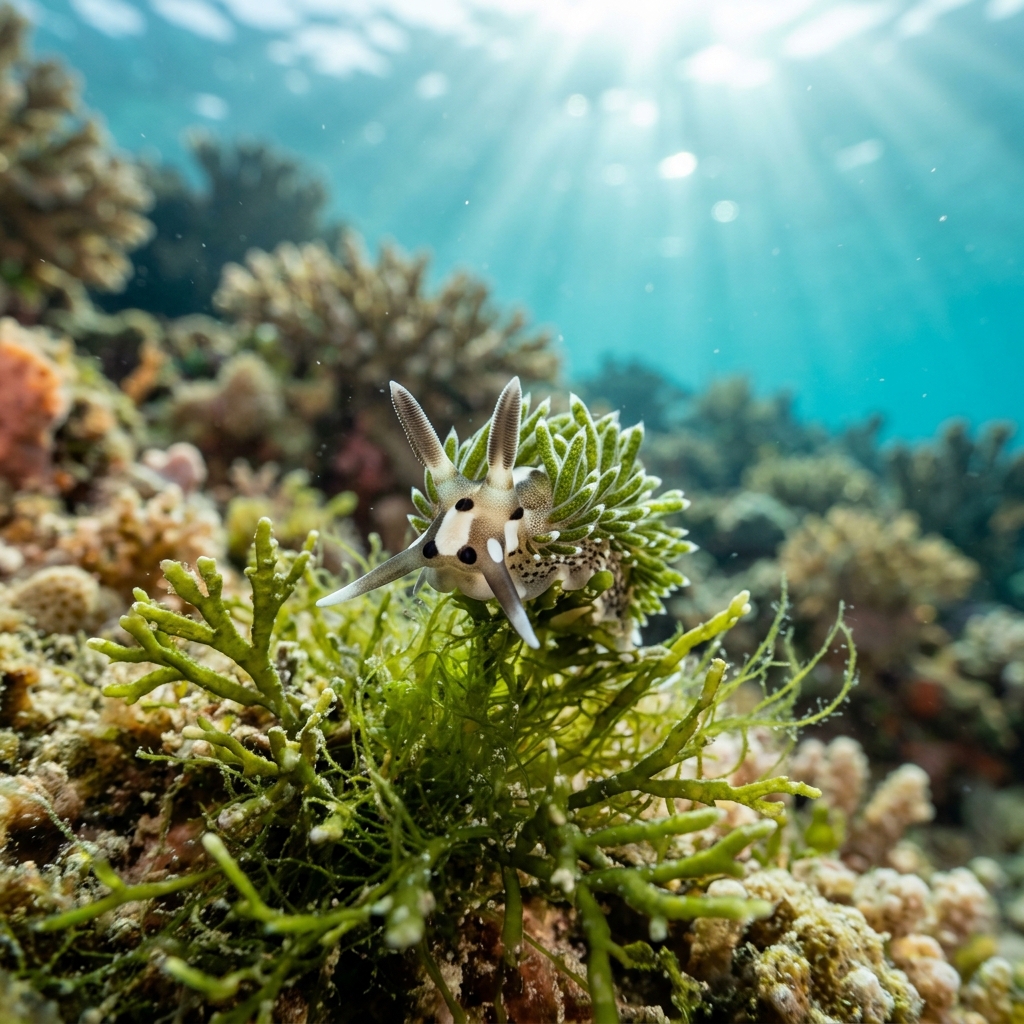
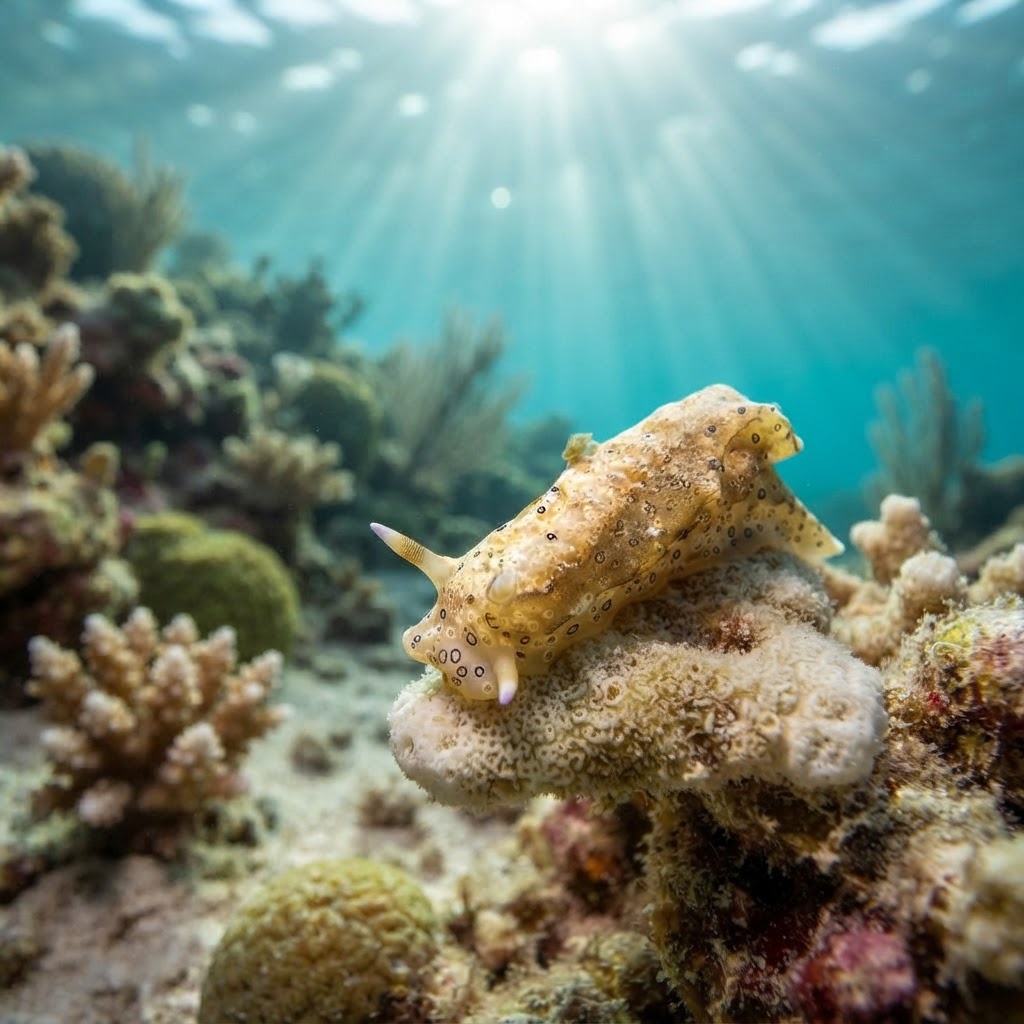
A soft, broad-bodied sea slug with a flattened, oval mantle covered in fine mottled speckling rather than bold blotches, giving it a slightly grainy or granular look against sand or rubble. It lacks an external shell and moves slowly across the substrate, often with its head shield and oral veil visible at the front end as it noses along the bottom. Colouration runs from pale cream to grey-brown, blending in with the sediment it crawls over, which is usually the reason divers overlook it until a guide points it out.
Divers typically find it slowly crawling over sand, rubble or silty bottoms, often on night dives when it is more active and easier to spot with a torch. It shows little reaction to divers and simply keeps grazing along the substrate, making it an easy subject to photograph once located. Look low, near the reef base or in sandy patches between coral rather than up on the reef structure itself.
Pleurobranchs like this one are opportunistic scavengers and predators that will feed on other soft-bodied invertebrates, including other sea slugs, rather than sticking to the algae-only diet many nudibranchs favour.
No clear seasonal pattern shows up in the sighting data, and it sits comfortably in warm water between roughly 25 and 31C, so it is realistically a year-round find on Bali and Luzon reefs rather than a seasonal target.
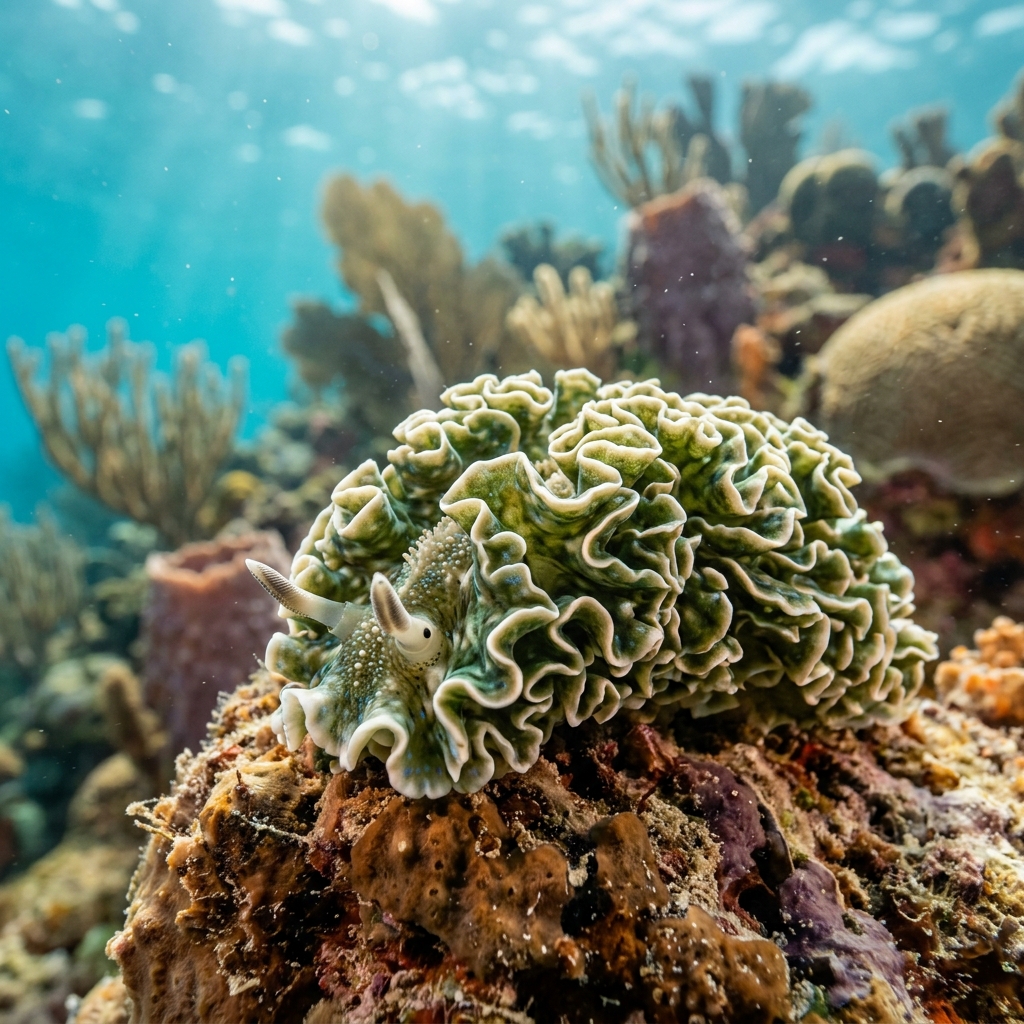
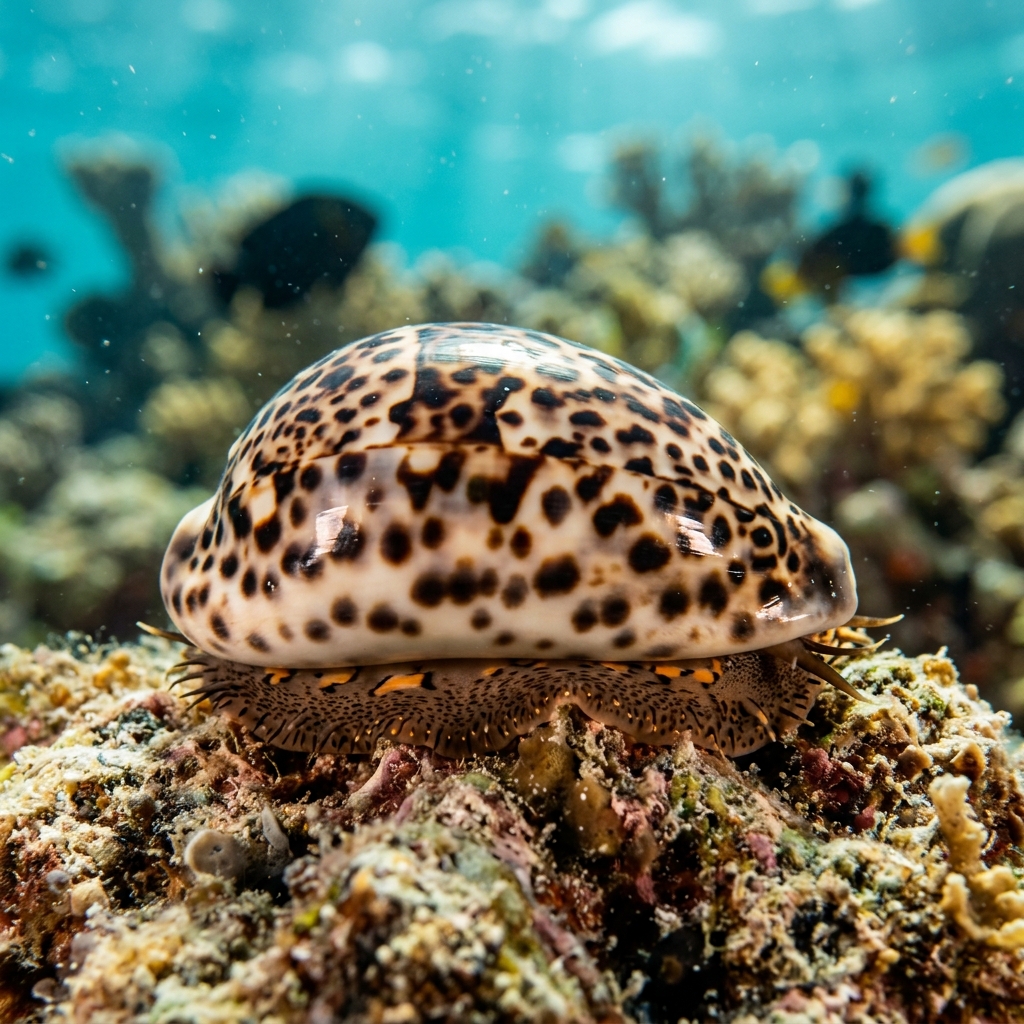
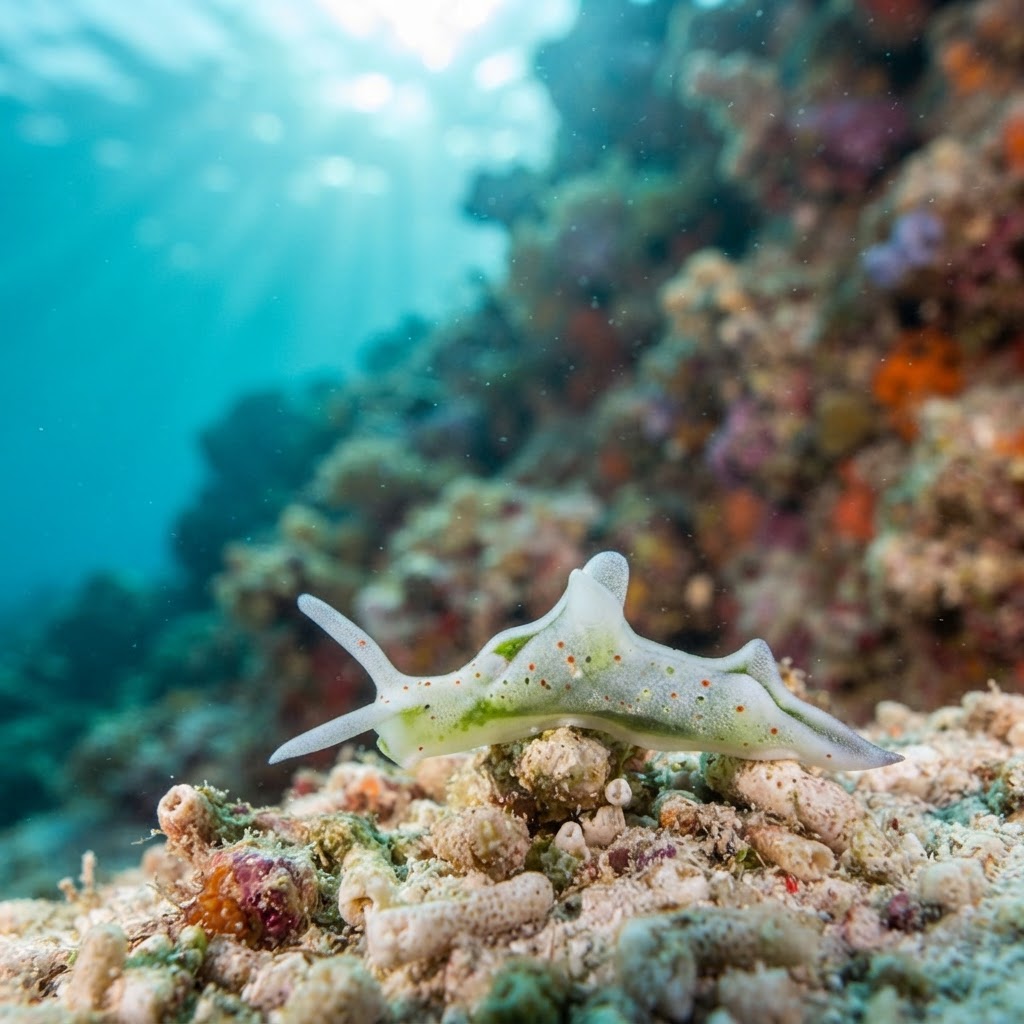
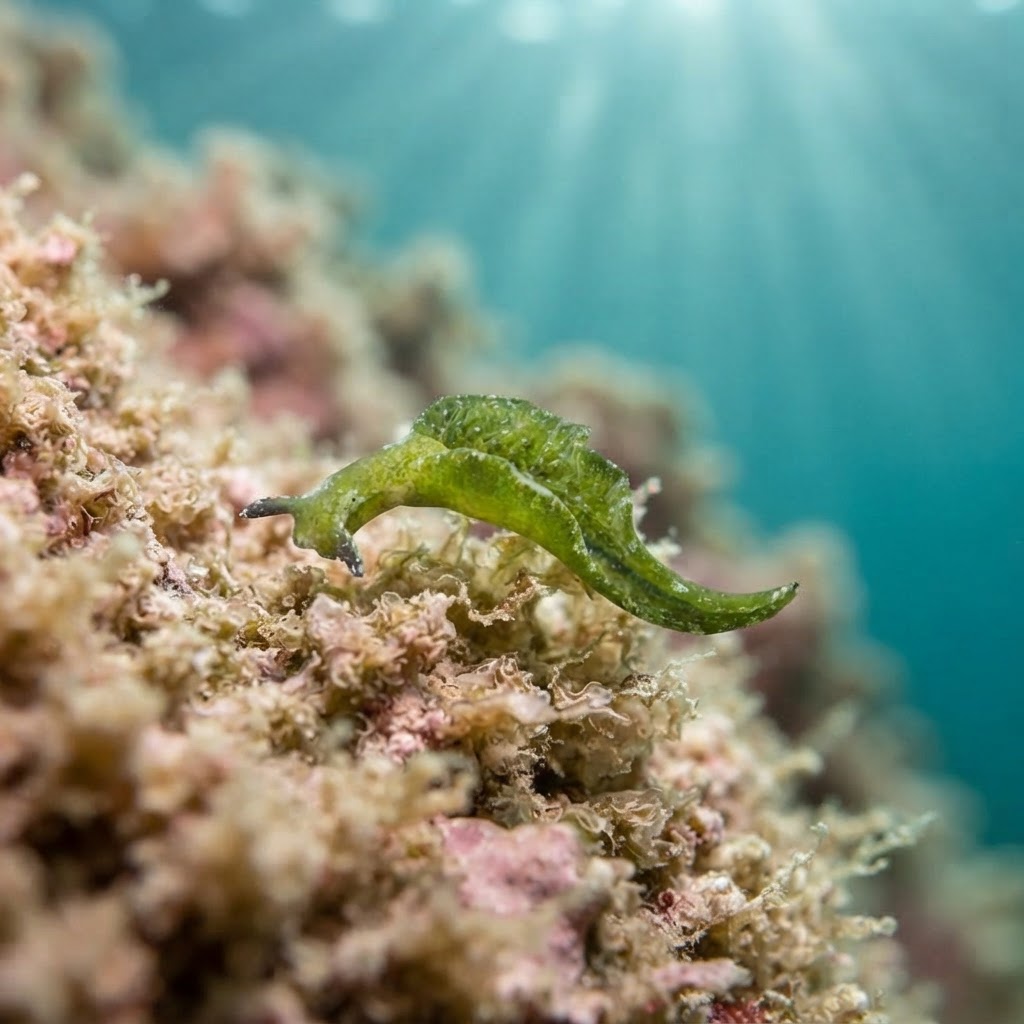
Reef neighbours a diver could mistake it for. Use the identification notes above to tell them apart.
Most reliably logged around Bali in Indonesia, and also turning up on Luzon's dive sites in the Philippines, with Indonesia carrying the stronger overall record. Sightings across both countries are consistently uncommon rather than common, so this is one for divers doing muck or macro-focused dives rather than a guaranteed reef sighting.
Mapping where Spotted Pleurobranch is logged…
Bali in Indonesia has the strongest sighting record, with additional finds on Luzon in the Philippines. Both locations report it as an uncommon to rare find, so patient searching on muck and sandy dive sites pays off.
There is no detected seasonal pattern, and it favours warm water year-round in the 25 to 31C range, so any time of year on Bali or Luzon reefs is fair game.
Look for a broad, flattened, shell-less sea slug with a mottled cream-to-brown speckled mantle, slowly crawling over sand or rubble, usually at night with its oral veil visible at the front.
No, they pose no threat to divers. They move slowly, have no venomous defences of concern, and simply continue feeding when approached.
Unlike many reef-dwelling sea slugs that graze on algae or sponges, pleurobranchs are active predators and scavengers that will eat other soft-bodied invertebrates, including fellow sea slugs.
Site and sighting data is aggregated from diver logs, iNaturalist and GBIF. For taxonomy and conservation status:
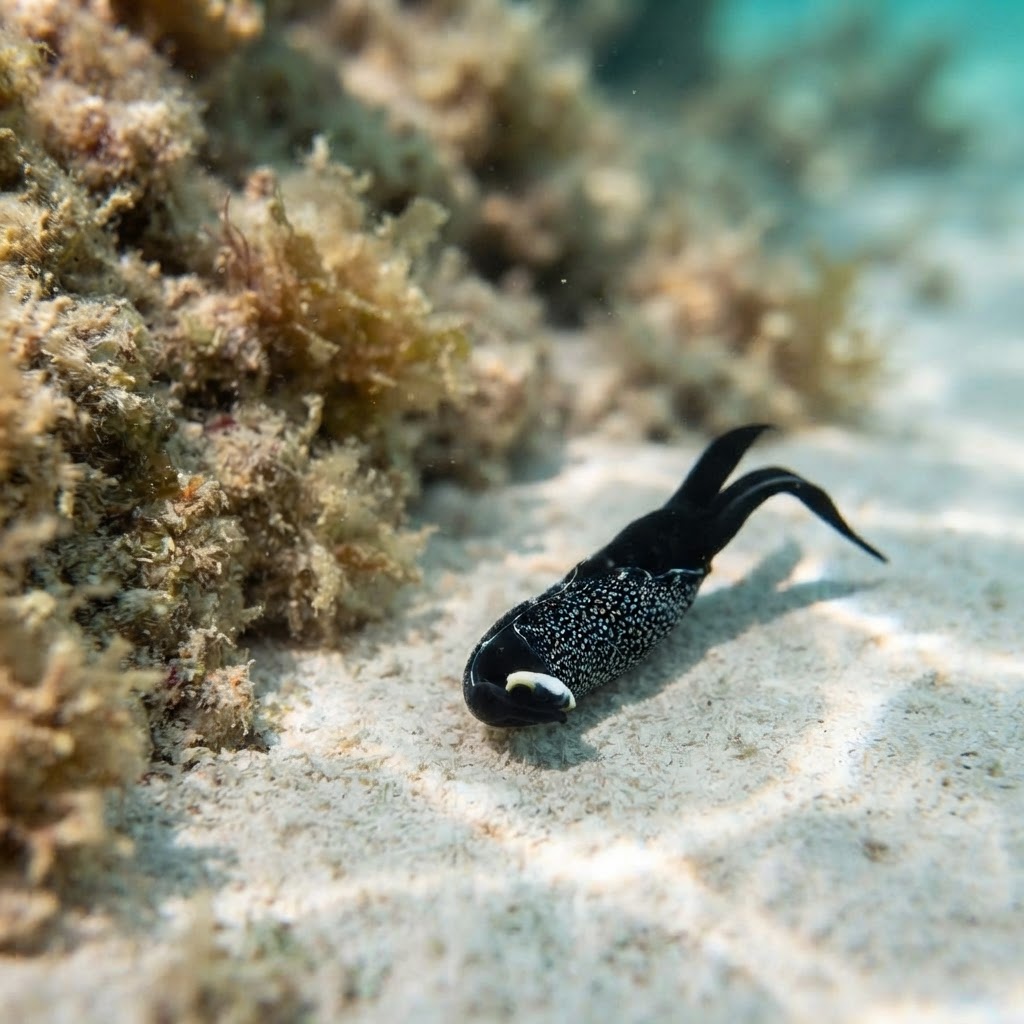
Mariaglaja inornata
Elysia Timida
573 sites