Acanthaluteres brownii
Uncommon filefish logged at 35 South and Western Australian sites, comfortable in cool 15-18C water year-round.
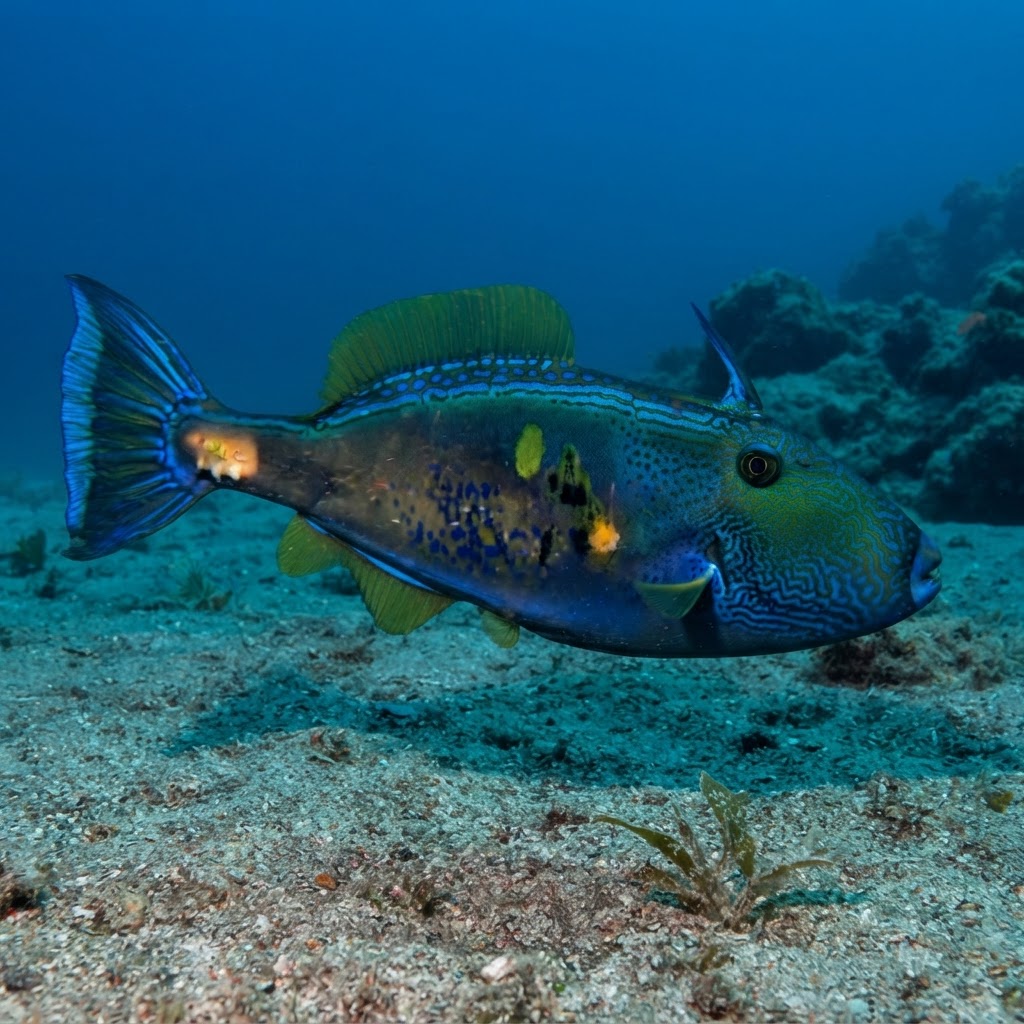
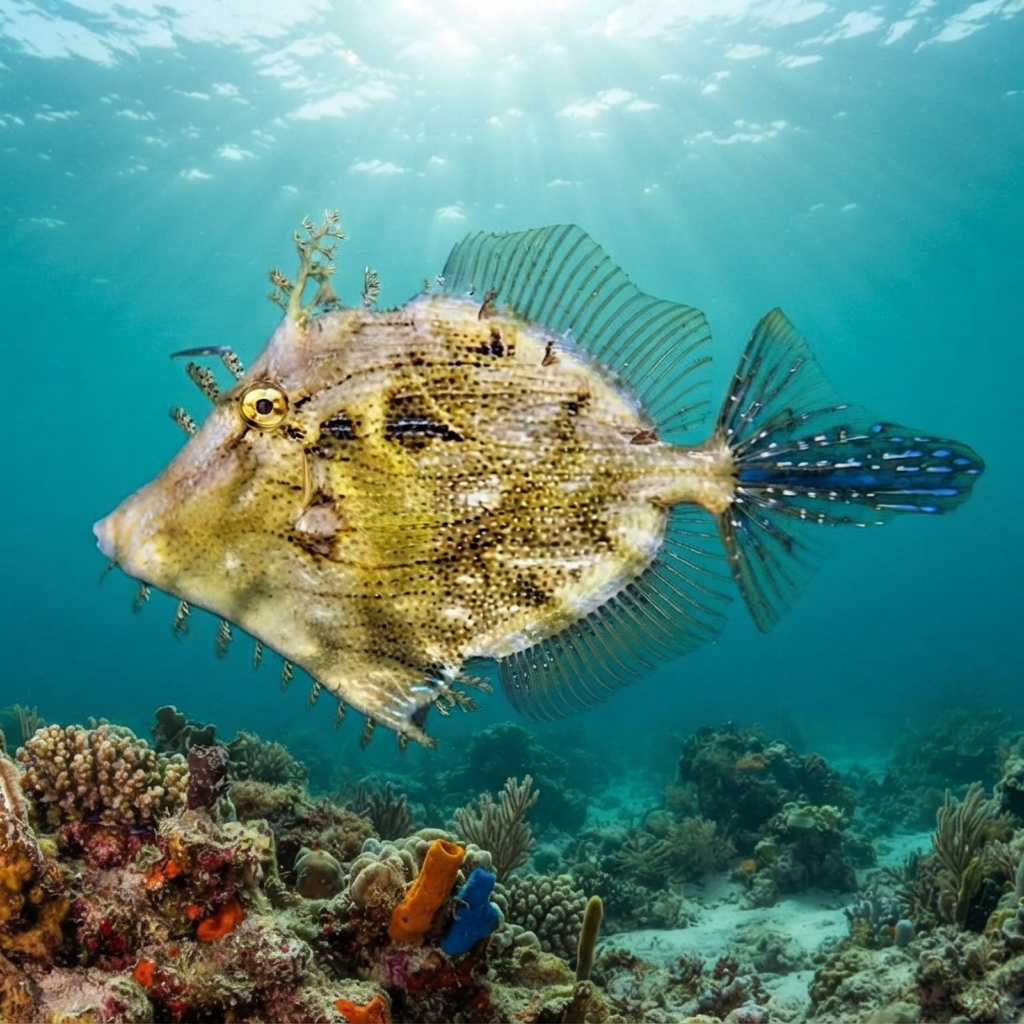
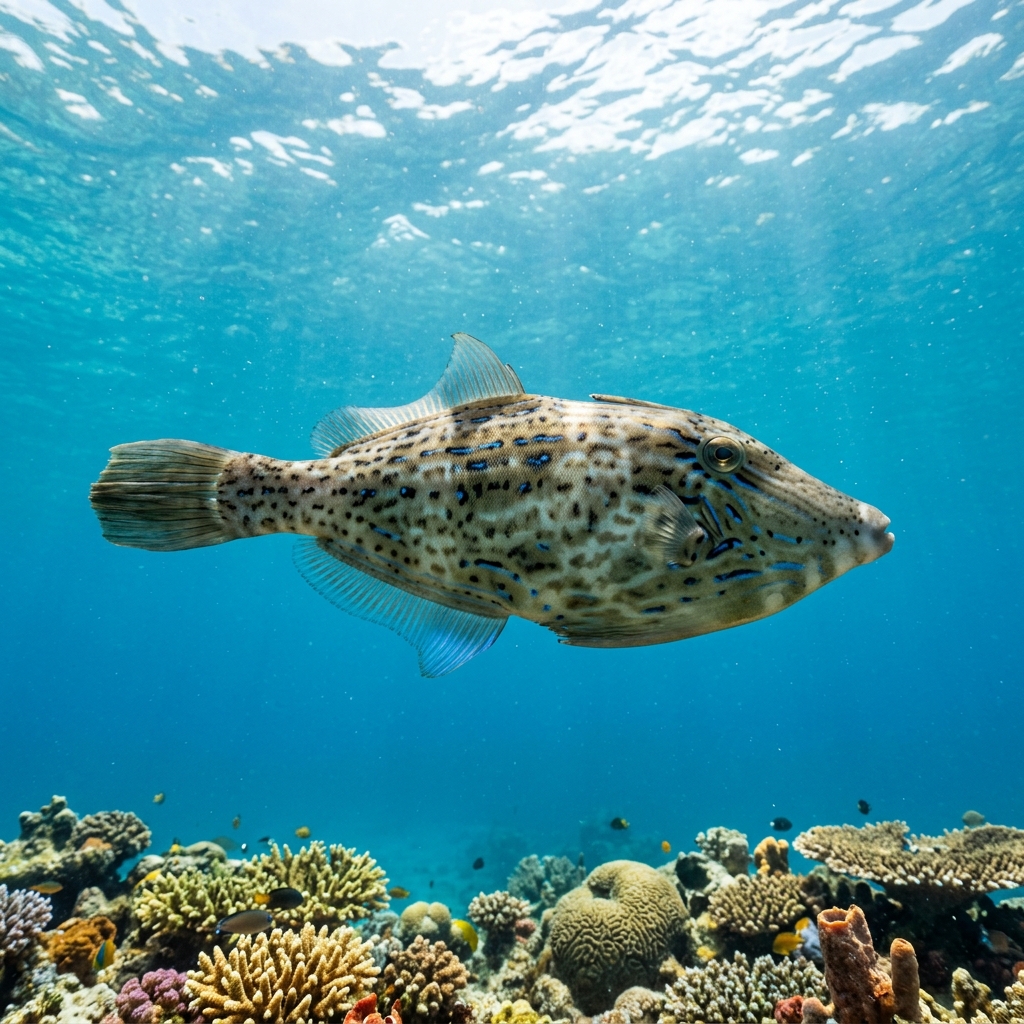
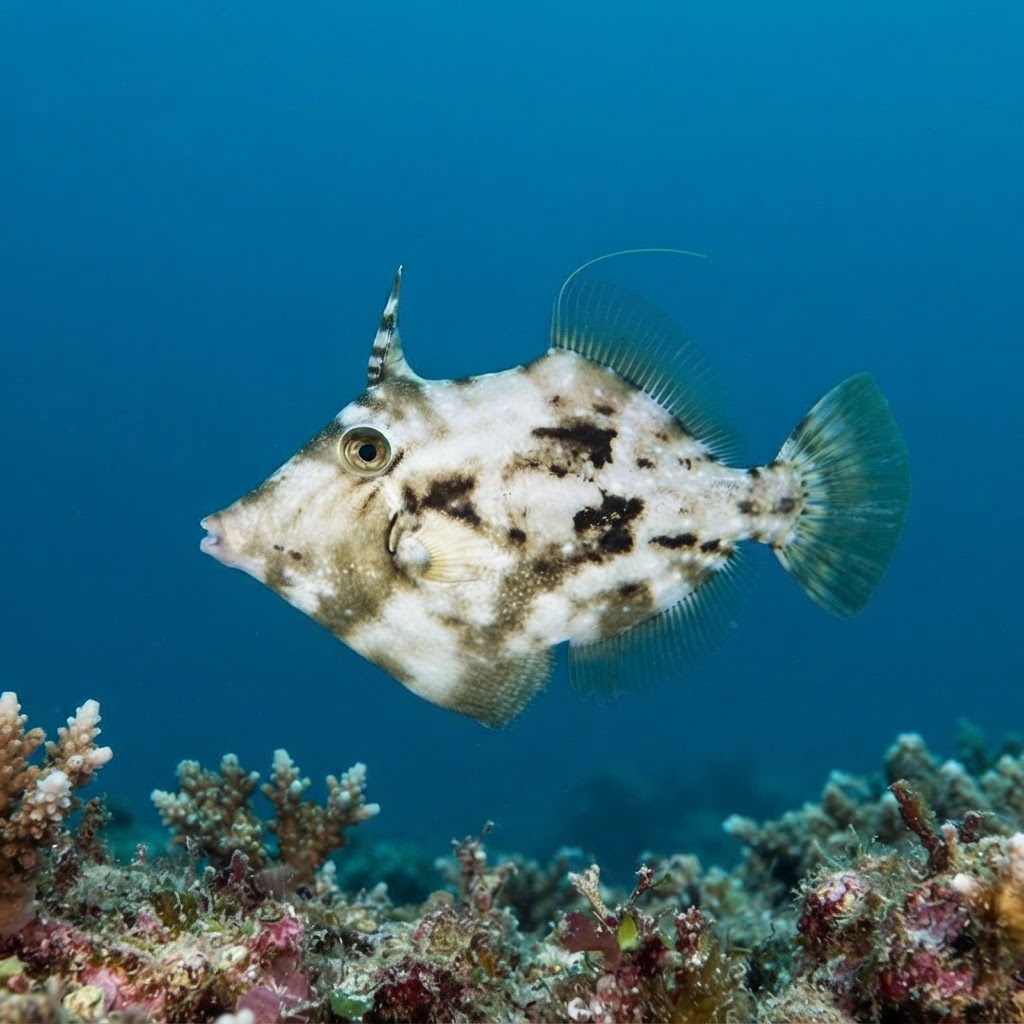
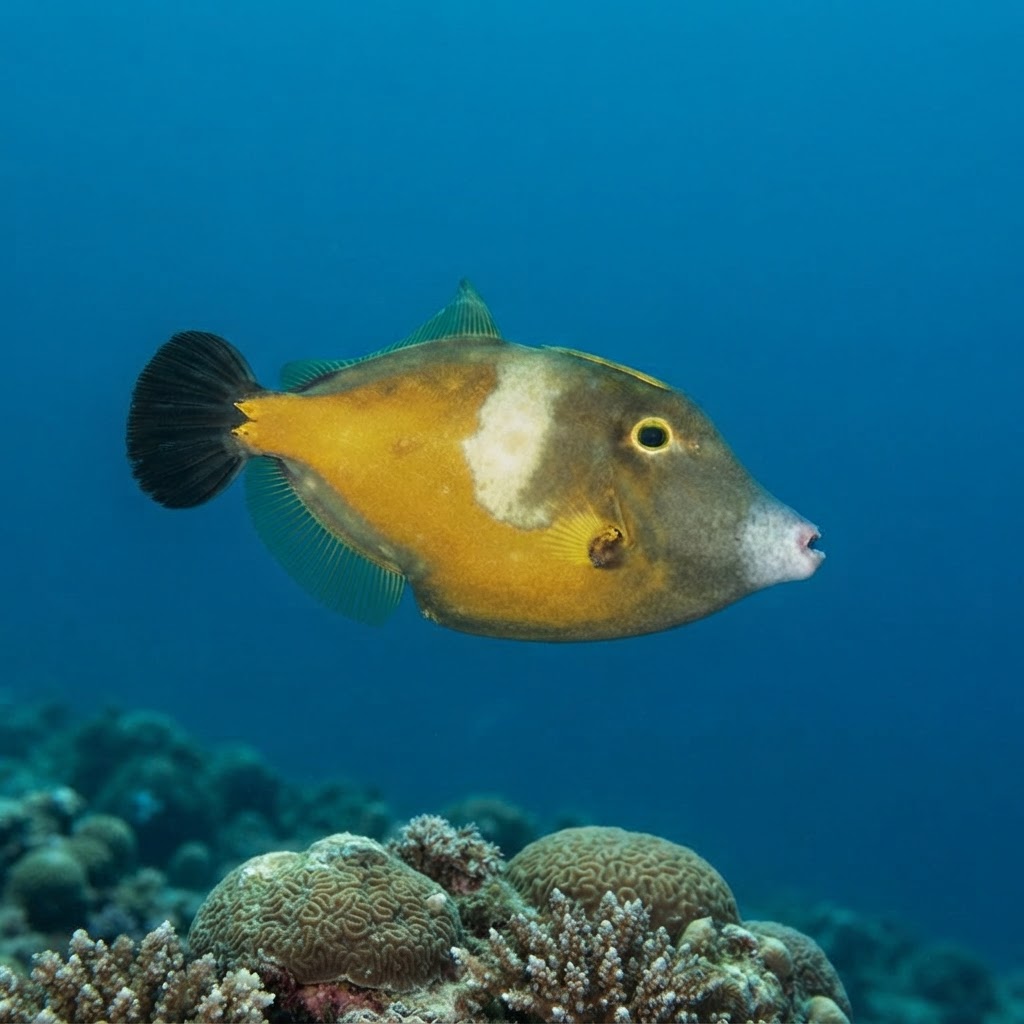
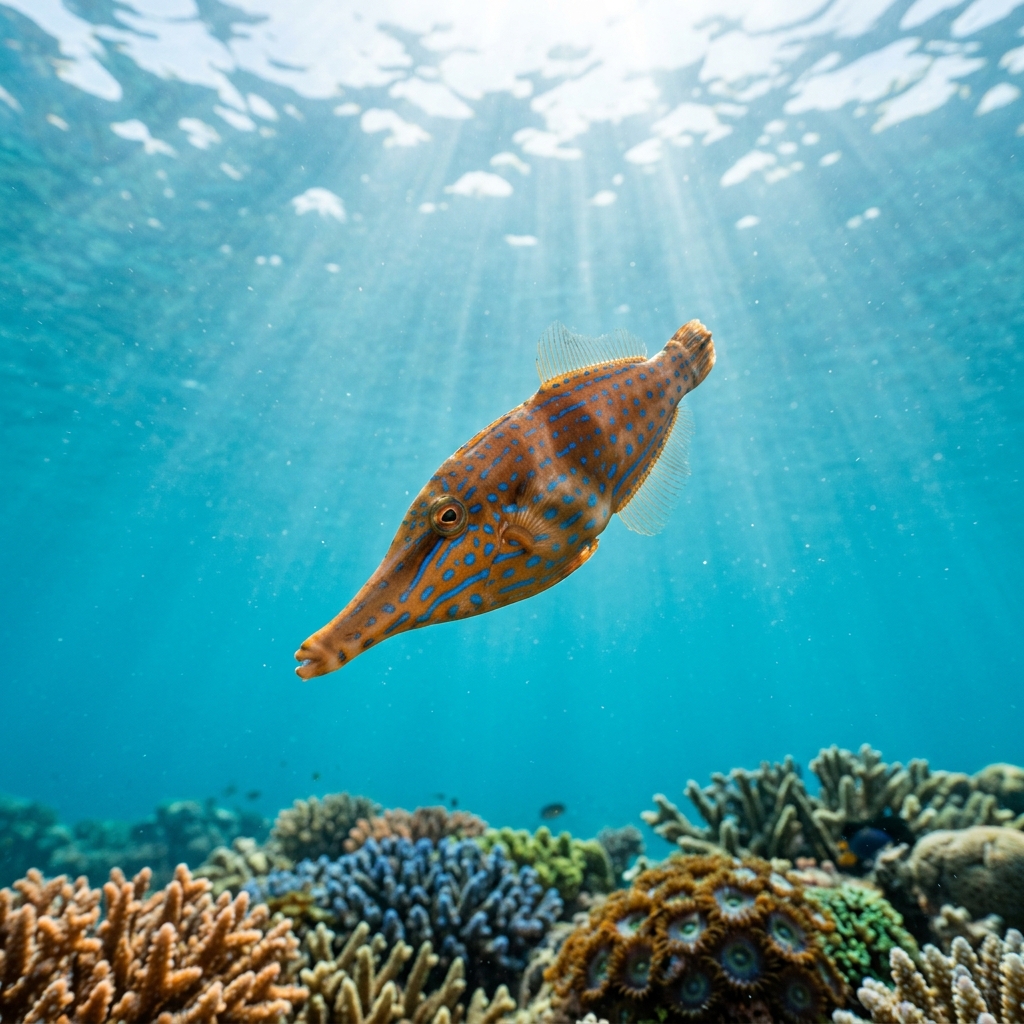
Grows to around 38cm, with a laterally flattened, oval body typical of filefish and a small, pointed snout built for picking at reef nooks. Look for mottled brown to olive patterning that breaks up its outline against rock and weed, plus the small dorsal spine that gives the family its name. It swims with slow, deliberate fin beats rather than a fast tail-driven cruise, which makes it easy to approach for a closer look at the skin pattern.
Divers typically find it hovering close to reef structure or weed beds, browsing slowly rather than darting about. It is unhurried around divers, often holding its position or drifting off at an easy pace rather than bolting for cover, which is part of why it registers as common at over a third of the sites where it turns up.
Like other filefish, it can lock its dorsal spine upright to wedge itself into a crevice, making it awkward for a predator to pull out once it has tucked in.
No clear seasonal pattern shows up in the sightings, and with a comfortable range of 15.2 to 18.4C it suits the cool temperate reefs it lives on all year, so any month is worth a look.
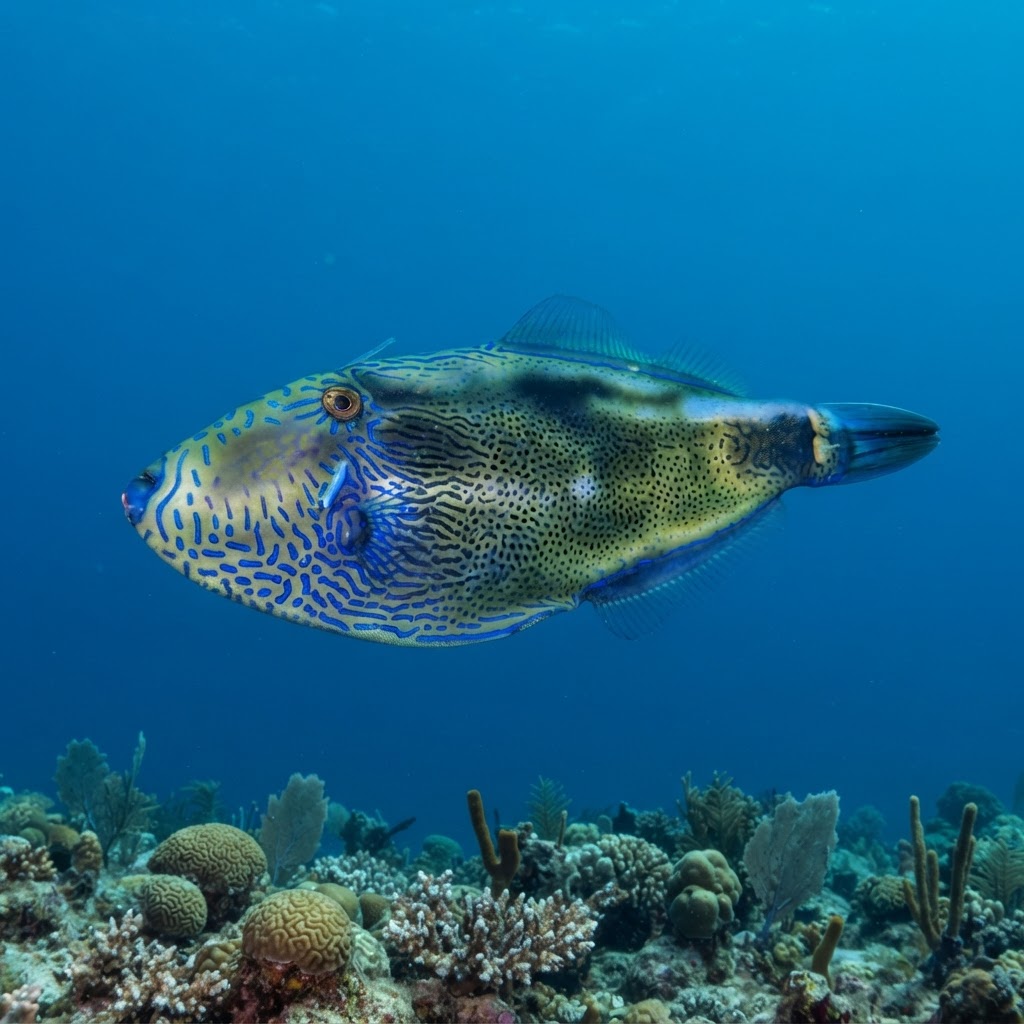
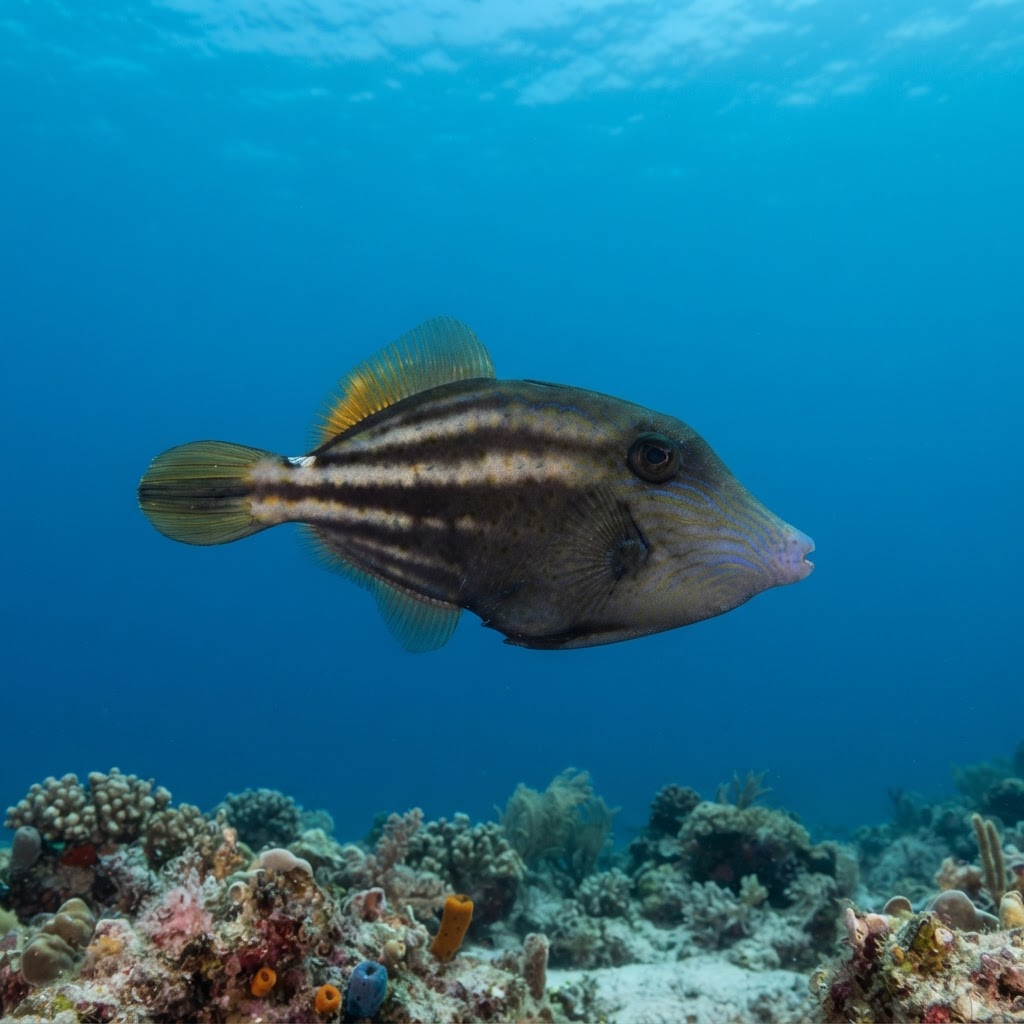
Reef neighbours a diver could mistake it for. Use the identification notes above to tell them apart.
This one is an Australia specialty, logged almost exclusively along the country's temperate south coast. South Australia is the strongest region, closely followed by Western Australia, with sightings spread across 35 sites in these two states rather than concentrated in one hotspot.
Mapping where Spiny-tailed Leatherjacket is logged…
It is essentially an Australian temperate-reef species, most reliably logged across South Australia and Western Australia. Divers have recorded it at sites spanning both states rather than one single hotspot.
There is no strong seasonal pattern in the sightings. It sits comfortably in 15.2 to 18.4C water, so it is present on southern Australian reefs throughout the year.
Look for a flattened, oval-bodied filefish up to about 38cm with mottled brown to olive camouflage and a small dorsal spine. Its slow, hovering swimming style near rock and weed is a useful giveaway alongside the body shape.
They reach around 38cm in length, a solid size for a filefish, though most divers encounter individuals resting near reef structure rather than out in open water.
No, they pose no danger to divers. They are slow-moving, reef-associated fish that tolerate a close approach without any defensive behaviour towards people.
Site and sighting data is aggregated from diver logs, iNaturalist and GBIF. For taxonomy and conservation status:
Orangespotted Filefish
836 sites