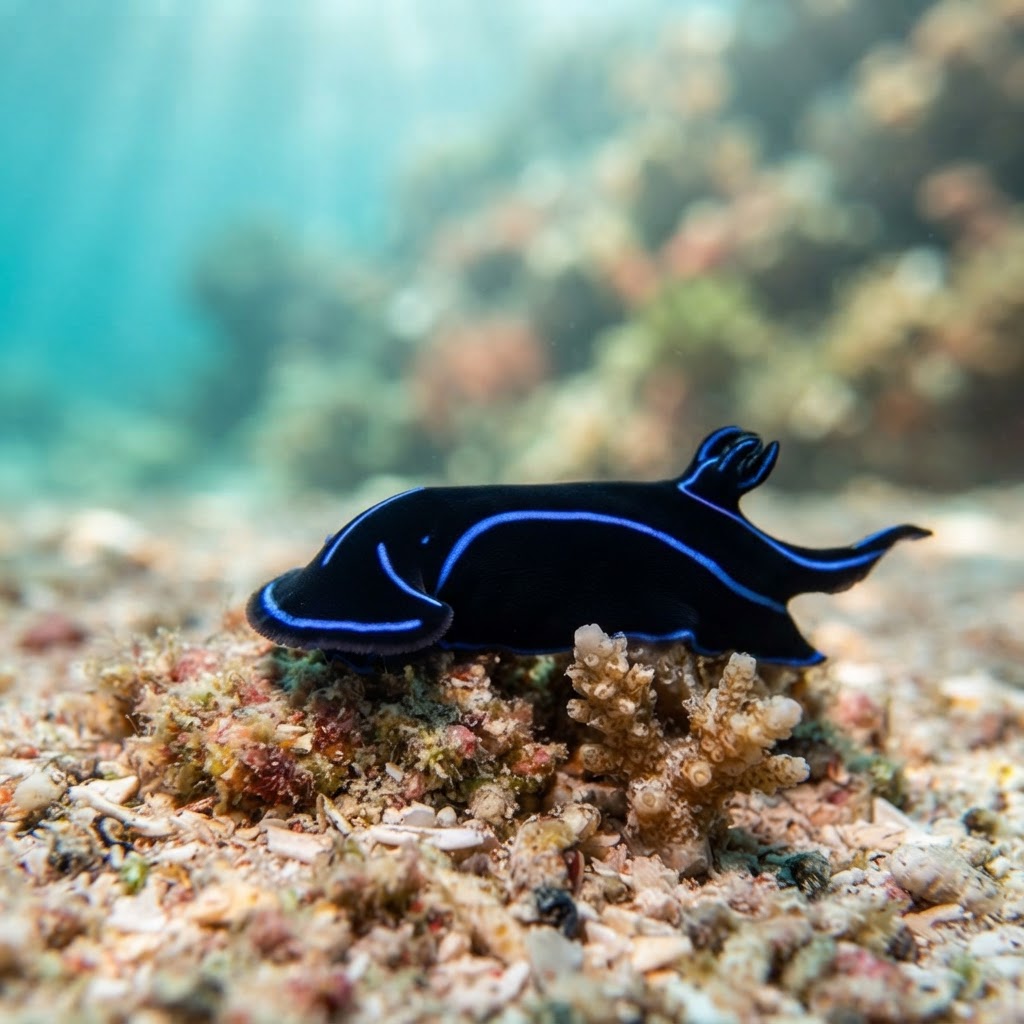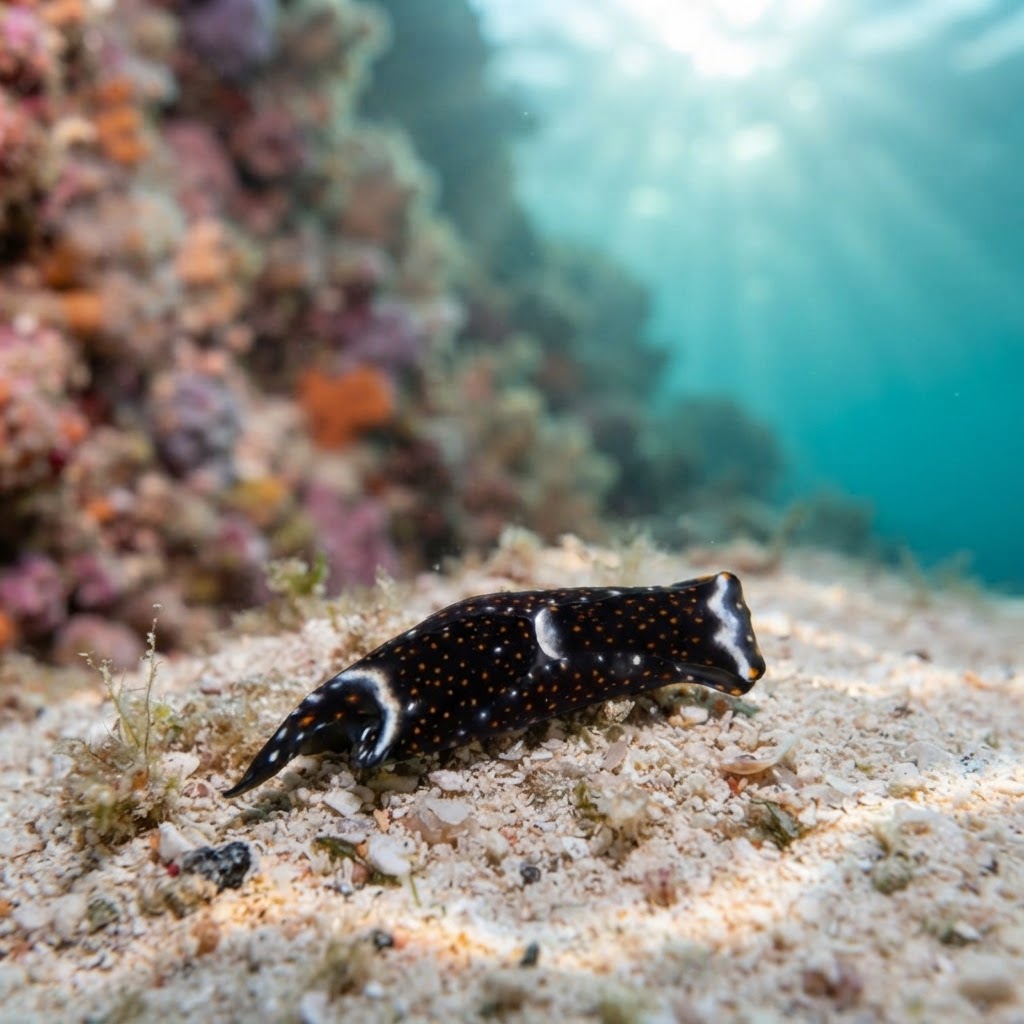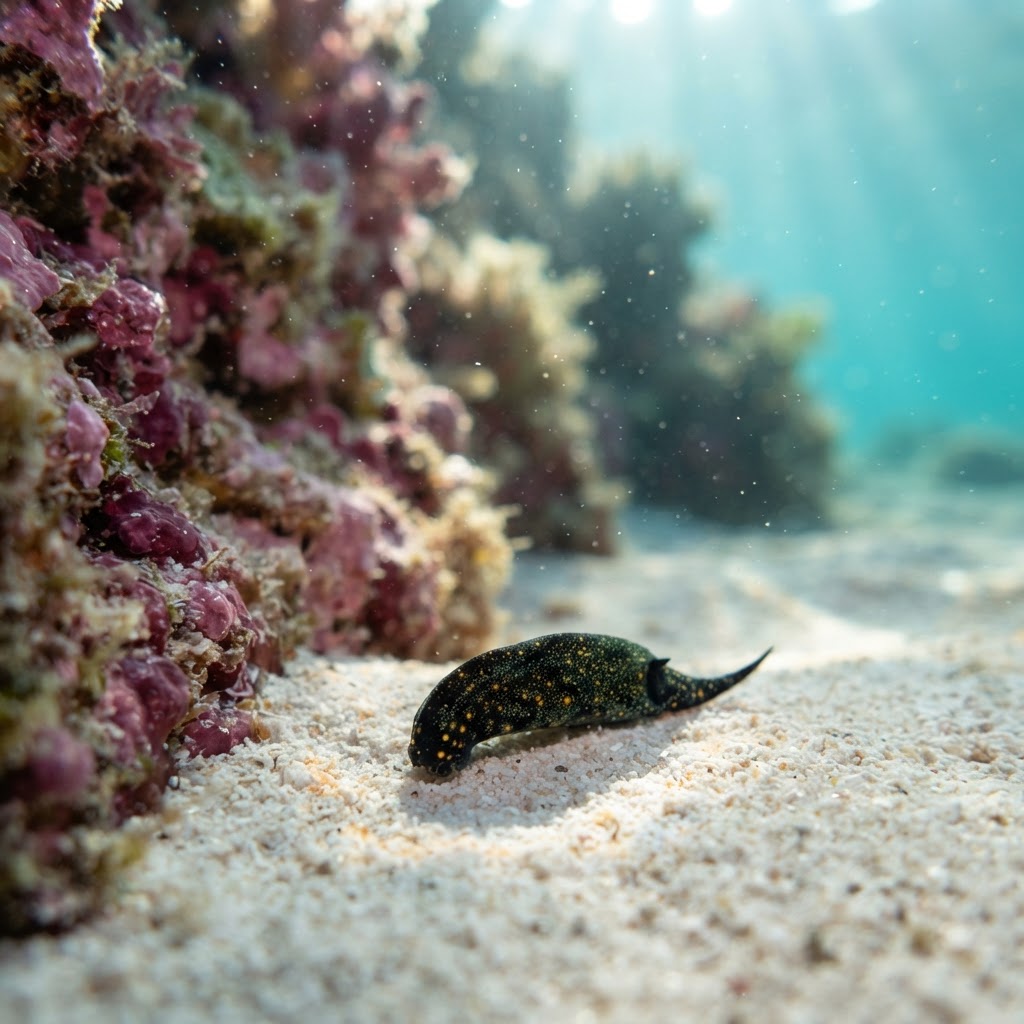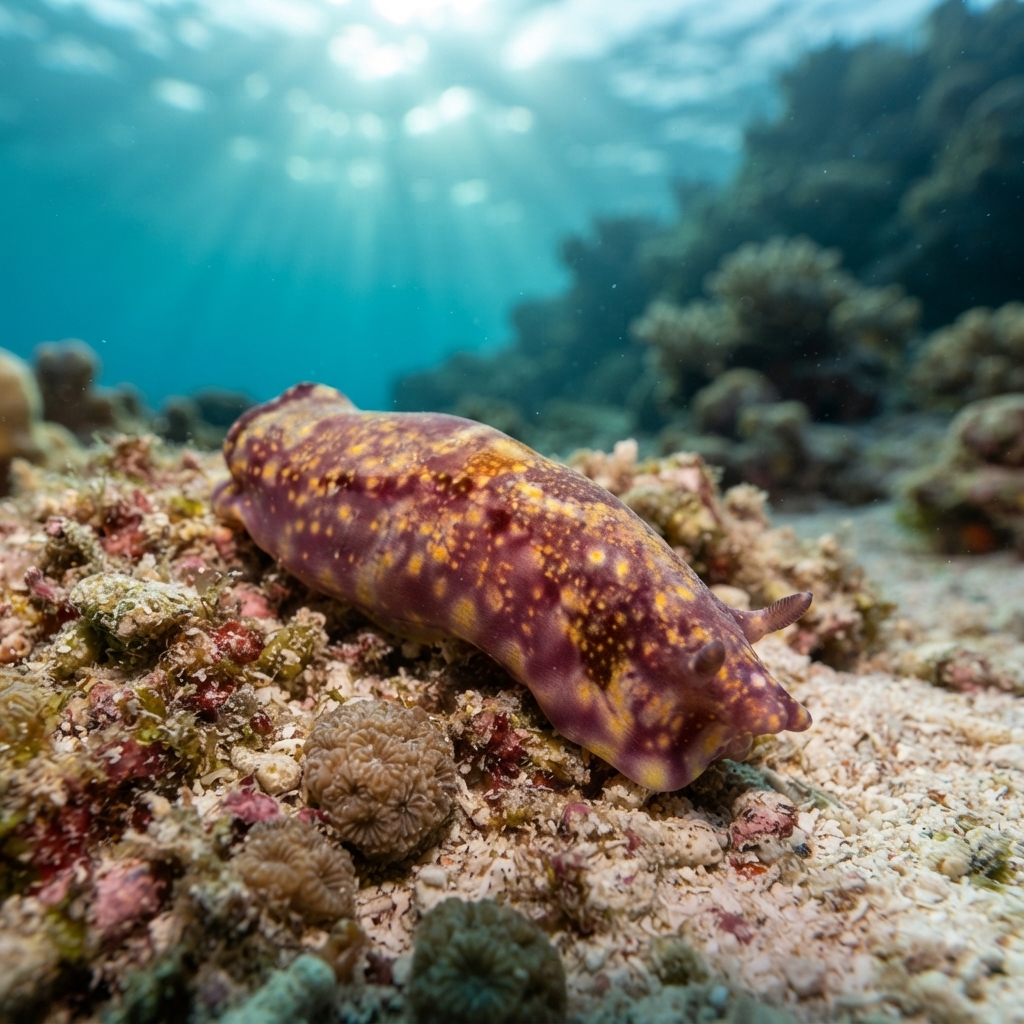
Spinophallus falciphallus
A rare aglajid logged mainly in Western Australia and Queensland, in reef water from 19.6 to 30 C, best found on slow, close-focus dives.
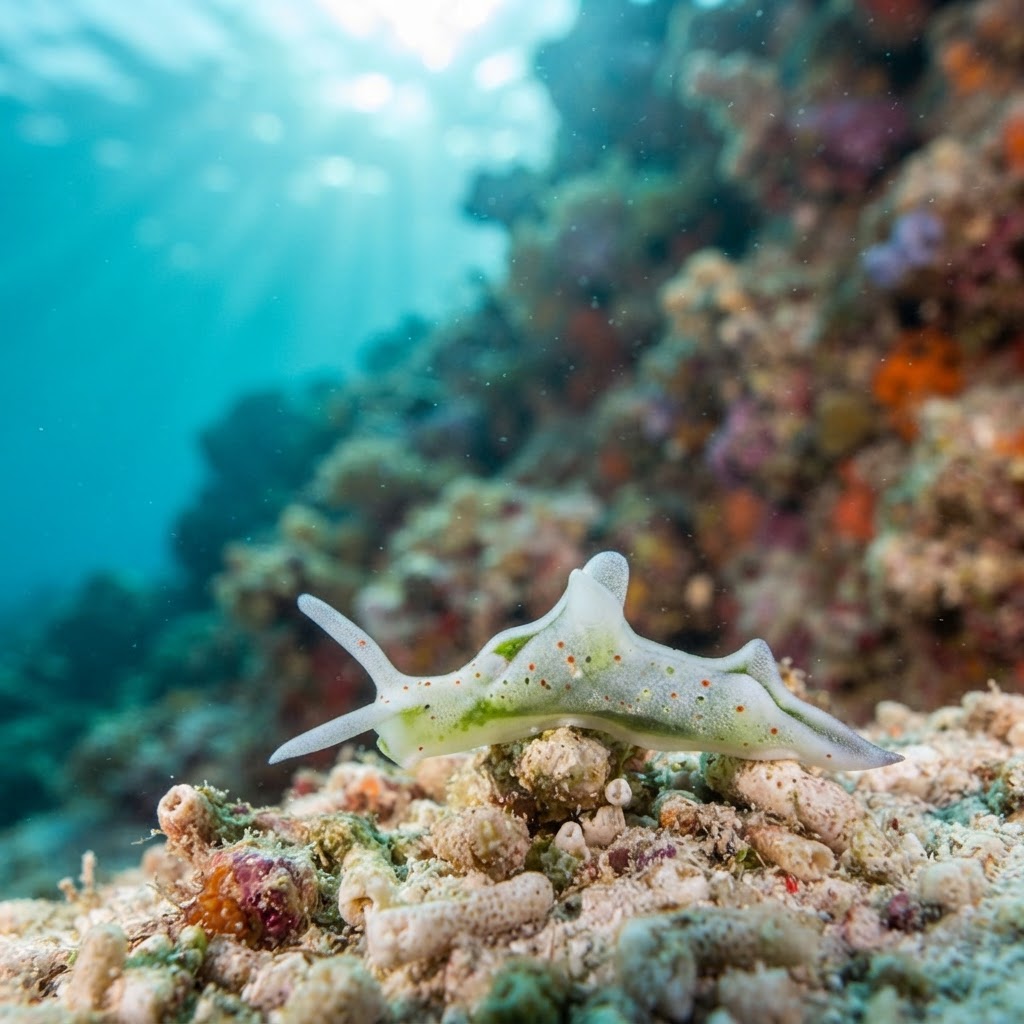
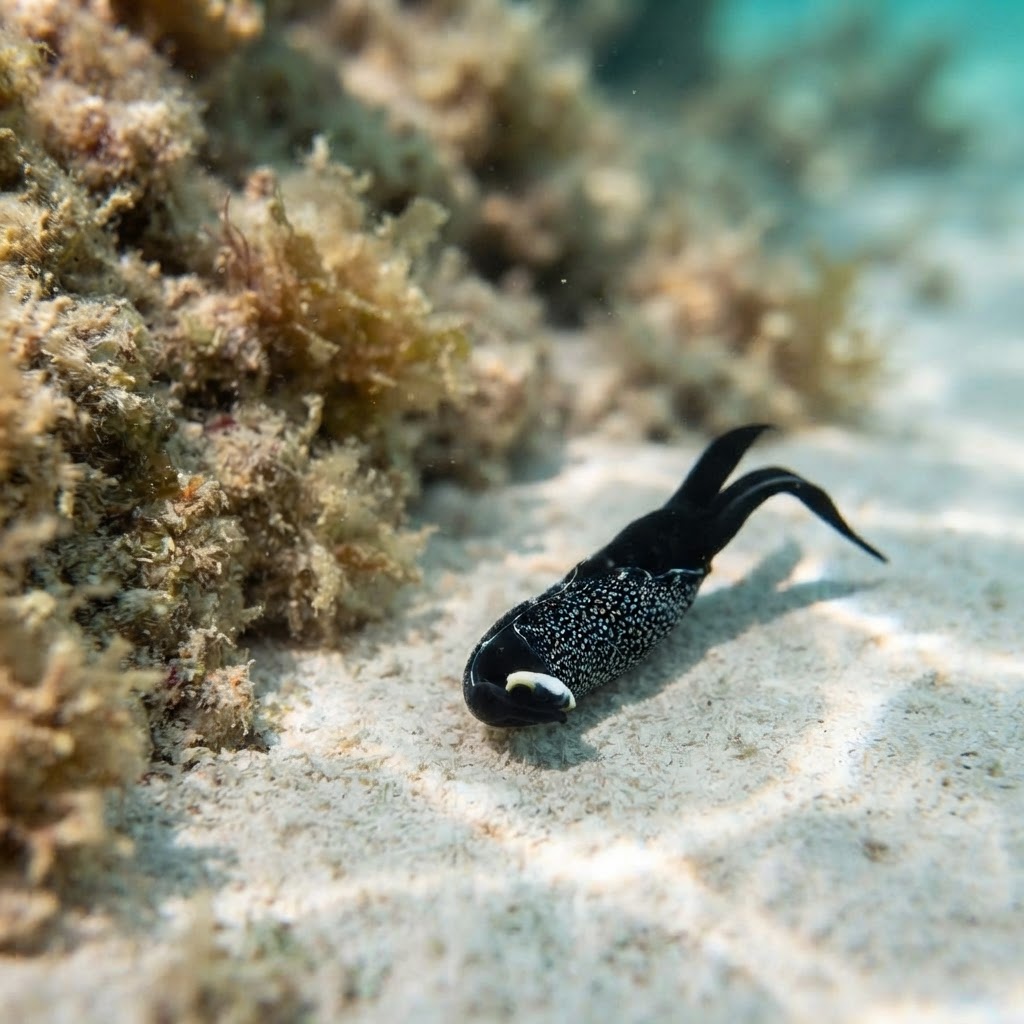
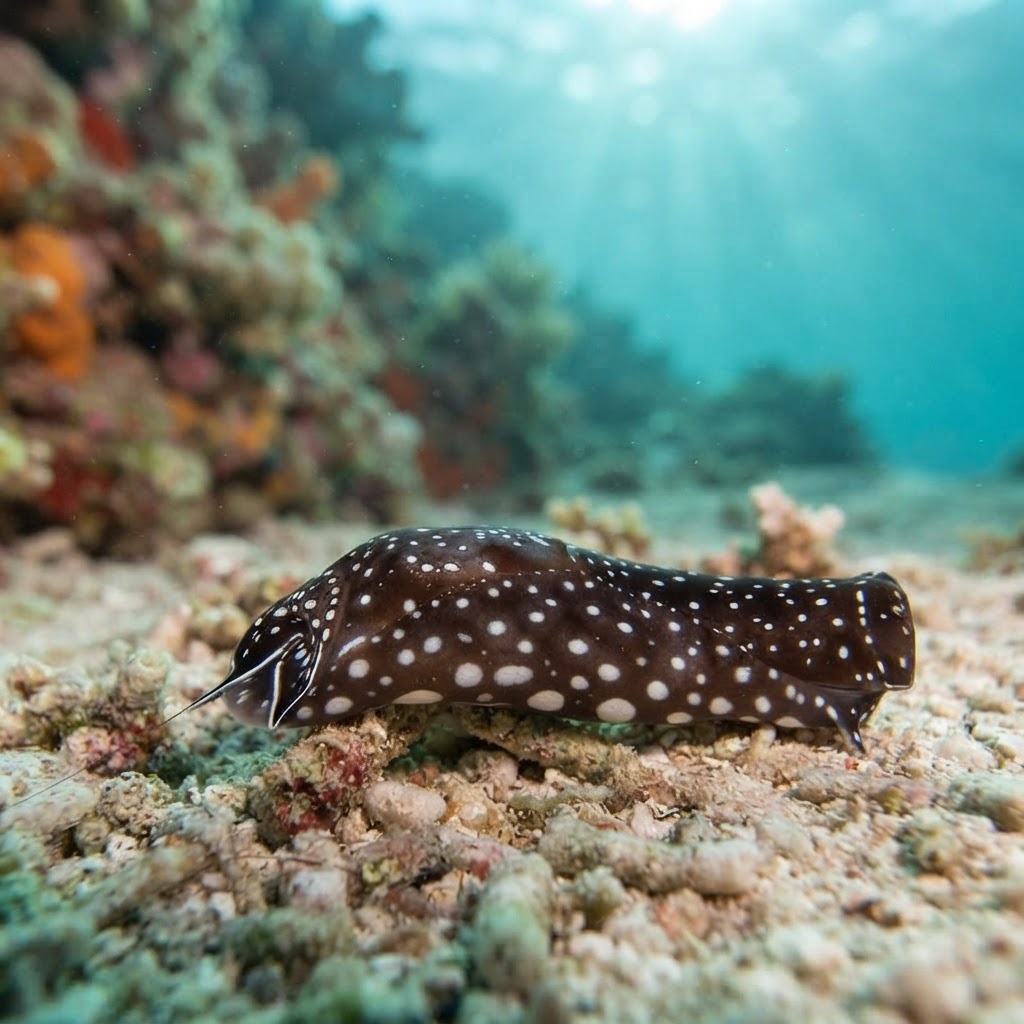
A small, soft-bodied headshield slug with a smooth, shell-less body and a broad, flattened head shield used for ploughing through sand and rubble. Colour and pattern details aren't well documented for this species, so divers typically identify it by body shape and habitat rather than by markings alone. It's easy to miss at a glance since it sits low against sand or rubble and rarely draws attention until you're looking closely.
Divers find it moving slowly over sand and rubble patches, doing what most aglajids do: ploughing along close to the substrate while hunting for small buried prey. It shows no reaction to divers beyond its usual unhurried pace, so a slow, methodical look at the sand rather than the reef wall is what turns it up.
It belongs to the Aglajidae, headshield slugs that hunt other small molluscs and worms buried in sand, using that flattened head shield to detect and dig out prey rather than grazing algae like many other sea slugs.
Sightings don't show a clear seasonal pattern, and the observed temperature range of 19.6 to 30 C spans both cooler temperate and warm tropical conditions, so it's best treated as a year-round possibility rather than a seasonal target.
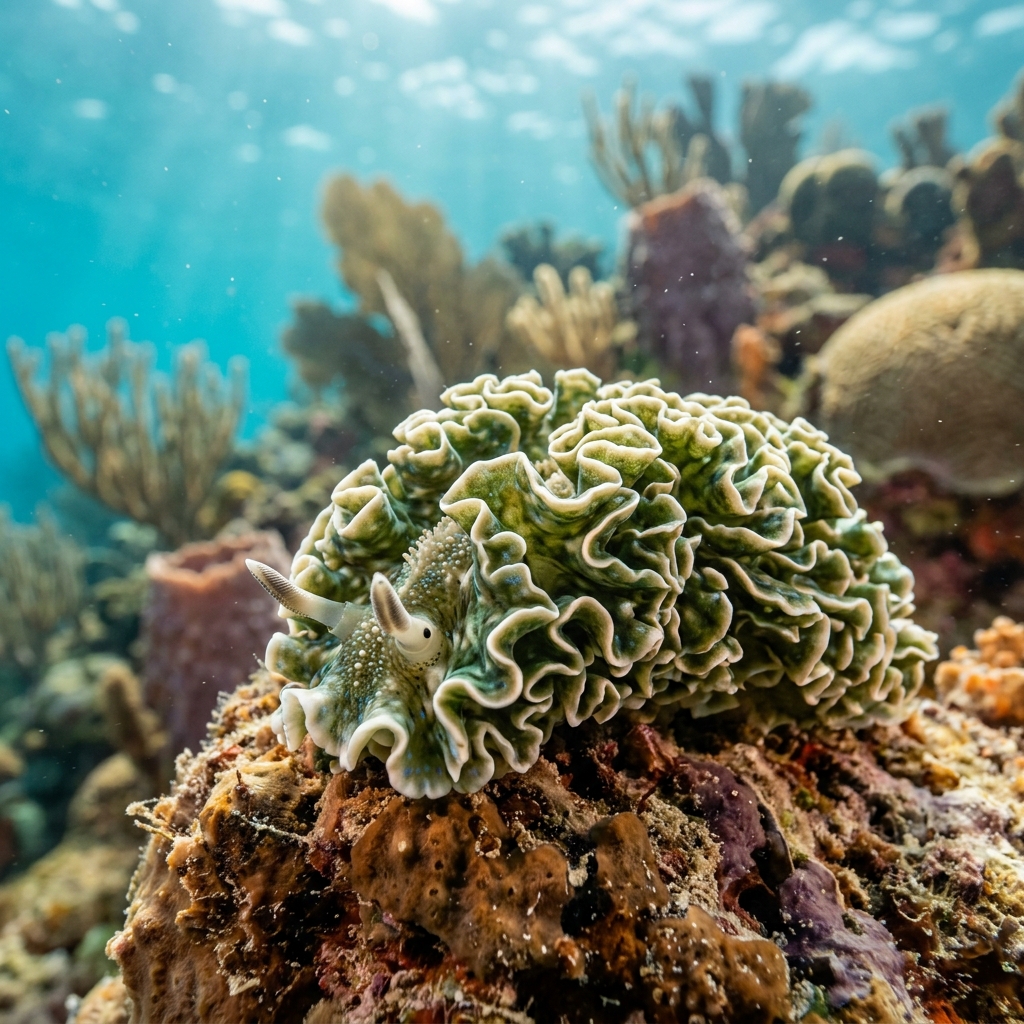
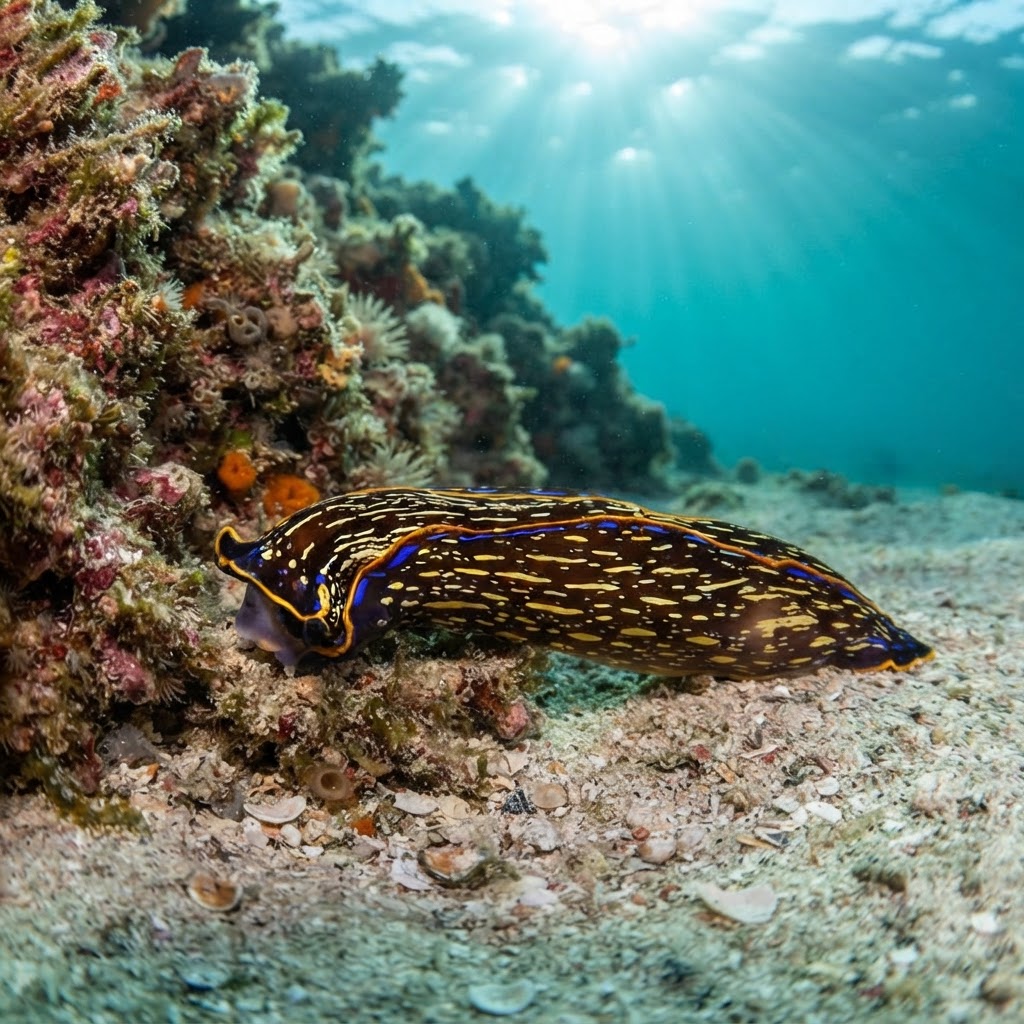
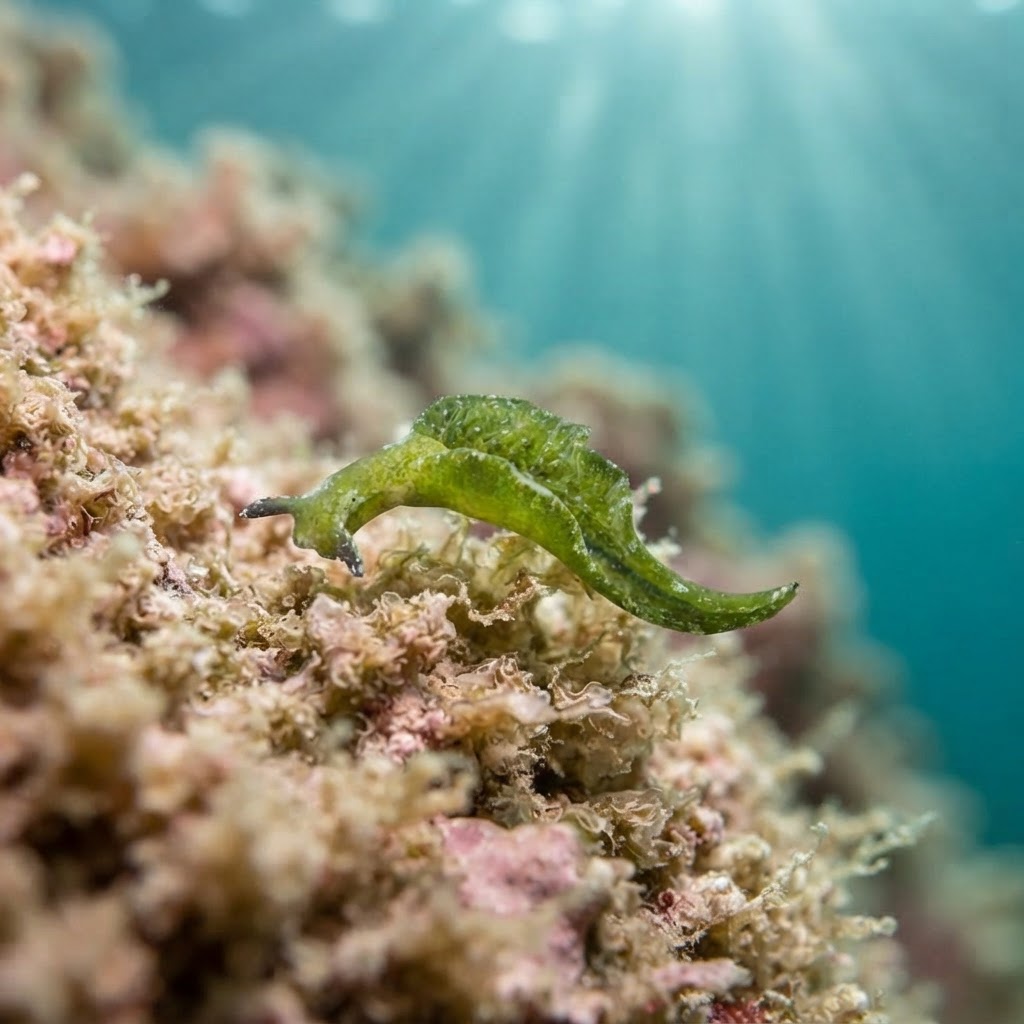
Reef neighbours a diver could mistake it for. Use the identification notes above to tell them apart.
This one is most reliably logged in Australia, with Western Australia the strongest region and Queensland a secondary spot. All confirmed sightings so far come from these two states, so it's currently an Australia-only find for divers keeping a slug list.
Mapping where Spinophallus falciphallus is logged…
It's currently logged only in Australia, with the strongest records from Western Australia and additional sightings in Queensland. There's no confirmed data yet from outside these two regions.
There isn't a detected season for this species, and it's been recorded across a wide temperature range from 19.6 to 30 C, so any time of year is worth a look on sand and rubble patches.
Look for a small, shell-less slug with a flattened head shield, moving slowly over sand or rubble rather than up on coral. Detailed colour markings aren't well documented, so habitat and body shape are the main clues.
Exact size isn't documented for this species, but like most aglajid headshield slugs it's likely a small, easily overlooked animal best spotted with a slow, close search of the substrate.
They use a broad, flattened head shield to plough through sand and hunt buried prey such as small molluscs and worms, rather than grazing algae the way many other sea slugs do.
No, it poses no known risk to divers. It's a small, slow-moving sand dweller that's easy to observe without any need for caution.
Site and sighting data is aggregated from diver logs, iNaturalist and GBIF. For taxonomy and conservation status:
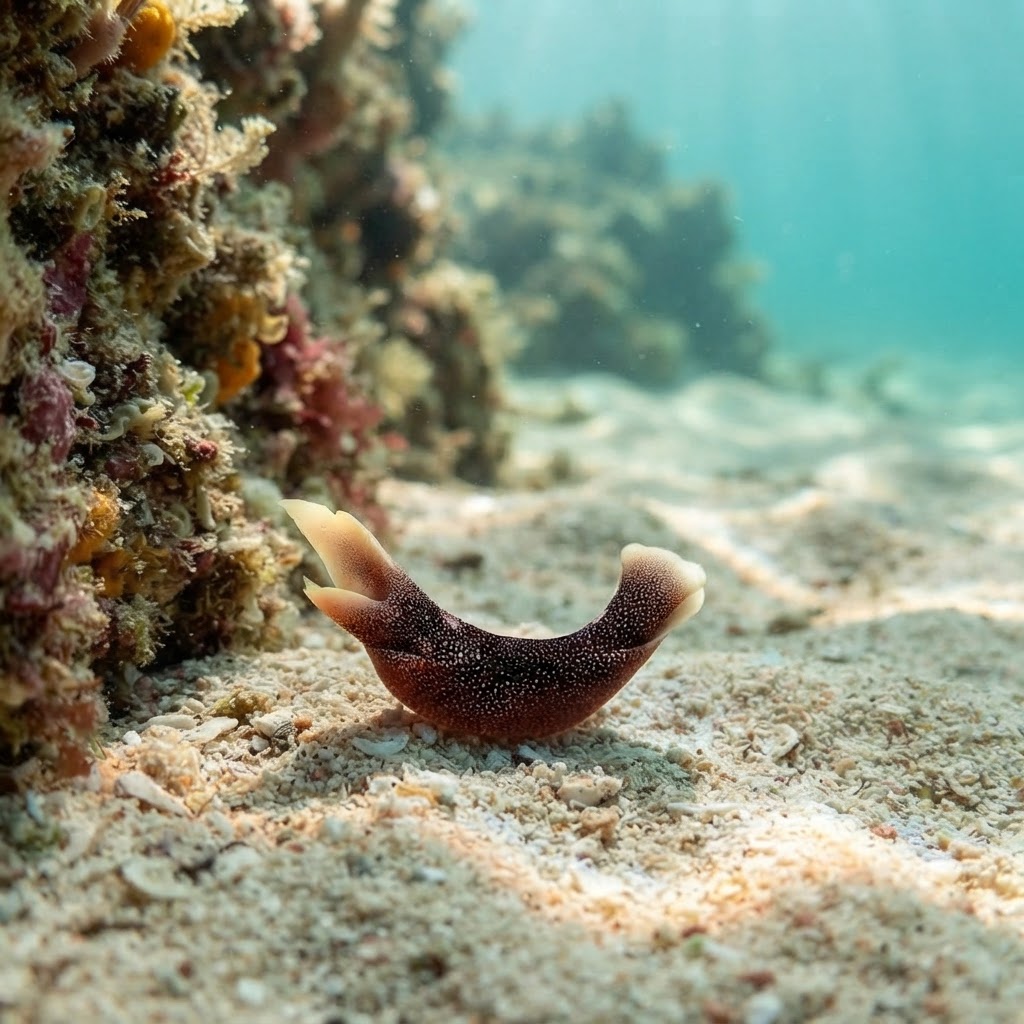
Chelidonura amoena
Elysia Timida
573 sites