Aidablennius sphynx
Spot the Sphinx Blenny along the French Riviera, Sardinia, or Croatia's Istria coast. Sightings peak Feb, Sep in cool 17-20 °C Mediterranean waters.
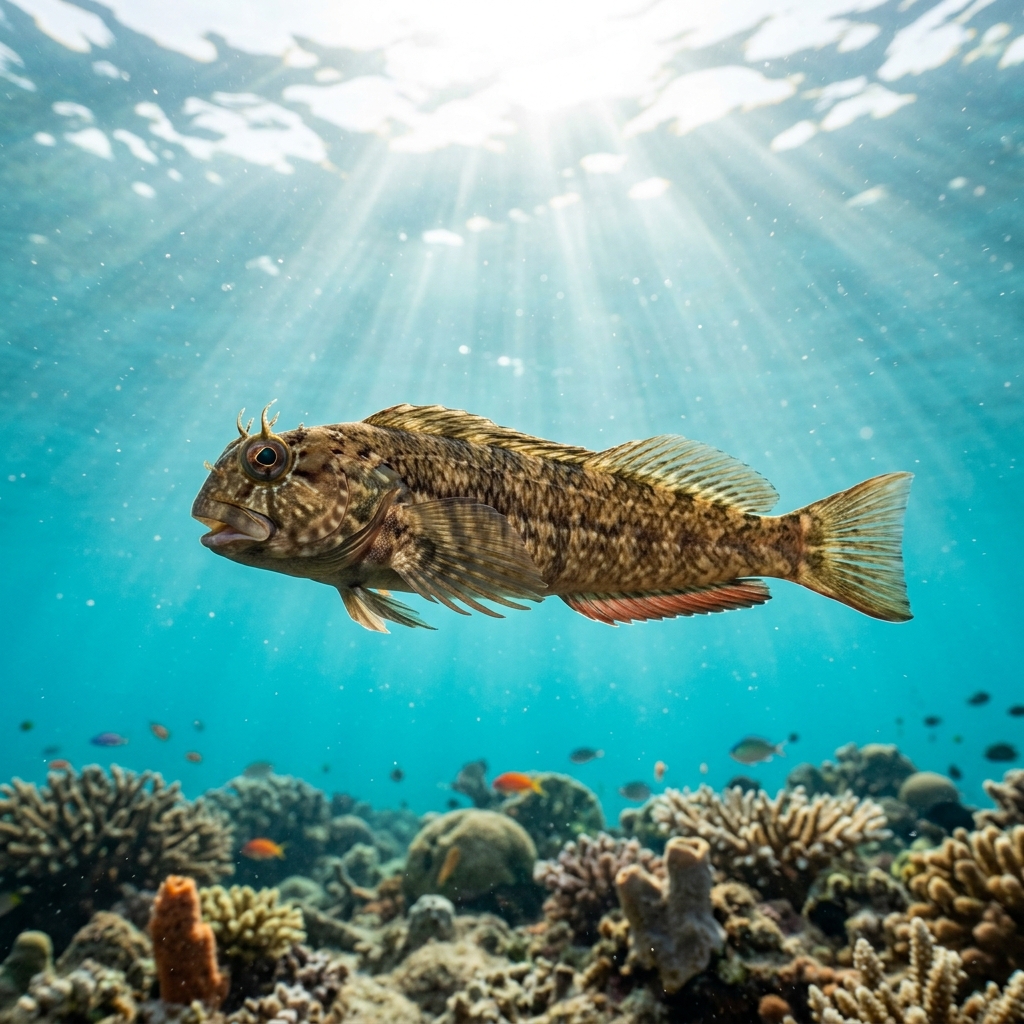
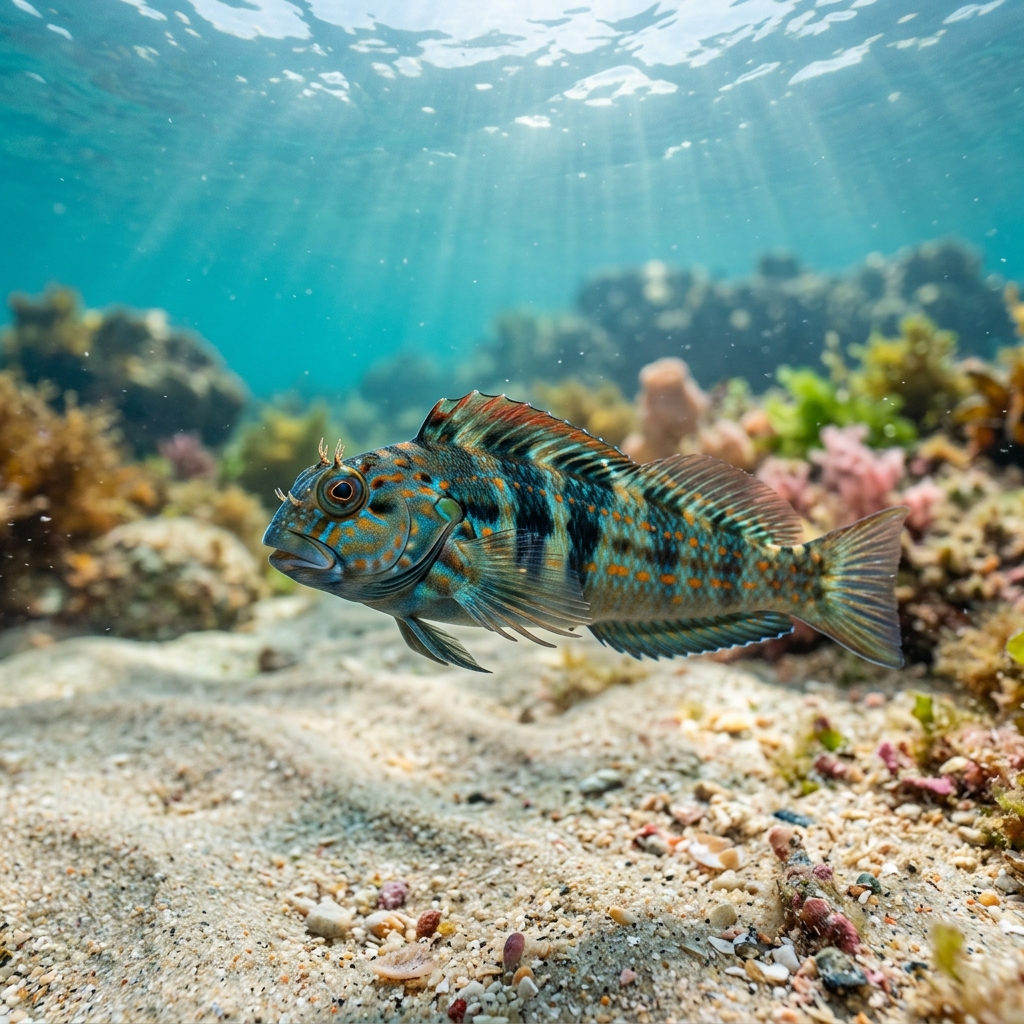
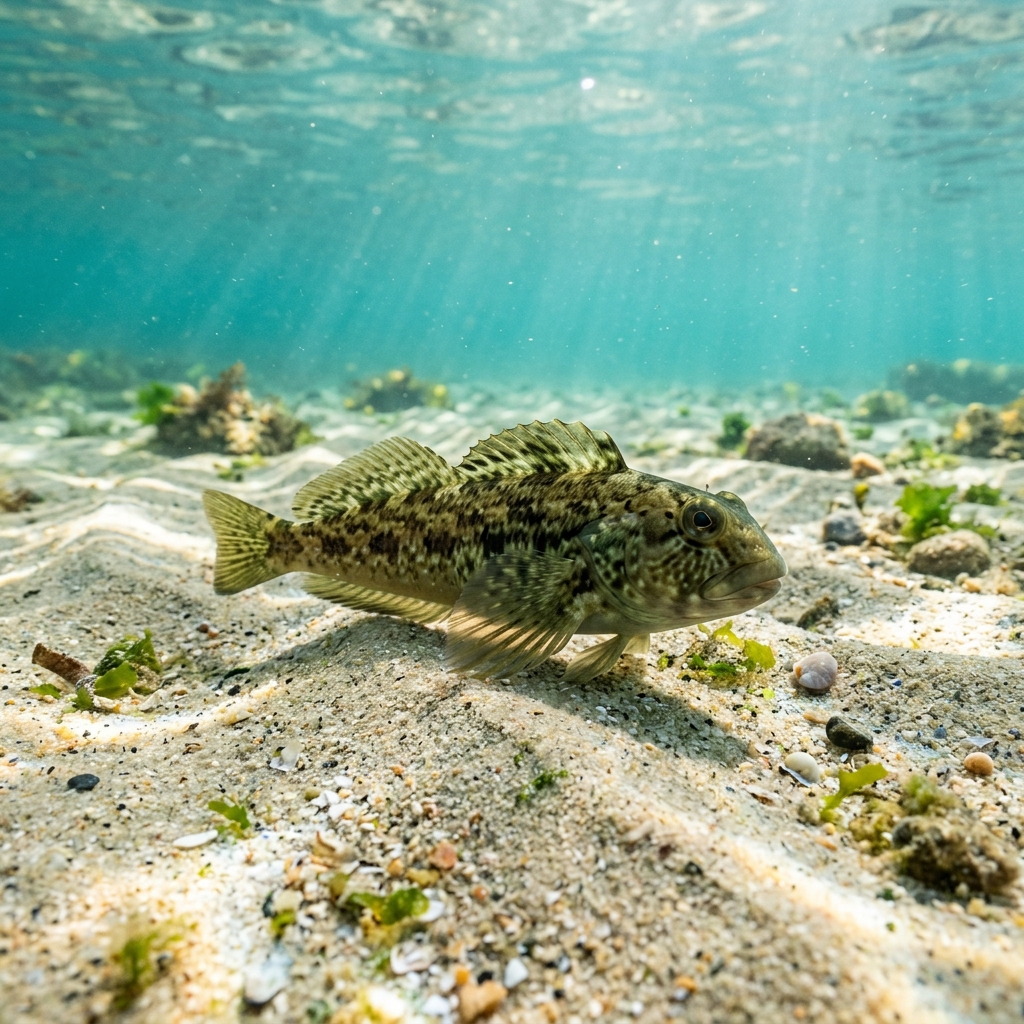
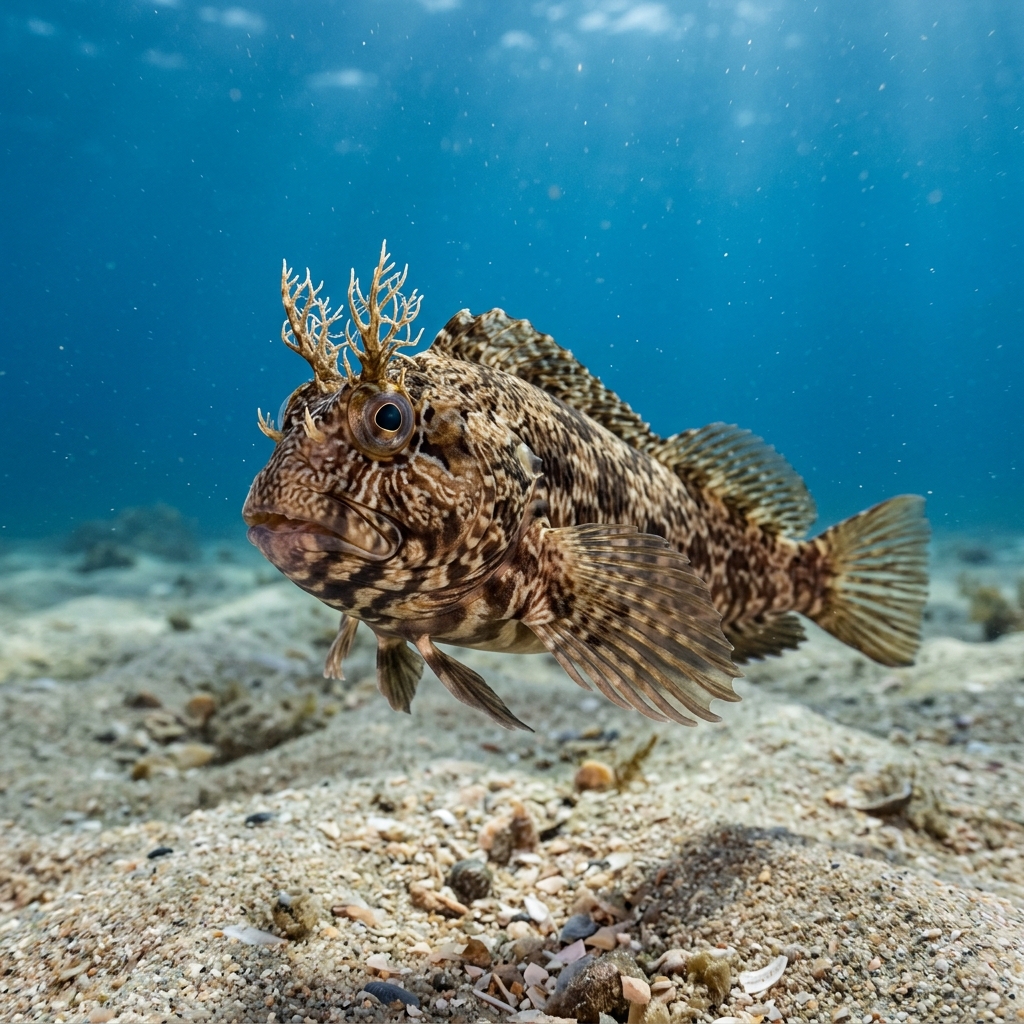
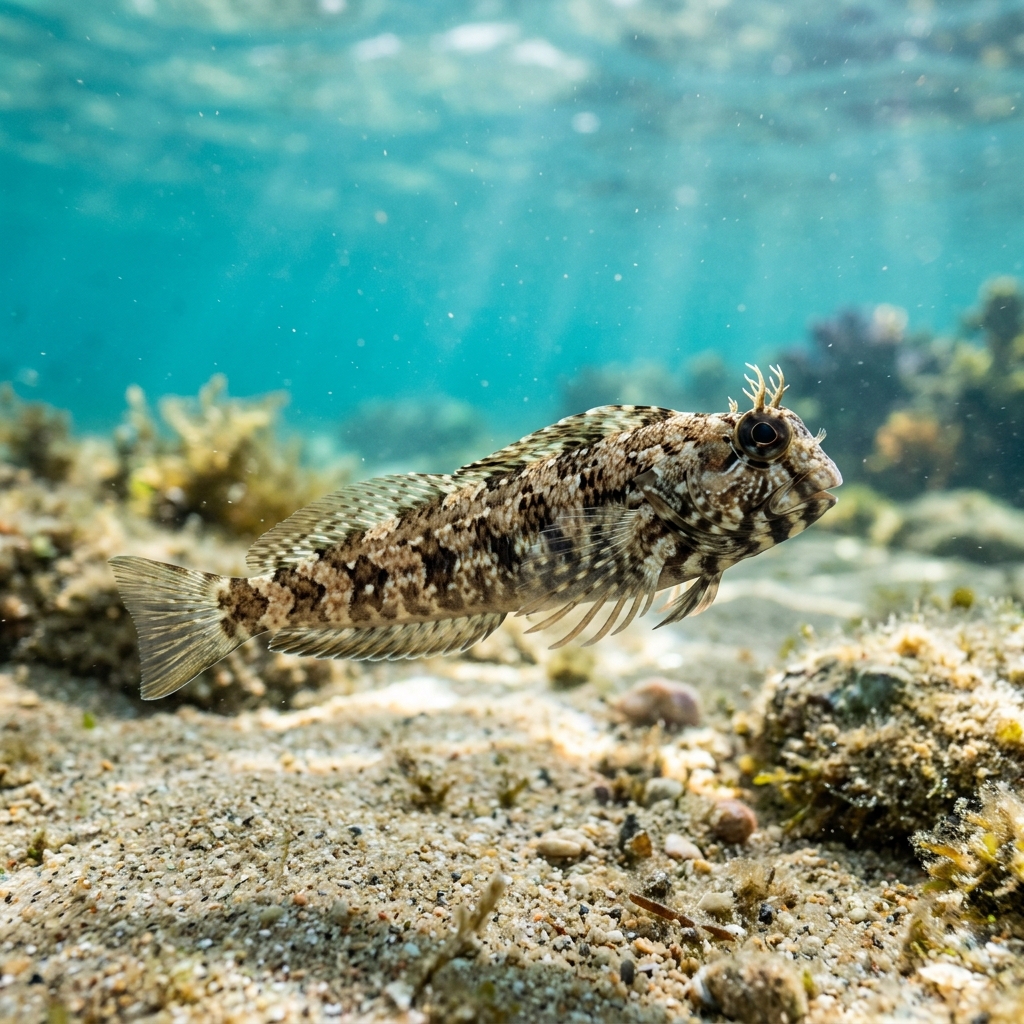
At around 5 cm, this is a tiny, thick-bodied blenny that rests motionless on bare rock rather than swimming freely. Look for a blunt, broad head with small fleshy tentacles above each eye and a pale greyish-brown body mottled with darker blotches that blend almost perfectly into the limestone. In the water the squarish head profile is the most reliable field mark separating it from other small Mediterranean blennies.
Expect to find it perched sphinx-like (hence the name) on an exposed rock or inside a shallow crevice, barely moving until you get too close. If you approach too quickly it will dart into a hole and wait; slow down, hold position, and it will often reappear within a minute or two. During the day it pecks steadily at algae and small invertebrates on the substrate, so daylight dives give you the best chance of catching it active rather than tucked away.
Like many blennies, males guard a clutch of eggs laid in a rock cavity and will actively fan and defend them, making nesting males unusually bold and easier to observe than non-breeding individuals.
Sightings in the Northern Hemisphere concentrate from February through September, aligning with the period when Mediterranean rocky shallows are most actively visited by divers. The species is associated with cool water in the 17-20 °C range, so early spring and late summer dives can be particularly productive.
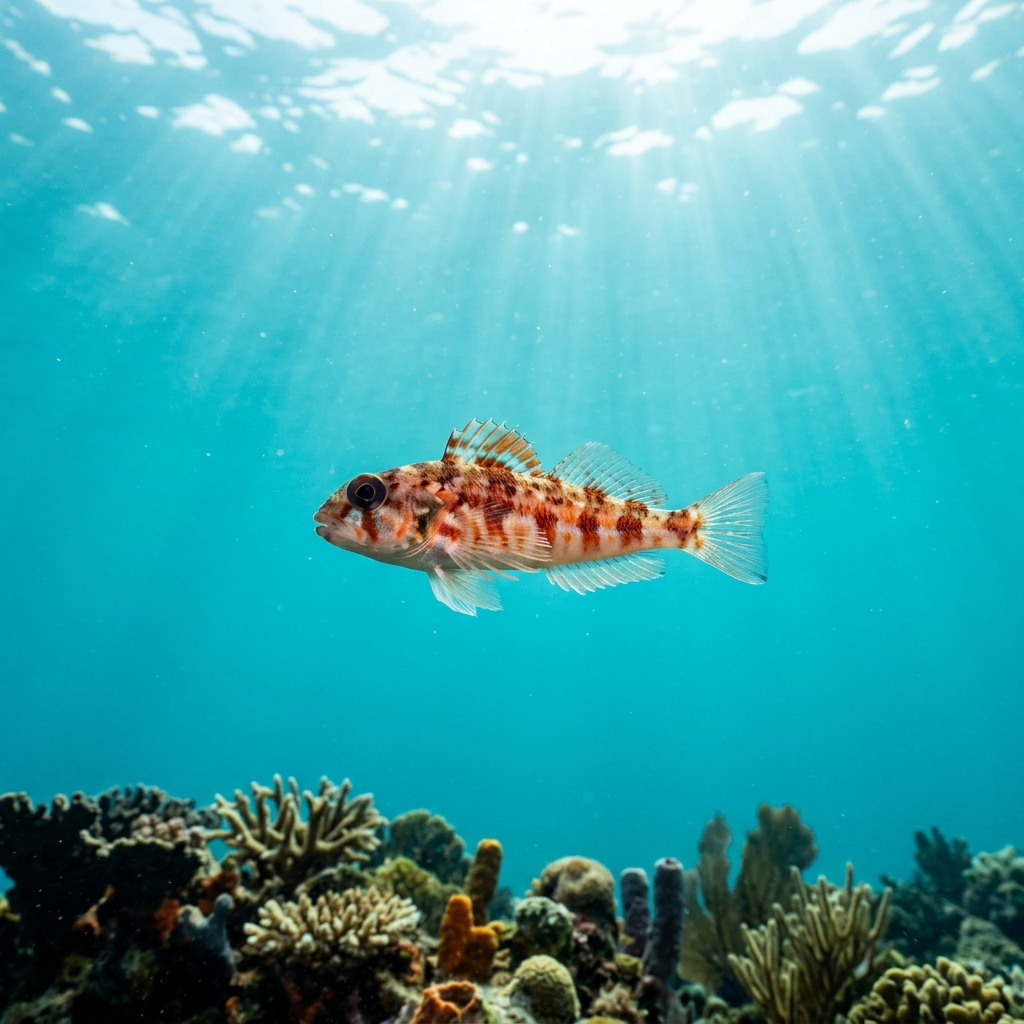
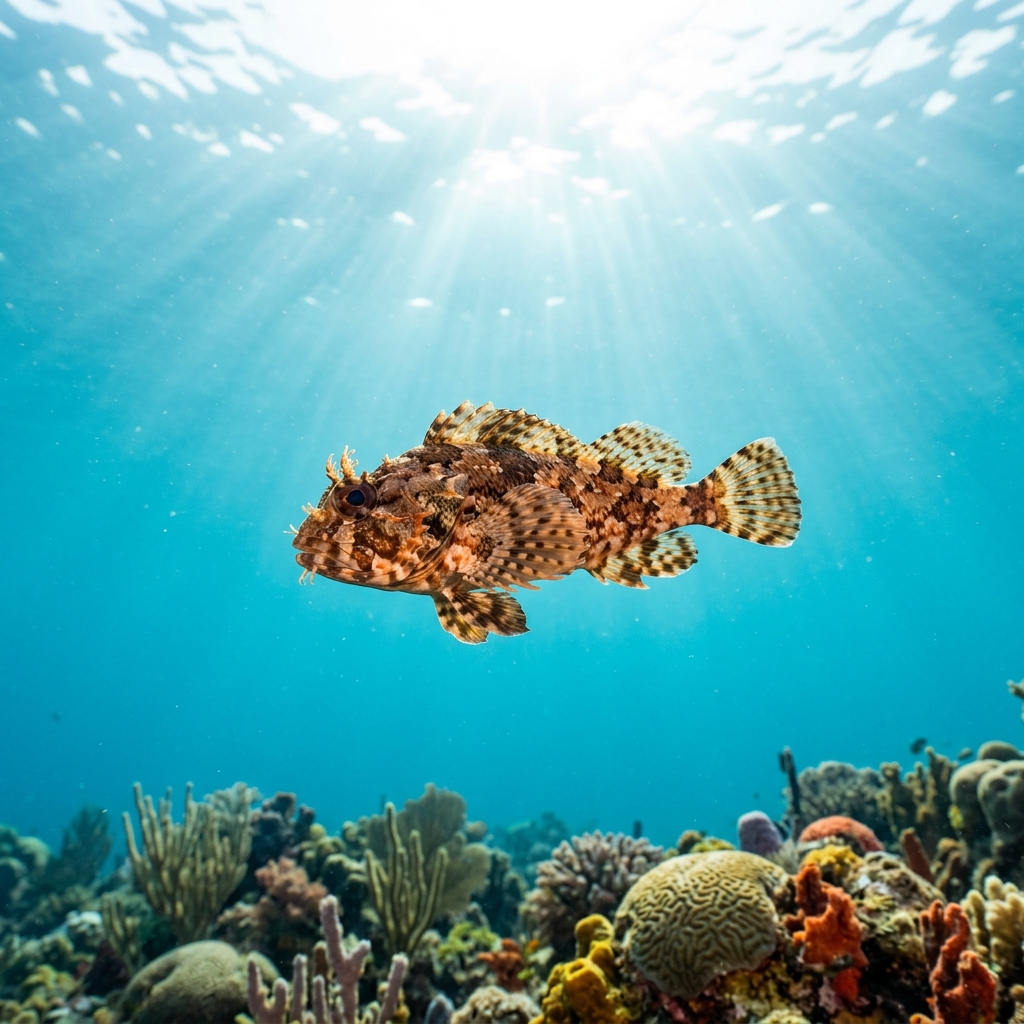
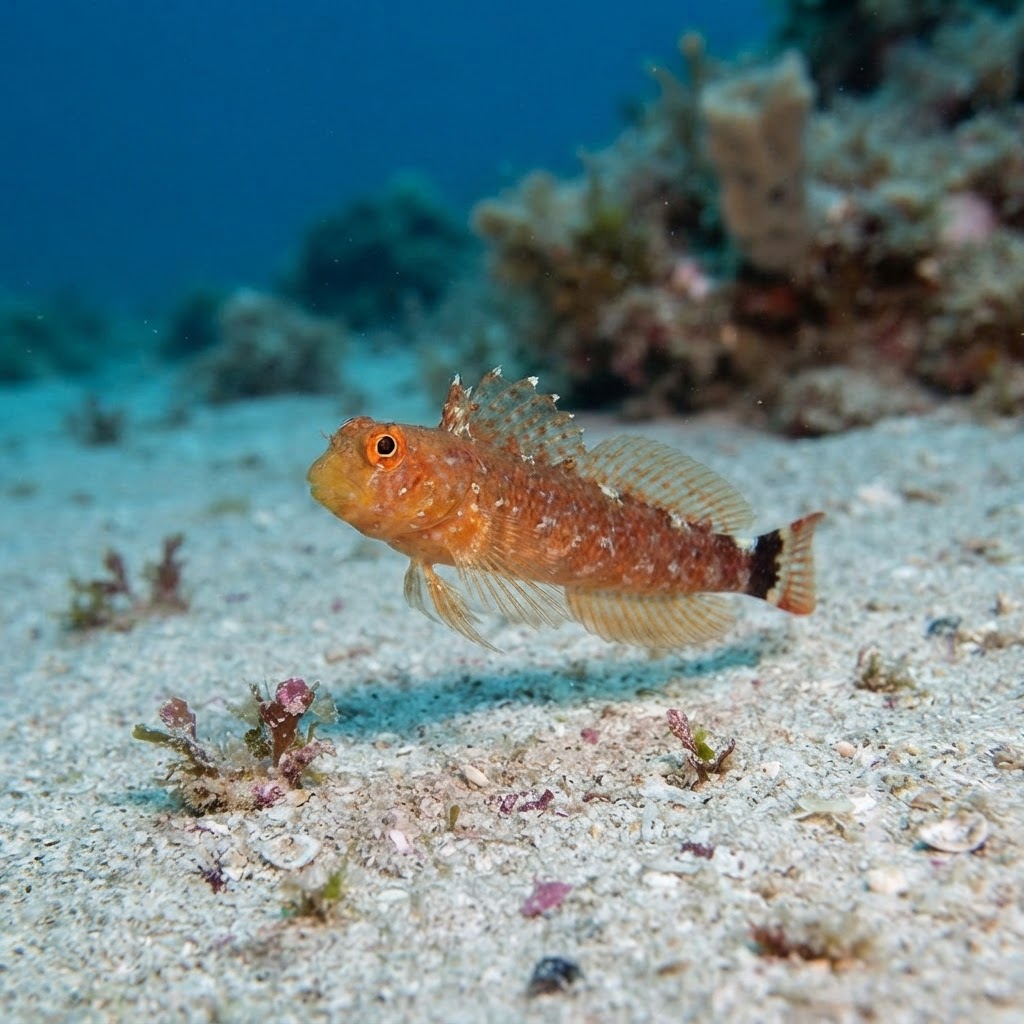
Reef neighbours a diver could mistake it for. Use the identification notes above to tell them apart.
Sphinx Blenny is most widely logged across Mediterranean Europe, with the strongest coverage in Italy, Spain, and Croatia. Top regions include Sardegna and the Tuscan coast, the Costa Blanca and Costa Brava in Spain, the French Riviera and Provence, and Croatia's Istrian and Kvarner Gulf coastlines. Greece and Turkey also hold solid populations, and Malta adds reliable shallow-reef habitat.
Mapping where Sphinx Blenny is logged…
It is a Mediterranean specialist, most commonly logged in Italy, Spain, Croatia, France, and Greece. Strong regions include the French Riviera, Sardinia, Croatia's Istria coast, and Spain's Costa Blanca. It has also been recorded in Turkey and Malta.
Sightings concentrate from February through September across northern Mediterranean sites. The species is tied to cool water around 17-20 °C, so spring and early autumn dives on rocky shallow reefs tend to produce the most encounters.
Key on the blunt, broad head with small tentacles above the eyes and the habit of sitting completely still on bare rock. It is tiny at around 5 cm and mottled grey-brown to match limestone. That motionless perching posture is what catches your eye once you know to look for it.
Adults typically reach about 5 cm. That makes them one of the smaller Mediterranean blennies, so scanning slowly at close range along rocky walls and rubble is the best approach rather than fin-kicking past.
It is most often logged as uncommon, meaning divers do see it but not on every dive. At a small number of well-known rocky reef sites it is considered common, but at many others it turns up only occasionally. Patience and slow movement on shallow rocky reefs improve your odds considerably.
Site and sighting data is aggregated from diver logs, iNaturalist and GBIF. For taxonomy and conservation status:
Klipfish
1,860 sites