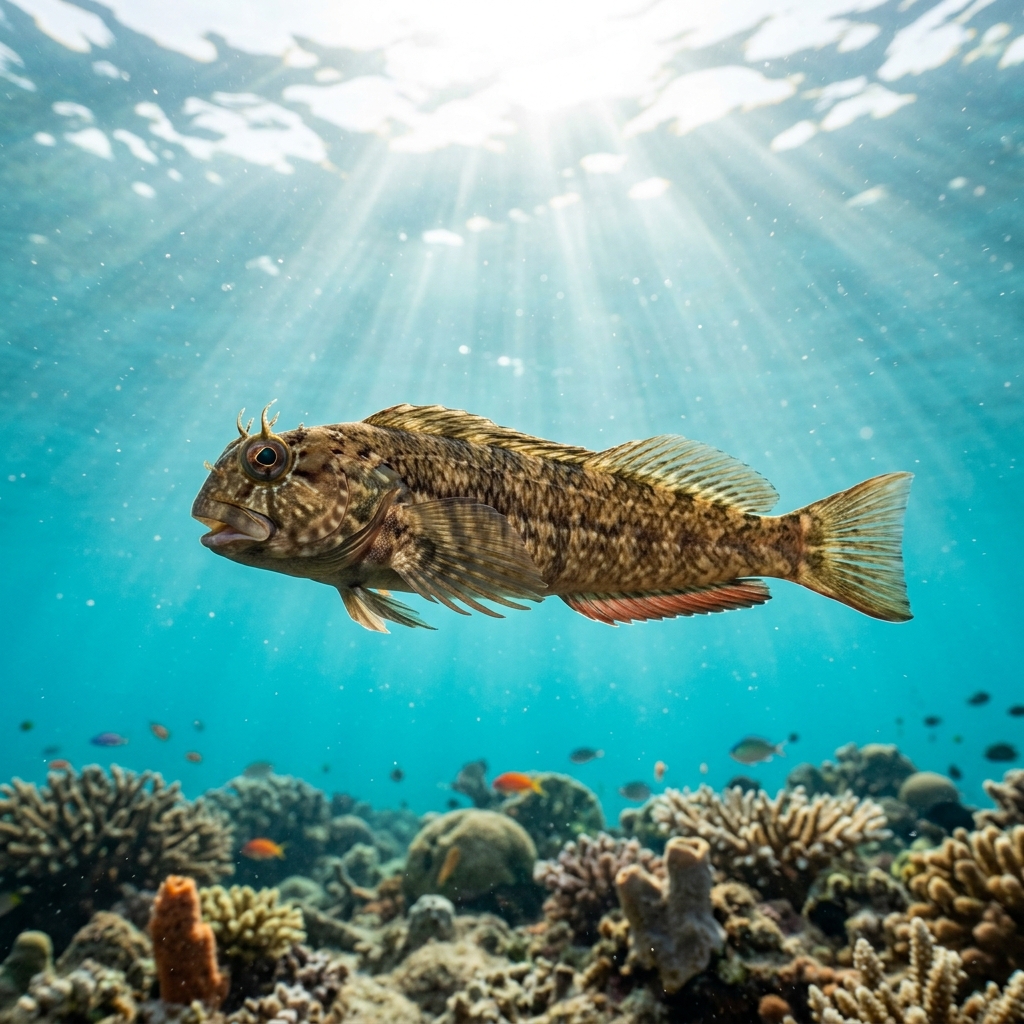
Salariopsis fluviatilis
Spot the Freshwater Blenny in the French Alps rivers and streams. Reliably logged across sites in France, here's what to look for underwater.
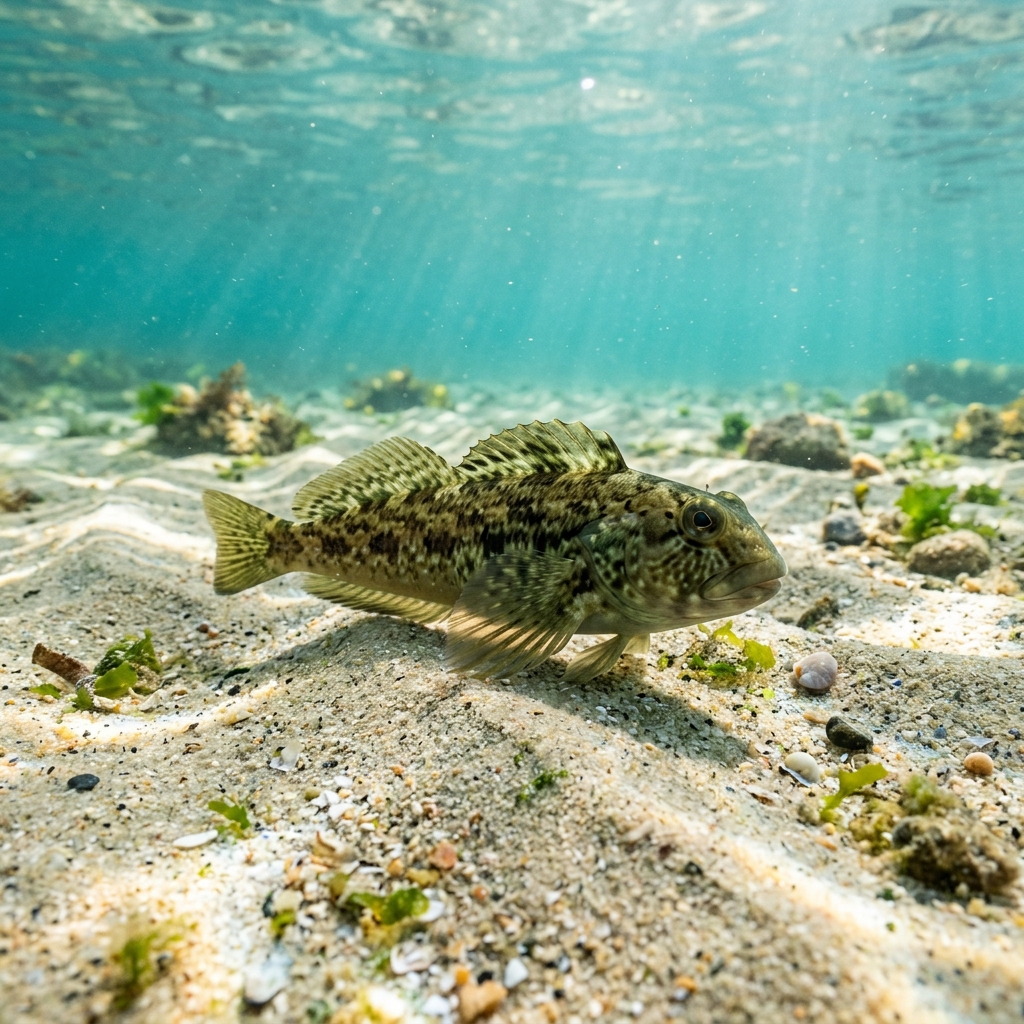
A small, elongated fish that sits propped on its pelvic fins on rocky substrate, blending into the riverbed with mottled brown and olive patterning. The most useful feature to key on underwater is the pair of fleshy tentacles (cirri) above the eyes, which are characteristic of blennies. Unlike its marine relatives, this species occupies fast-flowing freshwater streams and rivers, so the habitat itself is a strong ID clue. The body tapers toward a rounded tail, and the long continuous dorsal fin runs most of the fish's length.
You will typically find freshwater blennies wedged into gaps between rocks or sitting motionless on the riverbed in shallow, fast-moving water, using their pelvic fins to anchor against the current. They tend to be fairly bold and will often hold position even as a snorkeller approaches, relying on their camouflage rather than fleeing. Search the downstream faces of larger boulders and submerged ledges where the current eases slightly.
This species is one of very few blennies in the world to have fully colonised fresh water, a remarkable evolutionary step for a family that is almost entirely marine or brackish. Finding one in a mountain stream rather than on a coral reef is part of what makes an encounter memorable.
There is not enough monthly sighting data to point to a specific season, so treat it as a year-round possibility. The French Alps experience cold, swift water fed by snowmelt, so a drysuit or thick wetsuit is advisable whenever you visit.
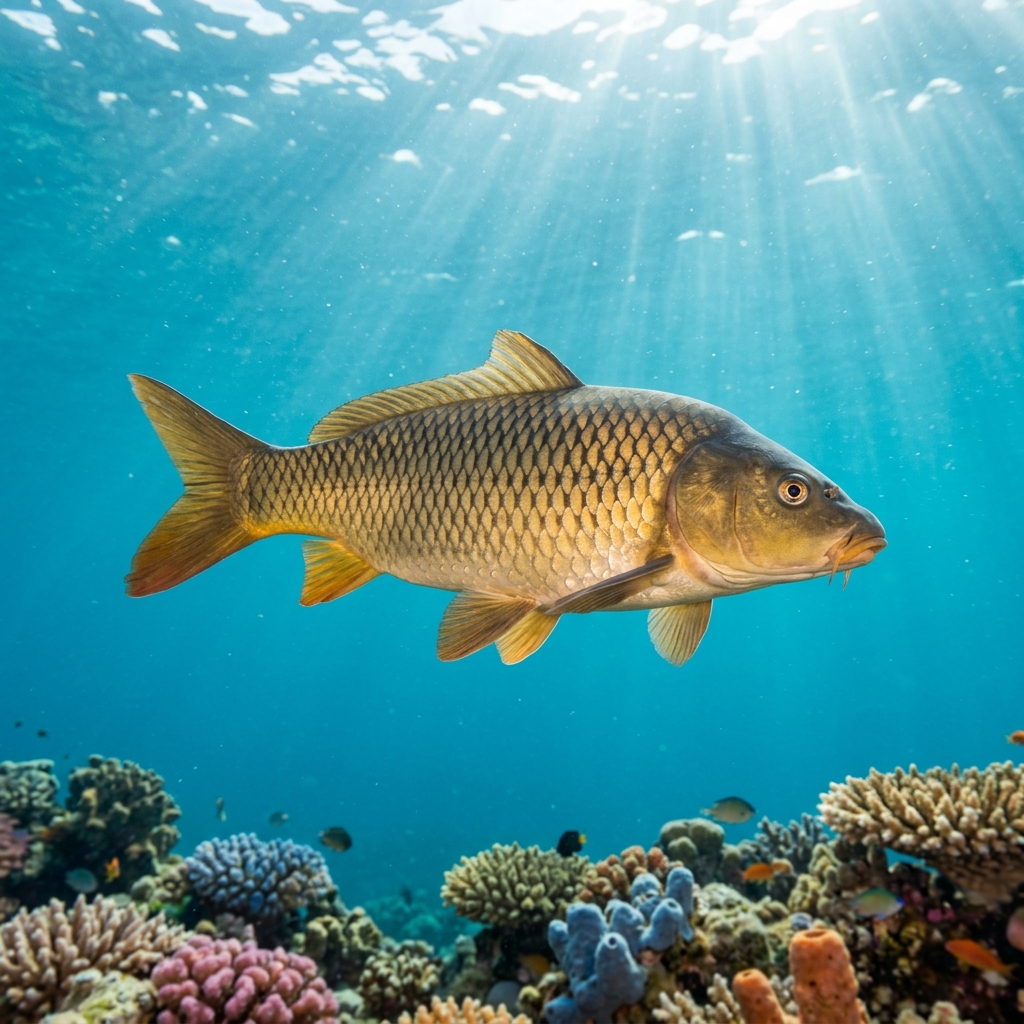
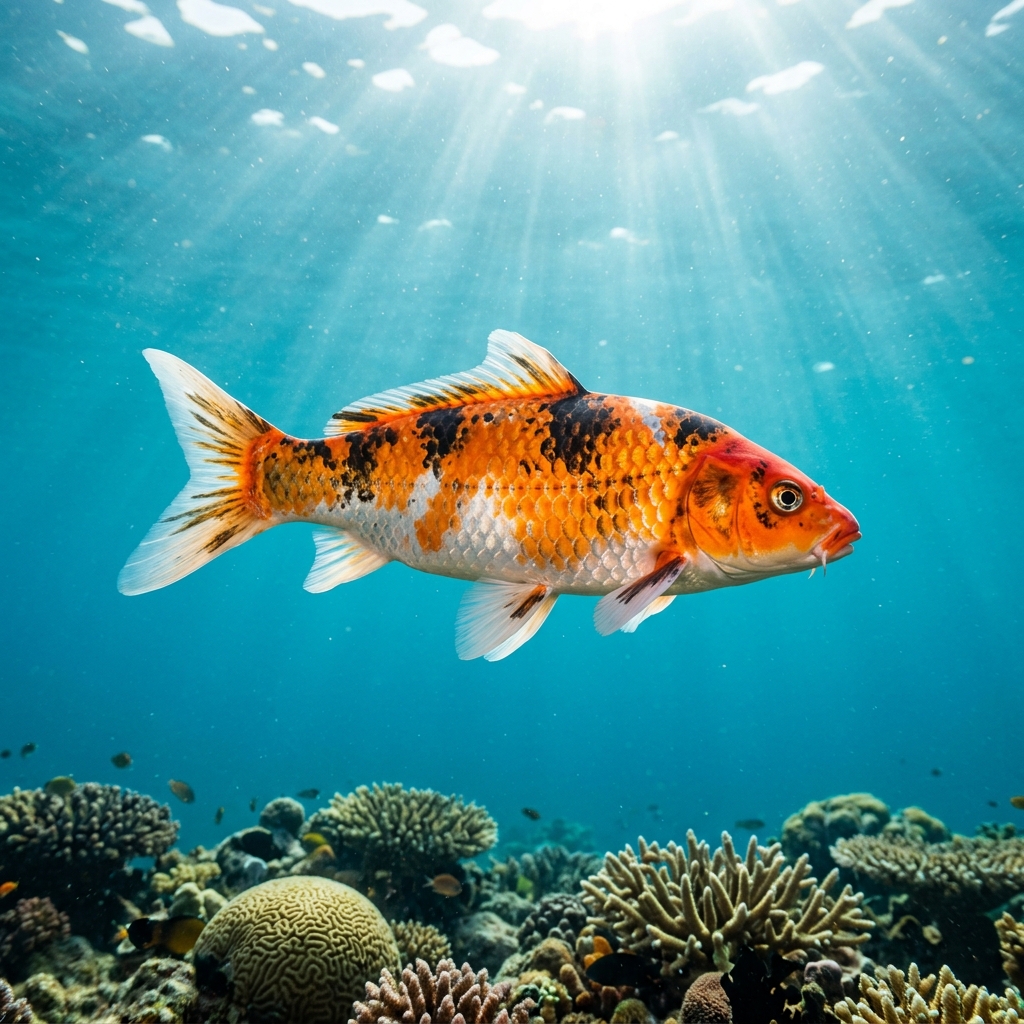
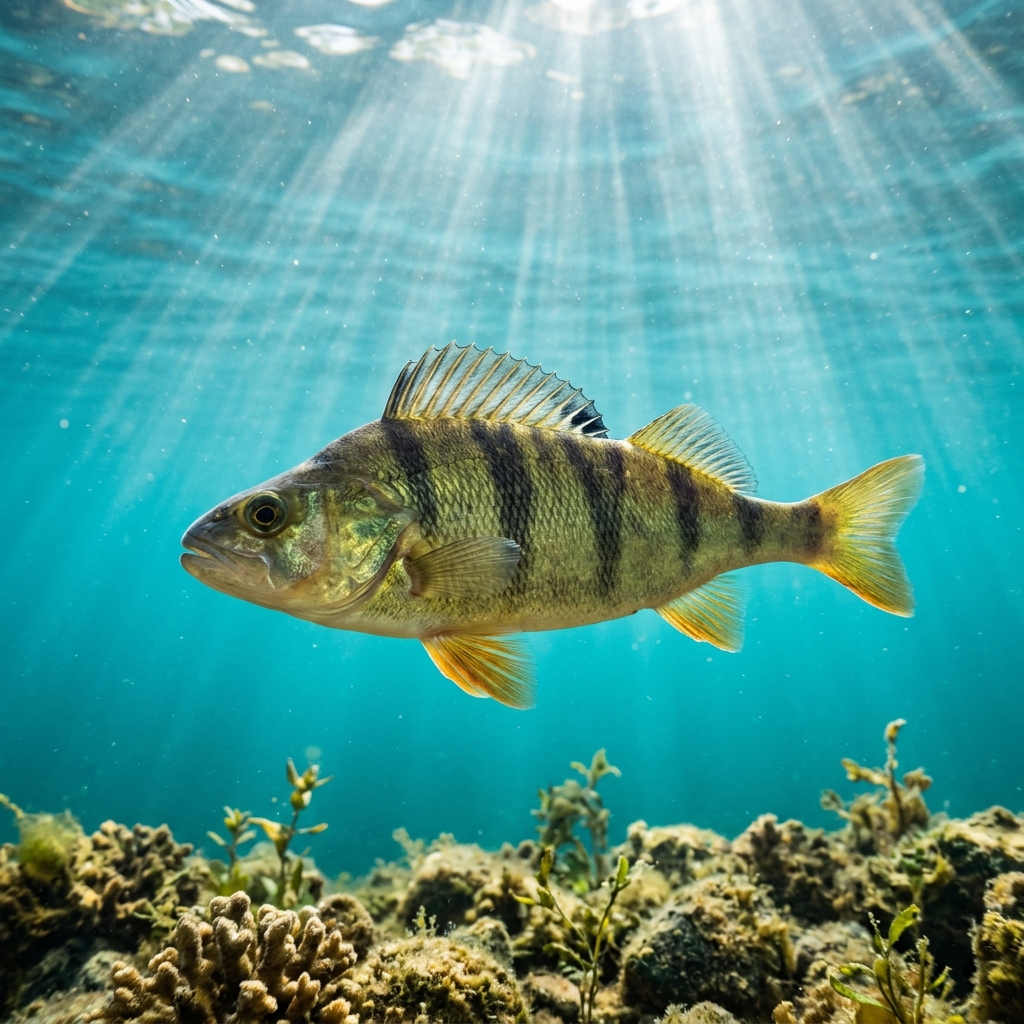
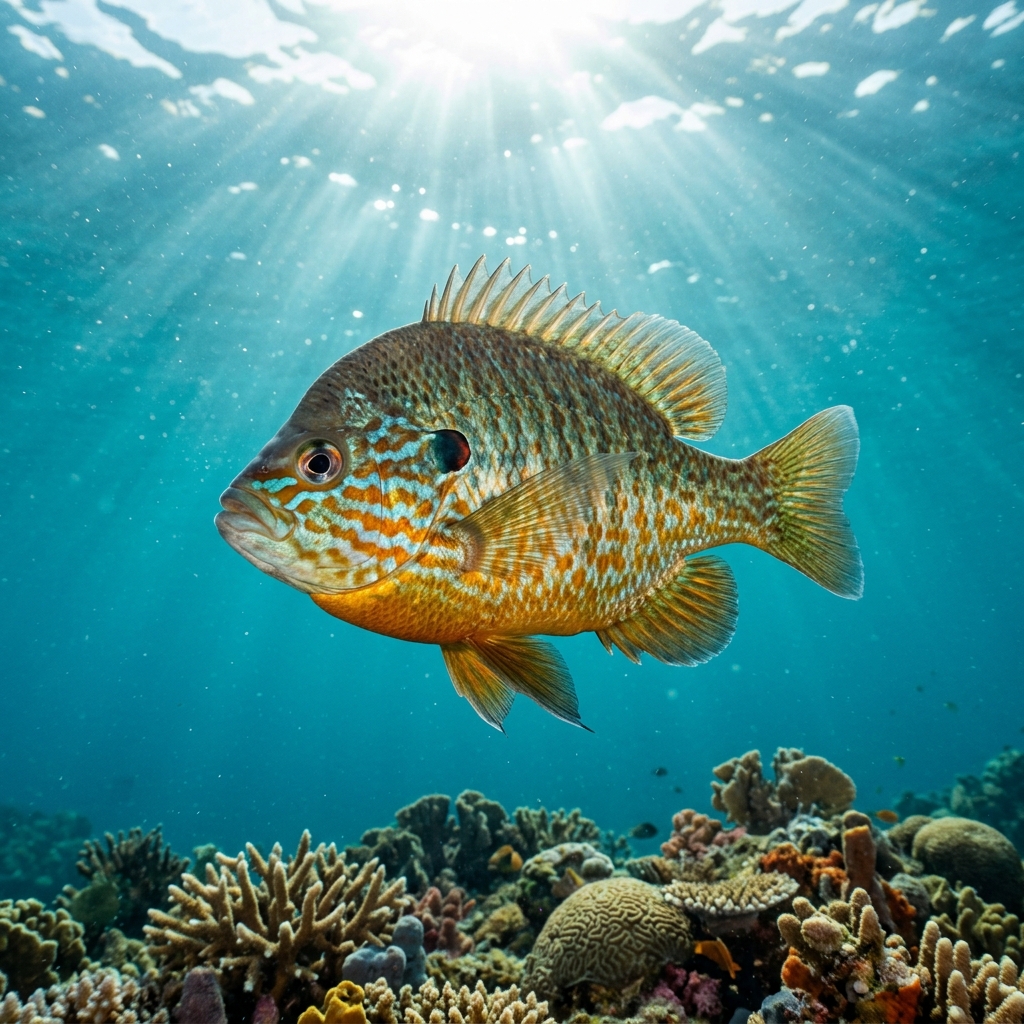
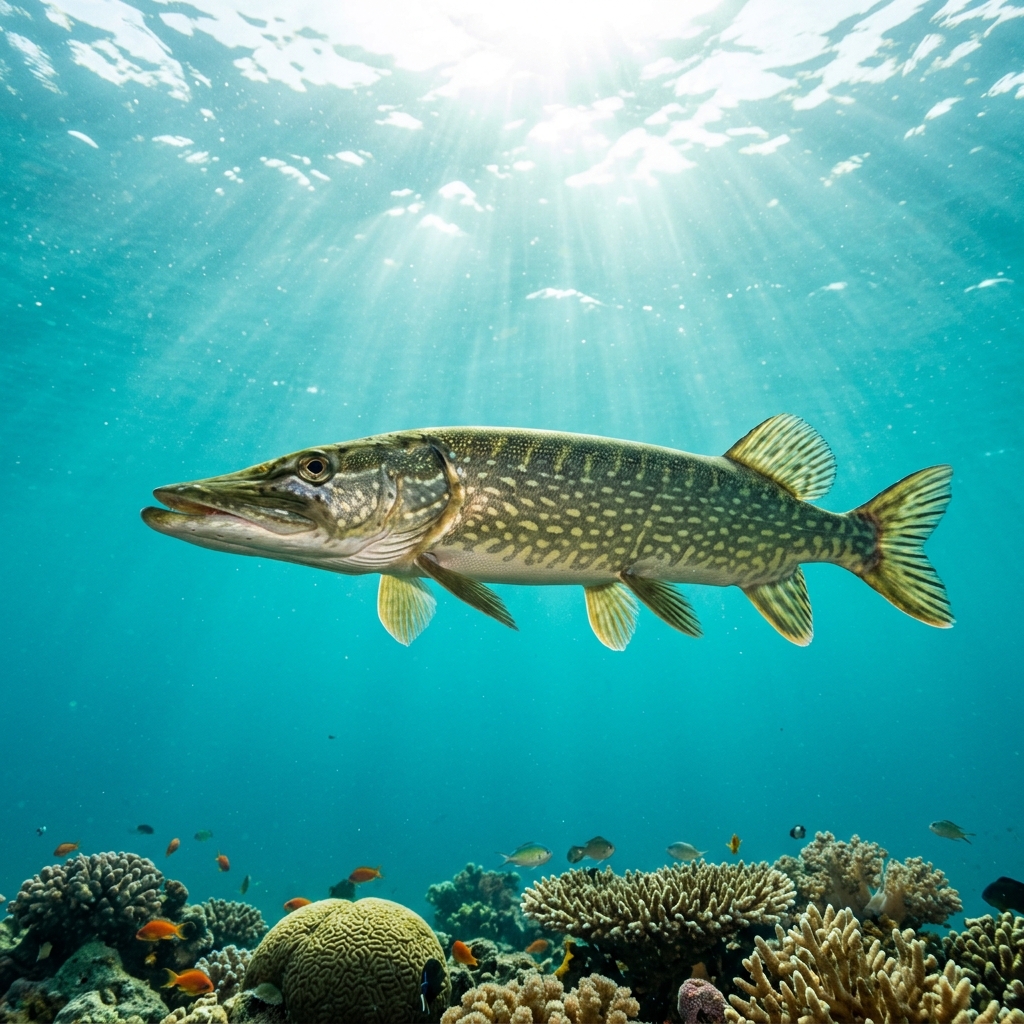
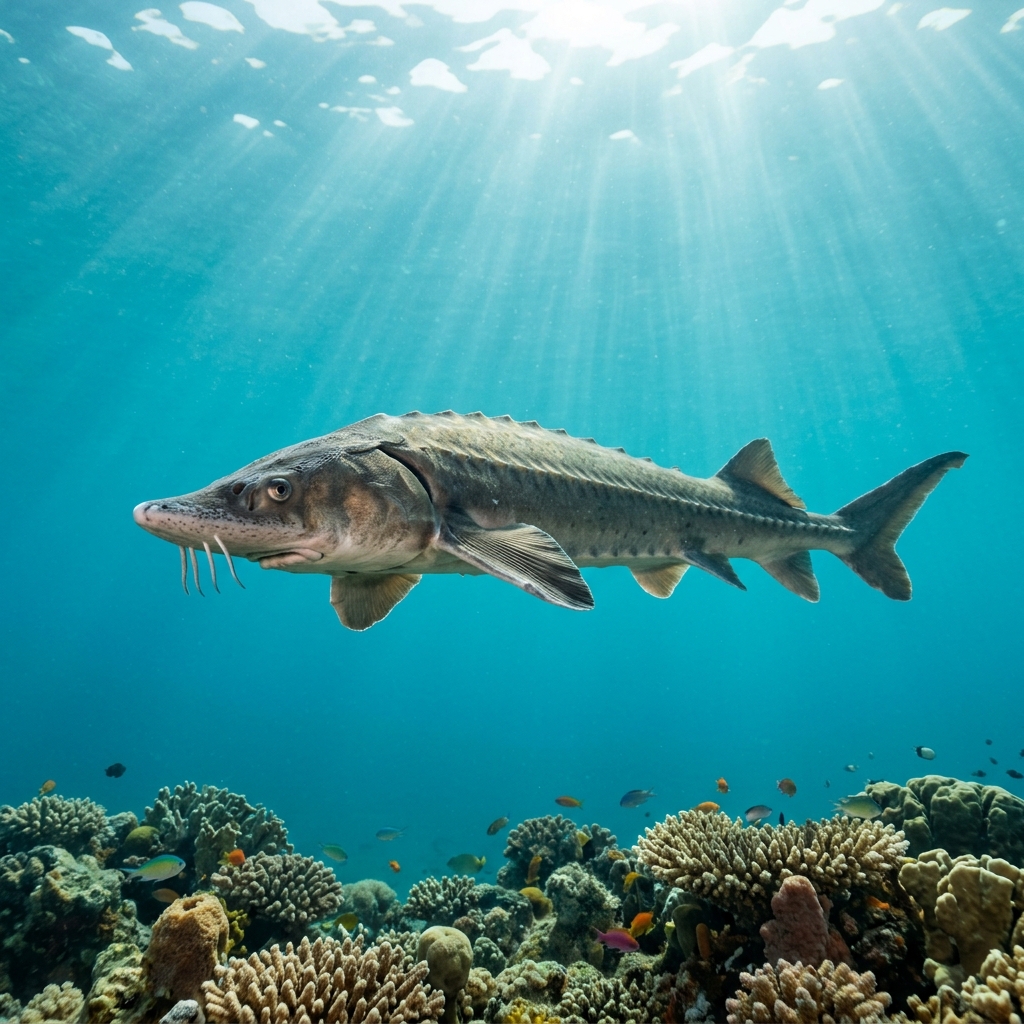
Reef neighbours a diver could mistake it for. Use the identification notes above to tell them apart.
All confirmed sightings come from France, concentrated in the French Alps region. It is reliably logged across multiple sites there, making the Alpine rivers and streams of southeastern France the clear destination for anyone wanting to snorkel or free-dive with this species. No other country has yet produced confirmed dive-site records.
Mapping where Freshwater Blenny is logged…
All logged sightings are from France, specifically the French Alps. Alpine rivers and streams in southeastern France are your best bet, where the species is recorded as common across multiple sites. No confirmed dive records exist outside France at present.
There is no strong seasonal signal in the data, so encounters appear possible year-round. Bear in mind that Alpine streams can be very cold, especially after snowmelt in spring, so thermal protection is important regardless of when you visit.
Look for a small, mottled brown fish sitting propped on the riverbed in fast-flowing water, with a long dorsal fin and short fleshy tentacles above each eye. The freshwater habitat alone sets it apart from most other blennies. It tends to stay very still, so scan rocky substrate carefully.
Yes, and that is what makes it unusual. Almost all blennies live in the sea, but this species has fully adapted to freshwater rivers and streams. It is found in clear, fast-flowing waterways in parts of southern Europe, making it one of the very few freshwater members of the Blenniidae family.
No. Freshwater blennies pose no risk to divers or snorkellers. They are small, shy fish that rely on staying still and blending in. You are far more likely to miss one than to have any kind of negative interaction.
Site and sighting data is aggregated from diver logs, iNaturalist and GBIF. For taxonomy and conservation status:
Sun Perch
2,182 sites