Arctides antipodarum
An uncommon reef find off New South Wales, Australia, in waters around 19 to 25 C, this flattened lobster hides in crevices year-round.
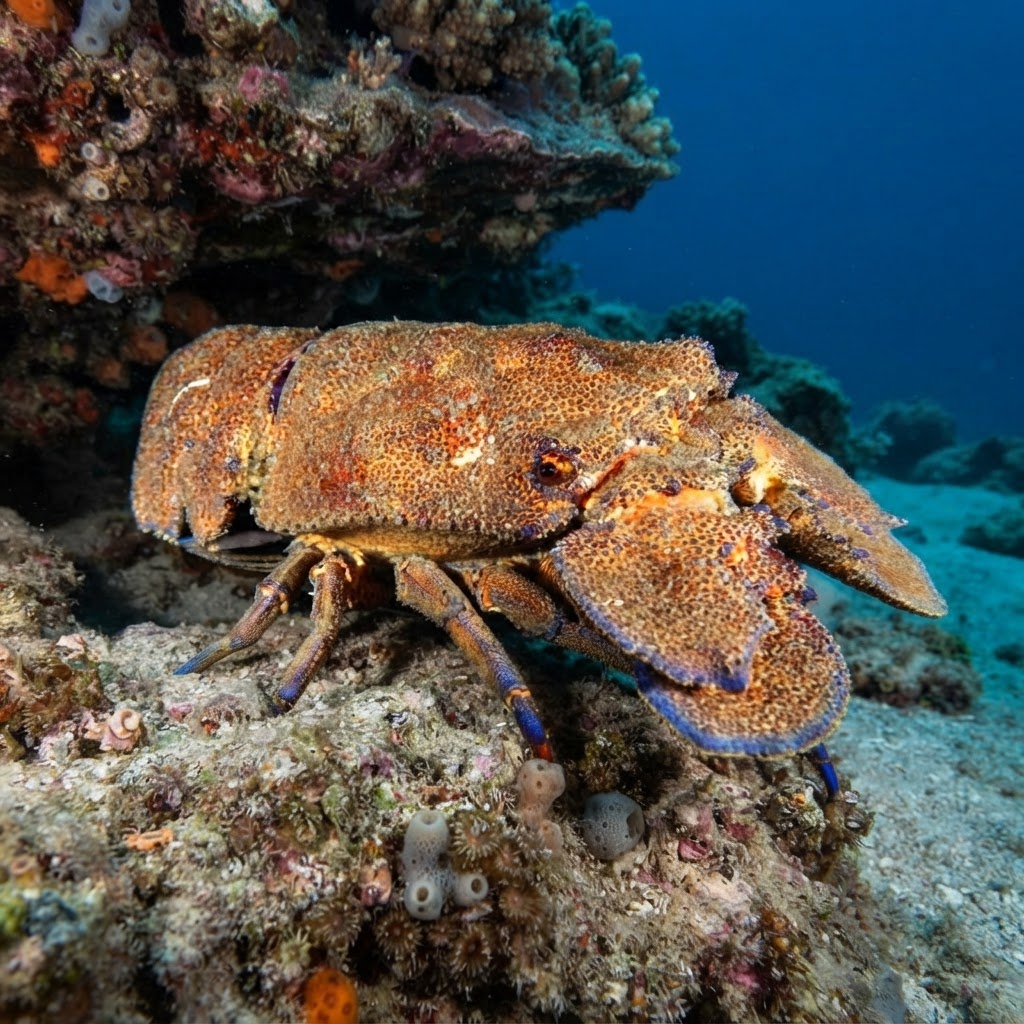
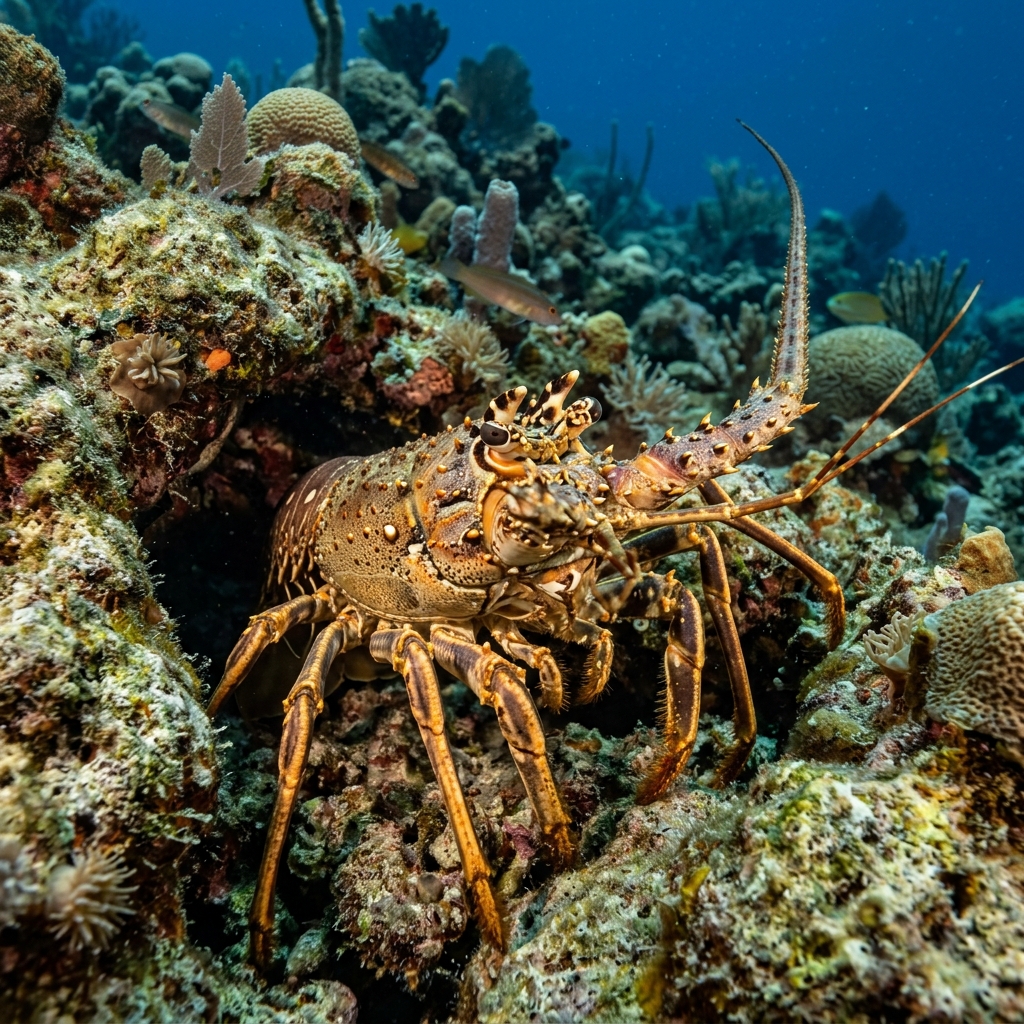
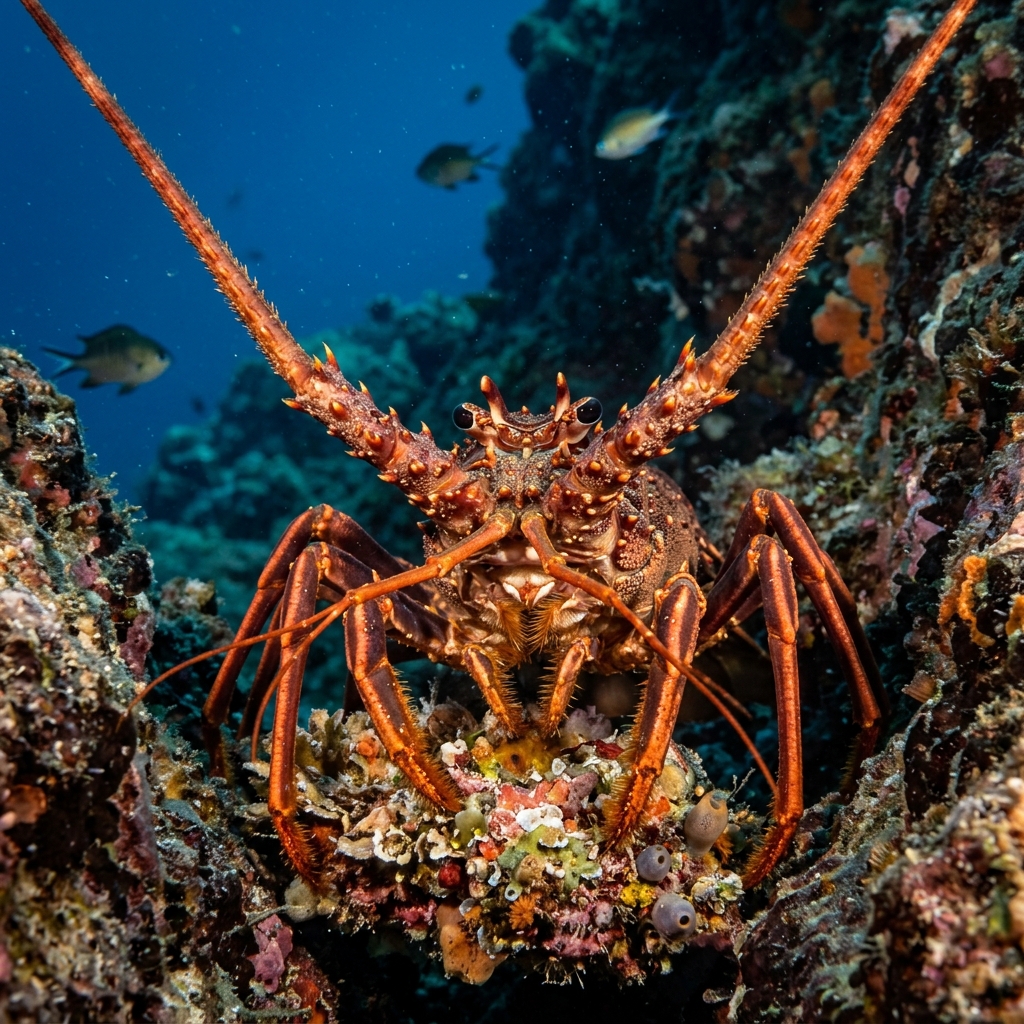
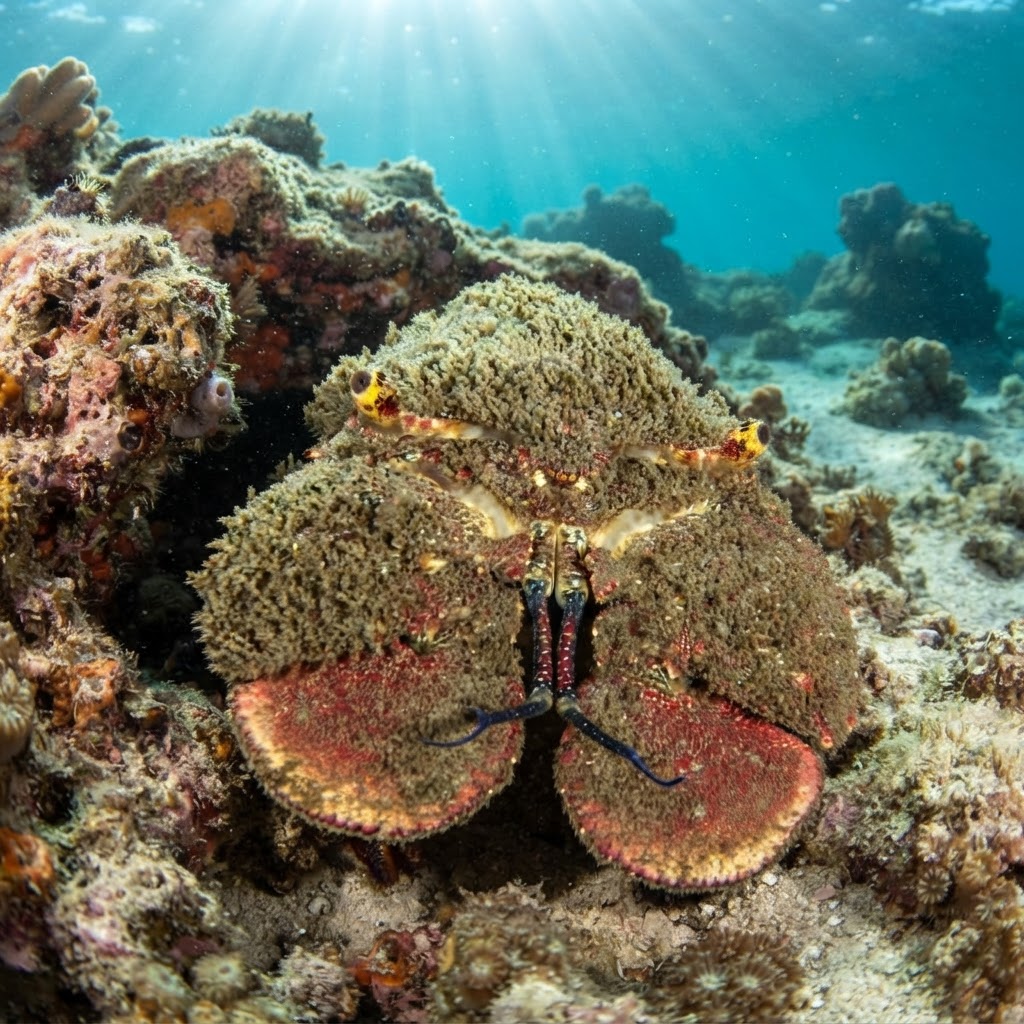
A flattened, shovel-shaped body sets this lobster apart from clawed species, with a mottled reddish-brown to rust-coloured shell that blends into rocky crevices. It grows to around 21 cm, with short antennae reduced to broad plates rather than the long whips seen on spiny lobsters. Look for the wide, rounded carapace and the way it wedges itself into holes with only the rear legs and antennae plates visible.
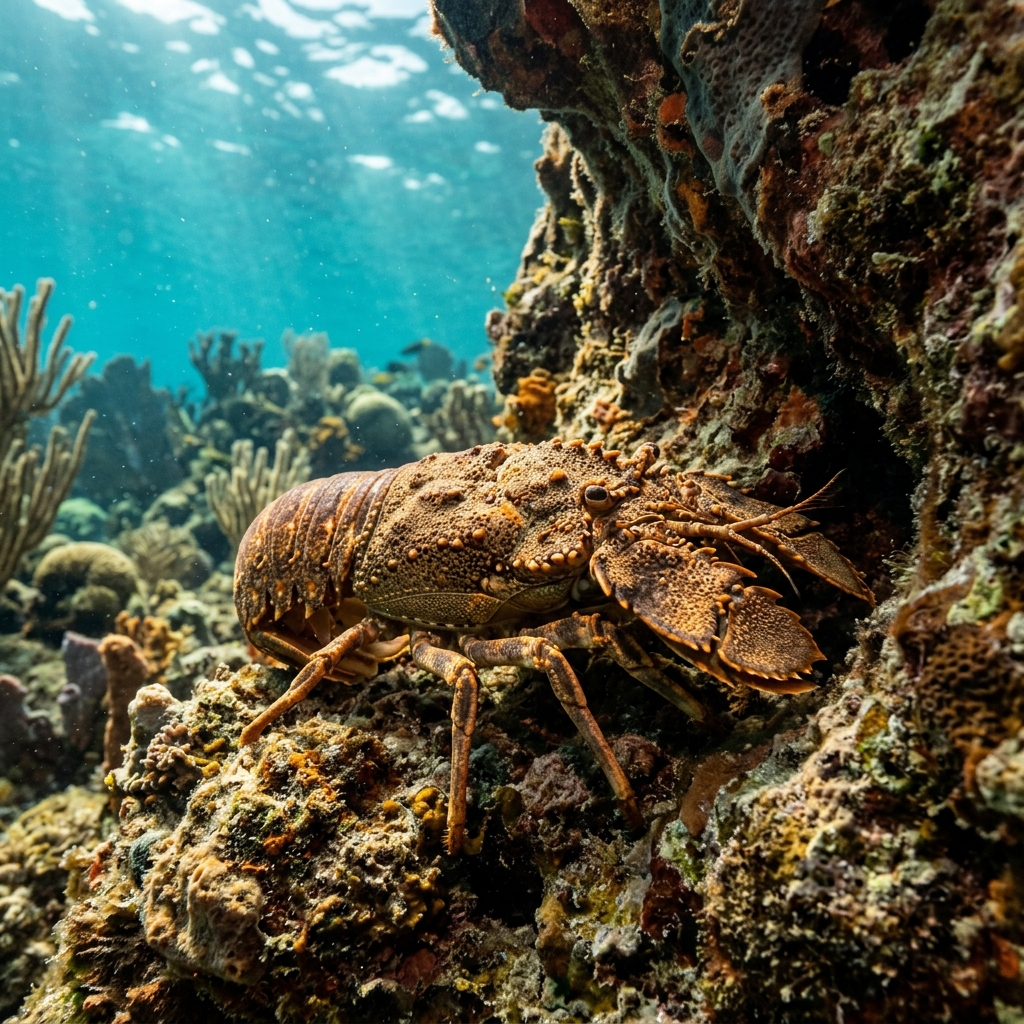
Divers mostly find this lobster wedged into rocky crevices or under ledges during the day, staying still and relying on its flattened shape to disappear into the shadows. It is not an animal that swims out to greet you, so most sightings come from divers scanning holes and overhangs closely rather than spotting it in open water. Expect a slow, cryptic animal that holds its ground rather than bolting when a torch passes over it.
Its flattened, shield-like antennae plates instead of long feelers are a defence trait shared across the slipper lobster family, helping it hug tight to rock surfaces where a spiny lobster's long antennae would get in the way.
Sightings show no detectable seasonal pattern, so treat it as a year-round find. The observed water temperature range of 18.9 to 24.9 C spans the typical seasonal swing in New South Wales, which likely explains why it turns up across the year rather than in one tight window.
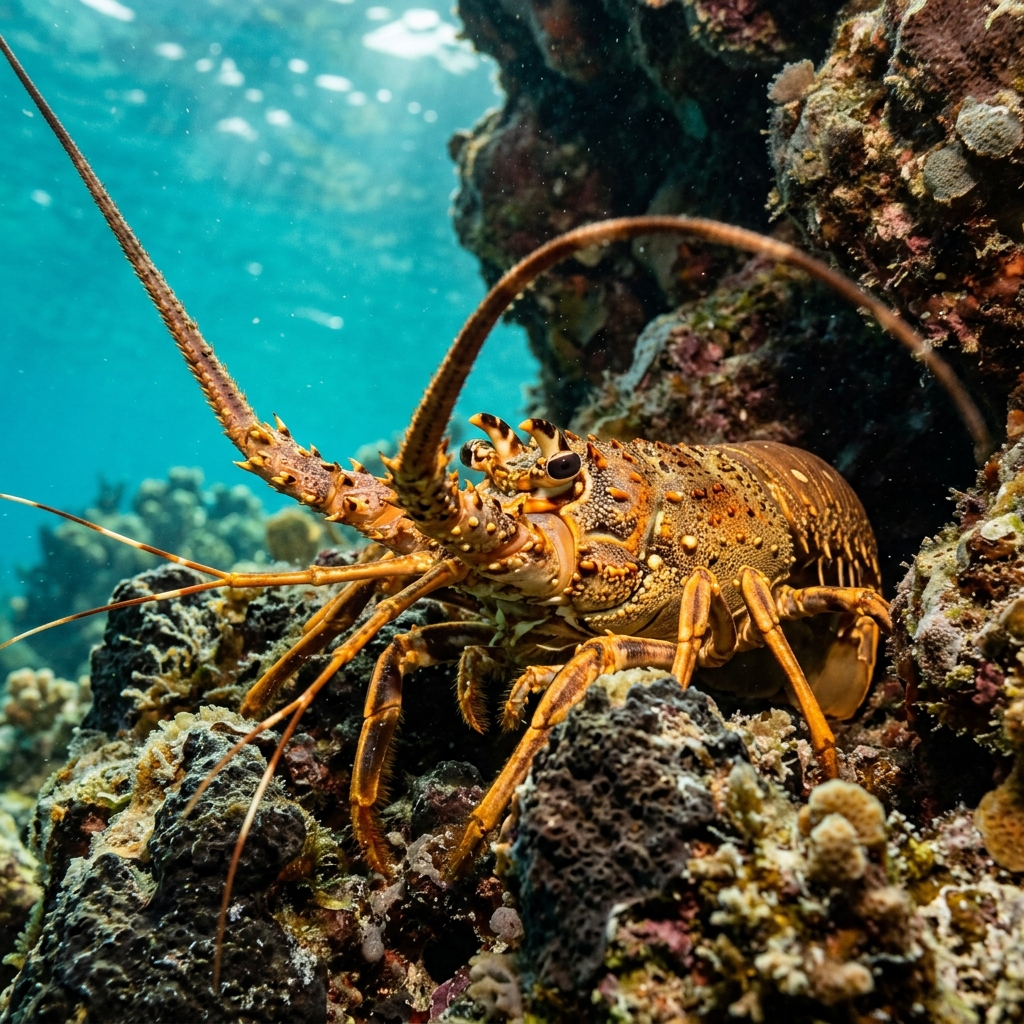
Reef neighbours a diver could mistake it for. Use the identification notes above to tell them apart.
Every logged sighting so far comes from Australia, concentrated in New South Wales, making it the reliable region for divers hoping to tick this one off. It has not turned up as a common find anywhere else in the data, so New South Wales reef and rocky-shore sites are currently the best bet.
Mapping where Spanish Lobster is logged…
Every recorded sighting comes from Australia, with New South Wales standing out as the region where divers have logged it most. It is not yet documented as a reliable find outside this area.
There is no clear seasonal pattern in the sighting data, so it is considered a year-round find. Its observed temperature range of roughly 19 to 25 C covers most of the year in New South Wales waters.
Look for a flattened, shield-shaped body around 21 cm long with a mottled reddish-brown shell, wedged into a rocky crevice. Unlike spiny lobsters, it has broad plate-like antennae rather than long whips.
They typically reach about 21 cm in length, making them a mid-sized member of the slipper lobster family.
No, they pose no danger to divers. They are slow-moving, cryptic animals that spend the day tucked into crevices and pose no threat if approached calmly.
Site and sighting data is aggregated from diver logs, iNaturalist and GBIF. For taxonomy and conservation status:
Caribbean Spiny Lobster
2,209 sites