Trachinotus coppingeri
A silvery, deep-bodied jack seen in waters of 21.8 to 27.5C, year-round with no strong seasonal pattern yet detected.
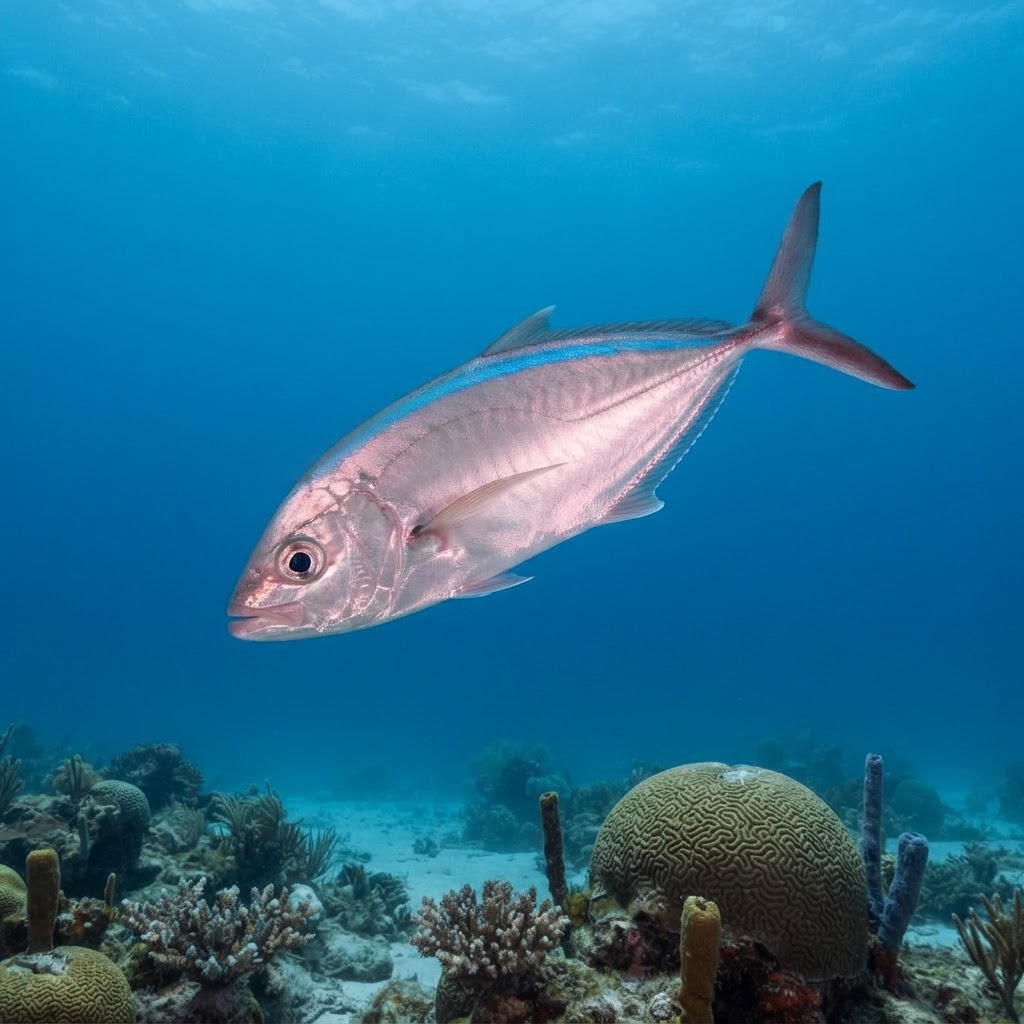
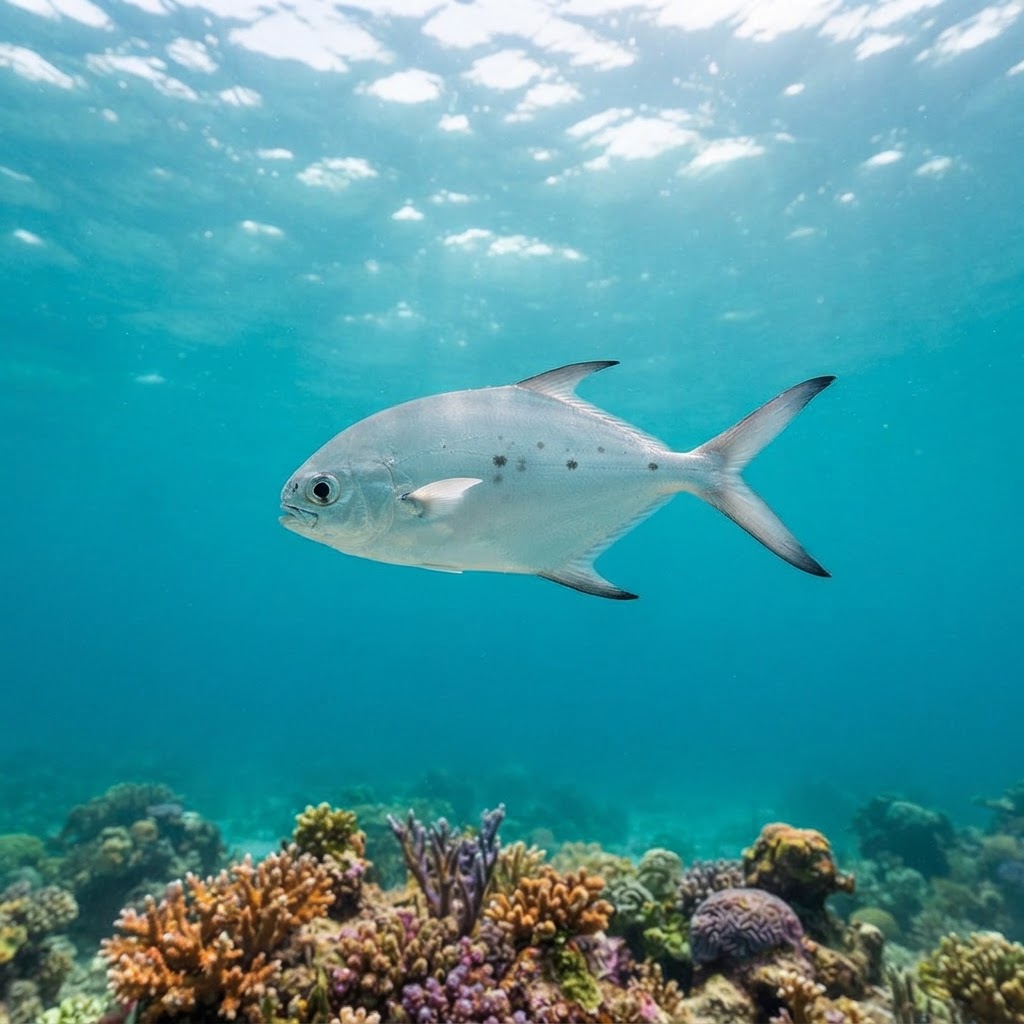
Deep-bodied and laterally flattened like other jacks, with a silvery flank that flashes bright in open water and a forked, yellowish tail. The head is blunt and the body profile short and rounded compared to the more elongated trevallies, which is the main cue divers use to pick it out at a glance. No confirmed data on juvenile or sex-based colour differences for this species.
Like other members of the jack family, Southern Dart is typically seen cruising over open sand or reef flats rather than tucked into structure, often alone or in small loose groups. It tends to keep a comfortable distance from divers, moving off steadily rather than bolting, and is more often spotted mid-water than resting on the bottom.
Southern Dart belongs to the same genus as pompanos and other darts, a group known for their compressed, fast-swimming build adapted for chasing prey over open sand flats rather than hunting through reef structure.
There isn't enough monthly sighting data yet to identify a clear season, so treat it as a year-round possibility. Its recorded temperature range of 21.8 to 27.5C suggests it favours warm, subtropical to tropical water rather than cooler conditions.
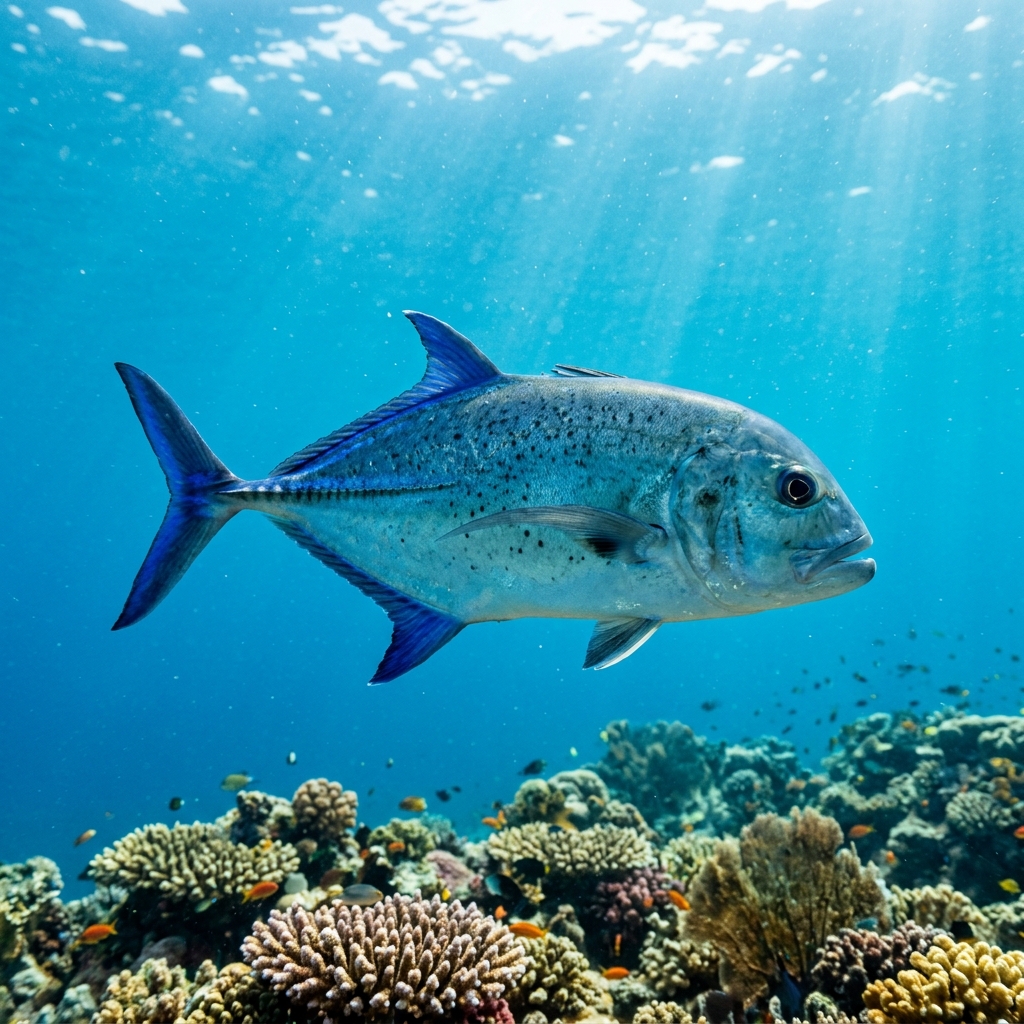
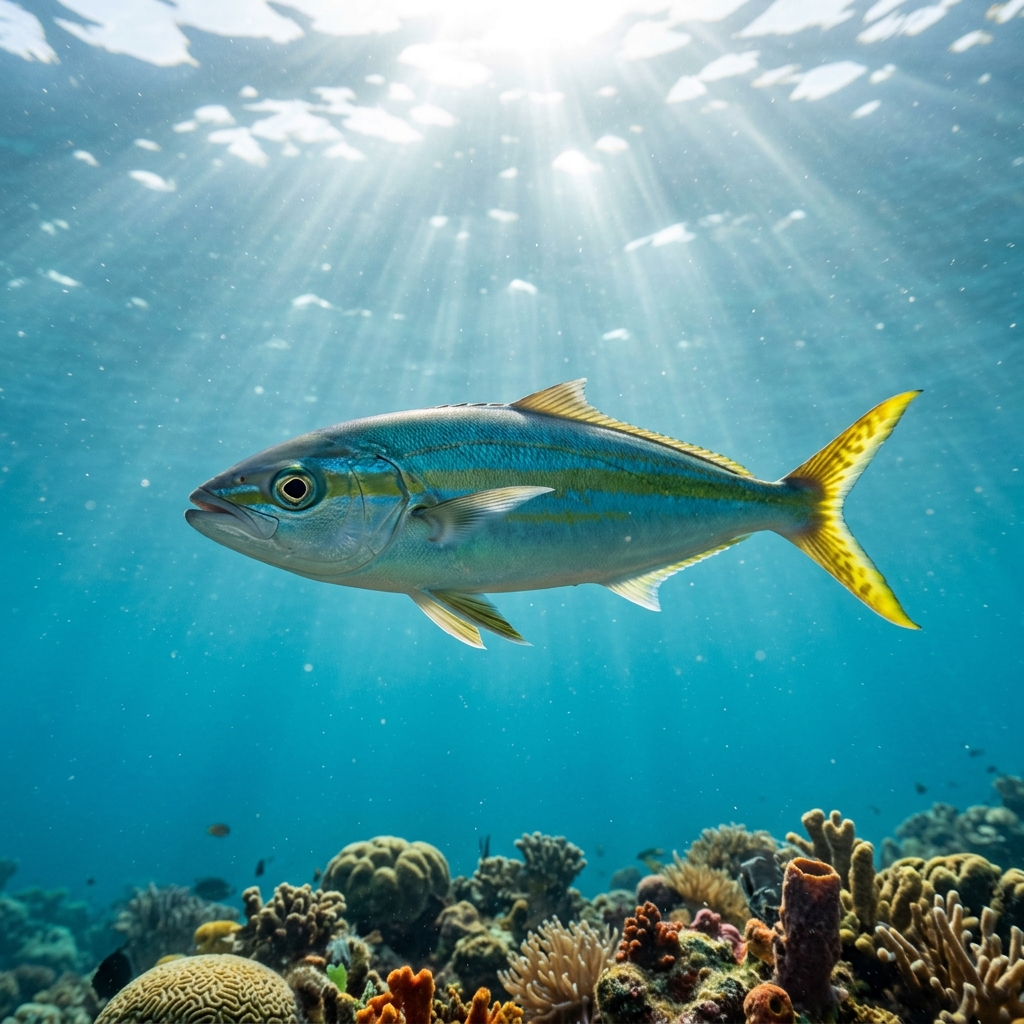
Reef neighbours a diver could mistake it for. Use the identification notes above to tell them apart.
Logging data for this species is currently too limited to name specific dive sites or countries with confidence. Check back as more diver observations come in for this one.
Mapping where Southern Dart is logged…
Diver-logged sightings for this species are too sparse right now to point to specific hotspots. As more observations are recorded, reliable regions should emerge.
No strong seasonal pattern has been detected yet, so it's best treated as a year-round sighting in the warm water it favours, roughly 22 to 27.5C.
Look for a silvery, deep-bodied jack with a blunt head and forked tail, more compact and rounded in profile than a typical trevally. It's usually seen cruising open sand or reef edges rather than hovering near coral.
No, they're not considered dangerous to divers. They keep their distance and show no aggressive behaviour towards people underwater.
Exact size data isn't confirmed for this species, but as a member of the jack family it's likely a modestly sized fish, comparable to other dart and pompano species rather than a large predator like a giant trevally.
Site and sighting data is aggregated from diver logs, iNaturalist and GBIF. For taxonomy and conservation status:
Bigeye Trevally
2,591 sites