Naso minor
Small grey-brown unicornfish most reliably logged in the Visayas, Philippines, in warm 25-29C reef water year-round.
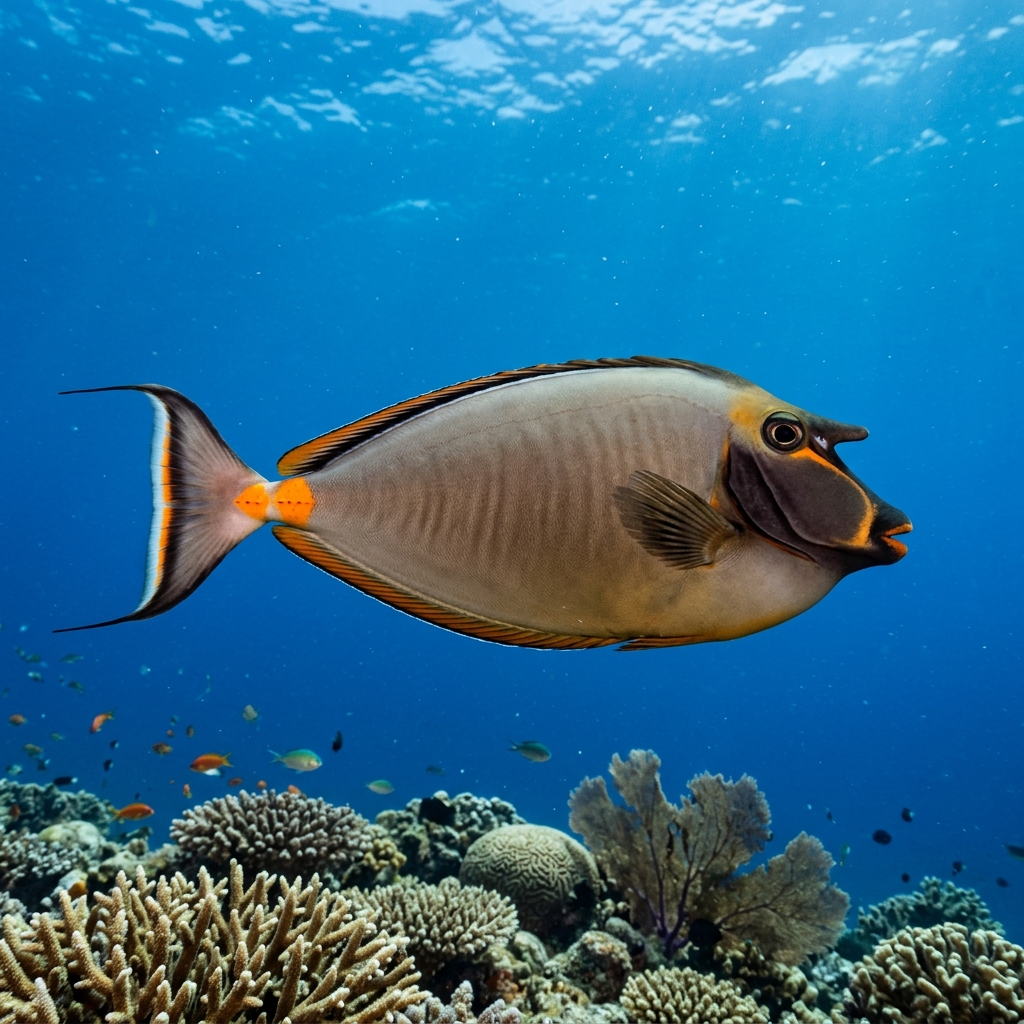
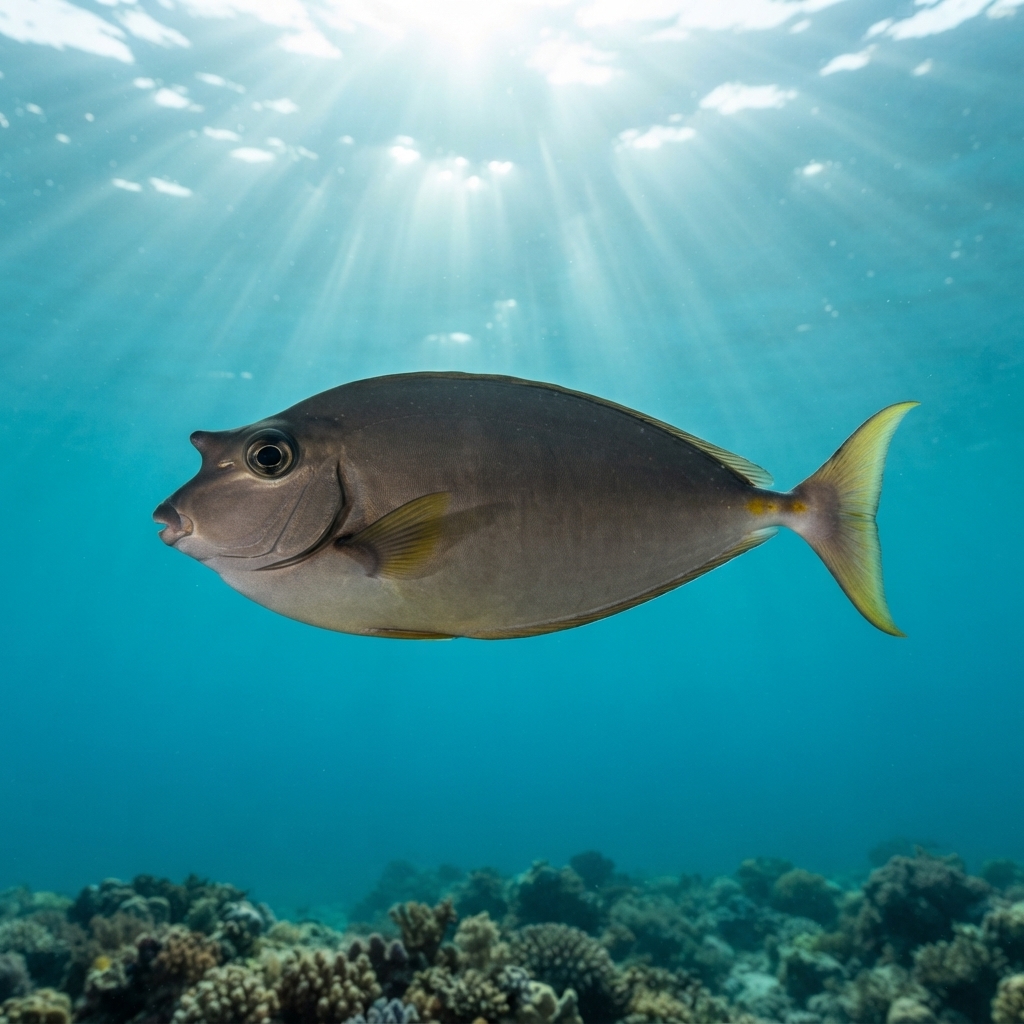
A slim, torpedo-shaped surgeonfish reaching only about 21 cm, noticeably smaller and more streamlined than most reef unicornfish. Colouring runs grey-brown to olive with a faint pale wash on the flanks, and adults carry the low, blunt facial bump that gives unicornfishes their name, though it stays subtle rather than horn-like. Look for the narrow tail base and small caudal spines typical of surgeonfish, and its habit of hovering singly or in loose small groups just off the reef face.
Usually spotted cruising alone or in small loose groups along the reef edge, picking at algae on rock and rubble rather than schooling in open water like some of its unicornfish relatives. It tends to keep a comfortable distance from divers without darting for cover, making steady, unhurried passes along the same stretch of reef. Most sightings are logged at uncommon frequency, so it's the kind of fish you notice on a good reef day rather than one you can expect on every dive.
Like other unicornfishes, it grazes algae off hard surfaces, helping keep reef rock and rubble clear for coral larvae to settle on.
No clear seasonal pattern shows up in the data, and with a comfortable 25.2 to 28.9C temperature niche it's a year-round resident on the reefs where it occurs rather than a seasonal visitor.
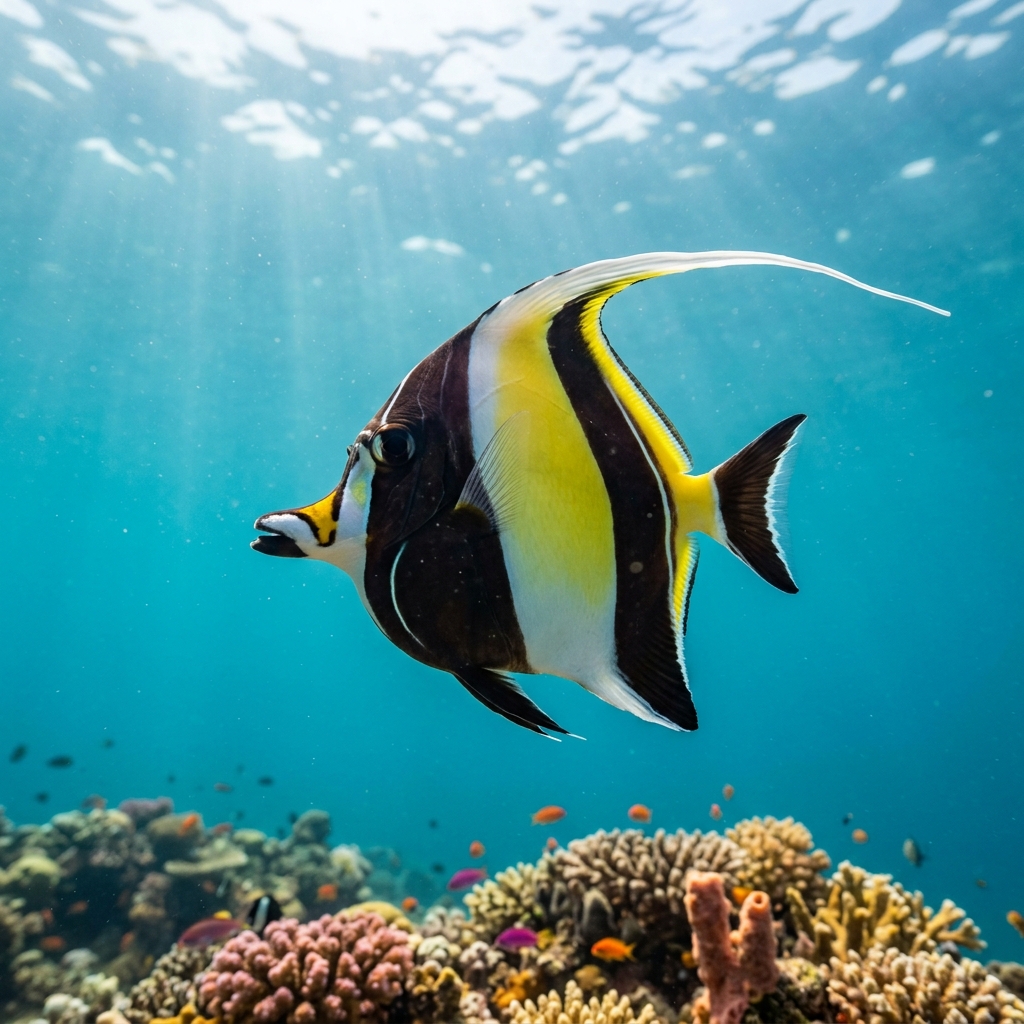
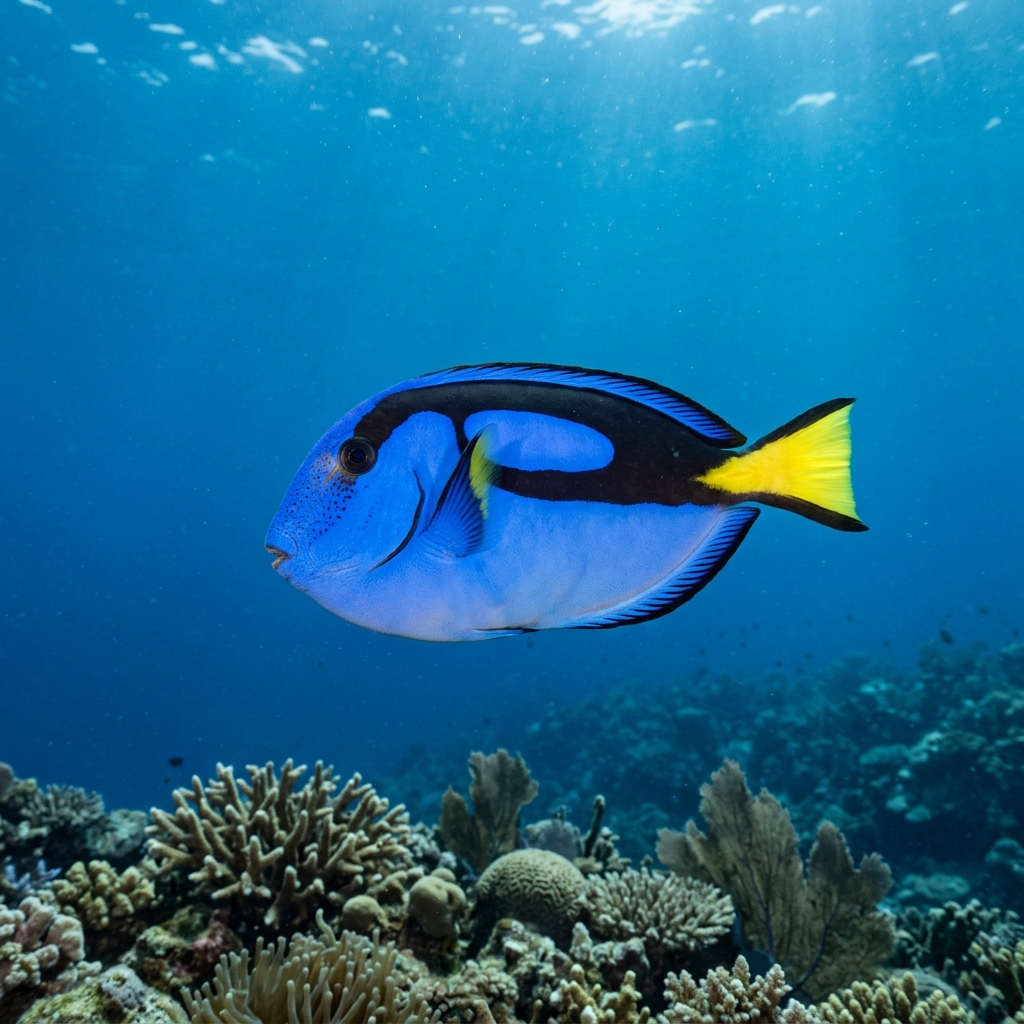
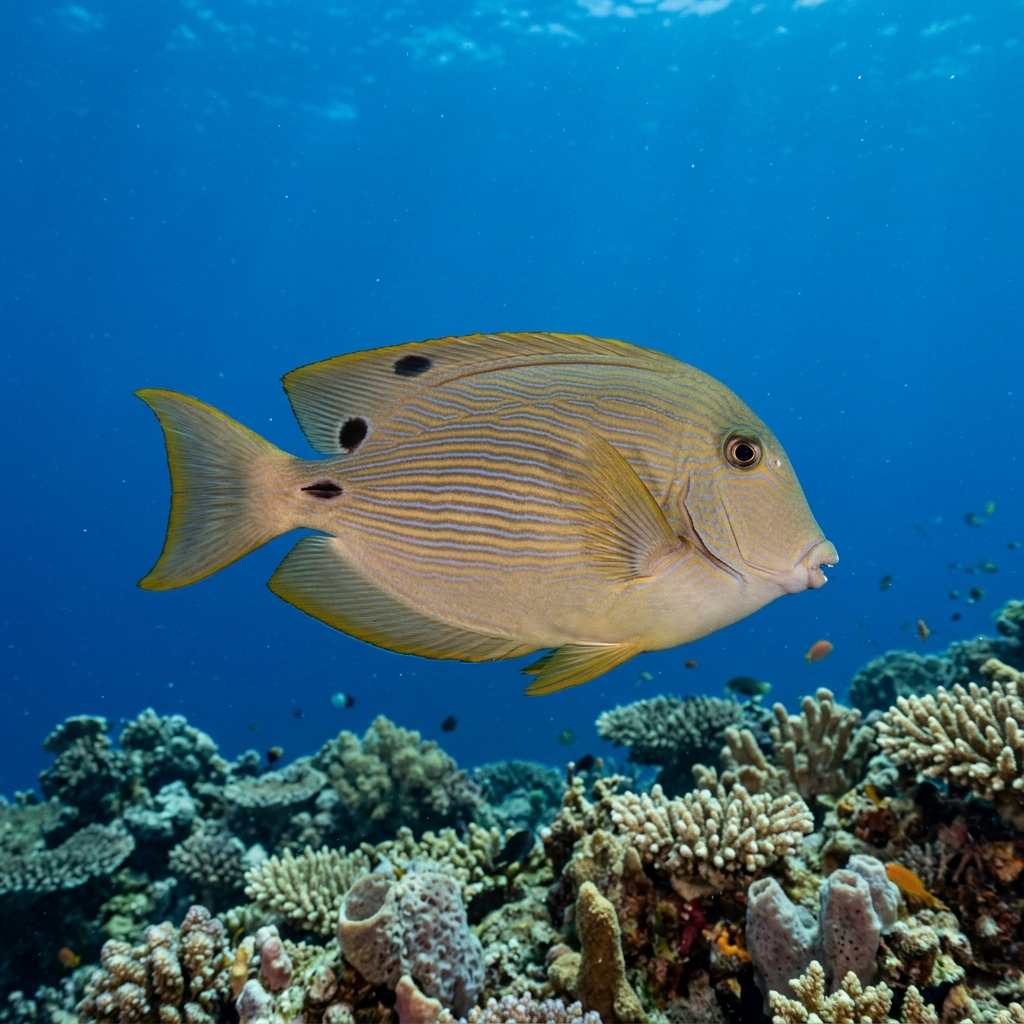
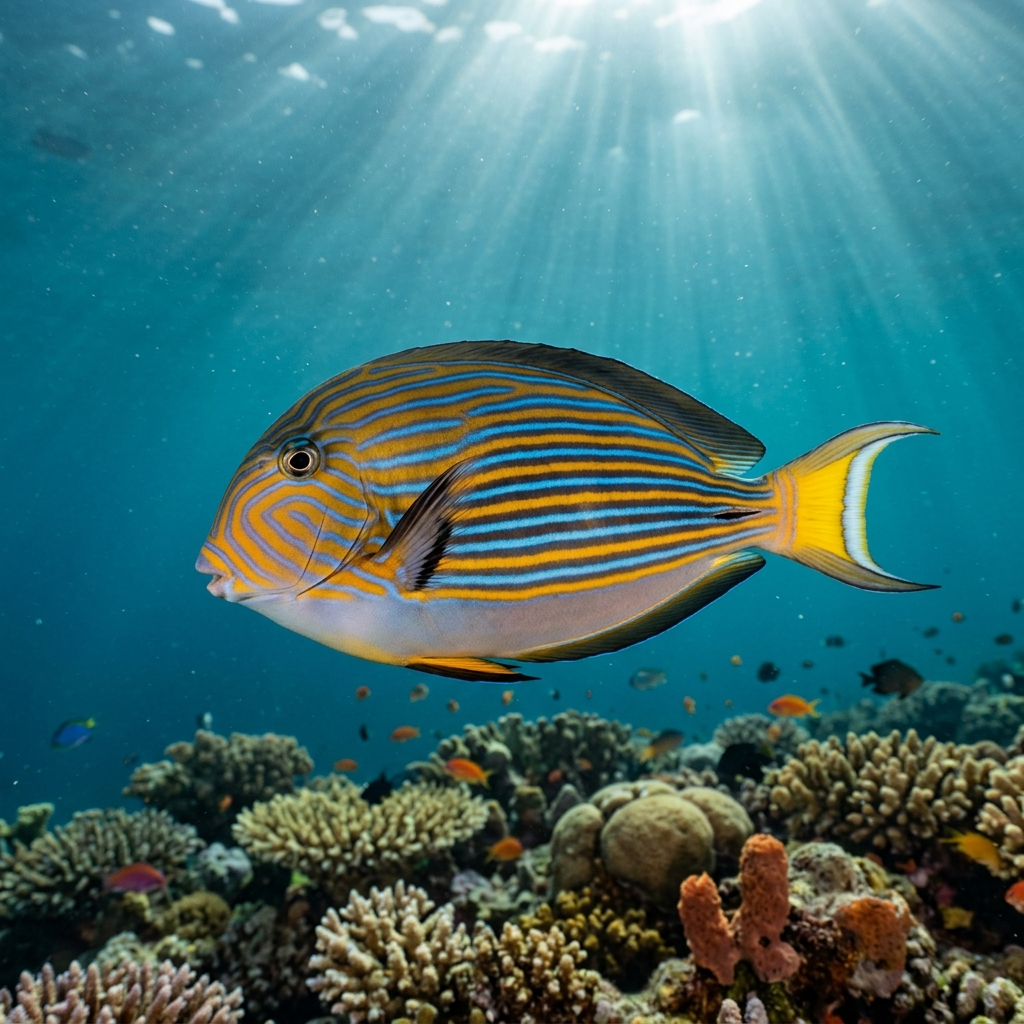
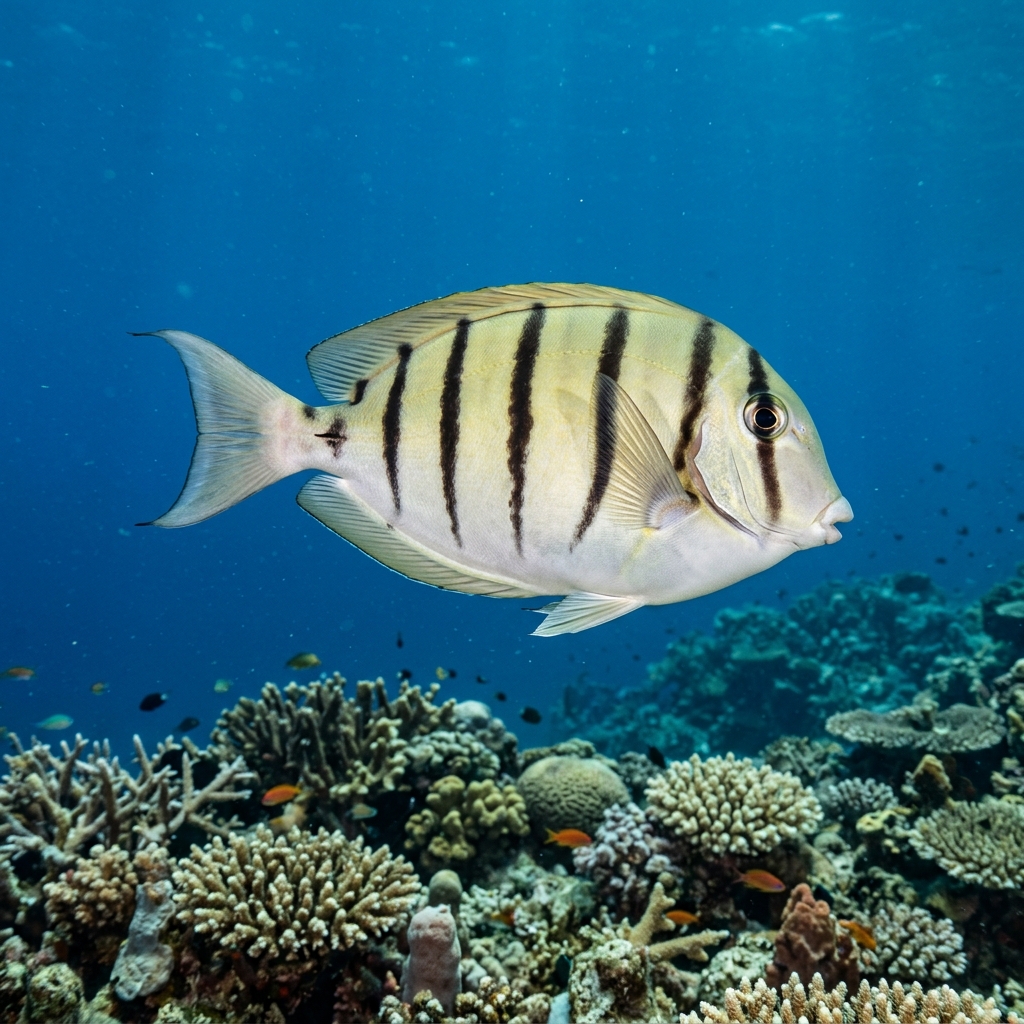
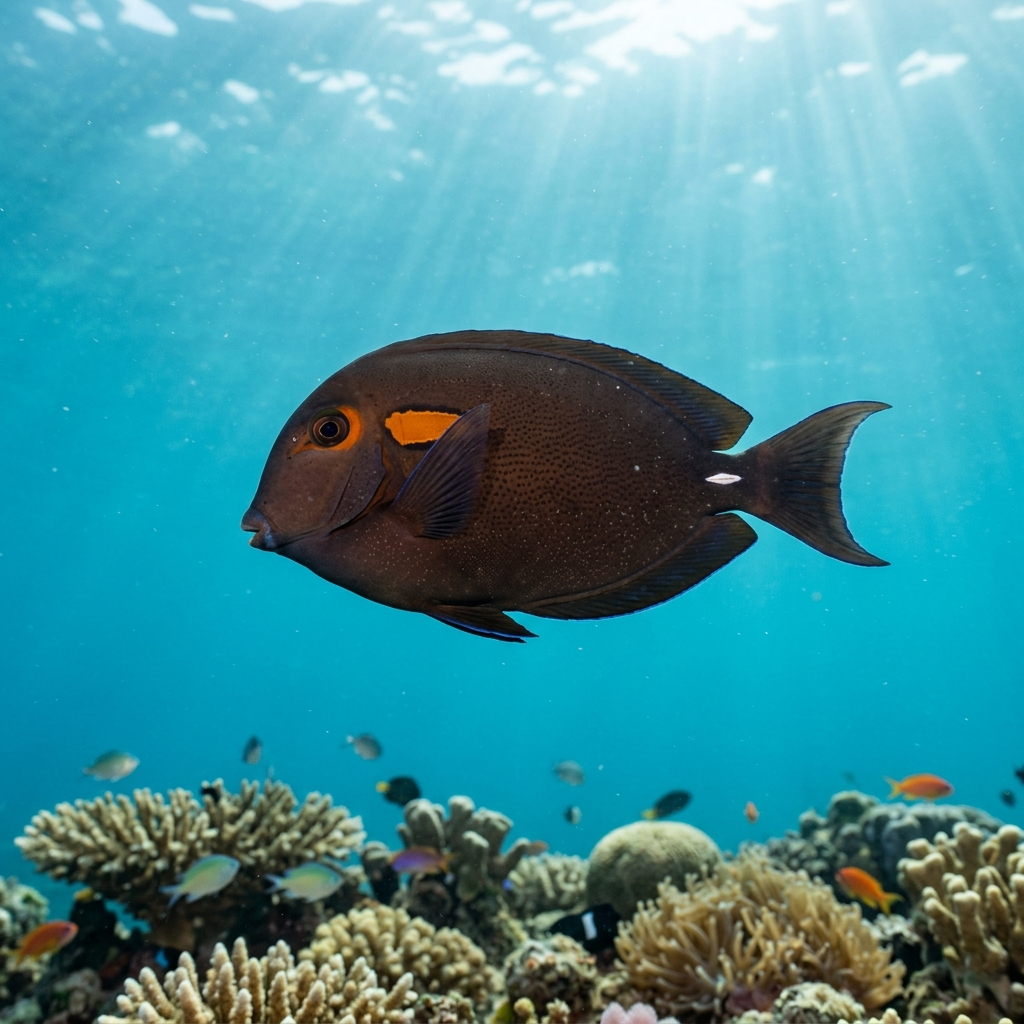
Reef neighbours a diver could mistake it for. Use the identification notes above to tell them apart.
Most commonly logged in the Philippines, especially across the Visayas, where the bulk of recorded sightings come from. Smaller but reliable numbers turn up in Indonesia, particularly Sulawesi and Bali, making these two countries the main places to plan a sighting around.
Mapping where Slender Unicorn is logged…
The Philippines is the strongest bet, especially dive sites across the Visayas region. Indonesia's Sulawesi and Bali also produce regular sightings, though less densely than the Philippines.
There's no detected season for this species, so it's effectively a year-round sighting on reefs within its 25.2 to 28.9C temperature range.
Look for a small, slim grey-brown surgeonfish around 21 cm with a subtle facial bump rather than a pronounced horn. It's usually seen alone or in small groups grazing low over reef rubble, distinct from the bulkier, more colourful unicornfish species.
They stay small for a unicornfish, typically topping out around 21 cm, noticeably slighter than many of their larger unicornfish relatives.
No, they pose no danger to divers and simply go about grazing the reef, keeping a comfortable distance if approached.
Site and sighting data is aggregated from diver logs, iNaturalist and GBIF. For taxonomy and conservation status:
Striped Surgeonfish
3,294 sites