Fusigobius signipinnis
A 4cm reef goby most often logged in Sulawesi, the Visayas and Apra Harbor, resting on sand and rubble year-round in warm 25-29C water.
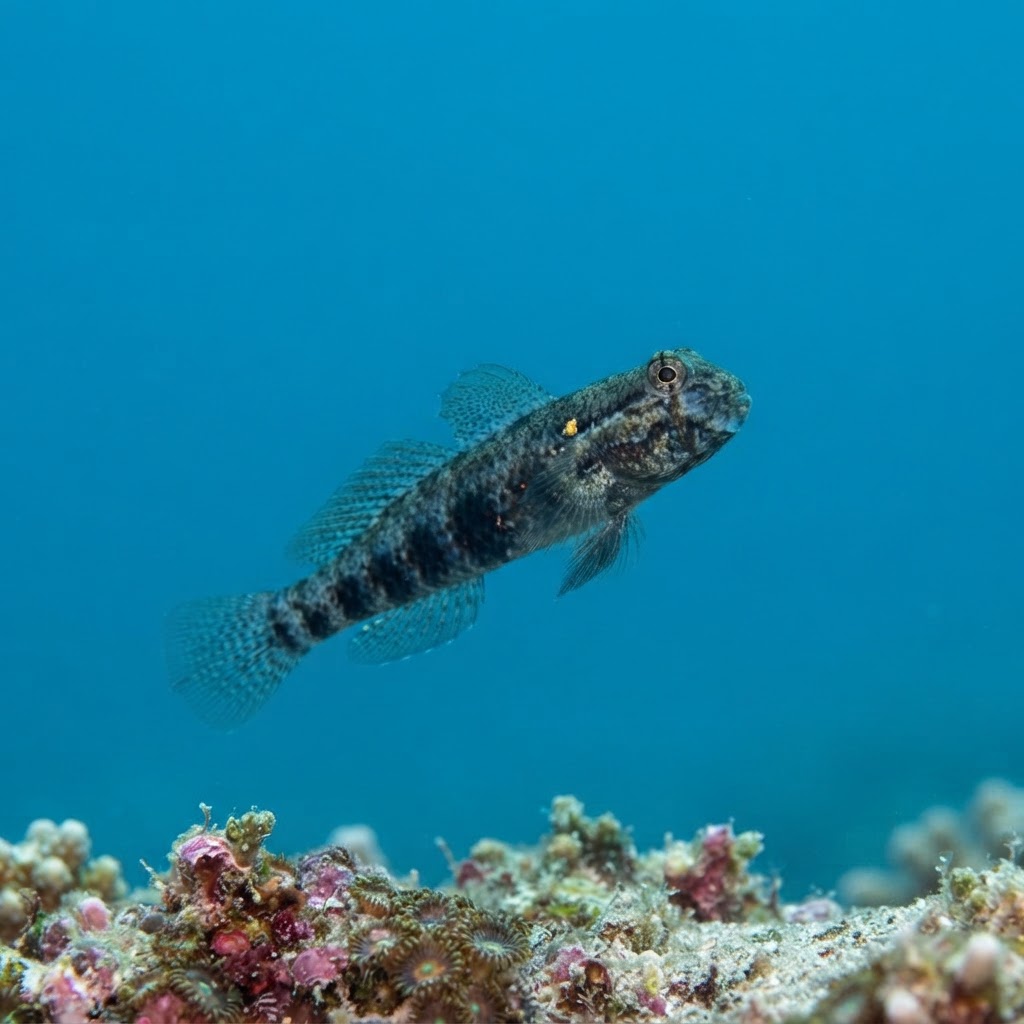
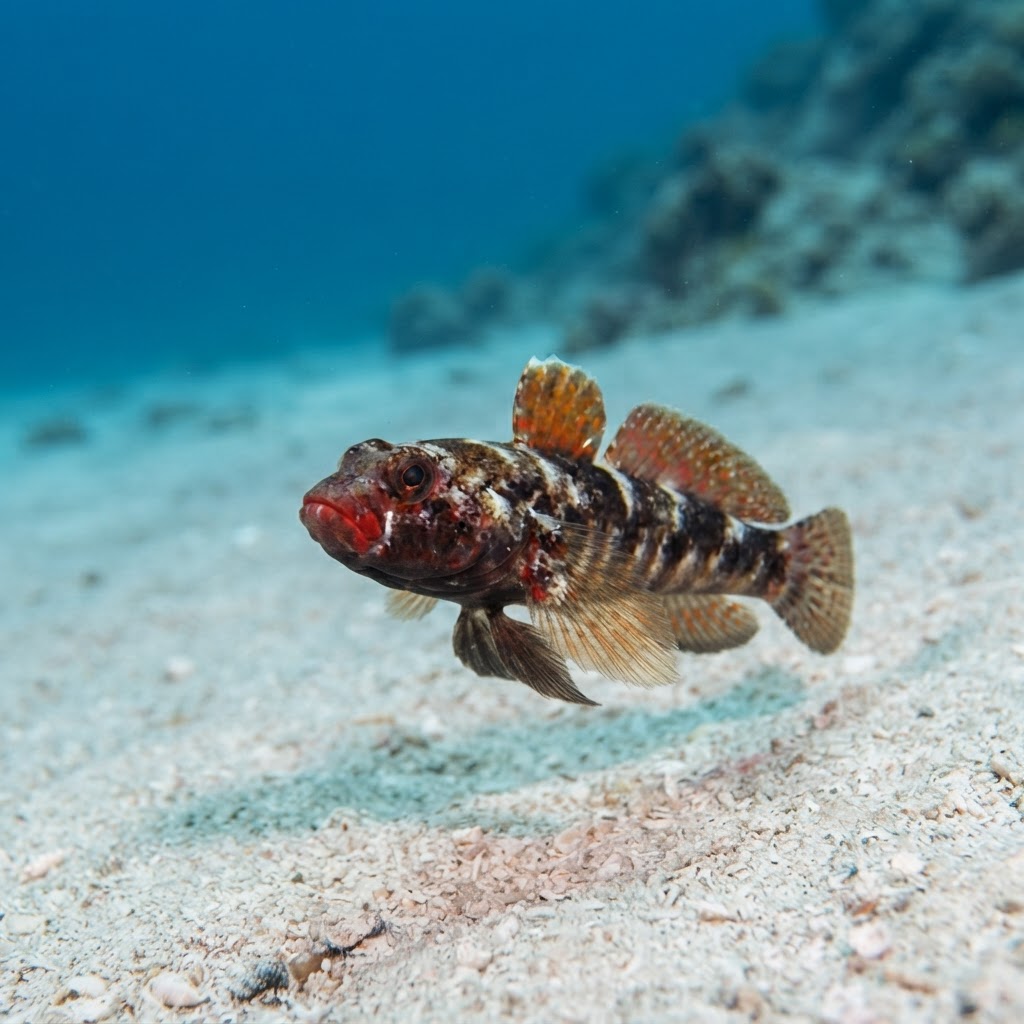
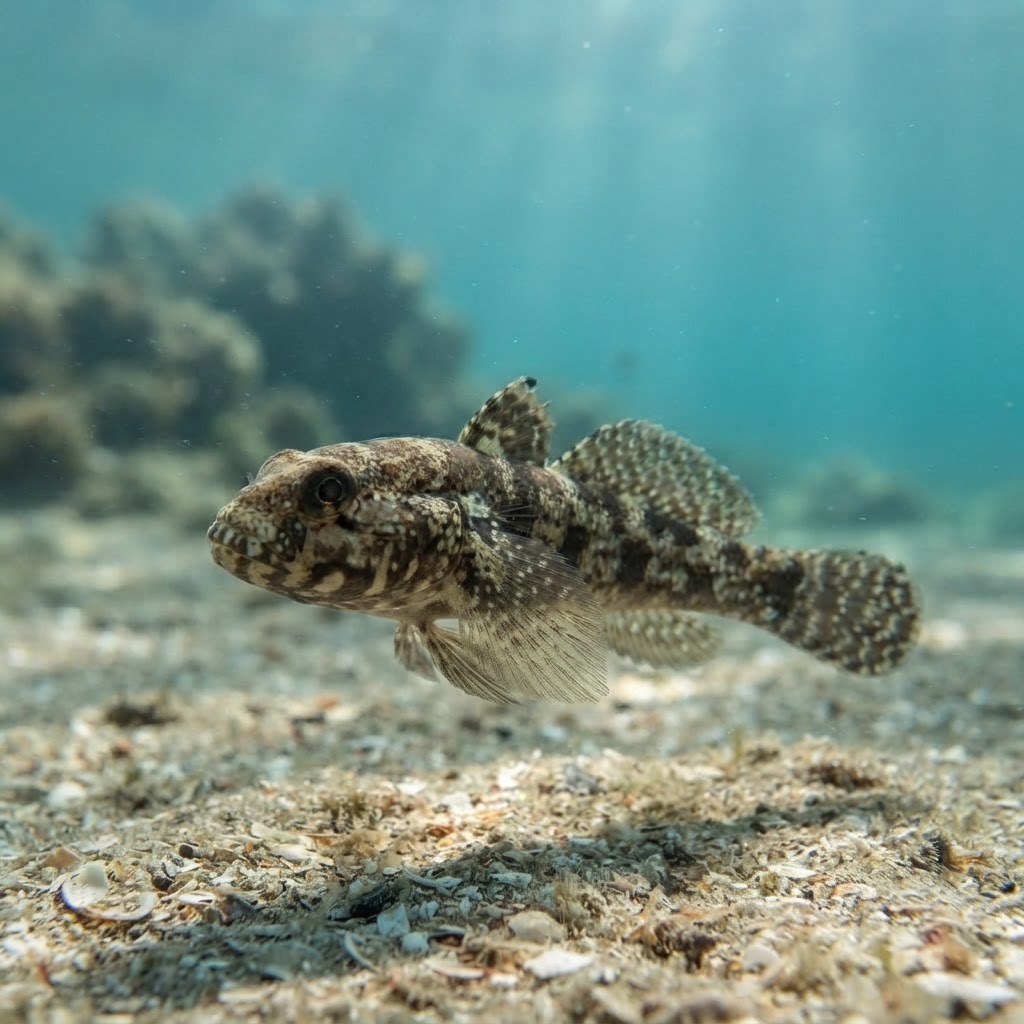
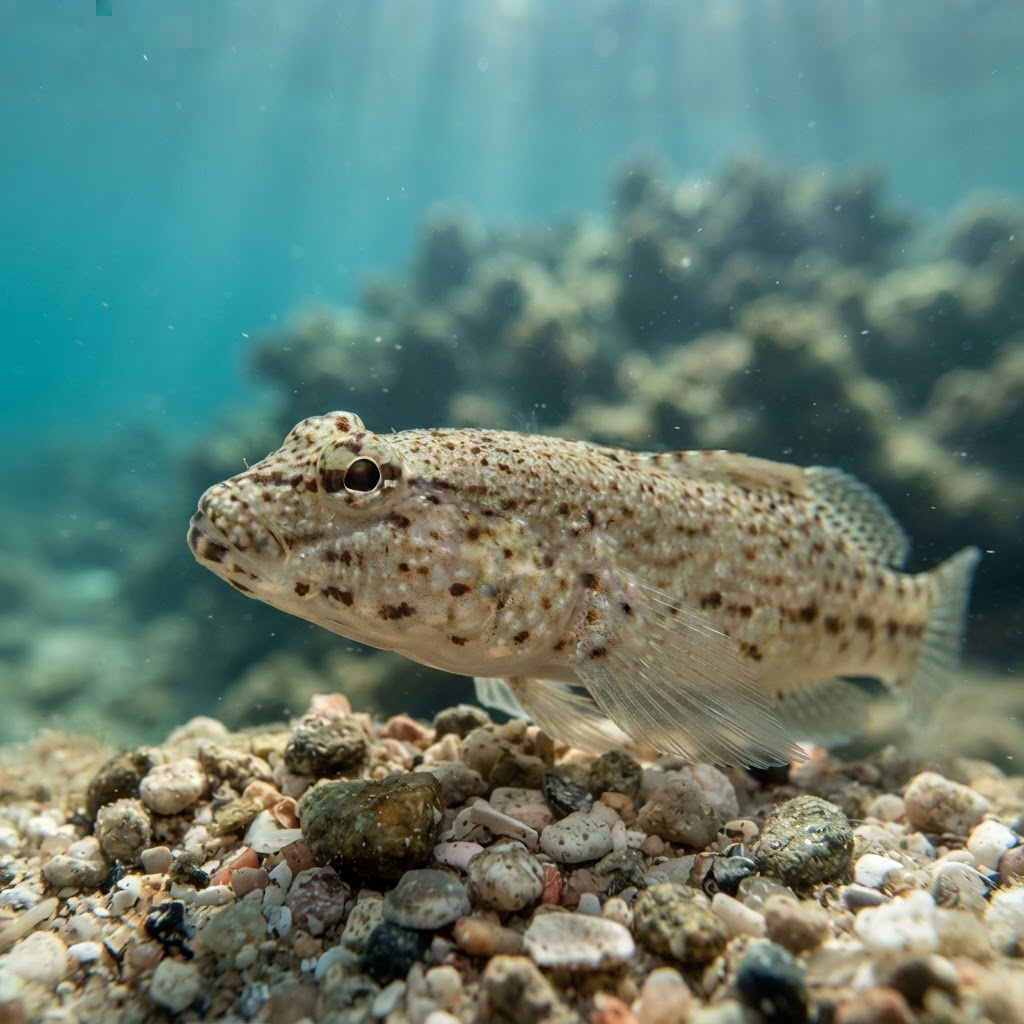
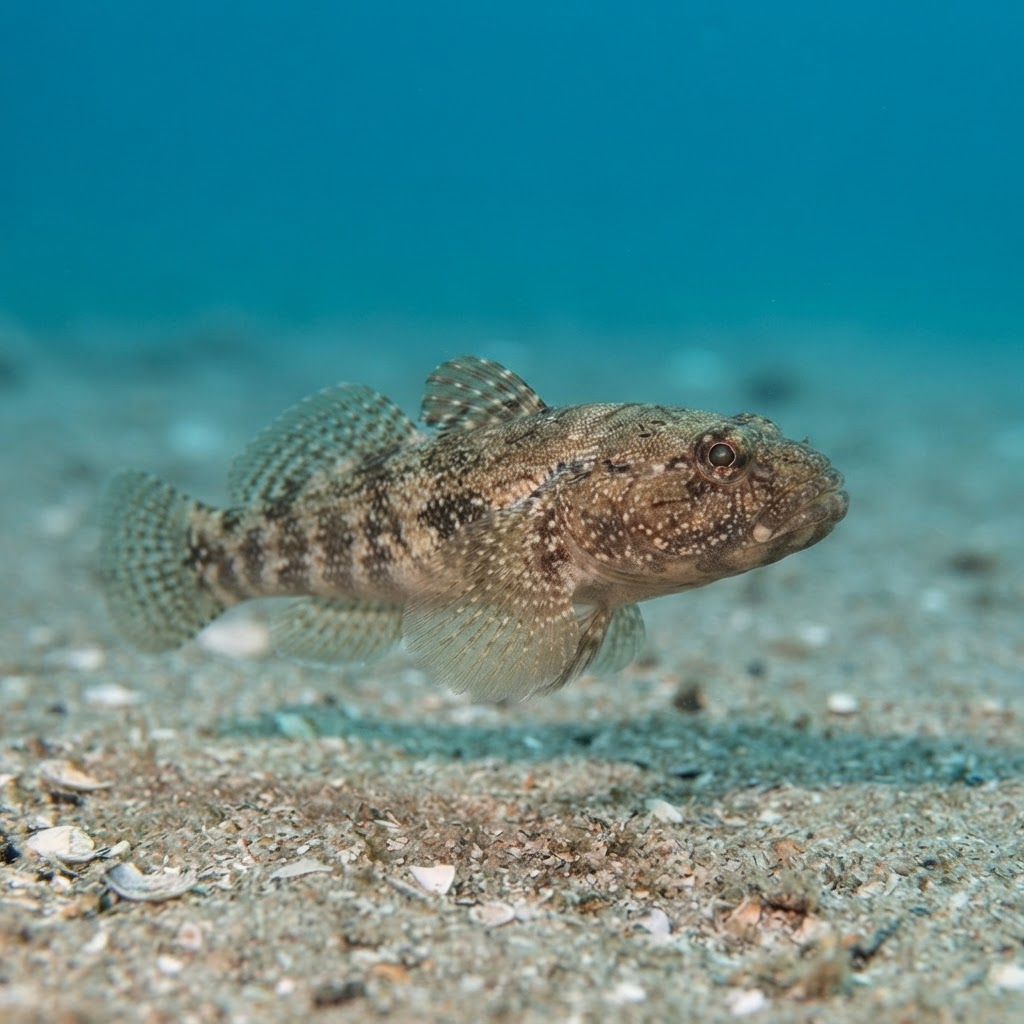
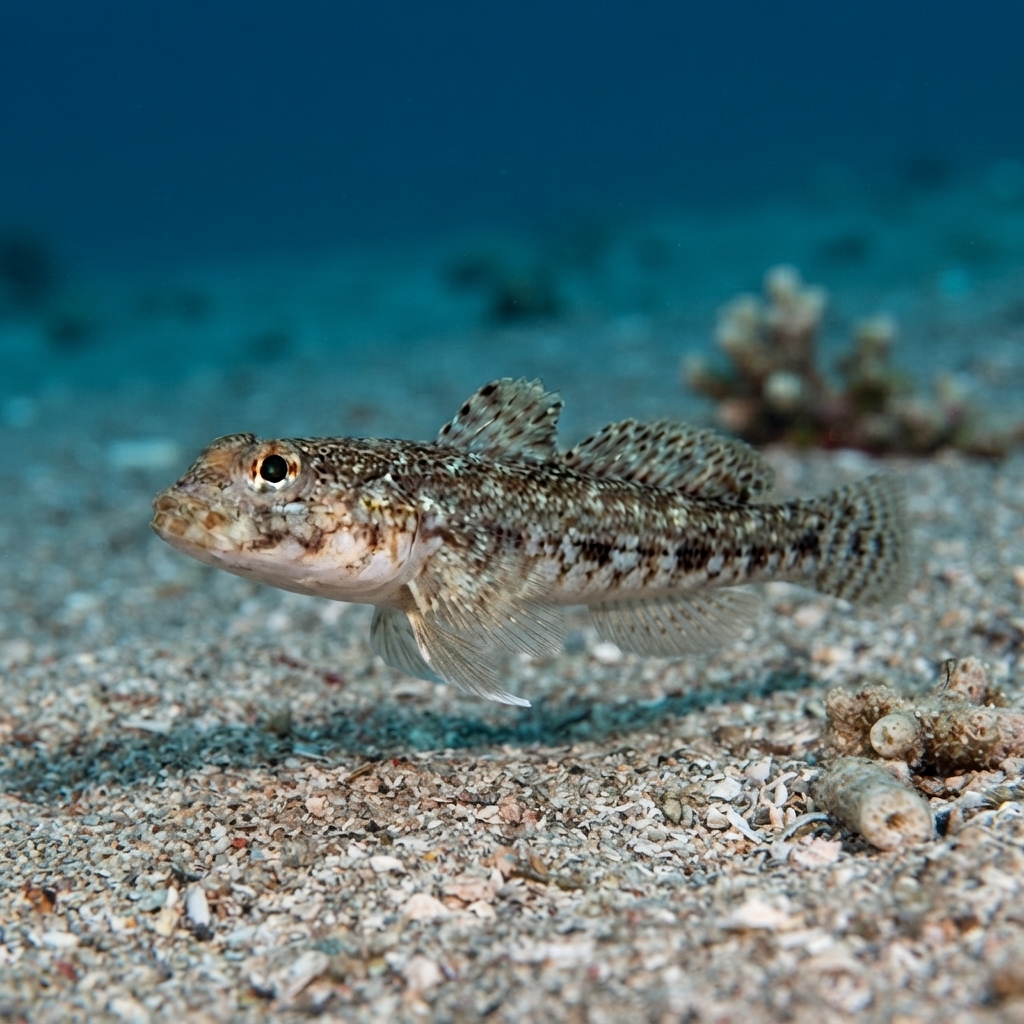
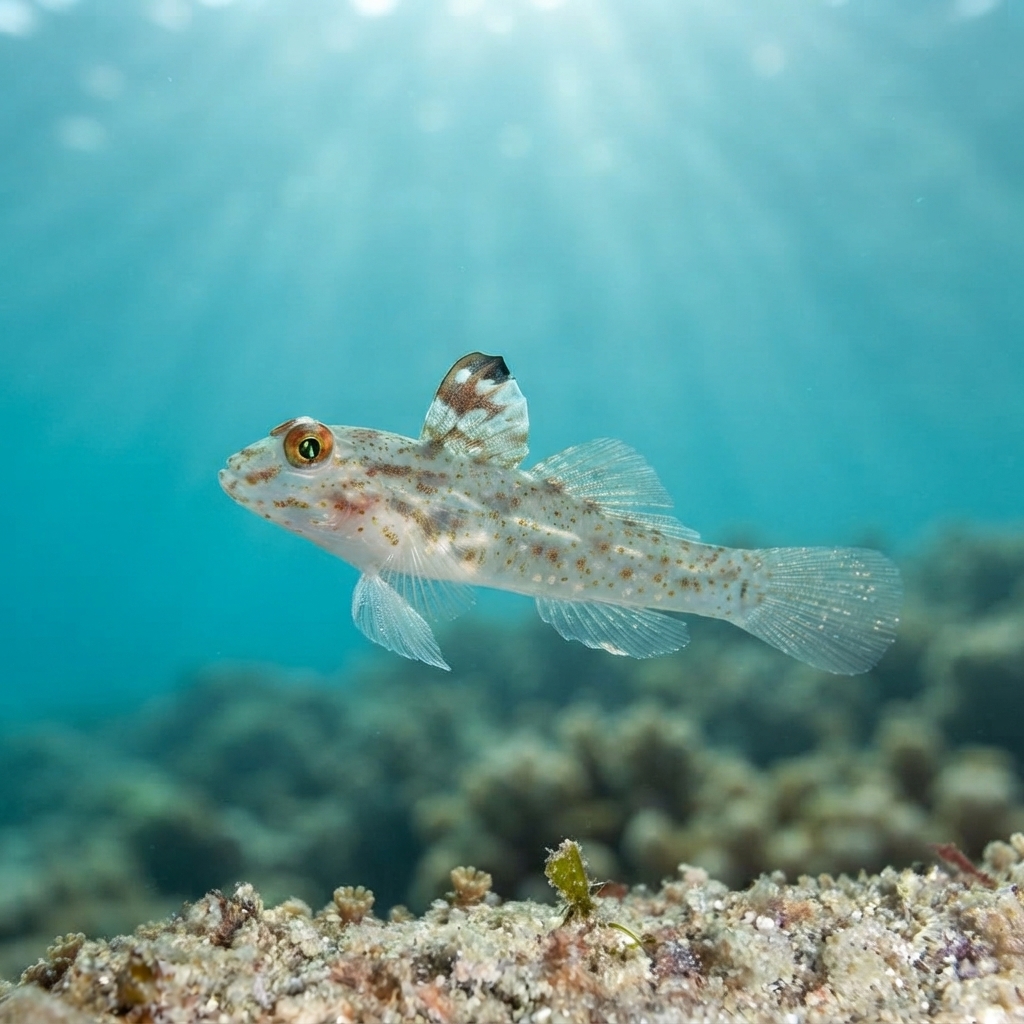
A tiny goby, barely 4cm long, with a pale, semi-translucent body scattered with fine dark speckles and a faint row of dusky blotches along the flank. It perches on rubble or sand rather than swimming freely, propped up on its front fins in the typical goby stance. Look closely at the first dorsal fin, which often shows a raised, slightly darker leading edge, the feature that gives this species its common name.
Expect to find it sitting still on sand, rubble or low coral debris rather than out in open water, usually low down near the substrate where it blends in easily. It tends to hold its ground at close range, darting only a short distance if you get too close, then settling back on the same patch. Most sightings come from slow, close-focus looks at rubble patches rather than mid-water scanning.
Like other small gobies, it likely has a short lifespan and rapid turnover, spending its whole life on a tiny patch of reef rather than roaming, which is why the same individual can often be refound on repeat dives to the same spot.
No clear seasonal pattern shows up in the sightings, and with a comfortable range of roughly 25 to 29C, these reefs stay within its niche all year, so any month works.
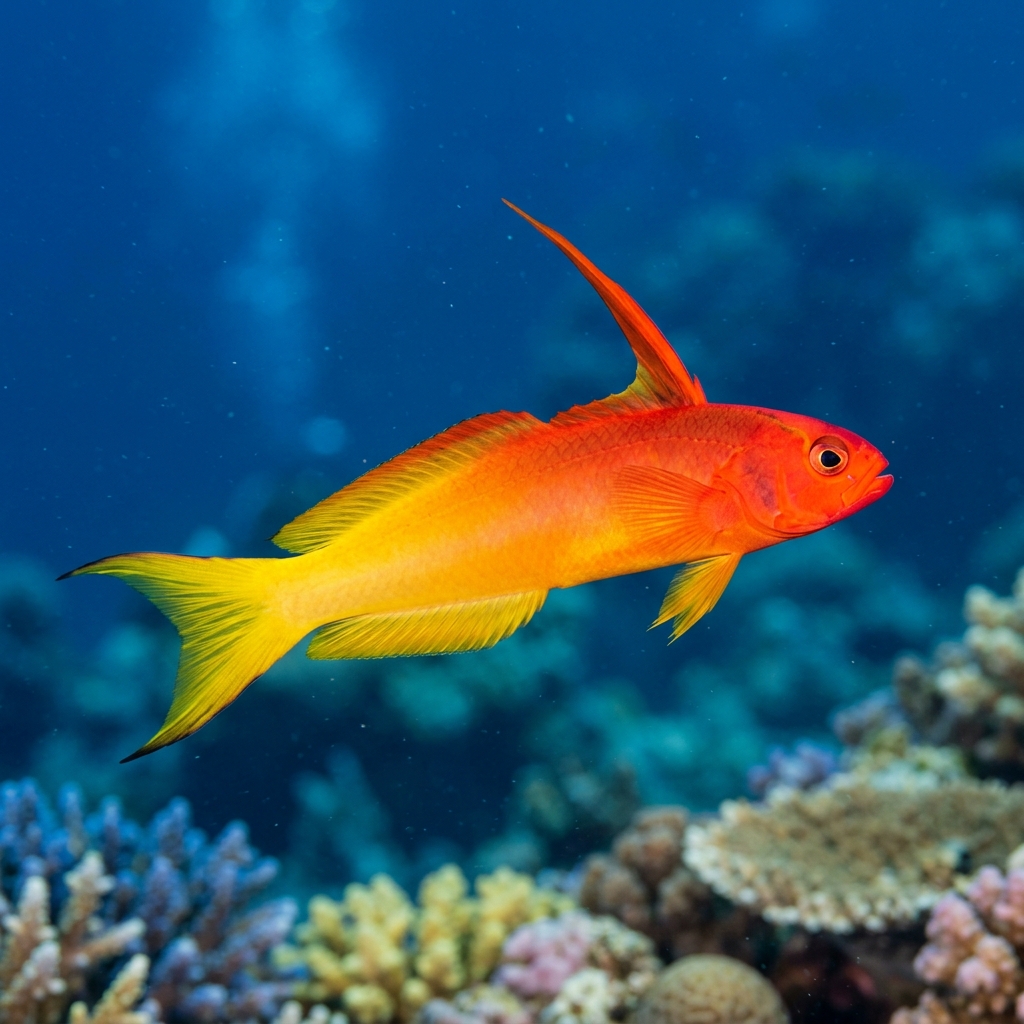
Reef neighbours a diver could mistake it for. Use the identification notes above to tell them apart.
Most reliably found in Indonesia, especially around Sulawesi, and across the Visayas region of the Philippines. Guam's Apra Harbor is another strong spot for it, with a smaller but steady presence in Raja Ampat and along Guam's Southern Coast.
Mapping where Signalfin Goby is logged…
It turns up most often in Indonesia, particularly Sulawesi, and in the Philippines' Visayas region. Guam's Apra Harbor is another good bet, with occasional sightings in Raja Ampat.
There's no strong season in the sightings, and its warm-water niche of about 25 to 29C is met on these reefs year-round, so it's a fair bet on any dive trip.
Look for a pale, speckled goby around 4cm long perched on sand or rubble rather than swimming in open water. The raised, darker edge on its first dorsal fin is the key detail to check with a torch or macro lens.
They stay small, topping out around 4cm, which puts them firmly in macro photography territory rather than something you'll spot from a distance.
No, they pose no danger at all. They're small, sit still on the substrate, and have no interest in divers beyond a short dart if approached too fast.
It's logged as uncommon at most sites where divers find it, though a smaller number of sites report it as common, so patience and a good eye for rubble patches help.
Site and sighting data is aggregated from diver logs, iNaturalist and GBIF. For taxonomy and conservation status:
Slender Goby
806 sites