Hippocampus breviceps
Tiny, spiny and easy to miss: find shorthead seahorses in the cool waters of Victoria, Australia, at 15 to 18°C, mostly clinging to weedy reef.
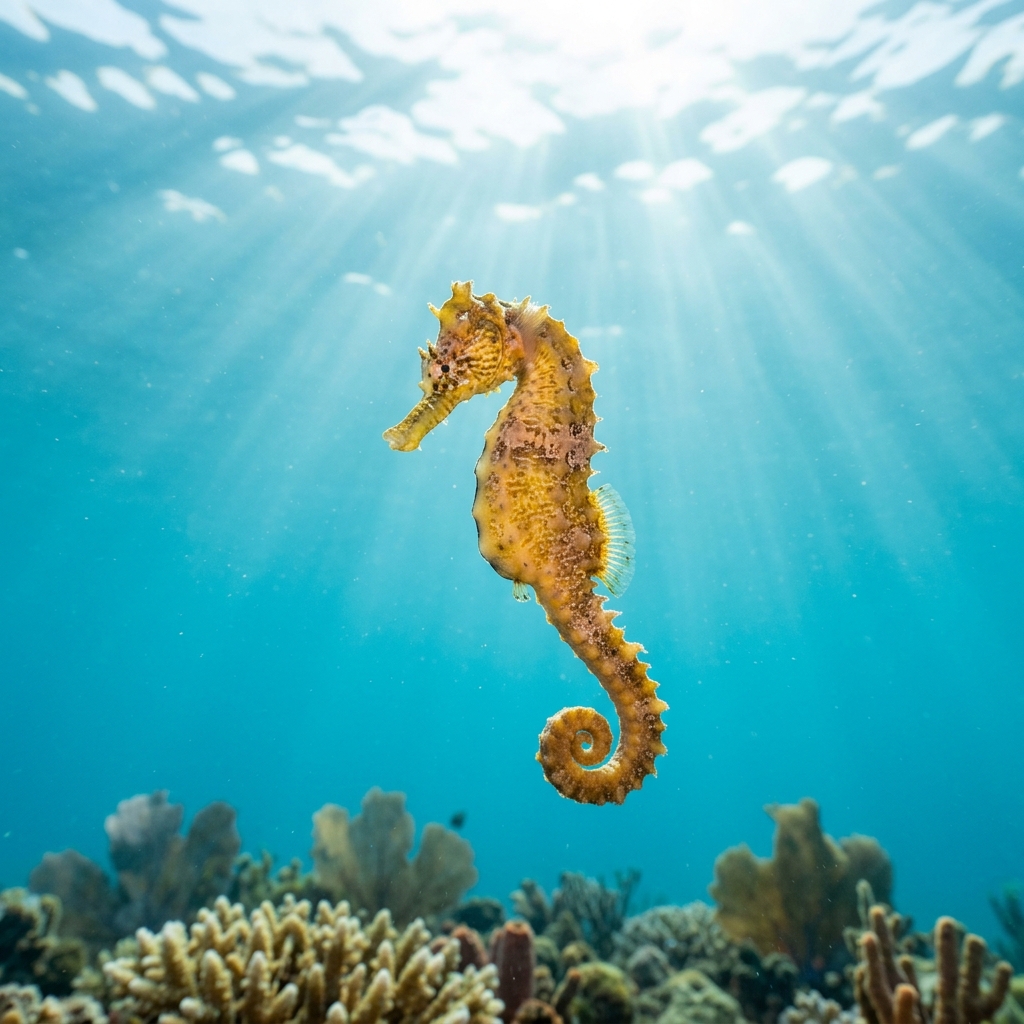
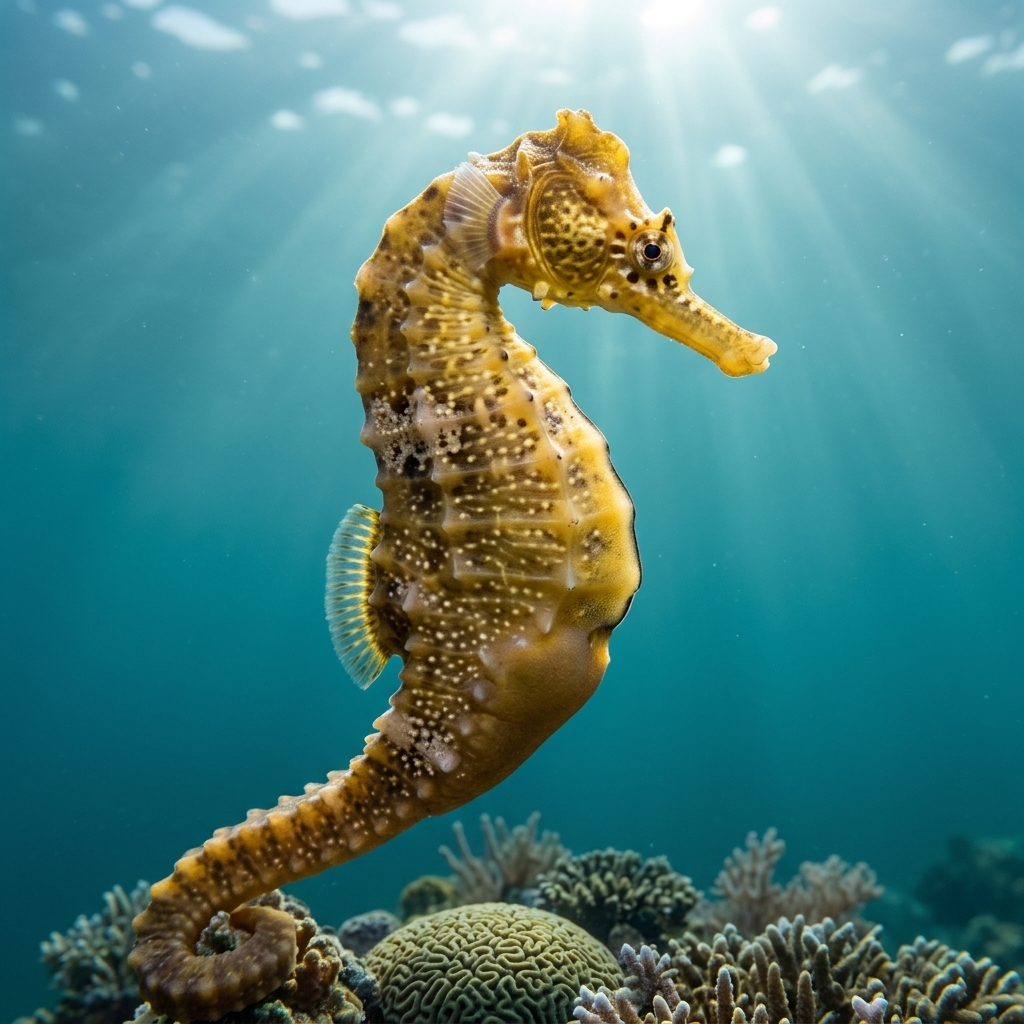
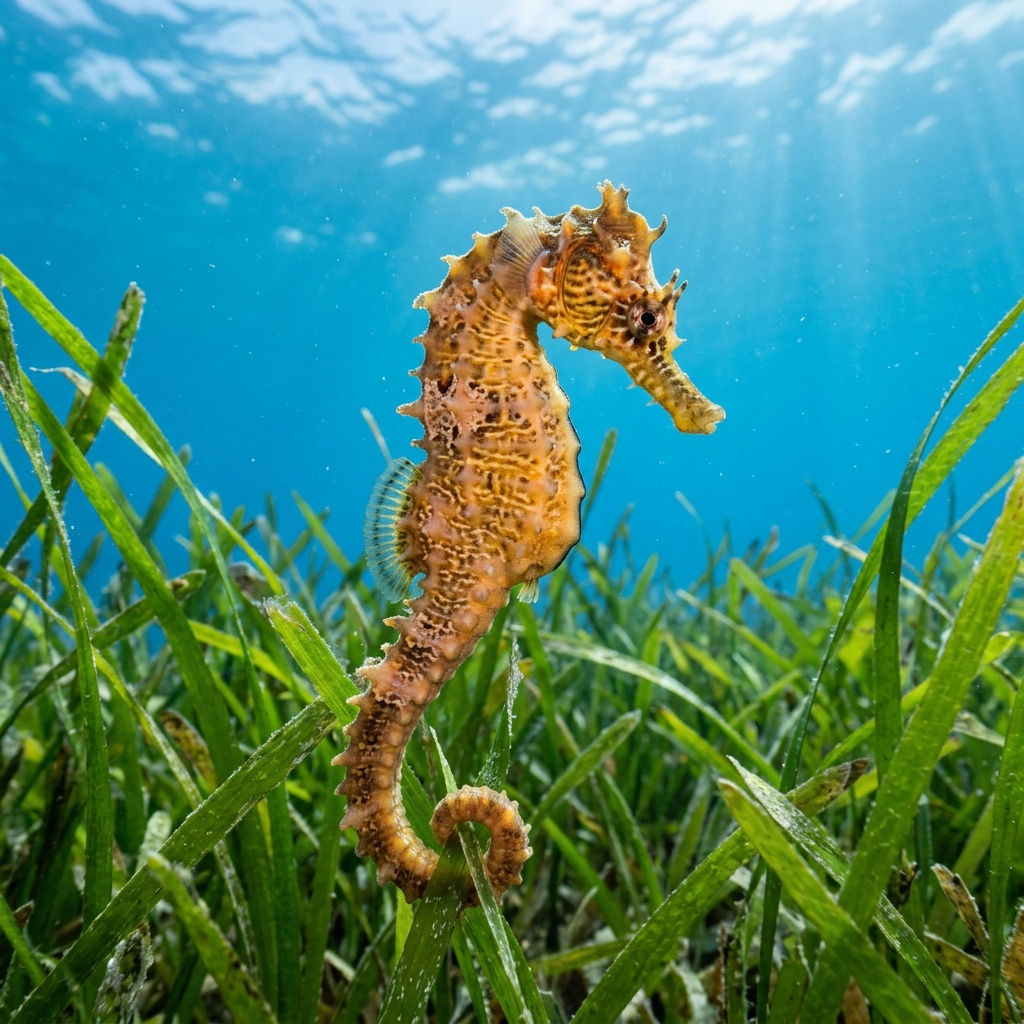
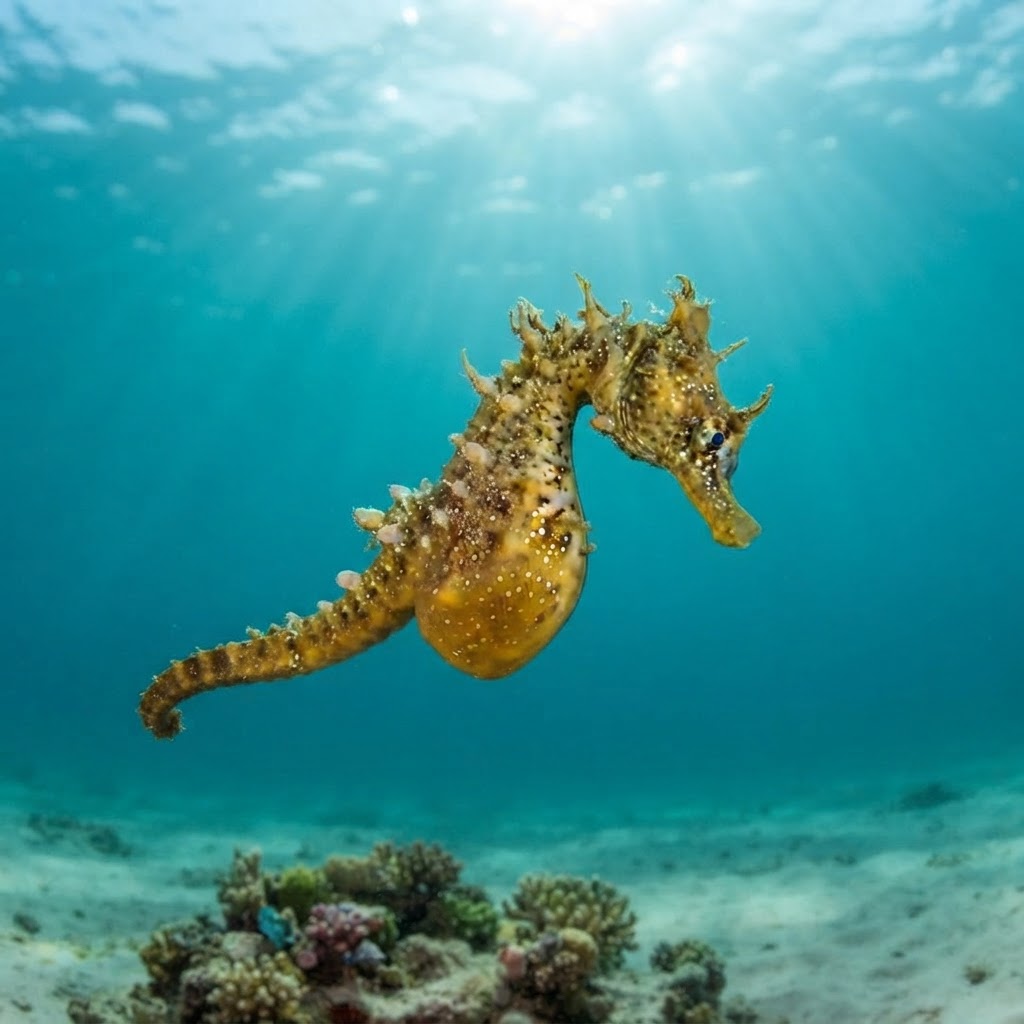
A small, chunky seahorse rarely more than 10 cm long, with a notably short, blunt snout compared to most other seahorses. Colour runs from mottled brown to yellow-orange, often with fine dark speckling that breaks up its outline against weed and sponge. Look for a deep-bodied, spiny profile and a tightly curled tail wrapped around a holdfast rather than drifting in open water.
Divers most often find shorthead seahorses gripping onto seaweed, sponges or reef rubble with their tail, sitting still and relying on their mottled skin to blend in rather than swimming off. They are slow, deliberate movers and tend to stay put even as divers approach, which makes them easy to miss but rewarding once spotted with a careful, close look at holdfast structures on the reef.
Like all seahorses, it is the male that carries the eggs, brooding them in a belly pouch until fully formed young are released to fend for themselves.
There is no clear seasonal spike in the sightings data, so treat this as a year-round resident rather than a seasonal visitor. It sits happily in cool water between 15 and 18.4°C, which matches Victoria's temperate conditions for most of the year.
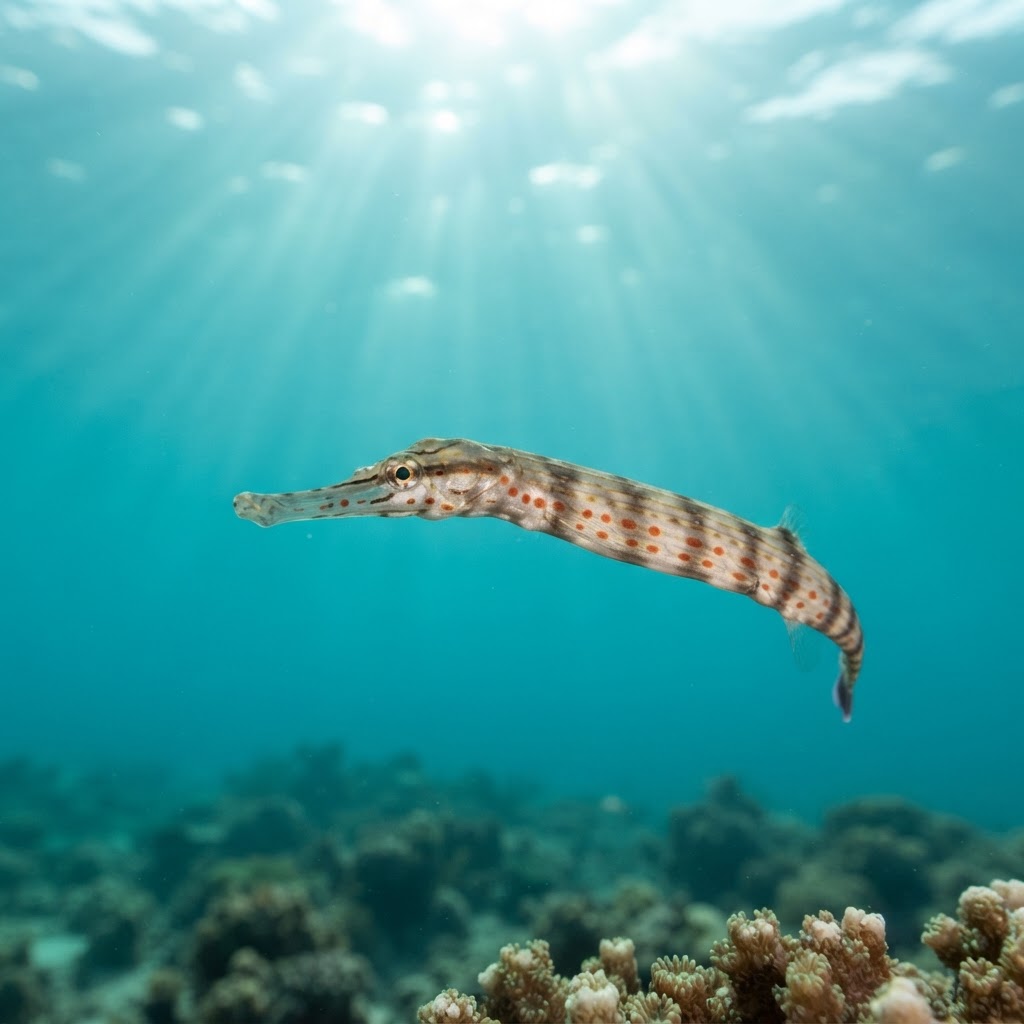
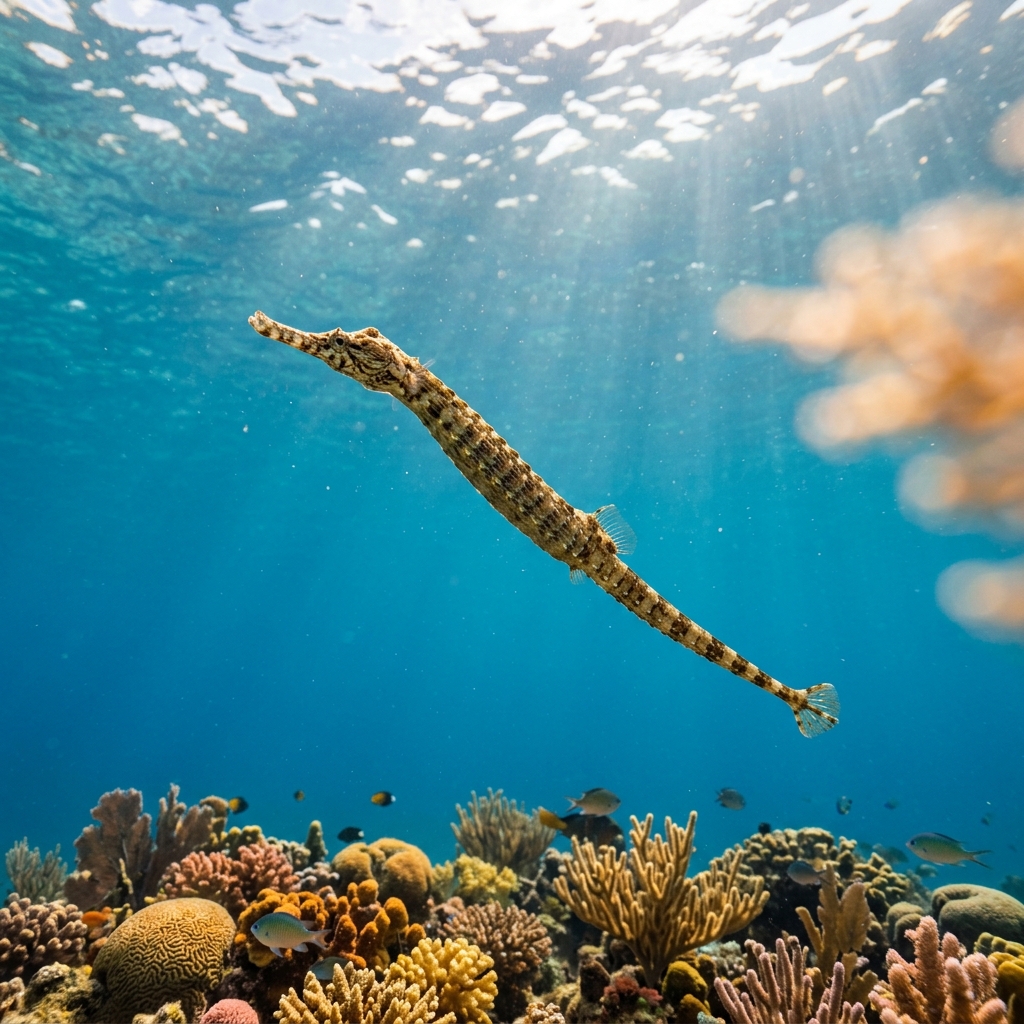
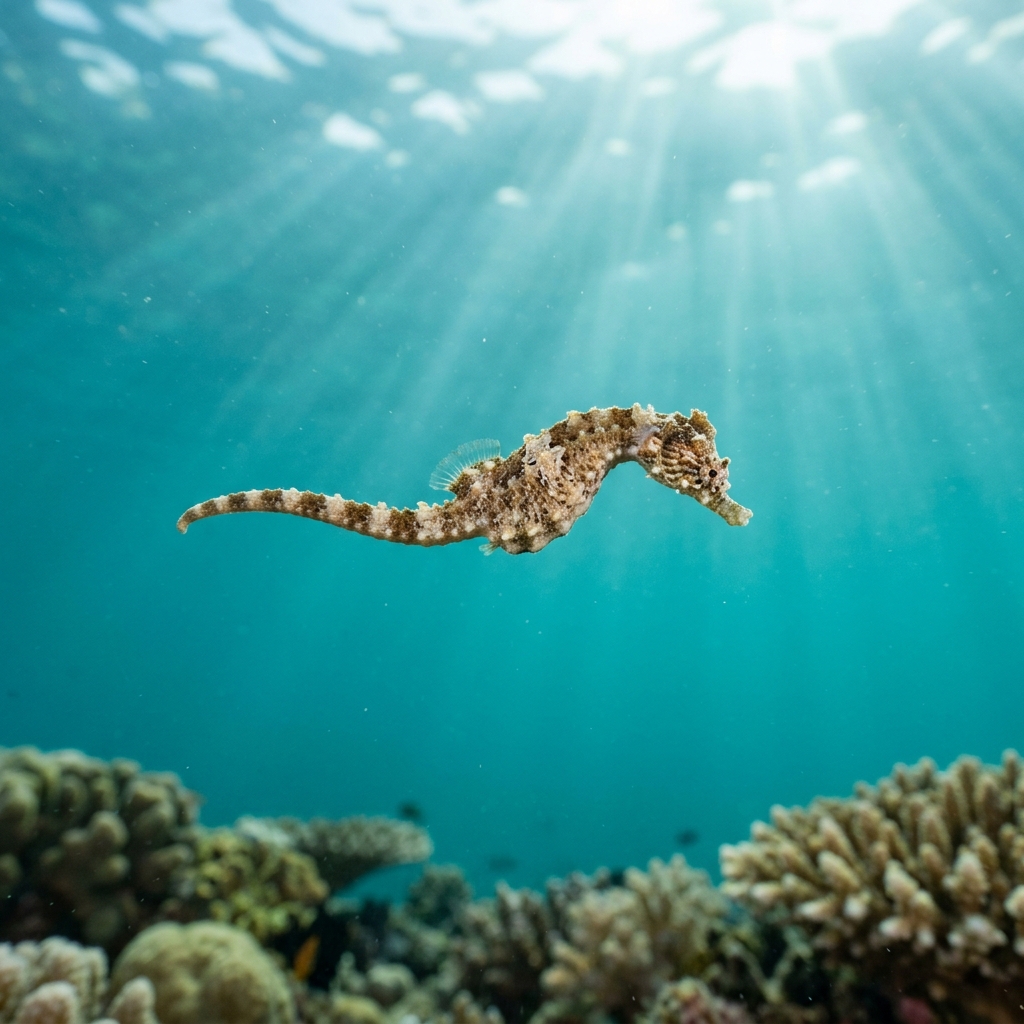
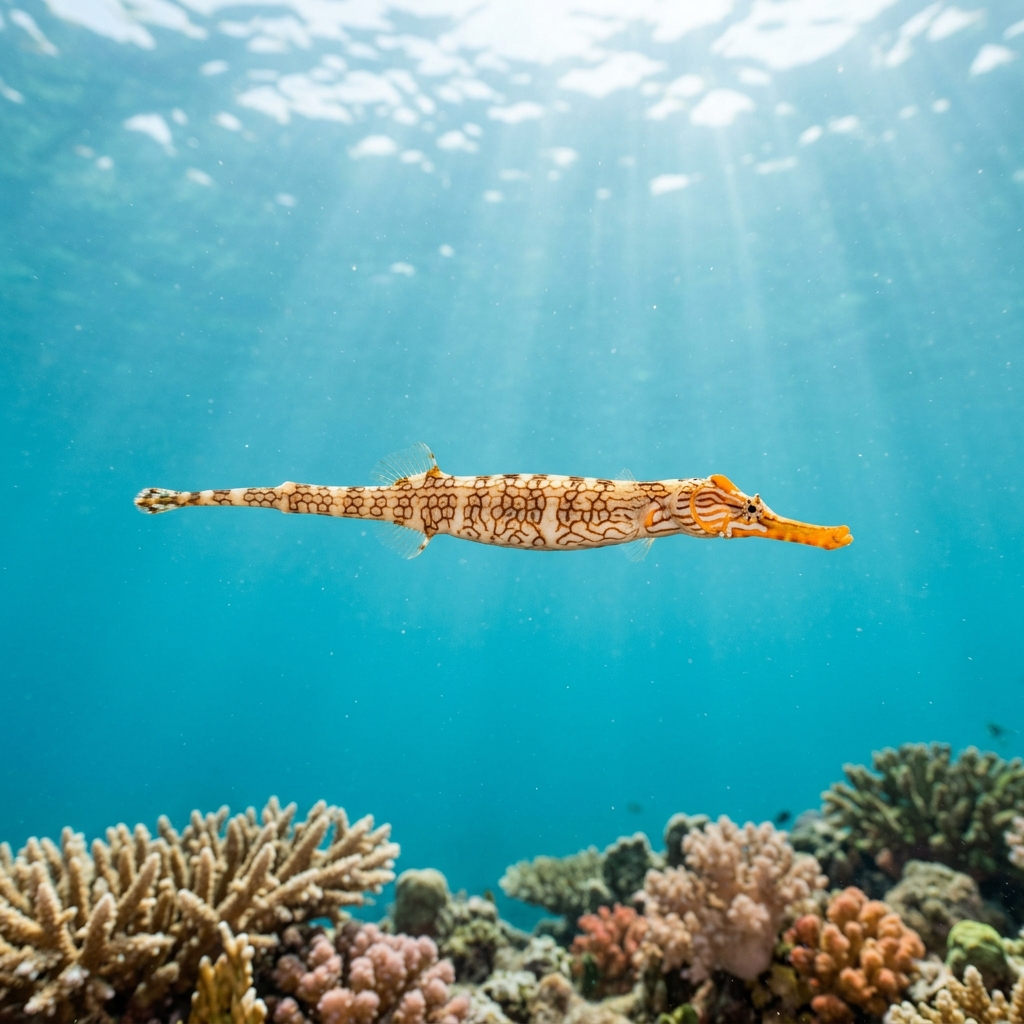
Reef neighbours a diver could mistake it for. Use the identification notes above to tell them apart.
This one is a Victoria, Australia species through and through, with the strongest run of sightings logged around that state's temperate reefs. Smaller numbers turn up further west in Western Australia and South Australia, but if you want a real shot at one, southern Victorian dive sites are where to look.
Mapping where Shorthead Seahorse is logged…
Victoria, Australia is the standout region, with far more logged sightings there than anywhere else. Smaller numbers have also been recorded in Western Australia and South Australia.
There is no strong seasonal pattern in the sighting data, so it is considered a year-round find. It lives in cool water between roughly 15 and 18°C, which is typical of Victoria's coast for most of the year.
Look for a small, deep-bodied seahorse under 10 cm with a distinctly short, blunt snout and mottled brown to yellow speckled skin. It is usually found holding still on weed or sponge rather than swimming in open water.
They top out at around 10 cm, making them one of the smaller seahorse species divers encounter on temperate Australian reefs.
As with other seahorses, the male carries the fertilised eggs in a specialised belly pouch and gives birth to fully formed young once they develop, flipping the usual parenting roles seen in most fish.
Site and sighting data is aggregated from diver logs, iNaturalist and GBIF. For taxonomy and conservation status:
Seahorse
1,346 sites