Petroscirtes breviceps
Look twice in Koror & Malakal or the Visayas: this 7cm mimic hides in old worm tubes and bites like a wrasse.
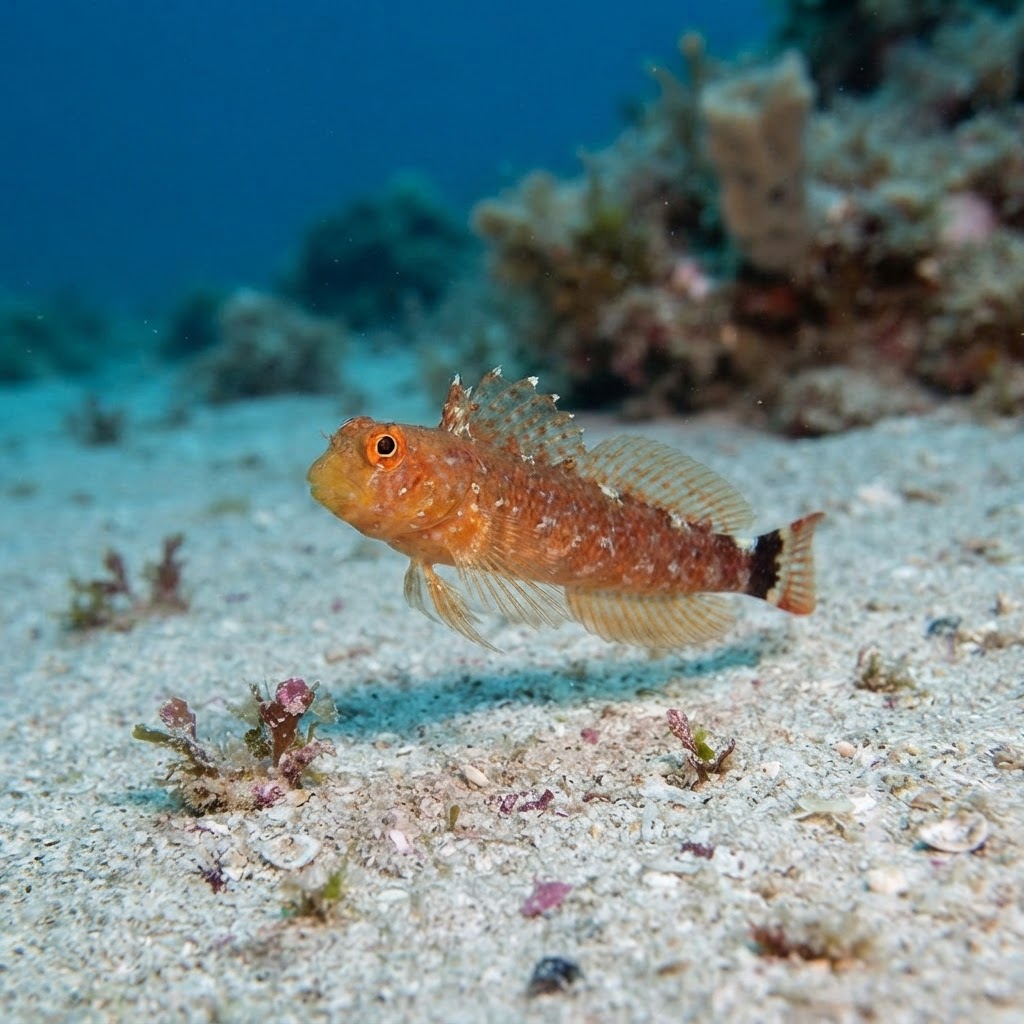
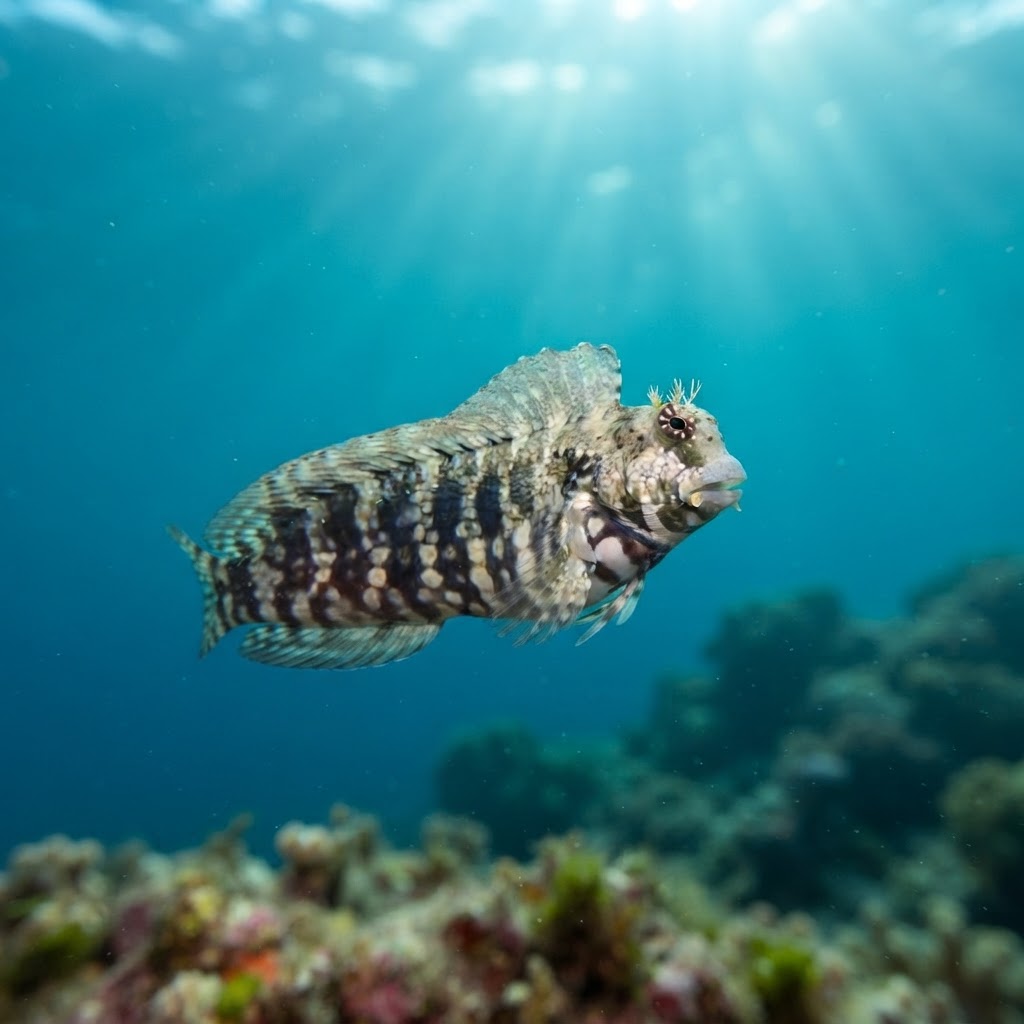
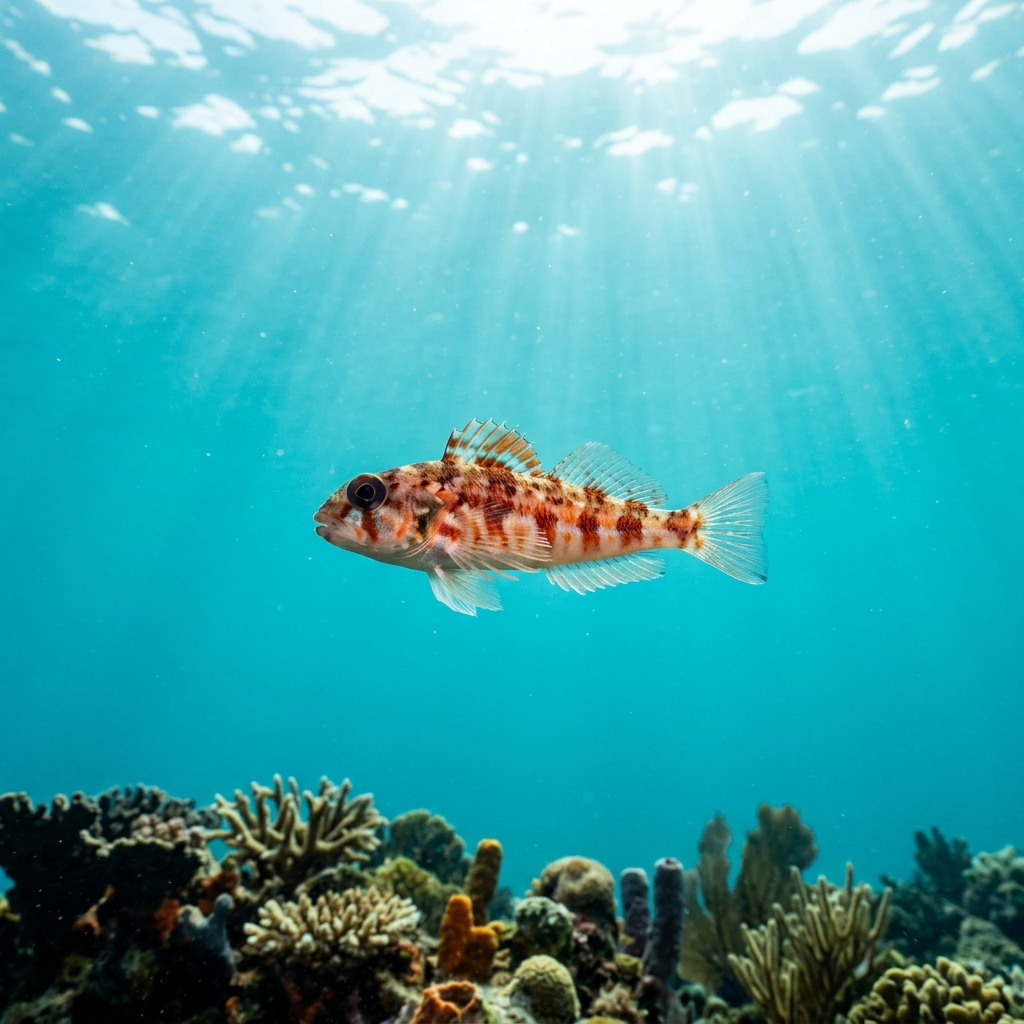
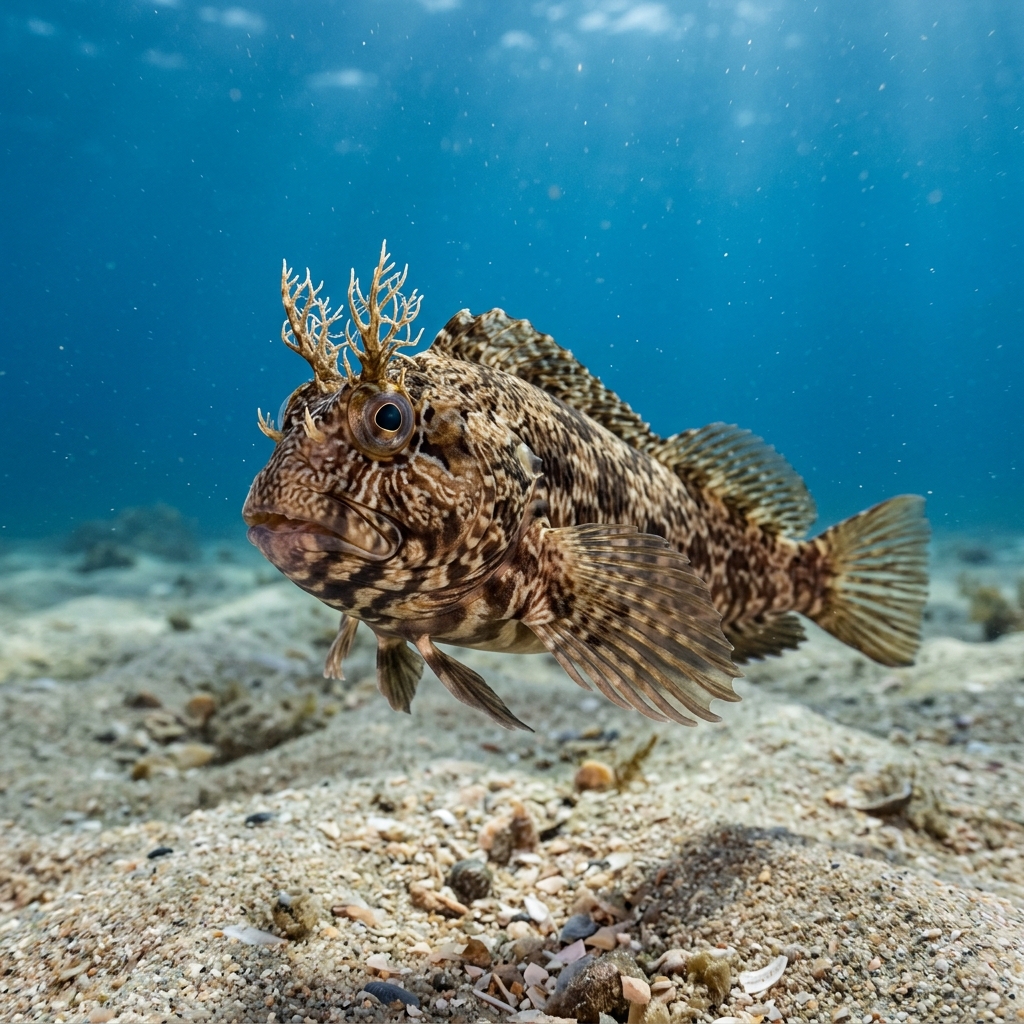
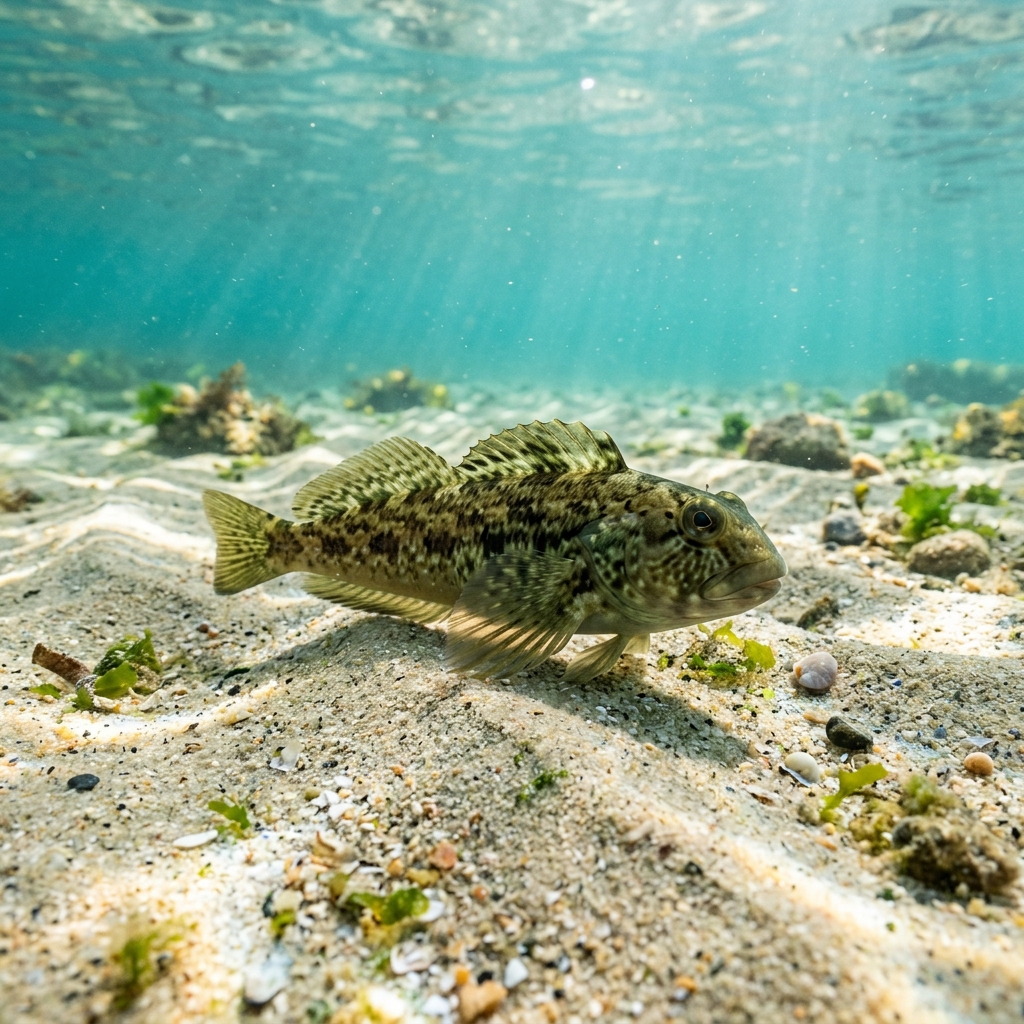
A small, tube-shaped blenny around 7 cm long, usually seen with just its head poking out of an abandoned worm tube or small hole in the reef. Colouring is variable and often mottled brown, grey or olive, sometimes with faint pale stripes, which helps it blend into rubble and coral rock. The eyes sit high and large on a blunt head, and the body tapers into a slim, eel-like rear end that stays hidden in its burrow. Look for a fish that seems to be all head and stare, with no visible fins doing obvious work.
Spends most of its time with just its head out of a borrowed tube worm hole or crevice, watching passing divers rather than fleeing into open water. It is usually found perched on rubble patches, coral rock or dead coral heads in shallow to mid reef depths, and tends to duck back in if you get too close rather than swim off. Most sightings are casual, single-fish encounters rather than groups, and it is easy to swim straight past without noticing it.
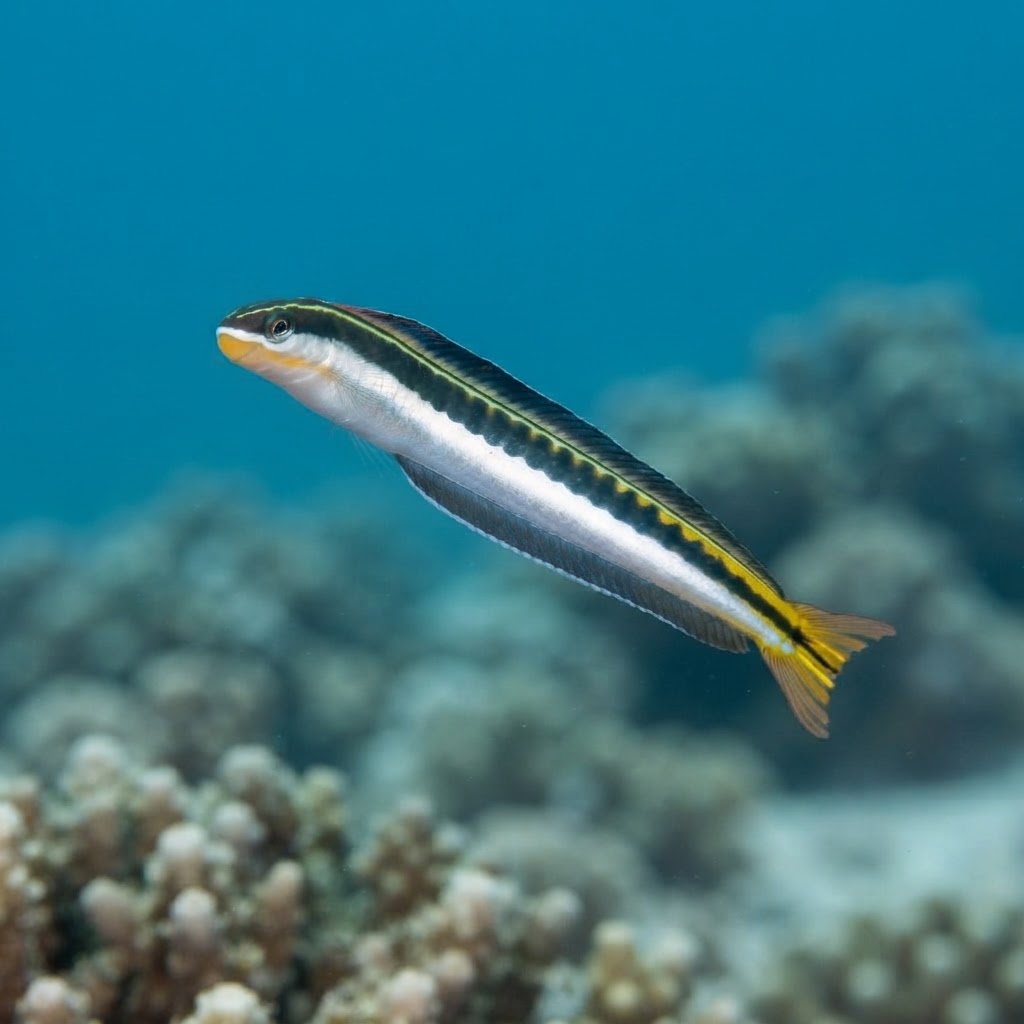
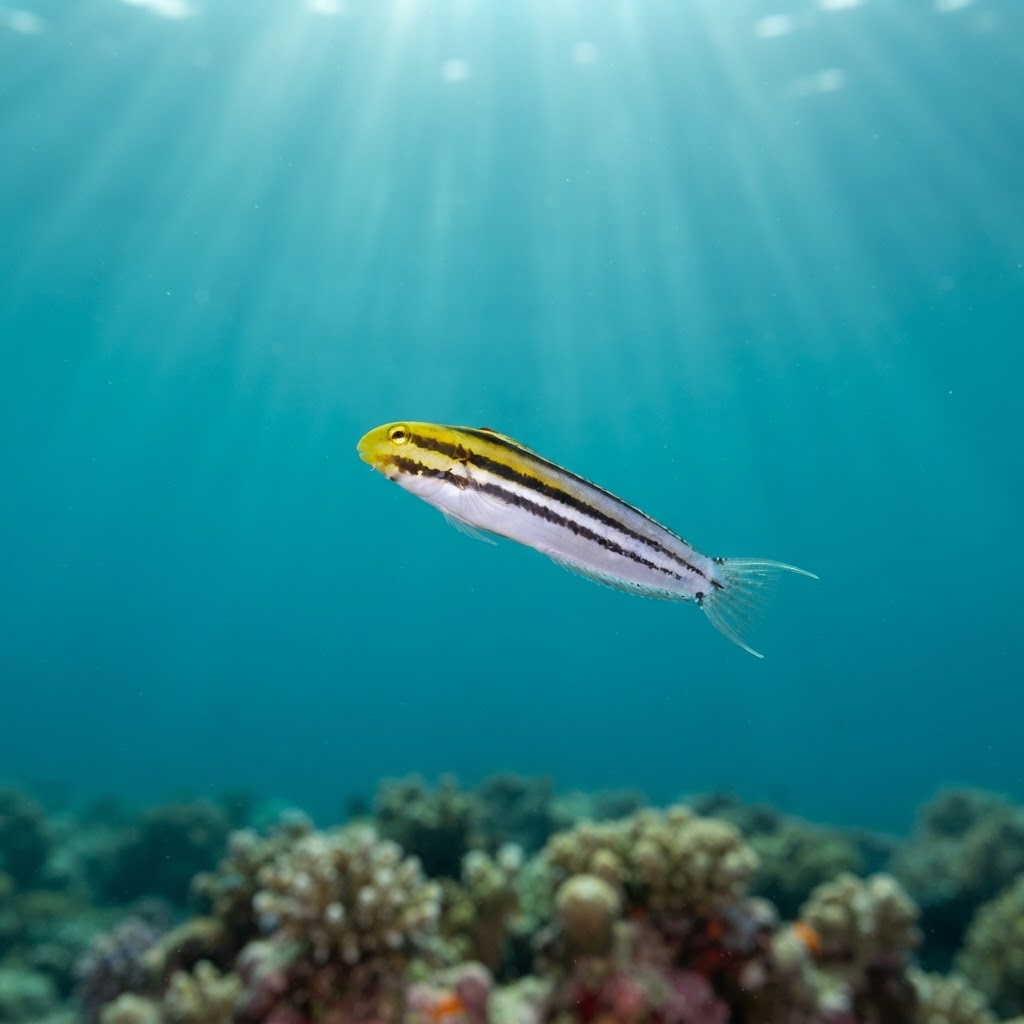
Some fangblennies in this genus mimic the colours and swimming style of cleaner wrasses to get close to other fish, then take a bite of scale or skin instead of parasites, a trick backed by a real pair of venom-grooved fangs in the lower jaw.
Comfortable year-round in the warm 25 to 29.3 C range typical of these reefs, so there is no strong seasonal read in the data and divers log it across all months.
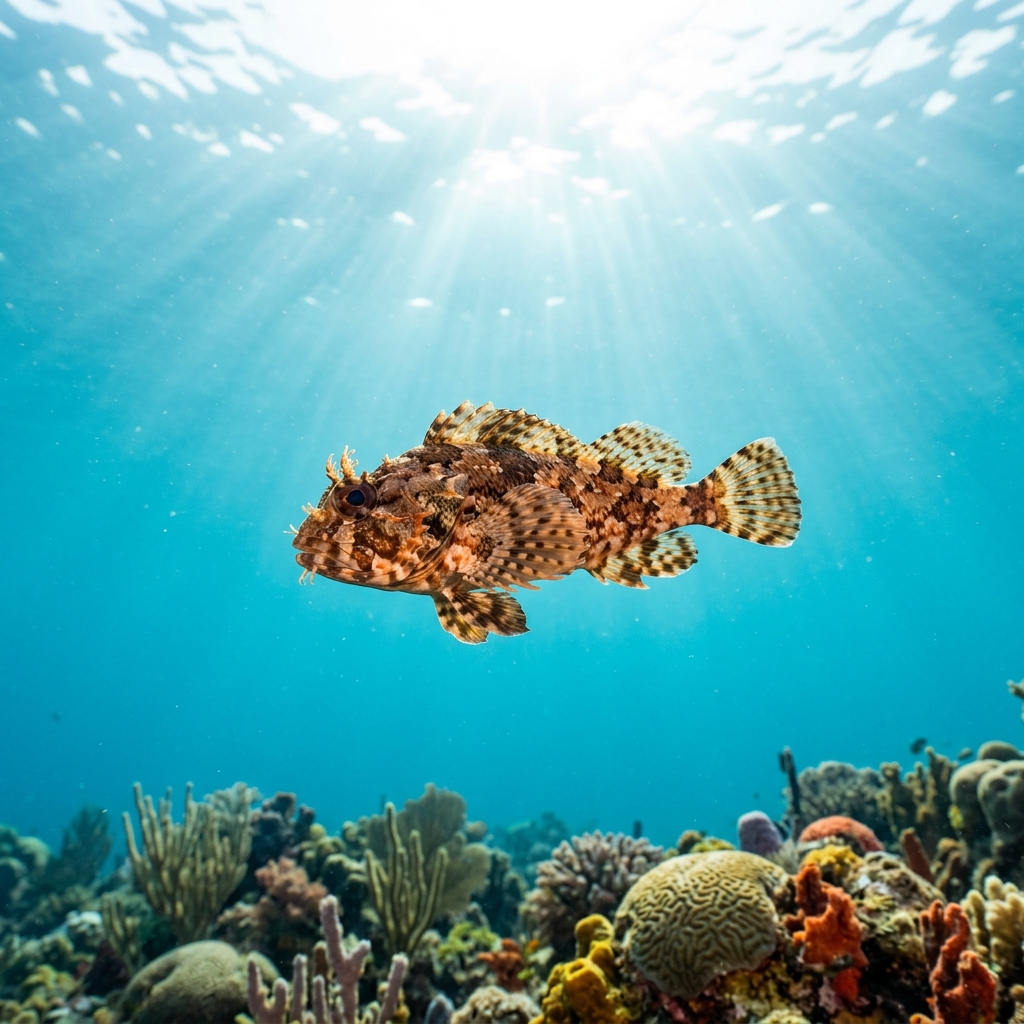
Reef neighbours a diver could mistake it for. Use the identification notes above to tell them apart.
Most reliably logged in the Philippines, especially across the Visayas and Luzon, and in Indonesia's Sulawesi, Maluku and Bali regions. Palau is a strong hotspot too, particularly around Koror & Malakal, with further sightings in Phuket, Thailand and Hong Kong's Sai Kung area.
Mapping where Shorthead Fangblenny is logged…
Best chances are in the Philippines across the Visayas and Luzon, Indonesia's Sulawesi, Maluku and Bali, and Palau's Koror & Malakal area. It also turns up in Phuket, Thailand and Hong Kong's Sai Kung.
There is no clear season in the sighting data, and it lives in reefs holding 25 to 29.3 C year-round, so it is seen in every month at the sites where it occurs.
Look for a small, mottled brown or olive fish poking its head from an old worm tube or reef hole, with large eyes and a blunt face. The rest of the slim body usually stays hidden, so the giveaway is the stare rather than a full-body view.
Around 7 cm at full size, small enough that it is easy to overlook against rubble and coral rock unless you are looking closely at holes and tube worm casings.
It belongs to a group of fangblennies known for mimicking cleaner wrasses in colour and swimming style, then biting scales or skin off fish that approach expecting a clean rather than a nip.
No, it poses no real threat to divers and simply retreats into its hole if approached. Its fangs are used on other small fish, not on people.
Site and sighting data is aggregated from diver logs, iNaturalist and GBIF. For taxonomy and conservation status:
Rusty Blenny
2,605 sites